Vintage yachts draw admirers with traditional lines, fine craftsmanship and a direct link to boating history. They include wooden sailing yachts and classic motor yachts, each reflecting the design thinking of its era. Some have been painstakingly restored, while others still carry fittings from the day they were launched.
Owning one takes more than a love of its looks. Buyers need to understand a yacht’s history, construction, condition, upkeep and restoration costs. They also need to know that yacht associations apply different rules when deciding what counts as vintage. This guide covers what vintage yachts are, the main types, key features, restoration, ownership costs and how to buy one wisely.
What Is a Vintage Yacht?
A vintage yacht is an older pleasure vessel prized for its traditional design, build quality or historical significance. It may be a sailing yacht or a motor yacht, depending on what it was built to do.
No single worldwide age limit exists. Each organization sets its own rules. The Classic Yacht Owners Association, for instance, places yachts designed before 1 January 1950 in its Vintage division for racing, provided their main components and construction methods still match the original design. The Classic Yacht Association, which covers power-driven pleasure boats, runs a different register with its own vintage category for qualifying vessels launched before 1975.
So age alone does not settle the question. Original design, construction, current condition and later modifications can all matter, and you should confirm current rules with the body concerned.
Vintage vs. Classic vs. Modern Classic
These terms overlap, and their meaning shifts depending on who is using them.
| Category | General meaning | Typical traits |
|---|---|---|
| Vintage yacht | Older yacht that meets a specific vintage definition | Historic design and traditional construction |
| Classic yacht | Yacht recognized for established traditional design or historic character | Older lines, craftsmanship, distinctive details |
| Modern classic yacht | Newer yacht inspired by traditional design | Classic looks with newer design or construction |
A modern yacht styled after an older design is not automatically vintage. Some associations place such boats in separate groups, such as modern classic or Spirit of Tradition.
History of Vintage Yachts

The story of vintage yachts follows the growth of recreational boating, boatbuilding and naval architecture. Better materials, engines and design ideas gradually changed how private yachts were built and used.
Early Recreational Yachting
Early yachts were built for pleasure, private use and racing. Wealthy owners took them on leisure trips, used them for socializing and entered them in races. Sailing yachts relied on wind, carefully shaped hulls and skilled crews. As the pastime spread, builders offered a wider range of sizes, layouts and sailing abilities.
Traditional Design Matures
From the late nineteenth into the early twentieth century, design and craftsmanship advanced steadily. Wooden hulls, detailed interiors, traditional deck layouts and carefully proportioned rigs became hallmarks of many yachts. Designers produced boats for cruising, racing and private travel, which left collectors with a rich variety to explore.
Changing Construction
Wood stayed important, but steel and aluminum became options for certain designs, and fiberglass later took over much of recreational boatbuilding. Engines, electrical systems, navigation gear and onboard comforts evolved too. That is why vintage yachts from similar periods can look and work very differently.
Main Types of Vintage Yachts
Vintage yachts are grouped by how they move and what they are built from. The groups overlap, since a vintage motor yacht can just as easily have a wooden hull.
Vintage Sailing Yachts
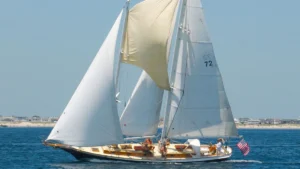
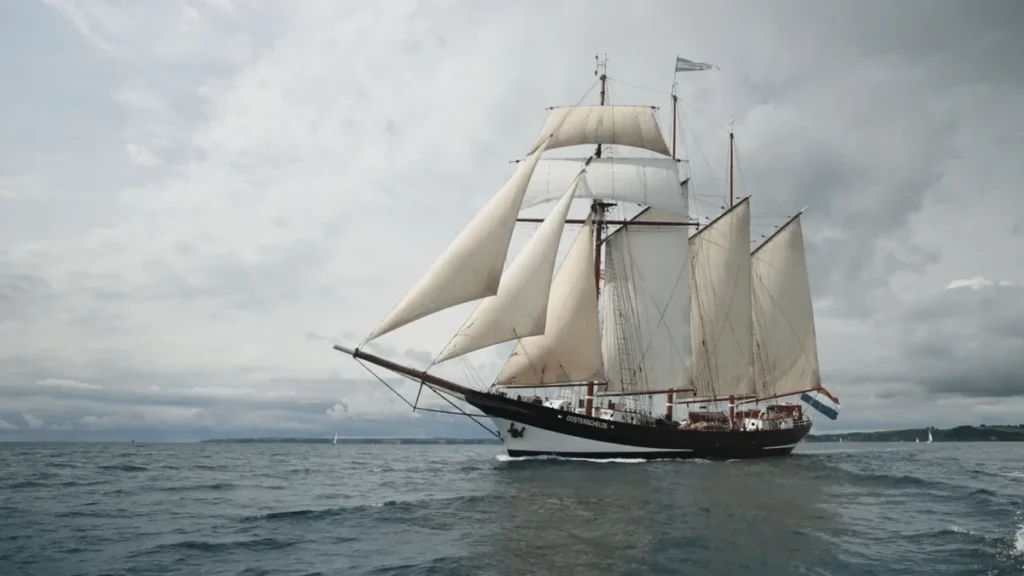
These boats harness wind through sails. Features may include traditional hull shapes, masts, rigging and wooden or metal construction. Some were built for racing and others for cruising and longer trips, and their original rig is a big part of their character.
Vintage Motor Yachts
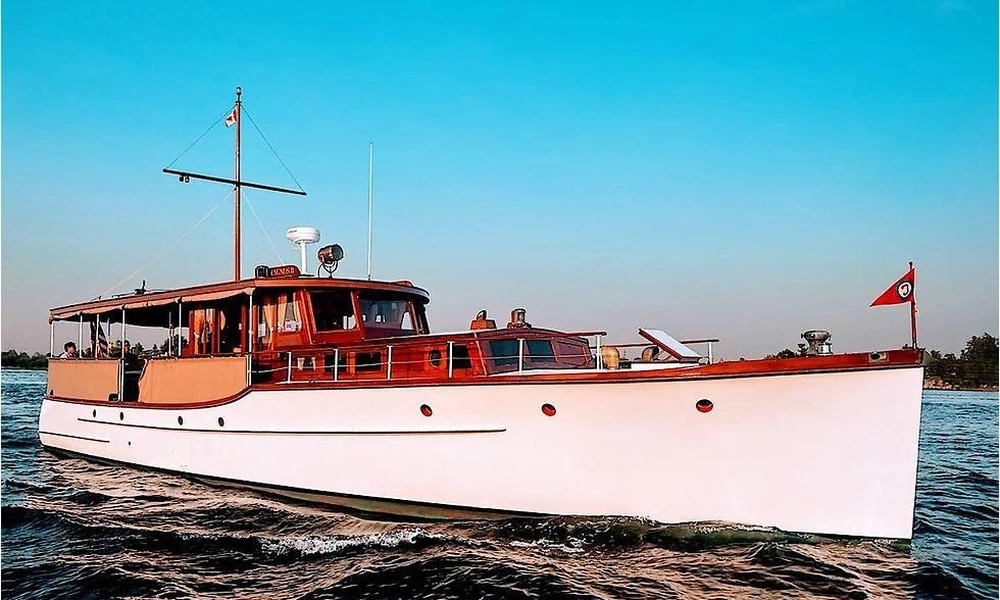
These rely on engines and often combine classic exteriors, detailed woodwork and layouts made for private cruising. Engine types depend on the period and builder. Older engines can call for specialist servicing and hard-to-find parts.
Vintage Wooden Yachts
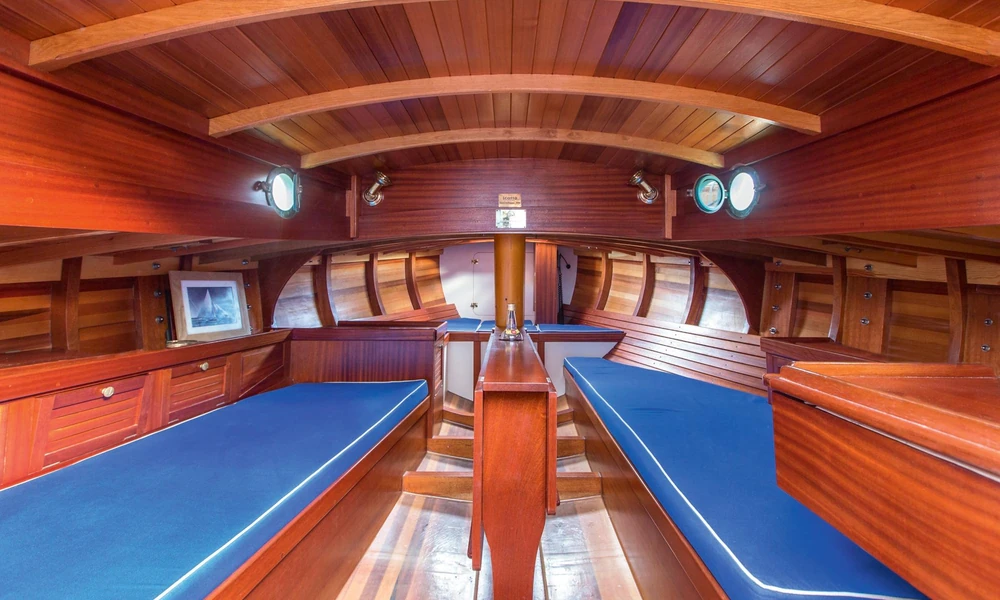
Wood is the material most associated with traditional boatbuilding. Many wooden yachts use plank-on-frame construction, where planks are fixed to a supporting frame. Typical trouble spots are water damage, rot, weakened joints and worn protective coatings. Regular inspection matters because hidden damage can weaken the hull.
Vintage Steel Yachts
Steel offers strength but needs protection and regular checks. Corrosion can start where coatings fail or water pools, so pay close attention to the hull, joints, fittings and awkward-to-reach areas.
Vintage Aluminum Yachts
Aluminum can make a lighter structure than steel, depending on design. It still needs suitable corrosion protection. Contact between different metals, damaged coatings and poor electrical arrangements can all cause problems.
Quick Comparison
| Yacht type | Main propulsion or material | Key point to check |
|---|---|---|
| Sailing yacht | Wind and sails | Mast, sails, rigging and hull |
| Motor yacht | Engine | Engine condition and parts supply |
| Wooden yacht | Wood | Rot, water damage and joints |
| Steel yacht | Steel | Corrosion and coatings |
| Aluminum yacht | Aluminum | Corrosion and welded joints |
Key Features of Vintage Yachts
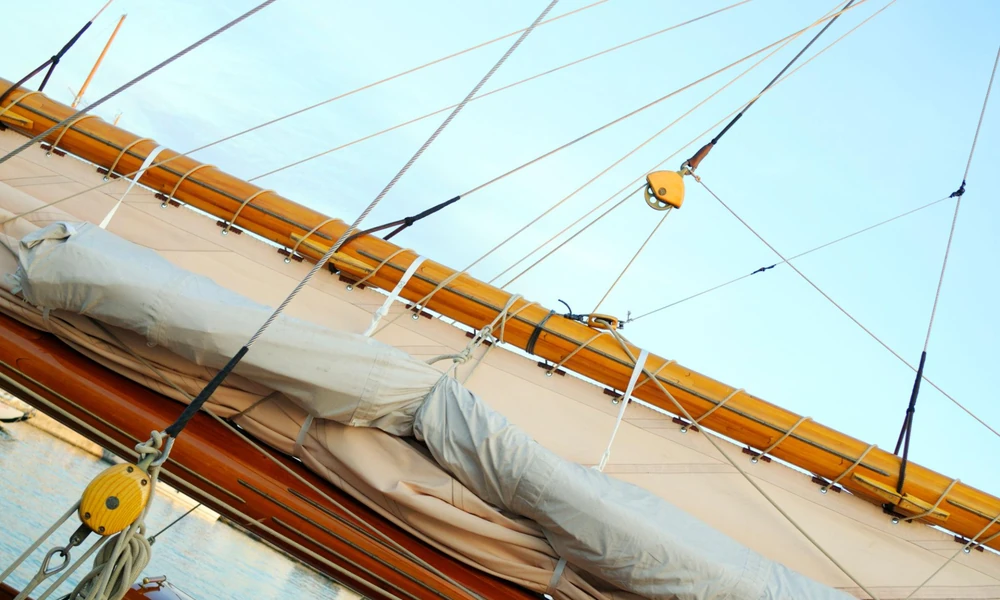
Details differ between builders and vessels, but several features recur.
Traditional Exterior Design
Many have distinctive hull shapes, raised decks, classic railings and carefully styled superstructures that reflect the materials and methods of their day. Sailing yachts may keep traditional masts and rigging, while motor yachts often have classic deckhouses and open or covered seating.
Craftsmanship and Materials
Depending on the boat, construction may involve detailed joinery, metal fittings, hand-finished surfaces and carefully fitted structural parts. Wood, steel and aluminum all appear in older yachts, and the right material depends on the original design.
Traditional Interiors
Interiors may feature wood paneling, period furniture, decorative fittings and separate living areas. Larger yachts can have several cabins, a saloon and a galley, while smaller ones keep a simpler arrangement.
Older Engines and Systems
Motor yachts may carry engines that differ greatly from modern units, and repairs can require specialist knowledge. Some restored boats keep their original engines, while others have been repowered. Check that any modifications are documented and appropriate.
Original Historical Details
Original fittings, photographs, plans and builder records help tell a yacht’s story and can show how much of its original design survives.
Notable Vintage Yachts
Examples help show how design and construction developed, but a yacht’s importance should rest on reliable records, not appearance alone. Two yachts often cited in connection with the Classic Yacht Owners Association’s Vintage division are:
- Marilee: a 1926 Herreshoff-designed sailing yacht.
- Black Watch: a 1938 Sparkman & Stephens yawl.
Before relying on any example, confirm the designer, builder, launch date, construction material and documented history. Do not confuse a yacht’s design year with its build or launch year.
Restoration and Preservation

Restoration repairs and preserves an older vessel while respecting its original design and historic value. The right approach depends on the yacht’s condition, construction, history and future use.
Why Vintage Yachts Need Work
Years of water, weather and use take a toll. Common problems include:
- Weakened or damaged hull structure
- Wood rot and water damage
- Corrosion in metal parts
- Damaged decks and fittings
- Worn engines and mechanical systems
- Old wiring and fuel systems
- Deteriorated interior materials
Not every old yacht needs a full restoration. Some need only repairs and steady maintenance.
Typical Restoration Stages
| Stage | Work involved |
|---|---|
| Initial inspection | Assess condition and identify damage |
| Historical research | Review plans, photographs and records |
| Structural repairs | Fix hull, frames, decks and other parts |
| Mechanical work | Inspect and repair engines and related systems |
| Interior restoration | Repair furniture, fittings and surfaces |
| System upgrades | Improve selected electrical, navigation and safety systems |
| Final checks | Review the work and test systems before use |
Authentic Restoration vs. Modern Upgrades
| Authentic restoration | Modern upgrades |
|---|---|
| Preserves historic features | Improves selected systems |
| Uses materials and methods matching the original design | May bring in newer equipment and materials |
| Protects historic character | May add convenience or ease of operation |
| Supports authenticity | Can affect classification under some association rules |
A project can blend both, but plan carefully. Major changes can alter a yacht’s character and its eligibility for certain vintage categories. Before starting, document the current condition and research the vessel’s history. National Historic Ships UK advises assessing historical evidence and weighing the value of original materials before deciding what to repair or replace.
How Much Does a Vintage Yacht Cost?
There is no fixed price. Value depends on history, size, design, construction, condition and the quality of any restoration. A well-documented yacht with preserved original features appeals to a different buyer than a similar-looking boat with serious structural problems.
What Drives the Price
- Age and historic importance: a link to a notable designer, builder or event adds interest.
- Size and design: larger vessels need more materials, space and upkeep.
- Construction material: wood, steel and aluminum each carry different repair needs.
- Condition: hull damage, corrosion, engine trouble and water damage reduce value.
- Restoration quality: documented work shows buyers what has been done.
- Originality: original parts and details matter to collectors.
- Market demand and location: buyer interest and where the yacht lies can shift the asking price.
Ongoing Ownership Costs
The purchase price is only the start. Budget for:
- Routine maintenance
- Professional inspections
- Engine servicing
- Repairs and replacement parts
- Haul-outs and storage
- Marina or mooring fees
- Insurance
- Restoration work
A well-kept yacht may need less immediate work than a neglected one, but every older boat needs a proper maintenance plan.
How to Buy a Vintage Yacht
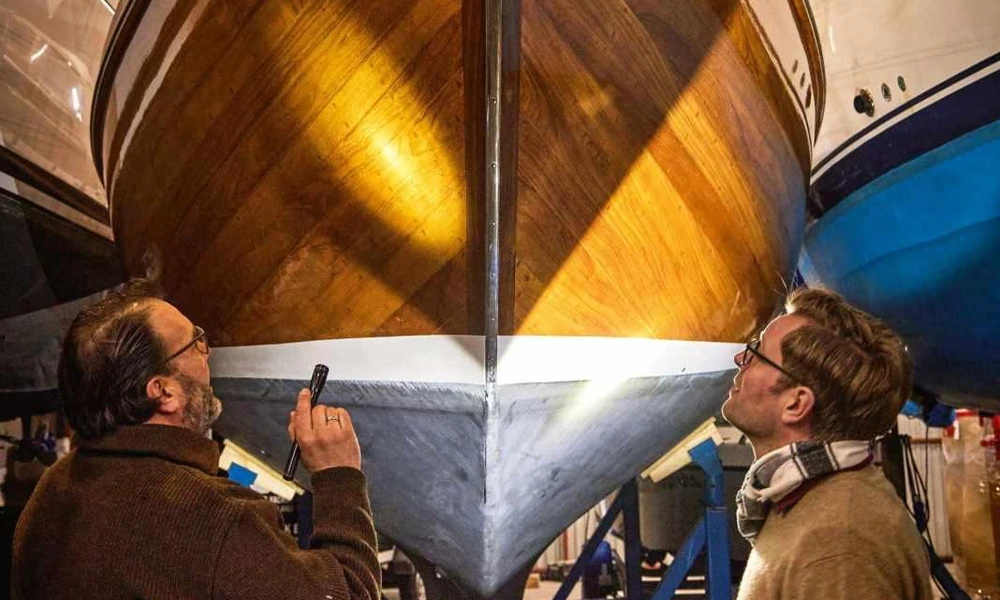
Careful research is essential, because a boat that looks wonderful in photos can hide structural, mechanical or ownership problems.
- Choose the right type. Decide between sail and power, and think about size, material, intended use, available maintenance support and where you will keep and operate the boat.
- Check its history. Ask for builder and designer details, build and launch dates, previous names and owners, original plans and photographs, restoration and repair records and registration papers.
- Inspect the hull and structure. On wooden boats, look for rot, water damage and weak joints. On steel boats, look for corrosion and damaged coatings. On aluminum boats, check welds and places where different metals meet. Also examine decks, frames and fittings.
- Check the engine and equipment. For motor yachts, review service history, running condition and any leaks. For sailing yachts, inspect the mast, sails and rigging. Test electrical systems, fuel arrangements, steering, navigation equipment and safety gear.
- Arrange an independent marine survey. A qualified surveyor should assess structure, condition and equipment, and a separate engine survey can be worthwhile. A sea trial shows how the yacht behaves on the water.
- Review legal documents. Confirm the seller has the right to sell, then check registration, ownership papers, any outstanding finance and the written sale agreement. Also check the rules in the country where you will register and operate the boat.
Maintenance and Care
Regular care protects a vintage yacht from avoidable damage. Match the plan to the boat’s materials, age, condition and use.
- Hull and deck: inspect often for cracks, leaks, loose fittings and damaged coatings, and have signs of structural damage assessed by a professional.
- Wooden yachts: watch moisture, coatings, joints and rot, and use materials and methods suited to the original construction.
- Engines and mechanical systems: follow the manufacturer’s service schedule where available and keep records of servicing, repairs and replaced parts.
- Corrosion prevention: check metal hulls regularly, including coatings, electrical arrangements and fittings.
- Storage and weather protection: consider local climate, sun, rain, humidity and water conditions.
Regular maintenance is almost always cheaper than letting small problems grow into major repairs.
Associations and Preservation Groups
Associations help owners and enthusiasts learn about and preserve historic vessels.
- The Classic Yacht Owners Association supports classic yacht racing and uses a rating system with Vintage, Classic and Modern Classic divisions.
- The Classic Yacht Association promotes preserving, restoring and maintaining older power-driven pleasure craft, and keeps a register of qualifying vessels.
- National Historic Ships UK offers guidance on recording, conserving and preserving historic vessels.
Their purposes and classification rules differ, so check current requirements before seeking registration or event eligibility.
Are Vintage Yachts Worth Owning?
They can be deeply rewarding for people who value traditional boatbuilding, historic design and maritime preservation. Owners also get to join classic boating events and keep a piece of yachting history alive.
The responsibilities are real, though. Older engines may need specialist repairs, original parts can be hard to source and structural restoration can take considerable time and money. Weigh your budget, maintenance skills, access to specialist services and intended use. The best vintage yacht is not simply the prettiest one. Condition, documented history, construction and future upkeep matter just as much.
Frequently Asked Questions
Can a yacht lose its vintage status after restoration?
Yes, depending on the association. Some require major components to keep materials and construction methods consistent with the original design, so extensive modern changes can affect classification.
Does the launch date or the design date matter more?
It depends on the system. The Classic Yacht Owners Association uses design dates for its racing divisions, while other registers use build or launch dates. Check the rules of the organization involved.
Can a vintage yacht be a floating home?
Some can be adapted for living aboard, but suitability depends on structure, stability, facilities and local legal requirements. Major changes may also affect historic features.
Are parts available for old yacht engines?
It depends on the make, model and age. Some parts come from specialist suppliers, while others need expert repair or custom manufacture. Check parts availability before buying a boat with an uncommon engine.
Does restoration always raise a yacht’s value?
No. The outcome depends on the quality of the work, the yacht’s history, originality, condition and buyer demand. Poorly planned changes can reduce appeal to collectors.
Can a vintage yacht make long passages?
Some vintage sailing yachts were designed for extended cruising, but age alone does not prove seaworthiness. Have structure, rigging, equipment and the intended route professionally assessed.
Which documents prove a yacht’s authenticity?
Useful records include original plans, builder documents, launch records, historic photographs, ownership history and restoration reports. Association registration may add further evidence.
Should I buy a restored yacht or one needing restoration?
A restored yacht may need less immediate work, but check the quality and paperwork behind the restoration. A project boat gives you more control but carries repair costs and structural risks that need assessing before you buy.
Conclusion
Vintage yachts blend traditional design, craftsmanship and maritime history. They range from wooden sailing yachts to older motor yachts, each with its own construction methods and maintenance needs.
Understanding how classifications work, checking historical records and commissioning a professional survey are the key steps before buying. With proper care and informed choices, these vessels can keep sailing while preserving an important part of yachting heritage.