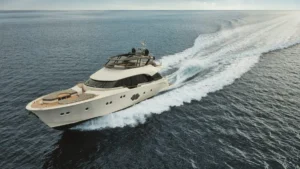
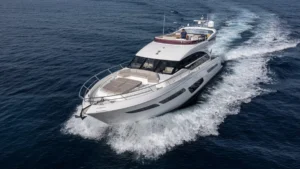
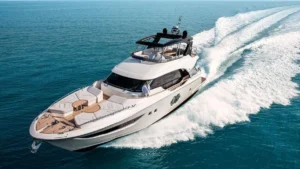
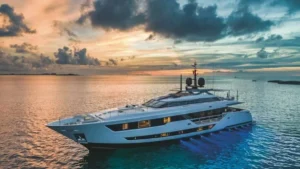
To buy a yacht in Italy is to gain access to motor yachts, sailing yachts, luxury yachts and pre-owned vessels, along with well-known manufacturers, established shipyards and popular Mediterranean boating destinations. Whether you want a yacht for family holidays, private cruising or longer trips, there are options for different needs and budgets.
However, buying a yacht involves more than choosing a model and agreeing on a price. You must understand the yacht’s condition, ownership documents, VAT status, registration requirements and ongoing costs. This guide explains where to find yachts for sale in Italy, what to check, and how to complete the purchase.
Why Buy a Yacht in Italy?
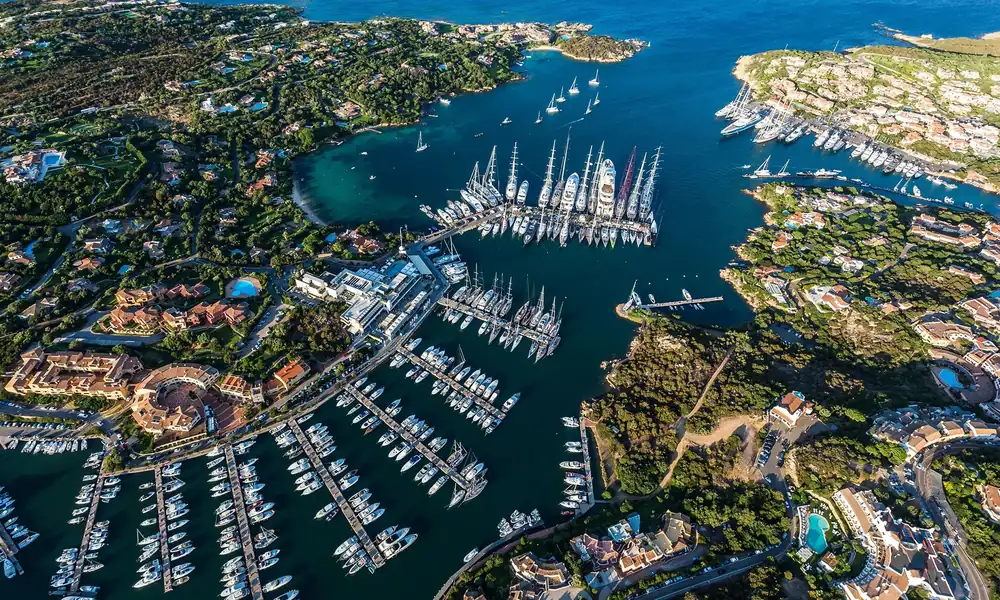
Italy has a well-established boating industry, with manufacturers, boatyards, brokerage companies, marinas and marine service providers. Buyers can compare different builders and inspect yachts in person, from smaller sailing yachts to large luxury motor yachts.
- Italian yacht manufacturers: Established brands build motor yachts, sailing yachts and superyachts.
- New and used vessels: Factory-new and pre-owned yachts are available through manufacturers, brokers and private sellers.
- Mediterranean locations: Several coastal areas have marinas and boating facilities.
- Marine services: Repairs, maintenance and refitting businesses are widely available.
- Different sizes: The market covers vessels for private cruising, family holidays and professional operations.
The best yacht still depends on your intended use, budget and ownership needs rather than the country where you buy it.
Where to Buy a Yacht in Italy
You can contact an established yacht broker, visit a manufacturer’s showroom or shipyard, or buy directly from a private owner.
Yacht Brokers in Italy

Italian yacht brokers help match buyers with vessels, arrange viewings, share listing information, communicate with sellers and assist with negotiation. Some also coordinate surveys, sea trials, contracts and the transfer process, though services vary by agreement. When choosing a broker, consider:
- Experience with the yacht type you want.
- Knowledge of the Italian market and access to suitable listings.
- Clear commission and service terms.
- Ability to arrange independent inspections.
- Experience with international buyers.
Ask who the broker represents and how the commission is calculated, and appoint an independent surveyor rather than relying on the seller’s or broker’s description.
Buying From Manufacturers
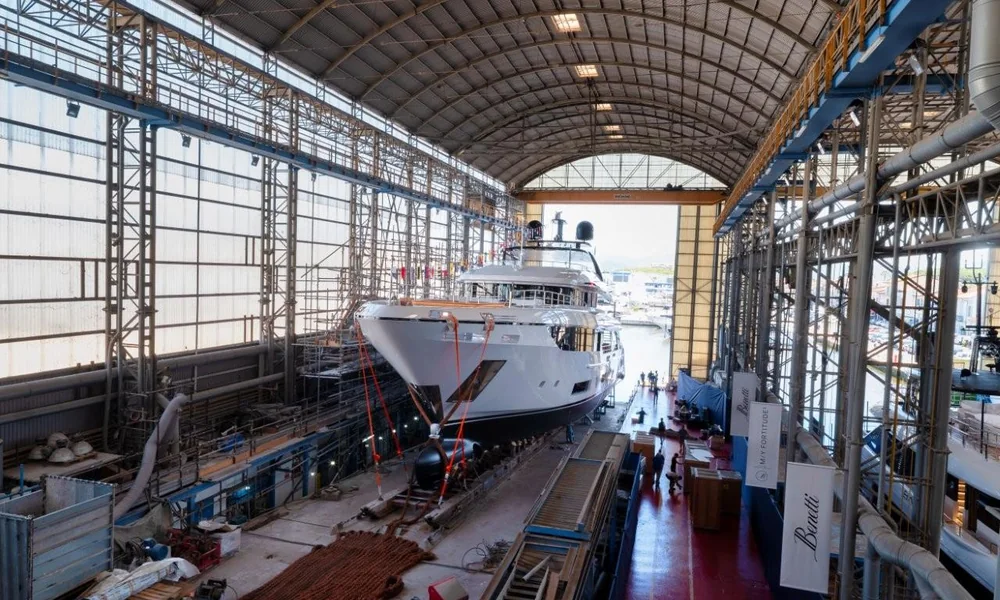
For a new yacht, buying from a manufacturer or authorized dealer lets you discuss layout, engines, interior materials, navigation systems and options before production or delivery. The advertised base price may not include every feature, so ask for a complete quotation covering standard equipment, extras, delivery, commissioning and warranty conditions.
Buying From Private Sellers
Private sellers may offer pre-owned yachts not listed with large brokers. Take care with ownership and technical records: verify that the seller has the legal right to sell and that the documents match the vessel’s identification details. Arrange an independent survey and check the yacht’s tax status before agreeing to buy.
Popular Locations
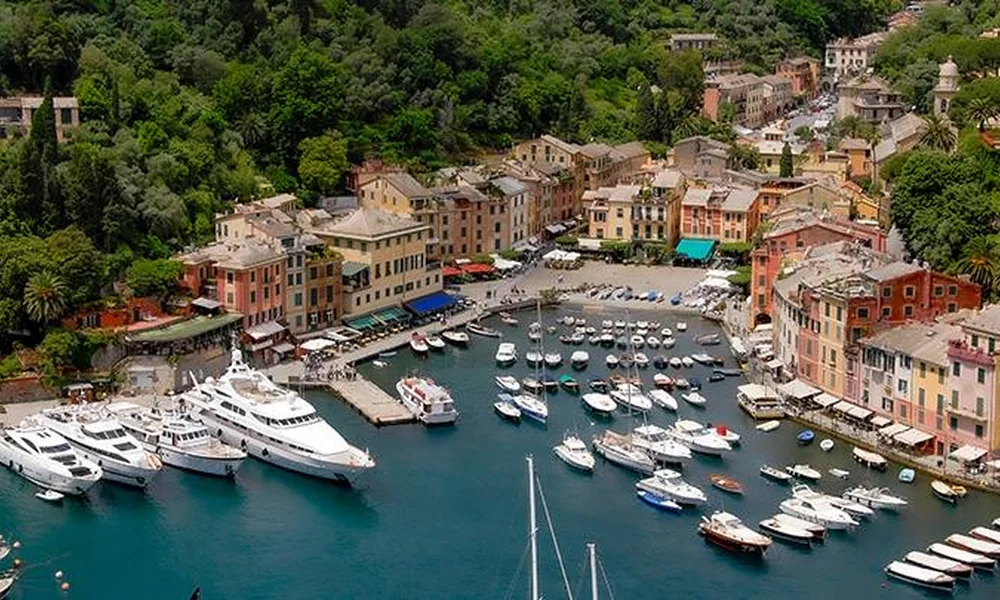
| Location | What buyers can explore |
|---|---|
| Genoa | Yacht brokers, marinas and marine services |
| Viareggio | Yacht manufacturers, shipyards and refit services |
| Porto Cervo, Sardinia | Luxury yacht facilities and marina services |
| La Spezia | Yacht-building and the marine industry |
| Naples | Marinas and boating services on the southern coast |
| Venice | Adriatic boating and marina facilities |
These are useful starting points, but available yachts, services and berths depend on the season and individual businesses.
Types of Yachts You Can Buy in Italy
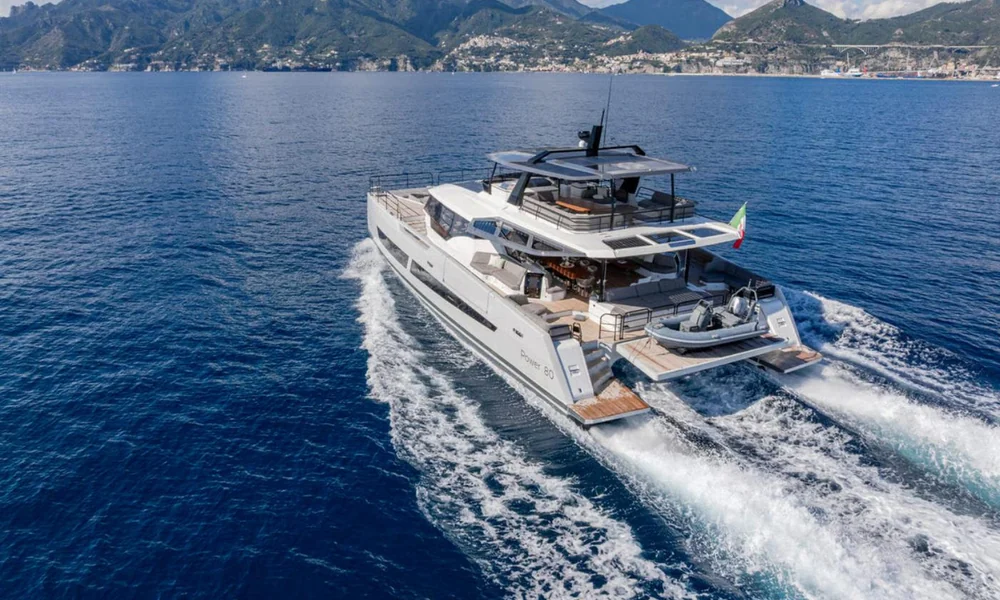
Decide which type suits your plans before you start searching.
- Motor yachts: Engine-powered, from small recreational vessels to large luxury models, with cabins, galleys and outdoor seating. Fuel consumption depends on engine size, speed, weight and conditions.
- Sailing yachts: Sail-powered, usually with an auxiliary engine, for buyers who enjoy sailing.
- Luxury yachts: Focused on comfort and design, with several cabins, large living areas and sometimes crew spaces.
- Superyachts: Large luxury vessels with complex equipment, crew accommodation and considerably higher purchase, maintenance, insurance and crew costs.
- Catamarans: Two hulls joined by a central structure, giving a wider layout than many monohulls of similar length, in sail and motor versions.
How Much Does It Cost to Buy a Yacht in Italy?
Price depends on the manufacturer, model, length, age, condition, engines, equipment and VAT status. A new yacht has a different price structure from a used one, and options or custom features raise the final cost. For a used yacht, maintenance history, engine hours, previous damage and upgrades affect the asking price. No single price applies to all yachts, so compare vessels of similar size, age and condition.
New Yacht Prices
The manufacturer’s quotation is the starting point, but check exactly what it includes. Ask about the engine configuration, navigation and communication equipment, interior materials, air conditioning and entertainment systems, safety equipment, delivery and commissioning, applicable taxes and warranty. Request a written quotation so you can compare manufacturers fairly.
Used Yacht Prices
Used yachts offer more choice across makes, sizes and budgets, but a lower asking price is not always a better purchase. A poorly maintained yacht can cost more over time than a well-kept one priced higher. Review service records, engine hours, repair history, equipment and survey results before offering.
Additional Costs When Buying
| Expense | What it includes |
|---|---|
| Purchase price | Agreed price of the yacht |
| VAT or applicable taxes | Depends on the transaction and tax status |
| Broker commission | Depends on the brokerage agreement |
| Survey and inspection | Professional assessment of the yacht |
| Registration | Applicable registration and administrative fees |
| Insurance | Coverage for the vessel and its use |
| Delivery | Transport to the intended location |
Always confirm which costs the seller’s quotation includes and which you pay separately.
New vs. Used Yachts in Italy
| Factor | New yacht | Used yacht |
|---|---|---|
| Condition | New from the manufacturer | Depends on age and previous use |
| Customization | More choice before construction or delivery | Existing layout and equipment |
| Warranty | Manufacturer warranty terms | Depends on remaining coverage or seller agreement |
| Availability | May need a production period | Can be available sooner |
| Maintenance history | Starts with your ownership | Needs careful review |
| Purchase price | Often higher for comparable models | Varies with condition and age |
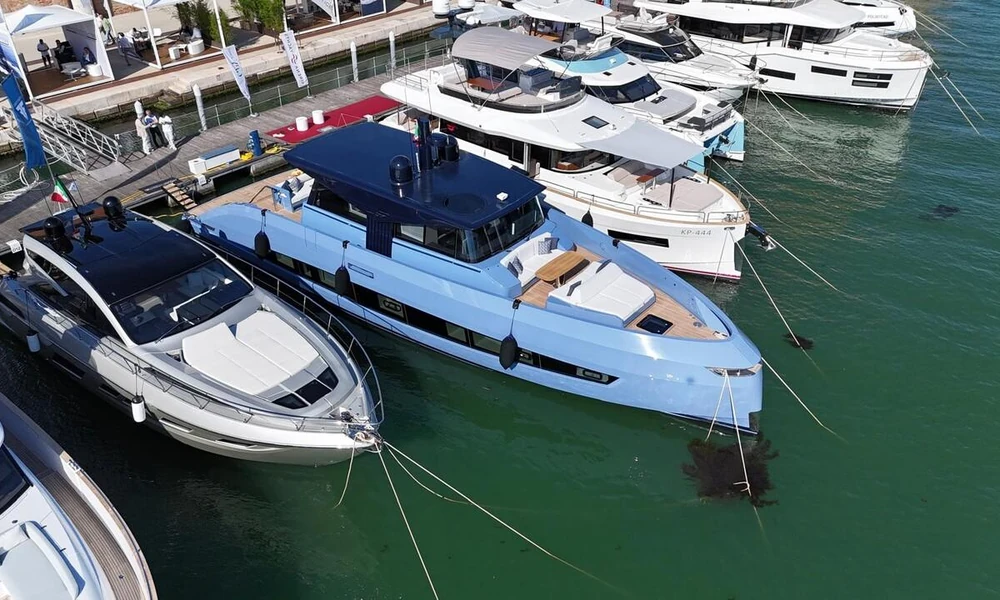
A new yacht lets you choose interior design, equipment and engines and comes with the manufacturer’s warranty, but costs more and may mean waiting for delivery. A used yacht may be available immediately, can include models no longer in production and may carry useful upgrades, but you must review maintenance records, engine hours, repairs and system condition. A professional survey is especially important before buying an expensive used yacht.
VAT and Taxes When Buying a Yacht in Italy
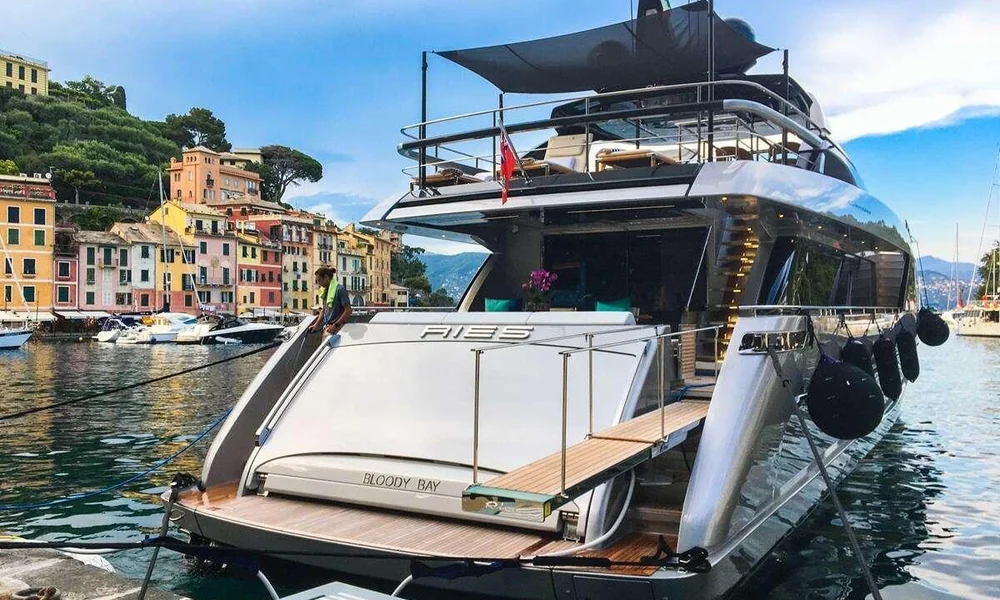
VAT is one of the most important financial matters in a yacht purchase. Italy’s standard VAT rate is 22%, but that does not mean every yacht transaction is taxed the same way. The rules depend on the seller, the buyer, the type of transaction and the yacht’s existing tax status, and special arrangements or exemptions may apply in some circumstances.
Do You Pay VAT?
VAT treatment depends on how the sale takes place. A yacht sold by a VAT-registered business may be treated differently from one sold by a private individual, and certain second-hand transactions fall under special VAT arrangements. Do not assume VAT has been paid just because a yacht is registered or was previously used in Europe. Before signing, ask for documentary evidence of the VAT status and have a qualified tax adviser review the transaction.
VAT-Paid vs. VAT-Unpaid Yachts
| VAT status | Meaning | What to check |
|---|---|---|
| VAT-paid | VAT has been accounted for under the relevant rules | Supporting invoices and tax documents |
| VAT-unpaid | VAT has not been accounted for, or the vessel is under a customs arrangement | Customs status and possible tax liabilities |
A VAT-unpaid yacht may involve extra tax or customs obligations, depending on the buyer and intended use.
Buying as a Non-EU Resident
Non-EU residents may be able to bring qualifying, privately used yachts into the EU under temporary admission. Under the general EU rules, eligible privately used sea transport can normally stay under this procedure for up to 18 months, subject to conditions on the user’s residence, vessel identification and intended use. The yacht may need to leave the EU before the period ends, and failing to follow the customs rules can make duties and VAT payable.
Temporary admission is not a general VAT exemption for every foreign buyer. Check your eligibility with the relevant customs authority before buying or bringing a yacht into the EU.
Yacht Registration in Italy
The correct registration procedure depends on the yacht’s category, ownership, flag and intended use. Italy’s central electronic register for recreational vessels is the Archivio Telematico Centrale delle Unità da Diporto (ATCN), and the Sportello Telematico del Diportista (STED) gives access to the related administrative procedures.
Documents Required
The documents depend on the vessel and circumstances. Italy’s recreational boating legislation refers to items such as:
- Proof of ownership.
- EU declaration of conformity, where applicable.
- Engine power declaration.
- Technical documents for vessels without the required CE marking.
- Identification and previous registration documents.
Article 19 of Legislative Decree 171/2005 sets out the registration documents for recreational boats (imbarcazioni, generally 10 to 24 metres). Larger yachts (navi da diporto) and other categories follow different provisions, so confirm which applies to your vessel.
Can Foreign Buyers Register in Italy?
Yes, qualifying yachts can be registered by foreign buyers who meet the requirements. Under Article 18 of Legislative Decree 171/2005, foreign owners without an Italian domicile who want to register in the ATCN must elect a domicile, for example through their country’s consular authority, or appoint a representative domiciled in Italy. Further requirements may apply depending on nationality and circumstances. Confirm the current rules with an authorized STED office or a qualified maritime professional before choosing Italian registration.
How to Buy a Yacht in Italy: Step by Step
- Set your budget and requirements: Decide what you can spend on purchase and ownership, and define the size, type, cabins, engines and intended use. Include insurance, maintenance, fuel and marina costs.
- Search for yachts for sale in Italy: Explore brokers, manufacturers, authorized dealers and private sellers, and request details of age, condition, equipment and VAT status.
- View the yacht in person: Check the interior, exterior, accommodation and equipment, and ask about maintenance, repairs, previous damage and modifications.
- Verify ownership and legal documents: Confirm the seller’s right to sell, and check ownership records, identification numbers, registration papers and any recorded mortgages or claims.
- Confirm VAT and customs status: Request supporting documents rather than relying on a verbal statement, and get an adviser to review any unclear position.
- Arrange an independent survey: A qualified surveyor should examine the hull, structure, engines, electrical systems and navigation equipment.
- Conduct a sea trial: Assess engines, steering, propulsion, navigation equipment and onboard systems under operating conditions.
- Negotiate and sign the purchase agreement: The contract should cover the deposit, payment schedule, included equipment, survey conditions, repair responsibilities and delivery.
- Complete payment and ownership transfer: Follow the agreed closing process, obtain the signed documents and confirmation of transfer, and do not release full payment without the agreed protections.
- Arrange registration, insurance and delivery: Complete registration and tax procedures, and confirm that insurance and all required documents are in place before using the yacht.
What to Check Before Buying
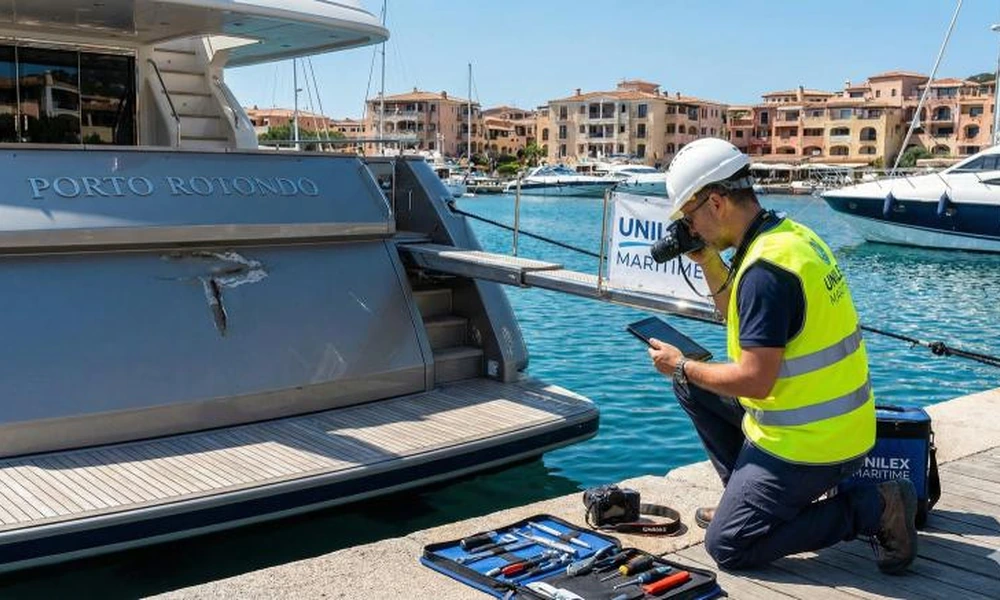
A yacht may look attractive during a viewing, so check its actual condition carefully, especially if it is used.
| Inspection area | What to check |
|---|---|
| Hull and structure | Cracks, damage, repairs and signs of water entry |
| Engines | Service history, operating hours, leaks and performance |
| Electrical and navigation | Batteries, wiring, charging, radar, GPS and communication |
| Interior | Water damage, ventilation, fittings and general condition |
| Fuel systems | Tanks, pipes, filters and possible leaks |
| Safety equipment | Required equipment and service dates |
| Records and documents | Maintenance records, ownership history and VAT and customs evidence |
If the survey finds problems, use the findings to discuss repairs, negotiate the price or follow the withdrawal conditions in your agreement.
Additional Costs of Owning a Yacht in Italy
- Marina and berthing fees: These depend on length, location, season and facilities. Get a written quotation before choosing a permanent berth.
- Insurance: Cover may include damage to the yacht and third-party liability. Premiums depend on value, use, location and conditions.
- Maintenance and repairs: Engine servicing, hull cleaning, antifouling, electrical checks and equipment repairs.
- Fuel and operating costs: Larger motor yachts use more fuel, and other costs include water, electricity and cleaning.
- Crew and management: Larger yachts may need professional crew, and some owners hire a management company.
- Winter storage and refitting: Depending on use, you may need winter storage, or refits covering interiors, mechanical work and upgrades.
Is Buying a Yacht in Italy Worth It?
It can be a good choice for people who want access to Italian manufacturers, different models and Mediterranean boating facilities. The right purchase depends on more than a yacht’s appearance or brand, so weigh your total budget, intended use, tax position, registration requirements and the vessel’s technical condition.
A new yacht may suit buyers who want customization and manufacturer support, while a used one suits those who want a particular model that is already available. Above all, complete the legal, financial and technical checks before signing the final agreement.
Frequently Asked Questions
Can I buy a yacht in Italy and keep it in another country?
Yes, but consider registration, flag, tax status, customs requirements, insurance and the rules of the country where you will keep or use it.
Can I buy a yacht in Italy without visiting the country?
Possibly, through an authorized representative or broker, depending on the transaction. Still arrange an independent survey, verify all documents and use secure payment and transfer procedures.
What happens if a yacht fails its pre-purchase survey?
You can negotiate repairs or a lower price, or withdraw if your agreement allows it. Agree on survey-related terms before paying a deposit.
Can I buy a used yacht in Italy if it has foreign registration?
Yes, but the transfer must follow the relevant flag-state and Italian requirements. Check the original registration, ownership documents, deletion or transfer rules and the paperwork for new registration.
Should I pay a deposit before checking a yacht’s VAT status?
It is safer to establish the VAT and customs position first. If an earlier deposit is required, the agreement should state when it is returned if the seller cannot provide the agreed documents.
Can I use a yacht in Italy immediately after buying it?
Not necessarily. Confirm that the yacht has the required registration, insurance, safety documents and approvals, and that the ownership transfer and any customs requirements are complete.
Can I buy a yacht through my company?
A company may be able to buy one, but company ownership does not automatically give VAT advantages. Tax treatment depends on the company’s activities, the yacht’s actual use and the applicable rules, so get professional tax advice.
What is the difference between a yacht’s flag and its place of purchase?
The place of purchase is where the transaction happens. The flag is the country under whose registration the yacht operates, so a yacht bought in Italy does not have to fly the Italian flag.
Is registration proof that a yacht’s VAT has been paid?
No. Registration and VAT status are separate matters, so request tax documents and verify the VAT position independently.
What should I do if the maintenance records are incomplete?
Ask the seller for service invoices, repair reports, engine records and previous surveys, and arrange a detailed independent inspection. Treat missing records as a point for further investigation.
Conclusion
Buying a yacht in Italy gives you access to different manufacturers, yacht types and pre-owned vessels, but choosing well takes careful planning and more than comparing asking prices.
Define your budget and intended use, then explore yachts through manufacturers, brokers and private sellers. Before completing the purchase, verify ownership, VAT and customs status, registration documents and technical condition. A professional survey, a clear purchase agreement and a realistic ownership budget will help you avoid unexpected problems after taking ownership.