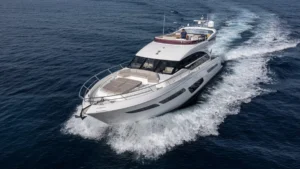
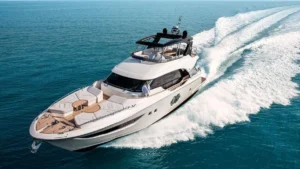
To build your own yacht is to take on a major project that needs careful planning, suitable materials, the right tools and knowledge of boat construction. Whether you want a small sailing yacht for weekend trips or a motor yacht for longer journeys, the first step is choosing a design that matches your budget, skills and intended use.
You can build from professionally designed plans, buy a boatbuilding kit, or work with experienced yacht builders. Each route differs in cost, time and technical difficulty. This guide explains the materials and tools you need, what construction may cost, how to build step by step and what to consider before launching.
Can You Build Your Own Yacht?
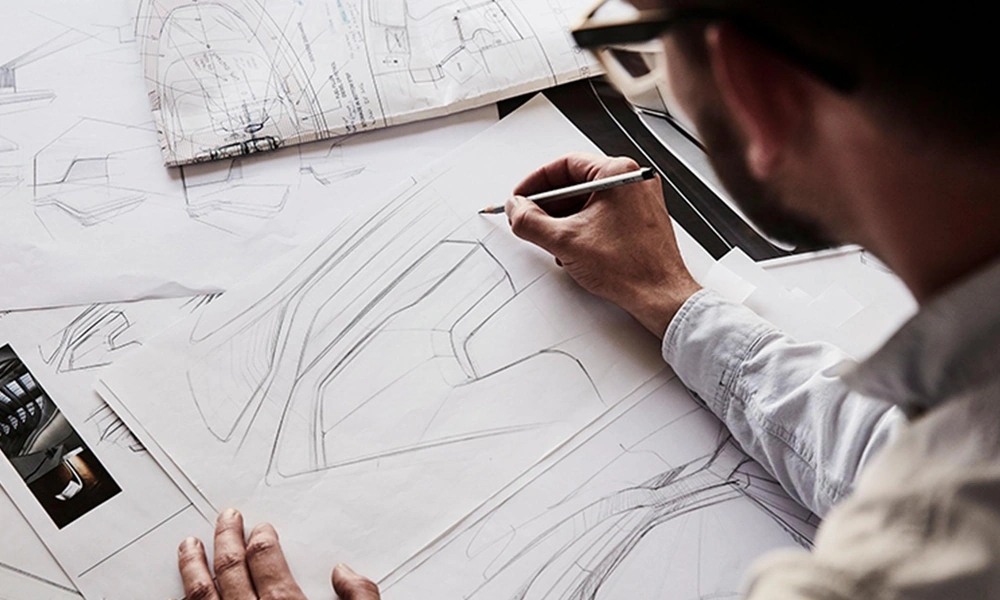
Yes, but the difficulty depends on size, design and construction method. Smaller boats and simple sailing craft are more realistic for people with basic woodworking or boatbuilding skills, while larger motor yachts and offshore cruisers need advanced design, engineering and specialist work.
There are three main approaches:
- Build from plans: Buy professionally prepared drawings and source the materials yourself.
- Build from a kit: Buy precut parts designed to fit together according to the instructions.
- Custom construction: Work with a naval architect or yacht designer on a vessel for your requirements.
You can do many tasks yourself, including cutting, assembling panels, sanding, painting and some interior work. Structural design, critical electrical systems and fuel installations may need qualified professionals. Building a yacht yourself also does not always cost less than buying one, because your final expenses depend on materials, tools, workspace, professional services and how much work you do.
What Type of Yacht Should You Build?
Decide what the yacht must do before buying plans or materials.
- Sailing yacht: Uses wind for propulsion, with sails, a mast, rigging and a keel or other stability arrangement. Construction needs attention to hull strength, stability and rig loads.
- Motor yacht: Uses an engine, so the design must allow for the engine, fuel system, cooling, ventilation and steering. Engine size and placement affect weight, balance and performance.
- Catamaran: Has two hulls joined by a structure, giving wide living areas and different stability. The connection between hulls needs careful structural design, so use plans developed for a multihull.
- Small cruising yacht: Provides accommodation and equipment for longer trips, such as sleeping areas, storage, a galley and water systems. A compact design can be more manageable, though difficulty still depends on the systems installed.
How to Choose Yacht Building Plans
Plans give the drawings and instructions needed to build a vessel. They are among your most important decisions because the design determines the materials, tools, process and final performance.
Professionally designed plans normally include hull dimensions, construction drawings, material specifications and structural details. Check that they match your yacht type and size, include clear drawings, specify suitable materials, explain the construction method, and suit your skills and workspace. Avoid changing important hull dimensions or structural details without professional review.
Yacht kits may include precut plywood panels, frames and bulkheads. Many parts are prepared for you, but a kit still requires correct assembly, suitable tools and careful workmanship.
A naval architect considers hull shape, stability, structural strength and performance. Professional design help matters most for larger yachts, custom designs and vessels meant for demanding conditions.
Also confirm whether the plans include a complete materials list, equipment requirements, applicable design standards and enough detail for your chosen construction method. If you are also researching professionally built luxury vessels, this guide to 10 million dollar yachts offers a useful comparison of the specifications, features and craftsmanship found in high-end yacht construction.
Best Materials for Building Your Own Yacht
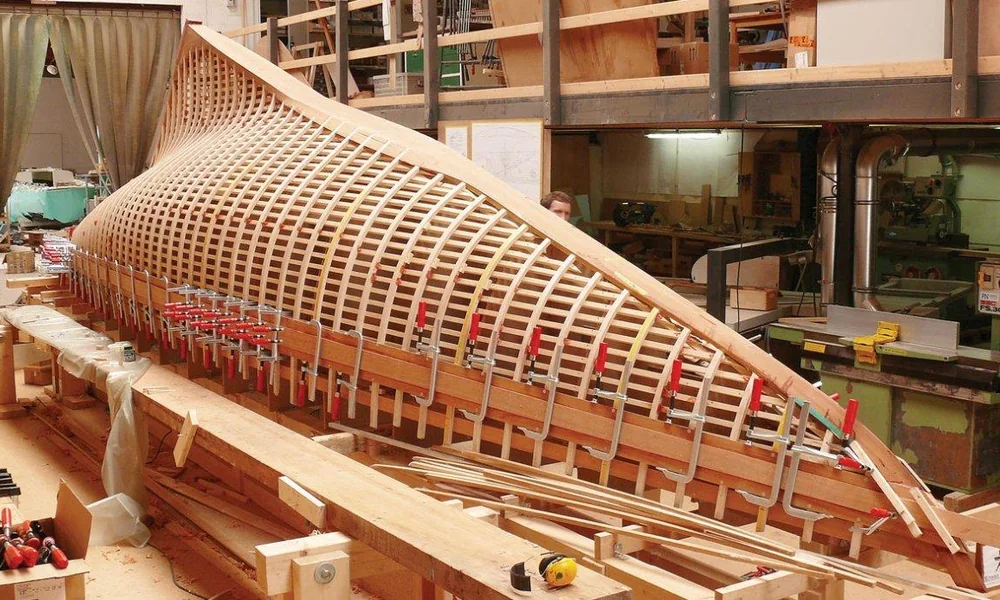
The right material depends on the design, size, intended use and construction method. Follow the material specifications in the plans rather than choosing on price alone.
- Fiberglass: Fiber-reinforced plastic combines reinforcing fibers with resin. It suits many hull shapes and recreational vessels, but needs correct resin handling and careful control of reinforcement and bonding.
- Marine plywood and epoxy: Used in some wooden methods. In stitch-and-glue construction, panels are temporarily tied, bonded with epoxy and reinforced with fiberglass tape. It works well for some smaller boats but not every yacht design.
- Aluminum: Relatively lightweight, but needs welding skills and attention to corrosion, especially where different metals meet.
- Steel: Strong and used in many larger designs, but heavy, and welding quality, surface preparation and coatings are important.
- Traditional wood: Timber, frames and planking allow varied hull shapes but need skilled workmanship and ongoing maintenance.
| Material | Main advantages | Main challenges |
|---|---|---|
| Fiberglass | Flexible hull shapes, established methods | Controlled resin and reinforcement work |
| Marine plywood | Useful for certain DIY methods | Needs proper sealing and protection |
| Aluminum | Relatively lightweight | Specialist welding |
| Steel | Strong | Heavy, needs corrosion protection |
| Traditional wood | Can be shaped and repaired | Skilled work and maintenance |
Tools and Workspace Needed to Build a Yacht
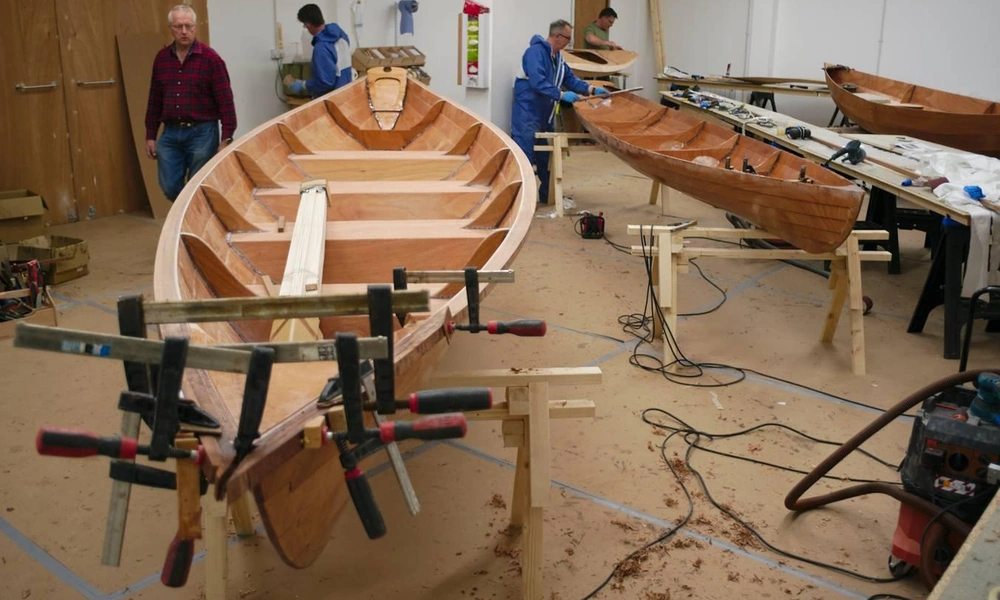
Tools and space depend on size and method, since a small plywood project needs different equipment from a large steel or fiberglass yacht. Common tools include measuring and marking tools, saws, power drills, sanders and grinders, clamps and supports, mixing containers, and brushes and rollers.
Your workspace needs room to assemble and store materials safely, weather protection, ventilation, good lighting and safe access around the vessel. Larger projects may need lifting equipment and a building frame.
Wear gloves, eye protection and protective clothing, because resin work, painting, welding and sanding can create harmful exposure. Use respiratory protection and dust extraction where required, and follow each product’s safety instructions.
How to Build Your Own Yacht Step by Step
The exact process varies with the design and materials, but the general sequence is below.
Step 1: Set Your Budget and Choose a Design
Decide whether you need a sailing yacht, motor yacht or small cruiser. Choose a realistic size for your budget, space and experience, include materials, tools, services and finishing in the budget, and select a professionally developed design.
Step 2: Prepare the Plans and Materials
Review the drawings before buying materials, list the required components and check their specifications. Buy marine-grade materials that meet the designer’s requirements, and arrange any specialist equipment or services.
Step 3: Prepare the Building Area
Depending on the design, you may need a strongback, building frame, molds or supports to hold the structure in position. Organize tools and materials for safe, accurate work.
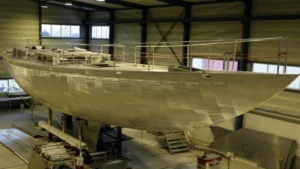
Step 4: Build the Hull
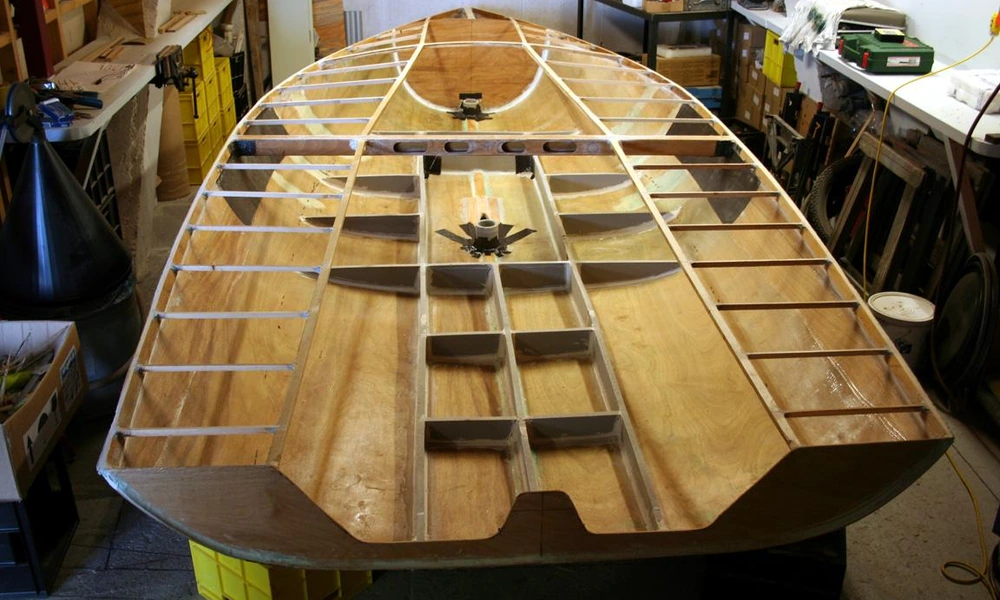
The method depends on the material. A plywood design may use precut panels joined with epoxy, while a fiberglass design may use a mold. Follow the drawings carefully, since incorrect measurements, poor alignment or unsuitable bonding can affect the finished structure.
Step 5: Install Bulkheads and Structural Supports
Bulkheads divide the vessel and may add structural strength, and stringers and other supports help maintain the hull’s shape. Their position, dimensions and attachment must follow the approved design, and you should not remove or change them without professional advice.
Step 6: Build and Attach the Deck
The deck covers the hull and provides working and living space. Pay attention to the hull-to-deck connection, openings, hatches and fittings, which need sealing and structural support to help prevent water entry.
Step 7: Install the Engine and Propulsion

For a motor yacht, install the specified engine and propulsion, which may include a propeller, shaft, gearbox, fuel system, cooling and exhaust. Correct placement and alignment matter, and qualified marine professionals should complete or check fuel and exhaust installations.
Step 8: Install Electrical, Plumbing and Navigation Systems
Important installations may include batteries and distribution, charging equipment, lights, freshwater and wastewater systems, bilge pumps, ventilation, steering and navigation and communication devices. Use marine-grade equipment and follow the applicable installation standards.
Step 9: Complete the Interior and Exterior
Interior work may include seating, sleeping areas, storage, flooring and furniture. Exterior work may include painting, protective coatings, windows, hatches and deck fittings. Choose materials suited to moisture, sunlight and movement.
Step 10: Inspect, Test and Launch
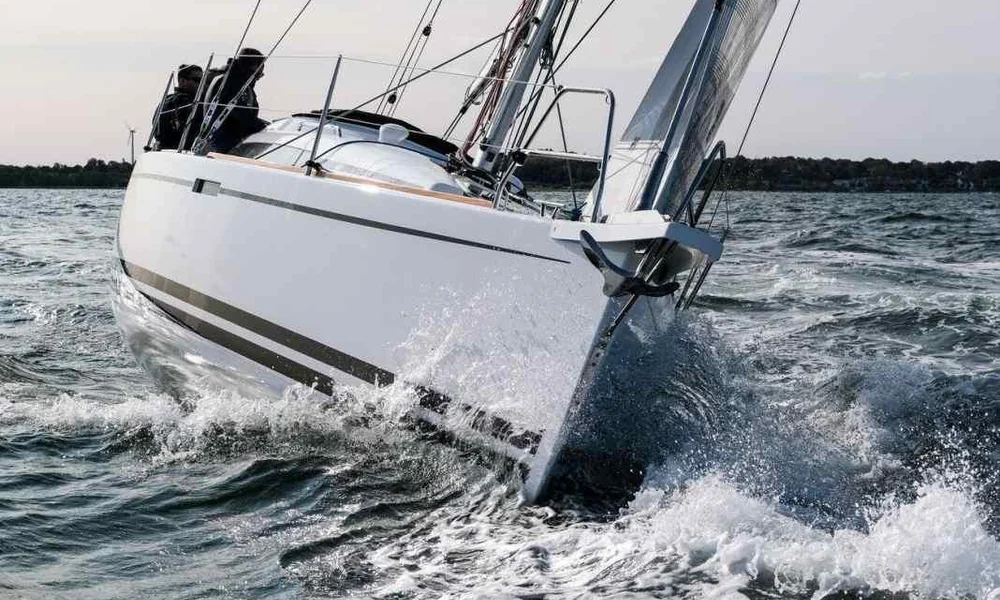
Before launching, inspect the hull, deck, fittings and systems, including through-hull openings, watertight areas, bilge pumps, steering, electrical equipment and propulsion. Arrange professional inspections, and after launching, run controlled sea trials. A successful launch does not prove a yacht is safe offshore, so its structure, stability, equipment and intended conditions must be properly assessed.
How Much Does It Cost to Build Your Own Yacht?
Cost depends on size, design, materials, equipment and method, and a small plywood project differs hugely from a large custom motor yacht. Rather than rely on one general price, estimate each major part of the project.
- Yacht size: Larger vessels need more materials and equipment.
- Construction material: Fiberglass, wood, aluminum and steel have different material and labor costs.
- Design fees: Custom designs and engineering add to the budget.
- Propulsion: Engines, propellers and fuel systems can be significant expenses.
- Interior: Cabins, furniture and finishing materials affect the total.
- Marine systems: Electrical, plumbing, navigation and safety equipment must be included.
- Labor: Specialist work may be needed even if you do most of the building.
| Expense | DIY construction | Professional construction |
|---|---|---|
| Design | Purchased plans or design fees | Professional design services |
| Labor | Owner’s time plus hired specialists | Shipyard workforce |
| Materials | Bought by the owner | Supplied or bought by the builder |
| Equipment | Workshop tools | Shipyard equipment |
| Inspections | Arranged separately | Included or arranged under the contract |
Do not forget hidden costs: material waste, replacement tools, workshop rental, storage, transport, insurance, inspections, registration fees and unexpected repairs. Keep a contingency allowance, because prices and project needs can change.
How Long Does It Take to Build Your Own Yacht?
There is no fixed construction time. A small project may take far less time than a large custom vessel, and the timeline depends on size and complexity, material and method, your experience, working hours, material availability, custom interiors, specialist installations and inspections.
Professional builders may have teams working on several stages at once, while a DIY project often takes longer because the owner works evenings and weekends. A realistic schedule covers design, purchasing, hull construction, systems, finishing, inspection and launch.
Safety and Legal Requirements
Building a vessel yourself does not mean you can ignore maritime rules.
- Structure and stability: The hull must handle the loads expected in operation, and stability, buoyancy, strength and weight distribution all affect safety. ISO 12215-5:2019 covers structural scantlings for applicable small craft up to 24 metres, including design pressures and dimensions for specified materials, but it is not a complete certification for every yacht.
- Electrical and fuel safety: Wiring, batteries, fuel installations and ventilation need marine-grade equipment and correct installation. Poor connections or unsafe fuel arrangements create serious fire risks, so use qualified professionals.
- Registration and identification: Requirements vary by country. UK rules, for example, set conditions for privately home-built boats, partly completed craft and kits, and in the United States the Coast Guard has hull identification number requirements in relevant manufacturing and sales situations. Check the authority where the yacht will be registered and used.
- Inspections and certification: Depending on the vessel and use, you may need surveys, inspections or conformity assessments, and rules differ for private and commercial craft. Confirm them before construction rather than after.
A naval architect or marine surveyor can advise on the rules that apply to your design.
Common Mistakes to Avoid

- Starting without complete plans: Missing details cause expensive changes.
- Choosing too difficult a project: Match the design to your experience and resources.
- Changing structural dimensions: Unreviewed changes can affect strength and stability.
- Using unsuitable materials: Follow the plans’ specifications.
- Underestimating costs: Include tools, equipment, labor and professional services.
- Ignoring workspace needs: Poor conditions reduce build quality.
- Mishandling resin: Follow safety instructions and use protection.
- Installing systems without knowledge: Use qualified marine professionals where required.
- Ignoring weight distribution: Equipment and tanks affect balance and stability.
- Skipping inspections: Arrange checks before launching and operating.
DIY Building vs Hiring a Professional Builder
Both approaches can work. DIY building means high personal involvement, requires suitable skills, usually follows selected plans and leaves you to manage the project and arrange technical support, which suits smaller projects and experienced builders. A professional builder brings a specialist team, can include custom design, manages the project and offers technical support, which suits complex and larger custom yachts.
There is a middle option: manage the project yourself while hiring professionals for structural design, specialist installations and inspections, and complete selected interior and finishing tasks yourself. This keeps you involved without taking responsibility for work that needs specialist knowledge.
Final Checklist Before You Start
- Choose the yacht type and intended use.
- Select professionally developed plans and confirm the materials.
- Set a complete budget and arrange a suitable workspace and tools.
- Identify tasks that need professional help.
- Check local registration and legal requirements.
- Plan inspections, testing, launch and future maintenance.
Frequently Asked Questions
Can I build a yacht without owning a boatyard?
Yes. A smaller yacht can be built in a private workshop or covered space with enough room, safe storage, ventilation and access, plus a way to transport and launch the vessel.
Can I build a yacht in sections and join them later?
Some designs use modules, but the joining method must be part of the approved design because the joints carry structural loads. Do not divide a hull or create new joints without engineering advice.
Should I build a small dinghy before my first yacht?
It can be a useful way to learn measuring, cutting, bonding, sanding and finishing before a costlier project, though a larger yacht will need further skills.
Can I use ordinary plywood instead of marine plywood?
Not without the designer’s approval. Marine plywood is made for marine construction, and the correct grade and protection system still matter.
Can I build a yacht using recycled materials?
Some components may be reusable once their condition, strength and compatibility are checked, but recycled materials should not replace specified structural parts just to save money.
How do I know my homemade yacht is ready for sea trials?
It should pass structural, mechanical, electrical and safety inspections, including hull, fittings, propulsion, steering and bilge systems. A qualified marine professional can confirm it is ready for controlled testing.
Can I change the interior after completing the hull?
Possibly, but consider weight distribution, access, ventilation and structure. Heavy furniture, tanks and equipment affect stability, and changes to structural bulkheads need professional review.
Is building from a kit easier than building from plans?
A kit simplifies some work because parts are prepared, while plans leave you to source and cut materials. Neither removes the need to follow the design carefully.
What records should I keep while building?
Keep the plans, material specifications, receipts, equipment details, photographs of each stage and inspection records. They help with repairs, registration and future ownership checks.
Can I sell a yacht that I built myself?
That depends on local law. Some countries set conditions or exemptions for boats built by their owners for personal use, and selling a home-built boat may bring different requirements. Check local rules before advertising or transferring ownership.
Conclusion
Building your own yacht is possible, but it takes careful planning, suitable materials and a realistic view of the work. Start with a design that matches your budget, skills, workspace and intended use.
Compare materials, review professionally developed plans and calculate the full project cost before buying anything. You can do many tasks yourself, but structural design and critical marine systems need proper technical attention. With preparation and professional support, you can build a yacht around your own requirements.