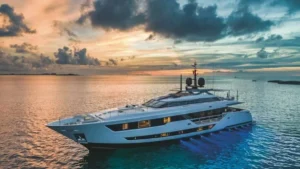
Finding the right boat involves more than comparing prices and pictures. You also need to understand the available models, their condition, onboard features and expected ownership costs. Bluewater boats for sale include several used motor yacht and coastal cruiser listings with different sizes, layouts, years and asking prices.
Common listing names include the Bluewater 510, 5200, 543, 55 Coastal Cruiser and 65 Legacy. The condition and equipment of individual boats can vary, even when they share a model name.
This guide covers the available Bluewater Yachts models, their advertised prices, key buying considerations and the checks to complete before purchasing a used boat.
What Are Bluewater Yachts?

Bluewater Yachts is a name used for motor yachts and cruisers appearing in boat marketplaces. The listings include the 510, 5200, 543 and Coastal Cruiser series. These are generally larger motor yachts rather than small recreational boats, and their layouts, engines and equipment depend on the model and original configuration.
The term bluewater boat also has a broader meaning in the boating industry: a boat designed for extended offshore cruising. Not every boat carrying the Bluewater name is automatically an offshore vessel.
When searching for Bluewater Yachts for sale, check the manufacturer, exact model name, year and individual specifications. This avoids confusion between similarly named boats from different builders. If you’re comparing larger luxury vessels, exploring 10 million dollar yachts can also help you understand the features, specifications and amenities available in the premium yacht market.
Bluewater Boats for Sale: Available Models
Several Bluewater Yachts models appear in online listings. Most are used boats, so compare condition, equipment and maintenance history rather than relying on the model name.
Bluewater 510 and 510 Coastal Cruiser

Both names appear in the used-boat market, with examples from the 1980s and 1990s. Check each boat’s actual length, interior layout, engine arrangement and installed equipment, and do not assume every 510 has the same features. Review maintenance records and past repairs, because a well-maintained older boat can beat a cheaper one that needs major work.
Bluewater 5200 and 5200 Millennium

These models appear in the used market across different years and price levels. Pay attention to engine hours, service records, generator condition and the state of onboard systems, which strongly affect the total cost of ownership. Some listings spell “Millennium” differently, so confirm the exact model identity from the boat’s documents.
Bluewater 543

One advertised example is a 1993 model. Review its hull condition, engine information, cabin layout and equipment list before considering it, because the asking price alone does not show whether the boat is sound.
Bluewater 55 Coastal Cruiser and Coastal Cruiser 51

These similar names do not prove the boats have identical dimensions or layouts, so check the exact model, hull identification details and listing specifications. Compare cabin condition, sleeping arrangements, galley equipment, storage and mechanical systems.
Bluewater 65 Legacy

This larger model appears as a 2009 example advertised at a much higher price than the older Bluewater boats. Judge the asking price against its actual condition, equipment and maintenance history, and plan for the higher dockage, insurance, fuel, servicing and repair costs of a bigger yacht.
Bluewater 680 Custom Series, Custom 51 and Custom Fexas 57

Custom boats need extra attention because their layouts, equipment and systems may differ from other boats under the same builder’s name. Review the original specifications where available, confirm what equipment is included, and check previous modifications and upgrades.
How Much Do Bluewater Boats Cost?
Bluewater yacht prices vary considerably, from older coastal cruisers at lower asking prices to larger yachts listed for far more. YachtWorld’s U.S. listings showed advertised prices from about $67,000 to $674,985 at the time of research. These are listing prices, not confirmed selling prices.
| Model and year | Advertised price | What to compare |
|---|---|---|
| 1985 Bluewater 510 Coastal Cruiser | $67,000 | Maintenance and equipment |
| 1986 Bluewater Custom Fexas 57 | $139,000 | Design records and equipment |
| 1987 Bluewater Coastal Cruiser 51 | $78,900 | Cabin layout and engines |
| 1989 Bluewater 55 Coastal Cruiser | $85,000 | Cabin layout and maintenance |
| 1992 Bluewater Custom 51 | $97,950 | Original configuration and upgrades |
| 1993 Bluewater 543 | $185,000 | Dimensions and condition |
| 1997 Bluewater 510 | $140,000 | Layout, engines and condition |
| 1997 Bluewater 680 Custom Series | $125,000 | Modifications and documentation |
| 2000 Bluewater 5200 Millennium | $124,900 | Mechanical systems and equipment |
| 2006 Bluewater 5200 | $199,000 | Engine hours and onboard systems |
| 2009 Bluewater 65 Legacy | $674,985 | Equipment and operating costs |
Prices are advertised U.S. dollar amounts and may change when sellers update their listings. Available marketplace information does not give complete, verified specifications for every model.
Factors That Affect Bluewater Yacht Prices
- Manufacturing year: Older boats may have outdated systems, older engines and equipment that needs replacing.
- Overall condition: Hull damage, water intrusion, worn interiors and mechanical problems reduce value.
- Engine condition: Engine hours, maintenance history and repair records matter on a used motor yacht.
- Equipment: Navigation electronics, generators and air conditioning can affect the asking price.
- Upgrades: Recent improvements may add value, but check their quality and installation.
- Maintenance history: Regular servicing and proper repairs make a boat more attractive.
A higher price does not automatically mean better condition. Compare similar models and arrange a professional inspection before deciding whether a price is reasonable.
How to Choose Between Models
The right model depends on how you plan to use the boat. For older cruisers, focus on condition, layout and service history. For larger models, weigh the cost of maintaining and operating a bigger yacht. For overnight stays, examine sleeping arrangements, bathrooms, the galley and storage, and for extended time on the water, check the capacity and condition of essential systems. Compare the actual boats rather than assuming two examples of one model are identical.
What to Check Before Buying a Used Bluewater Boat
Many listings are for older boats, so maintenance history and present condition are especially important.
Hull and Structure
Look for cracks, blisters, signs of previous repairs and water damage. Inspect the deck, windows, hatches and hull-to-deck joints, since water entering through damaged seals or fittings causes further problems inside. A visual check finds only obvious concerns, so a qualified marine surveyor should assess the full structural condition.
Engine and Mechanical Systems
The engines are among the most important parts of a motor yacht. Ask for service records, and check:
- Engine hours and service history.
- Signs of oil or fuel leaks.
- Cooling and exhaust systems.
- Engine mounts and controls.
- Steering and transmission operation.
- Generator condition, if installed.
Do not judge engine hours alone, because a low-hour boat can still have problems if it was poorly maintained or left unused. For a larger yacht, consider a mechanic familiar with the installed engines.
Interior and Onboard Equipment

Inspect the cabin for water stains, damaged flooring, worn upholstery and poor ventilation. Test the lighting and outlets, batteries and charging, freshwater pumps, toilets and holding tanks, air conditioning if fitted, navigation electronics and bilge pumps. Do not assume equipment works because it is in the description; ask to see it operating.
Maintenance and Repair History
Ask for maintenance records, repair invoices and details of upgrades. Find out whether major systems were replaced or repaired, especially engines, electrical work, hull repairs and water-damage repairs. A clear service history shows how the boat was cared for and what work it may need after purchase.
Marine Survey, Sea Trial and Documentation
Before completing a purchase, arrange the right inspections and confirm that the ownership documents are in order.
Independent Marine Survey
A professional marine survey is more detailed than a normal viewing. The surveyor examines the hull, deck, electrical systems, plumbing, mechanical equipment and other key areas. For a larger motor yacht, a separate engine inspection by a qualified marine mechanic is worth considering. Ask for a written report listing defects, safety concerns and items needing repair, which can help you decide whether to proceed, request repairs or discuss the price.
Sea Trial
A sea trial shows how the boat operates on the water. Pay attention to engine starting and operation, steering and handling, unusual noise or vibration, engine temperature and warning indicators, and navigation and other onboard equipment. Test it under suitable conditions with the seller or an authorized operator. A sea trial does not replace a professional survey.
Ownership and Boat Documents
Check that the seller has the legal right to sell the vessel, and confirm that the Hull Identification Number (HIN) matches the paperwork. For a U.S.-documented vessel, you can check U.S. Coast Guard documentation and ownership records, and an Abstract of Title shows recorded ownership interests and certain recorded claims. The seller should also provide the documents needed for transfer, including the bill of sale and any mortgage-related documents. Requirements differ between state-registered and federally documented vessels, so follow the rules that apply.
Costs of Owning a Bluewater Yacht
The advertised price is only one part of ownership. Prepare for regular operating costs and unexpected repairs.
| Ownership expense | What it covers |
|---|---|
| Insurance | Coverage for the vessel and possible liability |
| Fuel | Fuel used during trips and engine operation |
| Dockage | Marina and docking charges |
| Maintenance | Routine engine and system servicing |
| Repairs | Mechanical, electrical and structural work |
| Storage | Keeping the boat when it is not in use |
| Upgrades | Replacing or improving equipment |
Actual costs depend on the boat’s size, engine type, condition, location and how often it is used. Request insurance estimates, check local marina rates and keep money aside for unexpected maintenance, particularly on an older yacht.
Where to Find Bluewater Boats for Sale
Several online marketplaces list used Bluewater Yachts, including YachtWorld, Boat Trader, boats.com and MarineSource. Use the exact model name and filter by year, price and location.
Read the complete listing rather than relying on the headline or photographs. Ask whether the boat is still available, which equipment is included and whether maintenance records can be provided. Whenever possible, arrange an in-person viewing before paying or signing an agreement.
Are Bluewater Yachts Right for You?
A Bluewater yacht may be worth considering if you want a used motor yacht or cruiser and have found a model that matches your intended use. The right choice depends on more than the builder’s name: consider size, layout, mechanical condition, equipment and expected operating costs.
Also confirm that a particular model suits your planned activities, and do not assume every Bluewater yacht is designed for extended offshore travel. Compare several listings, inspect boats carefully and arrange an independent survey before deciding.
Frequently Asked Questions
Can two Bluewater boats with the same model name have different layouts?
Yes. Original configurations, later modifications and installed equipment can differ, so compare the actual layout and equipment list rather than relying on the model name.
Why can an older Bluewater yacht cost more than a newer one?
Asking prices reflect size, condition, equipment, upgrades and maintenance history. A larger or better-equipped older yacht may be advertised for more than a smaller newer one.
Should I buy a Bluewater yacht that has been sitting unused?
Not without checking it carefully. Long idle periods can damage batteries, fuel systems, engines and seals, so arrange a professional inspection and review the maintenance history first.
Are engine hours enough to judge a used Bluewater boat?
No. Hours are useful, but service records, inspection results, operating history and mechanical testing also show an engine’s true condition.
What should I ask a seller before traveling to see a boat?
Ask for the exact model and year, asking price, engine hours, service records, known repairs, equipment list, ownership documents and reason for selling. Request recent photos and confirm the boat is still available.
Should I accept an older survey report?
An older report gives background, but it should not replace a new pre-purchase survey, because the boat may have developed problems or suffered damage since.
Can I negotiate the price after a marine survey?
Yes. Documented repairs, mechanical problems and safety concerns can justify a discussion, though the final decision rests with the seller.
What makes one Bluewater listing a better choice than another?
The best listing is not necessarily the cheapest or newest. Compare condition, maintenance records, equipment, engine performance, survey findings and total expected ownership costs.
Conclusion
Bluewater boats for sale include several used models, from the 510 and 5200 to larger examples such as the 65 Legacy. Asking prices vary with age, condition, equipment and configuration.
Before purchasing, compare similar listings, review maintenance records and check the hull and mechanical systems. A professional marine survey, engine inspection and sea trial can reveal problems before the sale is completed, which makes it easier to choose a boat that fits your needs and budget.