Finding the right boat for sale in New York depends on your budget, boating activities and the waters you plan to explore. You can compare fishing boats, pontoons, sailboats, cruisers and luxury yachts through local dealers, yacht brokers and private sellers. Before buying, check the boat’s condition, ownership documents, registration requirements and long-term costs.
This guide covers popular boat types, brands, buying locations, prices and important New York boating rules to help you make an informed choice.
Types of Boats for Sale in New York
The right type depends on your activities, passenger numbers and water conditions.
Fishing Boats
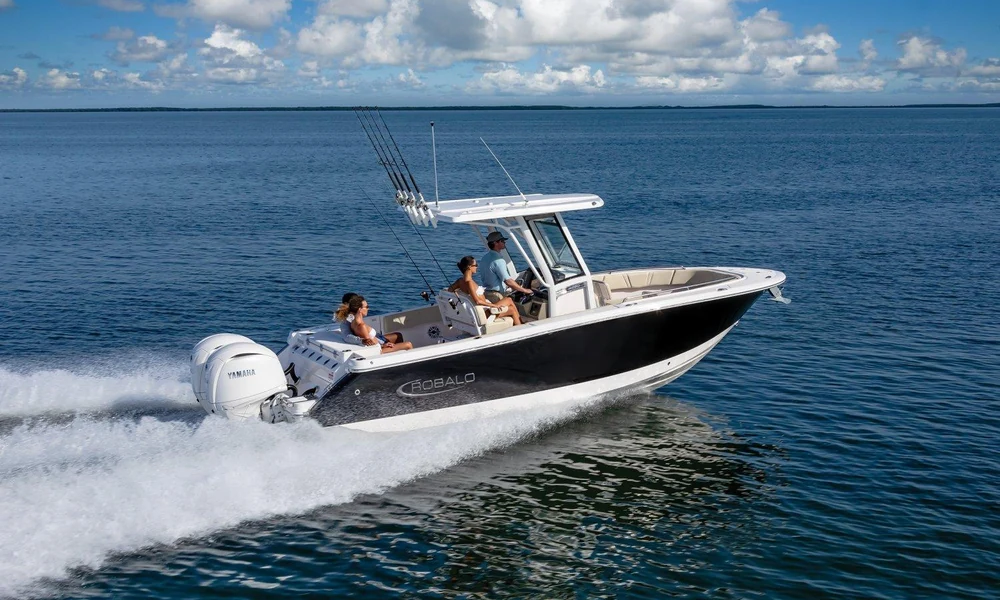
Fishing boats give anglers access to fishing areas, with seats, rod holders, storage and gear-handling equipment. Common styles include center consoles (open layout, central helm), offshore fishing boats (built for conditions farther from shore), bass boats (freshwater, with casting decks) and walkarounds (access around the cabin). Consider the type of fishing, engine condition, storage and passenger capacity.
Pontoon Boats

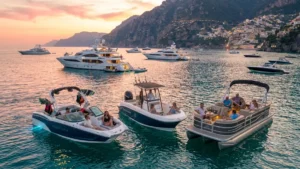
Pontoon boats have a wide deck on two or more pontoons, with open seating for social outings and relaxed trips. Some include entertainment systems, loungers and changing areas, offering a comfortable experience similar to the luxury amenities found on a 30 million dollar yacht. Check passenger capacity, engine power, deck condition and safety equipment.
Bowrider Boats
Bowriders have an open seating area in the bow and are used for day trips, family outings and water sports. Many have swim platforms and storage. Compare seating capacity, engine performance and overall condition.
Sailboats

Sailboats use wind power, and some have auxiliary engines for maneuvering. Sizes range from day sailers to models built for extended trips. Consider your sailing experience, cabin space, sail condition, maintenance needs and the water you plan to sail.
Motorboats and Cruisers
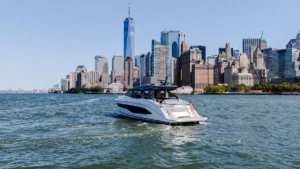
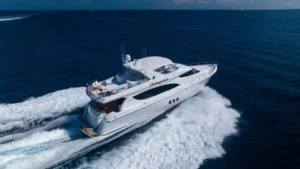
Cruisers offer more comfort and space for longer outings, and may include sleeping areas, a galley, a bathroom, indoor seating and navigation equipment. Check the engine, fuel capacity, onboard systems and maintenance history.
Yachts and Luxury Boats
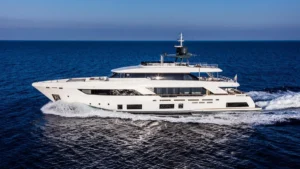
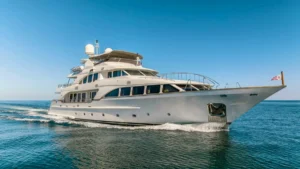
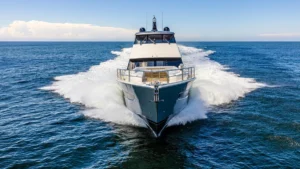
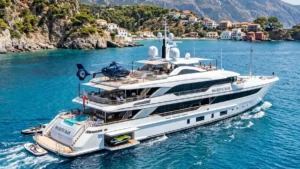
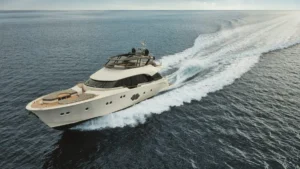
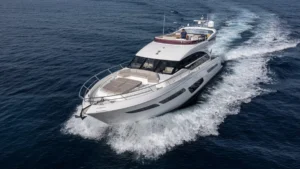
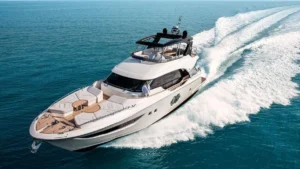
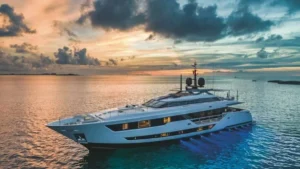
Yachts offer larger spaces, with multiple cabins, entertainment areas and advanced navigation systems. New York listings include motor yachts, sailing yachts and sport fishing yachts, with prices and operating costs that vary greatly by size, age, manufacturer and condition.
New vs. Used Boats for Sale in New York
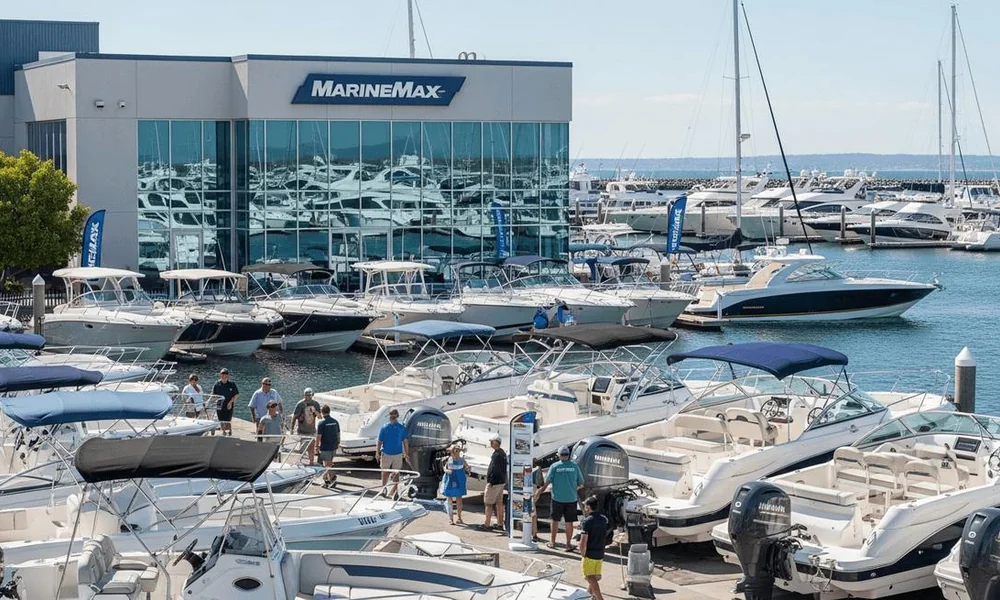
New boats come from manufacturers or authorized dealers, are unused and may carry a manufacturer warranty. Benefits include current models, factory options and customization, new engines and dealer help with delivery and setup. They generally cost more, so check delivery charges, optional equipment and warranty terms.
Used boats are sold by dealers, yacht brokers and private sellers, and include older designs no longer made. They offer more options across budgets and potentially lower prices, but previous repairs, engine problems, poor maintenance or hidden damage can raise ownership costs.
| Factor | New boats | Used boats |
|---|---|---|
| Purchase price | Usually higher | Often lower |
| Condition | Unused | Depends on previous care |
| Warranty | Manufacturer coverage may apply | Depends on remaining coverage |
| Customization | More factory options | Limited to existing setup |
| Maintenance history | Starts with new ownership | Check carefully |
| Inspection | Pre-delivery checks | Independent inspection recommended |
A new boat suits buyers who want a current model and manufacturer support, while a used boat suits those who want a particular model or a smaller budget. Either way, compare the full purchase cost rather than the advertised price.
Popular Boat Brands Available in New York
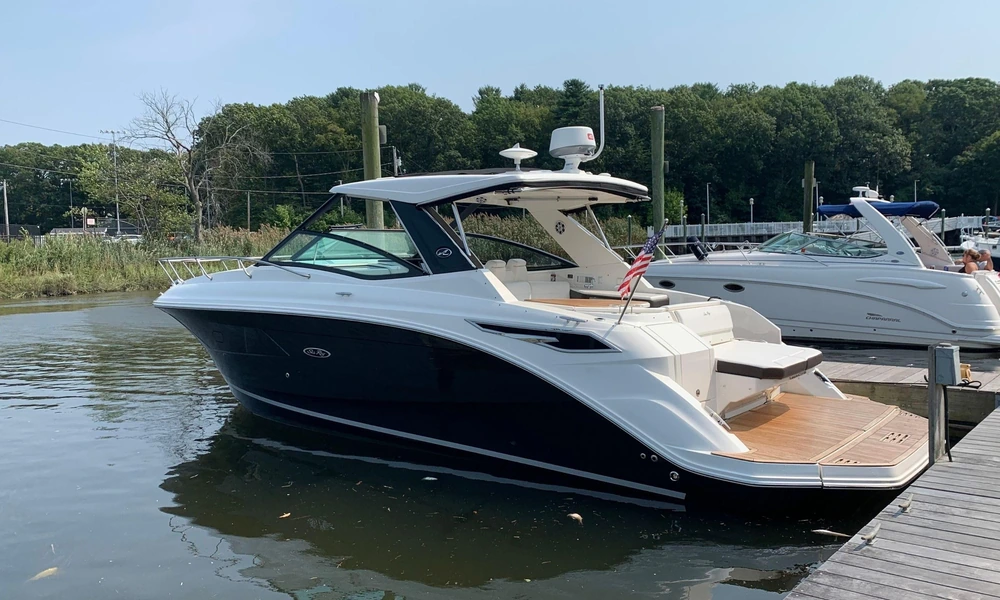
Several established manufacturers appear in New York listings. Compare individual boats rather than choosing by brand name alone.
- Sea Ray: Sport boats, cruisers and larger yachts for family boating and cruising.
- Boston Whaler: Recreational and fishing boats, including center consoles.
- Grady-White: Saltwater fishing boats, including center console, dual console and walkaround designs.
- Yamaha: Recreational boats, including jet-powered models.
- Chaparral: Bowriders and cruisers for day boating and leisure.
- Beneteau: Sailing and motorboat models.
Check the model year, engine, equipment, condition and available service support. A well-maintained boat that suits your needs can beat a pricier one with features you do not need.
Where to Find Boats for Sale in New York

Inventory depends on location, season and local dealerships.
- Long Island: An important area for recreational boating and fishing, with listings in communities such as Freeport, Huntington, Southampton and Hampton Bays. Options include fishing boats, center consoles, cruisers, sailboats and yachts.
- New York City: Dealers and yacht brokers list motor yachts, cruisers, fishing boats and other models. Check the boat’s actual location before arranging an inspection, since a listing may cover a wider area.
- Buffalo and Rochester: On Lake Erie and Lake Ontario, with boats suited to freshwater fishing, cruising and recreation.
- Albany and Upstate New York: Access to the Hudson River region, lakes and rivers. Consider the intended waterway when choosing a boat.
Boat Prices in New York
Boat prices in New York vary widely. A small used fishing boat and a large luxury yacht are very different purchases, so no single price covers the market. Marketplace listings help you compare asking prices, but an advertised amount does not always match the final selling price. Prices are influenced by:
- Boat type, manufacturer and model: Features and design differ across ranges.
- Age and model year: Older boats may be cheaper, but condition and maintenance history matter.
- Length and size: Larger boats need more materials, equipment, storage and maintenance.
- Engine condition: Type, power, hours and service records influence value.
- Equipment: Navigation, electronics, cabins and fishing gear affect the asking price.
- Overall condition: Past damage and repairs can make a major difference.
New York DMV registration fees depend on boat length: $22.50 for boats under 16 feet, $45 for 16 to under 26 feet and $75 for 26 feet or longer, plus a $50 title fee where it applies. Confirm current fees with the DMV.
Additional Costs of Owning a Boat
The purchase price is only one part of ownership. Plan for:
- Insurance: Costs depend on the boat, its value, use, location and policy.
- Fuel: Engine type, power, speed and distance affect consumption.
- Maintenance: Engines, hulls and electrical systems need regular care.
- Marina and docking fees: These depend on the marina, boat size and services.
- Winter storage: Indoor or outdoor storage, and winterization, during colder months.
- Transportation: Trailer, towing or professional transport.
- Taxes and registration: Charges depend on the purchase and registration circumstances.
Best Places to Use Your Boat in New York

- Long Island Sound: A coastal waterway between Long Island and Connecticut for boating, sailing and fishing. Consider coastal conditions, handling and navigation equipment.
- Hudson River: A popular waterway for cruising. Check navigation conditions, access points and any restrictions on your route.
- Finger Lakes: Freshwater boating, fishing, sailing and family outings, suited to pontoons, fishing boats and smaller motorboats.
- Lake George: A freshwater lake in the Adirondacks used for boating and sightseeing. Consider capacity, engine performance and local rules.
- Lake Erie and Lake Ontario: Large freshwater lakes for fishing and longer trips. Weather and water conditions matter, so choose a vessel built for them.
How to Choose the Right Boat in New York
Decide how you will use it. Choose a fishing boat for fishing, a pontoon for relaxed family outings, a bowrider for day trips, a sailboat if you enjoy sailing, a cruiser for overnight facilities and a yacht for a larger vessel with more features. A boat designed for one activity may not suit another.
Choose the right size. Size affects capacity, storage, handling, transport and maintenance. Check the manufacturer’s capacity plate, never assume bigger is better, and confirm your marina or storage can take the boat’s length and width.
Set a realistic budget. Include insurance, fuel, maintenance, docking, winter storage and registration. If financing, compare the interest rate, loan period, down payment and total repayment.
Consider engine type. Outboards are mounted outside the hull and are common on fishing and recreational boats. Inboards sit inside the hull, sterndrives combine an inboard engine with an external drive, and jet propulsion uses a water jet.
Check service history. For used boats, ask when the engine was last serviced, whether major repairs were done and whether the boat has been damaged. A seller’s description is no substitute for an independent inspection.
Plan storage and transport. New York’s colder months make winter storage and winterization important. For a trailerable boat, check the trailer’s condition and whether your vehicle can safely tow the combined weight.
Where to Buy Boats in New York
- Authorized dealers: Best for new boats, with warranty information, financing, delivery and setup. Ask for a written quotation separating the boat price from options, delivery, taxes and other charges.
- Yacht brokers: Help with larger boats and yachts, including viewings, listing information, negotiations and paperwork. Still verify the condition, ownership and documents independently.
- Private sellers: Offer boats not listed through dealerships, but take extra care with ownership documents, maintenance records and engine condition. Never transfer the full amount without confirming the seller’s authority to sell.
- Online marketplaces: Boat Trader, YachtWorld and MarineSource let you compare listings across locations. Compare similar listings, confirm the boat is still available and check its actual location.
Important Checks Before Buying a Used Boat

A used boat can look good in photographs and still have mechanical or structural problems.
- Hull and exterior: Look for cracks, unusual repairs, soft areas and signs of water intrusion.
- Engine and mechanical systems: Ask about operating hours and records, and check for leaks, corrosion and unusual noises. For an expensive purchase, use a qualified marine mechanic.
- Maintenance records: Ask for servicing, repairs, equipment replacement and damage history. Missing records make independent checks more important.
- Title and ownership: Make sure the seller can legally transfer ownership, and review the title or other acceptable ownership documents.
- Hull Identification Number (HIN): Check that the number on the vessel matches the documents and shows no signs of alteration.
- Liens: Ask about any loan or lien, and confirm it is resolved before completing the sale.
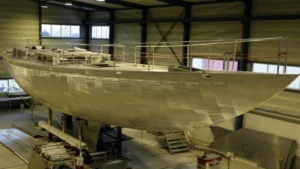
- Marine survey: A professional assessment of the hull, structure, systems and equipment, especially valuable for larger or more expensive boats.
- Sea trial: Where practical and safe, check engine starting, steering, handling, vibration, noise and navigation equipment. It does not replace a survey.
New York Boat Registration, Title and Legal Requirements
Registration
Most mechanically propelled boats operated on New York public waterways must be registered with the New York State Department of Motor Vehicles (DMV), including boats with electric motors. Some exceptions apply, so confirm the rules for your vessel. Keep the registration certificate on board and display the required numbers and validation stickers.
Titles
An undocumented motorboat that is model year 1987 or newer and at least 14 feet long generally requires a New York title. Older or shorter boats use a transferable registration as proof of ownership, unless the boat is documented with the U.S. Coast Guard, in which case different ownership documents and transfer procedures apply.
| Document | Purpose |
|---|---|
| Boat registration | Allows a boat to be operated when registration is required |
| Certificate of title | Establishes legal ownership for boats subject to titling |
| Bill of sale | Records the sale and transfer details |
| Manufacturer’s certificate of origin | Provides original ownership information for a new boat |
Documents Needed to Register
The documents depend on whether the boat is new or used and whether it was previously registered or titled. Common items include a completed boat registration and title application, proof of ownership, a bill of sale, the previous title or transferable registration, a manufacturer’s certificate of origin for a new boat, and tax documentation.
Sales Tax
New York’s combined sales tax rate varies by location because local taxes may apply on top of the state rate, and treatment can depend on where the sale is delivered, the transaction type and any exemption or credit. For private sales, buyers may need a Statement of Transaction (DTF-802). Do not assume a private sale or an out-of-state purchase removes tax obligations, and confirm the requirements before completing the transaction.
Boating Safety Certificate
Under Brianna’s Law, operators of motorized vessels, including personal watercraft, must complete an approved boating safety course. As of January 1, 2025, the requirement applies to operators of all ages. Make sure you meet it before taking a motorboat out.
Required Safety Equipment
Depending on the boat and its size, you may need properly sized, approved personal flotation devices, sound-producing devices, fire extinguishers, navigation lights, visual distress signals and other equipment. Check the current New York State Parks requirements for your specific boat.
Aquatic Invasive Species
The New York State Department of Environmental Conservation requires boaters to prevent spreading aquatic invasive species. Follow the Clean, Drain, Dry method before moving your boat between waterbodies.
Financing and Insurance for Boats in New York
You can explore financing through dealers, banks, credit unions and marine lenders. Compare down payment requirements, interest rates, repayment period, monthly payments, total interest and extra fees.
Boat insurance protects against certain losses, depending on the policy. Common coverage includes liability, physical damage, theft, personal property on board and uninsured boater protection. Coverage, exclusions and requirements vary by insurer, so compare policies and check whether your marina or lender requires particular coverage.
Frequently Asked Questions About Boats for Sale in New York
Can I buy a boat in New York and register it in another state?
Possibly, but it depends on the destination state’s registration, ownership document and tax rules. Check them before purchasing.
What should I do if a used boat does not have a title?
First check whether it must have one. Older boats may use a transferable registration instead. If it should have a title and the seller cannot provide it, contact the New York DMV before paying.
Can I test a boat before buying it from a private seller?
Yes, ask for a sea trial. Agree the arrangements in advance and make sure a qualified person operates it safely. It does not replace a professional inspection.
Is the advertised price the final amount I will pay?
Not necessarily. It may exclude sales tax, registration charges, transport, optional equipment and insurance, so ask for a full breakdown.
What if a used boat has high engine hours?
High hours do not automatically mean poor condition. Maintenance and engine history matter too, so have a marine mechanic check the engine.
Can I keep my boat outside during the New York winter?
Possibly, with suitable protection and winterization. Follow the manufacturer’s instructions or consult a marine service professional.
Do I need to clean my boat before moving it between lakes?
Yes. Remove visible plants and animals, drain water-holding areas and dry or clean the boat. Clean, Drain, Dry protects New York’s waterways.
Should I buy a boat located far from where I live?
You can, but consider travel, inspection, transport and delivery costs. Confirm the listing is active, the boat can be inspected and the seller has the ownership documents.
Conclusion
Finding the right boat for sale in New York takes more than comparing prices and photographs. Consider your intended activities, boat type, size, engine, condition and long-term ownership costs.
New York offers varied boating environments, from Long Island Sound and the Hudson River to the Finger Lakes and the Great Lakes. Whether you buy a new fishing boat, a used pontoon, a sailboat or a luxury yacht, inspect the vessel, verify ownership documents and understand the registration and tax requirements. Doing so helps you find a boat that suits your needs.