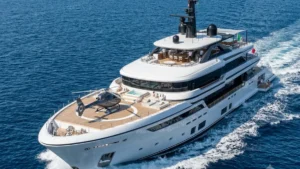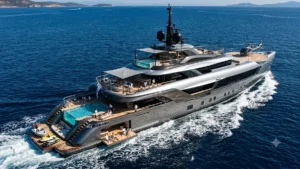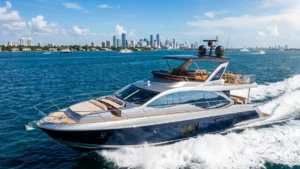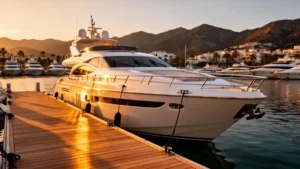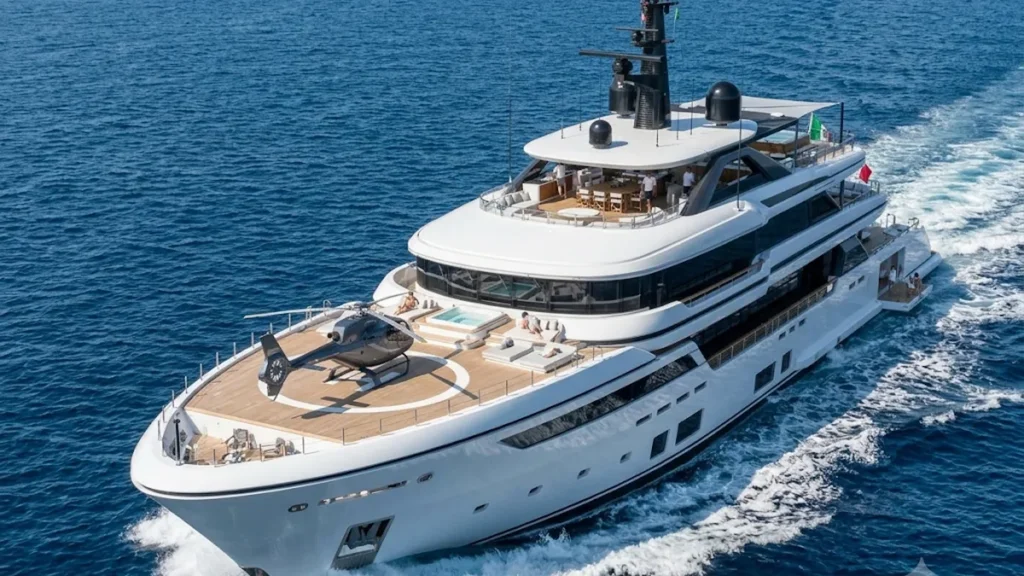
A $30 million yacht represents a significant investment in luxury, engineering, and life at sea. At this price level, buyers can explore large motor yachts with multiple guest cabins, spacious entertainment areas, professional crew accommodation, and equipment designed for extended cruising.
Depending on the builder, construction year, condition, and specifications, a budget of approximately $30 million may provide access to a yacht around 45 to 55 metres long. However, price does not determine size alone. A recently built yacht from a recognised shipyard may cost more than an older vessel with similar dimensions.
For example, ISY AVENTURA 164, a 50-metre Inace motor yacht, has been advertised at an asking price of $28.5 million. Its published specifications describe six guest cabins and accommodation for 12 guests. Another example is ELA, a 50-metre Heesen yacht advertised at €29.5 million. These listings demonstrate the range of vessels available around this price category, although asking prices and availability can change.
The purchase price is only one part of ownership. Crew salaries, fuel, insurance, maintenance, marina fees, and unexpected repairs can create substantial annual expenses.
This guide explains what buyers can expect from a $30 million yacht, how its features and operating costs compare, and what to investigate before purchasing one.
Key Takeaways
- A $30 million budget can provide access to large luxury motor yachts, depending on their age, builder, and condition.
- Yachts around 50 metres can offer multiple guest cabins and dedicated crew accommodation.
- A published operating-cost estimate for a $30 million, 50-metre superyacht ranges from $2.7 million to $5.4 million annually.
- New yachts offer greater customization, while used yachts may provide immediate availability and different value opportunities.
- Independent inspections, machinery checks, document reviews, and sea trials are important before completing a purchase.
- Charter income may offset some expenses, but it should not be treated as guaranteed profit.
What Does a $30 Million Yacht Look Like?
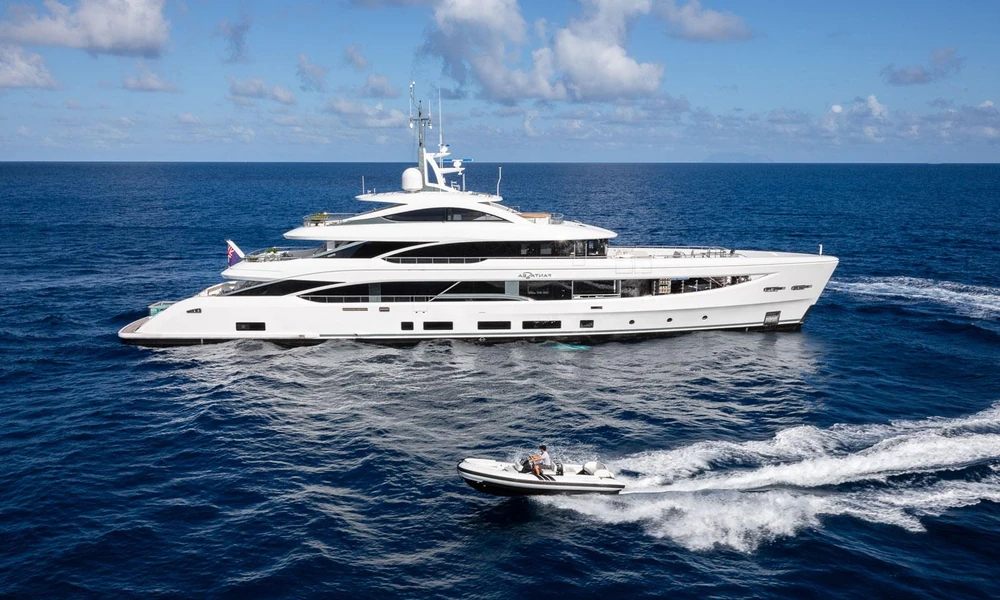
A yacht worth approximately $30 million is generally positioned in the luxury superyacht market. At this level, buyers can consider vessels designed for private cruising, entertaining guests, and spending extended periods away from shore.
The actual appearance depends on the yacht’s design and intended purpose. Some models prioritise modern interiors and entertainment facilities, while others focus on long-distance cruising, efficiency, and practical onboard accommodation.
Typical Yacht Size and Length
Yachts in this price category can measure approximately 45 to 55 metres, although this is not a guaranteed size range.
ISY AVENTURA 164 provides one published example. The yacht is advertised at 50 metres and has an asking price of $28.5 million. Its specifications include six guest cabins, accommodation for 12 guests, and space for crew.
ELA is another example of a yacht measuring approximately 50 metres. Its advertised price is €29.5 million, which is a different currency and should not be confused with a $29.5 million asking price.
These examples show why buyers should compare more than length. Two yachts with similar dimensions can have different prices because of their construction, equipment, design, condition, and market position.
Important pricing factors include:
- Shipyard and builder reputation
- Construction year and subsequent refits
- Interior materials and design
- Engine and generator condition
- Maintenance records
- Installed technology and equipment
- Fuel capacity and cruising range
- Overall structural condition
Different Types of Yachts
A buyer with a $30 million budget may encounter several yacht categories.
| Yacht type | Main characteristics | Typical purpose |
|---|---|---|
| Motor yacht | Engine-powered vessel with spacious interiors | Private luxury cruising |
| Explorer yacht | Designed around range and extended voyages | Long-distance travel |
| Sailing yacht | Uses sails as its principal means of propulsion | Sailing and leisure experiences |
Motor yachts often appeal to buyers who prioritise onboard comfort and powered cruising. Explorer yachts generally emphasise endurance and practical equipment. Sailing yachts offer a different experience, with design and performance influenced by their sailing systems.
The best option depends on how frequently the owner plans to travel, which destinations they want to visit, and how much space they require.
Features and Amenities of a $30 Million Yacht
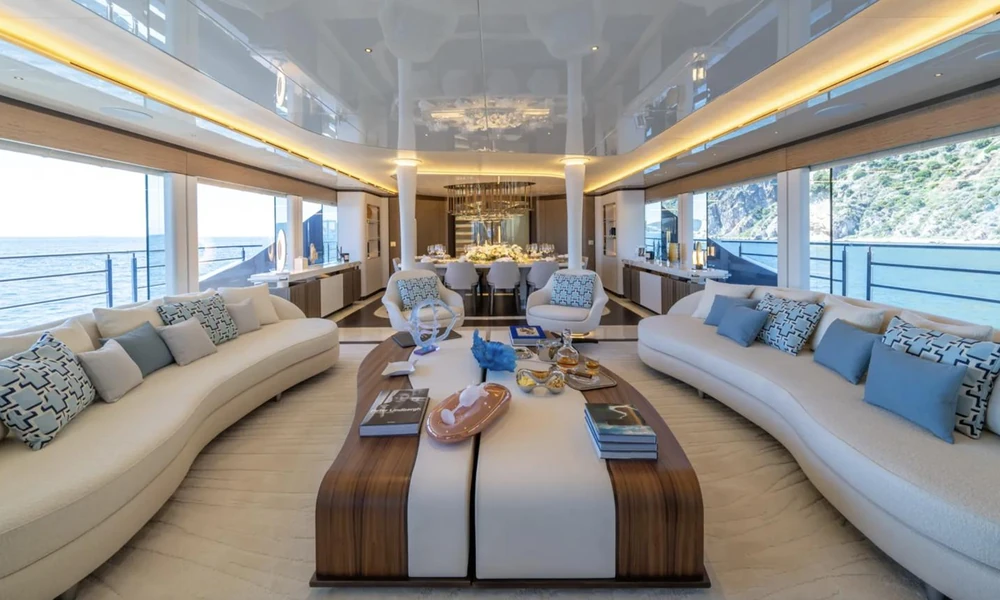
A luxury yacht in this price category may include sophisticated interiors, outdoor entertainment areas, modern navigation systems, and facilities for recreational activities. However, amenities vary between vessels and should always be checked against the individual yacht’s specification.
Luxury Interior Design
Interior design is an important part of the superyacht experience. Large yachts commonly feature separate areas for sleeping, dining, relaxing, and entertaining.
Depending on the layout, facilities may include:
- A private owner’s suite
- VIP guest accommodation
- Double and twin guest cabins
- Private bathrooms
- Main salon and lounge
- Indoor dining areas
- Custom furniture and storage
- Dedicated crew spaces
The owner’s suite is often designed to provide greater privacy than guest accommodation. Some layouts include a private office, additional seating, and a larger bathroom.
Guest cabins provide sleeping arrangements for family members and visitors. Their number and configuration depend on the vessel.
Outdoor Entertainment Areas
Outdoor decks allow guests to enjoy the surrounding environment while spending time aboard.
Possible facilities include sunbathing areas, outdoor dining tables, shaded seating, swimming platforms, and relaxation spaces.
Some yachts also have beach clubs near the waterline. These areas can provide convenient access to swimming and water-based activities.
A Jacuzzi or swimming pool may also be included, depending on the design. Buyers should confirm whether such facilities are standard equipment or optional additions.
Entertainment and Technology
Modern superyachts use technology to support navigation, communication, comfort, and onboard safety.
Common systems include:
- Satellite communication
- Electronic navigation equipment
- Climate-control systems
- Entertainment and audio systems
- Security equipment
- Stabilisation systems
- Modern monitoring and control systems
Stabilisers help reduce unwanted vessel movement. Their performance depends on the system installed and whether it is designed to operate underway, at anchor, or in both situations.
Water Toys and Additional Equipment
Some yachts carry equipment for recreational activities.
| Equipment | Purpose |
|---|---|
| Tender boat | Transport between the yacht and shore |
| Jet ski | Personal water recreation |
| Seabob | Powered underwater and surface swimming |
| Paddleboard | Leisure activity |
| Diving equipment | Recreational underwater exploration |
Not every yacht includes these items in its asking price. Buyers should request a complete equipment inventory and identify which items are included in the sale.
How Many People Can a $30 Million Yacht Accommodate?
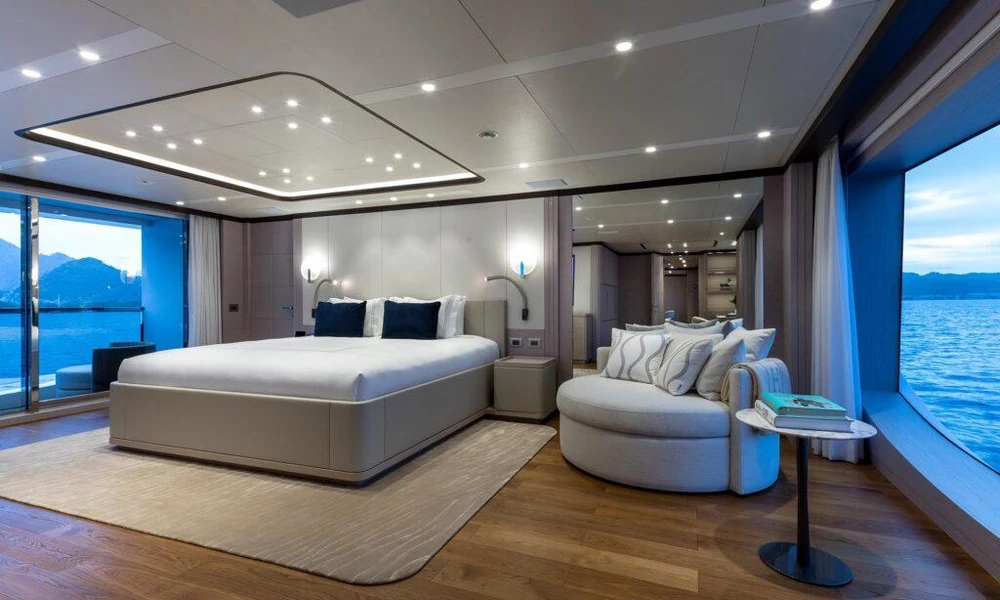
Guest capacity depends on the yacht’s cabin layout, design, registration, and applicable operating requirements.
For example, published information for ISY AVENTURA 164 describes accommodation for 12 guests across six cabins. This provides a useful example of the capacity that a 50-metre yacht can offer.
However, another yacht of similar length may accommodate a different number of guests. Buyers should not assume that all 50-metre vessels have identical arrangements.
Guest Accommodation
Large yachts may provide several types of guest cabins, including:
- An owner’s master suite
- VIP suites
- Double guest bedrooms
- Twin guest bedrooms
The owner’s accommodation usually provides additional privacy and space. Guest cabins are arranged to accommodate visitors while maintaining practical access to shared areas.
Crew Accommodation
A professionally operated superyacht needs qualified crew members to manage navigation, engineering, maintenance, and guest services.
Depending on the vessel, positions may include:
- Captain
- Chief engineer
- Deck officers and deckhands
- Chef
- Chief steward or stewardess
- Additional technical and interior staff
The number of crew members depends on the yacht’s size, operating schedule, facilities, and service requirements.
Crew accommodation is an important part of the design because employees need suitable sleeping and working facilities during extended voyages.
Understanding Different Capacity Figures
Buyers should distinguish between guest accommodation, permitted day visitors, and crew capacity.
| Capacity type | Meaning |
|---|---|
| Overnight guest capacity | Number of guests accommodated for sleeping |
| Day capacity | Number of people permitted aboard during daytime operations |
| Crew capacity | Number of crew members the yacht can accommodate |
These figures are not necessarily interchangeable. The permitted number of people aboard can depend on the vessel’s registration and applicable maritime requirements.
Performance, Speed, and Cruising Range
A yacht’s performance depends on several engineering factors, including engine power, hull design, weight, fuel capacity, and operating conditions.
Engine and Propulsion Systems
Large motor yachts commonly use diesel propulsion systems. The number and configuration of engines depend on the individual vessel.
Before purchasing a used yacht, buyers should investigate:
- Engine manufacturer and model
- Total operating hours
- Maintenance and service records
- Generator condition
- Propulsion equipment
- Fuel capacity
- Previous mechanical problems
Engine hours provide useful information, but they do not establish the overall condition of machinery. A professional technical inspection is necessary to identify potential problems.
How Fast Can a $30 Million Yacht Travel?
There is no standard speed for every yacht in this price category.
Some motor yachts are designed for higher speeds, while others prioritise efficiency, comfort, and cruising endurance.
For example, the published listing for ISY AVENTURA 164 reports a cruising speed of 13 knots and a maximum speed of 15 knots. These are vessel-specific figures, not performance standards for every yacht worth $30 million.
Buyers should confirm speed information through current technical documentation and, where appropriate, a sea trial.
How Far Can a Yacht Travel Without Refuelling?
Cruising range depends on fuel capacity, consumption, engine efficiency, speed, and sea conditions.
A vessel may travel farther when operating at an economical speed than when using its maximum available power.
Owners planning international journeys should examine the manufacturer’s range figures and request supporting fuel-consumption information. They should also consider water supplies, food storage, crew endurance, weather conditions, and available support facilities.
A yacht’s advertised range should not automatically be treated as a guaranteed distance under every operating condition.
How Much Does a $30 Million Yacht Cost to Maintain?

The acquisition price is only the beginning of yacht ownership. Operating a large vessel requires a continuing budget for crew, fuel, insurance, maintenance, marina fees, and management.
A published estimate from Moran Yacht & Ship uses a $30 million, 50-metre superyacht as its benchmark. It estimates annual operating expenses between $2.7 million and $5.4 million, based on a particular crew arrangement and usage pattern.
This is an industry estimate, not a fixed cost or a guaranteed quotation for every yacht.
Estimated Annual Ownership Costs
The following figures reproduce the published benchmark.
| Expense | Estimated annual cost |
|---|---|
| Crew salaries | $1.2M–$1.8M |
| Fuel | $300K–$600K |
| Insurance | $200K–$400K |
| Dockage and marina fees | $200K–$500K |
| Maintenance and repairs | $500K–$1.5M |
| Yacht management | $150K–$300K |
| Miscellaneous expenses | $150K–$300K |
| Total | $2.7M–$5.4M |
Actual costs can be lower or higher. A yacht that travels frequently may use more fuel, while an older vessel may require additional repairs and replacement equipment.
Crew Salaries and Management
Crew expenses are a major part of the operating budget.
A 50-metre yacht may require a captain, engineering personnel, deck crew, and interior staff. The captain oversees vessel operations, while engineers maintain machinery and technical equipment.
Deck crew support exterior maintenance and onboard activities. Interior staff manage housekeeping, food service, and guest requirements.
In addition to salaries, owners may need to budget for recruitment, travel, training, employment-related costs, and other crew expenses.
Fuel and Marina Expenses
Fuel expenditure depends on the yacht’s engines, cruising schedule, distance travelled, and operating speed.
A vessel used for frequent journeys can have substantially different fuel requirements from one that remains at anchor or in a marina for much of the year.
Marina charges depend on location, vessel dimensions, season, and berth availability. Popular destinations may have higher rates, particularly during busy periods.
Maintenance, Repairs, and Refits
Regular maintenance helps preserve the yacht’s condition and supports reliable operation.
Typical work includes:
- Engine and generator servicing
- Hull cleaning and inspections
- Painting and surface repairs
- Navigation equipment servicing
- Electrical system maintenance
- Interior repairs
- Replacement of worn components
A major refit is different from routine maintenance. It may involve extensive mechanical, structural, technical, or interior work.
The final cost depends on the yacht’s age, condition, work requirements, and selected materials.
Insurance and Yacht Management
Marine insurance can protect against specified risks involving the vessel and certain liabilities. Coverage and premiums depend on the yacht’s value, location, usage, and policy terms.
Professional yacht management services may assist with budgeting, crew administration, maintenance planning, and operational coordination.
Five-Year Cost of Owning a $30 Million Yacht
Using the published annual estimate of $2.7 million to $5.4 million, a simple projection gives the following figures.
| Ownership period | Estimated operating expenses |
|---|---|
| One year | $2.7M–$5.4M |
| Three years | $8.1M–$16.2M |
| Five years | $13.5M–$27M |
This projection assumes that annual expenses remain unchanged. It excludes the purchase price, taxes, financing, depreciation, resale proceeds, and exceptional refit costs.
The calculation illustrates why buyers should evaluate long-term affordability before committing to a yacht purchase.
Can You Charter a $30 Million Yacht?
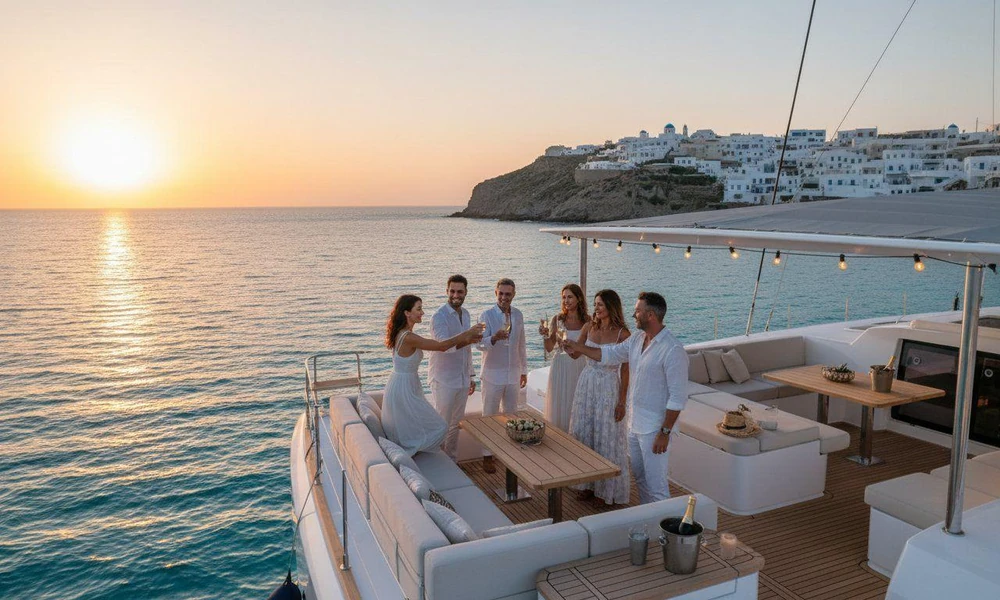
Some yacht owners make their vessels available for charter when they are not using them privately. Chartering can generate revenue and may help offset certain operating expenses.
However, charter availability is not guaranteed. Commercial operations depend on the yacht’s condition, registration, insurance, management arrangements, and applicable regulations.
How Yacht Chartering Works
A charterer pays to use a yacht for an agreed period. The booking normally covers the vessel and crew under the relevant charter agreement.
Additional expenses may be handled separately. These can include fuel, food, beverages, marina charges, and other costs associated with the charter.
Owners may work with professional charter brokers or management companies to arrange bookings and coordinate operations.
What Determines Charter Rates?
There is no fixed weekly charter rate for every yacht valued at $30 million.
Pricing depends on:
- Yacht size and design
- Builder and construction year
- Interior and outdoor facilities
- Guest accommodation
- Destination
- Charter season
- Vessel condition
- Market demand and availability
A recently refitted yacht with attractive facilities may have different commercial prospects from an older vessel with limited equipment.
Buyers should request actual charter records rather than relying on general revenue projections.
Charter Revenue Is Not the Same as Profit
Charter income should not be confused with the owner’s final earnings.
Under common MYBA charter arrangements, the charter fee covers the yacht and specified crew-related expenses. The charterer generally pays other operating expenses, including fuel, provisioning, and harbour charges, through an Advance Provisioning Allowance, or APA.
The APA is an advance payment for expected expenses. It is not automatically additional profit for the owner. Expenditure is accounted for, and any remaining balance is settled under the agreement.
Owners must also consider brokerage commissions, maintenance, management costs, and periods without bookings.
New vs. Used $30 Million Yachts: Which Is Better?
A buyer can consider either a new-build yacht or an existing vessel. Each option has advantages and disadvantages.
The better decision depends on the buyer’s priorities, intended use, construction preferences, and financial plans.
Buying a New Yacht
A new yacht offers greater opportunities to influence its design and equipment during construction.
Potential advantages include:
- More control over the interior layout
- Selection of finishes and materials
- Choice of onboard equipment
- New machinery and systems
- Applicable manufacturer warranty support
However, custom construction can take several years. Delivery schedules depend on the shipyard, project complexity, construction progress, and selected specifications.
Additional equipment and design changes may also increase the final price.
Buying a Used Yacht
A pre-owned yacht may offer an opportunity to purchase an established vessel without waiting for a complete construction project.
Potential advantages include:
- Earlier availability
- Existing facilities and equipment
- Established maintenance records
- An opportunity to inspect the completed vessel
- Potential value compared with a comparable new build
However, used yachts require careful inspection. Machinery wear, previous damage, outdated equipment, and upcoming maintenance can affect their actual value.
New vs. Used Yacht Comparison
| Factor | New yacht | Used yacht |
|---|---|---|
| Customization | Greater design flexibility | Existing layout |
| Availability | May require years of construction | Depends on the listing |
| Equipment | Selected during construction | Already installed |
| Maintenance history | New-build records | Historical records required |
| Initial purchase price | May be higher | May offer different value |
| Inspection | Construction and delivery checks | Detailed pre-purchase survey |
A used yacht is not automatically the cheaper long-term option. Buyers should compare the asking price with the expected cost of repairs, upgrades, and maintenance.
What to Check Before Buying a $30 Million Yacht
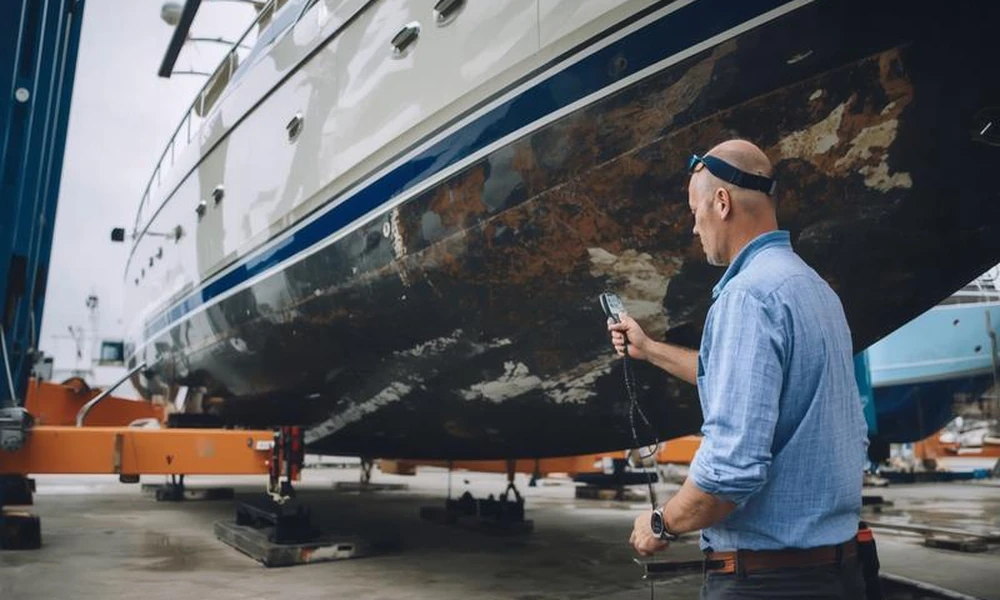
Purchasing a yacht requires technical, financial, and legal investigation. Buyers should appoint independent professionals rather than relying entirely on the seller’s description or broker’s marketing material.
Arrange an Independent Marine Survey
A qualified marine surveyor should examine the yacht’s structure, hull, decks, and relevant onboard systems.
The inspection can identify visible defects, damage, corrosion, and maintenance concerns.
The survey’s scope should be agreed in advance. Buyers may also require specialist inspections for machinery, electrical equipment, and other technical systems.
Inspect Engines and Mechanical Equipment
Main engines, generators, propulsion systems, and other machinery should be examined by appropriate technical specialists.
Request service records, operating-hour information, previous repair documents, and available machinery reports.
These records help establish the maintenance history and identify areas that may require attention.
Conduct a Sea Trial
A sea trial allows the buyer and appointed experts to assess the yacht while it is operating.
Depending on the vessel and agreed inspection procedure, the trial may help evaluate:
- Engine operation
- Steering and handling
- Navigation systems
- Stabiliser performance
- Noise and vibration
- General operational condition
A sea trial should form part of the agreed purchase process. Its findings should be considered alongside the survey and technical inspections.
Review Ownership and Registration Documents
Legal checks are essential before transferring funds or completing the transaction.
Buyers should ask qualified legal advisers to review:
- Proof of ownership
- Existing mortgages, loans, or liens
- Registration and flag information
- Classification and survey records, where applicable
- Tax and customs status
- Insurance documentation
- Sale agreement and transfer requirements
The legal position varies by jurisdiction. Buyers should obtain advice relevant to the yacht’s registration, current location, and proposed ownership arrangements.
Understand Additional Purchase Expenses
The asking price may not include every expense required to acquire and prepare the yacht.
| Potential expense | Why it matters |
|---|---|
| Survey fees | Professional inspection |
| Legal fees | Ownership and transaction checks |
| Taxes and duties | Depend on the jurisdiction |
| Delivery costs | Moving the vessel to its new location |
| Repairs | Work identified during inspections |
| Equipment upgrades | Changes requested by the buyer |
| Crew recruitment | Hiring and preparing personnel |
Buyers should keep a separate financial reserve for these expenses instead of committing their entire budget to the purchase price.
Is a $30 Million Yacht Worth Buying?
A yacht at this price level can provide privacy, comfortable accommodation, and the opportunity to explore destinations by sea. However, ownership also brings substantial financial and operational responsibilities.
Who Should Consider Buying One?
A $30 million yacht may suit buyers who:
- Want a large private vessel for family and guests
- Plan to spend considerable time cruising
- Require multiple guest cabins
- Can afford professional crew and management
- Have sufficient funds for ongoing maintenance
- Understand the responsibilities of vessel ownership
The purchase is more practical when the owner has a clear use plan and a realistic operating budget.
When Might Buying Be Unsuitable?
Ownership may not be practical for someone who can afford the acquisition price but cannot comfortably cover annual running costs.
It may also be unsuitable for buyers who use yachts only occasionally or do not want to manage crew, maintenance, and operational responsibilities.
For occasional holidays, chartering a similar yacht may provide a more flexible financial arrangement.
Before deciding, buyers should compare the expected frequency of use with the complete cost of ownership.
Frequently Asked Questions
1. Can a $30 million yacht cross the Atlantic Ocean?
Some yachts in this price category are designed for extended ocean voyages, while others are more suitable for coastal cruising. Buyers should check the vessel’s documented range, fuel capacity, seaworthiness, safety equipment, and operating requirements before planning an Atlantic crossing.
2. How much money should you keep aside after buying a $30 million yacht?
There is no universal reserve amount. Owners should budget for annual operating expenses, immediate repairs, crew, insurance, and unexpected maintenance. One published 50-metre ownership estimate ranges from $2.7 million to $5.4 million annually, excluding exceptional refit expenses.
3. Can a $30 million yacht stay in a marina throughout the year?
Yes, provided a suitable berth is available and the marina accepts the yacht’s length, beam, draft, and other requirements. Annual berthing charges depend on the location, season, and marina’s pricing arrangements.
4. Does a $30 million yacht include a captain and crew?
A yacht is generally sold as a vessel rather than as a permanent crew service. Crew arrangements depend on the sale agreement. Buyers normally need to arrange employment, recruitment, and onboard management separately.
5. Does the asking price include VAT and other taxes?
Not necessarily. Tax treatment depends on the transaction, ownership structure, registration, location, and applicable rules. Buyers should confirm the yacht’s tax status with qualified legal and tax advisers before completing a purchase.
6. How long can a $30 million yacht stay at sea?
There is no standard duration. Endurance depends on fuel, food and water supplies, engine consumption, crew requirements, weather, and cruising range. The yacht’s technical specifications and planned route determine how long it can remain away from port.
7. Can you upgrade a used $30 million yacht after buying it?
Yes. Owners can arrange refits to update interiors, navigation systems, machinery, and other equipment. Major modifications may require technical assessments, approvals, and significant investment.
8. Is chartering cheaper than owning a yacht?
For people who use yachts occasionally, chartering can be less expensive because it avoids long-term responsibilities such as crew employment, maintenance, insurance, and permanent berthing. Frequent users may find ownership more suitable, depending on their requirements and financial circumstances.
Conclusion
A $30 million yacht can combine spacious accommodation, modern technology, entertainment facilities, and the ability to travel by sea. Depending on its builder, age, specifications, and condition, a buyer may find a vessel around 50 metres long with several guest cabins and professional crew facilities.
However, the asking price represents only part of the financial commitment. A published benchmark for a professionally operated 50-metre yacht estimates annual operating expenses between $2.7 million and $5.4 million. Crew salaries, fuel, insurance, maintenance, management, and marina charges all contribute to this figure.
The right purchase depends on the owner’s intended use, the yacht’s actual condition, and the ability to manage its long-term expenses.
An independent marine survey, specialist machinery inspection, sea trial, legal review, and realistic ownership budget can help buyers make a better-informed decision.