
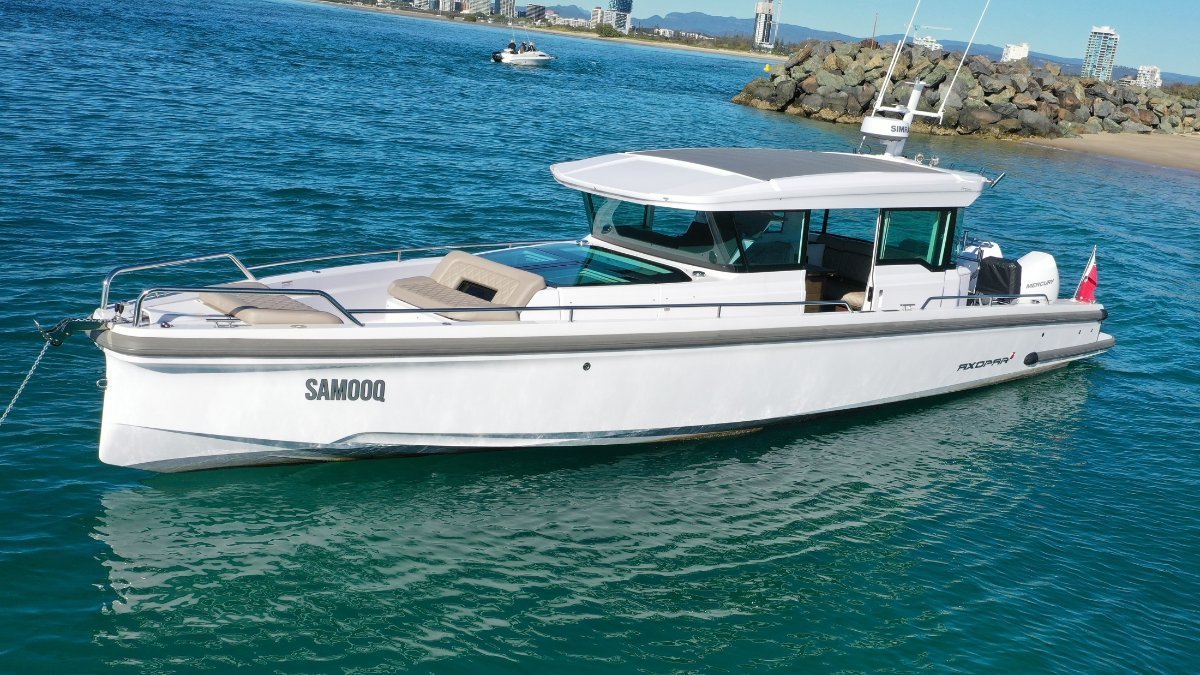
Stepping aboard a luxury vessel should bring a sense of pure relaxation. However, rough ocean swells quickly turn a dream vacation into a miserable ordeal for those prone to motion sickness. For decades, naval engineers struggled to find a way to stop boats from rocking at anchor. Fortunately, the development of modern gyroscopic stabilization has completely revolutionized the marine industry.
At the center of this technological shift is the seakeeper gyro stabilizer, a highly sophisticated machine that eliminates up to 95 percent of boat roll. By installing a spinning flywheel inside the hull, shipyards can now keep boats rock-steady in choppy water. In this comprehensive guide, we look closely at how seakeeper works, compare it to traditional methods, and break down the costs of this essential boat stabilizer 2026 technology.
How Seakeeper Works: The Physics of Balance
To understand the magic behind an anti roll yacht, you must understand a basic law of physics called gyroscopic precession. When an object spins at extremely high speeds, it naturally wants to maintain its orientation in space. If an outside force tries to tilt that spinning object, the system redirects the energy into a completely different direction.
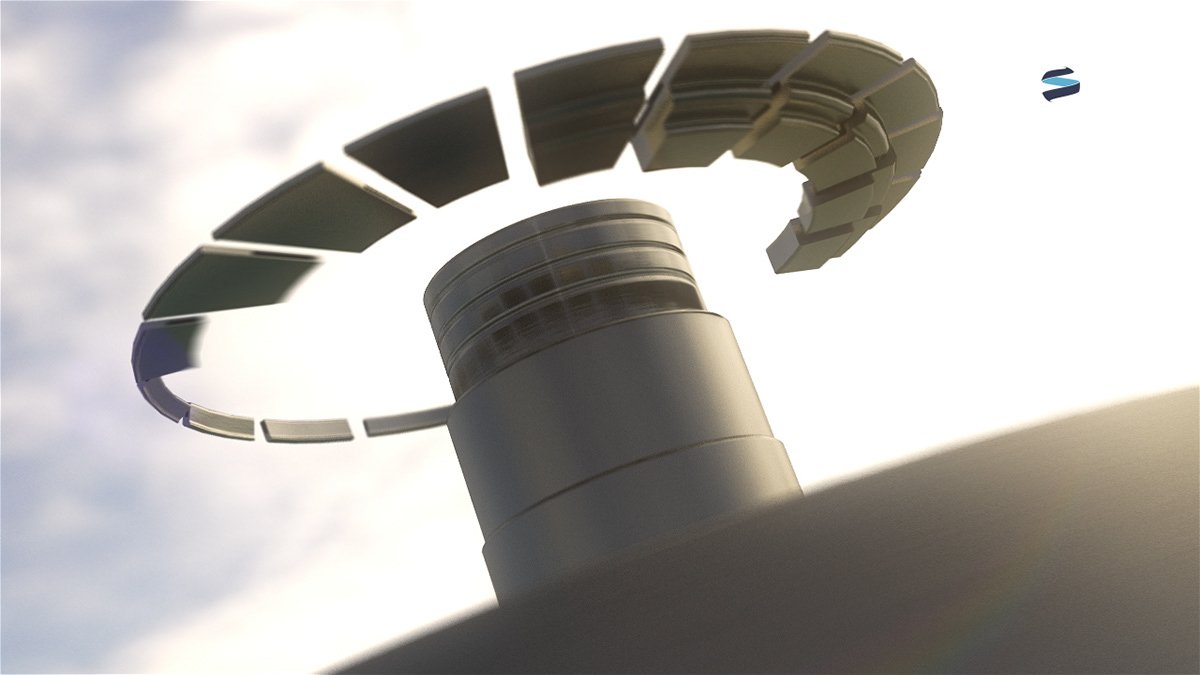
Inside every Seakeeper unit, a heavy steel flywheel spins horizontally inside a spherical aluminum housing. A powerful electric motor drives this wheel at speeds up to 9,750 revolutions per minute. At this velocity, the outer edge of the wheel can travel at over 550 miles per hour, creating immense angular momentum.
When a wave hits the side of the boat and forces the hull to roll, the Seakeeper sphere automatically tilts forward and backward. This fore-and-aft movement represents gyroscopic precession. As the sphere precesses, it generates a massive counter-torque that pushes back against the wave energy, flattening the motion of the vessel instantly. Seakeeper has published detailed engineering documentation on the gyroscopic precession principles behind each of their product lines. You can explore their full model range, technical specifications, and installation requirements directly on the Seakeeper official website.
The Vacuum-Sealed Advantage
Historically, older gyroscopic stabilizers were far too heavy and power-hungry for smaller recreational boats. Seakeeper solved this major engineering problem by sealing the entire flywheel assembly inside a permanent vacuum chamber.
By removing all air from inside the sphere, the engineers eliminated aerodynamic drag entirely. Consequently, the internal motor requires roughly two-thirds less power to spin the flywheel. Furthermore, reducing this air friction allows the wheel to spin three times faster while cutting the overall weight of the machine by half.
To prevent overheating inside the sealed vacuum, Seakeeper uses a patented closed-loop glycol and seawater cooling system. This active management safely pulls heat away from the internal bearings and motor, ensuring the unit operates efficiently during long, hot days on the water.
Gyro vs Fin Stabilizer: Choosing the Right System
When choosing an alternative marine fuel or stabilization setup, captains usually debate between two main technologies: gyroscopes or external fins. Both systems have distinct advantages depending on how you plan to use your vessel.
Traditional fins project outward from the bottom of the hull like small airplane wings. As the boat moves forward through the water, the passing flow creates lift across the fins, allowing the computer to adjust their angle and counteract roll. While highly effective at cruising speeds, standard fins lose their stabilization power when the boat slows down or drops anchor.
Conversely, a gyro stabilizer does not require any water movement across the hull. Because the system operates entirely inside the boat, it works perfectly whether you are running at 30 knots or sitting dead in the water at a crowded sandbar. Additionally, since there are no external parts underneath the boat, you run zero risk of catching marine debris or damaging the system in shallow channels. For owners who want zero external drag alongside a zero-emission propulsion system, the combination of gyro stabilization and electric drivetrain technology is becoming the new gold standard at sea. Our technical breakdown of electric and hybrid ship technology explains how these silent propulsion systems pair naturally with gyroscopic stabilization for a truly vibration-free experience.
Comparison Table: Gyro vs Fin Stabilizer Systems
To help owners select the right setup for their hull, this table details the core operational trade-offs between gyroscopes and external fins based on current 2026 marine standards:
| Performance & Installation Metrics | Seakeeper Gyro Stabilizer Systems | Traditional External Fin Systems |
| Primary Operating Environment | Exceptional at anchor and slow speeds | Excellent underway; requires water flow |
| ** Hull Impact & Drag** | Zero added drag (Internal mount) | Increases drag and fuel consumption |
| Risk of Physical Snagging | None (Safe in shallow water) | High risk from logs, ropes, or reefs |
| System Power Source | 12V DC or 120V AC Electrical | Heavy-duty Hydraulic Pumps |
| Required Vessel Size | Fits boats from 23 feet up to megayachts | Typically restricted to boats over 50 feet |
| Physical Space Used | Occupies internal engine room floor | Requires internal hull space plus exterior sides |
| Installation Profile | Simple bolt-down on structural stringers | Requires cutting large holes through the hull |
Breaking Down the Real Yacht Stabilizer Cost
Adding gyroscopic stabilization to a boat represents a significant financial investment. When calculating the total yacht stabilizer cost, owners must look past the initial retail equipment price and factor in the reality of structural installation fees.
For smaller vessels, the equipment pricing is highly standardized. For instance, a Seakeeper 1 model designed for center consoles up to 30 feet retails around 17,400 dollars. Moving up the scale, a Seakeeper 6 unit meant for express cruisers up to 52 feet costs roughly 69,600 dollars. Finally, for large motor yachts approaching 110 feet, the massive Seakeeper 40 costs about 365,400 dollars before installation.
The installation process itself can often double the total project cost. Because a gyro generates immense torque, technicians must bolt the unit to the main structural fiberglass stringers of the boat. If the existing stringers cannot support the stress, a shipyard must spend days laying down extra layers of fiberglass. Furthermore, owners must often upgrade their onboard generators or marine battery banks to supply the necessary electricity to keep the flywheel spinning smoothly. For buyers evaluating the full cost of outfitting a luxury vessel, stabilization is just one piece of the investment puzzle. Our guide to used superyacht prices in 2026 breaks down exactly how retrofit upgrades like gyro systems affect overall vessel valuation and resale potential in today’s brokerage market.
Active Braking and Smart Automation
What makes Seakeeper truly modern is its smart automation. Older, passive gyros would tilt wildly in heavy seas, sometimes creating a choppy, unnatural motion that made passengers feel even worse.
To solve this issue, Seakeeper uses an active hydraulic braking system managed by an onboard computer. Advanced inertial sensors constantly measure the roll, pitch, and yaw of the vessel in real time. The computer then uses this data to predict how the boat will move one second into the future.
By modulating the hydraulic brakes, the computer controls exactly how fast the sphere precesses. In mild chop, it allows the gyro to move freely to catch tiny ripples. In massive offshore swells, it tightens the brakes to prevent the unit from bottoming out, ensuring smooth, predictable stabilization across all wave periods.
Conclusion: A Total Transformation of Comfort
Ultimately, a seakeeper gyro stabilizer changes how families experience the ocean. By utilizing a vacuum-sealed flywheel and active computer control, this technology successfully eliminates the rolling motion that triggers motion sickness. It turns a stressful, fatiguing boat ride into a stable, comfortable environment for guests of all ages.
While the financial investment remains substantial, the added safety, comfort, and resale value make it an essential feature for modern boaters. To discover more technical guides on the latest marine electronics and luxury yacht trends, explore the deep dives over at turboocruiser.com.
Frequently Asked Questions
Can you install a Seakeeper on an older boat?
Yes, retrofitting an older boat is incredibly common. Shipyards complete thousands of retrofits every year by clearing out space in the engine room, lazarette, or beneath an aft deck seat. Technicians simply bond new structural stringers to the existing hull to distribute the weight and torque safely.
How much electricity does a Seakeeper draw?
Power consumption varies significantly by model size. Small units like the Seakeeper 1 and 2 run entirely on 12-volt DC battery power, drawing roughly 20 to 55 amps during operation. Larger units require 240-volt AC power from an onboard generator, consuming between 1.5 and 5 kilowatts once the flywheel reaches full operating speed.
How long does it take for the gyro to spin up to full speed?
Because the flywheel contains immense mass, it takes time to reach its maximum operating velocity. Depending on the size of the unit and the ambient air temperature, spin-up times typically range from 25 to 50 minutes. Most captains turn the system on while prepping the boat at the dock so it is fully functional by the time they reach open water.
What maintenance does a gyro stabilizer require?
Fortunately, the core components are sealed inside a vacuum chamber, which protects them from harsh saltwater air. The main regular maintenance involves replacing the zinc anodes in the cooling loop every year, flushing the heat exchanger, and inspecting the hydraulic brake fluid every 1,000 operating hours.