
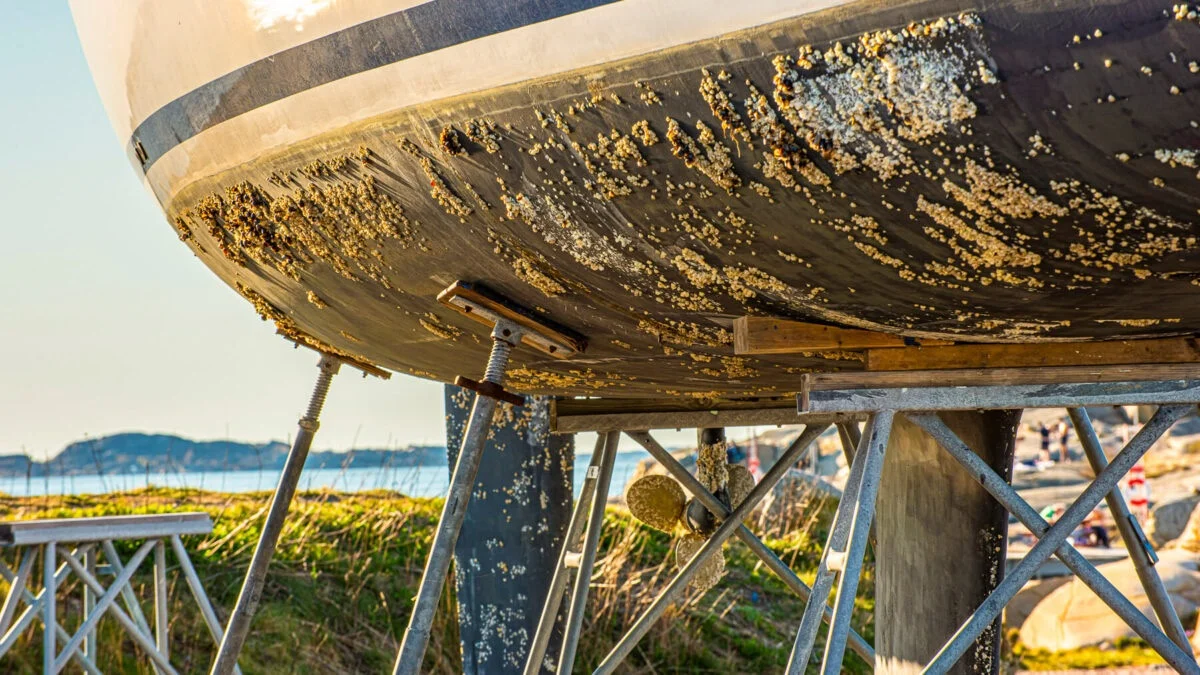
Imagine pushing your luxury vessel through the water while dragging an invisible anchor behind you. For many captains, this is the exact operational reality they face due to marine biofouling. When microscopic algae and barnacles attach to your hull, they destroy the smooth hydrodynamic surface of the vessel.
Choosing the right yacht antifouling 2026 solution is no longer just about keeping your hull looking clean. Instead, it is a critical strategy for performance optimization and environmental stewardship. Modern shipyards and private owners must deploy advanced chemical engineering to combat rising operational expenses.
Furthermore, keeping your hull perfectly clean significantly minimizes your carbon footprint. Even a thin layer of marine slime can increase your vessel’s fuel consumption by up to 25 percent. Consequently, this comprehensive guide explores the most advanced, eco-friendly choices available for a modern fleet.
The True Cost of Underwater Drag
When marine organisms colonize the underwater surfaces of a vessel, the financial and physical penalties pile up incredibly quickly. Understanding these impacts helps operators make smarter decisions during regular haul-outs.
The Friction Penalty
The primary problem with biofouling is the immediate creation of friction. As the hull surface loses its smoothness, the engines must work significantly harder to maintain the same cruising speed. Based on recent maritime data, heavy macrofouling like hard shell barnacles can increase a vessel’s power demand by over 50 percent.
The Spread of Invasive Species
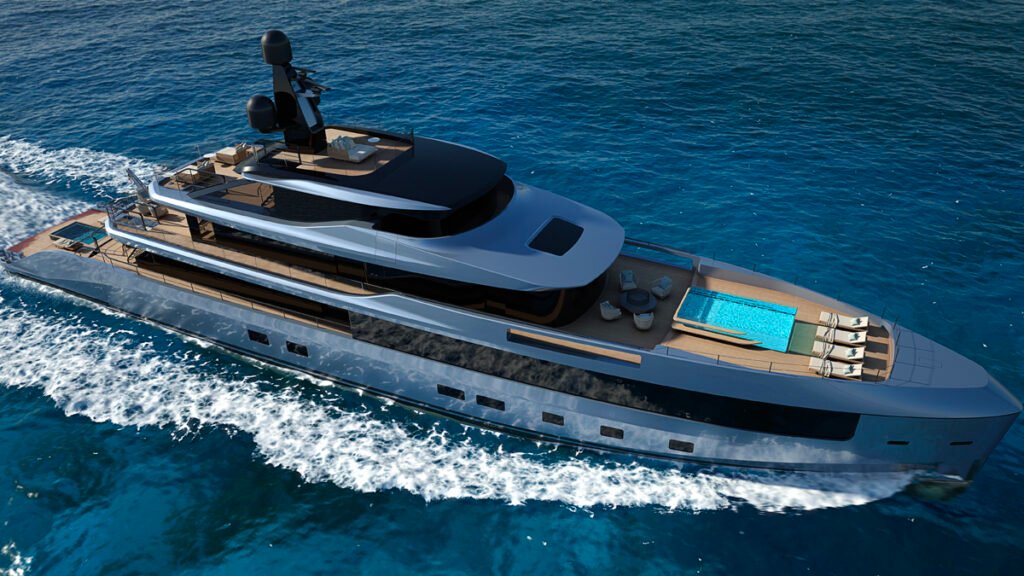
Beyond the immediate impact on fuel efficiency, biological accumulation creates a massive biosecurity risk. When a yacht travels between different ecological zones, it can carry non-native plants and animals on its hull. Consequently, international maritime authorities are enforcing stricter hull cleanliness regulations to protect fragile ecosystems.
Owners investing in the latest hull protection should also consider how top-tier builders are approaching sustainability from the ground up, as seen in our detailed breakdown of the top 10 superyachts of 2026 and their hydrogen and methanol-powered propulsion systems.
Next-Generation Yacht Antifouling 2026 Technologies
To balance top tier performance with ocean conservation, the marine industry has introduced revolutionary coating technologies. These new formulas eliminate the environmental damage caused by traditional hull treatments.
Biocide-Free Silicone Hull Coating
A premium silicone hull coating relies on physical properties rather than chemical toxins to keep the surface clean. This technology forms an ultra-smooth, rubberized barrier that prevents organisms from sticking.
Because the surface possesses incredibly low surface energy, marine growth cannot get a firm grip. When the yacht moves at cruising speed, the rushing water effortlessly shears away any temporary accumulation. Consequently, this provides a highly effective passive defense system without releasing heavy metals into the water.
Self-Polishing Hydrolysis Copolymers
For vessels that spend significant time stationary at anchorages, a advanced antifouling paint yacht with self-polishing characteristics is a popular option. These smart polymers react chemically with moving seawater at a strictly controlled rate.
As the outer layer slowly wearing away over time, it continuously exposes a perfectly fresh, active smooth layer underneath. Therefore, this controlled release mechanism ensures that the hull remains clean and hydrodynamic throughout the entire docking cycle.
The Economic Benefits of Premium Fuel Saving Hull Tech
While advanced chemical coatings require a higher initial financial investment, the long-term operational paybacks are undeniable.
Utilizing advanced fuel saving hull tech pays for itself within a relatively short operational timeframe. By smoothing out underwater turbulence, these advanced layers allow the yacht to slip through the water with minimal resistance. This reduction in drag translates directly into lower fuel bills and decreased wear on propulsion machinery.
Just as hull coatings are evolving to reduce drag and emissions, the broader maritime sector is undergoing a parallel shift, with our guide on electric hybrid ships technology explaining how zero-emission propulsion is reshaping operational efficiency across modern fleets.
The following table outlines an estimated performance and environmental comparison of the primary hull finishes available in 2026.
| Coating Category | Primary Defending Mechanism | Estimated Drag Reduction | Primary Environmental Benefit | Typical Maintenance Window |
| Traditional Hard Biocide | Controlled leaching of copper ions | Baseline Performance | Moderate environmental impact due to chemical shedding | 12 to 24 Months |
| Self-Polishing Copolymer | Constant microscopic hydrolysis wear | 4% to 8% Improvement | Reduced toxin concentration compared to old hard paints | 24 to 36 Months |
| Premium Silicone Release | Ultra-slick physical surface friction rejection | 9% to 14% Improvement | 100% Biocide-free and completely non-toxic to sea life | 48 to 60 Months |
| Nanostructured Hydrophilic | Bound water layer mimicking natural surfaces | 10% to 15% Improvement | Zero chemical discharge into fragile marine habitats | 36 to 48 Months |
Step-by-Step Guide to Applying Yacht Bottom Paint
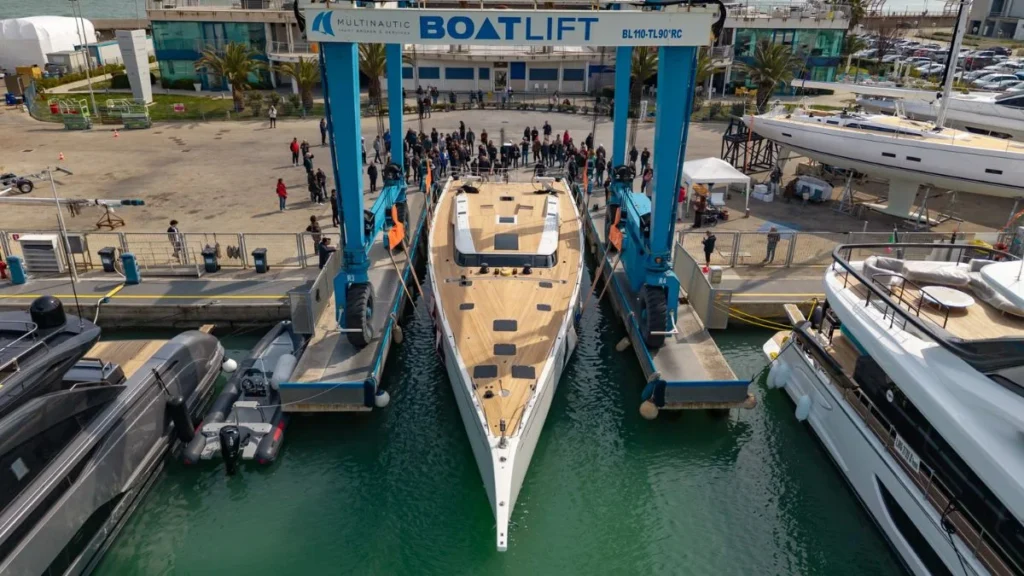
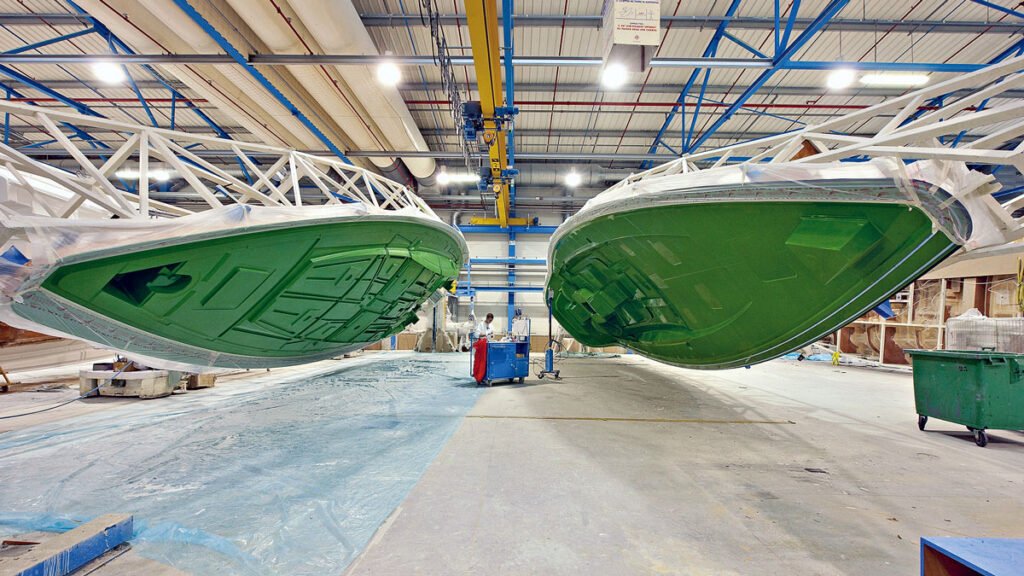
Achieving the maximum performance benefits from your chosen finish requires absolute technical precision during the preparation and application stages.
Choosing the Best Hull Coating for Your Yacht
Finding the absolute best hull coating requires a careful analysis of your vessel’s real-world operational profile, as one size never fits all.
Vessel Operating Speed: High speed motor yachts derive the highest benefit from slick foul release silicone systems, as their rapid movement actively cleans the hull.
Idle vs. Active Ratios: If your vessel spends months sitting stationary inside a warm marina, a hard or self polishing system provides more reliable static defense.
Local Marine Regulations: Certain pristine cruising destinations like the Mediterranean and parts of North America strictly ban or restrict traditional heavy copper paints.
Vessel Construction Material: Aluminum hulls require specialized copper-free treatments to completely avoid catastrophic galvanic corrosion issues.
For owners navigating budget decisions around maintenance investments, understanding the current brokerage landscape is equally important, and our analysis of used superyacht prices dropping in 2026 highlights why deferred hull maintenance is one of the top risks flagged by marine surveyors.
Conclusion
The evolution of maritime hull protection highlights a massive shift toward data driven sustainability. By choosing modern, eco-conscious marine finishes, yacht owners can protect fragile underwater ecosystems while lowering their annual fuel costs. Investing in superior underwater technology represents a vital commitment to cleaner oceans and optimized operational efficiency. For more technical deep dives into advanced marine systems, engineering breakthroughs, and luxury vessel maintenance, check out the comprehensive resource articles available at Turboocruiser.
Frequently Asked Questions
What makes 2026 antifouling technology different from older marine paints?
Modern formulations rely far less on heavy chemical toxins like traditional copper. Instead, they utilize advanced physical properties like slick silicone textures or bio-inspired nanostructures that prevent marine organisms from sticking in the first place.
Can a silicone hull coating be applied over my existing bottom paint?
No, you cannot apply a slick silicone topcoat directly over old traditional ablative paint. The crew must completely remove the old paint down to the bare fiberglass or metal before applying the specialized primers and silicone layers.
How much fuel can a yacht save by switching to advanced hull coatings?
Depending on the initial condition of the vessel, switching from a rough, neglected hull to a premium foul-release coating can reduce hydrodynamic drag significantly, leading to an estimated fuel savings of 9 percent to 15 percent.
Why are copper-based paints being phased out by marine authorities?
Traditional copper coatings constantly leach metal ions into the surrounding water column to kill marine growth. Unfortunately, these heavy metals accumulate in marina sediments and cause long term damage to local fish and shellfish populations.