
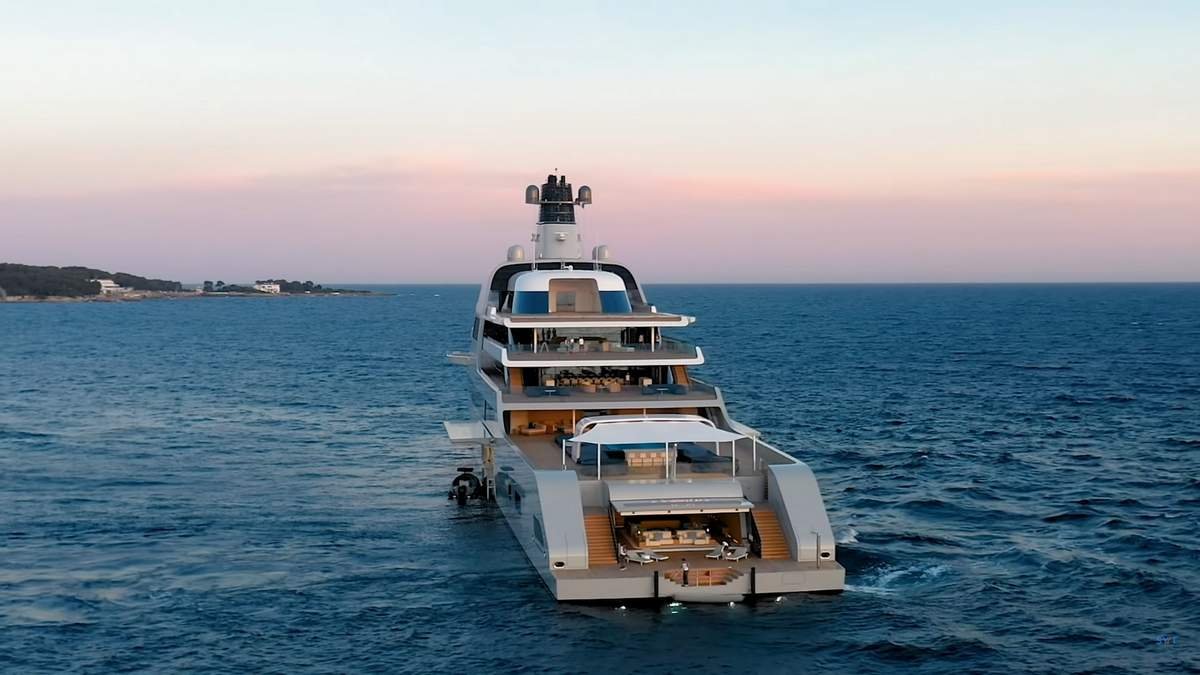
Imagine relaxing on the sun deck of your million-dollar vessel, anchored in a secluded Mediterranean cove, only to hear the distinct buzz of a drone overhead. For high-net-worth individuals, this scenario represents a massive breach of isolation. Today, luxury vessels are no longer just floating vacation homes. Instead, they operate as mobile corporations and high-profile targets.
A modern superyacht anti drone framework serves as the first line of defense against intrusive aerial surveillance and remote security breaches. As technology advances, privacy threats originate from both the sky and the digital space. Therefore, integrating multi-layered security measures protects ultra-wealthy passengers from physical espionage and digital extortion.
Furthermore, today’s security infrastructure extends far beyond physical bodyguards. Modern protection relies heavily on automated jamming domes, encrypted network arrays, and advanced sensor suites. Consequently, this deep dive breaks down the essential technology keeping billionaires safe on the open ocean.
The Rising Threat to Maritime Privacy
Historically, the vastness of the open ocean provided all the privacy a wealthy traveler needed. However, the commercial availability of high-performance drones has completely erased that natural boundary.
The billionaires commissioning these advanced security frameworks are the same owners pushing vessel technology to its limits, as explored in our roundup of the top 10 superyachts of 2026, where hydrogen propulsion and military-grade connectivity have become baseline expectations.
The Paparazzi Problem
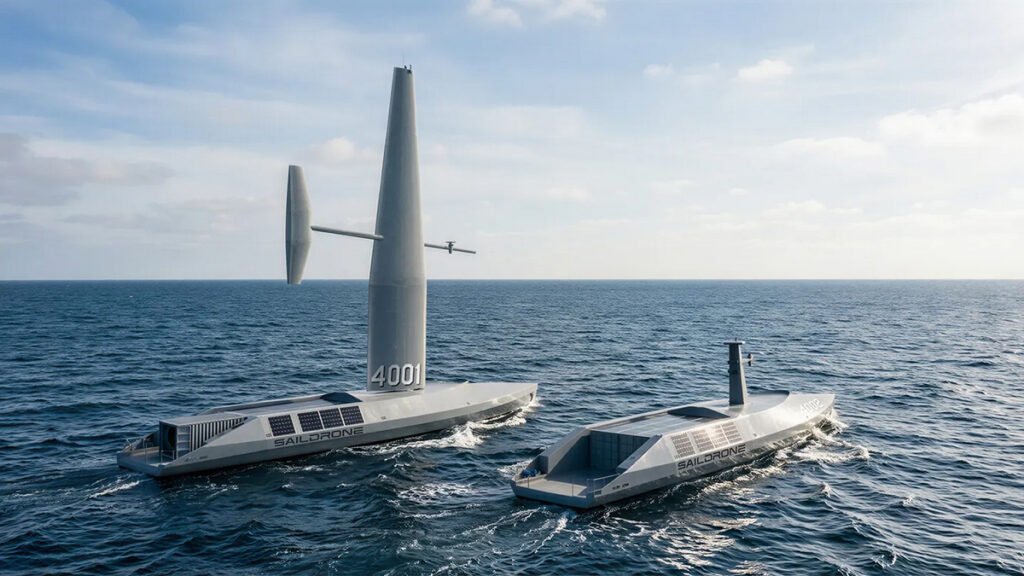
In the past, photographers had to rent expensive helicopters or wait on distant shorelines with telescopic lenses. Today, anyone can launch a quiet, high-definition camera drone from a nearby public beach or a small tender boat. These aerial devices can fly directly over private decks, capturing intimate photos of guests and families without their consent.
Corporate Espionage and Extortion
Beyond simple privacy annoyance, corporate espionage presents a severe financial risk. Billionaires often run global enterprises directly from their state rooms. An unauthorized drone can hover near bridge windows to film sensitive documents, intercept unsecured wireless signals, or track the movement of high-profile executives.
Understanding Superyacht Anti-Drone Systems
To counter these aerial liabilities, shipyards install sophisticated military-grade detection and mitigation systems. These frameworks work around the clock to establish a secure airspace bubble around the vessel.
Radio Frequency (RF) Detection Arrays
Every commercial drone relies on specific radio frequencies to communicate with its pilot on land or sea. Onboard RF sensors constantly scan the local spectrum for these telltale transmission signatures. Once detected, the system immediately calculates the drone’s position, heading, altitude, and even the exact location of the operator on the shore.
Radar and Optical Tracking
Some advanced stealth drones operate autonomously using pre-programmed GPS coordinates without emitting RF signals. To catch these silent intruders, yachts utilize highly sensitive marine radar systems paired with artificial intelligence tracking cameras. These specialized thermal cameras instantly pivot to lock onto the target, identifying the exact payload and payload threat level.
Electronic Disruption and Jamming Domes
Once a vessel identifies a rogue drone, the crew must deploy an effective countermeasure. A specialized electronic warfare dome system creates an invisible digital shield around the yacht. By emitting targeted interference signals, the system safely jams the drone’s control frequencies, navigation channels, and video feeds.
Consequently, the blocked drone loses contact with its pilot. The drone’s built-in safety protocols then trigger, causing it to hover in place, return automatically to its launch point, or land softly on the water surface.
The Critical Importance of Yacht Cybersecurity
As vessels become more connected through low-Earth orbit satellite networks like Starlink, the digital attack surface expands significantly. Therefore, robust yacht cybersecurity is just as critical as physical hull security.
As satellite connectivity becomes standard across elite fleets, understanding the full scope of yacht cybersecurity threats is essential for any owner relying on integrated automation for navigation, fuel management, and guest systems.
Modern superyachts rely heavily on automation. Everything from engine diagnostics and fuel management to navigation systems and guest entertainment runs on interconnected computer networks. If hackers compromise these systems, they can hold the vessel hostage, disable propulsion engines, or steal highly sensitive personal information.
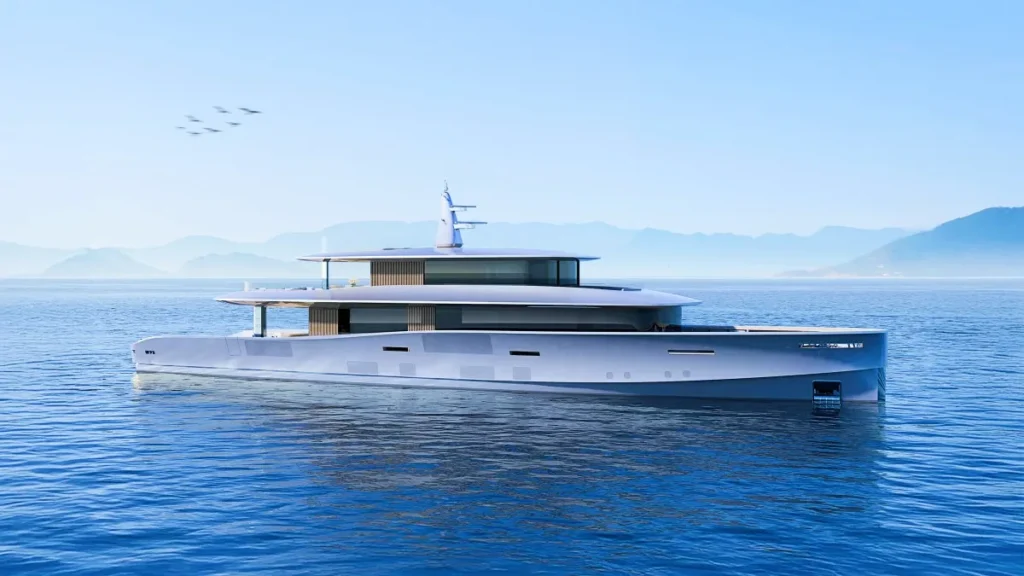
Furthermore, maritime security firms report that cyberattacks targeting luxury vessels have increased significantly in recent years. Hackers frequently target the financial transaction networks used by captain and crew to manage massive operational budgets, attempting to divert wire transfers or compromise banking credentials.
Next-Generation Superyacht Security Tech
The modern maritime security market offers specialized solutions designed to neutralize threats quietly and efficiently, ensuring zero disruption to the guest experience.
The following table provides an estimated breakdown of the essential security technologies deployed on elite vessels today.
| Technology Class | Primary Operational Function | Threat Target | Key Benefit for Owners |
| RF Sensors & Radar | 360 degree long range aerial scanning | Stealth and commercial drones | Provides early warning up to 1 kilometer away |
| Electronic Jamming Domes | Signal disruption and frequency blocking | Remote control & GPS tracking | Drops rogue drones safely into the ocean |
| LIDAR Protective Barriers | Micro-movement laser scanning | Boarding parties & unauthorized craft | Creates an invisible laser wall around the hull |
| Network Firewalls & NDR | Continuous internal data monitoring | Hackers & AI malware | Secures guest financial and business data |
| Acoustic Deterrent Devices | High-intensity directional sound projection | Pirates & intrusive vessels | Repels physical targets without using lethal force |
Buyers entering the current brokerage market should also factor security infrastructure into their due diligence, since our analysis of used superyacht prices dropping in 2026 notes that deferred upgrades, including onboard tech systems, are a leading concern flagged by independent marine surveyors.
Tactical Counter-Surveillance: Yacht Privacy Systems
Maintaining absolute anonymity at sea requires a proactive defense strategy. Elite captains combine multiple defensive technologies to create a comprehensive shield.
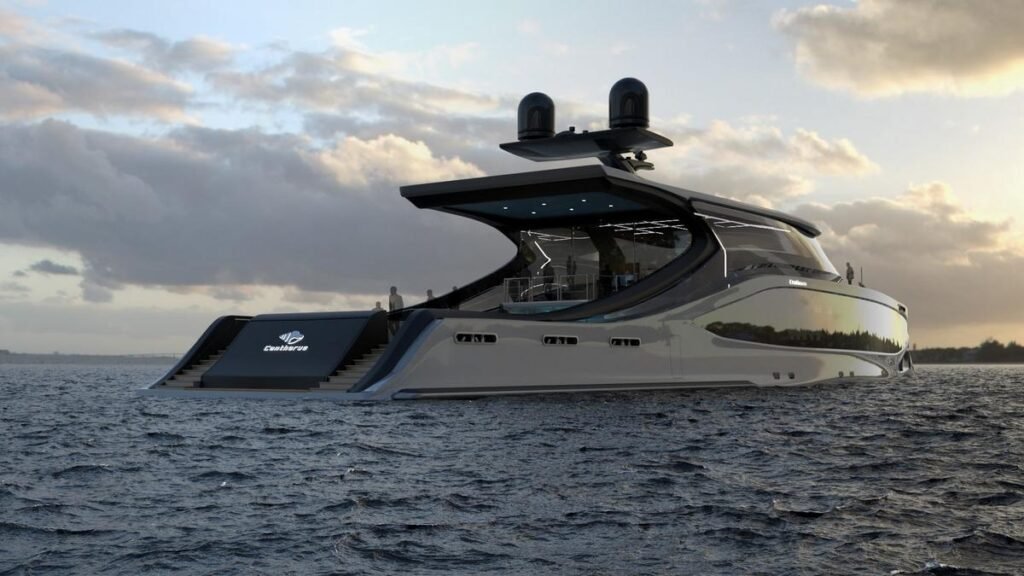
An effective anti paparazzi yacht utilizes specialized laser counter-surveillance arrays. These systems detect the optical reflection of camera sensors nearby. Once identified, the system fires a harmless, low-energy pulse of light directly at the camera lens, completely blinding the sensor and ruining the photograph without causing physical injury to the photographer.
Furthermore, comprehensive yacht privacy systems include digital signal denial frameworks. These systems protect guests while they use personal smartphones and laptops on deck. By wrapping the vessel’s primary living spaces in secure, localized encryption fields, the crew prevents hostile parties from sniffing data packets or tracking the physical locations of passengers.
Finally, advanced yacht counter surveillance protocols demand regular technical security sweeps. Security teams inspect the ship’s internal infrastructure for hidden listening devices, illicit GPS trackers, and unauthorized network taps that rotating crew members or temporary dock workers might have planted.
Conclusion
The modern maritime threat landscape has evolved drastically, moving far beyond traditional piracy into the digital and aerial realms. For high-net-worth individuals, investing in premium hardware is no longer an optional luxury. Instead, it represents an essential component of vessel operation. By combining automated drone mitigation, rigorous network protection, and optical counter-surveillance, billionaires can safeguard both their physical safety and their digital privacy. For more comprehensive guides on cutting-edge marine technologies and high-performance vessel systems, explore the expert analyses at Turboocruiser.
Frequently Asked Questions
Is it legal to jam or shoot down a drone from a superyacht?
The legality of drone jamming depends entirely on your geographical location. In international waters, captains possess broad authority to protect the vessel and its passengers. However, while inside the territorial waters of a specific nation, local telecommunications laws strictly regulate or prohibit the use of radio frequency jammers.
How do hackers target a yacht while it is out at sea?
Hackers primarily exploit vulnerabilities in satellite communication terminals, crew email accounts, and unsecured onboard Wi-Fi networks. Once they gain entry into the local ship network, they can lateral move into critical systems, including navigation and monitoring databases.
Can an anti-paparazzi laser system blind a human eye?
No, modern commercial counter-surveillance systems utilize low-energy, eye-safe infrared and visible light spectrum lasers. These systems disrupt camera sensors by overloading their exposure levels, but they remain completely safe for humans and marine wildlife.
What should a crew do if they detect a hostile cyber intrusion?
The crew must immediately isolate the affected networks by disconnecting the vessel’s primary satellite uplink. Following isolation, they deploy network detection and response tools to wipe the malware and verify the integrity of navigation databases before reconnecting to the internet.