
The global superyacht industry is facing an environmental reckoning. For decades, massive diesel engines have powered the world’s most luxurious vessels. However, new international regulations and eco-conscious owners are forcing a massive shift. As shipyards look to eliminate carbon emissions, a fierce engineering battle has emerged over the ultimate future yacht fuel 2026 and beyond.
Currently, the industry is divided into three distinct pathways: conventional diesel, liquid hydrogen, and green methanol. Each option presents unique advantages. On the other hand, each one also introduces massive structural challenges. In this comprehensive guide, we analyze the engineering, safety, and practicality of these three power sources to determine which fuel will dominate the next generation of luxury yachting.
The Three Contenders for Green Yacht Propulsion
The race for green yacht propulsion is not just about clean air. Rather, it is a battle over how much space an owner is willing to sacrifice inside the hull for fuel storage. Traditional marine diesel is highly energy-dense. Consequently, a relatively small tank can power a superyacht across the Atlantic Ocean. Conversely, alternative options require significantly more physical space to achieve the same cruising range.
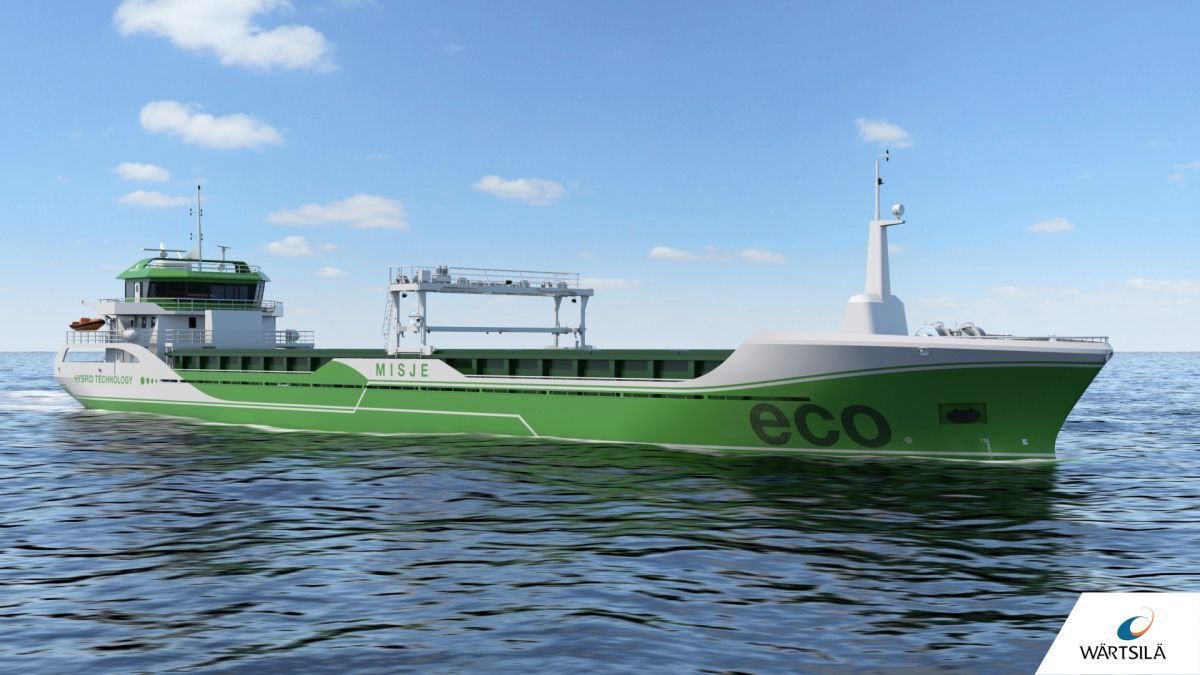
To understand the scope of this energy transition, consider the volumetric differences between these fuels. For example, if a yacht needs 100,000 liters of traditional diesel to complete a long voyage, it will require roughly 250,000 liters of liquid methanol to travel the exact same distance. Furthermore, if the owner chooses liquid hydrogen instead, the necessary storage volume will skyrocket to nearly 400,000 liters.
As a result, this storage penalty completely changes how naval architects design modern luxury vessels. Every cubic meter that engineers dedicate to specialized fuel tanks is space they take away from guest suites, beach clubs, or tender garages. Therefore, the battle over alternative fuels is a direct conflict between environmental sustainability and interior luxury.
Methanol: The Clean Liquid Leading the Pack
Many elite shipyards view a methanol yacht engine as the most practical step away from fossil fuels. Fortunately, methanol remains a stable liquid at ambient room temperatures. This means it does not require pressurized tanks or complex cooling systems. Because of this property, naval architects can use standard structural tanks within the double bottom of the hull, much like conventional diesel.
From an engineering perspective, methanol is incredibly versatile. Crew members can burn it directly in modified internal combustion engines. Alternatively, an onboard reformer can process it to power electric fuel cells. Major propulsion manufacturers like Wärtsilä and Caterpillar Marine have already rolled out commercial methanol-ready engines for 2026 deployment, which proves the technology is mature. Wärtsilä in particular has published detailed engineering data on its methanol propulsion systems for commercial and luxury marine applications. You can review their latest fuel-flexibility solutions and deployment timelines directly on the Wärtsilä marine solutions page.
Additionally, the environmental benefits of green methanol are substantial. When manufacturers produce it using renewable electricity and captured carbon dioxide, it functions as a completely carbon-neutral fuel. It reduces sulfur oxides by up to 99 percent and slashes particulate matter emissions entirely. Finally, because it mixes easily with water, a fuel spill will dissolve quickly without causing the long-term ecological destruction associated with heavy diesel leaks. The same clean-energy principles driving methanol adoption in superyachts are also accelerating an industry-wide shift across commercial shipping. Our technical guide on electric and hybrid ship technology explains how battery propulsion, fuel cells, and alternative fuels are converging across the entire maritime sector.
Hydrogen: The Zero-Emission Holy Grail
While methanol represents the practical choice, liquid hydrogen remains the ultimate zero-emission dream. Running a hydrogen powered yacht creates a completely silent environment with zero carbon emissions. In fact, the only byproduct escaping the exhaust stacks is pure water vapor.
The maritime world witnessed this technology in action when Feadship delivered M/Y Breakthrough. This historic 118.8-meter superyacht uses an array of sixteen chemical fuel cells to generate 1.2 megawatts of clean electricity. This power allows the massive vessel to operate all guest amenities at anchor for seven days in absolute silence. For a complete technical breakdown of how Breakthrough’s cryogenic storage, fuel cell stacks, and hybrid backup systems work together in practice, our in-depth feature on Feadship’s hydrogen superyacht Breakthrough covers every engineering layer of this landmark vessel.
Nevertheless, the engineering hurdles remain immense. Engineers must cool hydrogen to a frigid -253°C to keep it in a liquid state. This requirement forces shipyards to install heavy, double-walled vacuum-insulated tanks that cannot follow the natural curves of a ship’s hull. Because of the massive size and rigid lines of these cryogenic tanks, builders currently limit pure hydrogen propulsion to elite megayachts measuring well over 100 meters.
Diesel: The Resilient Baseline
Conventional marine diesel remains the dominant sustainable yacht fuel baseline simply because of its unmatched energy density and global availability. A captain can pull into almost any remote port in the world and find high-quality diesel fuel ready for bunkering.
To counter strict environmental regulations, the diesel sector is evolving through the use of Hydro-treated Vegetable Oil. This advanced biofuel serves as a direct drop-in replacement for standard petroleum diesel. Most importantly, it requires zero modifications to existing marine engines or fuel delivery piping.
Consequently, using high-grade biofuels allows traditional yachts to cut their carbon footprint by up to 90 percent on a well-to-wake basis. This development gives diesel an extended lease on life, since it serves as the necessary backup power source for hybrid vessels when alternative fuel networks are unavailable.
Comparative Analysis of Alternative Marine Fuel Types
To help owners and builders evaluate these options, this technical table compares the primary operational characteristics of each alternative marine fuel option based on current 2026 maritime engineering data:
| Performance & Logistics Metrics | Conventional Marine Diesel / HVO | Green Liquid Methanol | Liquid Cryogenic Hydrogen |
| Physical Storage State | Liquid at ambient temperature | Liquid at ambient temperature | Liquid at cryogenic -253°C |
| Volumetric Energy Density | Highest baseline (1.0x) | Moderate (Requires 2.5x volume) | Lowest (Requires 4.0x volume) |
| Hull Tank Flexibility | High (Fits custom hull shapes) | High (Requires minor coatings) | Low (Requires rigid cylinders) |
| Primary Propulsion Type | Internal Combustion Engine | Dual-Fuel ICE or Reformer Cell | Electrochemical Fuel Cell |
| Onboard Carbon Emissions | 90% reduction using pure HVO | Net-Zero (When eco-sourced) | Absolute Zero (0% Carbon) |
| Afloat Bunkering Network | Universally available worldwide | Growing rapidly at major hubs | Extremely limited in 2026 |
| System Complexity Rating | Low (Standard mechanical) | Moderate (Safety sensors needed) | High (Cryogenic monitoring) |
Infrastructure Bottlenecks and the Bunkering Reality
The real-world success of any sustainable yacht fuel depends entirely on availability. Obviously, a billionaire cannot enjoy a remote cruise through the South Pacific if their vessel runs out of fuel with no refueling options nearby.
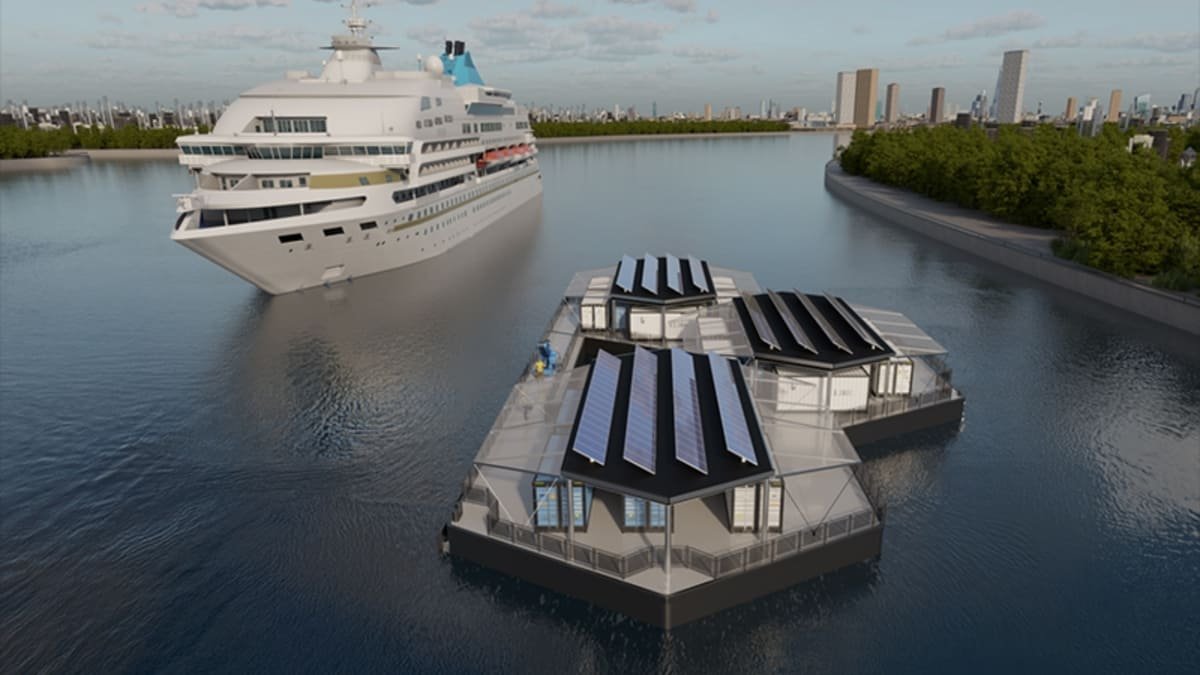
Fortunately, the infrastructure for green methanol is expanding rapidly across major global trading hubs. Ports like Rotterdam, Singapore, and Shanghai have established dedicated green methanol bunkering protocols to service commercial container fleets. Therefore, this commercial volume ensures that superyachts cruising the Mediterranean or the Caribbean can easily access the fuel.
On the other hand, liquid hydrogen infrastructure faces a much tougher climb. Building and maintaining coastal cryogenic refueling stations involves massive capital investments. As a result, most forward-thinking shipyards are building hybrid propulsion networks. These vessels utilize hydrogen fuel cells for silent port operations, but they switch to methanol or clean biofuels for long transoceanic voyages.
Conclusion: The Multi-Fuel Fleet of Tomorrow
In conclusion, the debate over the ultimate future yacht fuel 2026 will not end with a single winner. Instead, liquid hydrogen will remain the ultimate status symbol for massive megayachts, providing absolute silence and zero pollution in protected waters. Meanwhile, green methanol is rapidly positioning itself as the practical choice for custom yachts looking for an efficient transition away from fossil fuels without changing the layout of the hull.
For the next decade, the global fleet will rely heavily on hybrid multi-fuel systems that combine the cleanliness of hydrogen with the reliability of sustainable biofuels. To explore more technical insights into the evolving world of luxury ocean cruising, check out the latest market updates over at turboocruiser.com.
Frequently Asked Questions
Which future yacht fuel 2026 is the safest to store onboard?
Methanol is generally simpler and safer to store than liquid hydrogen because it remains a liquid at ambient temperatures. It does not require high-pressure or cryogenic systems. However, methanol burns with an invisible flame. Therefore, engineers must install specialized thermal imaging sensors and unique firefighting equipment throughout the engine spaces to detect fires early.
Can existing diesel superyachts be converted to run on methanol?
Yes, shipyards can successfully convert existing vessels. Major marine engineering firms have already completed dual-fuel retrofits on standard internal combustion platforms. During the conversion process, technicians apply protective coatings to the existing structural fuel tanks, upgrade the fuel injection lines, and install advanced ventilation systems to handle the specific properties of alcohol-based fuels.
Why is green methanol preferred over regular industrial methanol?
Regular industrial methanol comes from natural gas or coal, which creates a large carbon footprint during manufacturing. In contrast, manufacturers synthesize green methanol by combining captured carbon dioxide with green hydrogen made via water electrolysis powered by wind or solar energy. Thus, only green methanol offers true carbon-neutral performance.
How long can a hydrogen yacht operate before it needs to refuel?
Based on current engineering standards, a vessel configured like M/Y Breakthrough can power its interior hotel loads at anchor for roughly seven consecutive days on pure hydrogen. However, if the captain engages the electric thrusters for coastal cruising at a conservative 10 knots, the liquid hydrogen reserves will last for approximately 15 to 20 hours. After that, the ship must engage its hybrid backup generators.