
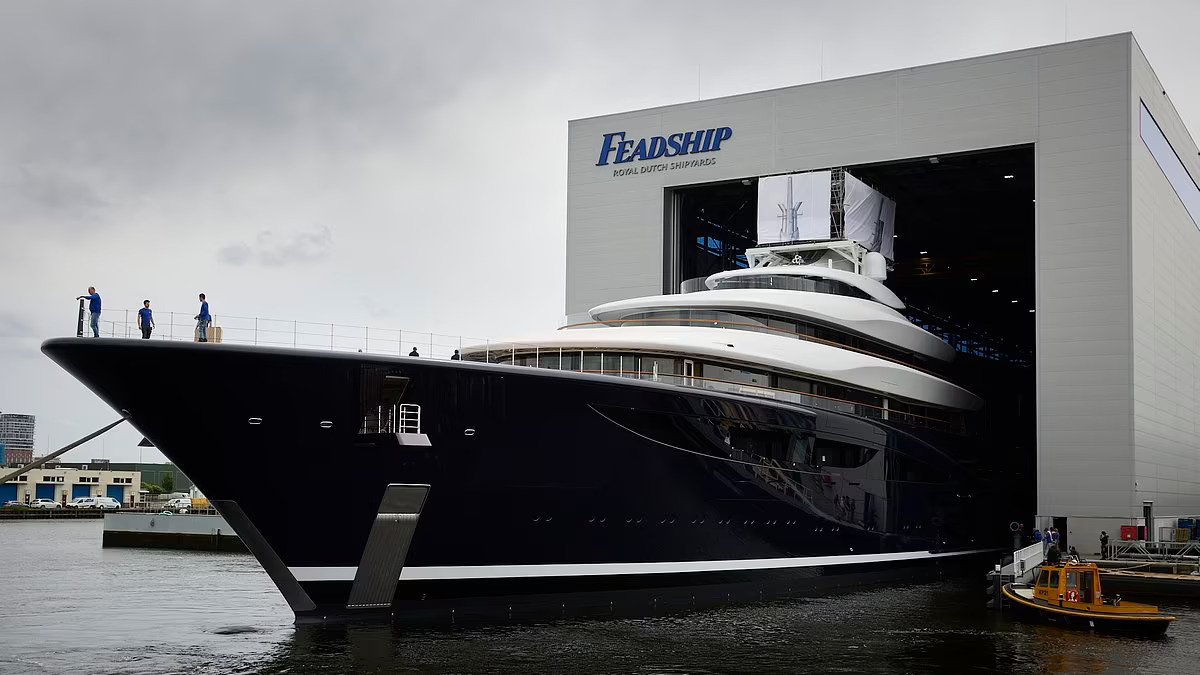
The superyacht industry is undergoing a historic shift toward sustainability. Wealthy buyers and elite shipyards are actively moving away from diesel power to protect delicate marine ecosystems. Leading this transition is Dutch custom builder Feadship, which has recently delivered M/Y Breakthrough (formerly known as Project 821). This massive 118.8-meter vessel represents the world’s first hydrogen fuel cell yacht capable of zero-emission operation at anchor and during coastal cruising. In this deep dive, we explore how this magnificent vessel works, the engineering behind its cryo-storage, and what it means for the future of luxury yachting.
Hydrogen Fuel-Cell Yachts: Inside Feadship’s Emission-Free Breakthrough
The launch of Breakthrough marks a turning point in maritime history. Measuring 118.8 meters with an internal volume of 7,247 gross tons, it is the largest yacht ever built in the Netherlands. It recently earned the prestigious Motor Yacht of the Year title at the 2026 World Superyacht Awards. The real magic, however, lies within its hull.
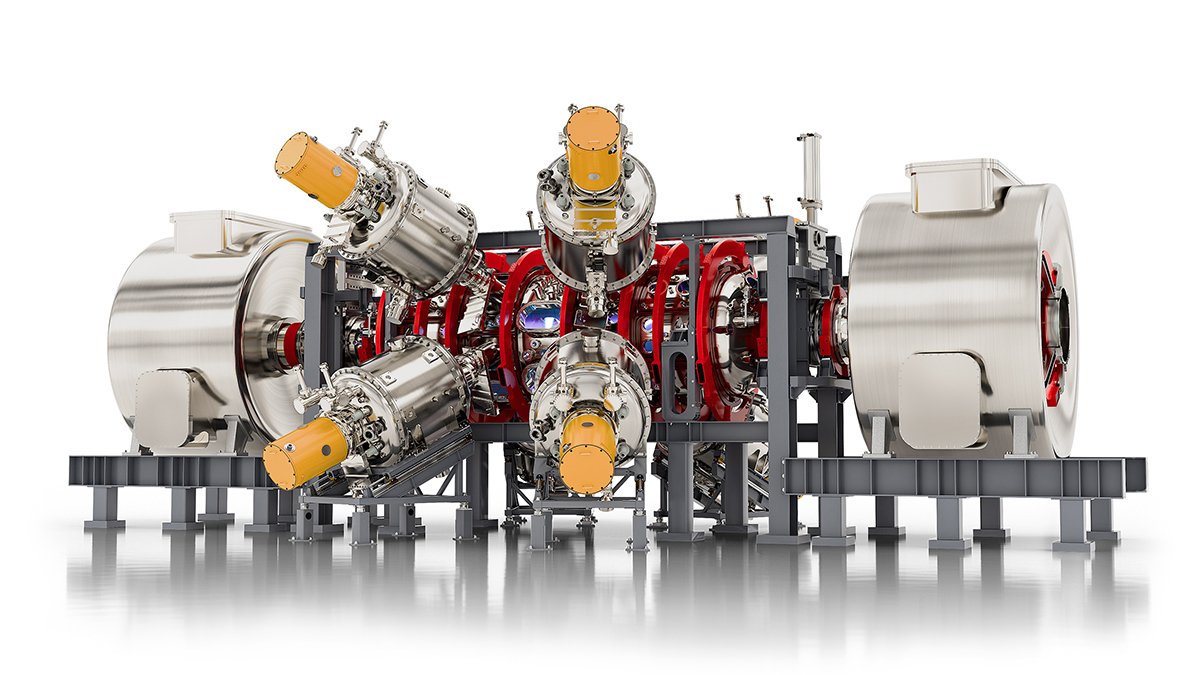
Instead of relying solely on heavy diesel generators to power its massive energy needs, the vessel integrates sixteen PowerCell hydrogen fuel-cell stacks. These systems generate 1.2 megawatts of clean electricity through an electrochemical process. The only byproduct is pure water vapor and heat. This feadship breakthrough shows that high-performance luxury can exist without leaving a carbon footprint.
How the Hydrogen Fuel Cell Works at Sea
A hydrogen powered yacht functions under a completely different mechanical system than an older diesel boat. Standard engines burn fossil fuels to spin shafts, which creates carbon dioxide, dark smoke, and structural shaking throughout the cabins. A fuel cell system generates electricity quietly by combining elements without any mechanical fire or combustion.
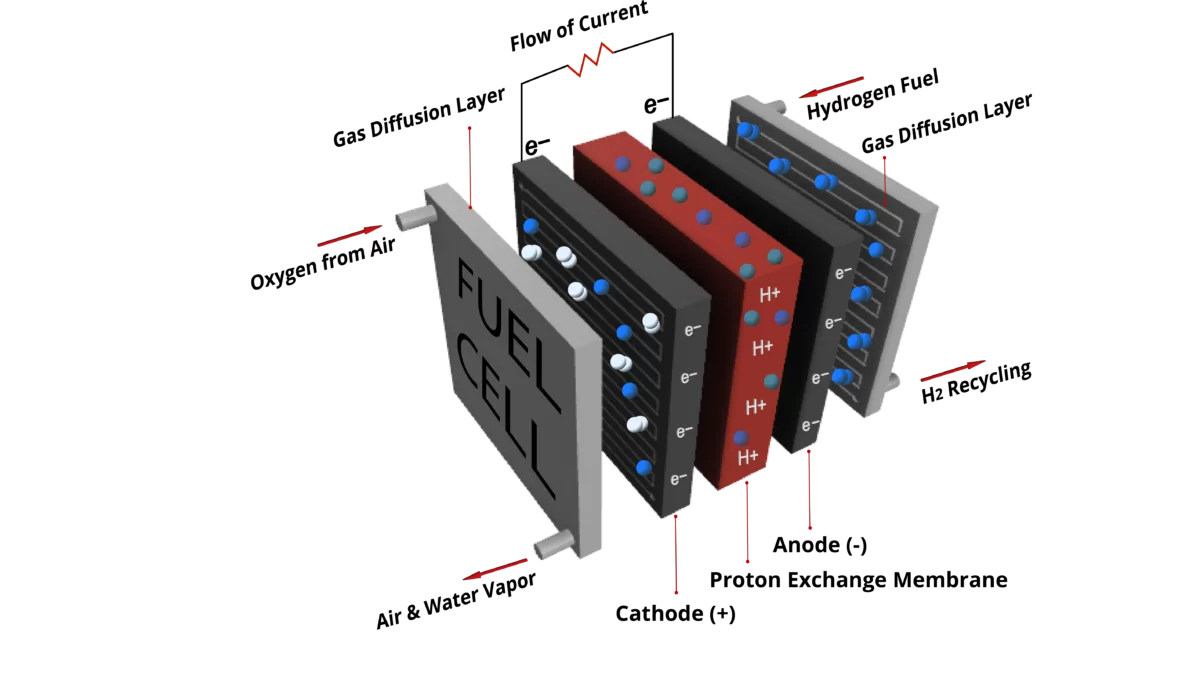
Hydrogen atoms enter the fuel cell at the anode, where their electrons are separated from the protons. The electrons flow through an external circuit, generating direct current electricity. Meanwhile, the protons pass through a special proton-exchange membrane to combine with oxygen from the air. The final result of this chemical reaction is clean water and usable power.
On Breakthrough, this clean electricity drives two 3,200-kilowatt ABB azimuthing thrusters. These rotating torpedo-shaped pods push the ship through the water with unmatched efficiency. Because there are no traditional shafts or rudders, the usual noise and vibration vanish completely. This same principle of silent, shaft-free propulsion is now reshaping the broader commercial and luxury maritime world. For a deeper look at how battery and hybrid systems are transforming vessel design across all vessel classes, our complete guide to electric and hybrid ship technology breaks down the mechanics behind this global maritime shift.
The Cryogenic Engineering Challenge
Storing hydrogen on an emission free superyacht is an incredible engineering feat. Hydrogen gas has a very low energy density by volume. To store enough fuel to be useful, it must be compressed into a liquid. This transition requires cooling the element to a frigid -253°C.
Feadship spent five years working alongside the classification society Lloyd’s Register to design the necessary systems. Because no regulatory framework existed for hydrogen-powered cruise vessels, they had to build the safety protocols from scratch. Lloyd’s Register’s involvement ensured that every cryogenic system met the most rigorous classification standards ever applied to a private vessel. You can review the technical maritime certification framework they operate under directly on the Lloyd’s Register official website.
Liquid hydrogen requires ten times more storage space than conventional marine diesel. To solve this issue, Feadship designed a dedicated, vacuum-insulated containment room. This space holds double-walled cryogenic storage tanks with a total capacity of 92 cubic meters (about 4 tons of liquid green hydrogen). While this setup takes up roughly 3% of the vessel’s internal space, its massive footprint is the main reason why hydrogen technology is currently best suited for yachts measuring over 100 meters.
Technical Specifications: M/Y Breakthrough
To understand how this future yacht fuel balances with conventional power, look at the vessel’s primary operating and design specifications based on recent shipyard data:
| Specification Category | Technical System Details |
| Length Overall (LOA) | 118.80 meters (389 feet 9 inches) |
| Gross Tonnage | 7,247 GT |
| Fuel Cell Output | 1.2 Megawatts (16 × PowerCell stacks) |
| Main Propulsion | 2 × 3,200 kW ABB Azipod thrusters |
| Hydrogen Capacity | 92 cubic meters (4 tons of liquid H2) |
| Backup Fuel Bunkers | 575,000 liters (HVO Biofuel / Diesel / Methanol) |
| Max Speed | 17 knots |
| Eco Hydrogen Speed | 10 knots |
| Diesel-Electric Range | 6,500 nautical miles at 14 knots |
| Silent Anchor Duration | 7 days completely emission-free |
Smart Energy Management and Heat Recovery
Pure green hydrogen is highly efficient, but Feadship went a step further by capturing waste energy. The fuel cells and backup generators release heat during operation. A patented waste heat recovery system captures this thermal energy and pipes it across the ship.
This recycled heat warms the massive 8.2-meter infinity pool, the hot tubs, and the steam room. It also heats the floors, air conditioning systems, and towel rails in the guest bathrooms.
An intelligent climate control system monitors the interior spaces using advanced motion sensors. If guest cabins or lounges remain empty for an extended period, the computer automatically lowers the heating or cooling. This smart management significantly lowers the overall electrical demand, allowing the liquid hydrogen reserves to last much longer.
Balancing Hydrogen with Biofuels for Global Travel
While the hydrogen yacht 2026 market is growing, a global hydrogen refueling network for luxury ships does not exist yet. Breakthrough solved its first major hurdle in mid-2025 by completing the first successful liquid hydrogen bunkering operation in the Netherlands. However, finding green hydrogen in remote island chains remains difficult.
To ensure global blue-water capability, Feadship built a hybrid diesel-electric drivetrain. When liquid hydrogen is unavailable, the fuel cells can adjust to run on methanol. For long transoceanic crossings, the vessel relies on three 2,500-kilowatt MTU generators. These units burn Hydro-treated Vegetable Oil, a sustainable biofuel that slashes carbon emissions by up to 90% compared to fossil diesel.
With this hybrid setup, the yacht can easily achieve a 6,500 nautical mile range. When it arrives at a protected marine sanctuary or a crowded Mediterranean port, it switches back to pure hydrogen mode. It can then cruise at 10 knots or sit at anchor for a full week in total silence without producing any exhaust.
Opulent Luxury Meets Sustainable Design
Sustainable technology does not mean sacrificing luxury. The world-renowned studio RWD designed the interior and exterior of Breakthrough to feel like an open waterfront villa. The vessel features five decks above the waterline and two below, giving guests immense space to unwind.
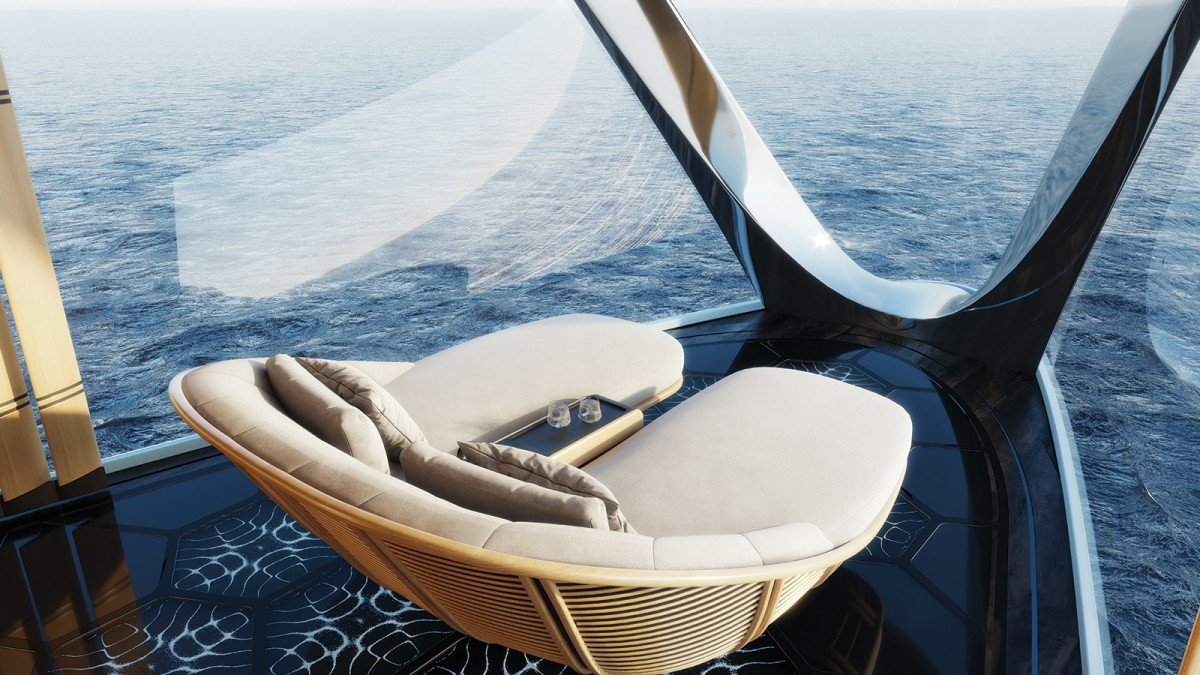
The design features a remarkable number of hull openings. It includes 14 slide-out balconies that deploy at the touch of a button. When extended, their floors lift automatically to align perfectly with the interior rooms. Seven large unfolding platforms and nine shell doors create open-air beach clubs and private dive docks right at the water’s edge.
Inside the vessel, the atmosphere is bright and coastal. The designers used over one hundred shades of white and off-white fabrics, Travertine marble, rattan, fumed eucalyptus, and limed oak. The layout includes an expansive private owner’s deck that functions like a luxury penthouse, complete with two offices featuring fireplaces, a private gym, and a private hot tub.
Entertainment areas include a 20-seat Dolby Atmos cinema, a glass atrium with a winding staircase, and a wellness spa. The ultimate hidden feature is the Nemo Lounge located in the ship’s keel. Guests can step down into this room below the waterline and look through 7-centimeter thick glass windows to watch passing marine life in absolute quiet.
Conclusion: The Horizon is Hydrogen
Feadship’s Breakthrough proves that the future of elite yachting has officially arrived. By combining liquid green hydrogen storage with advanced fuel cells and smart energy recovery, this vessel sets a new standard for eco-conscious luxury. It allows owners to explore the world’s most fragile marine environments without leaving a trace of pollution behind. Breakthrough is not alone in redefining what a modern superyacht must be in 2026. To see how it ranks alongside the most technically advanced and opulent vessels currently on the water, explore our curated list of the top 10 superyachts of 2026 and the innovations driving each of them.
While global refueling infrastructure is still developing, the hybrid capability ensures that this magnificent vessel can travel anywhere. As technology advances and storage systems become more compact, expect hydrogen systems to find their way onto smaller custom yachts. To stay updated on the latest innovations in sustainable marine engineering and luxury superyachts, explore the deep dives over at turboocruiser.com.
Frequently Asked Questions
Can a hydrogen fuel cell yacht cross the ocean on hydrogen alone?
No, current maritime hydrogen technology cannot support transatlantic crossings on hydrogen alone. Liquid hydrogen requires ten times the storage volume of standard diesel fuel. Breakthrough uses its hydrogen capacity to run all onboard systems at anchor for seven days or to cruise short distances at 10 knots. It relies on sustainable biofuels for long ocean crossings.
How safe is liquid hydrogen storage on a superyacht?
Liquid hydrogen storage is highly safe when engineered correctly. Feadship and Lloyd’s Register spent five years developing strict safety protocols for this system. The fuel is kept in double-walled, vacuum-insulated cryogenic tanks at -253°C. The storage areas feature advanced gas detection systems, automated venting, and structural separation from guest spaces.
What is the exhaust of a hydrogen powered yacht?
The only exhaust produced by a hydrogen fuel cell system is pure water vapor and warm air. Because the system relies on an electrochemical reaction rather than combustion, it produces zero carbon dioxide, zero nitrogen oxides, and zero soot.
How much does a hydrogen fuel cell superyacht cost?
Based on available industry data, the total development and construction cost for a groundbreaking vessel like M/Y Breakthrough is estimated to be around 675 million dollars. This price reflects the extensive research, custom cryogenic engineering, and unique luxury amenities built into the ship.