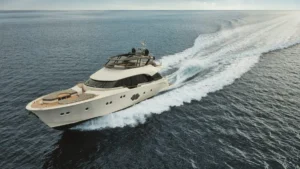
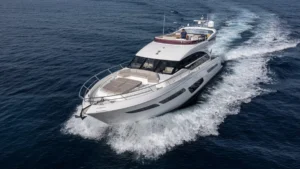
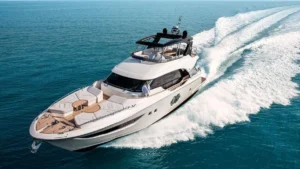
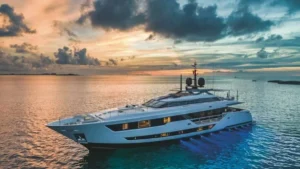
Searching for Bluewater yachts for sale turns up several options, mostly used motor yachts and coastal cruisers. They vary in size, layout, age and price. Some suit comfortable overnight trips, while others offer more living space for longer stays on the water.
Buying a yacht means more than comparing asking prices. You should also consider the model, engine condition, maintenance history, equipment and expected ownership costs.
This guide covers the available Bluewater yacht models, their advertised prices, the features worth comparing and what to check before buying a used yacht.
What Are Bluewater Yachts?
Bluewater Yachts is the manufacturer name used in the listings covered here. The marketplace listings are mainly motor yachts and power cruisers, and their layouts, engines and equipment vary with the model and year.
Do not confuse Bluewater Yachts, the builder, with the wider term bluewater yacht, which describes a vessel designed for extended offshore cruising. The term does not identify a particular manufacturer.
When searching, check the exact manufacturer, model, year and vessel identification details rather than relying on the word “Bluewater” in an advertisement.
Bluewater Yachts for Sale: Available Models
The used-boat market includes the 510, 5200, 543, Coastal Cruiser and larger custom models. Most listings are for previously owned boats, and condition and equipment can differ significantly even within one model.
Bluewater 510

The Bluewater 510 appears in the used market, with a 1997 example listed. Check its engine details, interior condition and maintenance records, since age alone does not show current condition.
Bluewater 510 Coastal Cruiser
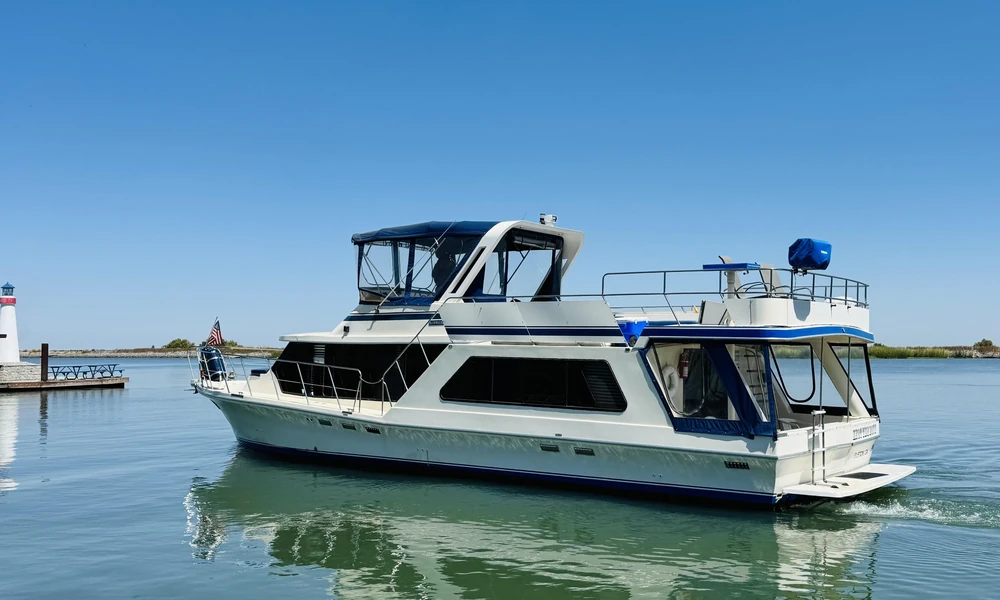
A 1985 example is listed. Treat it separately from the standard 510, as listing names and configurations may vary. Compare sleeping arrangements, engine hours, fuel and water capacity, navigation equipment and previous repairs, and ask the seller for full specifications. Buyers exploring the higher end of the market can also read this guide to 10 million dollar yachts to understand the features, models and ownership costs associated with luxury vessels.
Bluewater 5200
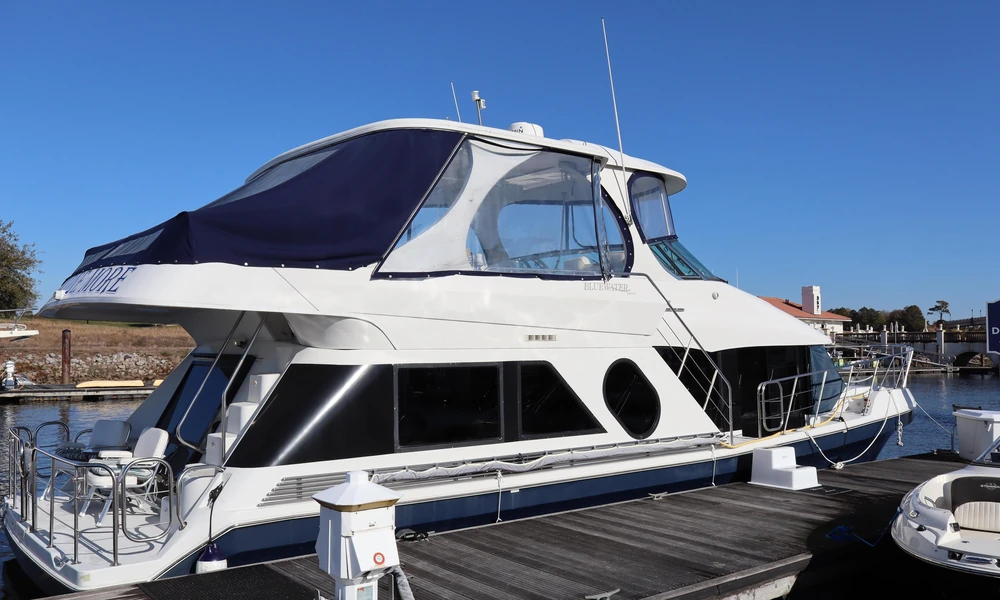
A 2006 Bluewater 5200 has appeared in listings. Weigh its year, price, engine setup and equipment together, and confirm that systems such as air conditioning, generators and navigation gear are included and working.
Bluewater 5200 Millennium
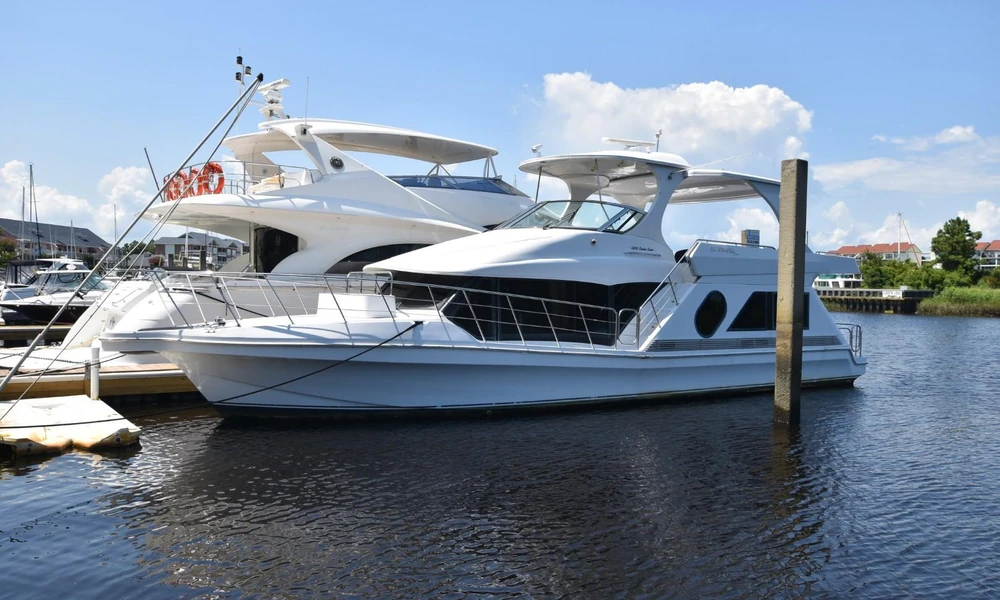
This model, sometimes spelled “Millenium” in listings, appears in a 2000 example. Confirm the model name from the vessel’s documentation, and check whether differences from a standard 5200 are original, later upgrades or seller claims.
Bluewater 543

A 1993 listing represents the 543. For an older yacht, review engine service history, hull condition, electrical systems, plumbing and any refurbishment. A professional marine survey can reveal hidden problems.
Bluewater 55 Coastal Cruiser
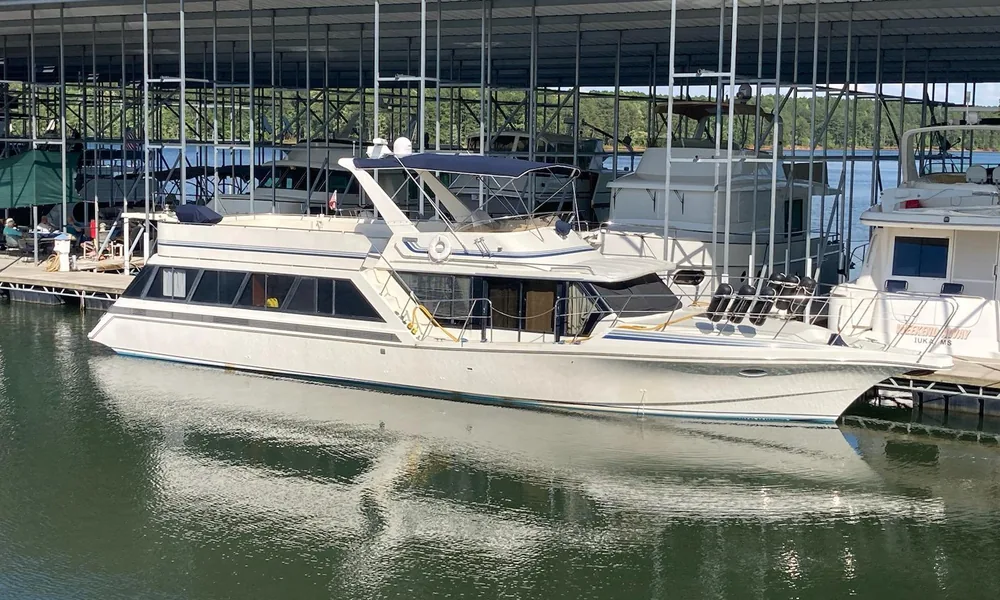
One listed example dates from 1989. Focus on the actual interior layout, engine condition, onboard systems and maintenance, because upgrades over the years may differ from the original factory configuration.
Bluewater 65 Legacy
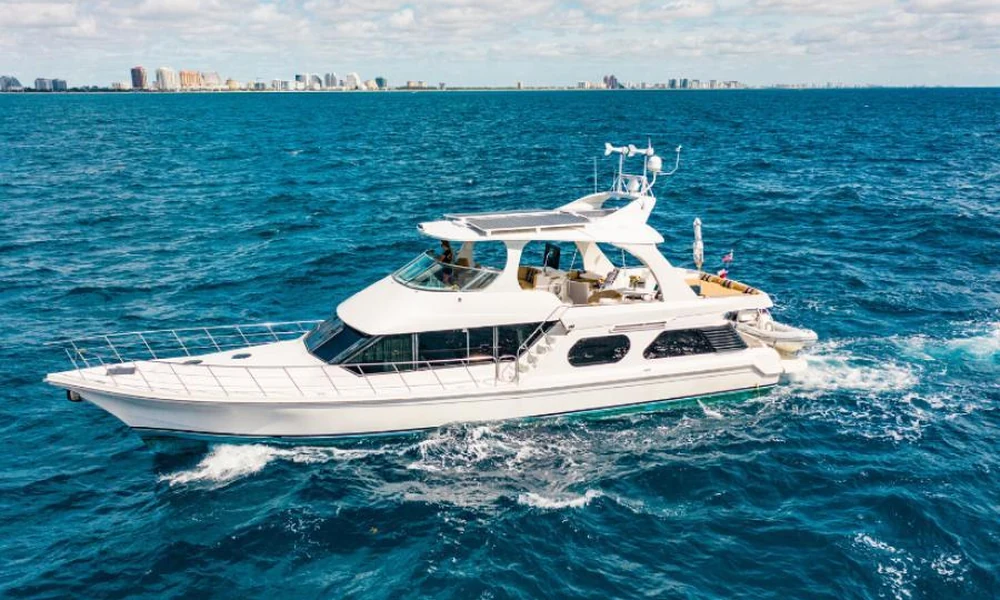
This larger model appears in a 2009 example. Consider its price alongside size, condition and service records, and remember that bigger yachts cost more to dock, maintain, insure and operate.
Bluewater 680 Custom Series
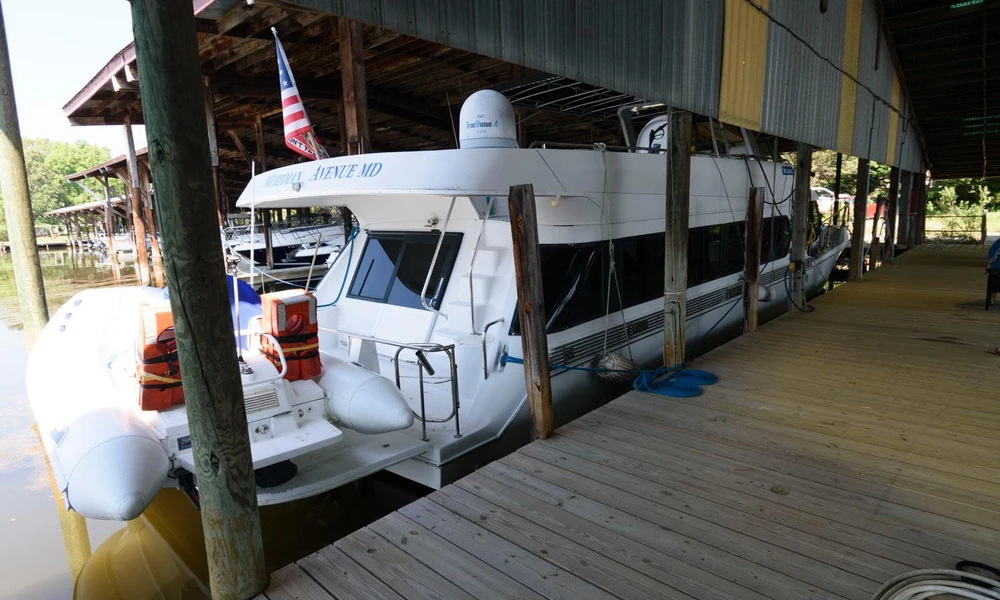
Because this is a custom series, verify the actual configuration, installed equipment and modifications rather than assuming them from the model name. Review building and maintenance records where possible.
Bluewater Coastal Cruiser 51

Compare its condition, engine specifications, cabin arrangement and equipment with other Coastal Cruiser listings. The model name alone does not establish offshore capability.
Bluewater Custom Fexas 57
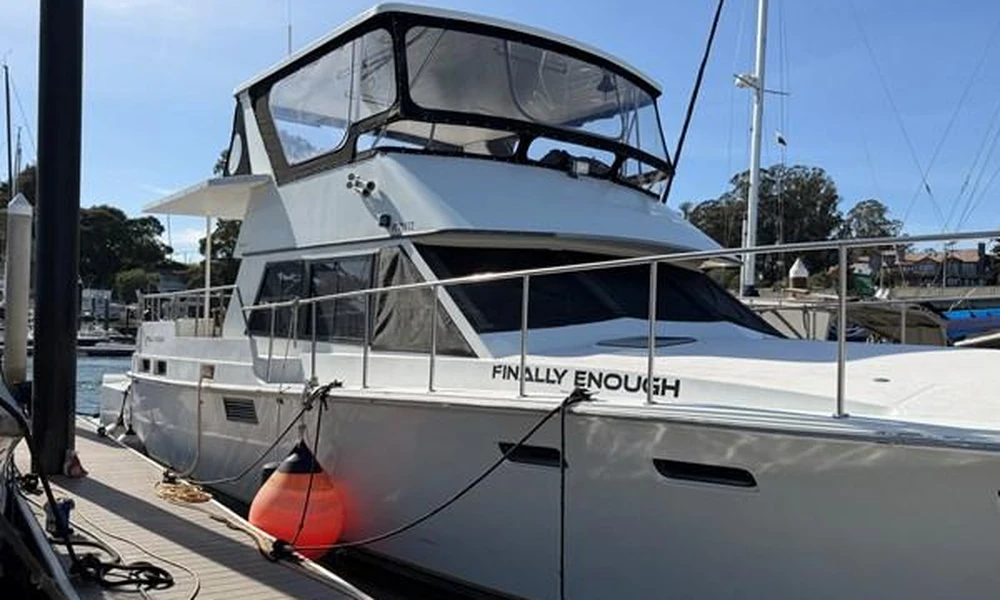
Verify the designer and builder details from reliable vessel records rather than assuming it shares features with other Bluewater models. Its modifications and maintenance history should guide your decision.
How Much Do Bluewater Yachts Cost?
Price depends on model, age, condition, equipment and maintenance history. At the time of research, YachtWorld showed Bluewater Yachts listings from about $67,000 to $674,985. This is a snapshot of advertised prices, not a market valuation or final selling price.
| Model | Listed year | Advertised price | What to compare |
|---|---|---|---|
| Bluewater 510 Coastal Cruiser | 1985 | $67,000 | Maintenance and equipment |
| Bluewater Custom Fexas 57 | 1986 | $139,000 | Design records and modifications |
| Bluewater Coastal Cruiser 51 | 1987 | $78,900 | Engine and cabin condition |
| Bluewater 55 Coastal Cruiser | 1989 | $85,000 | Interior and service history |
| Bluewater 543 | 1993 | $185,000 | Hull and mechanical condition |
| Bluewater 510 | 1997 | $140,000 | Engine, layout and condition |
| Bluewater 680 Custom Series | 1997 | $125,000 | Custom layout and documentation |
| Bluewater 5200 Millennium | 2000 | $124,900 | Configuration and upgrades |
| Bluewater 5200 | 2006 | $199,000 | Engine and onboard systems |
| Bluewater 65 Legacy | 2009 | $674,985 | Equipment and ownership costs |
Years and prices refer to examples found in marketplace listings, not full production years or confirmed sale prices, and they can change.
What Affects Bluewater Yacht Prices?
- Manufacturing year: Older yachts often cost less, but a well-maintained older boat can beat a neglected newer one.
- Overall condition: Hull, engine, interior and maintenance records all affect value.
- Engine and equipment: Engine type, operating hours, generators and navigation systems influence the price.
- Upgrades and repairs: Recent improvements may add value, while outstanding repairs add to your total costs.
- Model and size: Larger and custom boats carry different purchase and ownership costs.
Compare boats with similar specifications before judging prices. A lower asking price is not always a better deal.
What to Check Before Buying a Used Bluewater Yacht
A clean exterior does not guarantee sound mechanical and electrical systems. Check these areas before making an offer.
Hull and Structure
Look for cracks, damage, previous repairs and signs of water intrusion. Inspect the deck, windows, fittings and through-hull openings, and ask about groundings, collisions or structural repairs. A qualified marine surveyor can assess areas you cannot.
Engine and Mechanical Systems
Ask for the engine make and model, recorded operating hours, service records, recent repairs, cooling-system condition and transmission details. Look for oil or fuel leaks. Do not judge an engine only by whether it starts; test it during a sea trial with a qualified person.
Interior and Living Areas
Inspect cabins, seating, the galley, bathrooms and storage. Watch for water stains, damaged flooring, poor ventilation, odd smells and mold. Confirm that major appliances are included and working.
Electrical and Navigation Equipment
Older yachts may have outdated equipment. Test batteries and charging systems, the generator if fitted, electrical panels, GPS and chartplotter, radar, VHF radio, autopilot and navigation lights, and ask what needs repair or replacement.
Plumbing and Fuel Systems
Check water tanks, pumps, pipes and toilets for leaks and corrosion. Inspect the fuel system for leaks, damaged hoses and contamination, since these affect reliability and the cost of getting the yacht ready for use.
Safety Equipment
Depending on use and location, expect life jackets, fire extinguishers, emergency communication equipment, bilge pumps, distress signals and possibly a life raft. Requirements vary by jurisdiction, so confirm the applicable rules.
Marine Survey and Sea Trial Before Purchase
A marine survey is an inspection by a qualified surveyor. A pre-purchase survey examines the yacht’s condition and may include testing its systems. The written report can identify damage, maintenance needs and safety concerns. Choose an independent surveyor who works in your interest, and consider a separate engine inspection by a marine mechanic.
A sea trial shows how the yacht performs on the water. Checks may include starting and running the engines, steering and handling, engine response under load, unusual noise or vibration, and the operation of navigation equipment and onboard systems. The exact tests depend on the vessel and your agreement with the seller.
After the inspection, review the report with the surveyor and ask for repair estimates. The findings may help you negotiate the price, request repairs or walk away. Where possible, make the purchase agreement subject to a satisfactory survey and sea trial, with clear terms for the deposit and cancellation.
Bluewater Yacht Ownership Costs
The purchase price is only one part of owning a yacht.
| Expense | What it includes |
|---|---|
| Maintenance | Routine engine servicing and system checks |
| Repairs | Mechanical, electrical and structural work |
| Docking | Marina and berthing charges |
| Insurance | Coverage based on the yacht and intended use |
| Fuel | Fuel used during operation |
| Storage | Seasonal or long-term storage |
| Equipment | Replacement and upgrades |
| Cleaning | Interior and exterior care |
Actual costs depend on the yacht’s size, age, location, condition and how often you use it. Request recent maintenance records, get insurance and marina estimates, and keep a reserve for unexpected repairs, especially on an older yacht.
Are Bluewater Yachts Suitable for Offshore Cruising?
The term “bluewater” is often linked with yachts designed for extended ocean travel, but a manufacturer’s name or a seller’s description does not prove that an individual boat is suited to offshore passages. For longer voyages, assess:
- Hull and structure: Strength suited to the intended conditions.
- Stability and handling: A design and condition that support the planned journey.
- Fuel and water capacity: Supplies that match the route and time between stops.
- Navigation and communication: Appropriate equipment, installed and working.
- Safety equipment: Gear suited to the voyage that meets applicable requirements.
- Backup systems: Alternatives for essential systems where needed.
- Crew experience: Skills that match the planned journey.
Get a professional assessment before using an older motor yacht for extended offshore travel.
How to Choose the Right Bluewater Yacht
- Budget: Start with the total you can afford, including survey fees, insurance, docking, servicing, repairs and equipment replacement.
- Intended use: Occasional recreational trips need different features from extended cruising. Consider passengers, sleeping arrangements, storage, range and facilities.
- Size and layout: A larger yacht gives more space but costs more to dock, maintain and handle. Compare the real cabin layout and deck space, not just length.
- Maintenance history: Clear service records make maintenance needs easier to understand. Ask about servicing, major repairs and previous damage, and let a survey confirm what the seller reports.
Common Mistakes to Avoid When Buying a Bluewater Yacht
- Choosing only by price: A low asking price may hide expensive repairs.
- Ignoring maintenance records: Missing service information obscures the yacht’s history.
- Skipping a marine survey: A visual inspection cannot find every hidden problem.
- Not arranging a sea trial: Assess the yacht under operating conditions.
- Overlooking engine condition: Mechanical repairs can be costly.
- Ignoring electrical systems: Old or faulty equipment may need replacement.
- Assuming equipment is included: Confirm every important item with the seller.
- Underestimating ownership costs: Docking, insurance, fuel and maintenance continue after purchase.
- Trusting model names alone: Verify the manufacturer, configuration and vessel details.
- Assuming offshore suitability: Confirm the yacht suits your route and conditions.
Frequently Asked Questions
Are Bluewater yachts suitable for first-time buyers?
Possibly, depending on the model, condition, size and intended use. Consider your operating experience, maintenance needs and the cost of professional inspections first.
Can two Bluewater yachts of the same model have different layouts?
Yes. Configurations, previous ownership and later modifications can differ, so check the individual vessel rather than assuming identical features.
Should I buy a Bluewater yacht with high engine hours?
Not automatically a problem. Service history, maintenance and inspection results say more about remaining life, so have a qualified mechanic evaluate the engine.
What records should I request from the seller?
Ask for ownership documents, registration details, engine service records, maintenance invoices, equipment manuals and records of major repairs or modifications.
Can I negotiate the price after a survey?
Yes, you can discuss it. Evidence of repairs or necessary replacements may justify a lower price, though the outcome depends on the seller and the purchase agreement.
Is a cheaper Bluewater yacht always a better deal?
No. A cheaper yacht may need costly repairs. Compare the asking price with condition, maintenance history, inspection findings and expected ownership costs.
How can I check whether a yacht has been modified?
Ask for records of repairs, upgrades and structural changes, and compare them with the vessel’s present configuration. A marine surveyor can flag modifications that need further assessment.
What should I check if a yacht has been sitting unused?
Inspect the engine, batteries, fuel, cooling system, plumbing, electrical equipment and hull, and look for moisture. Long idle periods can cause maintenance problems.
Does a yacht’s advertised length include its swimming platform?
Not always. Length may be given as length overall or another convention, so ask the seller for official specifications and which measurement the listing uses.
Should I inspect a yacht before making a deposit?
Yes, whenever possible. If an earlier deposit is required, make sure the written agreement covers survey and sea-trial conditions, refund terms and other buyer protections.
Conclusion
Bluewater yachts for sale include several used models, such as the 510, 5200, 543, Coastal Cruiser, 65 Legacy and custom-series boats. Asking prices and equipment vary with age, condition, size and configuration.
Before choosing, compare specifications, review maintenance records, inspect the hull and mechanical systems, and arrange an independent marine survey and sea trial. The best purchase is not necessarily the newest or cheapest yacht, but the one that fits your needs and budget and has a condition and history you can verify.