
Key Takeaways
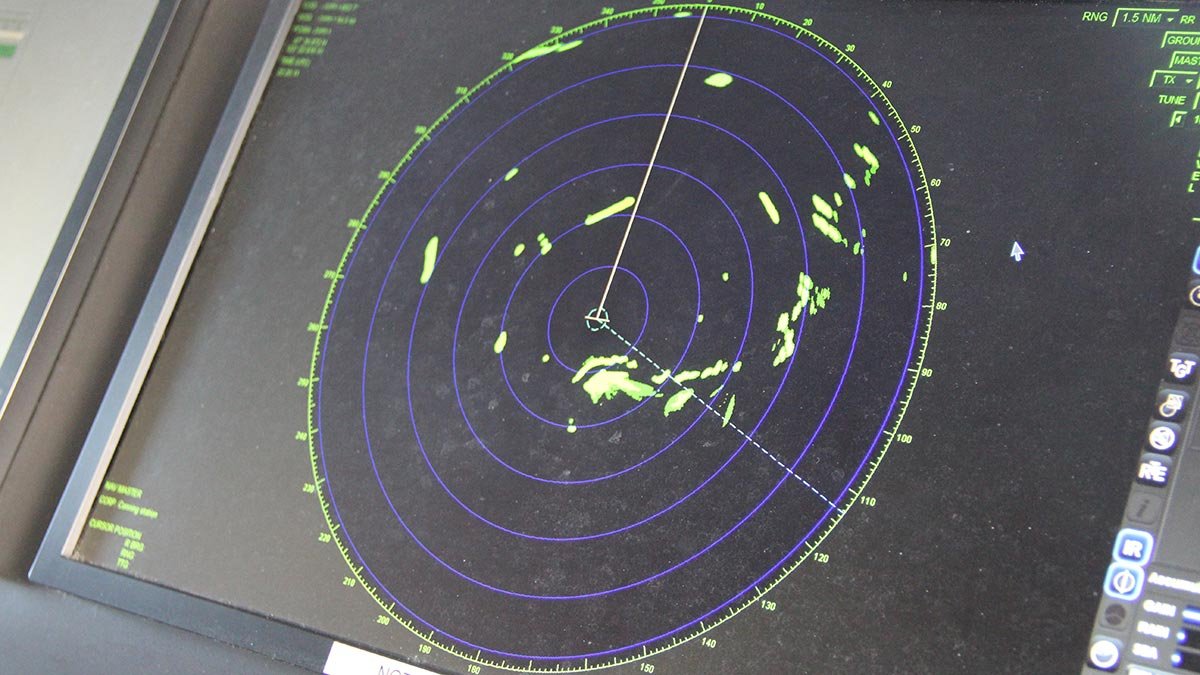
Solid-state technology offers instant startup and superior close-range target resolution
Low-voltage power requirements make modern arrays ideal for long cruises
Advanced Doppler tracking highlights incoming collision hazards automatically
Fixed components eliminate frequent magnetron replacements and tuning costs
When sailing through thick fog, heavy rain, or at night, marine radar helps you see what lies ahead. Choosing the right radar can make your journey safer and less stressful. If you’re looking for the best marine radar in 2026, understanding modern yacht navigation systems can help you choose the right equipment for your boat.
For most recreational boaters, coastal cruisers, and yacht owners, solid-state radar is the better choice. It starts quickly, uses less power, and detects nearby objects with great detail. This helps you spot hazards and avoid collisions. Magnetron radar can still offer an advantage when detecting targets over very long distances. However, it uses more power, needs time to warm up, and may require more maintenance.
Choosing the best marine radar in 2026 depends on your needs, budget, and boat size. Modern solid-state systems offer clear images, quick startup, and lower power use. Many also include Doppler technology, which helps highlight moving targets and potential hazards. These features make solid-state radar a strong choice for cruisers, anglers, and yacht owners.
Understanding the Core Technologies: Best Marine Radar
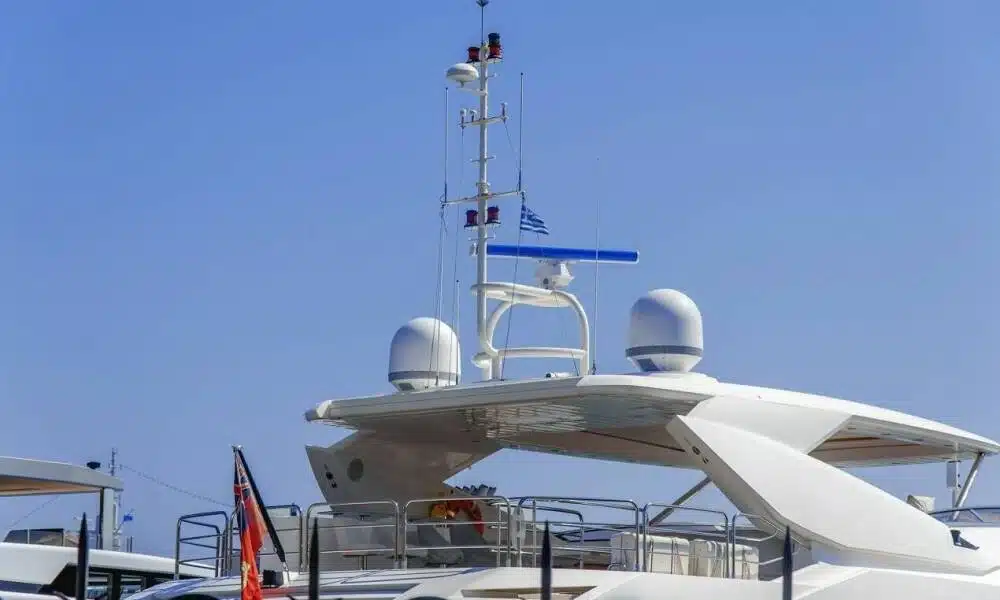
To perform an accurate equipment comparison, it is vital to understand how each system processes signals and projects data onto your multi-function display. Modern marine electronics are also advancing alongside AI-powered yacht technology, making navigation smarter and more efficient. The two radar technologies tackle the challenge of marine situational awareness from entirely opposite engineering perspectives.
How Traditional Pulse Systems Work
Traditional pulse systems have been the industry benchmark for decades. These units rely on a cavity magnetron, which is essentially a high-voltage vacuum tube, to generate burst signals. A pulse system stores up energy and fires raw, high-power electromagnetic waves in brief, intense bursts measured in kilowatts. The system then listens for the returned echo before firing again.
Because it relies on high-voltage bursts, pulse technology creates a blind spot immediately around your boat. The time it takes for the heavy pulse to leave the antenna means the receiver cannot catch reflections coming from objects sitting close to your hull.
How Solid-State Systems Work
A modern solid-state unit eliminates the vacuum tube. Instead, it utilizes semiconductor electronics to broadcast a continuous, low-power stream of energy. Rather than sending one massive blast of power, it uses pulse compression technology, which is highly similar to modern CHIRP fish finders. The transmitter sends a continuous wave of ascending frequency that stretches out over a longer duration.
This allows a 25-watt or 40-watt solid-state transmitter to put just as much usable energy on a target as a 4-kilowatt traditional magnetron. Because the system does not need to handle high-voltage spikes, it can switch to listening mode instantly, allowing you to see objects right up to your bow.
Direct Performance Head-to-Head
Selecting the best marine radar 2026 setup for your boat requires evaluating real-world performance factors like close-range resolution, power consumption, and long-term reliability. Let us break down how these platforms compare side by side across key navigation categories.
Close-Range Target Detection: Best Marine Radar
In a crowded harbor or narrow shipping channel, close-range tracking is a critical safety priority. Solid-state technology dominates this category completely. A premium solid-state dome can accurately resolve targets as close as 15 to 18 feet away.
This means you can easily see individual dock pilings, mooring buoys, and small kayaks in zero visibility. Traditional magnetron units generally struggle to clear clutter inside a quarter-mile radius, leaving a dangerous blind zone around your vessel.
Target Separation and Doppler Tracking
Solid-state systems utilize advanced digital signal processing to track movement via the Doppler effect. Major brands use proprietary names for this feature, such as Garmin MotionScope or Furuno Target Analyzer.
The system instantly changes the color of targets based on their movement. If a vessel is moving toward you, it glows bright red, while stationary targets or objects moving away remain a safe green or blue. This automatic tracking provides rapid collision avoidance and improves onboard awareness. Along with radar, yacht security systems can help protect your vessel and its valuable equipment.
Long-Range Penetration and Offshore Use
If your main goal is tracking distant storm cells 50 miles away or locating flocks of feeding birds at extreme distances, high-peak pulse power remains effective. A traditional 4-kilowatt to 12-kilowatt magnetron excels at blasting through heavy rain over vast ocean expanses.
However, top-tier open arrays, like the Furuno DRS12A-NXT series, now pack up to 100 watts or 200 watts of solid-state power. Based on available data, these advanced units closely match or exceed the long-range performance of older magnetron units while maintaining crisp image clarity across every mile.
Technical Specifications Comparison
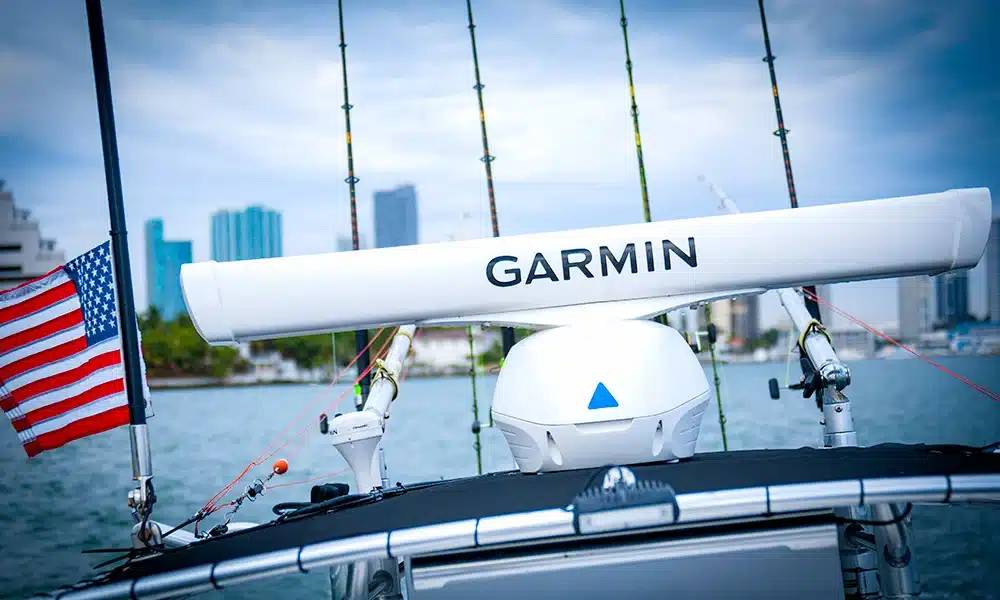
The trade-offs between modern solid-state electronics and classic pulse options show clear differences in operational requirements. Peak power output for solid-state units ranges from 15W to 200W using low voltage, whereas traditional pulse models require high-voltage bursts from 4kW to 25kW.
Startup speed is practically instant on solid-state hardware, while pulse systems demand a warm-up period lasting anywhere from 90 seconds to 3 minutes. Close-range target resolution extends down to 15 or 20 feet on solid-state domes, but traditional magnetrons leave blind spots stretching up to 300 feet or more around the vessel.
Additionally, solid-state arrays feature native Doppler live tracking and extremely low battery consumption, whereas traditional pulse systems rely on manual vector calculations, draw heavy battery currents, and emit significantly higher RF radiation hazards.
Top Helm Models for 2026
When researching a detailed equipment review, looking at actual models from top marine electronics manufacturers helps clarify what is available for your helm setup. Here are the leading systems driving safety and situational awareness on the water this year.
Garmin GMR Fantom Series
Garmin has refined its Fantom series into a candidate for the best marine radar 2026 buyers can select for luxury yachts and sportfishers. Running on solid-state pulse compression, the Fantom series delivers incredible target tracking via MotionScope technology.
Instant Startup: The instant-on feature means you do not have to wait for a vacuum tube to warm up when fog suddenly rolls in.
Power Efficiency: It draws significantly less power from your house battery banks compared to older tech, making it a favorite for long-range cruising yachts and sailing vessels.
Target Separation: It excels at separating small targets, like birds or jet skis, from heavy sea background noise.
Furuno DRS-NXT Series: Best Marine Radar
Furuno is legendary among commercial mariners and serious offshore anglers. Their DRS4D-NXT dome and larger DRS12A-NXT open array options bring commercial-grade solid-state technology to the recreational market.
Target Analyzer: Automatically changes target colors from green to red when an object poses an active threat.
Fast Target Tracking: Locks onto and displays vector lines for up to 100 targets simultaneously within a few seconds.
Rain Mode: Features advanced automated clutter rejection filters, providing a clear picture through intense tropical downpours.
Raymarine Quantum 2 and Pathfinder Systems
Raymarine offers a versatile lineup that scales from small center consoles up to large commercial vessels. The Quantum 2 is an excellent, compact dome option for smaller powerboats, while their Pathfinder solid-state series handles larger yacht installations.
Simplified Installation: Quantum units offer optional built-in Wi-Fi connectivity, allowing data to stream directly to your helm chartplotter with only a power cable required.
Zero Tuning Needed: Unlike older magnetron units that shift frequencies as they heat up, Raymarine solid-state systems are phase-locked, meaning the system never requires manual re-tuning at sea.
Ownership Costs and Maintenance Realities
Many boat owners look only at the initial retail price when searching for the best marine radar 2026 options, but ongoing maintenance tells a different story. Traditional pulse systems use a magnetron tube that naturally loses its effectiveness over time. As the tube ages, its output frequency drifts, causing your target returns to fade.
In a commercial or high-use environment, a magnetron tube typically requires replacement every few years to keep the system safe and accurate. This requires bringing a marine electronics technician on board to open the casing, swap the module, and re-tune the receiver frequencies.
Solid-state systems feature a completely sealed, fixed component design. Because there is no filament to burn out and no high voltages causing thermal stress, these units do not experience performance drop-offs. Over a five- to ten-year ownership cycle, choosing solid-state electronics generally saves thousands of dollars in maintenance expenses and avoids unexpected system breakdowns during a cruise.
Choosing the Best System for Your Vessel: Best Marine Radar
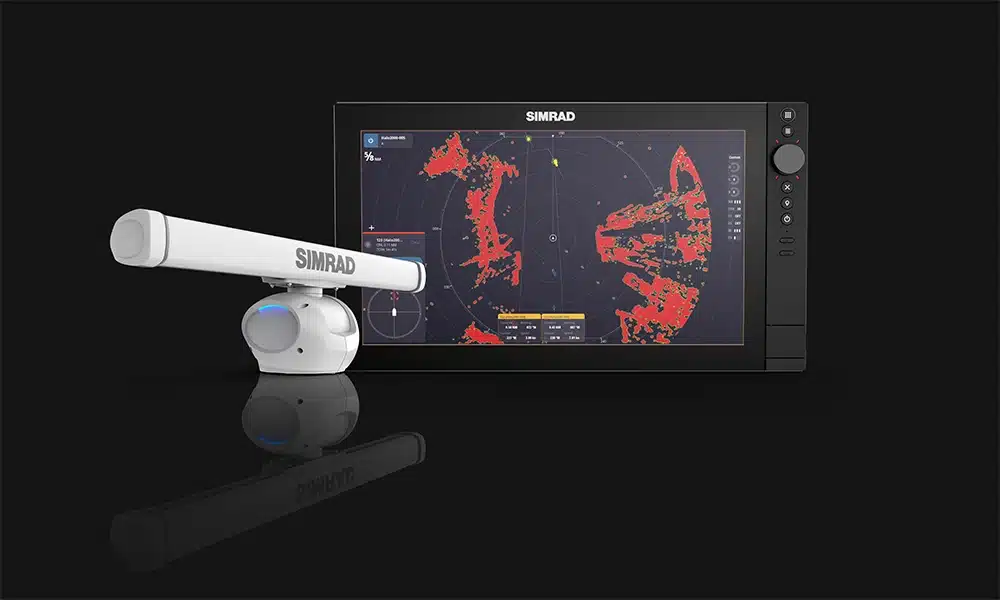
The final choice during your navigation upgrade should depend on your specific boating lifestyle, vessel hull type, and power storage capacities.
Coastal Cruisers and Center Consoles
If you primarily cruise bays, inland waterways, and coastal shorelines, close-range navigation and low power consumption are your primary requirements. A solid-state radome dome (18-inch or 24-inch) is an ideal choice. It mounts easily on a T-top or hardtop, adds minimal wind resistance, and provides crisp target detection to guide you safely through crowded evening traffic.
Offshore Sportfishers and Bluewater Yachts
For captains running far out to the canyons or crossing open oceans, tracking birds and monitoring long-range weather systems takes priority. An open array solid-state system (4-foot or 6-foot beam) is the top choice here. The wider antenna creates a narrower horizontal beam width, giving you the finest target resolution possible at extreme distances without sacrificing close-in safety tracking.
Final Verdict: Best Marine Radar 2026
With its instant-on capability, low power draw, and incredible close-range clarity, solid-state technology stands out as the best marine radar 2026 choice for overall safety and long-term value. Modern navigation equipment also works alongside smart yacht automation systems to make onboard technology easier to manage. Before making your final purchase decision, explore our equipment reviews and vessel maintenance guides at turboocruiser.com to keep your boat performing at its absolute best on the water!
FAQs: Best Marine Radar 2026
Can I install a solid-state radar on my existing older chartplotter?
In most cases, modern solid-state units require a compatible network-connected multi-function display from the same manufacturer. Older chartplotters lack the digital processing hardware required to translate pulse compression data and run live Doppler target tracking screens.
Is solid-state marine radar safer regarding radiation exposure on a boat?
Yes, solid-state systems are significantly safer. They transmit low-power signals, often under 40 watts, which is a fraction of the high-voltage kilowatt bursts fired by traditional pulse systems. This low output allows you to safely mount a solid-state dome closer to passenger seating areas or on sailboat masts.
Can solid-state marine radars find birds for offshore fishing?
Yes, modern solid-state units are exceptional at finding birds. Advanced algorithms automatically adjust gain settings to highlight small flocks hovering over fish schools at a distance, all while drawing less power from your house battery banks than an older pulse unit.
Why do some commercial ships still use traditional pulse radars?
Some large ocean-going commercial ships use high-power pulse units alongside solid-state arrays because high-kilowatt systems excel at detecting large objects at extreme long-range distances through heavy ocean waves. However, for recreational, coastal, and luxury yacht use, solid-state systems provide a more useful and practical balance of features.