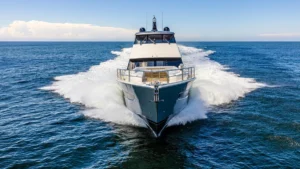
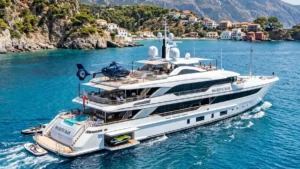
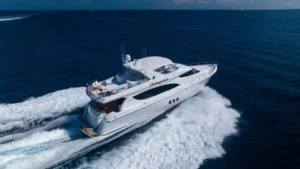
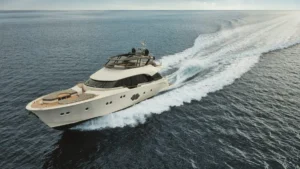
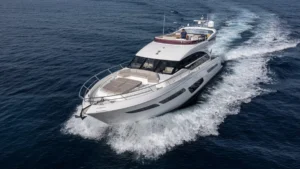
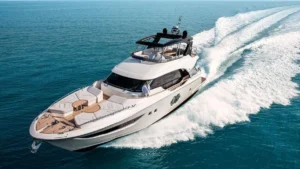
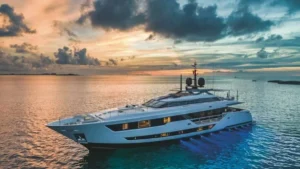
A 70 foot yacht sits in a sweet spot of the market. It is large enough for several cabins, a proper saloon and generous outdoor space, yet still manageable at many marinas around the world. Whether you are searching for a 70 foot motor yacht, a sporty flybridge or a used 70 ft yacht at a lower budget, the choice is wide and the prices vary enormously. This guide explains what a 70 foot yacht costs, the main designs and models, the specifications that matter, ownership costs, and the checks to complete before you buy.
70 Foot Yachts for Sale: Example Listings
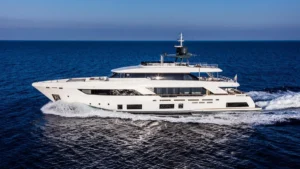
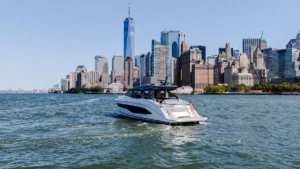
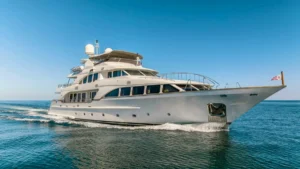
A 70 foot yacht comes in several designs, including motor yachts, flybridge yachts, sport yachts, sailing yachts and explorer yachts. Buyers can choose between older pre-owned vessels, recently built yachts and new builds.
The table below shows examples of asking prices from brokerage listings at the time of writing.
| Yacht / builder | Year | Length | Advertised price |
|---|---|---|---|
| Maiora | 2007 (refit 2019) | 70 ft | €590,000 |
| Ocean Yachts | 2000 | 70 ft | $649,000 |
| Azimut | 2019 | 70 ft | $1,725,000 |
| Pershing | 2024 | 70 ft | $3,449,000 |
| Viking | 2015 | 70 ft | $3,750,000 |
| Hatteras | 2024 | 70 ft | $6,700,000 |
These are advertised asking prices, not confirmed selling prices. They are individual examples, not a valuation of the whole market, and listings change or disappear quickly. Always confirm that a yacht is still available and that the price is current.
When comparing 70 foot yachts for sale, look beyond the price. Check the year, engine hours, maintenance records, equipment, cabin layout and current condition. Two yachts with the same advertised length can differ greatly in features and ownership requirements.
How Much Does a 70 Foot Yacht Cost?
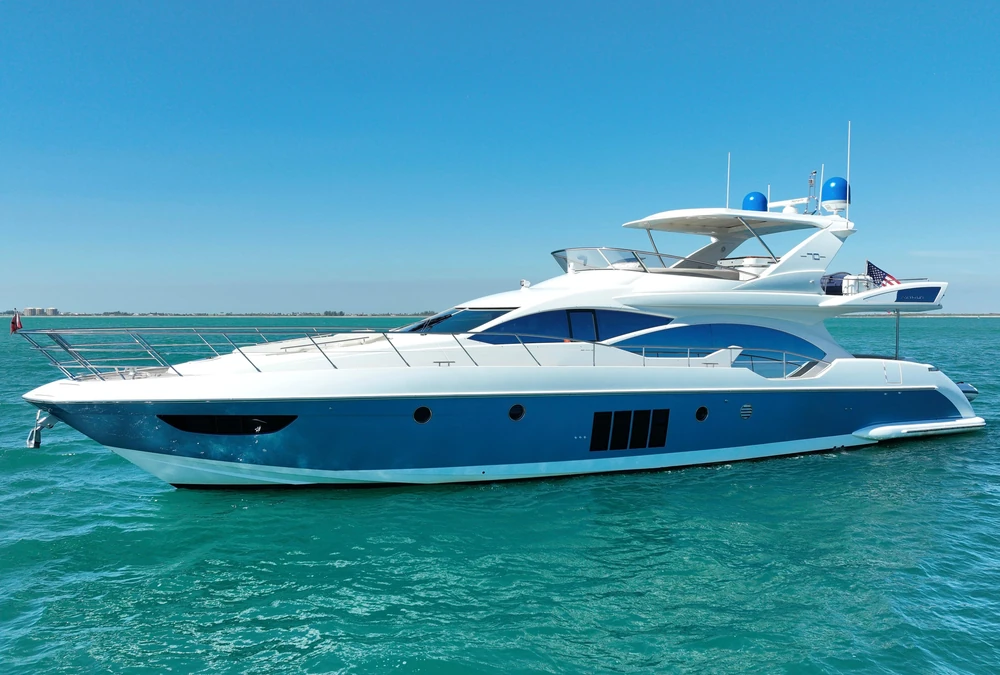
The price depends on the builder, model, age, condition, equipment and design. Older used yachts can have lower asking prices, while newer models and custom builds can cost several million dollars. The listings above range from a few hundred thousand dollars to several million. That is not a guaranteed buying range; the final price depends on the particular yacht.
New 70 Foot Yacht Price
A new 70 foot yacht usually costs more than an older pre-owned vessel because you are paying for new construction, current equipment and the chance to choose layouts and finishes. The price changes with:
- Builder and model
- Engine package and power
- Interior materials and finishes
- Navigation and entertainment systems
- Stabilizers and other optional equipment
- Custom design changes
- Delivery location and additional costs
Some manufacturers do not publish a fixed retail price because the cost depends on the chosen configuration. Request a written quotation from the builder or an authorized dealer.
Used 70 Foot Yacht Price
A used 70 foot yacht can offer a lower purchase price, but condition becomes especially important. A 2000 Ocean Yachts listing at $649,000 and a 2024 Pershing at $3,449,000 show how age, brand, model and condition affect asking prices. Before buying a used yacht, review:
- Engine hours and service records
- Hull and deck condition
- Previous repairs and refits
- Electrical and navigation systems
- Generator and air-conditioning condition
- Equipment included in the sale
- Ownership and maintenance history
A lower asking price does not always mean a better deal. A yacht that needs major repairs or equipment replacement can demand a much larger investment after purchase.
Factors That Affect a 70 Foot Yacht Price
| Factor | How it affects price |
|---|---|
| Builder and model | Different brands and designs hold different market values. |
| Manufacturing year | Age influences value and the condition of equipment. |
| Engine condition | Engine health and service history affect buyer confidence. |
| Yacht condition | Damage and deferred repairs reduce value. |
| Interior design | Materials, layout and upgrades influence the price. |
| Equipment | Navigation, stabilization and onboard systems add value. |
| Refits | Recent improvements can raise the asking price. |
| Location | Market conditions, taxes and delivery needs affect total cost. |
New vs. Used 70 Foot Yacht
| Comparison | New yacht | Used yacht |
|---|---|---|
| Purchase price | Generally higher | Varies by age and condition |
| Customization | More choice during construction | Existing layout and equipment |
| Maintenance records | Starts with a new service history | Previous records need review |
| Availability | May require a build period | Can be available immediately |
| Inspection | Still requires appropriate checks | Independent inspection is essential |
The right choice depends on your budget, preferred design, delivery timeline and willingness to manage maintenance or upgrades.
Types of 70 Foot Yachts for Sale
Different designs suit different activities. Some focus on comfortable cruising, others on speed, fishing, sailing or longer journeys.
Motor yachts. A 70 foot motor yacht uses engines as its main propulsion and typically offers several cabins, indoor living areas, outdoor seating and room for equipment. Compare engine power, cruising speed, fuel capacity and intended use.
Flybridge yachts. A flybridge has an upper outdoor deck, usually with a second helm station and seating. Guests can relax there while the captain operates the yacht from above. The Azimut Fly 70 is a well-known example.
Sport yachts. These focus on performance and modern styling, often with powerful engines, streamlined hulls and open outdoor areas. Compare maximum speed, cruising speed, fuel use and handling rather than choosing on appearance alone.
Explorer yachts. Built with extended cruising in mind, their layouts and equipment may emphasize fuel storage, supplies and practical living space. Not every yacht marketed as an explorer has the same range, so check the builder’s specifications and the vessel’s actual equipment.
Sailing yachts. A sailing yacht uses sails as a main source of propulsion, though most also have an engine for maneuvering and calm conditions. Review the condition of the sails, mast, rigging and winches, and consider the experience and maintenance a vessel this size requires.
Popular 70 Foot Yacht Models and Builders
Several manufacturers build vessels close to 70 feet. Check the actual length of each model rather than assuming it measures exactly 70 feet.
Azimut Fly 70

The Azimut Fly 70 is a flybridge motor yacht with an overall length of 21.47 metres (70 ft 5 in), with four guest cabins and one crew cabin. Published manufacturer figures include:
- Maximum beam: 5.46 metres
- Draft: 1.56 metres
- Engines: two Volvo Penta IPS 1350 units, 1,000 hp each
- Maximum speed: up to 31 knots; cruising speed up to 25 knots
- Fuel capacity: 3,900 litres; water capacity: 1,000 litres
- Accommodation: eight guest berths and two crew berths
These are manufacturer figures. Real performance depends on conditions, loading and configuration.
Pershing 7X
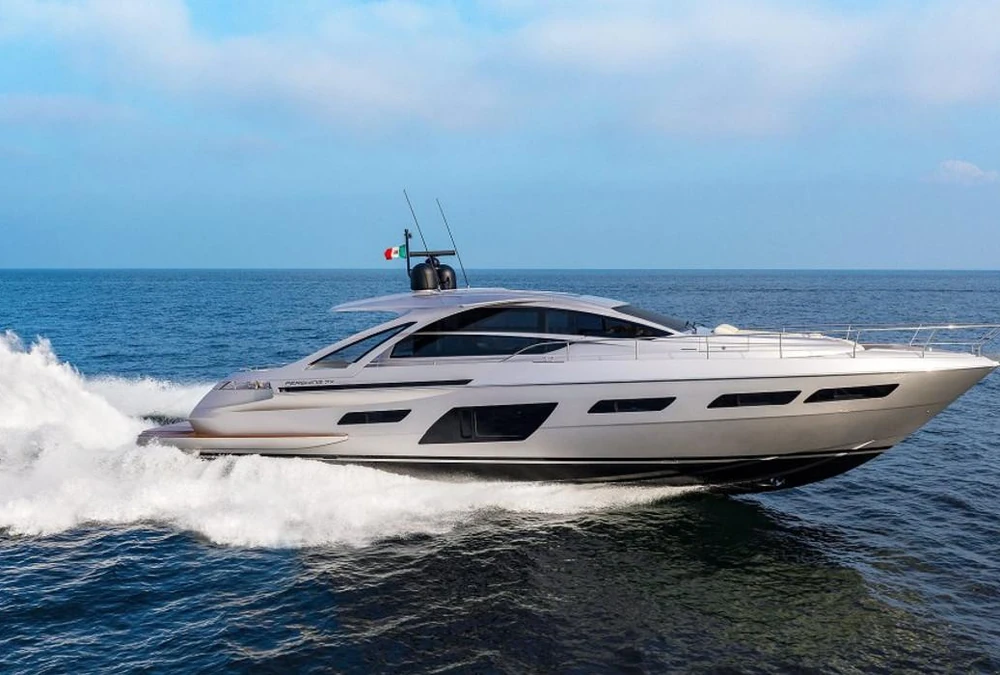
The Pershing 7X is a performance-focused motor yacht in the 70 foot class, with three cabins and accommodation for seven people according to its model information. It suits buyers who want a sportier yacht rather than a traditional flybridge layout. Confirm its exact length and specifications with the builder.
Other Builders to Consider
- Sunseeker: motor yachts and sport yachts around this size.
- Princess Yachts: flybridge and motor yacht models.
- Viking Yachts: convertible and sportfishing yachts.
- Marlow Yachts: motor yachts and explorer-style designs.
- Johnson Yachts: luxury motor yachts with varied interior and deck arrangements.
Always check the exact model and its current specifications before comparing.
70 Foot Yacht Specifications and Features
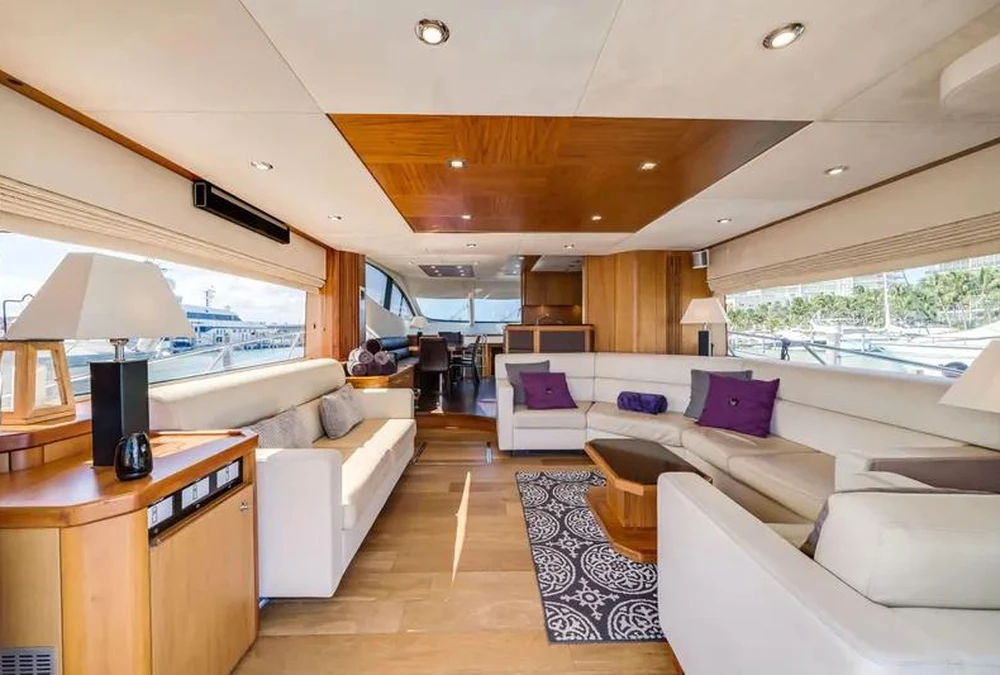
Specifications reveal a yacht’s size, performance, accommodation and operating requirements.
Length, Beam and Draft
Length overall (LOA) is the total length according to the builder’s measurement method. Beam is the maximum width, and draft is the depth below the waterline. These figures matter when choosing a marina, planning routes and accessing shallow waters. The Azimut Fly 70 measures 70 ft 5 in, not exactly 70 feet, so rely on full measurements rather than a rounded listing title.
Engines and Performance
Compare the engine manufacturer and model, total power, engine hours, maximum and cruising speed, service history, and cooling and exhaust systems. Maximum speed is not normal cruising speed, and both change with weather, load and maintenance.
Fuel Capacity and Cruising Range
Fuel capacity is how much fuel the yacht carries; range is how far it can travel under stated conditions. A bigger tank does not automatically mean a longer range, because engine efficiency, speed, hull design and load all affect consumption. Ask the seller for fuel-consumption records and the builder’s range at a stated speed.
Cabins and Accommodation
Check the number of guest cabins, berths and bathrooms, the master cabin location, crew cabins, storage and privacy between guest and crew areas. The number of cabins is not the same as the number of people a yacht can legally or comfortably carry.
Onboard Facilities
A 70 foot yacht may include a saloon and dining area, a fully equipped galley, outdoor seating, a flybridge or upper deck, air conditioning, navigation equipment, a generator, stabilizers and tender storage. These vary by model and vessel, so confirm what is included in the sale.
Specification Comparison
| Specification | Azimut Fly 70 | Pershing 7X |
|---|---|---|
| Yacht type | Flybridge motor yacht | Performance motor yacht |
| Approximate length | 70 ft 5 in | Around 70 ft |
| Guest cabins | 4 | 3 |
| Guest berths | 8 | 7 |
| Crew accommodation | 1 cabin | Check individual configuration |
| Main focus | Cruising and onboard living | Sporty performance |
The Azimut figures come from the manufacturer. Specifications can vary by year and individual vessel, so request the specific builder sheet before buying.
How Much Does It Cost to Own a 70 Foot Yacht?
The purchase price is only one part of the budget. Owners also pay for servicing, fuel, insurance, marina fees, cleaning and repairs. Total cost depends on how often you use the yacht, where it is kept, its condition and whether it has a professional crew.
Maintenance and repairs. Expect engine and generator servicing, hull cleaning, antifouling, electrical checks, air-conditioning servicing, plumbing repairs and replacement of worn equipment. Ask for maintenance invoices before buying to understand past care and likely upcoming expenses.
Fuel. Fuel costs depend on engine size, speed, distance and operating hours. Frequent long trips need a very different budget from occasional short ones. Request consumption data for the specific yacht rather than relying on another model’s estimate.
Crew. Some 70 foot yachts run with professional crew, such as a captain and deckhand, while arrangements elsewhere depend on design, local rules and intended use. Understand the crew requirements for your cruising area before buying.
Insurance and marina fees. Insurance depends on yacht value, age, operating area and coverage. Marina fees vary by location, berth size, season and services, and the berth must suit the yacht’s beam and draft.
Other costs. Budget for cleaning and detailing, winter storage, registration, taxes and import duties, transport, upgrades and yacht management services. For a realistic figure, obtain vessel-specific quotations instead of a general annual-cost estimate.
What to Check Before Buying a 70 Foot Yacht
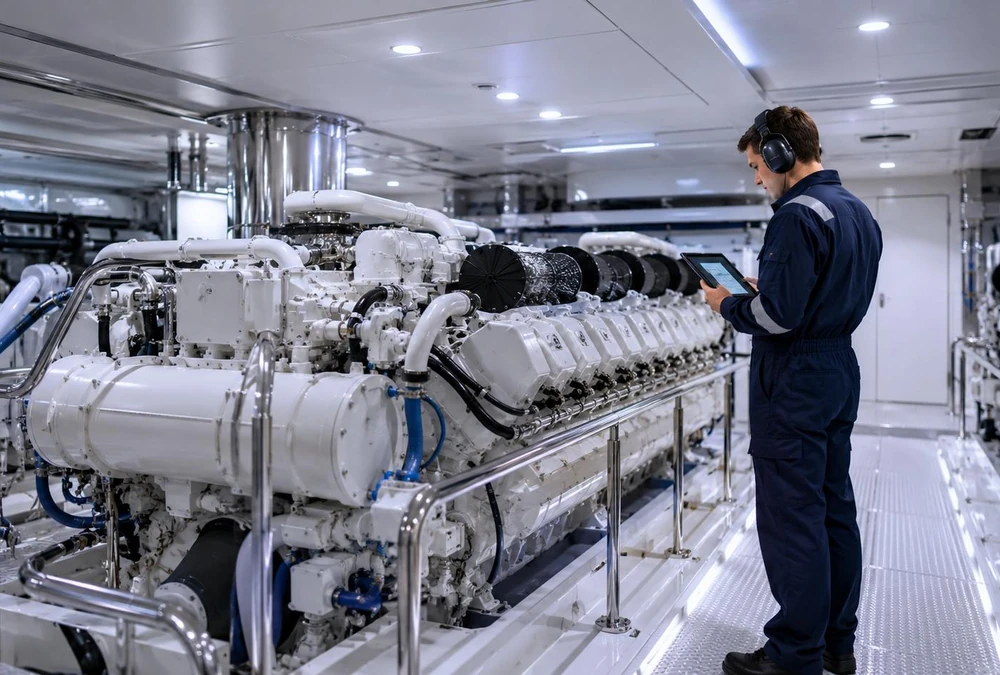
A yacht may look superb in photographs, but its mechanical and structural condition matters far more than appearance.
Maintenance history. Request records for engine and generator servicing, hull repairs, equipment replacement and refits. Compare engine hours with the service history and ask about any long periods of disuse.
Hull and structure. Look for cracks, signs of water entry, previous structural repairs, corrosion on metal parts, underwater equipment condition and poor repairs. A qualified independent marine surveyor can inspect areas you cannot see during a viewing.
Engines and systems. The inspection should cover engines, generators, cooling, steering, propulsion, electrical equipment and air conditioning. For a used yacht, ask whether the engines can be tested under suitable operating conditions.
Documents. Review proof of ownership, registration, tax or VAT records, outstanding finance or mortgages, the equipment inventory, maintenance records and safety and compliance documents. Requirements differ between countries, so check the rules for the yacht’s flag, registration and operating location.
Marine survey. An independent survey assesses the hull, structure, machinery, electrical systems and equipment, depending on its scope. Agree the scope with the surveyor beforehand; an engine specialist may also be needed.
Sea trial. A sea trial lets you assess the yacht under way: engine operation, steering and handling, speed, vibration and noise, navigation systems and generator. The Royal Yachting Association recommends both a survey and a sea trial when buying a boat, especially a second-hand one.
New Build vs. Brokerage 70 Foot Yacht
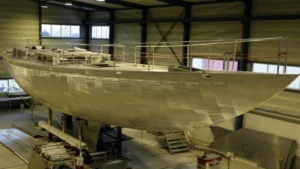
A new build lets you discuss layout, finishes and equipment with the manufacturer, but construction and delivery take time and customization affects the price. A brokerage yacht already exists and can be inspected and delivered sooner, but you must carefully review its condition, service history and past upgrades.
| Buying factor | New build | Brokerage yacht |
|---|---|---|
| Design choices | More customization | Existing design |
| Availability | Depends on build schedule | Depends on listing |
| Condition | New vessel | Varies |
| Service history | Begins at delivery | Previous records need review |
| Purchase price | Based on build specification | Based on asking price and condition |
| Inspection | Builder checks plus independent checks | Independent survey and sea trial |
Where Can You Find 70 Foot Yachts for Sale?
Yacht brokerage websites and professional brokers are the main sources. Platforms worth checking include YachtWorld, Worth Avenue Yachts, Allied Marine and HMY Yachts. When reviewing a listing, note the advertised length, year, price, location, engine details and equipment list. Do not rely on photographs or short descriptions alone; ask the broker for the full specification sheet, maintenance records and any known repairs.
Is a 70 Foot Yacht Right for You?

A 70 foot yacht suits buyers who want multiple cabins, indoor and outdoor living areas and the ability to travel by sea with family or guests. Ask yourself:
- How many guests will regularly travel with you?
- Do you prefer cruising, fishing, sailing or high-speed travel?
- Do you need separate crew accommodation?
- Can your preferred marina accommodate the yacht?
- Does your budget cover fuel, maintenance, insurance and storage?
- Will you use it occasionally or for longer journeys?
Frequently Asked Questions About 70 Foot Yachts
Can a 70 foot yacht fit in a standard marina berth?
Not necessarily. It depends on the yacht’s length, beam and draft and on the marina’s facilities. Check berth dimensions and access restrictions first.
How many people can stay overnight on a 70 foot yacht?
It depends on the cabins and berths. The Azimut Fly 70, for example, has eight guest berths and two crew berths; other models differ.
Does a 70 foot yacht need a full-time captain?
Requirements depend on the design, operation, local regulations and the owner’s experience. Check the applicable rules before deciding to operate it yourself.
Is a 70 foot yacht suitable for crossing an ocean?
Some are built for offshore passages, but length alone does not decide it. Check the design category, seaworthiness, equipment, fuel range and safety systems with qualified professionals.
What is the difference between a 70 foot yacht and a 70 foot boat?
The terms overlap. A yacht generally means a recreational vessel designed for cruising and comfort, while boat is broader. Length alone does not define the difference.
Can a 70 foot yacht be transported by road?
It depends on its dimensions, weight, route and equipment. Transport usually needs specialist planning, permits and lifting arrangements, so consult a professional yacht transport company.
Should I buy a yacht with low engine hours or a recent refit?
Neither should decide the purchase alone. Low hours do not guarantee healthy engines, and a refit does not prove every system was well maintained. Review service records and arrange an independent inspection.
What documents should I receive when buying?
They depend on registration and purchase location. Common items include proof of ownership, registration records, tax documents, maintenance history, an equipment inventory and compliance certificates. Have a qualified professional check the paperwork before completing the purchase.
Conclusion
Finding the right 70 foot yacht for sale takes more than comparing asking prices. Consider the design, year, engine performance, cabin layout, equipment and maintenance history. New and used yachts each have advantages, and prices vary widely.
Before purchasing, compare real specifications, request service records, arrange an independent marine survey and complete a sea trial. A careful process helps you choose a yacht that fits your intended use, budget and long-term ownership plans.