
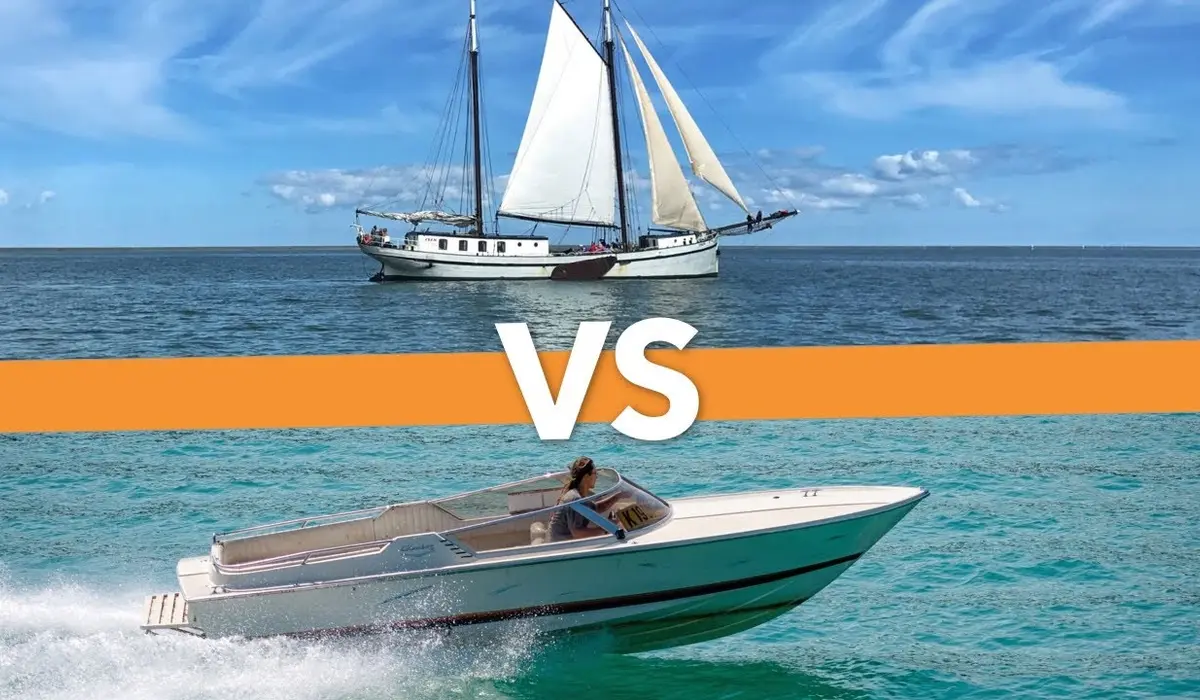
Choosing how to experience the open ocean is a deeply personal decision. Consequently, the classic debate of a sailing vs motor yacht remains a central question for modern buyers. Both options offer an incredible escape on the water. However, they deliver entirely different experiences. Meanwhile, market shifts in 2026 have introduced advanced hybrid engineering and automated smart systems across both design categories.
Therefore, deciding which yacht to buy requires looking far beyond the initial price tag. You must evaluate how you want to spend your time at sea. This article breaks down the core structural differences, lifestyle realities, and long-term costs of a sailboat vs motor yacht.
The Core Philosophy: Wind-Driven Adventure vs. Powered Luxury
The primary difference between these two vessels stems from their propulsion systems. A motor yacht relies entirely on heavy horsepower. It uses massive diesel or hybrid engines to push a wide hull through the water. As a result, the motor yacht lifestyle prioritizes predictable speed, climate-controlled comfort, and immense living space.
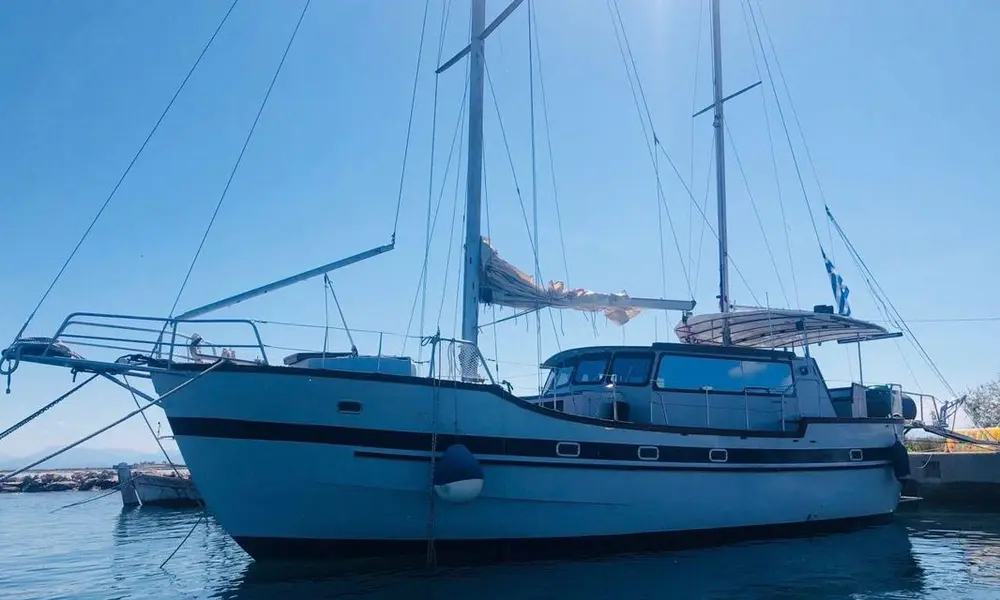
Conversely, a sailing yacht relies fundamentally on the wind. It features a tall mast, complex standing rigging, and a deep keel for ballast. Therefore, the sailing lifestyle demands an active, hands-on relationship with the sea.
You do have an auxiliary engine for tight marina maneuvering. Nevertheless, your primary forward motion comes from harnessing the elements. For many purists, the silence of moving under canvas represents the true soul of yachting.
Head-to-Head Comparison: Sail vs Power Boat
To help you visualize the practical trade-offs, we have organized the critical data points driving the sail vs power boat decision matrix. The numbers below reflect standard configurations for mid-to-large luxury cruising vessels in the 2026 market.
| Feature & Metric | Sailing Yacht Reality | Motor Yacht Reality |
| Average Cruising Speed | 6 to 10 Knots | 18 to 28 Knots |
| Fuel Consumption | Extremely low (auxiliary only) | High (30+ gallons per hour) |
| Interior Volume | Compact, narrow, cozy spaces | Voluminous, multi-deck, hotel-like |
| Operational Effort | High; requires physical rigging skill | Low; push-button control systems |
| Cruising Range | Nearly unlimited (dependent on wind) | Restricted by onboard fuel tank capacity |
| Motion at Anchor | Stable due to deep ballast keel | Can roll without active stabilization |
Key Takeaway: Foot-for-foot, a motor yacht offers significantly more interior real estate. However, a sailing yacht delivers vastly superior fuel economy and long-range autonomy.
Analyzing the Onboard Space and Layout
Because a motor yacht does not require a massive keel or a towering rig, designers can build upward. Consequently, a modern power vessel resembles a floating luxury villa. They feature expansive flybridges, main-deck salons with floor-to-ceiling glass, and sprawling beach clubs right at the water’s edge.
Furthermore, the wide beam provides massive master suites that stretch the entire width of the hull. This makes entertaining large groups of guests incredibly seamless.
Meanwhile, a sailing vessel is constrained by aerodynamic and hydrodynamic laws. The hull must remain narrower to slice through waves efficiently. Therefore, the interior spaces are typically tighter and more integrated.
While custom modern builders have maximized every square inch, you will encounter more stairs, companionways, and angled bulkheads. For some, this feels like a secure, authentic maritime fortress. For others, it can feel slightly confined compared to a multi-deck power vessel. For a closer look at how designers turn that extra motor-yacht volume into livable luxury, check out our luxury yacht interior design guide, which breaks down layout, materials, and style choices.
Long-Term Maintenance and Cost Realities
A common misconception among first-time buyers is that sailing is completely free because the wind is free. While you will save thousands of dollars at the fuel dock, sailing hardware is notoriously complex and expensive to maintain.
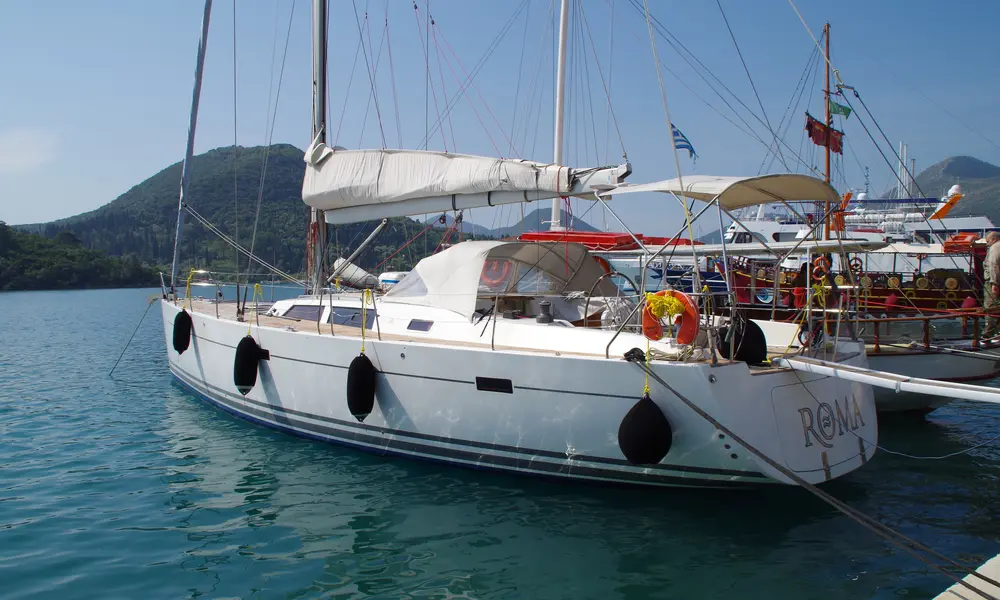
Sails degrade from UV exposure and eventually stretch out. Winches require regular servicing. Furthermore, standing rigging must be completely replaced every eight to ten years to prevent catastrophic mast failures.
Additionally, because motor yachts carry complex electrical grids to power stabilizer fins, air conditioning, and watermakers, they require more constant generator runtime. If you plan to cruise thousands of miles annually, the fuel bill for a power vessel will quickly eclipse the rigging costs of a sailboat. Rigging and safety maintenance schedules for sailing vessels are guided by voluntary industry benchmarks from the American Boat & Yacht Council, the standards body referenced across the U.S. marine industry for construction, repair, and maintenance practices.
Which Lifestyle Fits Your Goals in 2026?
Ultimately, your choice hinges on how you want to spend your hours on the water. If your goal is to breakfast in Monaco and have lunch in Saint-Tropez, a motor yacht is your clear choice. It removes the friction of travel and turns weather windows into minor details. Whichever hull you choose, dressing the part matters too see our guide to yacht fashion in 2026 for what the ultra-wealthy actually wear on deck, whether under sail or under power.
However, if you view the journey itself as the destination, sailing will capture your heart. It forces you to understand the weather, trim the sheets, and truly participate in the art of navigation. for more info of marine life explore Turboocruiser.
Frequently Asked Questions
Which is easier to operate for a beginner, a sail or power boat?
A motor yacht is significantly easier for a beginner to handle. Operating a power vessel involves intuitive steering and throttle systems. Consequently, basic maneuvers can be mastered in just a few days of hands-on training. Conversely, mastering a sailing yacht requires a steep learning curve. You must thoroughly understand wind dynamics, sail trimming, and complex rigging hardware to navigate safely.
Are sailing yachts safer than motor yachts in rough weather?
Both designs are safe when managed properly, but they handle heavy seas differently. A sailing yacht features a heavy, deep ballast keel. This structural weight creates a low center of gravity. As a result, it can naturally self-right even if knocked over by a rogue wave. Meanwhile, a motor yacht relies on high-tech mechanical gyro-stabilizers to prevent rolling. If a power vessel suffers a total engine failure in a major storm, it loses its steering and stabilization. This exposes it to a higher risk of taking waves directly from the side.
How does draft and air draft affect where each vessel can travel?
This is a major win for the motor yacht lifestyle. Powerboats have a shallow draft (the depth of hull below the waterline). Therefore, they can easily slide into shallow Caribbean bays, cruise winding inland rivers, and dock at compact boutique marinas. Sailing yachts have a deep keel and a towering mast (air draft). Consequently, they are often blocked by low bridges and cannot enter shallow coastal channels.
Is a sailing catamaran a good middle ground between sail and power?
Yes, multi-hull sailing catamarans have exploded in popularity for this exact reason. They feature two hulls spaced wide apart. This layout provides the expansive, stable, single-level living spaces of a motor yacht. Meanwhile, you still get to enjoy the quiet, fuel-efficient sailing lifestyle when the wind picks up.
Are motor yachts generally more expensive to buy and maintain than sailboats?
Foot-for-foot, motor yachts carry a higher purchase price and substantially higher operating costs. They feature massive, high-horsepower twin engines, large generators, and sophisticated luxury electronics. Therefore, their mechanical maintenance is continuous. Furthermore, their high fuel consumption can easily add thousands of dollars to a single weekend trip. While a sailing yacht requires periodic rigging and sail replacements, its daily running costs remain drastically lower.
Pingback: Crewed Yacht Charter Experience: 7-Day Life Aboard Guide