Vintage yachts offer a connection to traditional boatbuilding, classic designs, and the history of sailing. From wooden sailing yachts to beautifully restored motor yachts, these vessels attract buyers who appreciate their appearance, craftsmanship, and character. However, buying an older yacht requires more than choosing an attractive design. Its condition, maintenance history, construction, and restoration quality all matter.
When looking for vintage yachts for sale, buyers can find original vessels, professionally restored yachts, and boats that need further work. Each option comes with different costs and responsibilities. Understanding the available types, expected expenses, and inspection requirements can help you make a better buying decision.
What Are Vintage Yachts?
Vintage yachts are older recreational vessels valued for their traditional designs, construction methods, historical background, or craftsmanship. They can include sailing yachts and motor yachts built several decades ago.
There is no single age rule that applies to every vintage yacht. Different yacht associations use their own classification systems. Some classify vessels by their design date, while others consider their launch or construction date.
Vintage, classic, and antique are often used together in yacht listings, but they do not always mean the same thing.
| Category | General meaning |
|---|---|
| Vintage yacht | An older yacht recognized for its age, design, or traditional construction |
| Classic yacht | A yacht valued for its design, craftsmanship, or historical importance |
| Antique yacht | A historically old vessel, with the exact age definition depending on the classification |
| Replica yacht | A newer yacht built to reproduce an older design |
| Spirit of Tradition yacht | A modern yacht that combines traditional styling with modern design or construction |
These descriptions are general rather than universal legal definitions. Always check the relevant association or register if a formal classification matters to your purchase.
Types of Vintage Yachts for Sale
Vintage yachts are available in different designs, sizes, and construction materials. Understanding their main types helps buyers find a vessel that matches their intended use.
Vintage Sailing Yachts
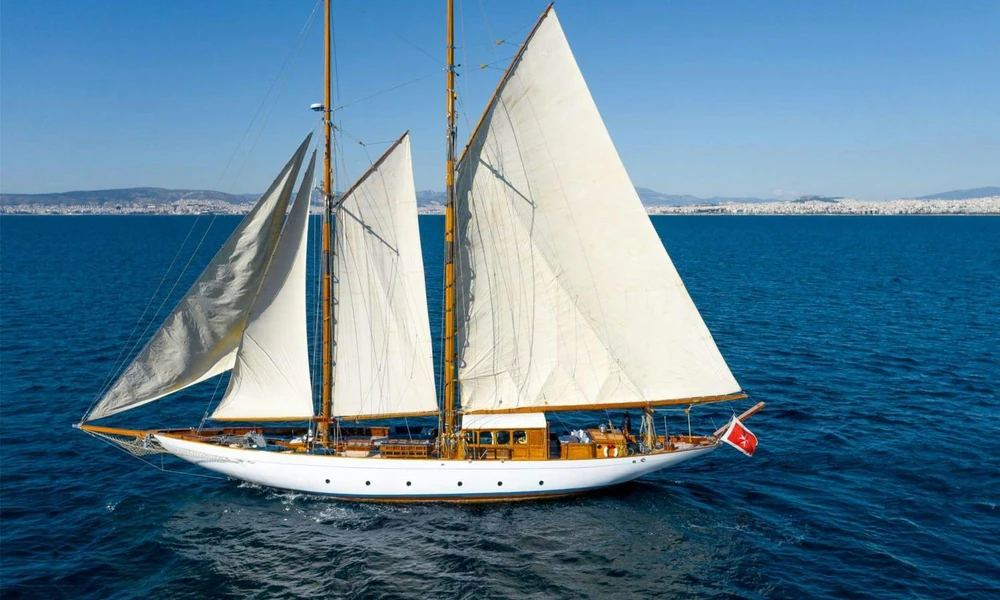
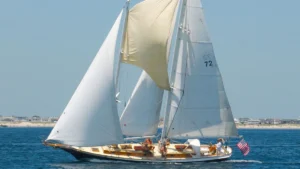
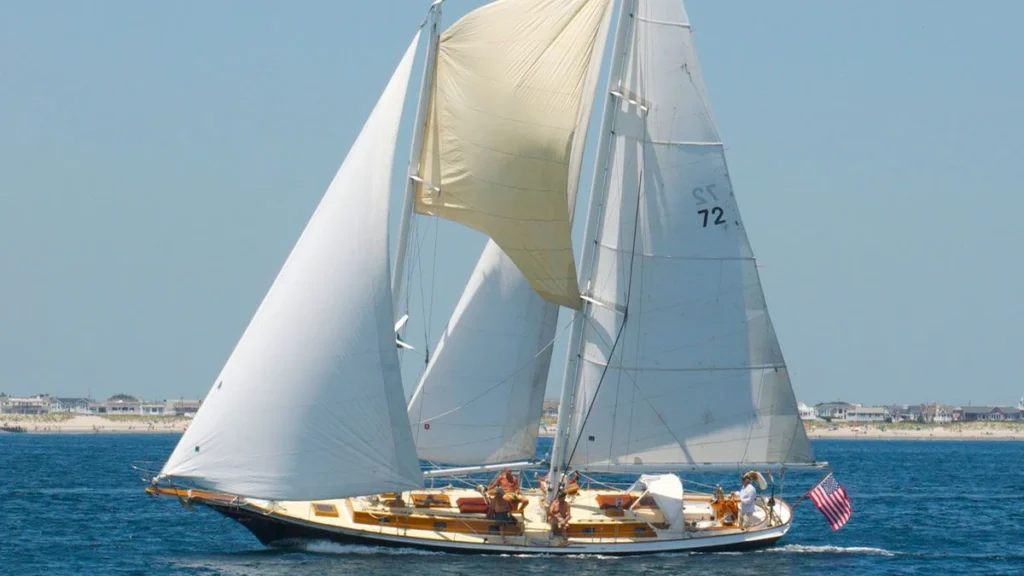
Vintage sailing yachts use sails as their main source of propulsion. They often feature traditional hull shapes, classic rigging, and designs from earlier periods of yacht building.
Some have wooden hulls and traditional interiors, while others use metal construction. Their sailing characteristics depend on the original design, condition, rig, and any later modifications.
Before buying one, inspect the hull, keel, mast, rigging, sails, and deck. Older rigging and structural components may require replacement even when the yacht looks attractive.
Vintage Motor Yachts

Vintage motor yachts use engines for propulsion and are available in different sizes and layouts. Many feature traditional wooden interiors, classic exterior lines, and historical design details.
They can be suitable for leisure cruising, day trips, or restoration projects, depending on their condition and equipment.
Buyers should pay particular attention to the engine, fuel system, cooling system, electrical equipment, and maintenance records. An older engine may need specialist servicing or replacement parts that are not easy to find.
Classic Wooden Yachts
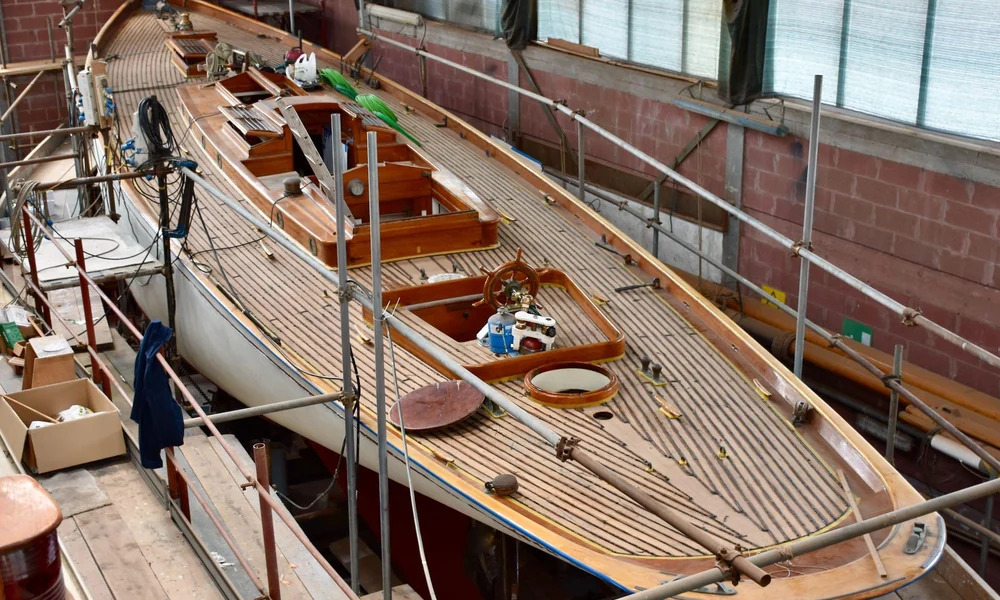
Wooden yachts are valued for their traditional construction and detailed craftsmanship. Their hulls may use different timber types and construction methods, including plank-on-frame building.
However, wood requires regular care. Water entering the structure can cause rot, damaged planking, and weakened supporting components.
Before purchasing a wooden vintage yacht, arrange an inspection of the planks, frames, fastenings, keel area, deck, and bilges. Previous repairs should also be checked to make sure they were completed properly.
Vintage Luxury Yachts
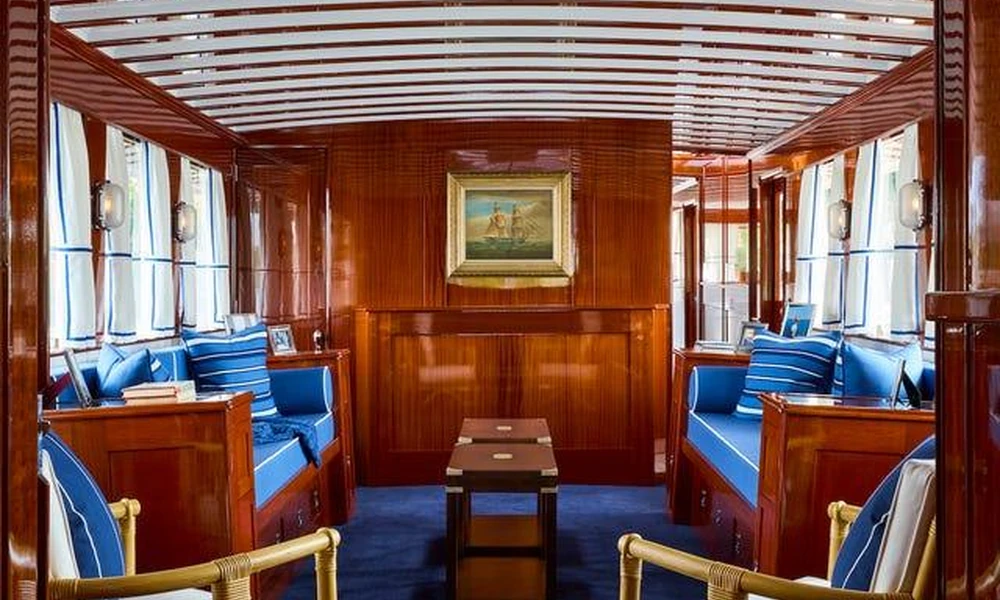
Vintage luxury yachts combine traditional design with features intended to provide comfort and style. Depending on their original purpose, they may include spacious cabins, detailed woodwork, large decks, and separate living areas.
Some were custom-built, while others came from established yacht manufacturers.
Their value depends on factors such as the builder, historical importance, originality, condition, and restoration quality. Buyers should also consider whether the interior systems and equipment meet their intended requirements.
Restored Vintage Yachts
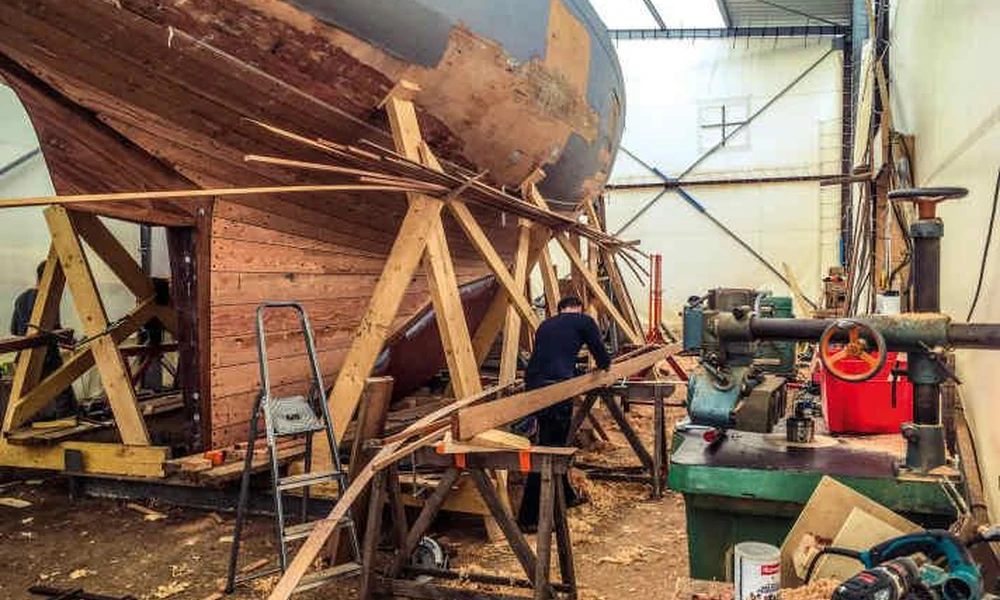
Restored vintage yachts have undergone repairs or renovation to improve their condition or preserve their original design.
Restoration work can include hull repairs, replacement of damaged wood, engine work, electrical upgrades, and interior improvements.
However, a restored yacht is not automatically in excellent condition. Buyers should request photographs, invoices, dates, and details of the work. They should also find out which original components remain and which have been replaced.
Popular Vintage Yacht Designs and Builders
The builder and designer can help buyers understand a yacht’s history, construction, and design value. Some historical names are particularly important in traditional yacht building.
- Herreshoff: Nathanael Greene Herreshoff was an influential American naval architect known for designing racing and cruising yachts.
- William Fife: The Scottish yacht designer is associated with well-known traditional sailing yacht designs.
- Sparkman & Stephens: This American yacht design firm became known for designing racing and cruising sailboats.
- Chris-Craft: An American boat manufacturer with a long history of producing recreational motorboats and classic wooden designs.
- Riva: An Italian manufacturer associated with luxury motorboats and distinctive wooden boat designs.
Not every vessel produced by these builders qualifies as a vintage yacht. Buyers should verify the individual boat’s build date, designer, model, and historical records.
Vintage Yacht Prices: How Much Do They Cost?
Vintage yacht prices vary widely. A small vessel that needs restoration may have a very different asking price from a larger yacht with a documented history and completed restoration.
There is no reliable single price for all vintage yachts. The final cost depends on the individual vessel and its market.
Factors That Affect Vintage Yacht Prices
Several factors can influence the asking price:
- Age and history: A yacht with an important history or rare design may attract more interest.
- Builder and designer: Recognized builders and naval architects can add historical appeal.
- Size: Larger yachts generally require more materials, maintenance, and storage space.
- Construction material: Wood, steel, aluminum, and fiberglass have different maintenance requirements.
- Condition: Structural damage, corrosion, and mechanical problems can affect value.
- Originality: Original components and documented history may matter to collectors.
- Restoration: The quality and documentation of restoration work can influence buyer confidence.
- Location: Local demand, transport, taxes, and delivery costs can affect the total purchase expense.
Additional Costs After Purchase
The asking price is only one part of the total expense. Buyers should also prepare for:
| Cost | What it covers |
|---|---|
| Marine survey | Professional inspection before purchase |
| Repairs | Work needed to correct defects |
| Restoration | Structural, mechanical, or cosmetic improvements |
| Maintenance | Regular servicing and upkeep |
| Mooring | Marina or berth charges |
| Storage | Indoor or outdoor storage when not in use |
| Insurance | Cover available for the vessel and its intended use |
| Registration and taxes | Applicable legal and government charges |
The actual costs depend on the yacht, location, condition, and local service prices. Obtain estimates before agreeing to the purchase.
Where to Find Vintage Yachts for Sale

Buyers can search for vintage yachts through several channels. Each offers different opportunities, so comparing more than one source can help you find a suitable vessel.
Specialist Yacht Brokers
Specialist yacht brokers may have experience with classic and vintage vessels. They can help buyers understand listings, arrange viewings, and communicate with sellers.
Ask about the broker’s experience with older yachts, the services included, and any fees or commissions.
Online Yacht Marketplaces
Online marketplaces allow buyers to compare vintage yachts by price, location, size, builder, and vessel type.
Read the full listing instead of relying only on photographs. Check the build year, specifications, condition description, and seller information. Request additional photographs and documents when important details are missing.
Yacht Clubs and Vintage Yacht Associations
Yacht clubs and associations can connect buyers with owners and people interested in traditional vessels.
Some organizations also maintain historical registers or provide information about yacht classifications. However, membership or registration should not be treated as proof that a particular yacht is free from defects.
How to Choose the Right Vintage Yacht
The right yacht depends on how you plan to use it, how much you can spend, and how much maintenance you can manage.
Decide How You Plan to Use It
Start by identifying your main purpose.
- For sailing, compare vintage sailing yachts and their rigging.
- For powered cruising, consider vintage motor yachts.
- For restoration, look for a vessel with a suitable design and a manageable repair plan.
- For historical interest, investigate the builder, designer, and original records.
A yacht suitable for display or occasional use may not be the best choice for regular cruising.
Check the Yacht’s Condition
Look beyond the exterior appearance. Inspect the hull, deck, keel, rudder, engine, rigging, interior, and onboard systems.
A clean interior or fresh paint does not prove that the underlying structure is sound. Request a professional inspection before making a final decision.
What to Inspect Before Buying a Vintage Yacht
A detailed inspection can help identify problems that are not visible in listing photographs.
Hull and Structural Condition
The hull is one of the most important areas to inspect.
| Material | Important inspection points |
|---|---|
| Wood | Rot, damaged planks, loose fastenings, leaks, and weakened frames |
| Steel | Corrosion, rust, plating condition, and previous repairs |
| Aluminum | Corrosion, weld condition, and contact between dissimilar metals |
| Fiberglass | Cracks, water ingress, blistering, and possible delamination |
The keel, rudder, deck, and hull connections should also be examined. A marine surveyor can identify areas that require further investigation.
Engine and Mechanical Systems
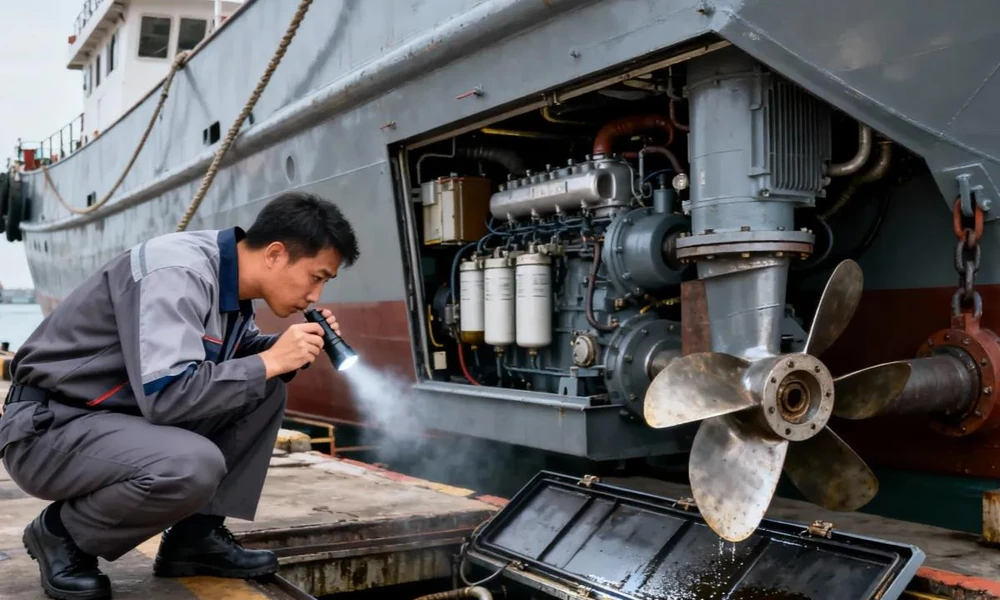
Ask for the engine’s make, model, age, service history, and operating hours where available.
Check for:
- Oil or fuel leaks.
- Cooling system problems.
- Unusual noise or vibration.
- Engine mounting condition.
- Exhaust system problems.
- Availability of replacement parts.
If the engine’s condition is especially important, consider a separate specialist engine inspection.
Electrical and Plumbing Systems
Older yachts may have electrical and plumbing systems that have been modified over time.
Check the wiring, batteries, charging equipment, navigation lights, pumps, hoses, and through-hull fittings. Also ask whether previous upgrades were completed and documented properly.
Restoration and Maintenance Records
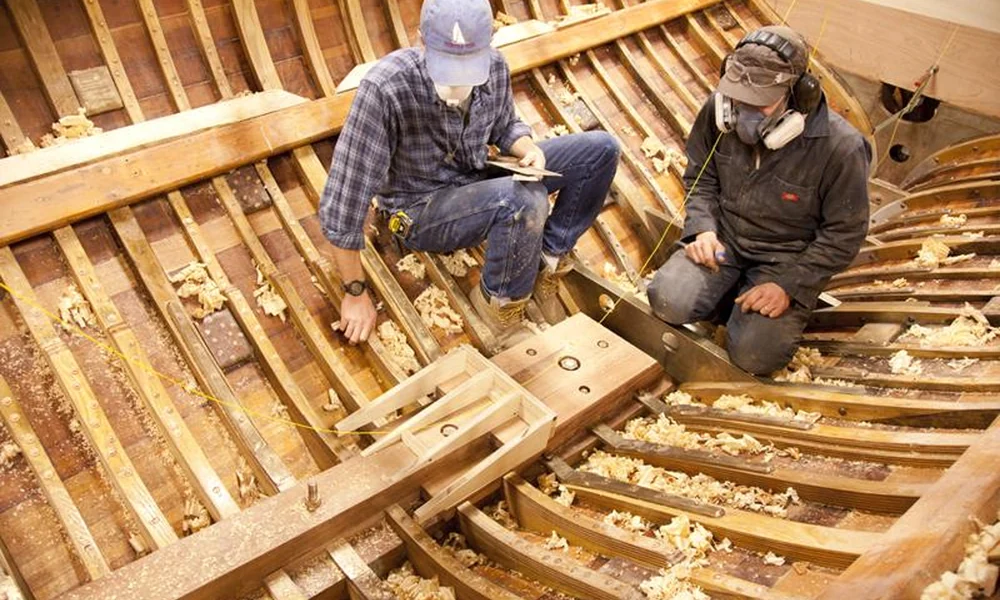
Request any available documents showing the yacht’s previous work.
Useful records include:
- Restoration invoices.
- Engine servicing documents.
- Previous survey reports.
- Repair photographs.
- Replacement equipment details.
- Original plans or design records.
A detailed history helps buyers understand what has been changed and what work may still be required.
Vintage Yacht Survey and Sea Trial
A professional pre-purchase marine survey is an important step when buying an older yacht. It provides an independent assessment of the vessel within the agreed inspection scope.
What Does a Marine Survey Include?
A survey may examine the hull, deck, structure, machinery, electrical equipment, plumbing, and visible safety equipment.
For an older yacht, the inspection should consider its construction material and age-related risks. A wooden yacht may need closer attention to planking, frames, and fastenings, while a steel yacht needs suitable corrosion checks.
The buyer should discuss the survey’s scope with the surveyor before the inspection.
Why Is a Sea Trial Important?
A sea trial allows the yacht to be operated under real conditions. It can help assess:
- Engine operation.
- Steering response.
- Propulsion performance.
- Unusual vibration or noise.
- Selected onboard systems.
A sea trial does not replace a full survey or specialist engine inspection. It also cannot reveal every hidden problem.
Legal Documents to Check Before Purchasing
Before completing a purchase, verify that the seller has the legal right to sell the yacht.
Important documents may include:
- Bill of sale.
- Current registration certificate.
- Proof of ownership.
- Previous ownership records.
- Relevant mortgage or lien information.
- Import and tax documents, where applicable.
- Maintenance and restoration records.
Check that the vessel’s name, identification details, and ownership information match across the available documents.
Registration, tax, and transfer requirements vary between countries. Buyers should confirm the applicable rules with the relevant maritime authority or a qualified legal professional before completing the transaction.
Tips for Buying a Vintage Yacht Safely
Follow these steps before making a final purchase:
- Research the yacht: Check its builder, designer, build date, and available history.
- Verify the seller: Confirm ownership and the seller’s authority to complete the sale.
- Review the documents: Ask for registration, maintenance, and restoration records.
- Inspect the condition: Arrange an independent survey suited to the yacht’s construction.
- Arrange a sea trial: Test the vessel under operating conditions where possible.
- Check insurance: Confirm that suitable cover is available before committing.
- Calculate additional costs: Include repairs, storage, maintenance, and registration.
- Review the agreement: Make sure the purchase terms and any survey conditions are clearly written.
Taking these steps can help you identify problems early and make a more informed decision.
Frequently Asked Questions About Vintage Yachts for Sale
Can a vintage yacht be used for long-distance cruising?
Yes, some vintage yachts can be used for longer journeys, but age alone does not determine whether a vessel is suitable. Its structural condition, equipment, design, engine or rigging, safety systems, and maintenance history must be assessed first.
Can I insure a vintage yacht that has not been fully restored?
Insurance may be available, but acceptance depends on the insurer, vessel condition, intended use, and survey findings. Some insurers may require repairs or additional documentation before providing cover.
Does replacing an original engine affect a vintage yacht’s value?
It can. An engine replacement may improve reliability and usability, but it can also reduce originality. The effect depends on the yacht’s historical importance, replacement quality, and the expectations of potential buyers.
What happens if a vintage yacht has no complete maintenance history?
Missing records do not automatically make a yacht unsuitable, but they increase uncertainty. Ask for any available invoices, photographs, previous survey reports, and service details. Arrange a more careful independent inspection before purchasing.
Are vintage yachts suitable for first-time yacht owners?
They can be, but the right choice depends on the vessel’s condition and the owner’s experience, budget, and access to maintenance support. A well-maintained yacht with manageable systems may be easier to own than a major restoration project.
Conclusion
Finding the right vintage yacht for sale requires careful research and a clear understanding of ownership responsibilities. Buyers should compare yacht types, construction materials, historical details, restoration quality, and total ownership costs before making a decision.
Most importantly, do not rely on photographs or asking prices alone. Review the available records, verify ownership, arrange an independent marine survey, and complete a sea trial where appropriate. These steps can help you choose a vintage yacht that matches your intended use, budget, and maintenance expectations.