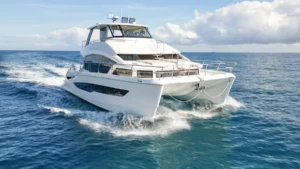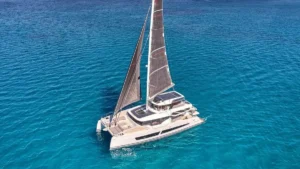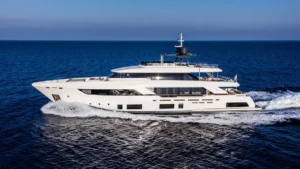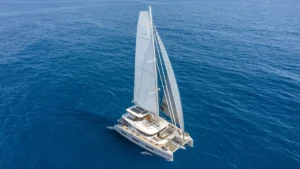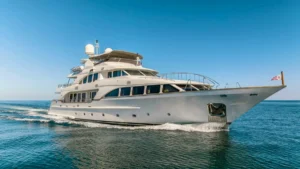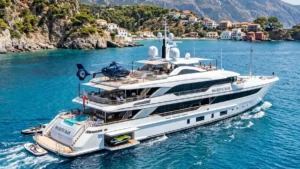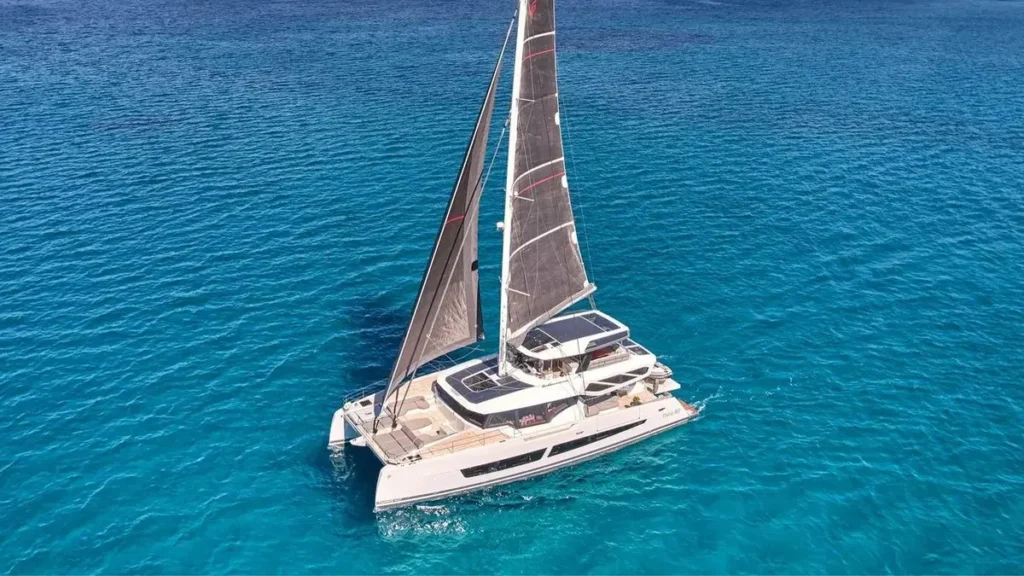
A luxury catamaran is a high-end yacht with two parallel hulls connected by a wide deck structure. It offers spacious living areas, comfortable cabins, large outdoor spaces and modern onboard facilities. Luxury catamarans come in sailing and power versions, giving buyers options for private cruising, family holidays and longer journeys.
The two hulls provide a wide platform and separate living spaces. On suitable models, this design can offer good stability at rest, generous interior space and access to shallow waters.
Choosing one involves more than comparing looks and cabin layouts. You should also weigh size, performance, fuel capacity, equipment, maintenance and total ownership cost. This guide covers the main types, example models, features, price factors and what to check before buying.
What Is a Luxury Catamaran?
A luxury catamaran is a premium multihull yacht built for comfortable travel and life on the water. Two separate hulls are joined by a central structure called the bridge deck, which creates room for accommodation, dining, entertainment and outdoor activities.
It differs from a basic recreational catamaran through higher-quality interiors, larger cabins, modern navigation systems, premium kitchens and custom-designed living areas. Common features include:
- Spacious saloons with large windows
- Private owner and guest cabins
- En-suite bathrooms
- Flybridges and outdoor dining areas
- Swimming platforms and sunbathing spaces
- Modern navigation and entertainment systems
- Crew accommodation on larger yachts
The level of luxury depends on the manufacturer, model, size and the equipment the owner selects. Not every catamaran includes all of these facilities.
Types of Luxury Catamarans
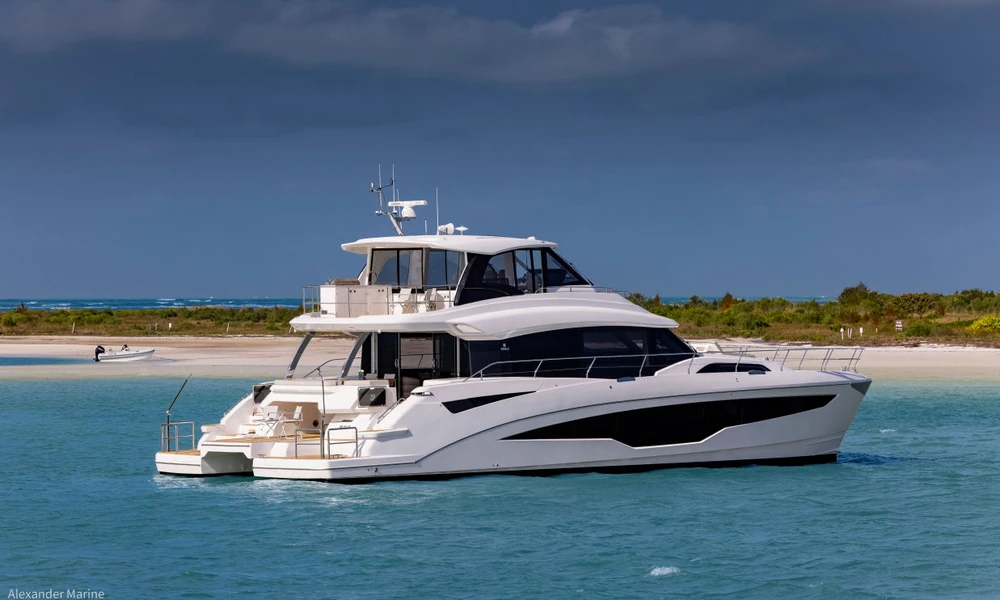
The right type depends on how you plan to use the yacht.
Luxury Sailing Catamarans
A luxury sailing catamaran uses sails as its main propulsion and has engines for manoeuvring, low-wind conditions and other situations. These yachts pair sailing with comfortable living spaces, often including large saloons, multiple cabins, flybridges and outdoor dining areas.
Their advantages include travelling on wind power, spacious accommodation, large decks and options for longer passages. Performance depends on wind, sail design, yacht weight and crew skill, and owners must maintain sails, rigging, winches and engines.
Luxury Power Catamarans
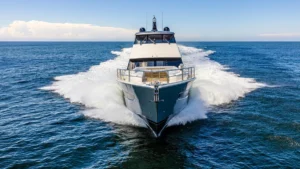
A luxury power catamaran uses engines as its main propulsion and suits motor cruising, family trips and longer journeys, depending on fuel capacity and range. Typical features are twin engines, wide decks, large living areas and flexible cabin arrangements.
There is no need to manage sails, and some models can reach shallow-water destinations, depending on draft. Fuel consumption is a key consideration, since it varies with engine type, speed, weather, load and hull design.
Luxury Catamaran Superyachts
These larger vessels are designed for high-end private use and guest accommodation. They may offer several guest cabins, dedicated crew areas, large entertainment spaces and custom interiors. Some are built for private owners, while others operate in the luxury charter market. Their size can require professional crew, specialised maintenance and suitable marina facilities.
Custom-Built Luxury Catamarans
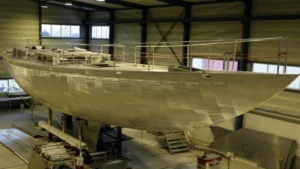
A custom-built catamaran is designed around the owner’s requirements. Working with the shipyard and design team, buyers can choose cabin arrangements, interior materials and furniture, galley and dining layouts, engine and propulsion options, solar and battery systems, and entertainment and navigation equipment. This gives more control over the final design, but it can mean higher costs and longer construction times.
Luxury Catamaran Models to Know

Several established builders produce luxury sailing and power catamarans. The models below show different sizes, designs and uses. They are examples, not a ranking, because each yacht serves different needs.
Sunreef 80 is a luxury sailing catamaran from Sunreef Yachts, combining a large sailing platform with spacious indoor and outdoor living areas. Depending on the yacht, the layout can include a main saloon, owner accommodation, guest cabins, a flybridge and outdoor dining spaces. Sunreef also offers owner-specific interior designs and equipment choices.
Sunreef 80 Power is the motor-powered version, built for comfortable cruising with a twin-hull structure and large living spaces. It can include a large saloon, multiple cabins, outdoor lounges and a flybridge, with engine options varying by version.
Lagoon EIGHTY 2 is a large luxury sailing catamaran designed for extended time on the water. Its main features include spacious living areas, a large flybridge, an owner’s cabin and several layout choices. Berth numbers depend on the configuration.
Lagoon SIXTY 7 is a luxury power catamaran for motor cruising, with a large interior, multiple cabin configurations and outdoor relaxation areas. Its twin-engine setup and spacious design make it an option for buyers who want a large motor-powered catamaran.
Fountaine Pajot Thíra 80 is a luxury sailing catamaran that combines a large sailing platform with spacious accommodation and modern interior design. The builder emphasises comfortable onboard living, outdoor areas and sailing performance, and offers personalisation of layouts and finishes. Actual sailing speeds depend on wind strength, sail configuration, loading and sea conditions.
| Model | Type | Published length | Main features |
|---|---|---|---|
| Sunreef 80 | Sailing | 23.87 m overall (version-dependent) | Custom interiors, flybridge |
| Sunreef 80 Power | Power | 23.8 m overall | Twin engines, large living areas |
| Lagoon EIGHTY 2 | Sailing | 24.97 m overall | Large flybridge, multiple layouts |
| Lagoon SIXTY 7 | Power | 20.15 m overall | Multiple cabins, motor cruising |
| Fountaine Pajot Thíra 80 | Sailing | 22.95 m hull length | Sailing performance, customisation |
Overall length and hull length are different measurements, and specifications vary between versions and individual yachts. Always check the manufacturer’s current technical sheet.
Features That Make a Luxury Catamaran Special
Spacious Interior and Living Areas

The wide structure leaves room for large saloons, dining spaces and separate accommodation. Large windows bring in natural light, and open layouts connect indoor and outdoor areas.
Cabins and Accommodation

A luxury catamaran can have several guest cabins, an owner’s suite and private bathrooms, and larger models may add crew accommodation. Check the actual cabin arrangement rather than relying on the advertised maximum number of berths.
Outdoor Living Spaces
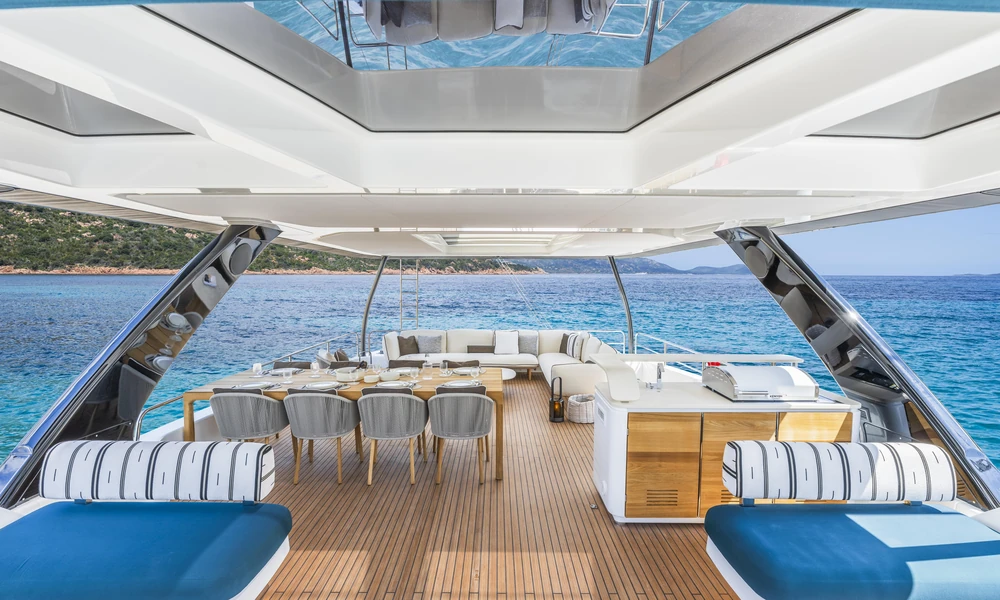
Outdoor areas are central to the design. Common spaces include flybridge seating and dining, forward cockpit lounges, aft cockpit dining, sunbathing areas and swimming platforms.
Kitchens and Entertainment
Luxury models may have modern kitchens with high-quality appliances, dining areas and entertainment systems. Larger yachts can add bars, outdoor cooking areas and separate entertainment spaces.
Navigation and Onboard Technology
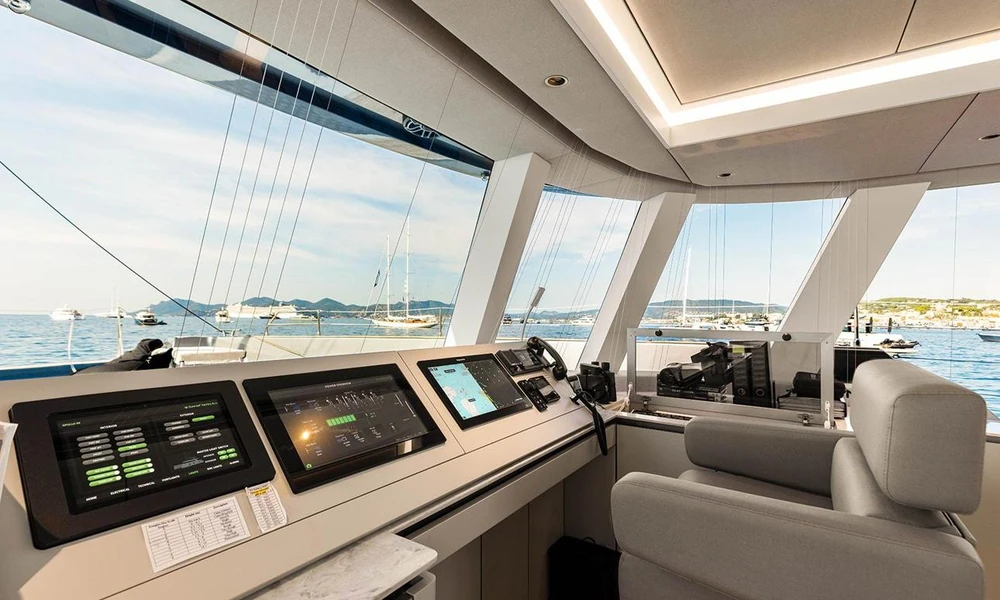
Typical equipment includes electronic navigation displays, autopilot, radar, GPS, communication equipment and engine monitoring. Packages vary between models and can be upgraded during construction or refit.
Energy Efficiency and Solar Technology
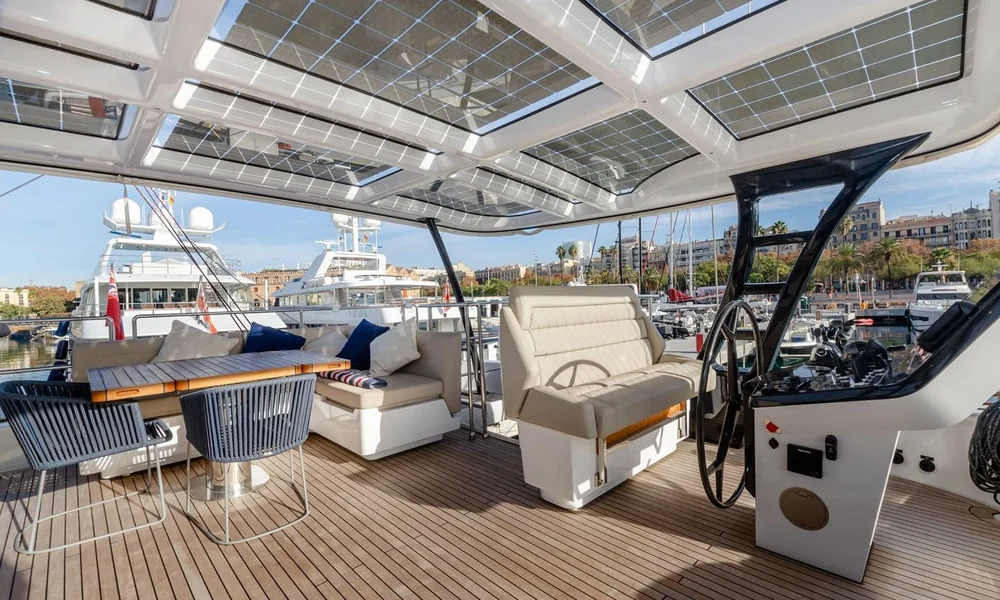
Some manufacturers offer solar panels, battery storage and hybrid or electric propulsion. Sunreef, for example, offers Eco versions within its range. How much these systems contribute depends on installed capacity, sunlight, energy use and operating conditions, so solar equipment is not proof that a yacht can run without conventional fuel or external charging.
Luxury Sailing Catamaran vs Luxury Power Catamaran
Both have two hulls and spacious living areas, but propulsion creates important differences.
| Factor | Sailing catamaran | Power catamaran |
|---|---|---|
| Main propulsion | Sails | Engines |
| Engine role | Auxiliary and manoeuvring | Main propulsion |
| Fuel consumption | Lower when under sail | Depends on speed, load and engines |
| Maintenance | Engines, sails, rigging and winches | Engines and propulsion systems |
| Best suited to | Sailing-focused cruising | Motor-powered cruising |
A sailing catamaran suits someone who enjoys travelling under sail and wants to use wind power when conditions allow. A power catamaran suits buyers who prefer engine-powered travel without managing sails. Neither is automatically better, so base the decision on your cruising plans, operating budget, preferred speed and onboard needs.
Advantages and Disadvantages
Advantages
- More living space: Two hulls and a wide deck give generous interior and exterior areas.
- Good initial stability: The wide beam can reduce side-to-side movement at rest compared with many monohulls.
- Separate accommodation: Each hull can hold its own cabins and living spaces.
- Shallow draft on many models: Some catamarans can reach anchorages that deeper-draft yachts cannot.
- Outdoor facilities: Large decks suit dining, relaxing and water activities.
Disadvantages
- Wide beam: A catamaran may need more marina width than a monohull of similar length.
- Higher berthing costs: Some marinas charge by the space occupied, so a wider yacht can cost more to berth.
- Specialised maintenance: Two hulls, propulsion systems and complex equipment need proper servicing.
- Sailing limitations: A large or heavily loaded sailing catamaran may not perform like a lighter, performance-focused multihull.
- Capsizing risk: Sailing catamarans can capsize, and their stability characteristics differ from monohulls, so sail handling and operating decisions matter.
How Much Does a Luxury Catamaran Cost?
Luxury catamaran prices vary widely with size, builder, construction, equipment and customisation. A production model with standard equipment will cost differently from a fully customised yacht with premium materials and upgraded engines. Ask each builder or broker for a current, itemised quotation rather than relying on general figures. The main price factors are:
- Overall length and beam
- Manufacturer and model
- New or pre-owned condition
- Engine and propulsion configuration
- Cabin layout and accommodation
- Interior materials and equipment
- Solar, battery and electrical systems
- Custom construction requirements
New vs Used
| Factor | New | Used |
|---|---|---|
| Condition | Newly constructed | Depends on age and maintenance |
| Customisation | More options during construction | Existing layout may limit changes |
| Equipment | Selected factory specification | Previous owner’s choices |
| Warranty | May include manufacturer warranty | Depends on age and remaining coverage |
| Price | Based on specification and options | Based on condition, age and demand |
New yachts may involve extra costs for optional equipment, delivery and taxes. Used yachts may need repairs, equipment upgrades or interior refits. Compare the complete purchase cost, not just the advertised price.
Ownership Costs

The purchase is only the first part of the budget, and running costs can be significant.
- Maintenance and repairs: Regular checks of hulls, engines, electrical systems, plumbing and equipment. The budget depends on age, condition and use.
- Fuel and engine servicing: Power catamarans depend on fuel, and sailing models still burn it when running auxiliary engines. Servicing, filters, lubricants and parts add up.
- Insurance: Depends on the yacht’s value, location, intended use, cruising area and coverage.
- Marina and berthing: A wider beam can affect berth availability and charges. Check each marina’s length, width and draft limits before choosing a permanent location.
- Crew and management: Larger yachts may need professional captains, engineers and other crew, with costs depending on numbers, experience and operating schedule.
- Storage and refitting: Haul-outs, storage, antifouling, equipment replacement and interior upgrades.
Total costs differ greatly between a privately operated catamaran and a large, professionally crewed yacht.
How to Choose the Right Luxury Catamaran
Decide How You Will Use It
Consider whether the yacht is for family holidays, private coastal cruising, long-distance sailing, entertaining guests or charter. Your answer shapes the size, propulsion and accommodation you need.
Choose Between Sailing and Power
Choose sailing if you want the experience and are comfortable managing sails and rigging. Choose power if you prefer engine-driven cruising and don’t need conventional sailing equipment.
Select Size and Layout
Check the number of cabins, bathrooms, berths and storage spaces, and allow for crew accommodation if you plan to run a larger yacht with professional help.
Compare Technical Specifications
Look at length overall, beam, draft, engine configuration, fuel and freshwater capacity, published cruising range, sail area and rigging, and maximum permitted load. Bridge-deck clearance is also useful: it measures the space between the water and the underside of the structure connecting the hulls, and it can affect comfort when waves pass beneath the yacht.
Arrange a Professional Inspection
Before buying a used luxury catamaran, commission an independent marine survey covering:
- Both hulls and structural connections
- Decks and bridge-deck structure
- Engines and propulsion systems
- Sails, rigging and winches
- Electrical and navigation equipment
- Plumbing and onboard systems
- Evidence of previous repairs or water damage
A sea trial shows how the yacht performs under operating conditions, but it supplements a survey rather than replacing it.
Review Documents and History
Check registration, proof of ownership, maintenance records, safety documents and any outstanding financial claims. Confirm that the yacht meets the requirements for its intended operating area and use.
Charter vs Ownership
Buying isn’t the only way to enjoy a luxury catamaran. Chartering lets you use a yacht for an agreed period without long-term responsibilities.
| Factor | Charter | Ownership |
|---|---|---|
| Initial commitment | Booking payment | Yacht purchase |
| Maintenance | Handled by the operator | Owner’s responsibility |
| Yacht selection | From available vessels | Your own choice and configuration |
| Operating expenses | Set by the charter agreement | Ongoing ownership costs |
| Best suited to | Occasional holidays | Frequent personal use |
Chartering suits occasional trips, while ownership suits regular use and more control over layout and equipment. Before booking a charter, check what the price includes, such as crew, fuel, food and taxes.
Frequently Asked Questions
Can a luxury catamaran fit a standard marina berth?
Not always. Catamarans are wider than many monohulls of similar length, so confirm the marina’s maximum beam allowance before buying.
Does a larger catamaran always ride more comfortably?
No. Hull design, displacement, bridge-deck clearance, loading, sea conditions and speed all matter. A sea trial and professional assessment show how a yacht actually behaves.
Can I operate one without professional crew?
Some smaller luxury catamarans can be run by experienced private owners. Larger yachts may need professional crew because of their size, equipment and applicable regulations, which depend on the yacht and where it operates.
What is bridge-deck clearance and why does it matter?
It is the vertical distance between the water and the underside of the structure joining the hulls. Waves can strike this area while the yacht is moving, causing noise and uncomfortable impacts, so compare it across designs.
Can solar power be the main energy source?
Solar panels can support onboard systems and charge batteries, but they don’t automatically cover every system or remove the need for fuel. The contribution depends on equipment and energy use.
Is a luxury catamaran suitable for full-time living?
Some are designed for extended cruising and long stays aboard. Check cabin comfort, storage, freshwater capacity, waste systems, power generation, ventilation and maintenance access first.
What should I check on a former charter yacht?
Review maintenance records, engine hours, hull condition, interior wear, equipment servicing and past repairs. Charter use doesn’t automatically mean poor condition, but the history belongs in an independent survey.
Is a luxury catamaran suitable for an ocean crossing?
Check the design category, the builder’s operating guidance, stability information, construction, equipment, fuel and water capacity and operating limits. Crew experience, weather planning and emergency equipment matter as well. Size and luxury features alone don’t show suitability.
Is advertised guest capacity the same as comfortable living capacity?
No. Advertised capacity may reflect the maximum approved number of people or available berths. Comfortable long-term living also depends on cabin layout, bathrooms, storage, water capacity and crew arrangements.
What is the difference between semi-custom and fully custom?
A semi-custom catamaran starts from an existing design and allows selected changes to layout, materials and equipment. A fully custom one is developed around your requirements, giving more design freedom but usually a more complex, longer build.
Conclusion
A luxury catamaran combines a two-hull design with spacious accommodation, modern facilities and comfortable outdoor living areas. Buyers can choose between sailing catamarans, power catamarans and larger custom-built yachts to suit their plans.
Models such as the Sunreef 80, Sunreef 80 Power, Lagoon EIGHTY 2, Lagoon SIXTY 7 and Fountaine Pajot Thíra 80 show the range on offer. The right choice, though, depends on more than looks or cabin space. Compare specifications, propulsion, fuel capacity, draft, maintenance needs and total ownership cost, and for a pre-owned yacht, arrange a professional survey and sea trial.