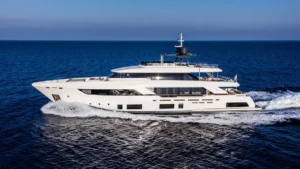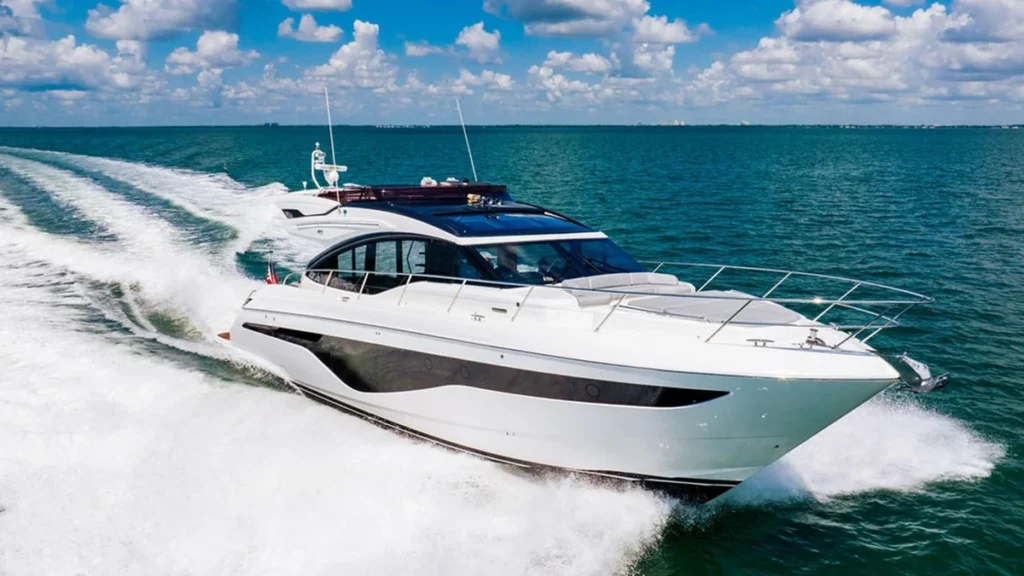
Florida is one of the busiest places in the United States to shop for a motor yacht. Marinas line both coasts, brokerages cluster around the major boating cities, and the inventory runs from modest cruisers to superyacht-scale vessels. That depth gives buyers real choice, but it also makes careful comparison essential.
This guide explains the styles of motor yacht you will meet, what drives asking prices, which Florida cities are worth searching, and what ownership costs beyond the purchase price. It also summarizes Florida’s tax and registration rules and walks through the steps from first viewing to closing.
Why Buyers Look to Florida

The state combines year-round boating, a large network of brokers and service yards, and a steady flow of boats changing hands. Listings turn over constantly, so any inventory snapshot goes out of date quickly. Treat every price and model you see as a starting point and confirm availability with the seller.
Buyers typically focus on a handful of regions:
- Southeast Florida: Fort Lauderdale, Miami, and Palm Beach form the largest cluster of brokerages and yards.
- Treasure Coast: Stuart and nearby towns offer a mix of cruising boats and larger yachts.
- Gulf Coast: Naples, Sarasota, Tampa, and St. Petersburg suit buyers planning to cruise the west coast.
- Northeast Florida: Jacksonville gives access to northern waters and the Intracoastal Waterway.
Where you search matters less than where you will keep the boat. A great deal in one city is not much use if your preferred marina cannot take the vessel.
Styles of Motor Yacht
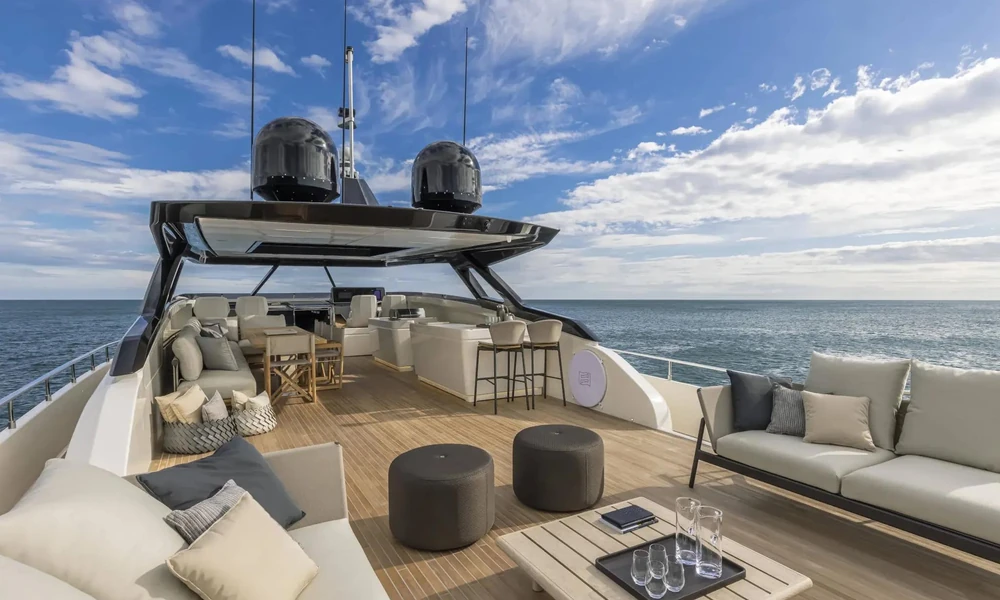
Each style trades speed, living space, and outdoor room differently, so decide which suits your habits before looking at specific boats.
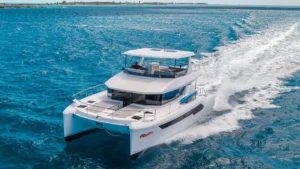
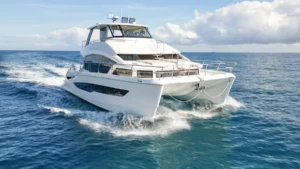
Flybridge yachts add an upper deck with a second helm and often seating, sun pads, or a small dining area. They offer commanding views and extra social space. Check how steep the stairs are and how much shade the upper deck provides.
Express and sport yachts have a sleek profile with an open cockpit and a cabin below. They suit owners who prefer to be outside and still want overnight comfort, although storage and cabin volume vary a great deal. Buyers interested in performance-focused designs can also explore our guide to sport yachts for sale to compare layouts, features, and available models.
Sedan yachts put the salon and helm under one enclosed roof, with an easy connection to the cockpit. Buyers who want a protected steering position and a straightforward layout often favor them.
Trawlers are built around economical, comfortable cruising. Many have roomy interiors and generous storage. Some use displacement hulls and others semi-displacement hulls, so compare real cruising speeds and fuel burn rather than assuming they behave alike.
Explorer yachts are designed for long-range travel, with larger fuel and water capacity and more robust systems. The term is a marketing label as much as a design category, so ask for realistic range figures at the boat’s normal load and speed.
3. New or Used?
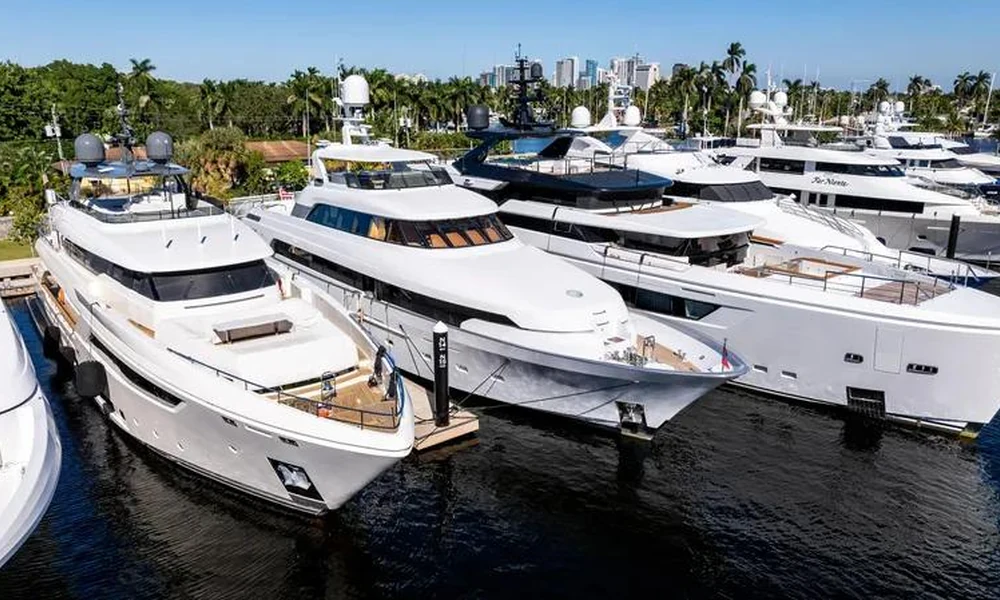
New boats come with current equipment, the chance to choose finishes or options, and manufacturer warranty coverage under its stated terms. The cost is a higher entry price and, for some builders, a wait for delivery.
Used boats widen your options across builders, sizes, and budgets, and they often cost less than a comparable new model. They also carry unknowns. Aging engines, worn systems, and deferred repairs can erase an apparent bargain, so the survey and records matter more than the asking price.
A few points help you decide:
- If you value the latest technology and a clean warranty, lean toward new.
- If you want the most boat for your money and are comfortable commissioning inspections, used can be excellent.
- Whichever you choose, estimate the full cost of ownership before you commit, not just the purchase price.
What Do Florida Motor Yachts Cost?
Prices span a huge range. A modest used cruiser can sit far below a newly built luxury yacht, and the largest vessels reach multiple millions of dollars. Because listings change daily, rely on current asking prices for the specific boats you are comparing, and remember that an asking price is not a confirmed sale price.
What Moves the Number
- Builder and model: Reputation, build quality, and demand differ between yards.
- Age and refits: Newer boats often have updated systems, and documented refits can add value when the work is well done.
- Engines and generators: Hours matter, but service history matters just as much.
- Equipment: Stabilizers, tenders, upgraded electronics, and refreshed interiors all influence price.
- Records: A complete maintenance file builds buyer confidence and supports a firmer price.
Length as a Planning Guide
Length helps you plan what to inspect, though it does not set a price on its own.
| Length | What to focus on |
|---|---|
| Under 40 ft | Cabin space, engine condition, and ease of handling |
| 40 to 59 ft | Sleeping capacity, living areas, and cruising performance |
| 60 to 79 ft | Number of cabins, onboard systems, and whether a captain is needed |
| 80 to 99 ft | Luxury accommodation, engine package, and operating expenses |
| 100 ft and up | Complex systems, crew arrangements, and refit history |
Two yachts of identical length can carry very different prices, so compare boats of similar year, equipment, and condition.For buyers considering larger vessels, our guide to 60 foot yacht for sale provides further examples of models, asking prices, and features to compare.
Affordable Versus Luxury
An affordable yacht is not necessarily a small or poorly equipped one, because the used market offers many ways to match a boat to a budget. Buyers can explore our guide to affordable yachts for sale to compare used motor yachts, cruisers, and other options across different budgets. Luxury yachts bring more space and premium finishes, but insurance, fuel, dockage, and maintenance rise with them. Judge both by total cost of ownership.
Where to Search Within Florida
Fort Lauderdale is a major hub, with a broad brokerage market covering flybridge, sport, and large luxury yachts, along with many used boats.
Miami offers new and pre-owned powerboats and luxury vessels. Confirm where a listed boat actually sits and whether it can be viewed.
Palm Beach and nearby communities have brokerage activity across many sizes, and brokers can advise on current larger inventory.
Stuart appeals to buyers seeking cruising and motor yacht listings in a quieter setting.
Naples and Sarasota serve the Gulf Coast market. Check draft, cruising area, and local docking before you decide.
Tampa and St. Petersburg provide access to Tampa Bay boating, so consider whether a yacht’s size and draft fit your intended routes.
Jacksonville gives you a northern option, with local listings and facilities worth comparing.
A convenient purchase location does not guarantee a suitable berth. Settle on your home marina first, then shop.
Brands You Will Meet
Florida listings include boats from many established builders, and the mix changes as boats come and go. Names worth researching include Azimut, Sea Ray, Sunseeker, Princess, Viking, Ferretti, and Hatteras.
Do not let a famous name stand in for due diligence. Look at the exact model, year, layout, engine package, service record, and price. Also note that some of these builders make sportfishing boats and express cruisers as well as motor yachts, so a broad search can include boats outside the category you want.
Costs Beyond the Purchase Price
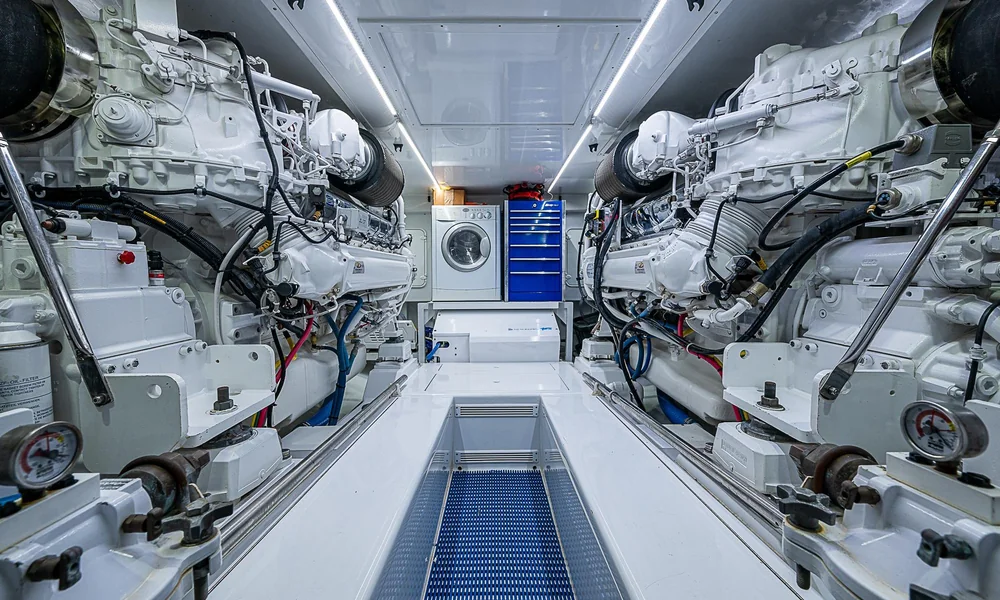
Budget for ongoing expenses and for the occasional surprise. They depend on size, age, engines, usage, and condition. For more guidance on budgeting, maintenance, and long-term expenses, read our yacht ownership guide.
Fuel and Engine Care
Fuel use depends on engine type and size, cruising speed, distance, and load. Before buying, ask for the engine make and model, current hours, recent service records, fuel tank capacity, reported consumption at different speeds, and the generator’s service history. Have a qualified marine technician review the engines.
Insurance
Policies differ in coverage, exclusions, and deductibles. Premiums often reflect the yacht’s value, age, condition, cruising area, intended use, and your boating experience. Get quotes before you finalize the purchase so you know the boat is affordable to insure. Some insurers ask for a survey first.
Dockage

Marina charges can depend on the yacht’s length and beam, the location, how long you stay, electrical service, and extra storage or maintenance needs. Large yachts need suitable slips that not every marina offers, so confirm availability and total charges early. You can also explore the best marinas in the world to learn about leading yacht destinations and their facilities.
Cleaning, Repairs, and Crew
Routine cleaning protects the finish, and owners should expect hull cleaning, bottom work, parts, and repairs. Older boats may need more attention to electrical, plumbing, and air-conditioning systems. Smaller yachts can be run by their owners, but larger vessels may need a professional captain and crew, which adds salaries, training, and travel costs.
Hurricane Planning
Storm season makes a plan essential. Decide in advance whether you will move, haul, or secure the boat, and review your marina agreement and insurance policy before the season begins. The Florida Fish and Wildlife Conservation Commission publishes guidance on preparing vessels, including securing lines and relocating boats when possible.
Florida Tax, Title, and Registration
Rules change, so confirm current details with the Florida Department of Revenue, the Florida Fish and Wildlife Conservation Commission (FWC), or a qualified professional.
Sales Tax
Florida generally charges a 6% state sales and use tax on taxable boat purchases, plus any county discretionary surtax. The total tax on a vessel sale is capped at $18,000, which includes both the state tax and the surtax. As a simple example, a $200,000 boat would carry about $12,000 of state tax, while the 6% figure on a $300,000 or larger purchase reaches or passes the cap. Your final bill depends on the transaction, the county, and any exemption you qualify for.
Registration and Titling
Florida requires most motor-powered vessels to be registered. FWC indicates that a vessel generally must be registered and numbered within 30 days of purchase. Arrange the title transfer and registration through the county tax collector or an authorized agent, and keep the assigned title, bill of sale, registration papers, identification, and tax or fee records on hand.
Federal Documentation
Some larger yachts hold a U.S. Coast Guard Certificate of Documentation, which serves as a national form of registration and can matter for financing and certain uses. It does not remove state requirements: FWC explains that a documented vessel without valid Florida registration must also register in Florida when used in Florida waters. Verify the boat’s documentation, registration, and ownership records before closing.
Nonresident Buyers
Nonresidents can buy in Florida, but a tax exemption for removing the boat from the state comes with specific conditions and paperwork. Simply planning to leave does not qualify. Confirm eligibility with the Department of Revenue or a tax professional before relying on any exemption.
From First Viewing to Closing
Define the boat. Work out passenger numbers, overnight needs, cruising distance, preferred speed, storage, available docking, and total budget. A yacht built for short coastal hops will frustrate you on longer trips.
Compare listings and brokers. Search marketplaces and brokerage sites, noting year, length, asking price, location, engines, and photographs. Contact the broker to confirm the boat is still available and book a viewing. YachtWorld, Boat Trader, and individual brokerage websites are common places to start, and filtering by the motor yacht category keeps results relevant.
Study the paper trail. Request service records, ownership documents, and details of past repairs, refits, and replacements. Ask about outstanding liens or financing, and do not rely on verbal assurances about condition.
Commission an independent survey. Hire a surveyor experienced with your type and size of yacht, agree on the survey’s scope, and consider a separate engine inspection.
Run a sea trial. Watch how the engines start and run, how the steering responds, whether the generator, navigation gear, and cooling systems perform, and whether you notice vibration or odd noises at different speeds. A sea trial does not replace a survey.
Negotiate and close. Use the survey findings to negotiate. Make sure the purchase agreement spells out the deposit, inspection conditions, included equipment, closing date, and each party’s duties. Before releasing final funds, confirm title and lien status, then complete the paperwork and arrange insurance and registration.
Used Yacht Walkaround
A tidy interior does not prove the machinery is sound. Look closely at the hull and structure for cracks, repairs, and moisture. Check engines and the generator for hours, leaks, and service history. Test batteries, wiring, and chargers, and confirm the navigation and communication equipment works. Inspect plumbing, tanks, and air conditioning, examine the fuel system for leaks, and make sure the required safety gear is aboard. If the seller cannot produce important documents, dig deeper before you make an offer.
Frequently Asked Questions
How much does a motor yacht cost in Florida?
It depends on length, builder, year, condition, and equipment. Compare current listings rather than relying on a single average.
Can I buy in Florida and keep the boat in another state?
Yes, but check the tax, registration, and documentation rules for both states, and never assume an exemption without confirming it.
Should I use a broker or a private seller?
Either can work. A broker helps with listings, negotiation, and process, while a private sale is more direct. In both cases verify ownership, inspect the boat, and use a written agreement.
How many engine hours is too many?
There is no universal number. A well-maintained engine with high hours can be a better buy than a neglected one with few.
Can any Florida marina take a large yacht?
No. Slip length, beam, draft, depth, and services all limit what a marina can accept, so confirm a berth before buying.
What if there is a hidden lien?
An unresolved lien can cause serious ownership and financial problems. Verify title and ownership records first, and for documented vessels review the Coast Guard records.
Final Thoughts
Florida offers a wide selection of motor yachts, from compact cruisers to large luxury vessels, in cities along both coasts. Compare asking prices alongside size, layout, engine condition, and maintenance history, and factor in tax, registration, insurance, fuel, dockage, and repairs. The best yacht is the one that fits your cruising plans, budget, and long-term costs, not simply the biggest or priciest.