
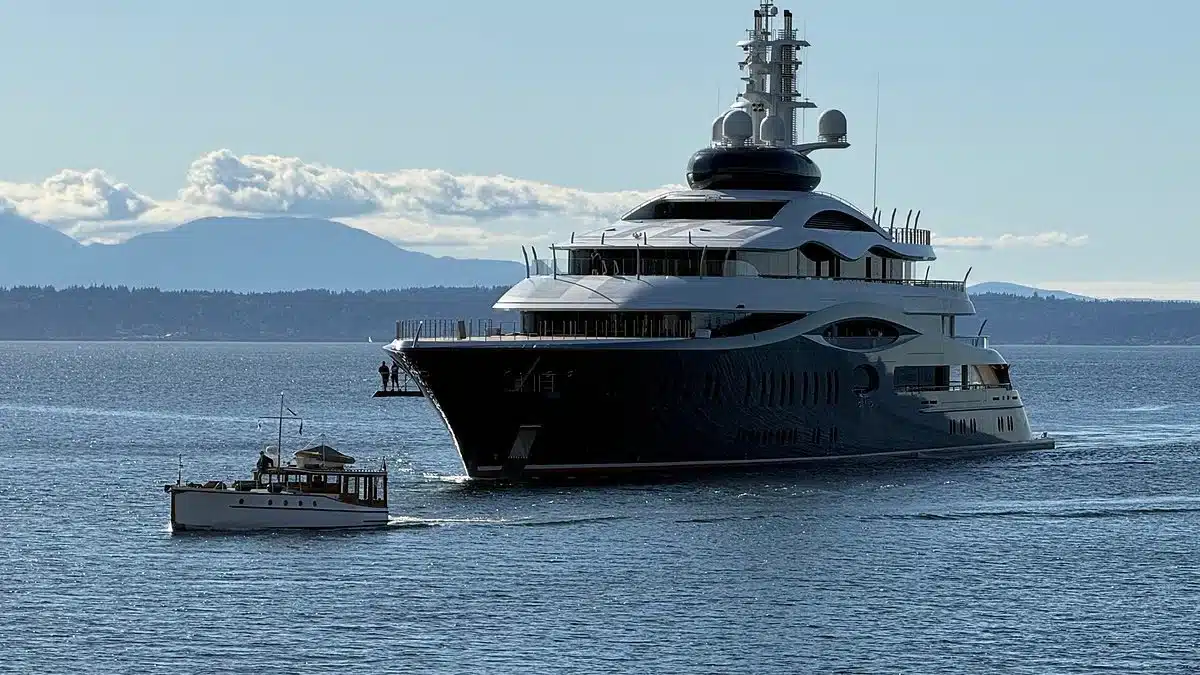
High-profile tech founders are known for pushing the boundaries of luxury travel, but few stories match the scale of Mark Zuckerberg sending his mega-fleet to the Arctic Circle. The headline-grabbing news of zuckerberg superyachts norway heliskiing centers on a 5,300-mile transatlantic journey undertaken by his $300 million flagship vessel and its support ship.
The fleet sailed across the ocean to the icy fjords of northern Norway, serving as a floating base for extreme off-piste skiing. By leveraging an onboard helipad, the voyage navigated strict local helicopter landing rules while exploring some of the most remote alpine terrain in Europe.
This detailed report breaks down the fleet specifications, the legal maneuvering behind the trip, the environmental debate, and what this expedition reveals about the evolving world of private luxury vessels.
The Fleet Behind the Expedition: Launchpad and Wingman
Executing an Arctic skiing journey requires far more than a standard luxury vessel. It demands heavy-duty ice-capable engineering, massive fuel capacity, and dedicated support infrastructure.
Zuckerberg’s voyage relied on a two-ship fleet that dominated local harbors upon arrival in Bodø, Nordland. The primary vessel, Launchpad, was accompanied step-by-step by its shadow support vessel, Wingman.
The Flagship: Launchpad
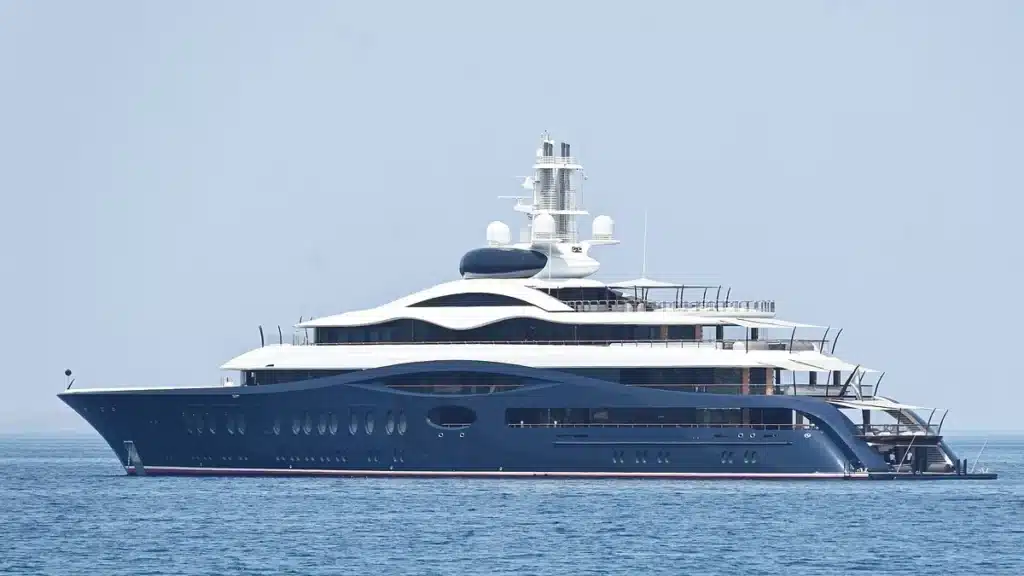
Stretching 118.9 meters (389 feet), Launchpad is a custom Feadship motor vessel built in the Netherlands. Designed by Espen Øino, it features a striking flag-blue steel hull and a modern aluminum superstructure.
The vessel accommodates up to 26 guests across 13 staterooms and runs with a crew of roughly 50 personnel. Onboard amenities include a glass-bottom swimming pool, a private cinema, a wellness spa, and an enclosed observation lounge offering panoramic fjord views.
The Support Vessel: Wingman
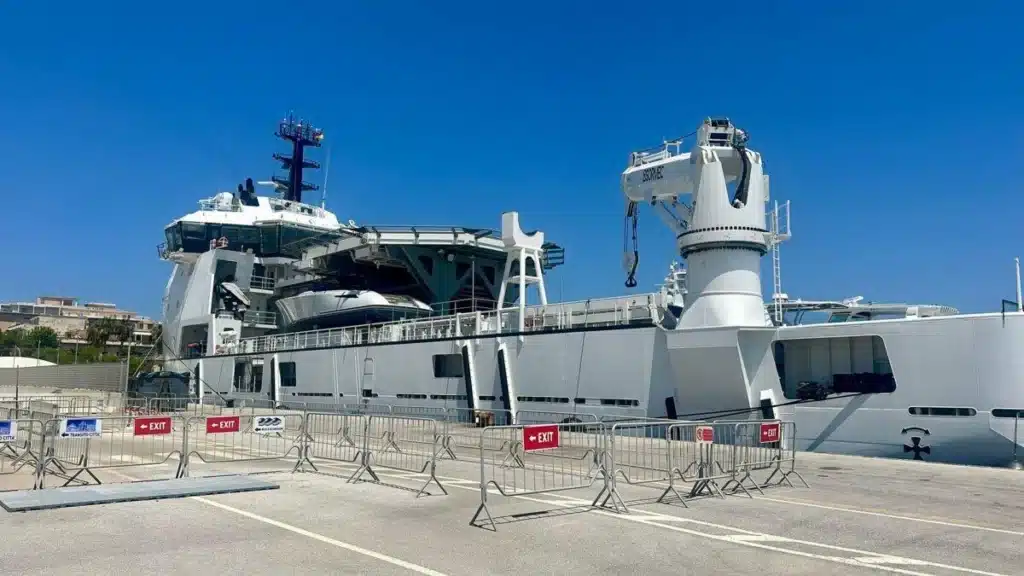
Shadowing the main ship was Wingman, a 67-meter shadow vessel designed specifically to carry extra crew, heavy gear, and specialized vehicles.
Wingman serves as the primary operational platform for sports and aviation. It carries jet skis, diving apparatus, tender boats, and most importantly, a certified helipad capable of launching helicopter transfers at a moment’s notice.
Together, these vessels represent over $330 million in combined marine assets. They rank among the most advanced billionaire yachts currently operating on the world’s oceans.
Why Norway? The Appeal of Arctic Fjord Heliskiing
Planning a norway yacht trip to the far north offers an experience that traditional Mediterranean or Caribbean destinations cannot match.
The Nordland region features mountains that rise straight out of freezing Arctic ocean waters. This unique topography allows skiers to drop onto untouched powder peaks and ski all the way down to sea level.
What Makes Heliskiing in Norway Unique?
Unlike traditional ski resorts that rely on chairlifts and groomed trails, heliskiing norway accesses virgin snowfields accessible only by air.
Direct Water-to-Peak Access: Skiers step straight from an offshore vessel onto an awaiting chopper.
Total Privacy: The remote fjords ensure complete isolation from commercial ski crowds.
Unrivaled Scenery: Gliding down steep alpine corridors while looking directly into deep Arctic ocean waters.
During the Easter holiday window, the region near Hellmofjorden offers extended daylight hours and crisp snow conditions, making it a prime destination for extreme winter sports enthusiasts.
The Legal Loophole: Bypassing Local Helicopter Laws
The arrival of the fleet sparked immediate discussion across Norwegian news outlets regarding environmental regulations and aviation permits.
Norway enforces strict laws governing motorized transport in wilderness areas. Municipal authorities tightly regulate helicopter landings on public land to protect local wildlife and preserve natural quiet zones.
The Maritime Exemption
According to regional municipal officials in Nordland, landing a helicopter on private land requires explicit municipal approval. However, a specific legal distinction applies when operating offshore.
Because maritime law governs vessel operations, landing a helicopter on a ship’s certified helipad does not require municipal land-use permits. By launching directly from Wingman, the expedition utilized a recognized regulatory exemption.
This allowed the helicopter to pick up passengers on water, fly to alpine drop points, and return directly to the ship without requesting local land landing clearances.
The Swedish Border Incident and Reindeer Herders
While the offshore legal workaround functioned in Norway, attempting to extend heliskiing operations across the nearby border into Sweden encountered firm local opposition.
Reports in Swedish and Norwegian media revealed that helicopter operators linked to the trip contacted local Sámi indigenous communities in northern Sweden.
Resistance from Indigenous Communities
The mountains along the border fall within the traditional territory of the Sámi people, who rely on the land for seasonal reindeer herding.
Timing Conflict: Spring marks the critical calving season for reindeer herds, when loud noises can panic mother animals and endanger newborn calves.
Financial Offers Refused: Reindeer herding representatives reported being offered substantial financial compensation to allow helicopter flights over their lands.
Unanimous Rejection: Community boards voted unanimously against the proposals, choosing to protect their herds and cultural traditions rather than accept monetary payment.
This resistance brought international attention to the ethical questions surrounding high-impact luxury tourism in ecologically fragile and culturally sensitive regions.
Fleet Specifications Comparison Table
To put the scale of the mark zuckerberg yacht fleet into perspective, the table below compares Launchpad and Wingman against traditional regional luxury vessels based on available marine data:
| Vessel Name | Vessel Type | Length (Meters / Feet) | Estimated Value | Guest Capacity | Standout Feature |
| Launchpad | Primary Superyacht | 118.9m / 389ft | $300 Million | 26 Guests | Glass Pool, Cinema & Observation Lounge |
| Wingman | Shadow Support Ship | 67.0m / 220ft | $30 Million | Crew & Staff | Certified Helipad & Water Toy Hangar |
| HNoMS Norge | Royal Norwegian Yacht | 80.2m / 263ft | Historic Asset | 14 Guests | Official Residence of the Norwegian Monarch |
| Standard Charter Yacht | Commercial Charter | 45.0m / 147ft | $25 Million | 10 Guests | Standard Sundeck & Basic Tenders |
When docked together in Bodø, the combined length and gross tonnage of Zuckerberg’s fleet dwarfed every other ship in the harbor, including Norway’s historic royal yacht.
Environmental Debates Around Arctic Mega-Yachting
The 5,000-mile transatlantic transit of two massive motor vessels for a private skiing holiday ignited broader debates about carbon emissions and ocean conservation.
Operating high-tonnage vessels across the ocean consumes vast quantities of marine diesel fuel. Environmental researchers regularly highlight that private aviation and mega-yachting produce a disproportionate climate footprint per passenger compared to commercial travel.
As northern waters warm and open up to increased maritime traffic, local governments are considering stricter rules to regulate emissions and helicopter activity in sensitive fjord ecosystems.
The Rising Trend of Adventure Superyachts
The story of zuckerberg superyachts norway heliskiing reflects a wider shift in how ultra-wealthy owners utilize their vessels.
Historically, ownership focused almost exclusively on warm-weather harbors in the Mediterranean and the Caribbean. Today, a new generation of owners seeks active adventure in remote corners of the globe.
Key Elements of Modern Explorer Voyages
Ice-Class Hulls: Reinforced hulls capable of navigating light pack ice and cold northern waters.
Long-Range Autonomy: Advanced fuel capacity allowing vessels to remain self-sufficient in isolated regions for weeks at a time.
Integrated Aviation Support: Fully equipped helipads designed for rapid deployment to off-grid wilderness areas.
Submersibles and Research Gear: Onboard submarines and scientific equipment for deep-water exploration.
These technological advances allow high-net-worth individuals to treat the world’s most extreme environments as personal outdoor sports venues.
Conclusion
The saga of zuckerberg superyachts norway heliskiing highlights how modern luxury travel intersects with local regulations, cutting-edge marine technology, and environmental ethics. By utilizing the support capabilities of a two-ship fleet, the voyage demonstrated how billionaire yachts can access the world’s most remote alpine slopes.
While the expedition proved what is technically achievable on the open sea, the pushback from regional communities serves as a reminder that local traditions and environmental stewardship remain powerful forces. For more authoritative analyses on luxury vessels, marine tech, and high-end automotive trends, visit us at turboocruiser.com.
Frequently Asked Questions
Why did Mark Zuckerberg send his superyacht to Norway?
The fleet traveled over 5,000 miles to the Norwegian fjords to serve as a floating luxury base for an exclusive heliskiing trip in the Arctic mountains.
Is heliskiing legal in Norway?
Heliskiing is strictly regulated on land in Norway, requiring specific municipal permits. However, landing a helicopter on an offshore vessel’s helipad operates under maritime law, which does not require local land-use landing approvals.
What vessels are in Mark Zuckerberg’s superyacht fleet?
The fleet consists of the 118.9-meter flagship superyacht Launchpad and its 67-meter shadow support vessel Wingman, which carries helicopters, water toys, and support crew.
Why did local Swedish communities reject the heliskiing proposal?
Indigenous Sámi herders in northern Sweden rejected financial offers for helicopter access because spring is the sensitive calving season for their reindeer, which are easily stressed by low-flying aircraft.