
There’s something exciting about walking into a dealership and finding a car that looks almost new.
The paint still shines. The seats feel fresh. The dashboard has all the technology you wanted.
Then you notice something even better.
The price is lower than that of a comparable new vehicle.
But there’s one detail that makes the offer particularly interesting: the car is labeled Certified Pre-Owned.
Is that certification genuinely valuable, or is it simply another way for dealerships to charge more for a used vehicle?
Certified pre-owned cars are used vehicles that meet specific inspection, age, mileage, and condition requirements under a certification program. Many manufacturer-backed programs also include additional warranty coverage and other ownership benefits.
For buyers who want a relatively recent vehicle without paying full new-car prices, a certified pre-owned car can be an attractive middle ground.
However, not every certification program offers the same protection.
Some provide extensive manufacturer-backed warranties. Others offer more limited dealer-issued coverage.
Understanding the difference is essential before spending thousands of dollars.
This guide explains how certified pre-owned cars work, what they cost, how their warranties compare, and when buying one makes financial sense.
Key Takeaways
- Certified pre-owned cars are used vehicles that have qualified under a specific certification program.
- Manufacturer-backed CPO programs typically include inspections and additional warranty benefits.
- CPO vehicles often cost more than comparable non-certified used cars.
- Certification does not guarantee that a vehicle is free from defects or future repairs.
- Warranty coverage, inspection requirements, and eligibility vary by manufacturer.
- An independent inspection and vehicle history review remain valuable.
- The best CPO purchase combines a fair price, suitable warranty, good condition, and documented maintenance history.
What Are Certified Pre-Owned Cars?
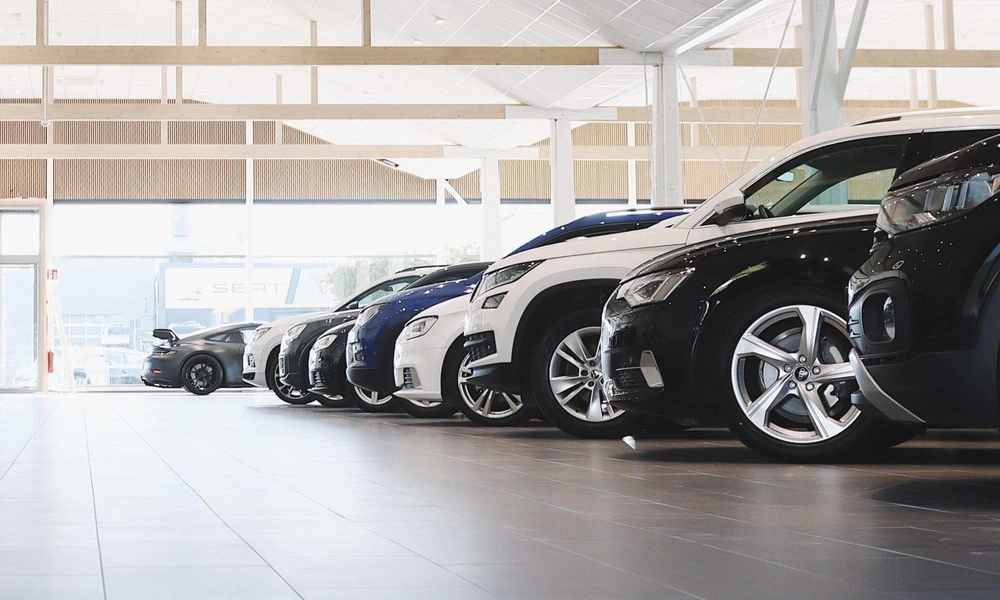
Certified pre-owned cars, often called CPO cars, are previously owned vehicles that meet the standards of a certification program.
These standards typically involve vehicle age, mileage, condition, inspection results, and history.
Many automakers operate official certified pre-owned programs through authorized dealerships.
For example, manufacturers such as Toyota, Honda, Lexus, BMW, Mercedes-Benz, and Porsche have offered certification programs for qualifying used vehicles.
However, eligibility requirements and benefits differ between manufacturers and can change over time.
A certified pre-owned vehicle remains a used car.
The certification simply means that it has satisfied the requirements of the particular program.
What Makes a Car Certified?
A manufacturer-backed certification process commonly includes:
- Checking the vehicle’s age and mileage.
- Reviewing available vehicle history information.
- Inspecting mechanical and electrical components.
- Evaluating safety-related systems.
- Checking interior and exterior condition.
- Completing required maintenance or repairs.
- Confirming eligibility for warranty coverage.
- Issuing certification documentation.
The exact process varies by manufacturer.
Some programs advertise inspections covering more than 100 individual items, but a higher inspection-point count does not automatically mean a better vehicle.
What matters is the quality of the inspection, the repairs completed, and the protection offered afterward.
Certified Pre-Owned vs. Used Cars: What’s the Difference?
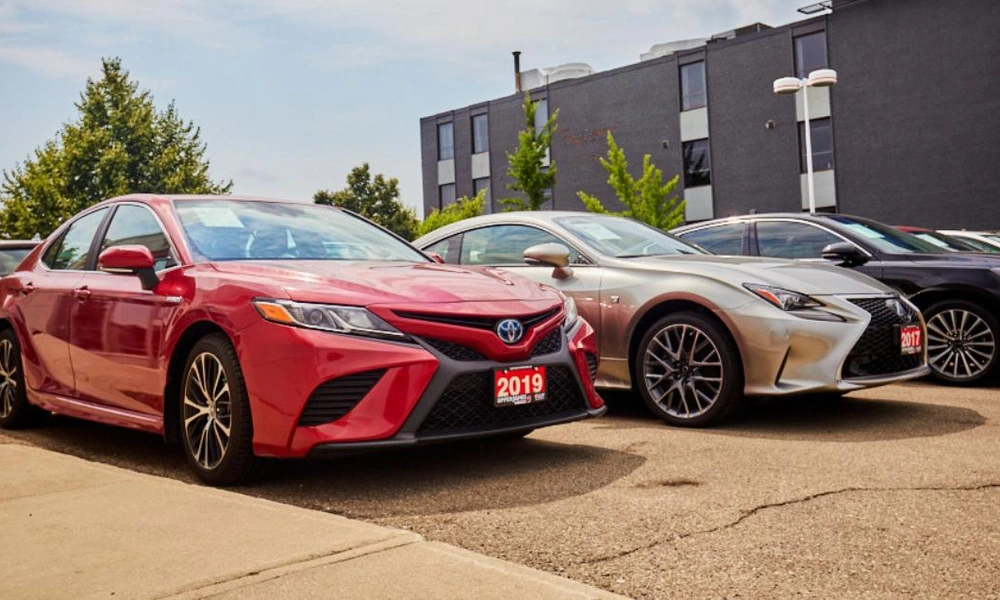
Every certified pre-owned vehicle is a used car, but not every used car qualifies for certification.
The distinction is important.
A conventional used vehicle may be sold by a dealership, private seller, or independent retailer without any special certification.
A manufacturer-certified vehicle must meet the applicable program’s requirements.
| Feature | Certified Pre-Owned Car | Regular Used Car |
| Previous ownership | Yes | Usually |
| Inspection | Required under certification program | Varies |
| Manufacturer-backed warranty | Common in manufacturer CPO programs | May or may not be included |
| Age and mileage limits | Usually apply | No universal limits |
| Purchase price | Often higher | Often lower |
| Vehicle history review | Commonly required | Buyer may need to arrange |
| Roadside assistance | Included in some programs | Depends on seller or coverage |
| Vehicle selection | Limited to eligible vehicles | Broad selection |
| Independent inspection recommended | Yes | Yes |
A regular used car can still be an excellent purchase.
In fact, a well-maintained non-certified vehicle may offer better value than an overpriced certified alternative.
The certification should be evaluated as an additional benefit rather than proof that one vehicle is automatically superior.
How Do Certified Pre-Owned Car Inspections Work?
Inspection requirements are one of the main selling points of certified pre-owned programs.
Before a vehicle receives certification, it typically undergoes an evaluation based on the manufacturer’s checklist.
Engine and Transmission
Technicians may inspect the engine, transmission, cooling system, and related components.
They look for leaks, unusual operation, and signs of mechanical problems.
Brakes and Suspension
Brake components, steering systems, and suspension parts may be evaluated for wear and proper operation.
Electrical Systems
Modern vehicles contain numerous electronic systems.
Inspections may include lighting, sensors, climate controls, infotainment equipment, and other electrical components.
Tires and Wheels
Tire condition, tread depth, and wheel integrity may be checked against program standards.
Interior Condition
Inspectors may examine upholstery, seat mechanisms, dashboard components, and interior equipment.
Exterior Condition
The vehicle’s body, paint, glass, and visible exterior components may also be evaluated.
Road Test
Many programs include a road test to assess how the vehicle operates under normal driving conditions.
Important: Certification does not mean every component is new or that the car cannot develop mechanical problems.
Always request the inspection checklist and ask which repairs were completed before certification.
Are Certified Pre-Owned Cars Worth the Extra Money?
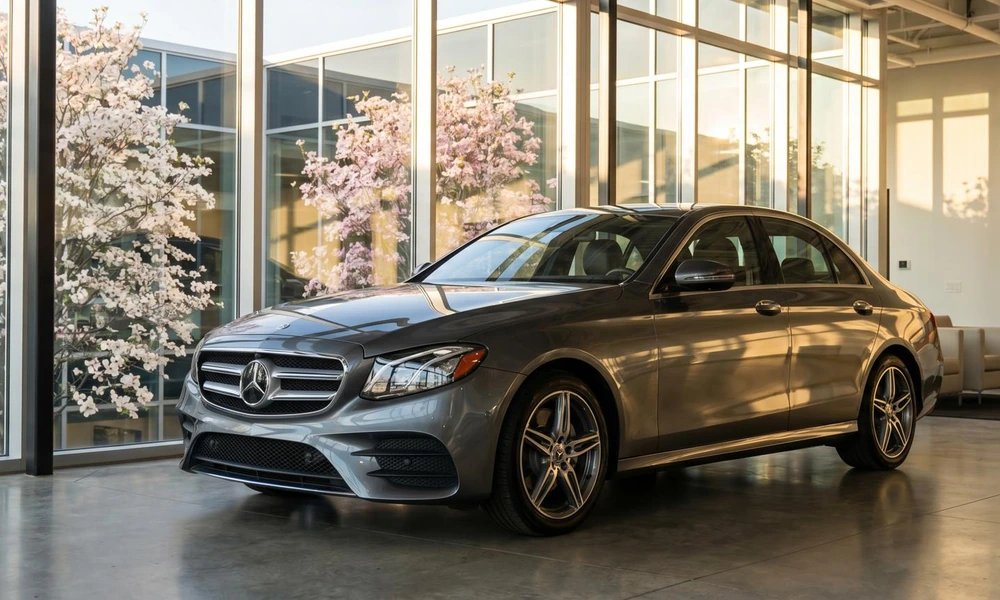
Sometimes, yes.
The value depends on how much more the certified vehicle costs and what you receive in exchange.
Imagine two nearly identical used sedans.
The first costs $22,000 and is sold without certification.
The second costs $23,500 and qualifies under a manufacturer-backed CPO program.
The certified car costs $1,500 more.
Is that premium worthwhile?
It could be if the vehicle includes meaningful warranty coverage, documented reconditioning, and additional benefits.
However, if the warranty is limited or the certification adds little protection, paying the premium may not make sense.
Consider the Entire Package
Evaluate:
- The difference in purchase price.
- Remaining factory warranty coverage.
- Additional CPO warranty benefits.
- Deductibles and exclusions.
- Vehicle condition.
- Maintenance history.
- Roadside assistance.
- Financing terms.
- Potential repair expenses.
A certification is valuable only when its benefits justify its cost.
How Much Do Certified Pre-Owned Cars Cost?
Certified pre-owned vehicles generally cost more than comparable non-certified used cars.
However, there is no universal CPO premium.
The difference depends on the manufacturer, model, age, mileage, condition, warranty coverage, and market demand.
For example, a manufacturer-certified luxury SUV may carry a larger dollar premium than a certified economy sedan.
The same model can also have different prices depending on location and dealership inventory.
Example of a CPO Price Comparison
Consider this hypothetical comparison:
Vehicle A: Regular Used Sedan
Purchase price: $21,500
Certification: None
Additional warranty: Not included
Vehicle B: Manufacturer-Certified Sedan
Purchase price: $23,000
Certification: Included
Additional warranty: Subject to manufacturer program terms
The price difference is $1,500.
Whether that premium is justified depends on the warranty’s actual coverage, the vehicles’ conditions, and the cost of comparable protection.
These figures are illustrative, not current market quotes.
What Does a Certified Pre-Owned Warranty Cover?
Warranty coverage is one of the most important reasons buyers consider certified pre-owned vehicles.
However, the phrase “CPO warranty” does not describe one universal type of coverage.
Powertrain Warranty
Powertrain coverage generally concerns major components involved in producing and transmitting power.
Depending on the program, covered components may include:
- Engine.
- Transmission.
- Drive axles.
- Certain drivetrain components.
Specific exclusions and limitations apply.
Comprehensive or Limited Vehicle Warranty
Some programs offer additional coverage for a wider range of components.
This may include certain electrical, mechanical, or comfort-related systems.
However, the word “comprehensive” does not mean every possible repair is covered.
Roadside Assistance
Some certified pre-owned programs provide roadside assistance.
Benefits may include towing, battery assistance, or other services, subject to program rules.
Additional Benefits
Depending on the manufacturer, benefits may include trip-interruption assistance, rental-car reimbursement, or special financing offers.
Always verify the current terms for the exact vehicle.
What Should You Check in a CPO Warranty?

Before purchasing, ask the dealership for the complete warranty agreement.
Pay particular attention to the following details.
Coverage Start Date
Some warranties begin on the original vehicle’s in-service date.
Others provide coverage beginning when the certified vehicle is purchased or after the original warranty expires.
These differences can significantly affect the remaining protection.
Mileage Limits
A warranty may expire when either its time limit or mileage limit is reached.
Deductibles
Some programs require a deductible for covered repairs.
Exclusions
Wear items, routine maintenance, cosmetic damage, and certain components may be excluded.
Transferability
If you sell the vehicle, the warranty may or may not transfer to the next owner.
Repair Locations
Some programs require repairs at authorized dealerships or approved facilities.
Understanding these details is more useful than focusing only on the advertised warranty length.
Manufacturer-Certified vs. Dealer-Certified Cars

Not every car advertised as certified belongs to an official manufacturer-backed program.
This distinction deserves careful attention.
Manufacturer-Certified Pre-Owned Cars
These vehicles qualify under an automaker’s official certification requirements.
The manufacturer typically defines inspection standards, eligibility rules, and warranty benefits.
Dealer-Certified Used Cars
A dealership may create its own inspection and certification program.
The included warranty may be provided by the dealer or another company.
Coverage can differ significantly from manufacturer-backed certification.
Which Is Better?
Manufacturer-backed programs can offer clearer standardized requirements and established warranty procedures.
However, the actual value still depends on the program’s terms.
A dealer-certified vehicle may also be worth considering if the inspection is thorough, the warranty is useful, and the price is competitive.
Never assume that the word “certified” automatically means manufacturer-certified.
Ask who provides the certification and who is responsible for warranty claims.
Best Types of Certified Pre-Owned Cars to Consider

The best certified pre-owned car depends on your needs.
Rather than choosing solely by brand, start with the vehicle category that fits your lifestyle.
Certified Compact Sedans
Compact sedans can be practical choices for commuters and first-time buyers.
Models worth researching include:
- Toyota Corolla.
- Honda Civic.
- Mazda3.
- Hyundai Elantra.
Compare the available CPO programs, model years, and powertrains.
Certified Midsize Sedans
Midsize sedans often provide additional passenger space and highway comfort.
Potential candidates include:
- Toyota Camry.
- Honda Accord.
- Hyundai Sonata.
- Nissan Altima.
Review model-specific reliability information before deciding.
Certified SUVs
SUVs and crossovers appeal to buyers who want flexible cargo space and a higher seating position.
Examples include:
- Toyota RAV4.
- Honda CR-V.
- Mazda CX-5.
- Subaru Forester.
- Hyundai Tucson.
Availability and certification eligibility vary.
Certified Luxury Cars
Luxury vehicles can experience substantial depreciation, making used examples attractive.
Models worth comparing may include:
- BMW 3 Series.
- Mercedes-Benz C-Class.
- Lexus ES.
- Audi A4.
- Genesis G70.
However, maintenance and repair expenses can remain relatively high even when the purchase price is lower than new.
Warranty coverage deserves particular attention when shopping for used luxury vehicles.
Are Certified Pre-Owned Luxury Cars a Good Deal?
A certified luxury car can offer an appealing combination of premium features and a lower purchase price than a comparable new model.
Imagine finding a beautifully maintained luxury sedan with comfortable leather seating, refined cabin materials, and advanced technology.
It may cost substantially less than it did when new.
That sounds attractive.
But luxury ownership involves more than the purchase price.
Premium tires, specialized components, insurance, and repairs may cost more than those for mainstream vehicles.
A manufacturer-backed CPO warranty can help reduce certain repair risks, but it does not eliminate ownership expenses.
Before buying a certified luxury vehicle, estimate maintenance, insurance, depreciation, and potential out-of-warranty repair costs.
Can You Negotiate the Price of a Certified Pre-Owned Car?
Yes.
Certification does not automatically make a vehicle’s asking price non-negotiable.
The amount of negotiating flexibility depends on the dealership, inventory, market demand, and vehicle condition.
Research Comparable Listings
Compare vehicles with similar:
- Model years.
- Trim levels.
- Mileage.
- Equipment.
- Condition.
- Certification status.
Request the Out-the-Door Price
Ask for a written breakdown that includes the vehicle price, taxes, registration charges, and dealer fees.
Check for Additional Charges
Ask whether the advertised price already includes certification.
Be cautious if unexpected certification fees appear during negotiations.
Compare Financing Offers
Manufacturer-backed CPO programs sometimes offer promotional financing for eligible buyers.
However, special financing is not always the cheapest option.
Compare annual percentage rates, loan terms, and total borrowing costs.
What Are the Disadvantages of Certified Pre-Owned Cars?
Certified pre-owned vehicles offer potential benefits, but they also have limitations.
Higher Purchase Prices
CPO vehicles commonly cost more than comparable non-certified used cars.
Limited Selection
Not every used vehicle qualifies for certification.
This can restrict your choices.
Warranty Exclusions
Certification does not guarantee coverage for every repair.
Previous Wear and Tear
A certified vehicle is still used.
Its components may already have experienced years of wear.
Certification Quality Varies
Inspection requirements and warranty benefits differ among programs.
Potential Dealer Add-Ons
Some dealerships offer optional protection packages or services that increase the final price.
Review these charges carefully.
Certified Pre-Owned vs. New Cars: Which Should You Buy?
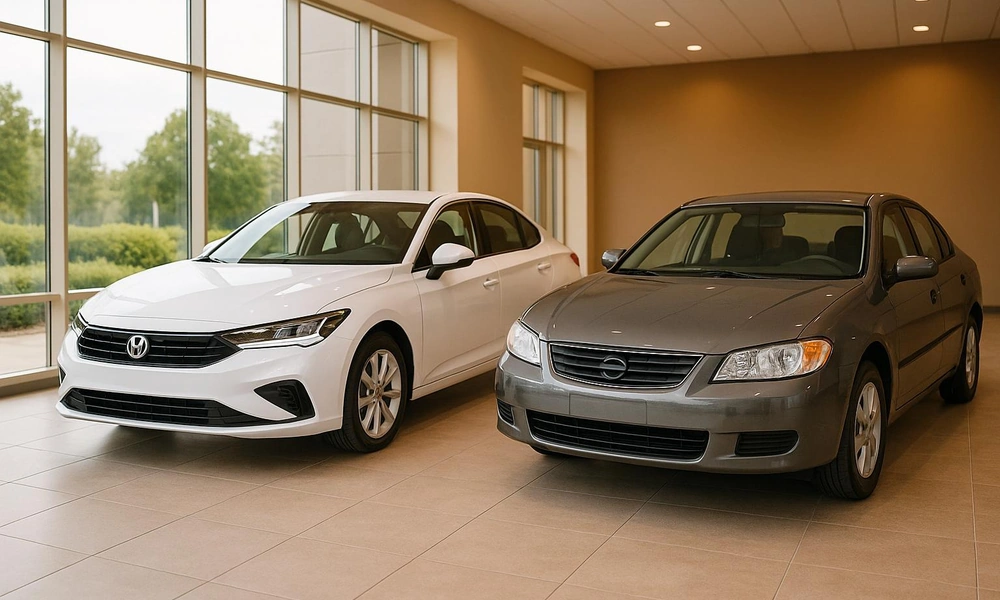
Buying new provides certain advantages.
You receive a vehicle without a previous retail owner, full applicable new-car warranty coverage, and access to the latest available equipment.
However, a new car generally costs more than a comparable used example.
A certified pre-owned vehicle may offer many desirable features at a lower purchase price.
The trade-off is that it has already accumulated mileage and experienced some depreciation and wear.
Choose a New Car If:
You prioritize being the first owner, want a specific configuration, or value full new-car warranty coverage.
Choose a Certified Pre-Owned Car If:
You want a relatively recent used vehicle with program-backed inspection standards and additional warranty benefits.
Neither option is universally better.
Compare actual prices, financing, warranty coverage, and long-term costs.
How to Buy a Certified Pre-Owned Car: Step-by-Step
Step 1: Set Your Budget
Determine what you can comfortably afford.
Include insurance, fuel, maintenance, taxes, and financing expenses.
Step 2: Choose Your Vehicle Category
Decide whether you need a sedan, SUV, truck, hybrid, or electric vehicle.
Step 3: Research Specific Models
Investigate reliability, safety ratings, maintenance requirements, and common problems.
Pay attention to model-year differences.
Step 4: Compare Certification Programs
Review the eligibility standards, warranty coverage, and additional benefits.
Step 5: Check the Vehicle History
Request a vehicle history report and review available maintenance records.
Remember that history reports may not contain every accident or repair.
Step 6: Review the Inspection Checklist
Ask which components were inspected and whether any repairs were completed.
Step 7: Arrange an Independent Inspection
Even certified vehicles can have overlooked issues.
An independent mechanic can provide another assessment of the vehicle’s condition.
Step 8: Test-Drive the Car
Evaluate braking, steering, acceleration, cabin noise, and comfort.
Step 9: Compare the Final Price
Review the full out-the-door cost and financing terms.
Step 10: Read the Warranty Before Signing
Confirm the warranty provider, coverage dates, exclusions, deductibles, and claims process.
Certified Pre-Owned Car Buying Checklist
Before completing your purchase, confirm the following:
- The vehicle belongs to a legitimate certification program.
- You know whether certification is manufacturer-backed or dealer-backed.
- The vehicle meets the program’s eligibility requirements.
- You have reviewed the inspection checklist.
- You have checked available service records.
- You have reviewed the vehicle history report.
- You have researched recalls and model-specific problems.
- You have completed a test drive.
- You have considered an independent inspection.
- You understand the warranty’s exclusions and limits.
- You have compared similar non-certified vehicles.
- You have reviewed the complete out-the-door price.
A careful buying process matters more than the certification badge alone.
Frequently Asked Questions About Certified Pre-Owned Cars
What does certified pre-owned mean?
Certified pre-owned means a used vehicle has met the inspection, eligibility, and condition standards of a particular certification program.
Are certified pre-owned cars better than regular used cars?
They may offer additional inspections and warranty benefits, but certification does not automatically make a vehicle better than every non-certified alternative.
Are certified pre-owned cars worth buying?
They can be worthwhile when the additional warranty protection, inspection standards, and other benefits justify the higher purchase price.
Do certified pre-owned cars come with warranties?
Many manufacturer-backed programs include additional warranty coverage. Exact terms vary by manufacturer and vehicle.
Can certified pre-owned cars have accidents?
Certification programs may restrict certain accident histories, but requirements differ. Review the vehicle history and inspection records.
Can you negotiate certified pre-owned car prices?
Yes. Prices may be negotiable depending on the dealership and market conditions.
How old can a certified pre-owned car be?
Age and mileage eligibility limits vary by manufacturer and certification program.
Is a certified pre-owned car the same as a refurbished car?
Not necessarily. CPO refers to a specific certification process, while refurbished is a broader term that may describe repairs or reconditioning.
Should I inspect a certified pre-owned car before buying?
Yes. An independent inspection can help identify issues that may not be obvious during a test drive.
Are certified pre-owned luxury cars reliable?
Reliability depends on the specific model, model year, condition, and maintenance history. Certification may provide additional protection but does not guarantee reliability.
Final Verdict: Should You Buy a Certified Pre-Owned Car in 2026?
Certified pre-owned cars can offer an appealing balance between the affordability of used vehicles and the added reassurance of a structured certification program.
For some buyers, that combination is exactly what they need.
You may find a relatively recent vehicle with modern technology, attractive styling, and useful warranty coverage for less than the price of a comparable new car.
But certification should never replace careful research.
A CPO badge doesn’t guarantee perfect condition, unlimited warranty protection, or the lowest possible price.
The best certified pre-owned car is one that has been properly maintained, independently evaluated, fairly priced, and supported by warranty coverage you understand.
Compare certified and non-certified alternatives, review the documentation, and calculate the total cost of ownership.
When the numbers and the vehicle’s condition make sense, a certified pre-owned car can be a smart purchase.
Disclaimer: This article is provided for general informational and educational purposes only and does not promote or endorse any product, service, brand, or individual. Details may change, and no guarantee is made regarding completeness or accuracy.