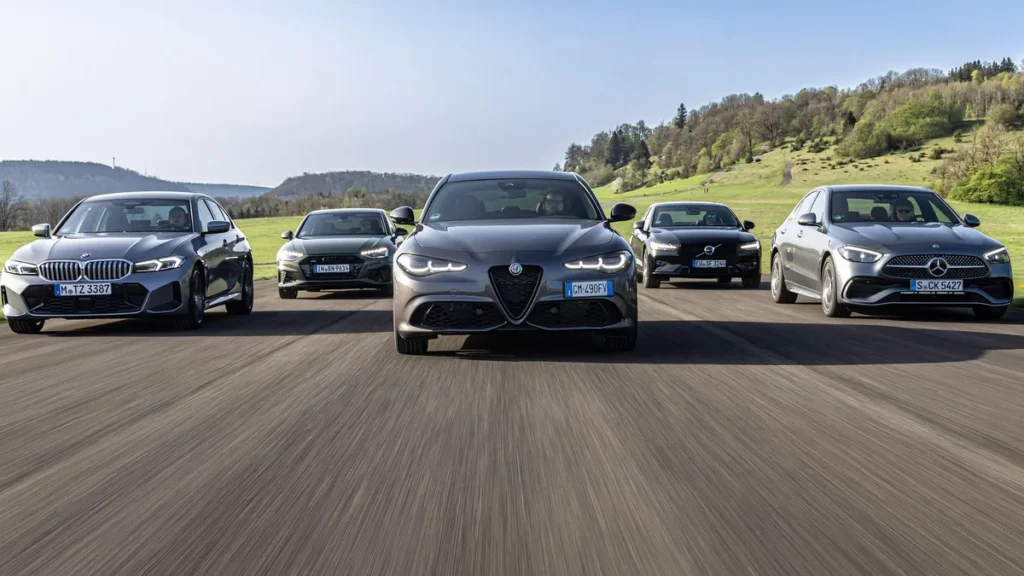
Sedan cars are passenger vehicles with a traditional three-box design: an engine compartment, a passenger cabin, and a separate trunk. They remain popular because they offer comfortable seating, practical storage, predictable handling, and a wide range of engine and equipment options.
From affordable compact models to premium luxury vehicles, sedans serve different needs and budgets. Some prioritize fuel efficiency and everyday commuting, while others focus on comfort, technology, and performance.
Understanding the different sedan categories can help you choose a vehicle that suits your lifestyle.
What Is a Sedan Car?
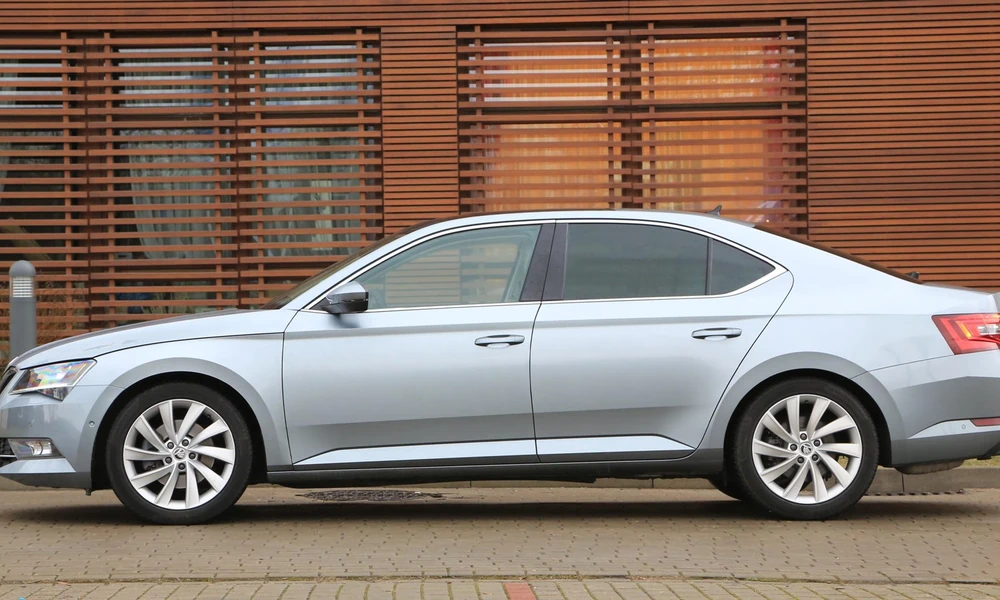
A sedan is generally a four-door passenger vehicle with a fixed roof and a separate enclosed luggage compartment.
Unlike hatchbacks, which provide access to the cargo area through a rear liftgate, traditional sedans have a separate trunk.
Common sedan characteristics include:
- Four passenger doors.
- A fixed roof.
- A separate trunk.
- Seating for four or five people, depending on the model.
- A conventional passenger-car driving position.
- Available gasoline, hybrid, and electric powertrains.
Sedans come in different sizes, from small city-friendly vehicles to spacious executive and luxury models.
Different Types of Sedan Cars
Compact Sedans
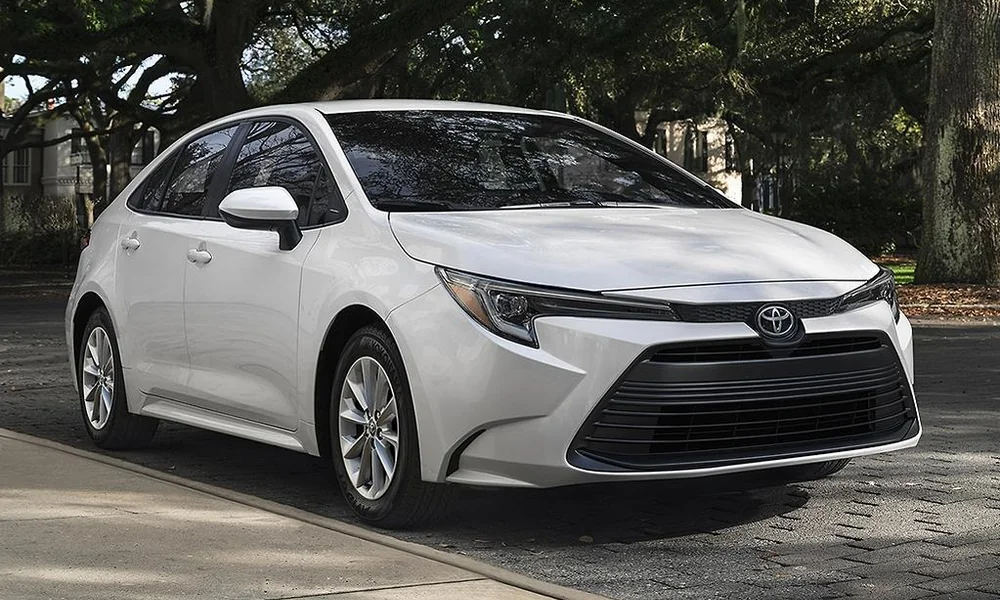
Compact sedans are designed for drivers who want practical transportation without the size of a larger vehicle.
They typically offer manageable dimensions, reasonable fuel consumption, and enough interior space for everyday commuting.
Examples include the Toyota Corolla, Honda Civic, and Hyundai Elantra.
Midsize Sedans
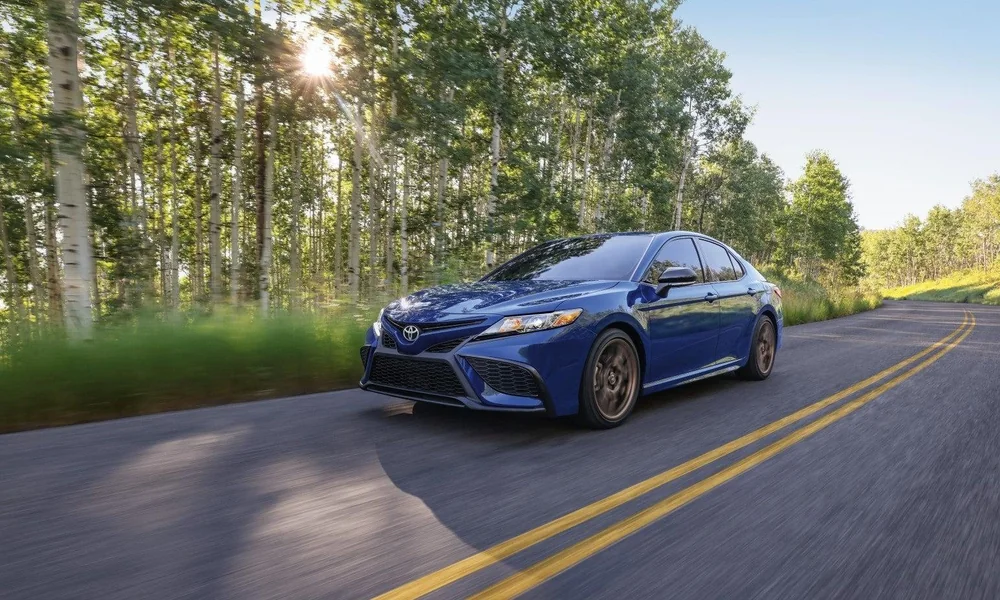
Midsize sedans generally provide more passenger space and comfort than compact models.
They can be suitable for families, regular highway driving, and longer journeys.
Examples include the Toyota Camry, Honda Accord, and Nissan Altima.
Full-Size Sedans
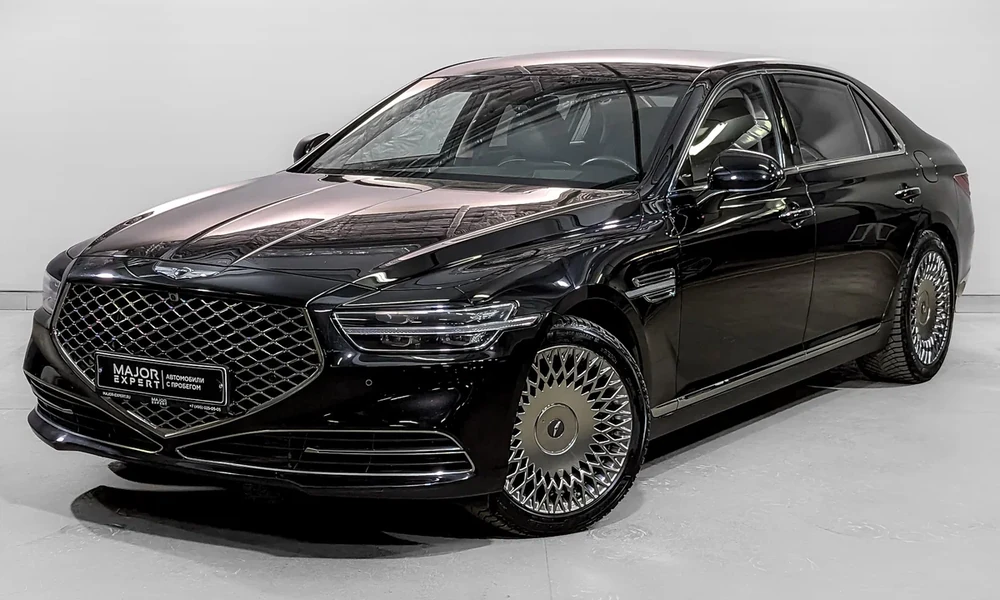
Full-size sedans emphasize passenger comfort, cabin space, and a more substantial road presence.
They may include larger engines, additional luxury equipment, and more generous rear-seat accommodation.
Availability varies by manufacturer and market.
Luxury Sedans

Luxury sedans focus on premium materials, advanced technology, quiet cabins, and refined driving experiences.
Examples include the Mercedes-Benz E-Class, BMW 5 Series, and Audi A6.
Sports Sedans

Sports sedans combine the practicality of a conventional passenger car with performance-oriented engineering.
They may feature stronger engines, sport-tuned suspension, upgraded brakes, and more responsive steering.
Examples include the BMW M3 and Cadillac CT4-V.
Hybrid Sedans
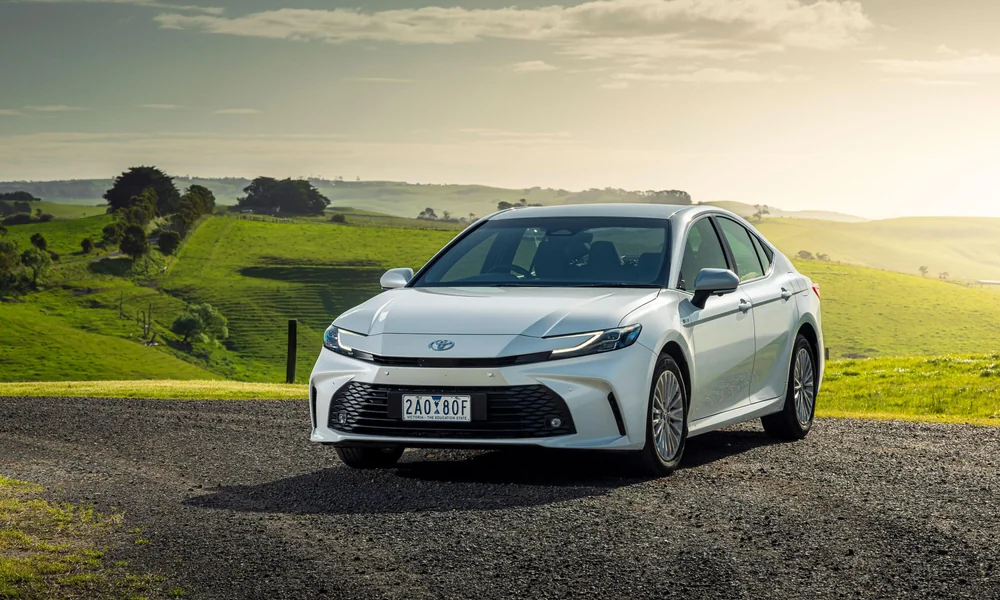
Hybrid sedans combine a conventional combustion engine with an electric motor and battery system.
They can improve fuel efficiency, particularly in stop-and-go driving, depending on the vehicle and driving conditions.
The Toyota Prius and Toyota Camry Hybrid are examples of hybrid-oriented sedan options.
Benefits of Owning a Sedan
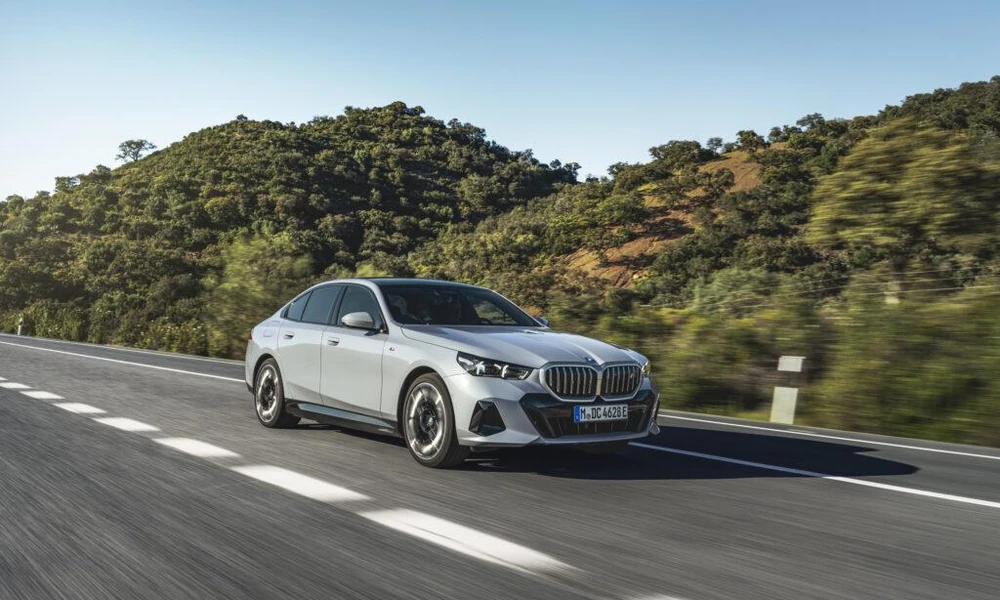
Comfortable Everyday Driving
Sedans are often designed to provide a balanced ride for commuting, errands, and longer journeys.
Their conventional seating position and enclosed cabin can make them comfortable for regular use.
Practical Fuel Consumption
Many compact and midsize sedans are designed with efficiency in mind.
Hybrid versions can offer additional fuel savings, although actual consumption depends on driving conditions, maintenance, and powertrain design.
Easier Parking and Maneuvering
Smaller sedans can be easier to park and maneuver than larger SUVs and pickup trucks.
This can be particularly useful in crowded urban areas.
Separate Trunk Space
A traditional sedan provides an enclosed trunk for luggage, groceries, and other belongings.
The separate cargo compartment also keeps luggage out of the main passenger cabin.
Wide Range of Choices
The sedan category includes affordable commuter cars, family vehicles, premium models, and performance-focused options.
This gives buyers flexibility when comparing prices and features.
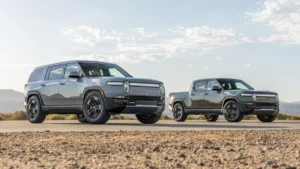
Sedan Cars vs. SUVs
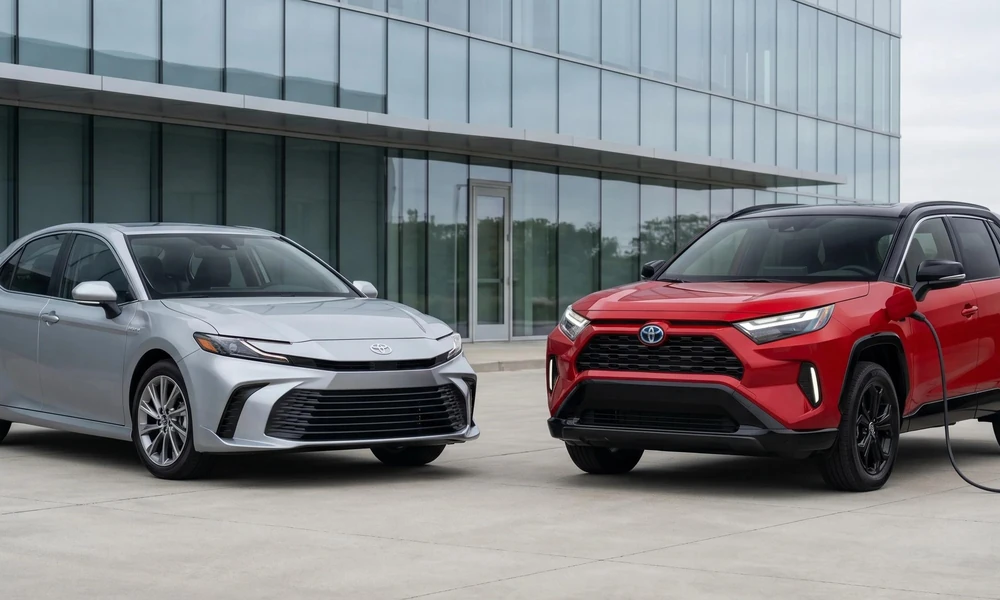
Sedans and SUVs serve different driving preferences.
| Feature | Sedan Cars | SUVs |
| Body design | Lower passenger-car body | Taller body with higher seating position |
| Ground clearance | Generally lower | Often higher |
| Cargo access | Separate trunk | Usually rear liftgate |
| Parking | Often easier in compact spaces | Depends on vehicle size |
| Passenger space | Varies by class | Often offers more flexible seating |
| Driving position | Lower seating position | Higher seating position |
| Fuel efficiency | Many models prioritize efficiency | Depends on size and powertrain |
A sedan may be a good choice for drivers who prioritize everyday comfort, manageable dimensions, and efficiency. An SUV may be more suitable for those who need greater ground clearance, flexible cargo space, or additional seating.
Popular Sedan Cars to Consider
Toyota Corolla
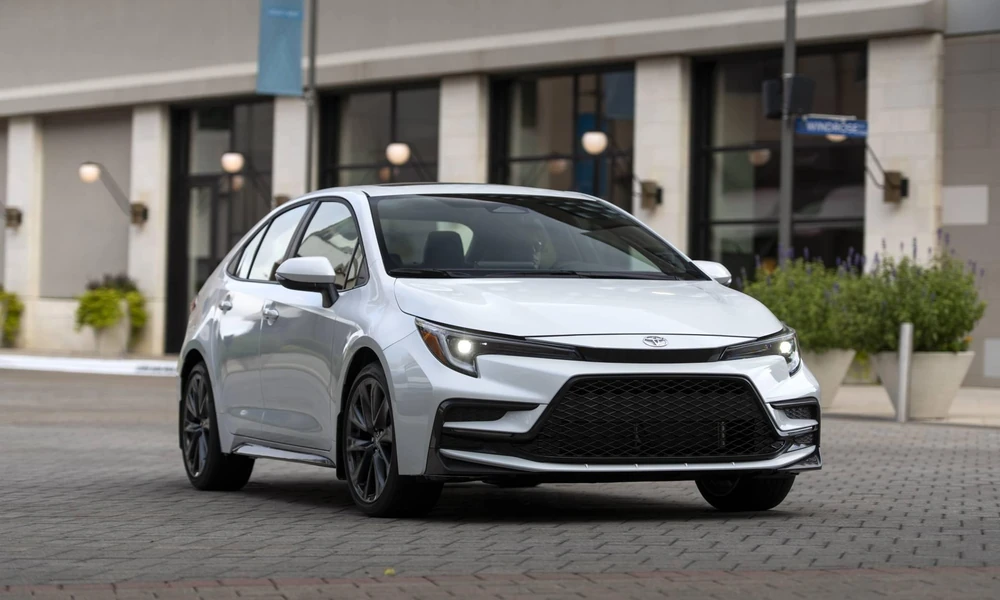
The Toyota Corolla is a widely recognized compact sedan. It is known for practical design, broad market availability, and a range of powertrain options depending on the market and model year.
Honda Civic
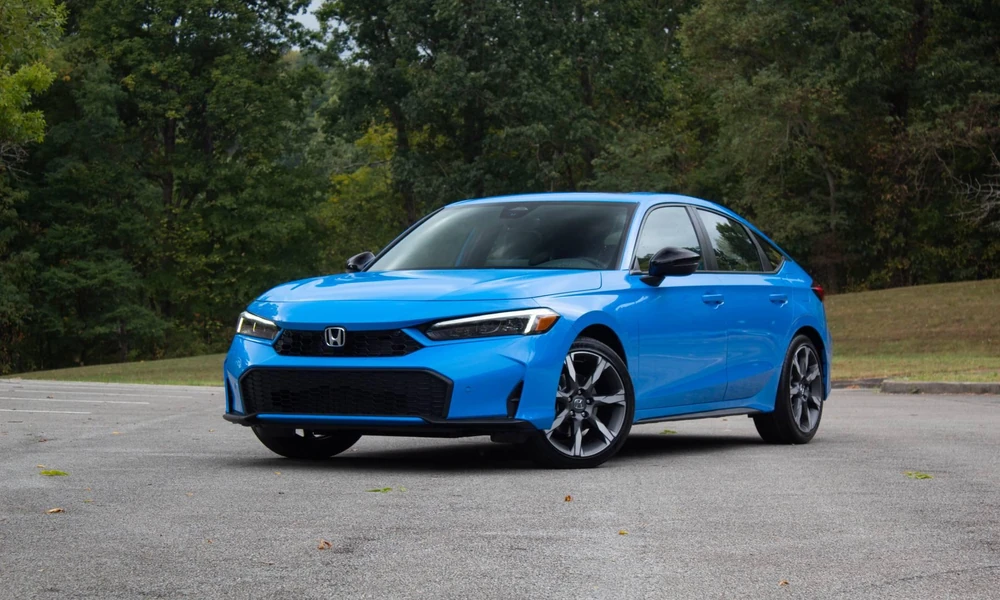
The Honda Civic combines compact dimensions with a comfortable cabin and engaging driving characteristics.
It is available in different body styles and configurations depending on the generation and market.
Toyota Camry
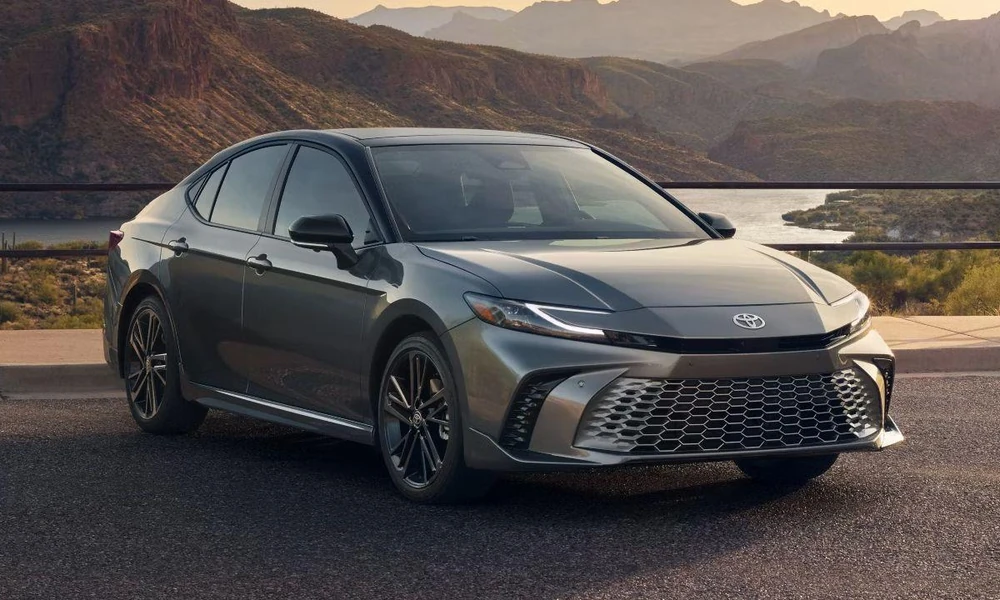
The Toyota Camry is a midsize sedan known for its spacious interior and everyday practicality.
Selected generations and markets offer hybrid versions.
Honda Accord
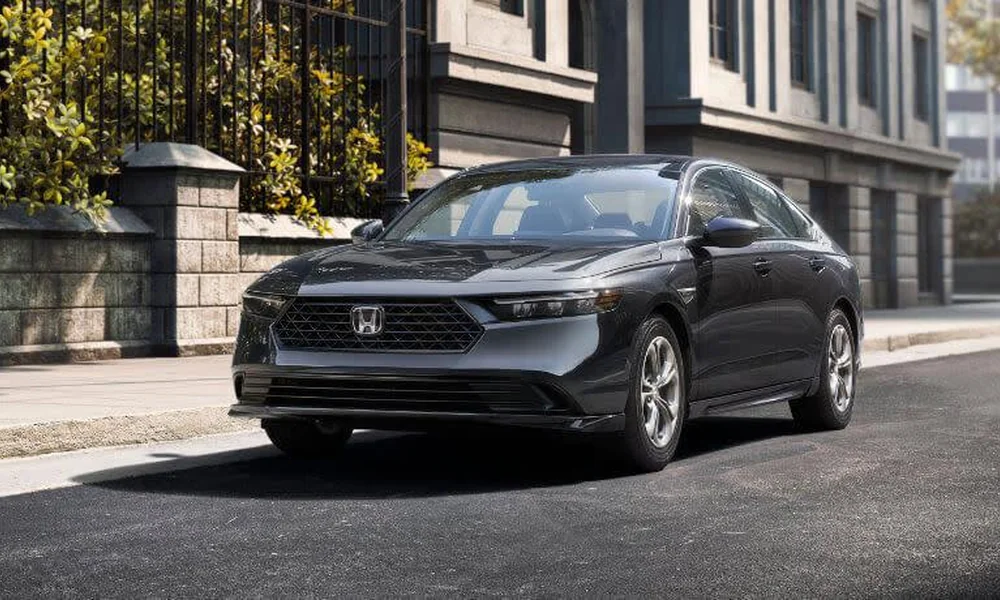
The Honda Accord is a midsize sedan that emphasizes passenger comfort, interior space, and a balanced driving experience.
Hyundai Elantra
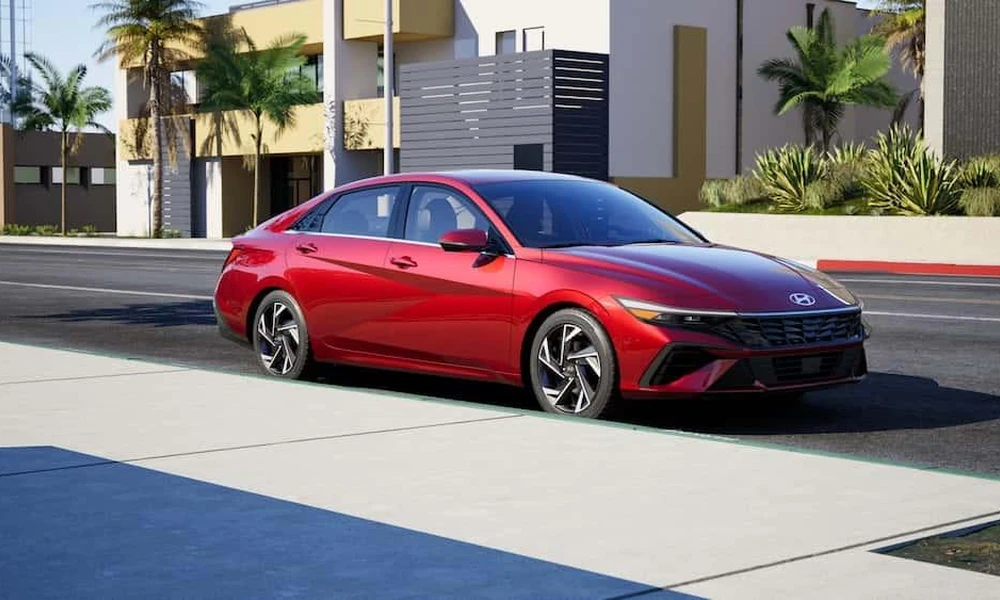
The Hyundai Elantra is a compact sedan with modern styling, technology features, and different engine options across model years.
Mercedes-Benz E-Class
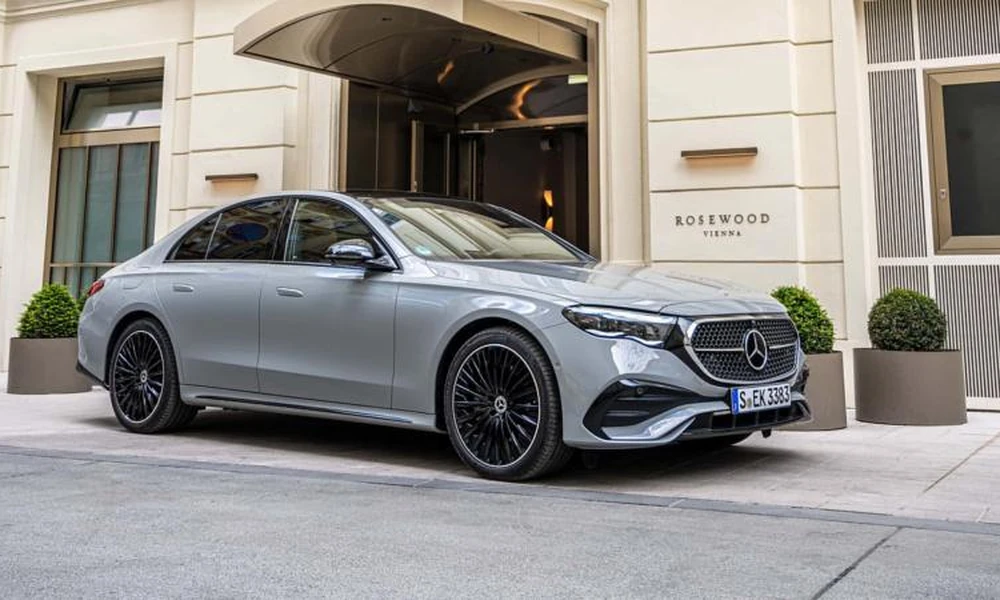
The Mercedes-Benz E-Class is a premium sedan focused on comfort, technology, and refined interior design.
BMW 3 Series
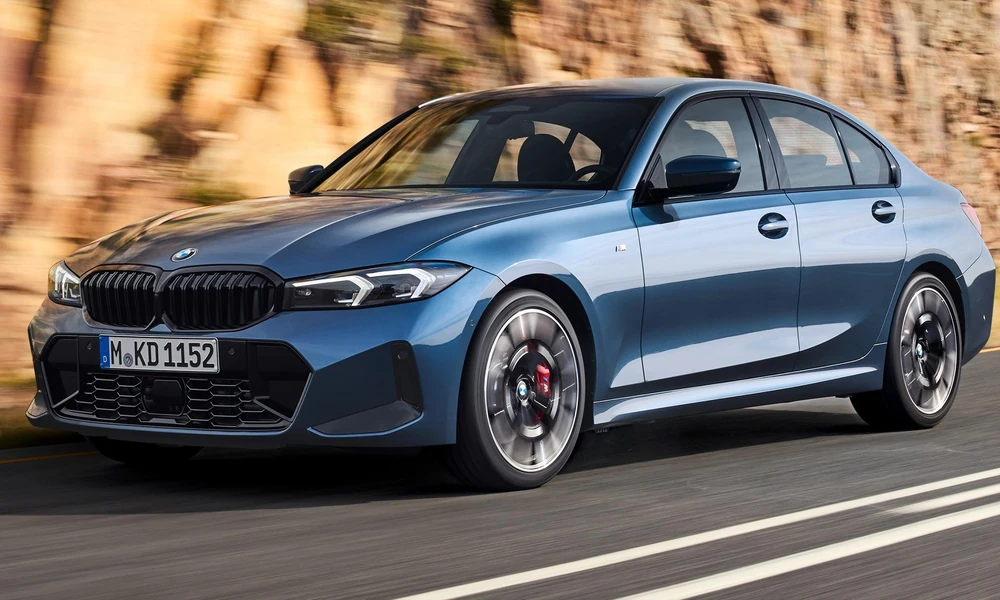
The BMW 3 Series is a compact luxury sedan recognized for combining everyday usability with a sportier driving character.
What to Consider Before Buying a Sedan

Choosing a sedan involves more than comparing exterior styling or advertised prices.
Budget
Set a realistic purchase budget that includes taxes, registration, insurance, financing, and initial maintenance.
For used cars, keep additional funds available for unexpected repairs.
Fuel Economy
Compare official fuel-economy figures for the exact model year and engine.
Real-world consumption may differ depending on traffic, driving habits, road conditions, and vehicle maintenance.
Interior Space
Check front and rear seating comfort, legroom, headroom, and trunk capacity.
If you regularly travel with passengers, make sure the rear seats provide enough room.
Safety Features
Review available safety equipment, including:
- Automatic emergency braking.
- Lane-departure warning.
- Blind-spot monitoring.
- Adaptive cruise control.
- Electronic stability control.
- Airbag coverage.
- Rearview cameras.
Feature availability varies by trim and model year.
Reliability and Maintenance
Research the specific generation and powertrain rather than judging an entire brand by reputation.
Check service history, common repair concerns, parts availability, and warranty coverage.
Resale Value
Some sedans retain their value better than others. Local demand, vehicle condition, mileage, maintenance records, and market supply all influence resale prices.
Are Sedan Cars Still Worth Buying?
Sedans remain relevant despite the growing popularity of SUVs and crossovers.
They offer a practical combination of passenger comfort, everyday usability, and a traditional driving experience.
Many manufacturers continue to offer sedan models, including gasoline, hybrid, and electric options. However, availability differs between countries and model years.
For buyers who do not need SUV ground clearance or a large cargo area, a sedan can still be a sensible choice.
Frequently Asked Questions About Sedan Cars
What is the difference between a sedan and a hatchback?
A sedan usually has a separate enclosed trunk, while a hatchback has a rear liftgate that opens into the cargo area.
Are sedan cars good for families?
Yes. Many midsize and full-size sedans provide comfortable passenger seating and practical trunk space. However, families should compare rear-seat room and cargo needs before buying.
Which sedan cars are fuel-efficient?
Fuel efficiency depends on the engine, vehicle weight, transmission, and driving conditions. Compact sedans and hybrid models are often worth considering.
Are sedans cheaper than SUVs?
Sedans can have lower purchase prices than comparable SUVs, but the difference depends on the model, trim, market, and equipment.
What is a luxury sedan?
A luxury sedan is a passenger car designed with an emphasis on premium materials, comfort, advanced technology, quieter interiors, and refined performance.
Are sedan cars good for long-distance driving?
Many sedans are suitable for highway journeys because they offer comfortable seating, stable handling, and enclosed luggage space. Ride quality and cabin comfort vary by model.
What is the most common type of sedan?
Compact and midsize sedans are common categories in many markets. Their popularity comes from their balance of passenger space, practicality, and everyday usability.
Final Verdict
Sedan cars offer a versatile combination of comfort, practicality, and driving convenience. Compact models suit everyday commuting, midsize sedans provide additional passenger space, and luxury and sports sedans offer more specialized experiences.
Before choosing one, compare the exact model year, powertrain, safety equipment, maintenance requirements, and ownership costs. The best sedan is the one that fits your budget and everyday driving needs.
Disclaimer: This article is provided for general informational and educational purposes only and does not promote or endorse any product, service, brand, or individual. Details may change, and no guarantee is made regarding completeness or accuracy.