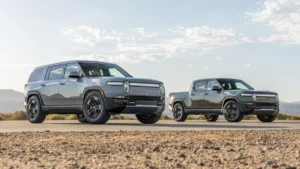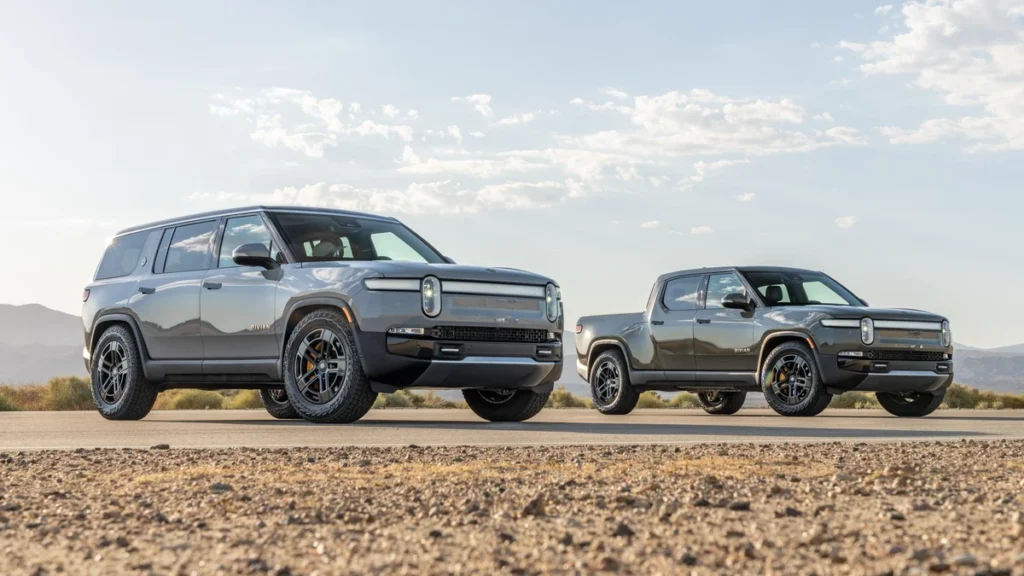
Rivian is an American electric vehicle manufacturer known for adventure-focused vehicles that combine electric performance with practical utility. Its best-known consumer models are the R1T electric pickup truck and the R1S electric SUV, both designed for drivers who want modern technology, substantial cargo capacity, and the ability to travel beyond ordinary city routes.
Unlike traditional automakers that have gradually introduced electric models, Rivian built its identity around battery-powered vehicles. Its lineup emphasizes distinctive styling, software-driven features, storage solutions, and capabilities intended for outdoor recreation and everyday driving.
If you are researching Rivian cars, understanding the available models, driving range, charging options, ownership costs, and practical limitations can help you decide whether the brand fits your needs.
What Is Rivian?
Rivian Automotive is an American electric vehicle company headquartered in Irvine, California. The company develops electric vehicles, vehicle software, and related technology.
Rivian initially attracted attention with its R1T pickup and R1S SUV. Both vehicles feature an all-electric powertrain, a distinctive exterior design, and technology designed around connected driving.
The company also develops commercial electric vans and has been expanding its vehicle platform strategy to reach more customers.
Rivian’s main appeal is the combination of electric driving with the utility associated with trucks and SUVs. Its vehicles are designed for people who need passenger space, cargo flexibility, and the ability to handle a variety of road conditions.
Rivian Vehicle Models
Rivian R1T: The Electric Pickup Truck
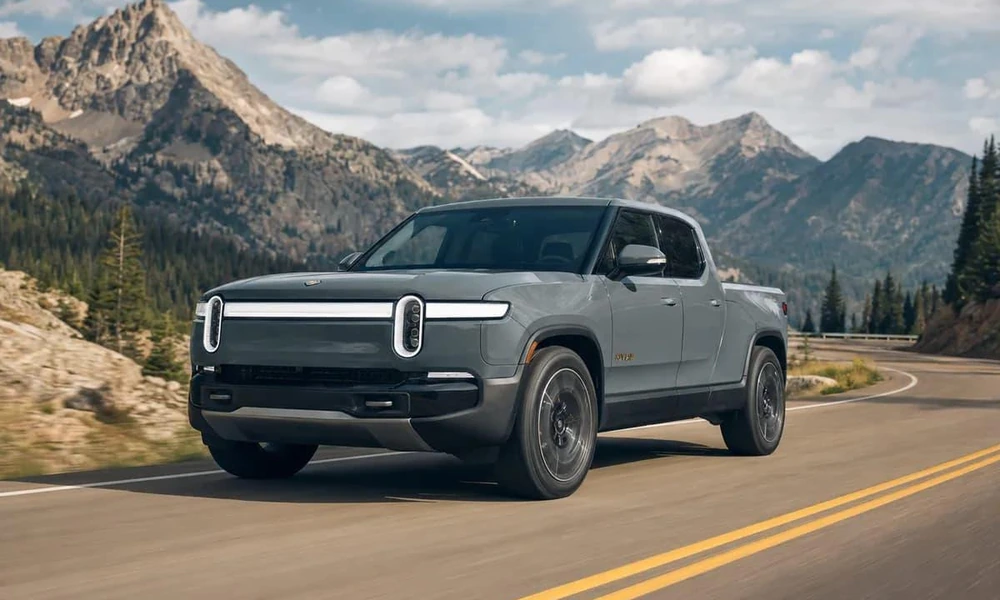
The Rivian R1T is an all-electric pickup designed for everyday transportation, hauling, and outdoor activities.
Its pickup configuration makes it useful for carrying equipment, camping supplies, and other cargo. Depending on the version, the R1T can offer substantial acceleration alongside the practicality expected from a truck.
Key features may include:
- An all-electric powertrain.
- Multiple motor configurations, depending on the model year.
- A front storage compartment.
- A lockable storage area integrated into the body.
- Available driver-assistance and connected-vehicle technology.
- Towing capability that varies by configuration.
The R1T may suit drivers who want a pickup but prefer electric propulsion over a traditional gasoline or diesel engine.
However, buyers should consider towing-related range reductions, charging access, vehicle dimensions, and payload limits before using it for demanding work.
Rivian R1S: The Electric SUV
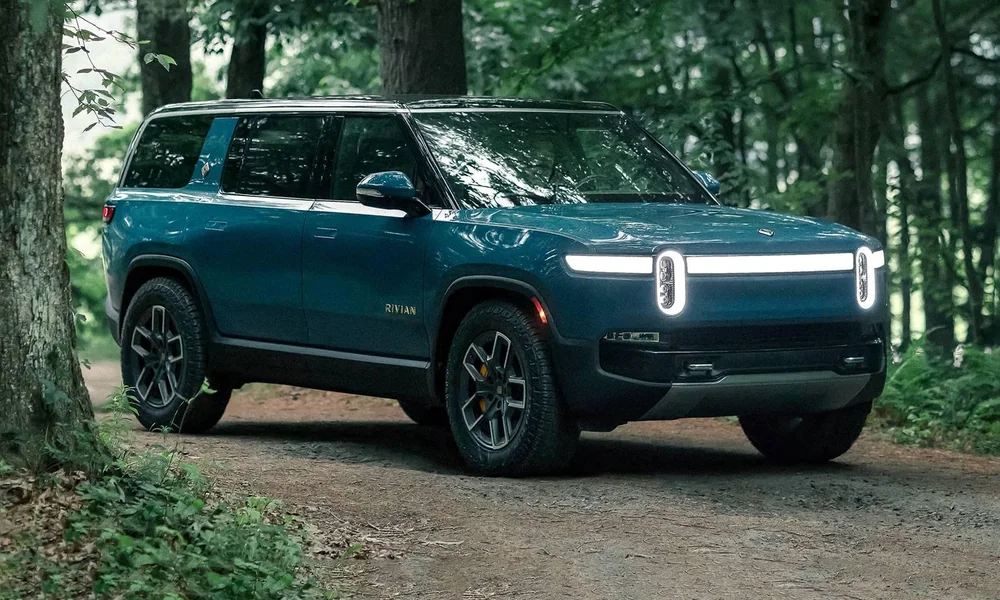
The Rivian R1S is an all-electric SUV with three-row seating in its conventional configuration. It is designed for families, road trips, and outdoor activities.
Compared with the R1T, the R1S offers an enclosed passenger and cargo area rather than an open pickup bed.
Its main advantages include:
- Space for passengers across multiple seating rows.
- Flexible cargo storage when seats are folded.
- Electric acceleration and regenerative braking.
- Available all-wheel-drive configurations.
- A large central infotainment display.
- Driver-assistance features that vary by model year and equipment.
The R1S can be an appealing option for households that need SUV versatility without relying on gasoline. However, its size may make parking and maneuvering more challenging in crowded urban areas.
Rivian R2: A Smaller Electric SUV
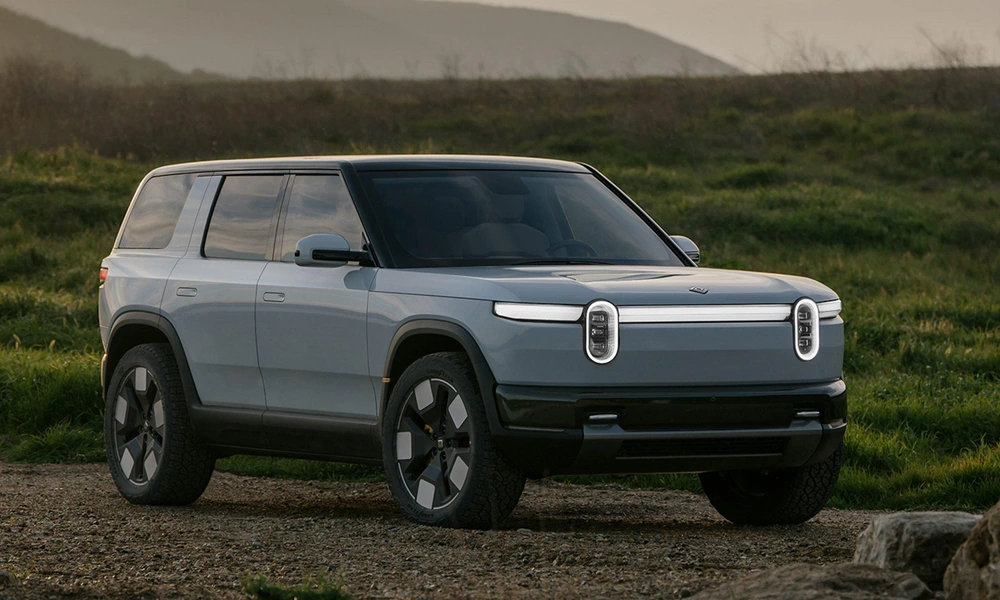
Rivian has also developed the R2, a midsize electric SUV intended to make the brand accessible to a broader group of buyers.
The R2 is positioned below the R1S in size and market segment. Its purpose is to offer Rivian’s design approach and electric vehicle technology in a more compact package.
Availability, specifications, pricing, and delivery timing depend on the market and production schedule. Buyers should confirm current details directly with Rivian before making purchasing decisions.
Rivian Commercial Electric Vans
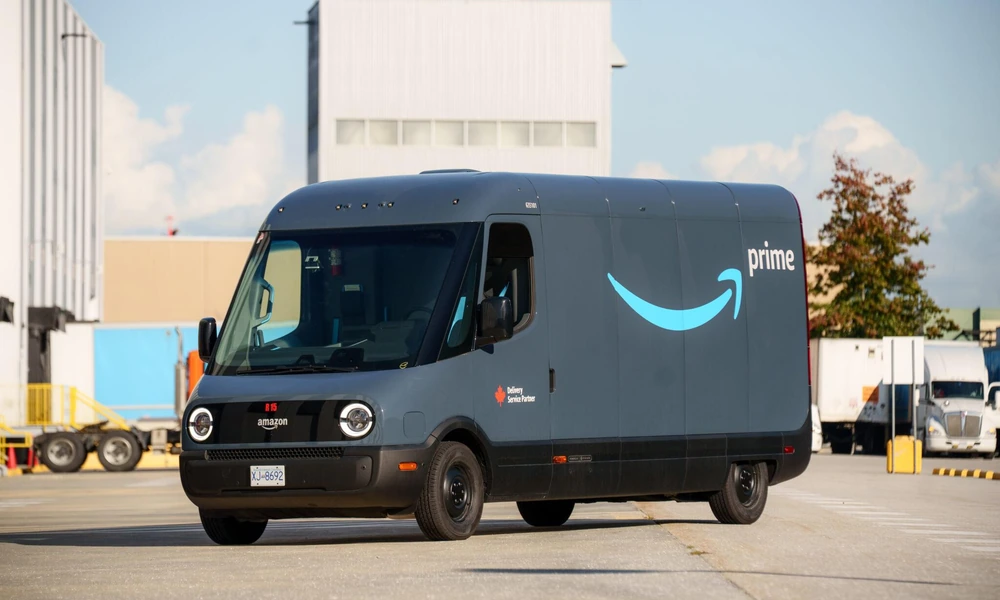
Rivian also produces electric delivery vehicles for commercial applications. These vans are designed for business fleets rather than conventional private ownership.
Electric delivery vehicles can help businesses reduce local tailpipe emissions and potentially lower energy and maintenance costs, depending on vehicle use, electricity prices, and fleet operations.
Their suitability depends on cargo requirements, daily driving distances, charging infrastructure, and the economics of fleet replacement.
How Much Do Rivian Cars Cost?
Rivian vehicle prices depend on the model, battery configuration, motor setup, optional equipment, model year, and local market.
The R1T and R1S occupy the premium electric vehicle segment, while the R2 is intended to reach a broader market. Exact prices and availability can change, so buyers should check current manufacturer listings and local taxes before budgeting.
The purchase price is only one part of the total cost of ownership.
Charging Costs
Charging at home can be convenient and may cost less per mile than fueling a comparable gasoline vehicle. Actual savings depend on electricity rates, charging losses, driving habits, and the efficiency of the vehicle.
Public fast charging can be more expensive than home charging, particularly when used frequently.
Insurance
Insurance premiums depend on the driver’s history, location, coverage, vehicle value, repair costs, and insurer. Obtain quotes for the exact model before purchasing.
Maintenance
Electric vehicles do not require conventional engine oil changes and generally have fewer routine powertrain maintenance items than gasoline vehicles.
However, tires, brakes, suspension components, cabin filters, cooling systems, and other parts still require attention. Repairs to specialized electric vehicle components can be expensive.
Depreciation
Resale values depend on used EV demand, battery condition, mileage, warranty coverage, vehicle updates, and changes in new-car pricing.
Potential buyers should compare the total cost of ownership rather than assuming an electric vehicle will automatically be cheaper over its entire lifespan.
Rivian Range and Battery Performance
Driving range is one of the most important considerations when evaluating Rivian cars.
The R1T and R1S are available in different configurations, and their estimated ranges vary according to battery size, wheel and tire selection, motor configuration, and model year.
Actual range also depends on:
- Driving speed.
- Temperature and weather.
- Road elevation.
- Cabin heating and air conditioning.
- Tire pressure and vehicle load.
- Towing or carrying heavy equipment.
Highway driving, cold weather, and towing can reduce range considerably. If you regularly take long trips or travel to remote areas, plan charging stops around realistic driving conditions rather than relying exclusively on the advertised estimate.
Charging a Rivian Electric Vehicle
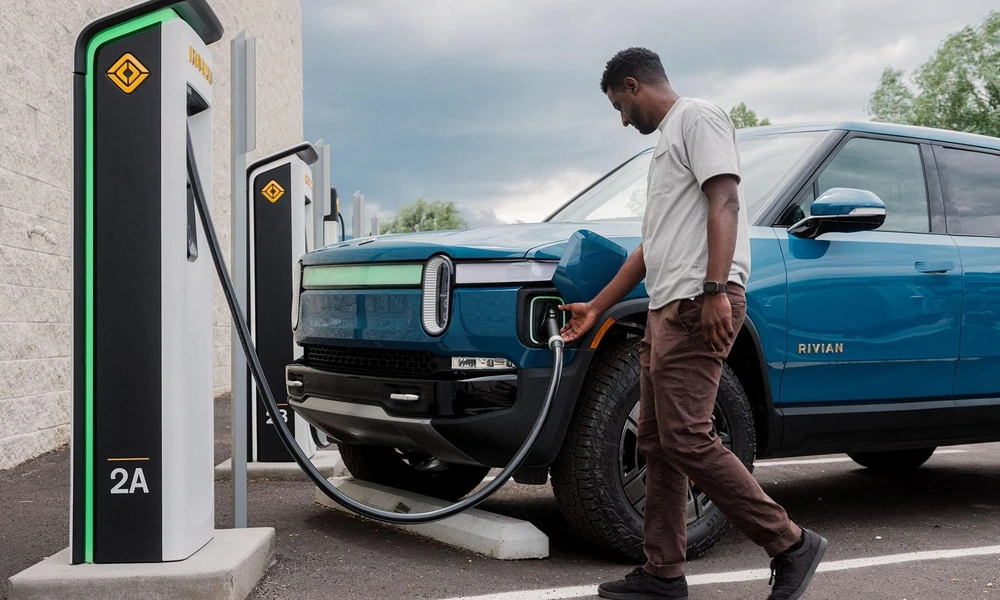
Rivian vehicles can be charged at home or at compatible public charging stations.
Home Charging
A professionally installed Level 2 home charger can make daily ownership convenient. Owners can often recharge overnight, depending on the vehicle’s battery, charging equipment, and available electrical capacity.
Before installing a charger, consider the electrical panel, installation costs, parking arrangements, and local electrical requirements.
Public Charging
Public charging networks support longer journeys, although availability, charging speed, connector compatibility, and payment arrangements vary.
Before traveling, check the route, charging locations, station operating status, and backup options. Charging speeds can also slow as the battery approaches a high state of charge or when battery conditions are not optimal.
How Long Does Charging Take?
Charging time depends on the charging equipment, battery size, starting charge level, temperature, and vehicle charging limits.
A home charger typically adds range over several hours, while a compatible DC fast charger can replenish a substantial amount of battery capacity more quickly.
Manufacturer charging estimates should be treated as conditional figures rather than guaranteed results for every journey.
Are Rivian Cars Good for Families?

The R1S may work well for families that need multiple seating rows, flexible cargo space, and electric driving.
Its SUV format can accommodate passengers, luggage, sports equipment, and outdoor gear. However, families should test the third row, child-seat installation, access to rear seats, and cargo capacity with all seats in use.
The R1T may be better suited to households that need pickup utility, outdoor equipment storage, or occasional hauling.
Neither vehicle is ideal for every family. Parking space, local charging access, road conditions, and the cost of insurance should all influence the decision.
Are Rivian Cars Good for Off-Road Driving?
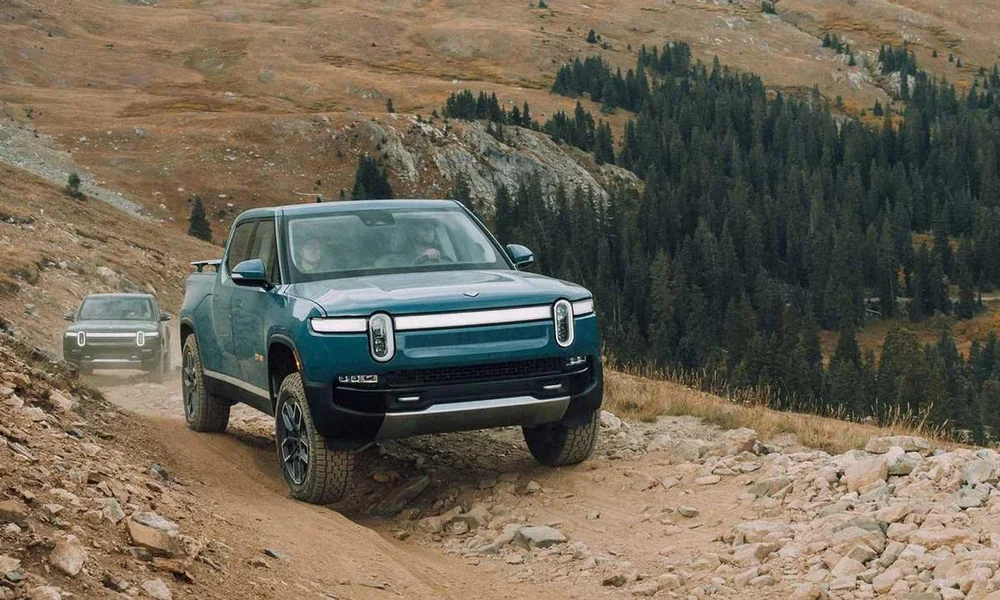
Rivian’s R1 vehicles are designed with capabilities that can support selected off-road activities, depending on the configuration and equipment.
Features may include all-wheel drive, adjustable ride height, specialized drive modes, and electronic traction management.
Nevertheless, off-road capability depends on ground clearance, approach and departure angles, tires, vehicle weight, water-crossing limits, and driver experience.
Electric vehicles can deliver precise torque control, but they are also heavy, and rough terrain can affect range. Drivers should follow manufacturer guidance and avoid routes that exceed the vehicle’s stated limits.
Rivian vs. Tesla
Rivian and Tesla both manufacture electric vehicles, but their lineups and brand priorities differ.
| Feature | Rivian | Tesla |
| Main consumer focus | Electric trucks and SUVs, with a broader lineup in development | Electric sedans and SUVs |
| Recognizable models | R1T and R1S | Model 3 and Model Y |
| Design emphasis | Outdoor utility and adventure-oriented use | Road efficiency, technology, and broad electric mobility |
| Pickup option | R1T | No directly equivalent mainstream pickup in the core Model 3/Y lineup |
| Charging | Home and compatible public charging networks | Home charging and Tesla’s charging ecosystem, with compatibility varying by vehicle and location |
The better choice depends on the vehicle type you need, charging access, price, interior preferences, and intended driving conditions.
What to Check Before Buying a Used Rivian
A used Rivian may provide an opportunity to enter the electric vehicle market at a lower purchase price than a comparable new vehicle. However, careful inspection is important.
Before purchasing, review:
- Battery and charging performance: Check for warning messages and confirm that the vehicle charges normally.
- Service history: Review maintenance, repairs, recalls, and any previous collision damage.
- Tires and suspension: These components can be costly, especially on a heavy, high-performance vehicle.
- Software and features: Confirm which software features and driver-assistance functions are available.
- Warranty coverage: Verify remaining coverage, transferability, and exclusions.
- Vehicle history: Check ownership documents, accident records, title status, and any outstanding finance.
- Charging access: Make sure the vehicle works with the charging equipment and networks you plan to use.
A qualified electric vehicle technician can help assess the vehicle’s condition before the sale is finalized.
Frequently Asked Questions About Rivian Cars
Is Rivian a fully electric car company?
Rivian’s consumer vehicles, including the R1T and R1S, are fully electric. The company also develops electric commercial vehicles and additional consumer models.
Does Rivian make an electric truck?
Yes. The Rivian R1T is an all-electric pickup truck designed for passenger use, cargo carrying, and selected recreational activities.
Does Rivian make a seven-seat SUV?
The R1S offers three-row seating and can accommodate up to seven occupants in configurations equipped for seven seats. Confirm the seating arrangement of the specific vehicle.
How far can a Rivian travel on one charge?
Range depends on the model, battery, wheels, tires, driving conditions, and other factors. Check the official estimate for the exact model year and configuration, and expect real-world results to vary.
Can you charge a Rivian at home?
Yes. Rivian vehicles can be charged at home using compatible charging equipment. A Level 2 charger is a common option for convenient overnight charging.
Are Rivian vehicles reliable?
Reliability can vary by model year, individual vehicle condition, software version, and maintenance history. Review recent owner feedback, recall information, warranty coverage, and independent reliability data before purchasing.
Final Verdict
Rivian cars offer a distinctive approach to electric mobility by combining battery-powered performance with pickup-truck and SUV practicality. The R1T is designed for drivers who need truck utility, while the R1S offers a more family-oriented SUV layout. The R2 represents the company’s effort to reach a wider market.
Before buying, compare the exact vehicle configuration, real-world driving range, charging options, warranty, and total ownership costs. The best Rivian is the one that fits your daily driving needs and charging situation—not simply the model with the highest performance figures.
Disclaimer: This article is provided for general informational and educational purposes only and does not promote or endorse any product, service, brand, or individual. Details may change, and no guarantee is made regarding completeness or accuracy.