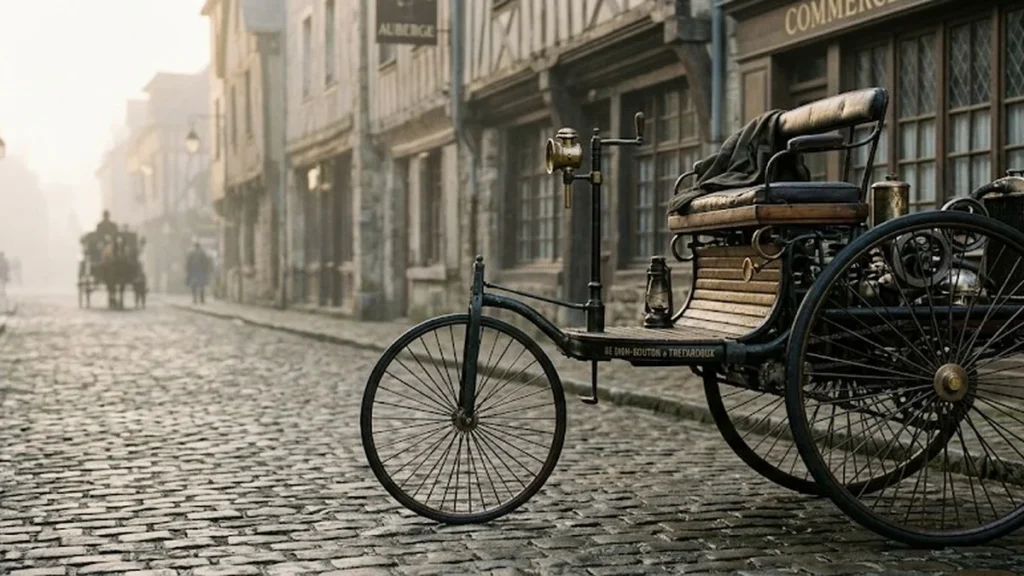
Cars were invented over several centuries, but the modern automobile is generally traced to 1885–1886, when German engineer Karl Benz developed and patented a practical gasoline-powered vehicle. His Benz Patent-Motorwagen, patented in 1886, is widely recognized as one of the first automobiles designed to be powered by an internal combustion engine.
However, the story began long before Benz. Inventors experimented with steam-powered road vehicles during the 1700s, and later engineers developed electric and gasoline-powered designs. The automobile emerged through decades of experimentation rather than a single invention at one moment.
Who Invented the First Car?
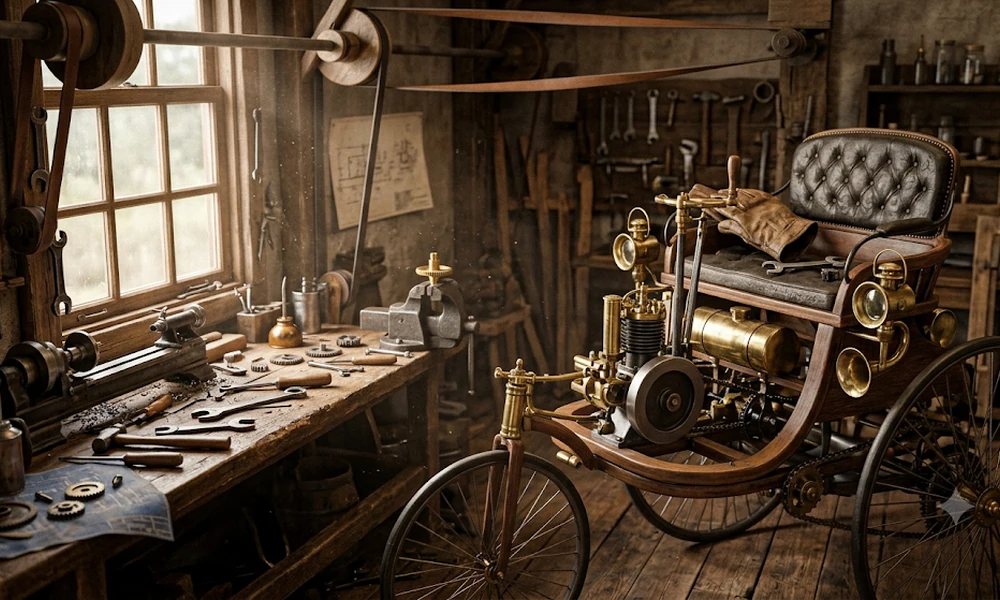
German engineer Karl Benz is widely credited with creating the first practical gasoline-powered automobile.
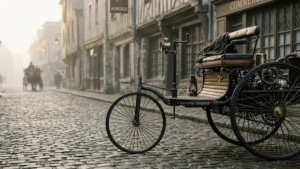
In 1885, Benz built a three-wheeled vehicle powered by a single-cylinder, four-stroke internal combustion engine. He applied for a patent on January 29, 1886, and the patent was granted later that year. This milestone helped establish the beginning of the modern automobile industry.
Benz’s vehicle was called the Patent-Motorwagen. Unlike a horse-drawn carriage, it generated its own power and did not depend on an animal to move.
Other inventors also played important roles in automotive history. Gottlieb Daimler and Wilhelm Maybach developed their own gasoline-powered engine and vehicle technologies during the same period. Automotive progress was happening across Europe, with engineers exploring different ways to make self-propelled transportation practical.
A Timeline of Car Invention
The development of cars involved several major breakthroughs.
1769: An Early Steam-Powered Road Vehicle
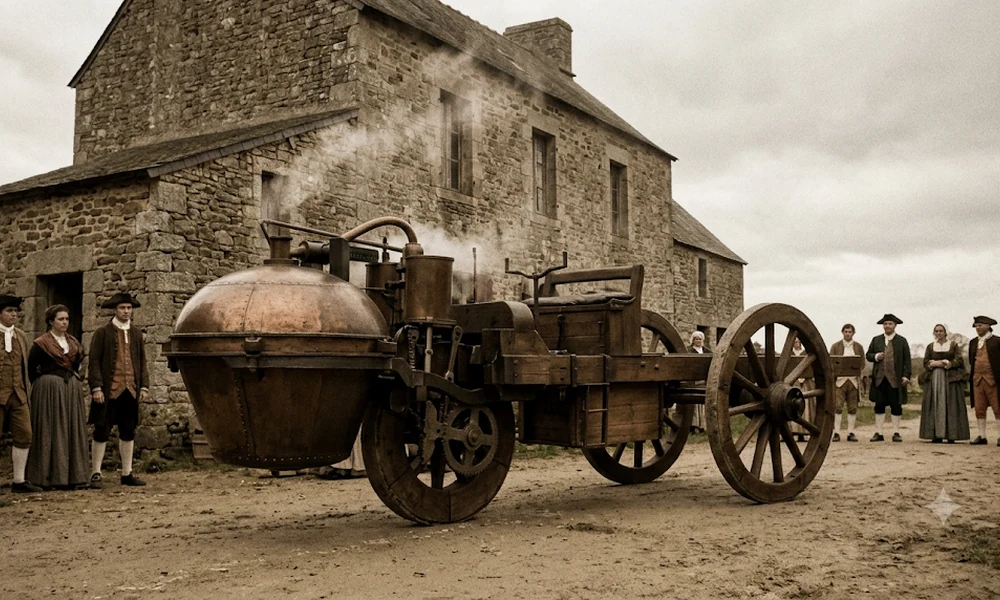
French inventor Nicolas-Joseph Cugnot built a steam-powered vehicle intended to move heavy artillery. It was slow and difficult to operate, but it demonstrated that a road vehicle could move under its own power without horses.
This early machine was very different from a modern car, yet it represents an important step in the history of motorized transportation.
1800s: Experiments With Electric and Steam Vehicles
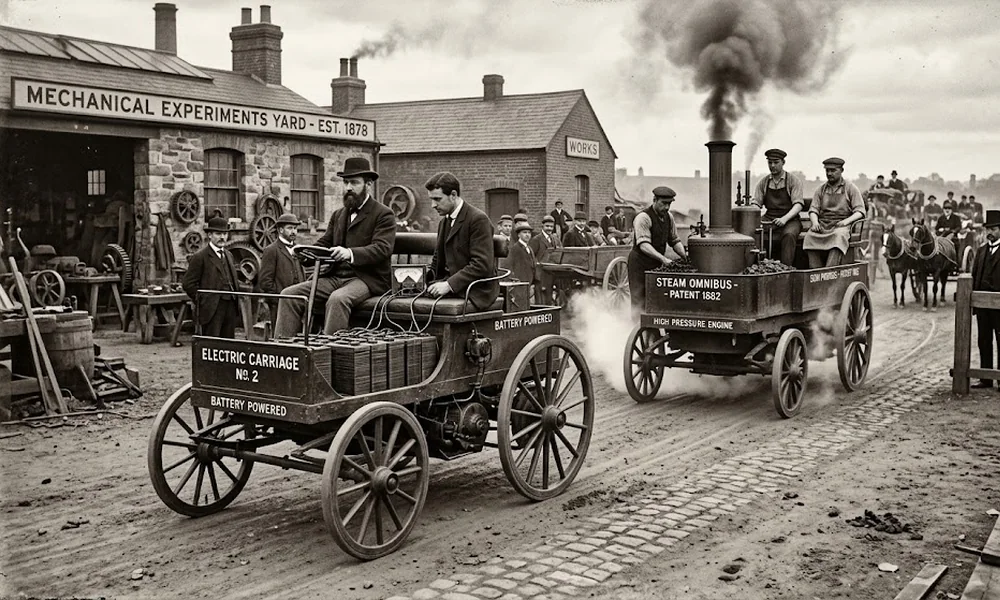
During the 19th century, inventors continued experimenting with steam engines, electric motors, and other forms of propulsion.
Electric vehicle experiments emerged during this period, although early battery technology limited practical use. Steam-powered road vehicles also developed, but their size, operating requirements, and limitations made widespread adoption difficult.
1885–1886: Karl Benz Develops the Motorwagen
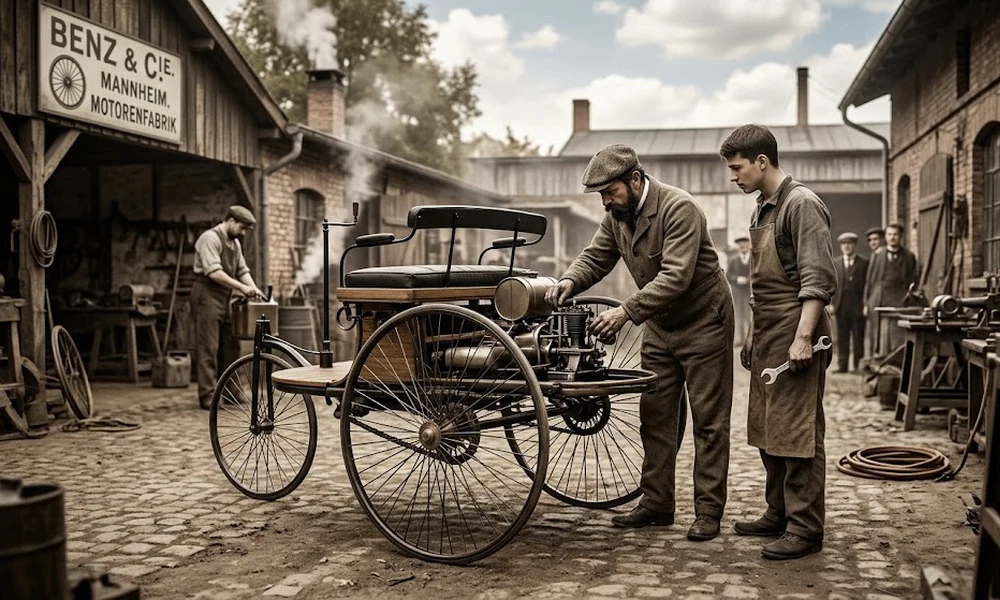
Benz built his gasoline-powered three-wheeled automobile in 1885 and patented it in 1886.
The vehicle combined an internal combustion engine with a lightweight chassis and a design intended for self-propelled travel. It became a defining milestone in the development of the modern car.
1888: Bertha Benz Demonstrates Its Potential
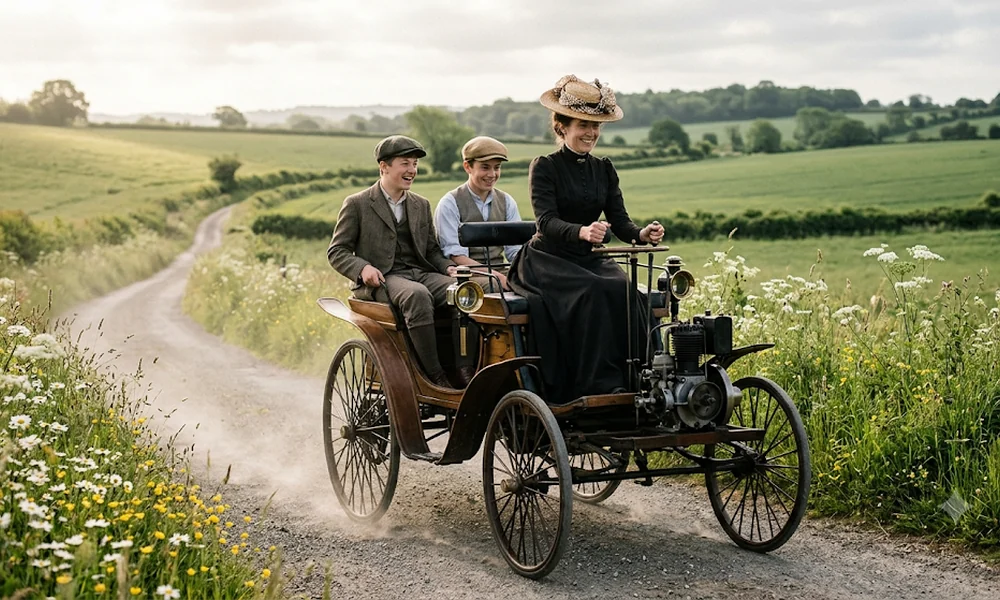
Bertha Benz, Karl Benz’s wife and a key supporter of his work, undertook a long-distance journey in the Motorwagen in 1888.
Traveling with her sons, she demonstrated that the automobile could be used beyond short experimental trips. Her journey helped reveal practical challenges and showed the potential of motorized road travel.
Early 1900s: Cars Become More Accessible
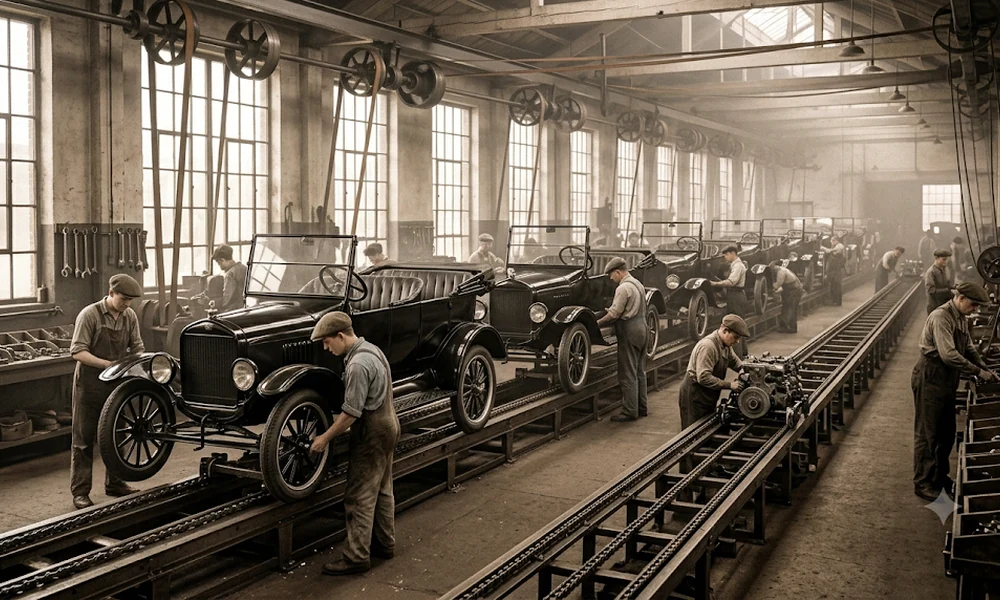
Early automobiles were expensive and often built in relatively small quantities. Improvements in manufacturing and production methods gradually helped make them more accessible.
In the United States, the Ford Model T, introduced in 1908, became especially influential. Henry Ford’s use of moving assembly-line production from 1913 helped increase manufacturing efficiency and reduce costs.
Mid-1900s: Cars Become Part of Everyday Life
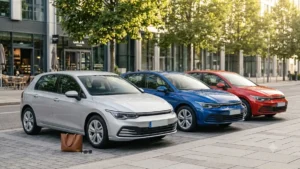
During the 20th century, automobiles became increasingly common in many countries. Improvements in roads, fuel systems, brakes, tires, comfort, and safety changed how people traveled.
Cars also influenced urban development, suburban living, tourism, and the movement of goods.
2000s–2020s: Hybrid, Electric, and Connected Cars
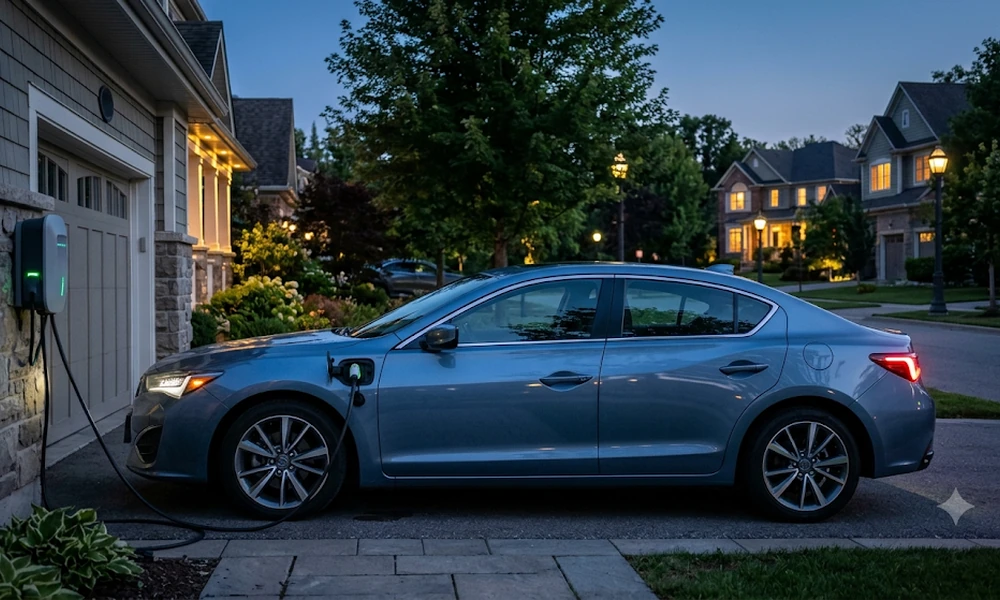
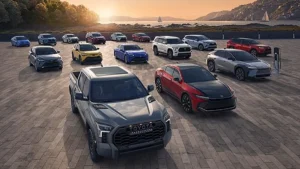
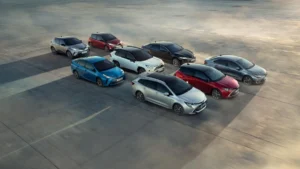
Modern vehicles incorporate technologies that would have been unimaginable to early automotive pioneers. Hybrid systems, battery-electric powertrains, advanced driver assistance, digital displays, and connected services have expanded the possibilities of personal transportation.
Electric vehicles have gained renewed attention as battery technology and charging infrastructure have developed.
What Was the First Car Ever Made?
The answer depends on what qualifies as a car.
If the question refers to an early self-propelled road vehicle, Cugnot’s steam-powered machine from 1769 is a major historical example.
If it refers to a practical gasoline-powered automobile associated with the beginning of the modern car industry, the Benz Patent-Motorwagen of 1885–1886 is the usual answer.
This distinction matters because early steam vehicles, experimental electric vehicles, and later gasoline-powered automobiles used different technologies and served different purposes.
How Did the First Cars Work?
Early automobiles were mechanically simple compared with modern vehicles, but their designs were innovative for their time.
Internal Combustion Engine
The Benz Patent-Motorwagen used a gasoline-powered internal combustion engine. Fuel combustion generated energy that powered the vehicle’s mechanical system.
Modern gasoline engines use the same broad principle, although today’s engines are far more advanced in efficiency, emissions control, reliability, and electronic management.
Basic Steering and Braking
Early vehicles had comparatively basic steering and braking systems. Handling could be difficult, particularly on uneven roads, and operating an early automobile required more mechanical knowledge than driving most modern cars.
Today’s vehicles typically include more advanced steering systems, hydraulic or electronically controlled braking, and safety features designed to improve control.
Limited Comfort and Convenience
The first automobiles did not have the comfort, weather protection, lighting, entertainment systems, or driver-assistance technologies associated with modern cars.
They were primarily mechanical machines designed to demonstrate and provide self-powered transportation.
When Did Cars Become Popular?
Cars became increasingly popular during the early 20th century, although adoption varied by country and income level.
In the United States, the Ford Model T played a major role in making automobile ownership more attainable. Mass production allowed Ford to manufacture vehicles at a scale that earlier manufacturers struggled to match.
As prices gradually fell and road networks expanded, cars became useful for commuting, family travel, business, and recreation. In other parts of the world, automobile ownership expanded at different rates depending on infrastructure, economic conditions, manufacturing capacity, and government policy.
How Have Cars Changed Since They Were Invented?
Automobiles have evolved in several important ways.
- Engines: Early engines were limited in power and efficiency. Modern powertrains offer improved performance, fuel management, and emissions control.
- Safety: Seat belts, airbags, crumple zones, electronic stability control, and driver-assistance systems have improved occupant protection.
- Comfort: Modern vehicles offer climate control, improved suspension, sound insulation, and adjustable seating.
- Technology: Navigation, digital instrument displays, smartphone integration, cameras, and connectivity have transformed the driving experience.
- Power sources: Gasoline and diesel remain important, while hybrid, battery-electric, and other alternative powertrains continue to develop.
Despite these changes, the central purpose remains similar: providing a practical way to transport people and belongings from one place to another.
Frequently Asked Questions
Were cars invented in 1886?
The year 1886 is widely recognized as a key milestone because Karl Benz received a patent for his gasoline-powered automobile. However, self-propelled road vehicles had been developed earlier, including steam-powered designs.
Who invented the first gasoline-powered car?
Karl Benz is widely credited with developing the first practical gasoline-powered automobile, the Benz Patent-Motorwagen, in 1885–1886.
What was the first car company?
The history of early automobile manufacturing is complex because several inventors and businesses contributed to the industry’s beginnings. Benz’s work led to the development of Benz & Cie., while other pioneering manufacturers emerged in Europe during the late 19th century.
Were electric cars invented before gasoline cars?
Electric vehicle experiments began during the 19th century, before gasoline-powered cars became commercially established. Early electric vehicles existed in various experimental forms, but battery limitations affected their practical range and performance.
When did cars replace horses?
There was no single date when cars replaced horses. The transition occurred gradually, particularly during the early 20th century, as automobile production expanded and road infrastructure improved. Horses remained important for transportation and work in many places for much longer.
What was the first mass-produced car?
The Ford Model T, introduced in 1908, became one of the most influential mass-market automobiles. Ford’s moving assembly-line methods helped make large-scale production more efficient, although other vehicles had been manufactured before it.
Final Verdict
Cars were not invented in a single moment. Their history stretches from early steam-powered road vehicles in the 18th century to the gasoline-powered automobile developed by Karl Benz in 1885 and patented in 1886.
Over the following decades, manufacturing advances helped cars become more affordable and widespread. Today, automobiles range from conventional gasoline vehicles to hybrids and fully electric models, reflecting more than two centuries of engineering progress.
Understanding when cars were invented means recognizing both the early experiments that made self-propelled travel possible and the breakthroughs that turned the automobile into a practical form of everyday transportation.
Disclaimer: This article is provided for general informational and educational purposes only and does not promote or endorse any product, service, brand, or individual. Details may change, and no guarantee is made regarding completeness or accuracy.