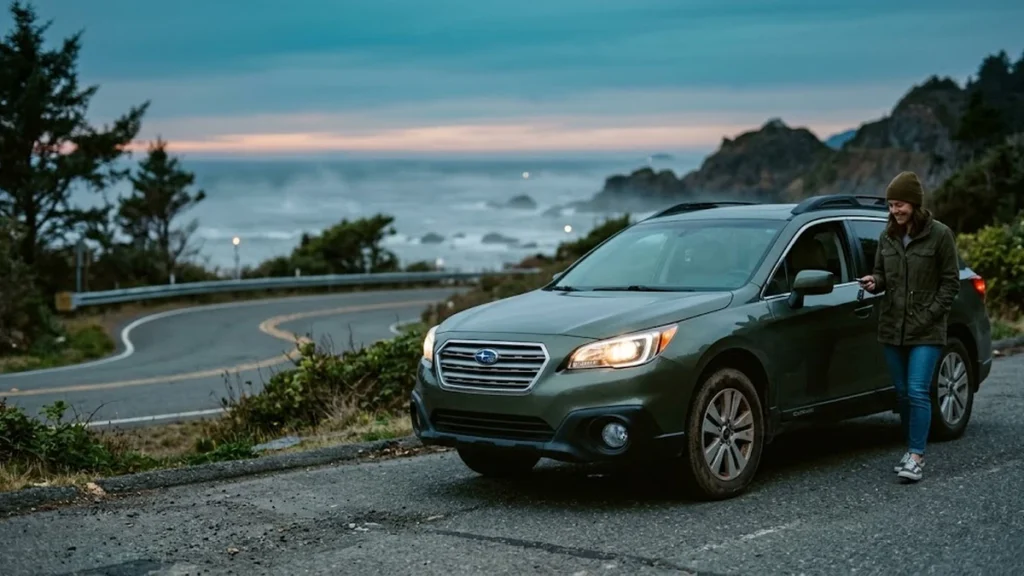
Auto Trader is a well-known name in online vehicle marketplaces, where shoppers can browse used cars, compare listings, and contact sellers. Its websites and services vary by country, but the general purpose is to help buyers narrow down their options by price, mileage, vehicle type, location, and other preferences.
Searching Auto Trader used cars listings can be a useful starting point when shopping for a vehicle. However, a listing is only the beginning of the buying process. Buyers should verify the vehicle’s condition, compare its price with similar cars, review its history, and arrange an inspection before committing to a purchase.
What Is Auto Trader?
Auto Trader is a vehicle marketplace brand associated with online listings for new and used vehicles. In the United Kingdom, Auto Trader UK is a major platform for browsing cars advertised by dealerships and private sellers.
Depending on the market and available services, listings may include photographs, specifications, mileage, advertised prices, seller information, and vehicle descriptions.
The platform can help shoppers compare vehicles without visiting multiple dealerships individually. However, the information displayed in a listing should be treated as a starting point rather than independent confirmation of a car’s condition.
How to Search Auto Trader Used Cars

A focused search can make it easier to find vehicles that match your needs and budget.
1. Set Your Budget
Decide how much you can spend before browsing listings. Include more than the advertised purchase price by allowing for taxes, registration, insurance, servicing, and possible repairs.
If you are financing the vehicle, consider the total amount payable rather than evaluating affordability solely by the monthly payment.
2. Choose the Right Vehicle Type
Think about how you will use the car.
- Compact cars: Useful for city driving and everyday commuting.
- Hatchbacks: Offer flexible cargo access and practical dimensions.
- Sedans: Provide a traditional trunk and a wide range of sizes.
- SUVs: May offer additional ground clearance, passenger space, or cargo capacity.
- Hybrid cars: Combine a combustion engine with an electric motor.
- Electric cars: Use battery power and require a suitable charging plan.
Selecting the body style and powertrain first can help reduce the number of irrelevant listings.
3. Filter by Mileage and Age
Mileage can provide useful context about a vehicle’s use, but it does not tell the whole story. A high-mileage car with consistent maintenance may be in better condition than a low-mileage vehicle that has been neglected.
Review the service history, ownership records, inspection reports, and general condition alongside the odometer reading.
4. Compare Similar Listings
Look for vehicles with similar model years, trims, mileage, engines, and equipment. This gives you a more meaningful picture of the asking price.
A vehicle advertised for less than comparable examples may be a bargain, but it could also have accident damage, incomplete service records, mechanical problems, or fewer features.
5. Contact the Seller
Ask specific questions before arranging a viewing. Confirm that the vehicle is still available and request clarification about anything missing from the listing.
For example, ask about service records, previous accidents, outstanding finance where relevant, warning lights, recent repairs, and the reason for selling.
How to Evaluate a Used Car Listing
A detailed listing should provide enough information to help you decide whether a vehicle is worth inspecting.
Review the Photographs
Look for clear images of the exterior, interior, wheels, dashboard, and cargo area. Uneven paint, inconsistent panel gaps, interior wear, or visible damage may warrant further questions.
Photographs cannot reliably establish mechanical condition or rule out hidden accident damage. Ask for additional images when important details are missing.
Check the Vehicle Specifications
Verify the model year, trim, engine, transmission, fuel type, and included equipment. Similar-looking vehicles can have substantially different specifications and market values.
Where available, compare the vehicle identification number (VIN) or other official identifiers with the paperwork and vehicle itself.
Read the Description Carefully
Look for details about maintenance, recent repairs, previous owners, inspection status, and any known faults.
Be cautious if a listing uses vague descriptions, avoids important questions, or promises a condition that the seller cannot substantiate.
How to Tell Whether a Used Car Is Fairly Priced
The advertised price is not necessarily the vehicle’s final market value.
To assess whether a car is reasonably priced, compare similar examples and account for differences in condition, mileage, equipment, service history, and seller type.
A dealer vehicle may cost more than a comparable private sale because the transaction may include different preparation, warranty, or consumer-protection arrangements. These benefits vary, so confirm exactly what is included.
Also consider expected ownership costs. A lower-priced luxury car, for example, may require more expensive maintenance than a mainstream model with a higher initial price.
How to Check a Used Car’s History
Before purchasing, investigate the vehicle’s background using records available in the relevant country.
Depending on local systems, useful checks may include:
- Previous accident or damage records.
- Outstanding finance or liens.
- Theft records.
- Mileage consistency.
- Registration and ownership history.
- Inspection and maintenance records.
- Outstanding safety recalls.
Not every history service covers every event, and a clean report does not guarantee that a vehicle has never been damaged. Use available records alongside a physical inspection.
Should You Buy From a Dealer or a Private Seller?

Auto Trader listings may include vehicles from different types of sellers, depending on the market.
| Factor | Dealership | Private seller |
| Vehicle selection | May offer several cars | Usually offers one or a few |
| Vehicle preparation | May provide preparation or inspection | Depends on the individual seller |
| Warranty | May be available, subject to terms | Often more limited or unavailable |
| Price | May include additional services or overhead | May be negotiable |
| Consumer protections | Depend on local law and transaction terms | Depend on local law and transaction terms |
Neither option guarantees a better vehicle. Focus on the car’s condition, documentation, price, and the seller’s willingness to answer reasonable questions.
Inspecting and Test-Driving a Used Car
Never rely entirely on an online advertisement when buying a used vehicle.
Exterior and Interior Inspection
Check the body panels, paintwork, lights, glass, tires, seat belts, seats, and dashboard. Look for signs of corrosion, water damage, unusual wear, or repairs that require further investigation.
Mechanical Inspection
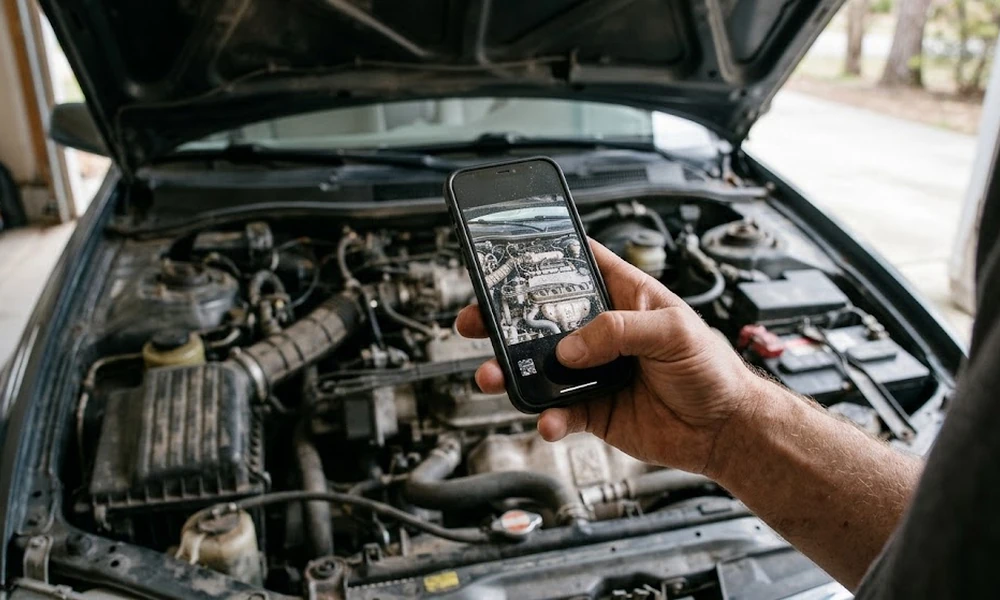
Check for fluid leaks, unusual engine noises, warning lights, and irregular operation. A qualified independent mechanic can identify problems that are difficult for an ordinary buyer to recognize.
Test Drive
Drive in a variety of safe conditions where possible. Pay attention to steering, braking, acceleration, transmission behavior, suspension noises, and engine temperature.
If the seller refuses a reasonable inspection or test drive without a clear explanation, consider moving on to another vehicle.
Common Mistakes to Avoid When Buying Used Cars
Choosing Only by Price
The cheapest listing may not be the best value. Repairs, poor fuel economy, expensive parts, or a questionable history can make an inexpensive vehicle costly to own.
Ignoring the Paperwork
Check that the seller has the legal authority to sell the vehicle and that the identification numbers match the documents. Follow local requirements for ownership transfer and registration.
Skipping an Independent Inspection
Even a clean-looking vehicle can have hidden mechanical or structural problems. An independent inspection can help you make a more informed decision.
Paying Before Verifying the Vehicle
Confirm the seller’s identity, inspect the car, review the documents, and agree on the transaction terms before transferring money. Avoid unusual payment arrangements or pressure to pay immediately.
Forgetting Insurance and Running Costs
Insurance, fuel, servicing, tires, and parts availability can vary significantly between models. Estimate these costs before making your final choice.
Is Auto Trader a Good Place to Find Used Cars?
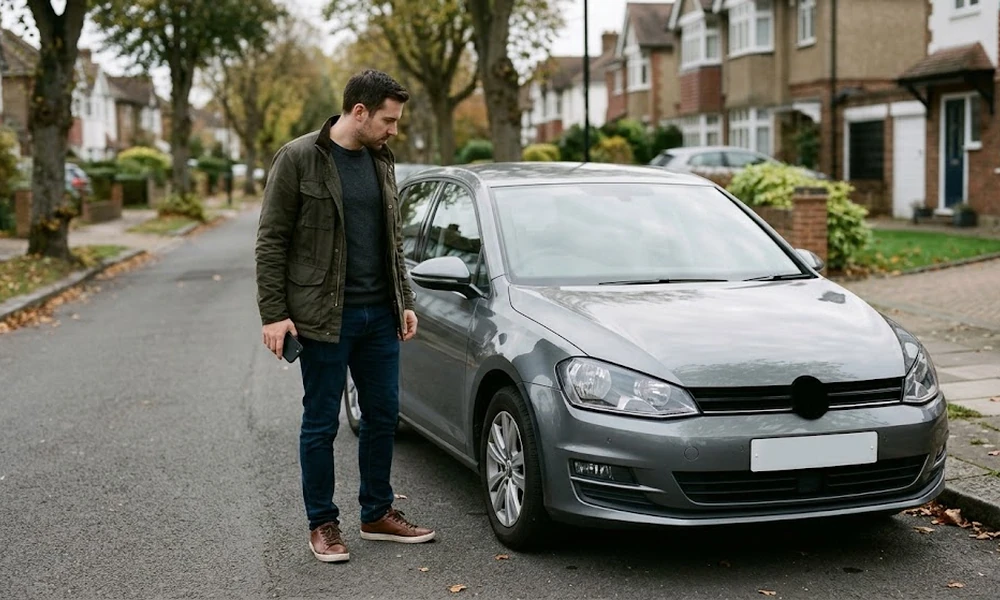
Auto Trader can be a convenient starting point for comparing used vehicles because online listings allow buyers to narrow their search and review several options in one place.
Its usefulness depends on the quality and accuracy of the listings in your market. The platform does not eliminate the need to verify the seller, inspect the vehicle, check its history, and understand the transaction terms.
Buyers should also compare listings on other reputable marketplaces and review local dealership inventory. A broader search may reveal better prices or vehicles that more closely match their needs.
Frequently Asked Questions About Auto Trader Used Cars
Is Auto Trader a website for used cars?
Yes. Auto Trader operates vehicle marketplaces that include used-car listings, although the available services and inventory depend on the country.
Can I buy a used car directly through Auto Trader?
The process depends on the market and the services offered. In many cases, buyers browse listings and contact the dealership or private seller to arrange the purchase.
Are Auto Trader used cars inspected?
Do not assume that every listed vehicle has undergone an independent mechanical inspection. Check the individual listing and ask the seller what inspections or checks have actually been completed.
How do I find affordable used cars on Auto Trader?
Set a realistic maximum price, compare similar models, and consider a wider range of model years and mileage. Always account for potential repairs and ownership costs before deciding that a vehicle is a bargain.
Can I negotiate the price of a used car?
Negotiation may be possible, depending on the seller, vehicle demand, and listing price. Research comparable cars and base any offer on the vehicle’s condition, documented maintenance, and current market alternatives.
What should I do after finding a car I like?
Contact the seller, confirm the vehicle’s availability and specifications, review its history, arrange an inspection and test drive, and verify the paperwork before completing the purchase.
Final Verdict
Auto Trader used cars listings can help buyers compare vehicles and identify potential purchases more efficiently. The key is to use the marketplace as a research tool rather than treating an online listing as proof that a car is reliable or fairly priced.
Set a budget, compare similar vehicles, verify the paperwork, and arrange an independent inspection before buying. These steps can help you choose a used car that suits your needs and offers better long-term value.
Disclaimer: This article is provided for general informational and educational purposes only and does not promote or endorse any product, service, brand, or individual. Details may change, and no guarantee is made regarding completeness or accuracy.