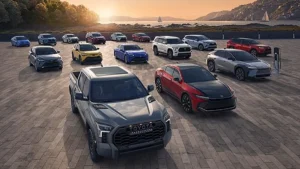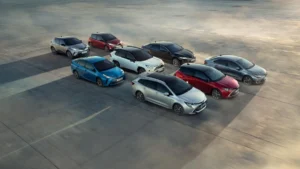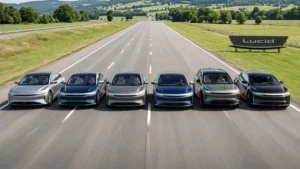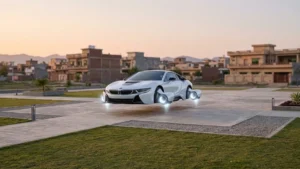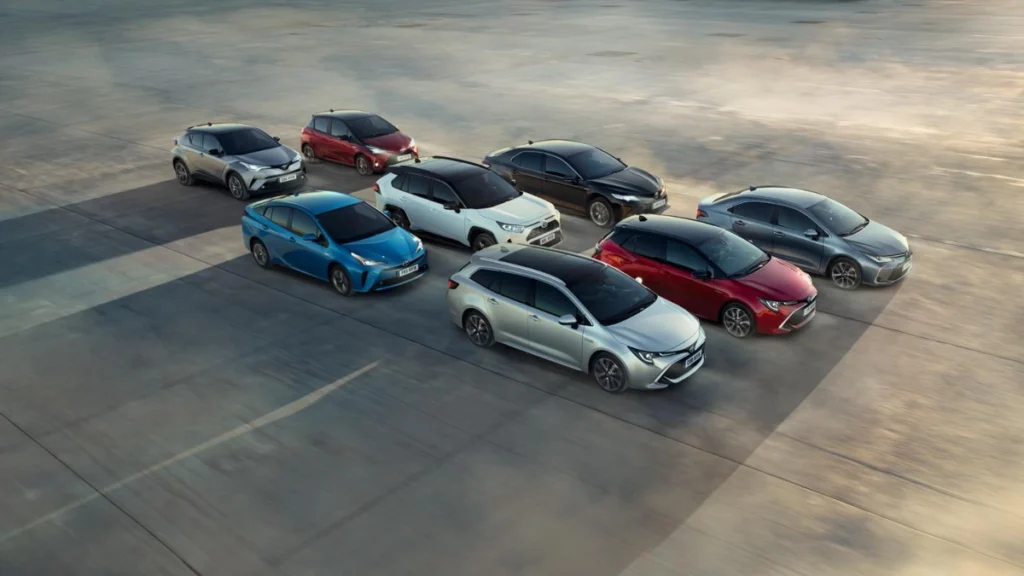
Choosing a car becomes much easier when you understand the different types available. A compact hatchback may be ideal for crowded city streets, while a family SUV offers a higher seating position and additional cargo space. Someone who enjoys driving may prefer a sports car, whereas a long-distance commuter might prioritize fuel efficiency and comfort.
Cars are categorized in several ways, including body style, size, purpose, powertrain, and price. These categories sometimes overlap: an electric SUV, for example, is both an SUV by body style and an electric vehicle by powertrain.
The main types of cars include sedans, hatchbacks, SUVs, coupes, convertibles, station wagons, minivans, sports cars, luxury cars, and electric vehicles. Understanding their differences can help you choose a vehicle that fits your lifestyle, budget, and driving conditions.
1. Sedan Cars
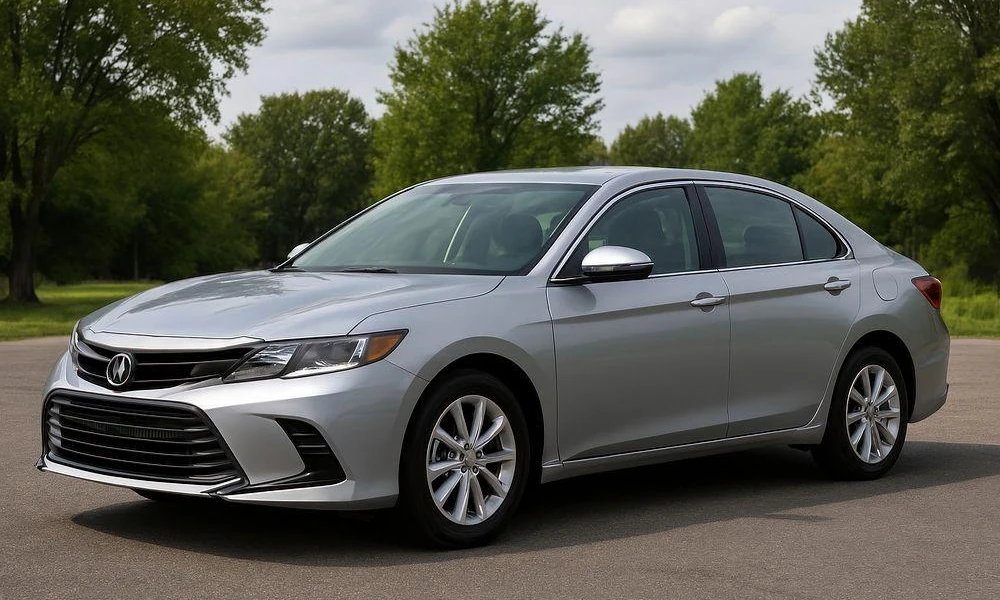
A sedan is a passenger car with a conventional enclosed cabin, separate passenger and luggage areas, and typically four doors.
Sedans are popular with commuters, professionals, and families who want a comfortable vehicle with predictable handling and a dedicated trunk.
Examples include the Toyota Corolla, Honda Civic Sedan, and Mercedes-Benz E-Class.
Best for: Daily commuting, small families, business travel, and comfortable road trips.
Main advantage: A practical combination of passenger comfort, road manners, and luggage space.
2. Hatchback Cars
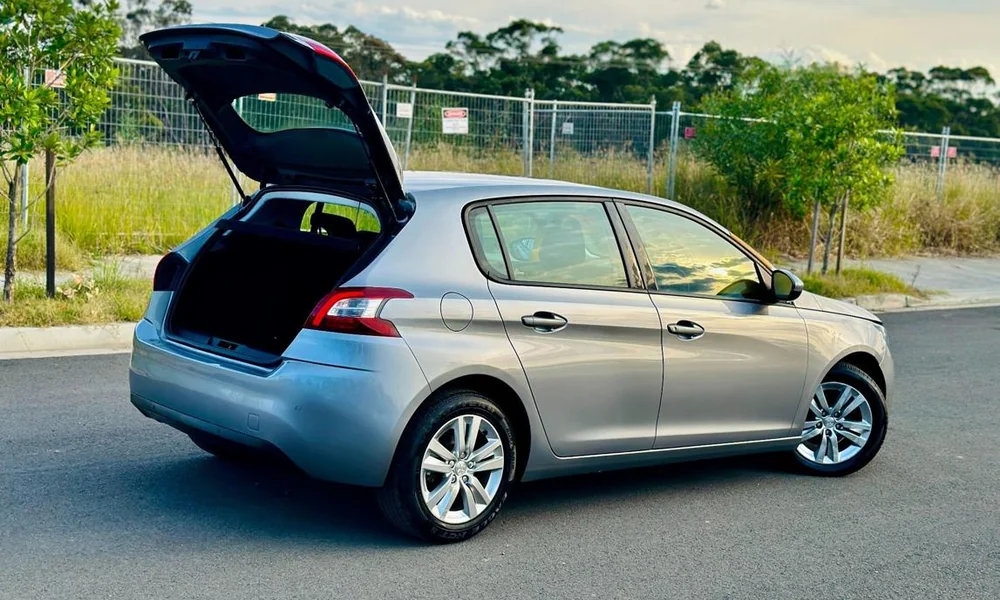
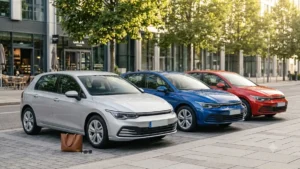
A hatchback has a rear door that opens upward, providing access to the luggage area. Many hatchbacks feature folding rear seats, making it easier to carry larger objects.
Their compact dimensions can make parking and maneuvering in busy cities easier than with larger vehicles.
Examples include the Volkswagen Golf, Honda Civic Hatchback, and Suzuki Swift.
Best for: City driving, students, commuters, and drivers who need flexible cargo space.
Main advantage: Compact dimensions with useful loading flexibility.
3. SUV Cars
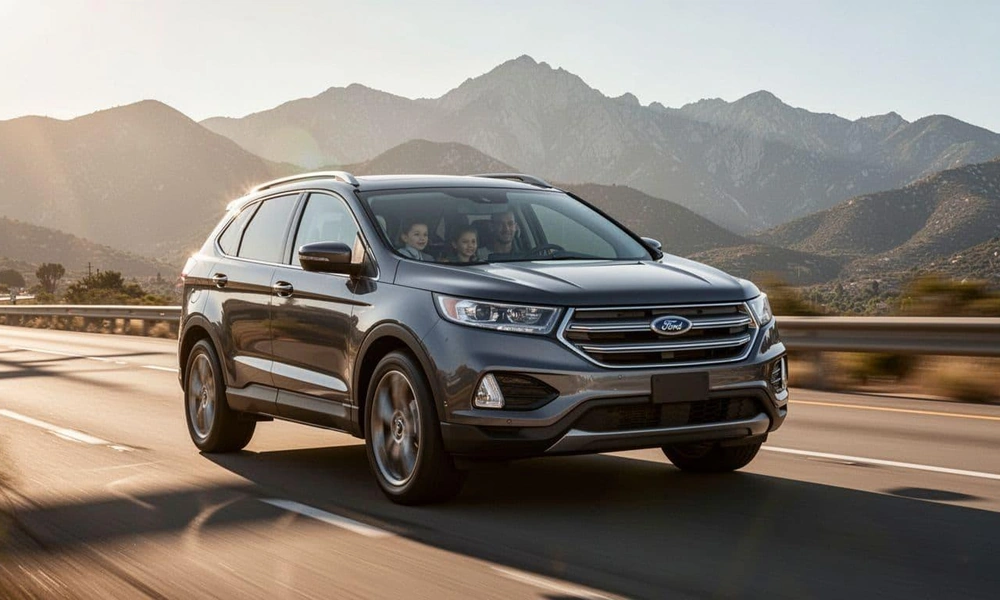
Sport utility vehicles, commonly called SUVs, generally offer a higher seating position, greater ground clearance than many passenger cars, and a body designed around passenger and cargo flexibility.
SUVs range from small urban models to large three-row vehicles. Some are designed primarily for paved roads, while others have more specialized off-road capabilities.
Examples include the Toyota RAV4, Hyundai Tucson, and Toyota Land Cruiser.
Best for: Families, travelers, and drivers who want extra space or a higher driving position.
Main advantage: A versatile combination of passenger room, cargo capacity, and available all-wheel-drive or four-wheel-drive systems.
4. Coupe Cars
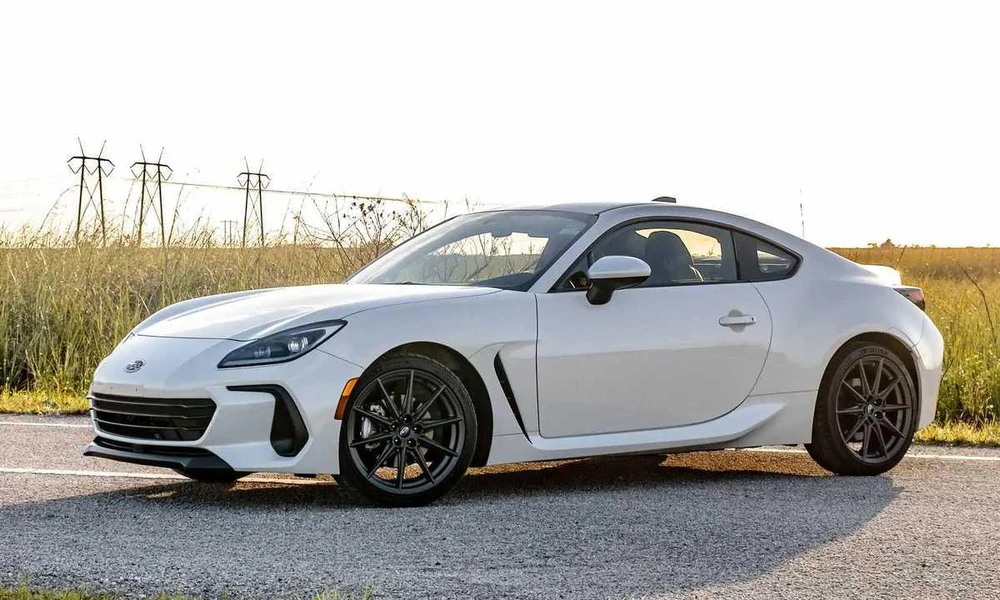
A coupe traditionally refers to a car with two doors and a relatively compact, sporty body. Modern manufacturers sometimes use the term more broadly, including for certain four-door vehicles with sloping rooflines.
Coupes often prioritize styling and driving character over maximum rear-seat access.
Examples include the Ford Mustang coupe, BMW 4 Series Coupe, and Toyota GR86.
Best for: Drivers who prefer sporty styling and a more focused driving experience.
Main advantage: Distinctive design and, in some models, engaging handling.
5. Convertible Cars
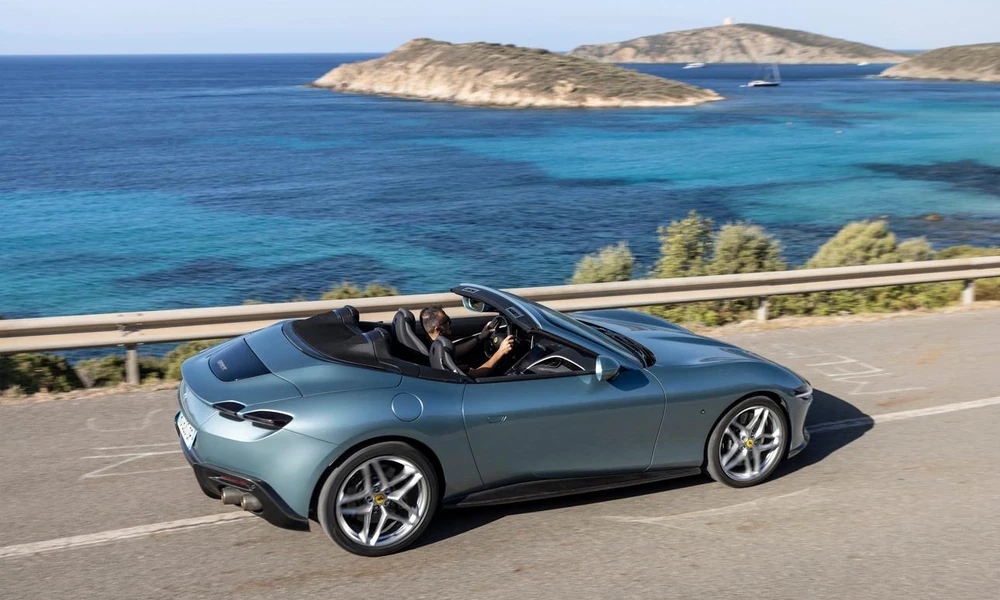
A convertible has a roof that can be opened or removed. Depending on the model, it may use a folding fabric roof or a retractable hardtop.
Convertibles offer an open-air driving experience, although their luggage space, cabin insulation, and practicality can differ from those of equivalent fixed-roof cars.
Examples include the Mazda MX-5 Miata, BMW Z4, and Ford Mustang Convertible.
Best for: Weekend drives, scenic routes, and drivers who enjoy open-air motoring.
Main advantage: The ability to drive with the roof open.
6. Station Wagons
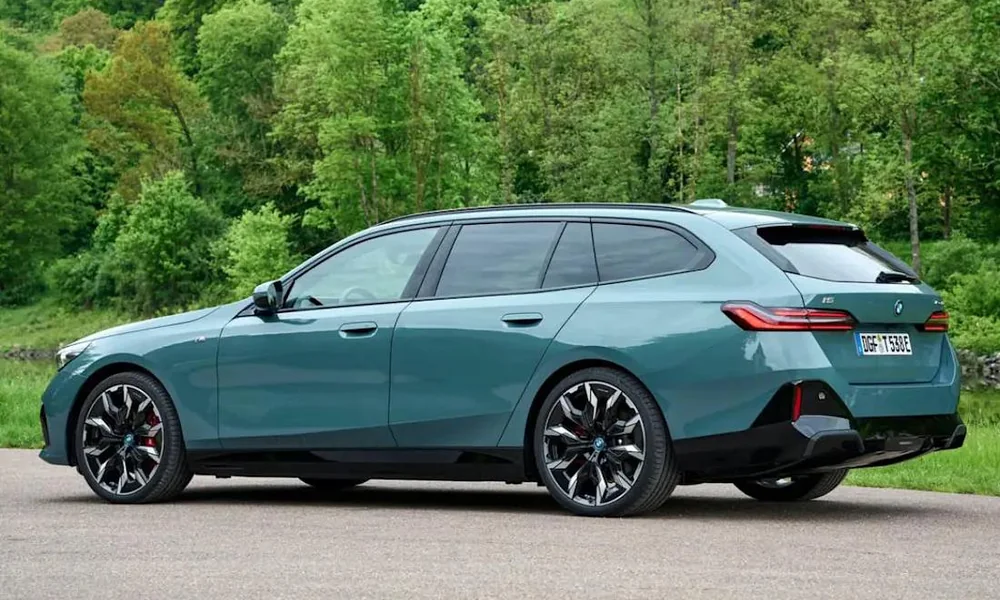
Station wagons, also called estate cars in some countries, combine a passenger-car platform with an extended roof and a large rear cargo area.
They can offer substantial luggage capacity without the taller body of many SUVs.
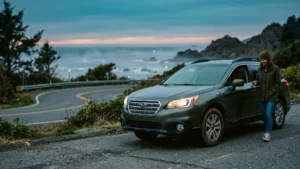
Examples include the Subaru Outback, Volvo V60, and BMW 3 Series Touring, depending on market availability.
Best for: Families, road trips, and drivers who regularly carry luggage or equipment.
Main advantage: Generous cargo space with passenger-car driving characteristics.
7. Minivans
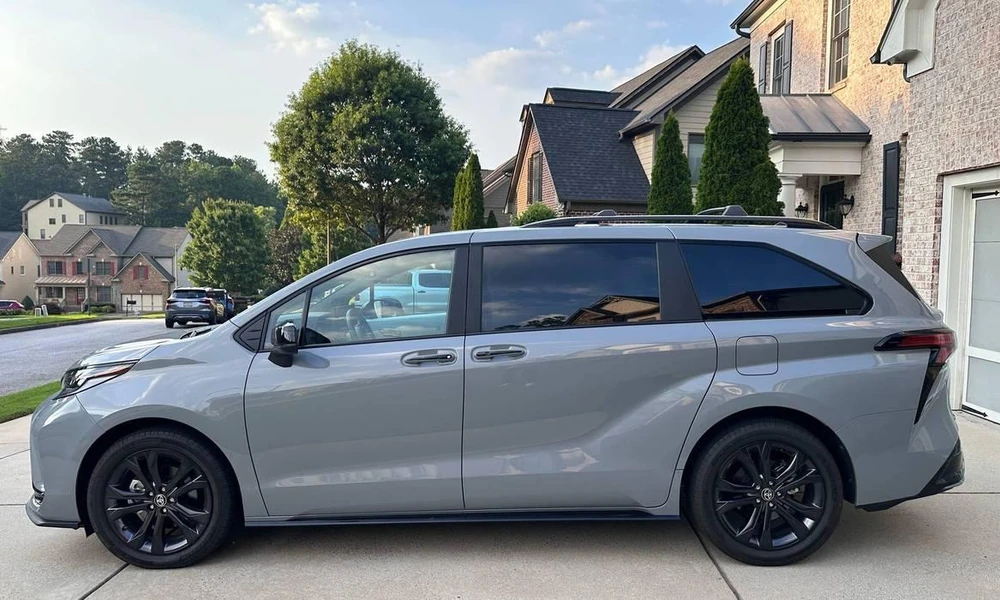
Minivans are designed around passenger and family practicality. They usually feature a tall cabin, flexible seating arrangements, and sliding rear doors on many models.
The interior can be configured to accommodate passengers, child seats, or bulky luggage.
Examples include the Toyota Sienna, Honda Odyssey, and Kia Carnival.
Best for: Larger families, group travel, and drivers who prioritize easy passenger access.
Main advantage: Flexible seating and practical access to the rear rows.
8. Pickup Trucks
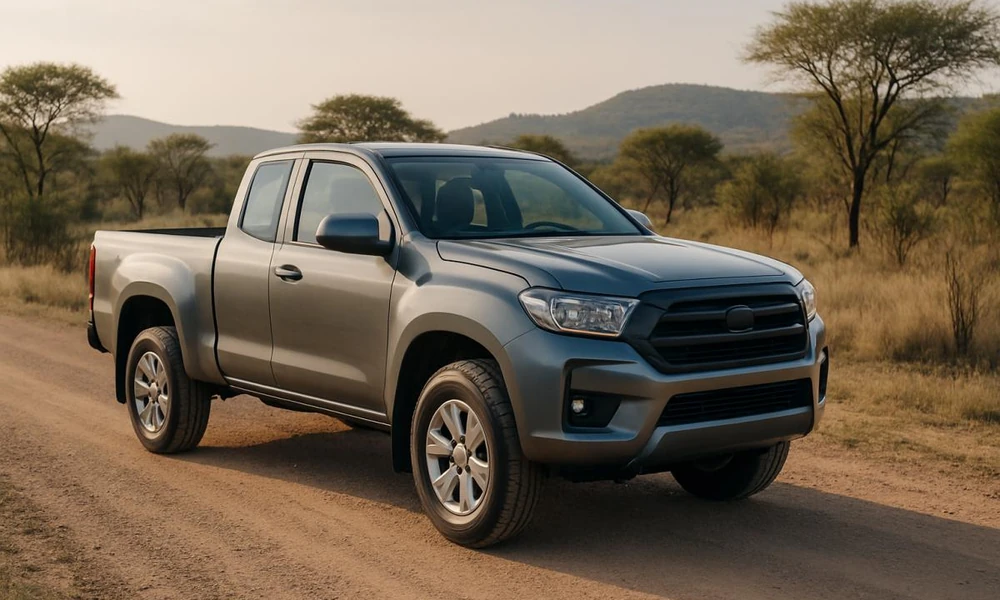
Pickup trucks have a passenger cabin and a separate open cargo bed. They are used for work, hauling equipment, recreation, and, in some markets, everyday transportation.
Their towing and payload capabilities vary significantly by engine, configuration, and model.
Examples include the Ford F-150, Toyota Hilux, and Ford Ranger.
Best for: Tradespeople, outdoor activities, and drivers who need a dedicated cargo bed.
Main advantage: Practical hauling capability and a versatile load area.
9. Sports Cars
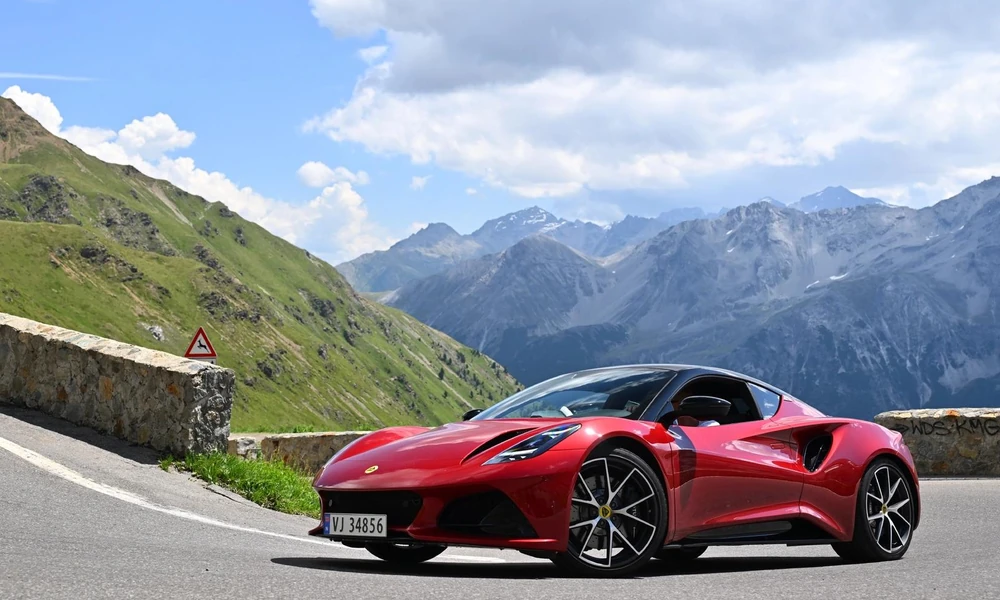
Sports cars emphasize driving enjoyment, handling, acceleration, and responsive control. They can be two-seaters or include smaller rear seats.
Some prioritize lightweight construction and cornering ability, while others deliver much greater power and straight-line performance.
Examples include the Porsche 911, Chevrolet Corvette, and Mazda MX-5 Miata.
Best for: Driving enthusiasts who value performance and handling.
Main advantage: A more engaging driving experience than many conventional passenger cars.
10. Supercars

Supercars occupy a high-performance segment characterized by powerful engines or advanced electric powertrains, distinctive styling, and specialized engineering.
They commonly cost substantially more to buy, maintain, and insure than ordinary cars.
Examples include the Ferrari 296 GTB, McLaren 750S, and Lamborghini Revuelto.
Best for: Enthusiasts and collectors seeking exotic styling and exceptional performance.
Main advantage: High performance combined with specialized engineering and design.
11. Luxury Cars
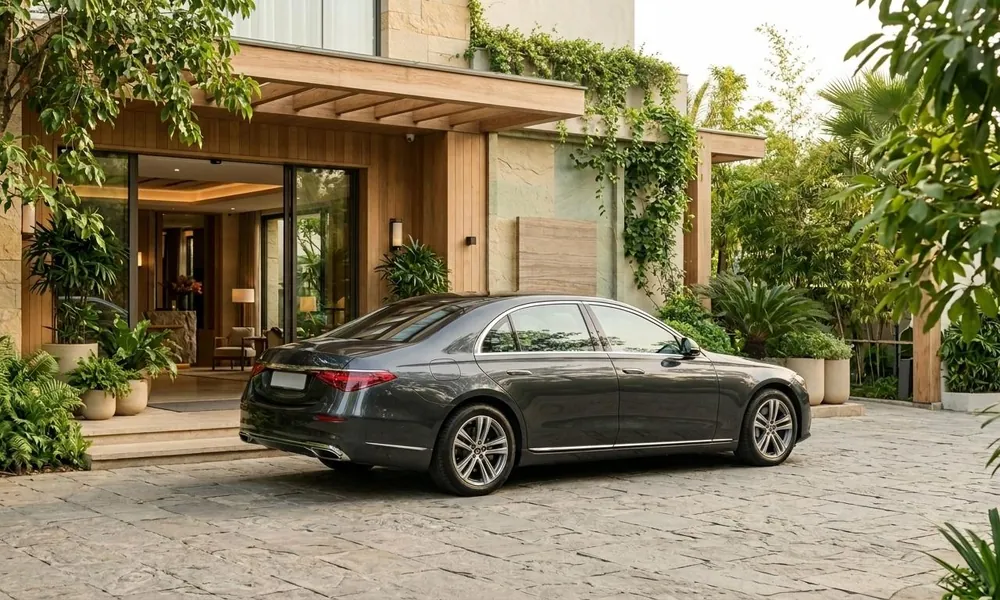
Luxury cars focus on refinement, interior quality, comfort, technology, and brand positioning. They may be sedans, SUVs, coupes, or other body styles.
Features can include premium seating, advanced sound systems, sophisticated climate control, and additional driver-assistance technology.
Examples include the Mercedes-Benz S-Class, BMW 7 Series, and Genesis G90.
Best for: Buyers who prioritize comfort, refinement, and premium equipment.
Main advantage: An upscale driving and passenger experience.
12. Compact Cars
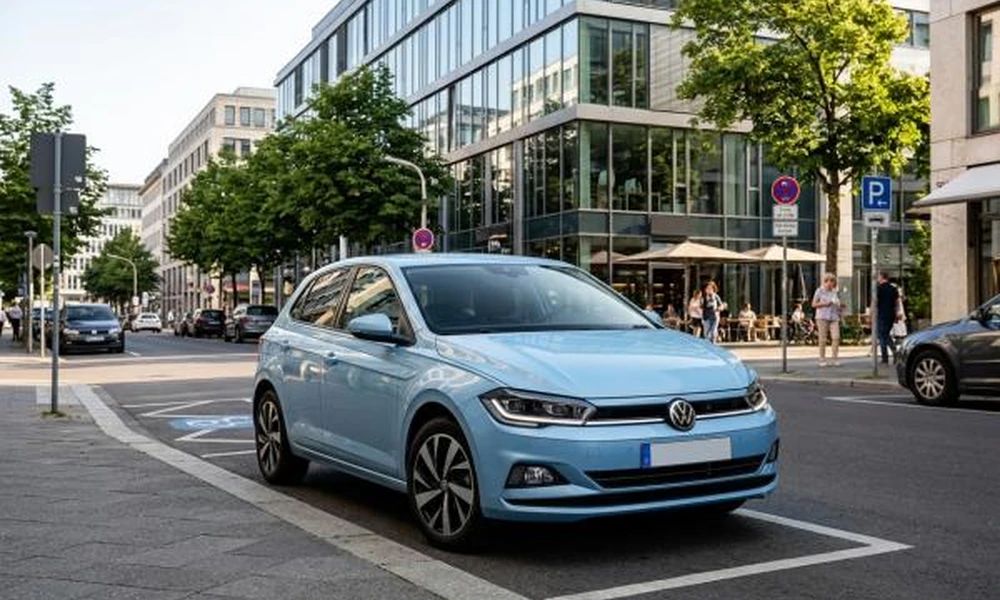
Compact cars are designed to provide practical transportation without the dimensions of larger family vehicles.
The category includes sedans, hatchbacks, and some small crossovers. Their smaller footprints can be especially helpful in urban areas.
Examples include the Toyota Corolla, Honda Civic, and Mazda3.
Best for: Commuters, smaller households, and drivers navigating crowded cities.
Main advantage: A useful balance of space, maneuverability, and running costs.
13. Subcompact Cars
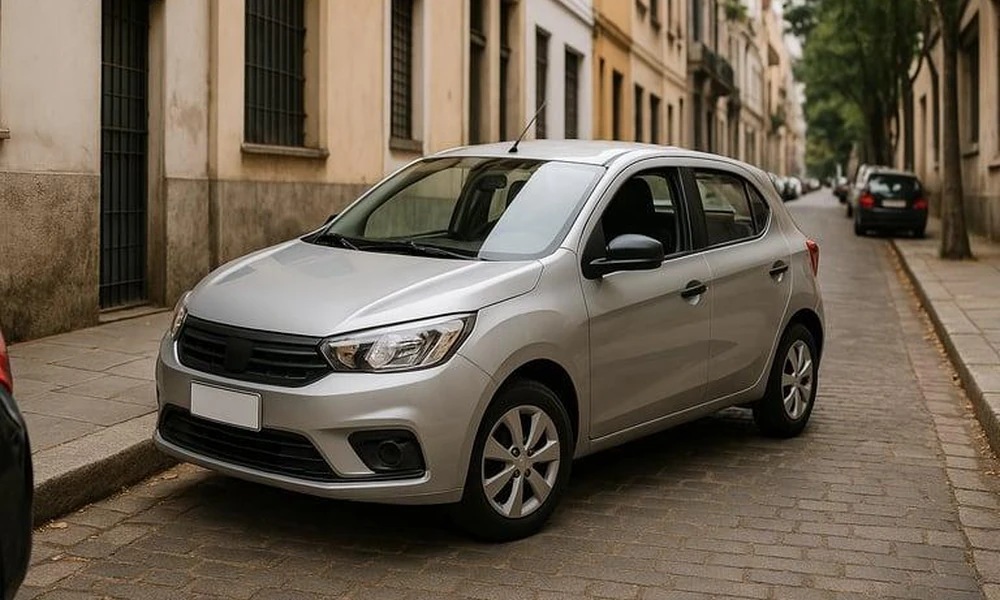
Subcompact cars are generally smaller than compact cars. They often emphasize affordability, efficient use of space, and easy maneuverability.
They can be particularly useful where parking is limited and traffic is dense.
Examples include the Suzuki Swift, Hyundai i20, and Toyota Yaris, depending on the market.
Best for: First-time buyers, city commuters, and budget-conscious drivers.
Main advantage: Small dimensions that can make everyday driving and parking easier.
14. Electric Cars
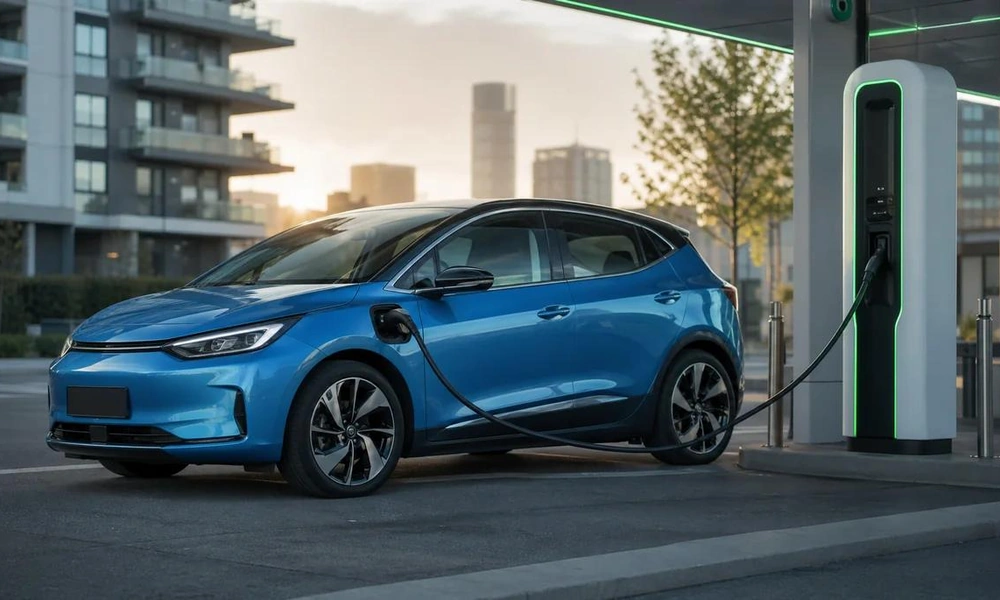
Electric cars use electric motors powered by rechargeable batteries rather than a conventional petrol or diesel engine for propulsion.
They typically offer quiet operation and responsive acceleration. Their running costs depend on electricity prices, charging efficiency, maintenance, and driving habits.
Examples include the Tesla Model 3, Hyundai Ioniq 6, and Lucid Air.
Best for: Drivers with suitable charging access who want battery-electric transportation.
Main advantage: No tailpipe emissions during driving and potentially lower routine powertrain maintenance.
15. Hybrid Cars
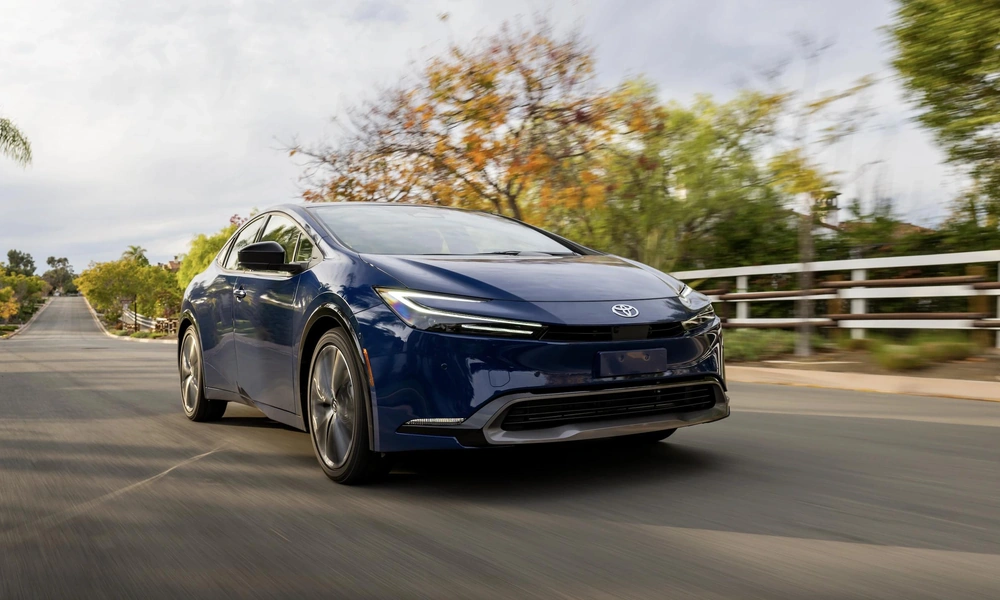
Hybrid cars combine a conventional combustion engine with an electric motor and battery system. Most conventional hybrids recharge their batteries through regenerative braking and engine operation rather than requiring routine external charging.
They can reduce fuel consumption, particularly in stop-and-go traffic, depending on the vehicle and driving conditions.
Examples include the Toyota Prius, Toyota Corolla Hybrid, and Honda Civic Hybrid.
Best for: Drivers seeking improved fuel efficiency without relying entirely on charging stations.
Main advantage: Combines petrol refueling with electric assistance.
16. Plug-In Hybrid Cars
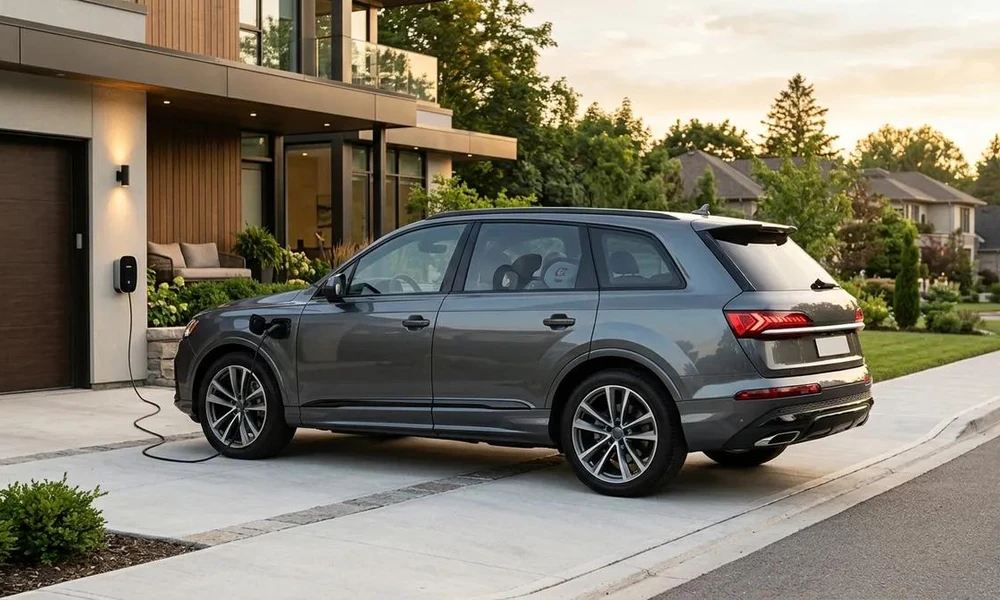
Plug-in hybrid electric vehicles, or PHEVs, combine a combustion engine with an electric motor and a battery that can be charged externally.
They can travel on electric power for a limited distance before relying more heavily on the engine, depending on the model and battery charge.
Examples include the Toyota Prius Plug-in Hybrid, Mitsubishi Outlander PHEV, and Volvo plug-in hybrid models.
Best for: Drivers who can charge regularly but also need the flexibility of a combustion engine for longer journeys.
Main advantage: The potential to complete some daily trips using electricity while retaining petrol-powered driving capability.
17. Four-Wheel-Drive and All-Wheel-Drive Cars
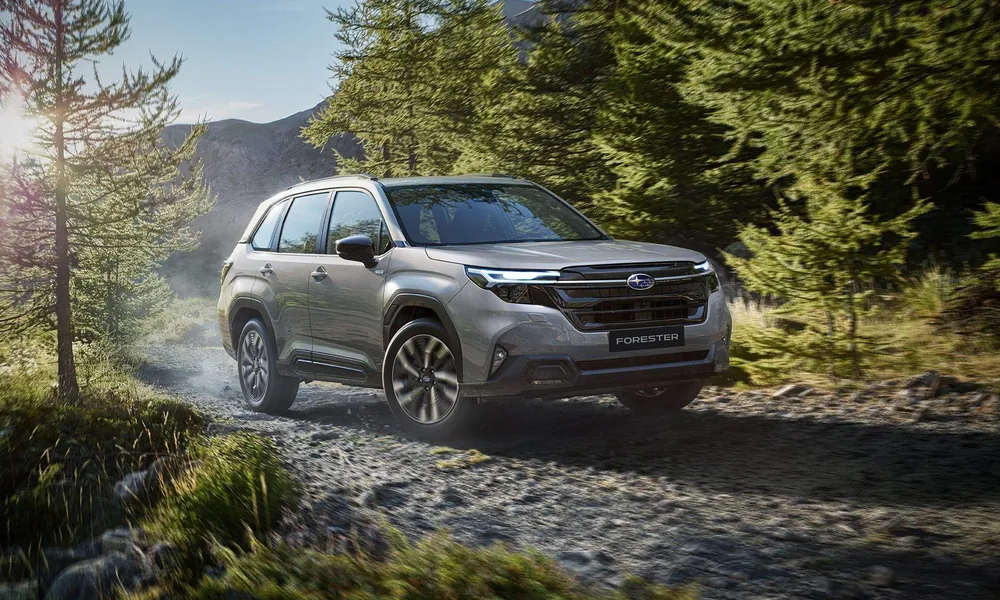
Four-wheel-drive and all-wheel-drive describe systems that send power to all four wheels under certain conditions.
The terminology varies by manufacturer. Many four-wheel-drive systems are designed for demanding terrain, while all-wheel-drive systems are often designed to improve traction on paved roads and in changing weather.
Examples include the Jeep Wrangler, Subaru Outback, and Toyota Land Cruiser, although their systems and capabilities differ.
Best for: Drivers who regularly encounter slippery roads, rough terrain, or other conditions where additional traction is useful.
Main advantage: Improved traction in suitable conditions, although tires, ground clearance, and vehicle design remain important.
18. Off-Road Vehicles
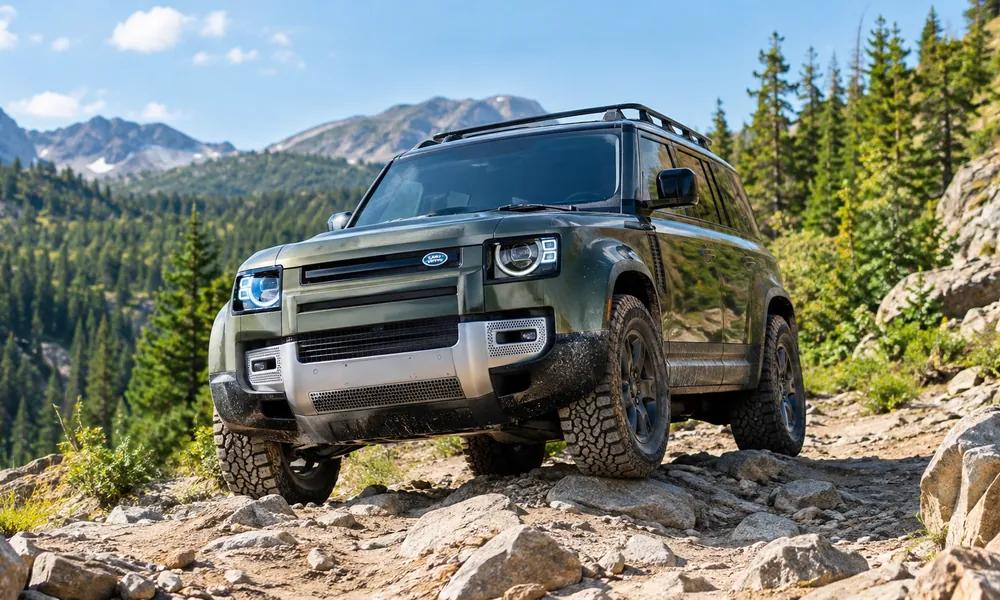
Off-road vehicles are engineered to handle terrain beyond ordinary paved roads. Depending on the design, features may include increased ground clearance, specialized tires, protective underbody components, low-range gearing, and locking differentials.
Not every SUV is intended for serious off-road use.
Examples include the Jeep Wrangler, Land Rover Defender, and Toyota Land Cruiser.
Best for: Outdoor enthusiasts and drivers who regularly travel on rough tracks or challenging terrain.
Main advantage: Specialized capability on suitable unpaved surfaces.
19. Hydrogen Fuel-Cell Cars
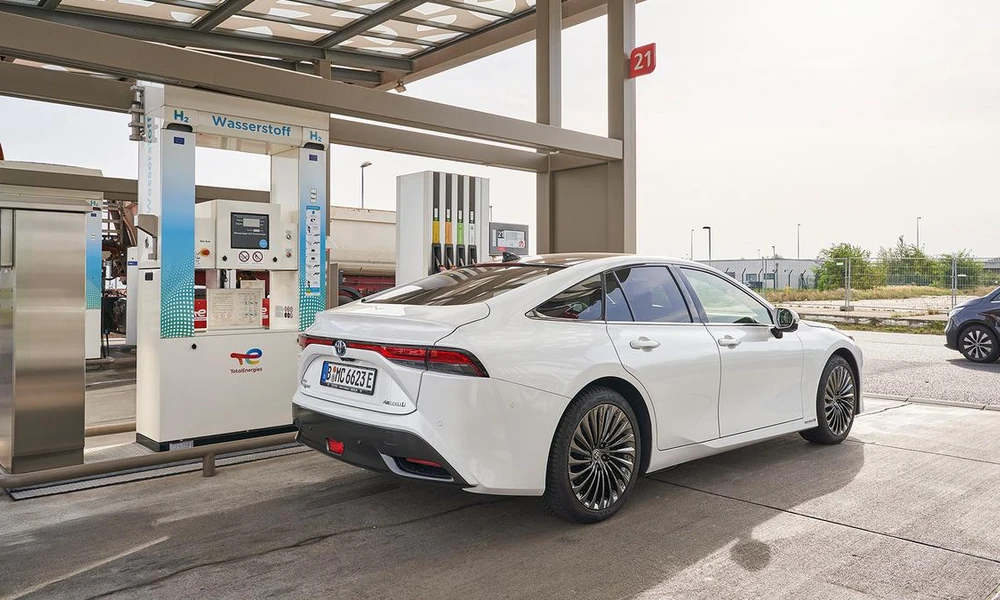
Hydrogen fuel-cell vehicles use hydrogen to generate electricity that powers an electric motor. They are electric vehicles in terms of propulsion, but they store energy in hydrogen rather than relying exclusively on a large rechargeable battery.
Refueling can be relatively quick where suitable hydrogen stations exist. However, station availability is limited in many regions, which restricts their practicality.
Examples include the Toyota Mirai and Hyundai Nexo in markets where they are offered.
Best for: Drivers in regions with reliable hydrogen-refueling infrastructure.
Main advantage: Electric-motor driving with hydrogen refueling instead of conventional battery charging.
20. Autonomous and Self-Driving Cars
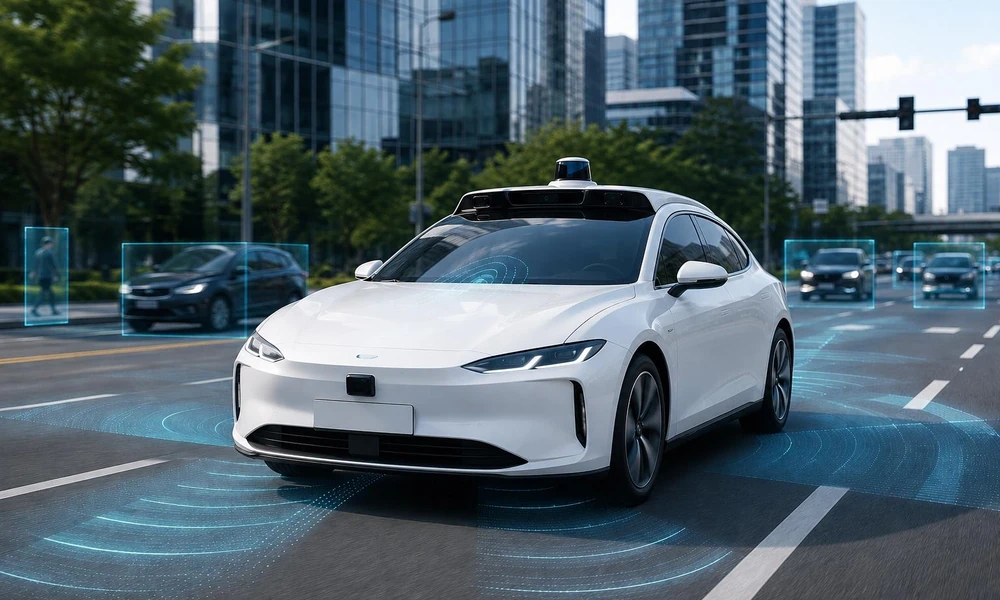
Autonomous-driving technology describes systems that perform some or all driving tasks under specified conditions.
Most vehicles marketed with advanced driver assistance still require an attentive human driver. Fully autonomous driving remains a distinct technical and regulatory category and is not a standard capability across ordinary consumer cars.
Many modern vehicles offer features such as adaptive cruise control, lane-centering assistance, automatic emergency braking, and parking assistance.
Best for: Drivers interested in technology that can assist with particular driving tasks.
Main advantage: Driver-assistance features can reduce workload in supported situations, but they do not eliminate the need to understand the system’s limitations.
Car Types Compared
| Car type | Main strength | Common trade-off |
| Sedan | Comfortable everyday travel | Less flexible loading than many hatchbacks |
| Hatchback | Compact size and flexible cargo space | Smaller luggage area in some models |
| SUV | Versatility and higher seating | Often heavier than comparable cars |
| Coupe | Sporty styling | Rear-seat access may be limited |
| Convertible | Open-air driving | Less weather insulation |
| Station wagon | Large cargo area | Less ground clearance than many SUVs |
| Minivan | Passenger and family practicality | Larger body dimensions |
| Pickup truck | Hauling and towing potential | Cargo bed may be less convenient for enclosed luggage |
| Sports car | Handling and driving enjoyment | Limited practicality in some models |
| Luxury car | Comfort and premium features | Higher purchase and maintenance costs |
| Electric car | Battery-electric driving | Charging access matters |
| Hybrid car | Fuel-saving potential | More complex powertrain than a conventional vehicle |
How to Choose the Right Type of Car
The right car depends on your budget, daily routine, passengers, roads, and access to fuel or charging.
Consider Your Budget
Include the purchase price, insurance, fuel or electricity, maintenance, registration, and likely repairs. A cheaper vehicle is not necessarily cheaper to own if it requires frequent or expensive work.
Think About Passenger and Cargo Space
A hatchback may suit one person or a small household, while a minivan or three-row SUV may be more appropriate for a larger family.
If you regularly carry luggage, tools, or outdoor equipment, compare actual cargo dimensions rather than relying only on vehicle size labels.
Match the Car to Your Roads
Compact cars can be convenient in crowded cities. Vehicles with suitable ground clearance may be more practical on rough roads, but ground clearance alone does not make a car capable of serious off-road driving.
Compare Fuel and Charging Options
A conventional petrol car, hybrid, plug-in hybrid, and fully electric car have different fueling or charging requirements.
Before choosing an EV or plug-in hybrid, consider where you can charge, how far you normally travel, and whether suitable charging facilities are available along your routes.
Prioritize Safety and Reliability
Compare safety equipment, independent crash-test information where available, recall history, and model-specific reliability information.
For used cars, review maintenance records and arrange a professional inspection before purchase.
Frequently Asked Questions
What are the main types of cars?
The main body styles include sedans, hatchbacks, SUVs, coupes, convertibles, station wagons, minivans, and pickup trucks. Cars can also be categorized by purpose, such as sports cars and luxury cars, or by powertrain, such as hybrids and electric vehicles.
Which type of car is best for everyday use?
A sedan, hatchback, or compact SUV can work well for everyday use. The best option depends on passenger needs, parking conditions, road quality, fuel costs, and personal preferences.
What is the difference between a sedan and a hatchback?
A sedan typically has a separate trunk, while a hatchback has a rear door that opens upward to provide access to the cargo area. Hatchbacks often offer more flexible loading arrangements.
Is an SUV better than a sedan?
Neither is universally better. SUVs can offer a higher seating position and more cargo flexibility, while sedans may provide a lower center of gravity, different handling characteristics, and better efficiency in comparable configurations.
What is the difference between a hybrid and an electric car?
A conventional hybrid combines an engine with an electric motor and does not normally require external charging. A fully electric car uses a battery-powered electric drivetrain and must be recharged.
What type of car is best for a first-time buyer?
A reliable, affordable compact car or hatchback can be a practical first vehicle. Insurance, maintenance, fuel consumption, safety, and local parts availability should all influence the decision.
What is the difference between four-wheel drive and all-wheel drive?
Both systems can send power to all four wheels, but their designs and intended uses differ. Four-wheel drive is commonly associated with off-road capability, while all-wheel drive is often used to improve traction on paved roads. The exact distinction depends on the manufacturer and vehicle.
Are luxury cars more expensive to maintain?
They can be. Specialized components, premium tires, complex electronics, and higher labor costs may increase maintenance and repair expenses. Actual costs depend on the vehicle, age, condition, and location.
Final Verdict
Understanding the different types of cars helps narrow a broad market into vehicles that suit your actual needs. Sedans and hatchbacks are practical everyday options, SUVs and minivans can offer more passenger flexibility, and sports cars prioritize driving enjoyment. Electric and hybrid vehicles provide alternatives to conventional powertrains.
There is no single car type that works best for everyone. The most suitable vehicle balances comfort, safety, space, performance, running costs, and the conditions in which you plan to drive.
Before purchasing, compare specific models rather than relying only on category labels. Two cars in the same category can differ considerably in reliability, equipment, efficiency, and ownership costs.
Disclaimer: This article is provided for general informational and educational purposes only and does not promote or endorse any product, service, brand, or individual. Details may change, and no guarantee is made regarding completeness or accuracy