

The Chevrolet Corvette has spent decades offering something unusual in the sports-car market: distinctive American styling, strong performance, and a range of versions that appeal to both everyday enthusiasts and serious collectors.
From early classic models to modern mid-engine sports cars, the Corvette has changed significantly over its lifetime. Some buyers want a weekend cruiser with classic character. Others are looking for track capability, modern technology, or a high-performance car that can compete with far more expensive machinery.
Choosing the right Corvette depends on more than the badge. The generation, engine, condition, maintenance history, and intended use can all affect how much you pay and what ownership will be like.
What Is the Chevrolet Corvette?
The Chevrolet Corvette is a two-seat sports car produced by Chevrolet. It debuted in 1953 and became one of America’s best-known performance-car nameplates. For much of its history, the Corvette used a front-mounted engine and rear-wheel drive.
That layout changed significantly with the eighth-generation Corvette, introduced for the 2020 model year, which moved the engine behind the passenger compartment into a mid-engine configuration. The change gave the Corvette a different driving character and helped position modern versions against a broader range of high-performance sports cars.
The Corvette lineup has included coupes, convertibles, special performance models, and limited-production versions. That variety is part of its appeal, but it also means buyers should compare specific generations and trims instead of treating every Corvette as the same car.
Chevrolet Corvette Generations Explained
Understanding the generations is one of the best ways to narrow your search. Each era offers a different combination of styling, engineering, comfort, and collector appeal.
C1: 1953–1962
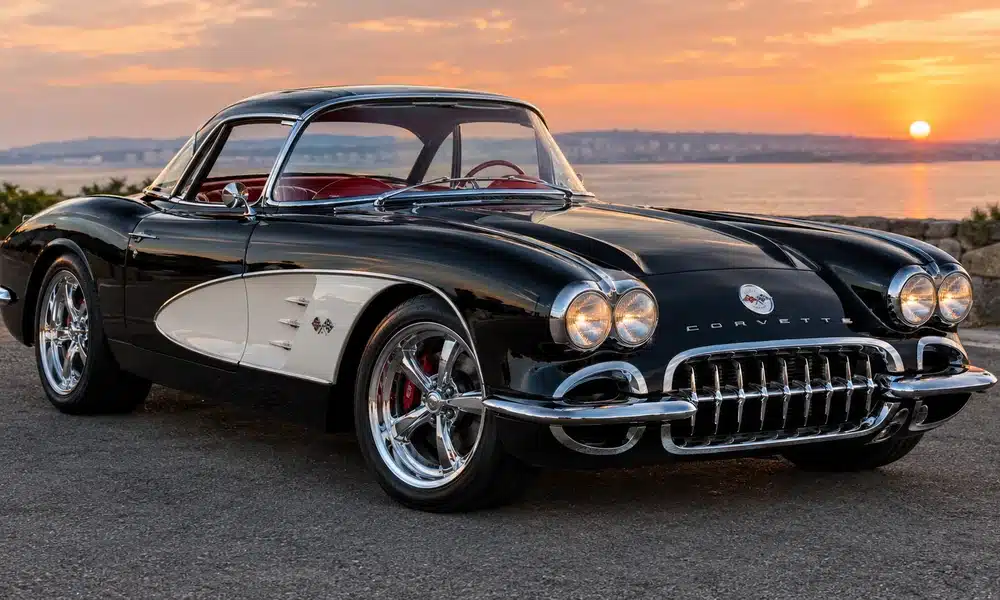
The first-generation Corvette established the model’s identity. Its rounded bodywork, classic proportions, and early American sports-car character make it particularly attractive to vintage-car enthusiasts. Early C1 cars differ considerably from later versions in power, equipment, and construction.
Condition and originality are especially important when shopping for one because restoration work can be expensive. A C1 is generally a choice for someone who values historical character and classic styling more than modern comfort or performance.
C2: 1963–1967
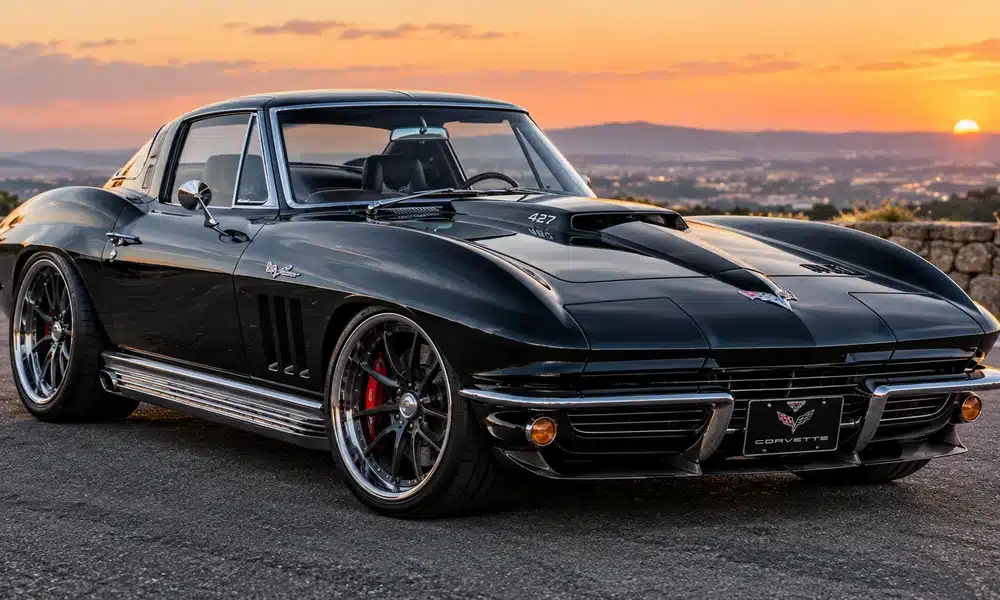
The second generation introduced the striking Sting Ray design. The 1963 split-window coupe is especially recognizable, while later C2 models developed a strong reputation among classic Corvette fans.
These cars can offer a compelling combination of vintage styling and performance, but the most desirable configurations may command substantial premiums. Factory documentation, engine authenticity, and restoration quality deserve close attention.
C3: 1968–1982
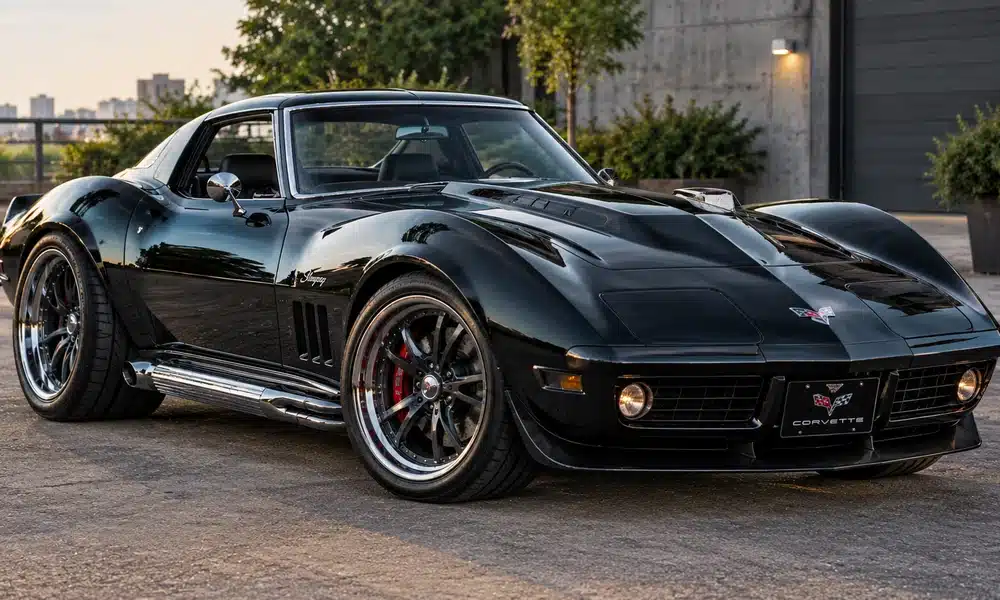
The C3 is known for its dramatic curves, long hood, and distinctive body shape. It remained in production for many years, during which engine options and performance changed with evolving regulations and market conditions.
A C3 can be an appealing entry into classic Corvette ownership, but individual cars vary widely. Some are original survivors, others have been restored, and many have received mechanical or cosmetic modifications. Do not assume that every C3 offers the same performance simply because the cars look similar.
C4: 1984–1996
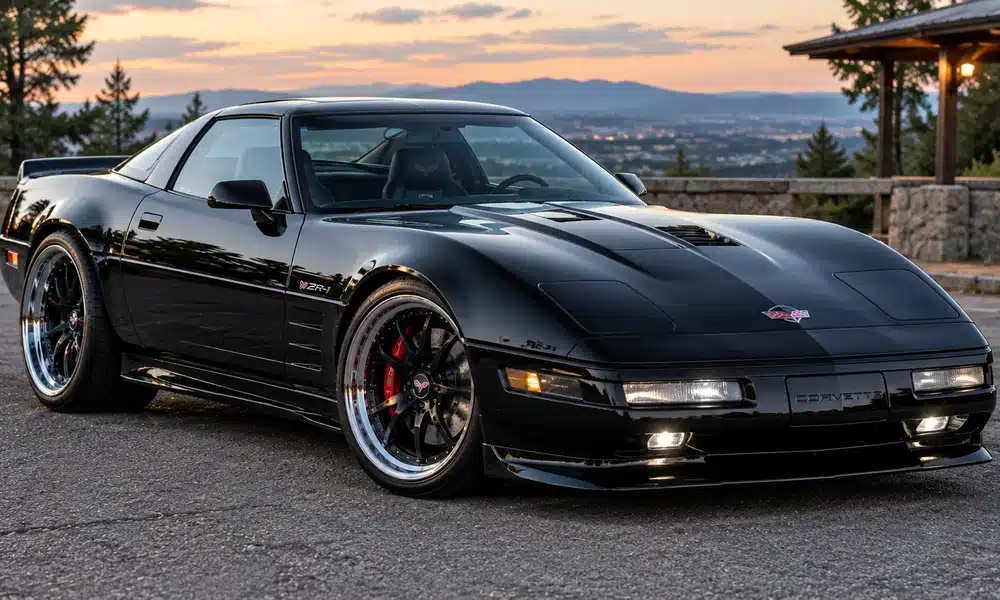
The C4 brought a more modern design and a greater emphasis on handling and technology. It can be an interesting option for buyers who want a recognizable Corvette without necessarily paying the premiums associated with the rarest classic models. Age-related issues, worn interior components, electrical faults, and neglected maintenance can still make a seemingly inexpensive example costly to own.
C5: 1997–2004
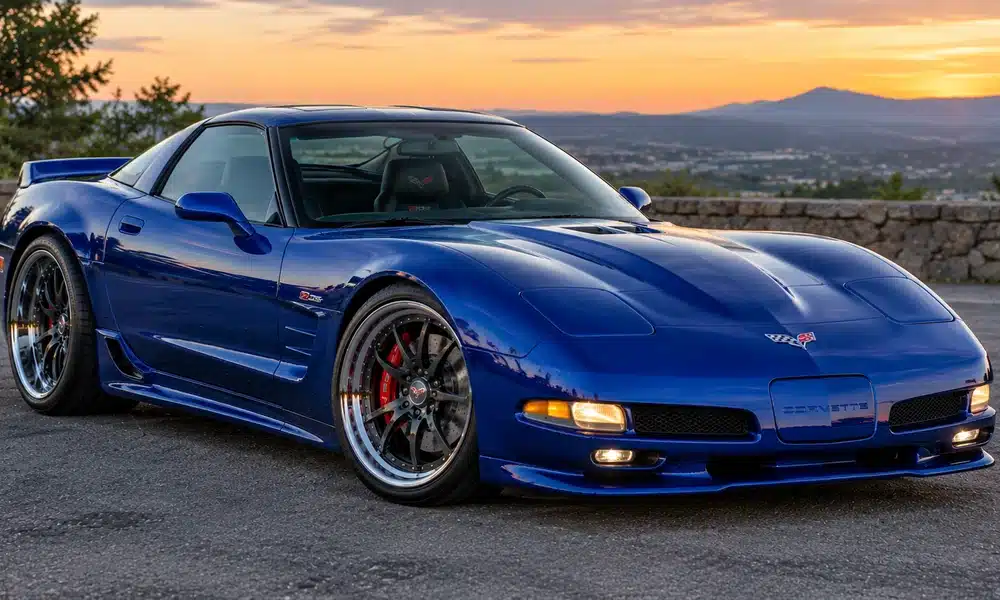
The C5 introduced a newer platform and the LS1 V8 engine, helping establish a strong reputation for performance relative to purchase cost. For many enthusiasts, it represents an appealing balance between usable modern performance and a more accessible used-car market. However, condition varies, so service history and a thorough inspection remain essential.
C6: 2005–2013

The C6 continued the Corvette’s front-engine, rear-wheel-drive formula with updated styling and performance. The generation includes several versions, from standard models to more specialized performance variants.
Buyers should compare the exact trim and equipment rather than relying only on the model year. Tires, brakes, suspension components, and evidence of track use can all influence the cost of bringing a car up to standard.
C7: 2014–2019

The C7 is the final front-engine generation before the mid-engine transition. Its angular styling, strong V8 performance, and wide range of variants make it attractive to buyers who want modern performance with a traditional Corvette layout.
Higher-performance versions can offer considerably different driving experiences and ownership costs from standard models. Confirm the exact variant and inspect the car for modifications or accident repairs.
C8: 2020 onward

The C8’s mid-engine layout represents one of the most significant changes in Corvette history. It delivers a different balance and driving experience from earlier generations, with a cockpit positioned farther forward and the engine behind the seats. The C8 range includes standard Stingray models and more specialized versions, including high-performance variants.
Pricing depends on model year, trim, options, mileage, condition, and local market conditions. For buyers considering a newer Corvette, check warranty coverage, service records, tire and brake condition, and whether the car has been modified or used extensively on track.
Which Chevrolet Corvette Is Best to Buy?
There is no single best Corvette for every buyer. The right choice depends on your budget, how you plan to drive it, and whether originality or modern performance matters most.
| Buyer priority | Generations to consider | What to focus on |
| Classic styling | C1, C2, C3 | Originality, rust, restoration quality, documentation |
| More accessible used performance | C4, C5 | Mechanical condition, maintenance history, parts availability |
| Modern front-engine experience | C6, C7 | Trim, service records, suspension, brakes, modifications |
| Mid-engine performance | C8 | Exact version, warranty, condition, purchase price |
| Collector interest | Select C1–C3 and special editions across generations | Authenticity, provenance, rarity, originality |
These are starting points, not guarantees of value or reliability. A well-maintained car from one generation can be a better purchase than a neglected example from another. If you’re comparing the Corvette with other performance categories, TurbooCruiser’s guide to sports cars versus supercars explains the differences in design, performance, and market positioning.
How Much Does a Chevrolet Corvette Cost?
Corvette prices vary too much for a single figure to describe the entire market. A used C5, a newer C8, a restored classic, and a rare limited-production model are very different purchases. The most useful approach is to compare vehicles from the same generation and similar condition, mileage, specification, and ownership history.
What affects Corvette prices?
Generation and model year: Newer cars often offer more modern technology, while older models may attract collectors for their styling or historical significance.
Trim and performance package: Special editions and high-performance variants can cost significantly more than standard versions.
Mileage: Lower mileage can be attractive, but a car that has been stored for years may need age-related maintenance even if it has covered few miles.
Condition: Accident damage, mechanical problems, worn interiors, poor paintwork, and deferred servicing can reduce a car’s appeal.
Originality and documentation: Collector-focused buyers may pay more for a verified configuration with credible records and original components.
Local market and import costs: Taxes, duties, shipping, registration, and parts availability can make a Corvette substantially more expensive in some countries than in its original market.
For context on the collector market, see TurbooCruiser’s overview of the most expensive American cars and its guide to rare cars in the world. These provide broader context, not direct valuations for an individual Corvette.
Corvette Running Costs: What Should You Budget For?
The purchase price is only part of the cost of owning a performance car. Even a Corvette that appears affordable can require a meaningful budget for maintenance, tires, insurance, and repairs.
Fuel and routine servicing
Fuel consumption depends on the generation, engine, transmission, driving conditions, and driving style. Frequent short trips or aggressive driving can increase consumption. Oil changes, filters, fluids, belts, and other routine maintenance should follow the schedule for the specific vehicle. Older cars may also need rubber components, seals, cooling-system work, and age-related repairs.
Tires and brakes
Performance cars can use wide tires and substantial braking components. Replacement costs depend on the model, specification, tire brand, and availability in your market. If the car has been driven on track, inspect brake wear, tire condition, and evidence of excessive heat or hard use.
Insurance
Insurance costs depend on the driver’s profile, location, coverage, vehicle value, and intended use. Classic-car policies may have mileage, storage, or usage restrictions, while newer performance models may be assessed differently. Review TurbooCruiser’s guide to high-performance vehicle insurance before deciding how to insure your car.
Repairs and specialist work
Some repairs require specialist knowledge, diagnostic equipment, or parts that may be difficult to source locally. This can be particularly important for older models, rare trims, and imported vehicles. For a broader budgeting framework, read how much it costs to maintain a performance vehicle.
What to Check Before Buying a Used Corvette
A proper inspection can help you avoid buying someone else’s expensive repair project.
1. Review the service history
Look for records of routine maintenance, major repairs, fluid changes, and replacement parts. A consistent history is generally more useful than a seller’s claim that the car has been maintained perfectly.
2. Check for accident damage
Examine the body panels, paint finish, panel gaps, glass, and visible structural areas. Look for signs of inconsistent repairs or poorly fitted replacement parts. For newer vehicles, verify available history reports and have the car inspected independently.
3. Inspect the engine and transmission
Start the car from cold where possible. Listen for unusual noises, observe the exhaust, and check for warning lights, fluid leaks, overheating, or irregular operation. During a road test, assess transmission behavior, steering, braking, and suspension noises. A specialist inspection is especially worthwhile for expensive or high-performance versions.
4. Check modifications
Performance modifications are not automatically a problem, but poorly executed work can create reliability, safety, emissions, or insurance issues. Ask for details about engine tuning, exhaust changes, suspension modifications, wheel fitment, and any removed factory components. Confirm that modifications comply with local rules.
5. Inspect the interior and electronics
Test the air conditioning, windows, seats, displays, lights, locks, and other equipment. Interior repairs and electronic faults can add to the total cost of ownership.
6. Calculate the complete purchase cost
Include inspection fees, transportation, registration, taxes, insurance, immediate maintenance, and an allowance for unexpected repairs. Use TurbooCruiser’s car maintenance checklist as a practical starting point when reviewing the car’s condition.
Is the Chevrolet Corvette a Good Investment?

Some Corvettes have strong collector demand, but buying one should not automatically be treated as an investment strategy. Values depend on the specific model, originality, condition, rarity, documentation, and broader market demand. A special edition with verified provenance may behave differently from a standard model with extensive modifications.
Ownership also carries costs. Storage, insurance, maintenance, restoration, and transaction fees can reduce any financial gain from a future sale. If collecting is your main goal, prioritize authenticity and condition. If driving enjoyment is more important, a clean, well-maintained example that fits your budget may make more sense than paying a large premium for a rare configuration.
Final Thoughts
The Chevrolet Corvette offers a wide range of experiences, from vintage American sports-car ownership to modern mid-engine performance. That variety is one of its biggest strengths, but it also makes choosing the right model important. Start by deciding whether you want a classic, a usable older performance car, or a newer Corvette with modern technology.
Then compare specific versions, inspect the vehicle carefully, and account for ownership costs before committing. The best Corvette is not necessarily the newest, rarest, or most powerful one. It is the car whose condition, price, and driving character match what you actually want from ownership.
Frequently Asked Questions
Is the Chevrolet Corvette a supercar?
It depends on the generation and version. The Corvette is traditionally classified as an American sports car, but some modern high-performance versions compete with cars commonly described as supercars. Performance, engineering, and market positioning all matter.
Which Corvette generation is the most desirable?
There is no universal answer. Some collectors prefer the classic C1 and C2 generations, while other buyers favor the C7’s traditional layout or the C8’s mid-engine design. Desirability depends on the exact model and buyer priorities.
Is a used Corvette reliable?
Reliability depends on the specific car’s condition, maintenance history, age, and modifications. A well-maintained example can be a rewarding ownership experience, but neglected vehicles may require expensive repairs.
Is a Corvette expensive to maintain?
Costs vary by generation and condition. Tires, brakes, specialist repairs, insurance, and parts availability can all affect the budget. Older or heavily modified cars may need more attention than newer, well-maintained examples.
Can a Chevrolet Corvette be used as a daily driver?
Some generations and configurations can work as daily drivers, but practicality depends on local roads, climate, ground clearance, parking, fuel costs, and how much space you need. Older classics generally require more flexibility than modern models.
What is the difference between a C7 and a C8 Corvette?
The main difference is engine placement. The C7 uses a front-engine layout, while the C8 moves the engine behind the passenger compartment into a mid-engine configuration. This changes the car’s proportions, packaging, and driving character.