
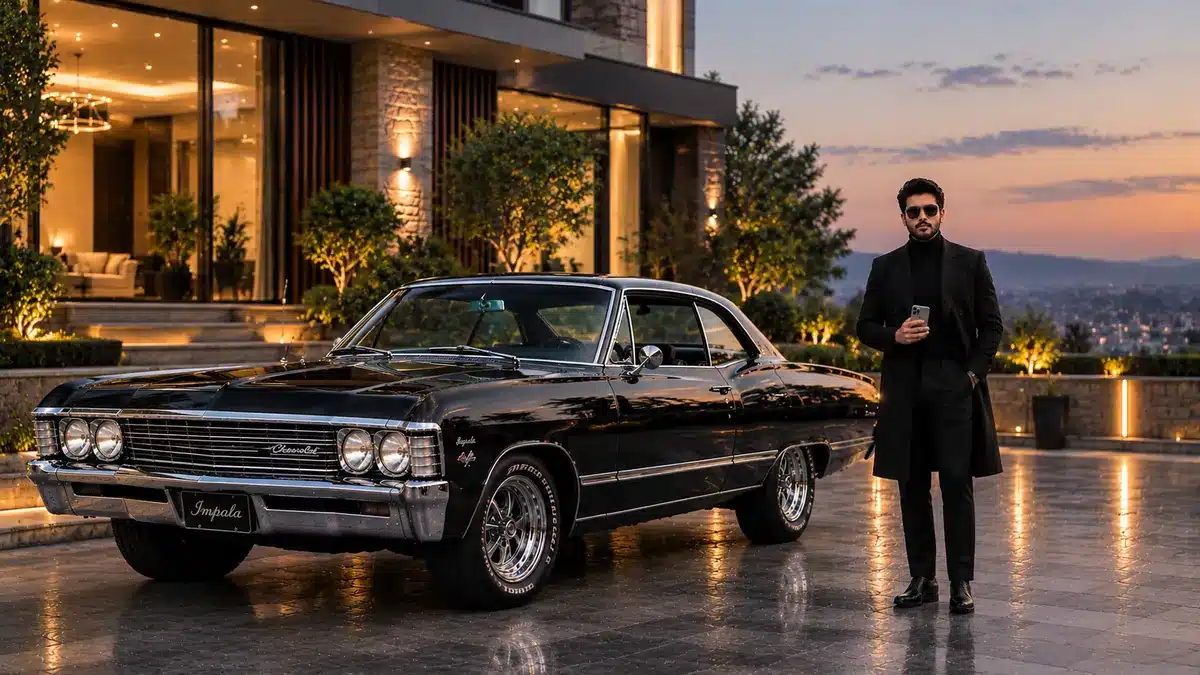
The 1967 Chevrolet Impala remains one of the most recognizable American cars of the 1960s. Its long body, distinctive styling, spacious interior, and range of V8 engines made it a popular choice for drivers who wanted full-size comfort with traditional American performance.
Today, the 1967 model attracts classic-car enthusiasts for several reasons. It belongs to an important period in Chevrolet history, offers multiple body styles, and can appeal to collectors looking for anything from a relatively understated cruiser to a powerful big-block V8 project.
Whether you are researching its specifications, comparing versions, or considering buying one, understanding the differences between trims, engines, and body styles can help you make a better decision.
What Is the 1967 Chevrolet Impala?
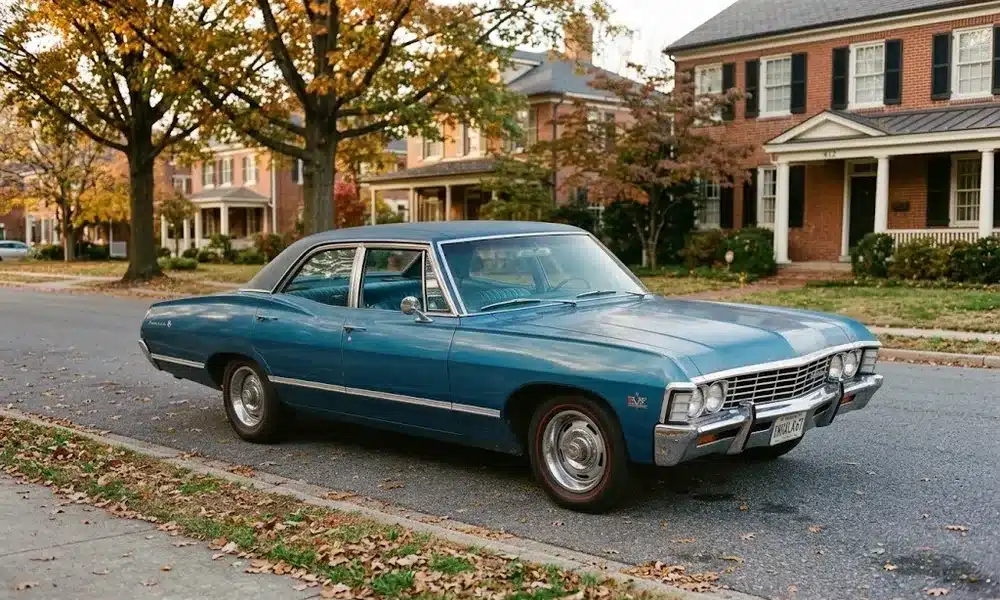
The 1967 Chevrolet Impala was part of Chevrolet’s fourth-generation Impala lineup, introduced for the 1965 model year. For 1967, Chevrolet refined the car’s styling while continuing to offer the full-size proportions and broad engine selection that had helped establish the Impala’s reputation. Buyers could choose from several body styles, including a four-door sedan, four-door hardtop, two-door hardtop, and convertible, with availability depending on the specific series and configuration.
The Impala occupied an important position in Chevrolet’s lineup. It provided more space and a different driving character from smaller performance-oriented cars, making it suitable for family use, highway cruising, and V8-powered driving. It is also worth distinguishing the standard Impala from the Impala SS, or Super Sport. The SS was the sportier version of the lineup, with distinctive trim and performance-oriented equipment depending on its configuration.
1967 Chevrolet Impala Specs
The specifications of a 1967 Impala depend heavily on its original engine, transmission, body style, and factory equipment. Chevrolet offered multiple powertrains, so there is no single specification sheet that describes every example.
| Feature | Details |
| Model year | 1967 |
| Vehicle class | Full-size American car |
| Body styles | Sedan, hardtop, and convertible variants |
| Engine choices | Inline-six and several V8 options, depending on configuration |
| Transmission | Manual and automatic options, depending on engine and equipment |
| Drivetrain | Rear-wheel drive |
| Seating | Typically designed for up to six occupants, depending on configuration |
| Main appeal | Classic styling, spaciousness, and traditional V8 character |
These are general model-level details rather than a guarantee of the specifications of any individual car. If you are evaluating a particular example, check its original documentation and engine identification rather than relying only on a seller’s description.
Engine Options and Performance
One of the main attractions of the 1967 Chevrolet Impala was its range of engines. The lineup catered to drivers who wanted comfortable everyday motoring as well as those who preferred more power.
Inline-six engines
The six-cylinder versions offered a more economical approach to full-size motoring. They suited buyers who valued the Impala’s space and appearance but did not need the additional power or running costs associated with a larger V8.
These cars can still make appealing classic cruisers, particularly for owners who prioritize relaxed driving over maximum acceleration.
Small-block V8 engines
Small-block V8 options offered a useful balance of performance and drivability. They provided the traditional V8 sound and character many enthusiasts want, without necessarily requiring the largest engine available.
For someone planning to drive a classic Impala regularly, a well-maintained small-block example may be worth considering. Condition, gearing, cooling, and transmission performance can matter just as much as the engine’s original specification.
Big-block V8 engines
The more powerful V8 configurations are often especially interesting to collectors and performance enthusiasts. They give the large Impala stronger acceleration and help explain why certain factory-equipped examples command more attention today.
However, a big-block badge or engine claim should always be verified. Replacement engines and modified drivetrains are common considerations in classic-car shopping. An engine that appears period-correct does not automatically prove that it was installed at the factory.
1967 Chevrolet Impala vs. Impala SS
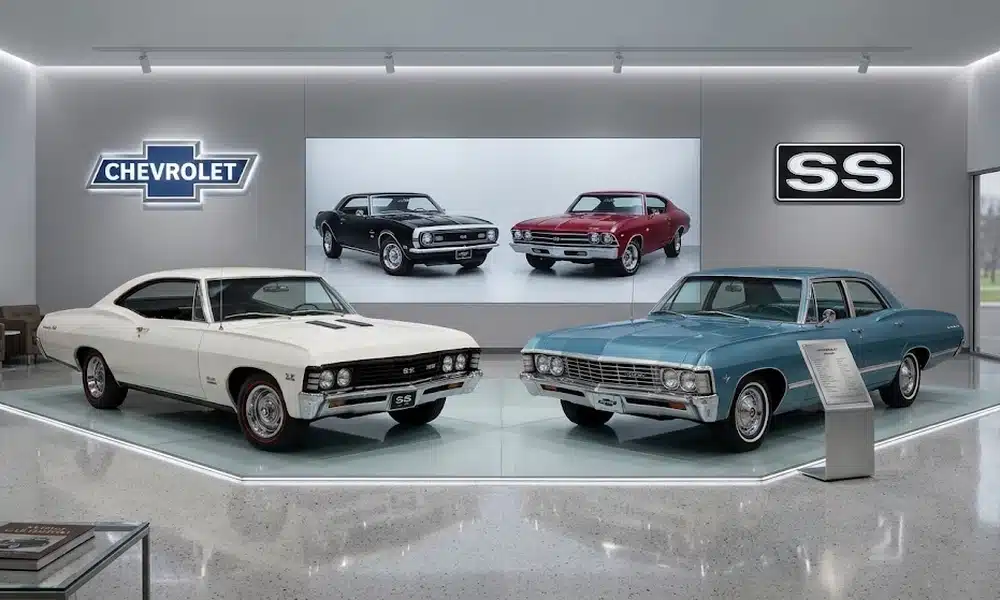
The distinction between an Impala and an Impala SS is important when researching prices and authenticity. The standard Impala was available in several configurations, with equipment and performance varying by specification. The SS added a sportier identity and is often more desirable to enthusiasts, but the value of any individual car still depends on its exact configuration and condition.
Before paying a premium for an SS, verify the car’s identity through available factory records, documentation, identification numbers, and specialist inspection. Exterior badges alone are not reliable proof of an original SS. A documented, correctly configured car can be more attractive to collectors than a standard model that has been modified to resemble one. That does not mean a modified car cannot be enjoyable; it simply means the two should not automatically be valued in the same way.
Exterior Design and Interior Features
The 1967 Impala reflects the styling priorities of its era: a long body, substantial proportions, chrome detailing, and a cabin designed around passenger comfort. Its exterior appearance changes noticeably with the body style. A two-door hardtop has a different profile from a four-door sedan, while the convertible offers an open-air driving experience that many collectors find appealing.
Inside, the Impala was designed as a comfortable full-size car rather than a stripped-down sports model. Seating, trim, dashboard equipment, and other details vary by version and optional equipment. Original interior condition can have a meaningful effect on a restoration budget.
Damaged upholstery, missing trim, incorrect dashboard components, and poorly executed custom work may be expensive or time-consuming to address. For buyers, the best example is not necessarily the one with the shiniest paint. A car with sound structure, a complete interior, and a well-documented history may be a stronger starting point than a cosmetically impressive vehicle with hidden problems.
How Much Is a 1967 Chevrolet Impala Worth?
There is no single market price for every 1967 Chevrolet Impala. Values vary with body style, engine, originality, restoration quality, documentation, and the market in which the car is sold. A running project car may appeal to someone who wants to complete a restoration over time. A clean driver can offer a more practical way to enjoy the model, while a highly original or professionally restored example may attract a different group of buyers.
Rare or desirable factory configurations can also influence value, especially when supported by credible documentation. For broader context, see TurbooCruiser’s guide to rare cars in the world and its overview of the most expensive American cars. These provide useful context for understanding why rarity, provenance, and collector demand can affect classic-car prices, although they should not be treated as direct price estimates for a 1967 Impala.
What affects the price most?
Originality: Factory-correct engines, trim, and equipment can make a difference, especially on desirable versions.
Body condition: Rust repair can become one of the most expensive parts of restoring a classic full-size car. Pay particular attention to structural areas, floors, lower body panels, and previous repairs.
Restoration quality: A documented restoration with photographs and receipts is easier to evaluate than a car described simply as “fully restored.”
Mechanical condition: Engine noise, smoke, overheating, transmission behavior, brake condition, and steering play all affect the ownership experience and the money required after purchase.
Documentation: Identification records, ownership history, and restoration invoices help establish what the car is and what work has been completed.
What to Check Before Buying a 1967 Impala?

A classic car can look excellent in photographs and still need substantial work. Inspecting the vehicle carefully is essential before committing to a purchase.
1. Inspect the body and frame
Rust deserves particular attention. Examine the floors, trunk area, lower body, wheel openings, and other vulnerable sections. Fresh undercoating or new paint can sometimes conceal previous repairs, so an independent inspection is worthwhile.
2. Verify the engine and configuration
Ask whether the engine is original, rebuilt, or replaced. Compare identification details and available documentation with the seller’s claims, especially if the car is advertised as an SS or a rare performance configuration.
3. Test the mechanical systems
Where possible, arrange a cold start and a proper road test. Watch for overheating, unusual engine noises, transmission slipping, poor braking, steering problems, and electrical faults. A classic car may need maintenance even when it runs well. Budget for age-related items such as hoses, belts, tires, seals, and fluids.
4. Review the restoration history
Request receipts, photographs, and details of any major work. Find out which components were repaired or replaced and whether the restoration was cosmetic, mechanical, or comprehensive.
For a broader ownership checklist, TurbooCruiser’s car maintenance checklist is a useful starting point. You can also review how much it costs to maintain a performance vehicle to understand the kinds of ongoing expenses that can accompany an older enthusiast car. Actual costs for a classic Impala will depend on its condition and local parts availability.
5. Calculate the full ownership cost
The purchase price is only one part of the budget. Include transport, inspection, registration, insurance, immediate repairs, storage, and future maintenance.
If the car will be driven regularly, consider its fuel consumption, braking capability, and suitability for modern traffic. A classic Impala can be enjoyable, but it should not be expected to behave like a contemporary family sedan.
Is the 1967 Chevrolet Impala a Good Collector Car?
The 1967 Impala can be an appealing collector car for someone who values classic American styling, a roomy cabin, and the character of a full-size V8-powered vehicle. Its appeal is not limited to one type of buyer. Some owners prefer original cars that preserve the character of the period. Others enjoy carefully restored examples, modified builds, or affordable projects that can be improved over time.
The important distinction is between buying a car to enjoy and buying a car as an investment. A well-chosen Impala may retain collector appeal, but future prices are not guaranteed. Restoration costs, storage, insurance, and market demand can all affect the financial outcome. Before buying primarily for investment potential, compare similar cars with verified configurations and documented condition. Do not assume that every 1967 Impala will appreciate simply because it is a classic.
Final Thoughts
The 1967 Chevrolet Impala combines the proportions, comfort, and styling that made American full-size cars of the era memorable. Its range of engines and body styles means there is no single version that suits every enthusiast. For buyers, the key is to look beyond the paint and badges. Verify the car’s configuration, examine its structure, understand its mechanical condition, and compare its asking price with genuinely similar examples. Choose a car that fits your budget and how you intend to use it. A carefully selected Impala can offer a rewarding classic-car ownership experience without requiring you to chase the rarest or most expensive version on the market.
Frequently Asked Questions
What engine came in the 1967 Chevrolet Impala?
The 1967 Impala was available with an inline-six and several V8 engine options, depending on the model and equipment selected. The exact engine in a particular car should be verified through identification details and documentation.
Was the 1967 Impala available as a convertible?
Yes. Convertible versions were offered in the 1967 Impala lineup, alongside sedan and hardtop body styles.
What is the difference between a 1967 Impala and an Impala SS?
The Impala SS was the sportier version of the lineup, with distinguishing trim and performance-oriented equipment depending on its configuration. Buyers should verify authenticity because badges and cosmetic modifications do not prove that a car is an original SS.
Is the 1967 Chevrolet Impala rare?
Rarity depends on the specific body style, engine, factory equipment, and surviving examples. A standard Impala and a desirable, documented performance configuration should not be treated as equally rare.
Is a 1967 Chevrolet Impala expensive to maintain?
Maintenance costs depend on condition, parts availability, mechanical configuration, and how much restoration work is needed. A well-maintained driver may need routine servicing, while a neglected or heavily modified car can require substantial investment.
What should I check before buying one?
Inspect the body for rust, verify the engine and claimed trim, test the mechanical systems, review restoration records, and budget for immediate and ongoing maintenance. An independent classic-car inspection can help identify problems before purchase.