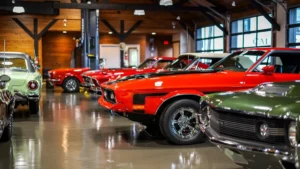
Convertible cars offer something that conventional vehicles cannot fully replicate: the ability to lower or remove the roof and enjoy an open-air driving experience. Whether cruising along a scenic coastal road or taking a relaxed weekend drive, a convertible adds a distinctive sense of freedom to the journey.
These vehicles come in several forms, from compact two-seat roadsters and sporty coupes to luxury grand tourers and powerful performance cars. Some use lightweight fabric roofs, while others feature retractable hardtops or removable roof panels.
The best convertible depends on how you plan to use it. A small roadster can be enjoyable on winding roads, while a luxury convertible may offer greater comfort for longer journeys. Buyers should also consider weather protection, luggage space, maintenance costs, and the condition of the roof mechanism.
Convertible cars are designed for drivers who want the flexibility of open-air motoring without giving up the convenience of an enclosed vehicle when the roof is raised.
What Is a Convertible Car?
A convertible is a car designed with a roof that can be opened, folded away, removed, or retracted. The roof may be made from fabric or constructed from rigid panels.
The term cabriolet is also commonly used for convertible vehicles, particularly in European automotive terminology.
Unlike a traditional fixed-roof car, a convertible must accommodate the structural and mechanical requirements of an opening roof. This can influence its weight, luggage capacity, body rigidity, and design.
Modern convertibles use different solutions to balance comfort, styling, and performance. Some prioritize low weight and simplicity, while others focus on quiet cabins, luxury materials, and automated roof mechanisms.
Types of Convertible Cars
Understanding the main convertible designs can help you decide which type suits your needs.
1. Soft-Top Convertibles
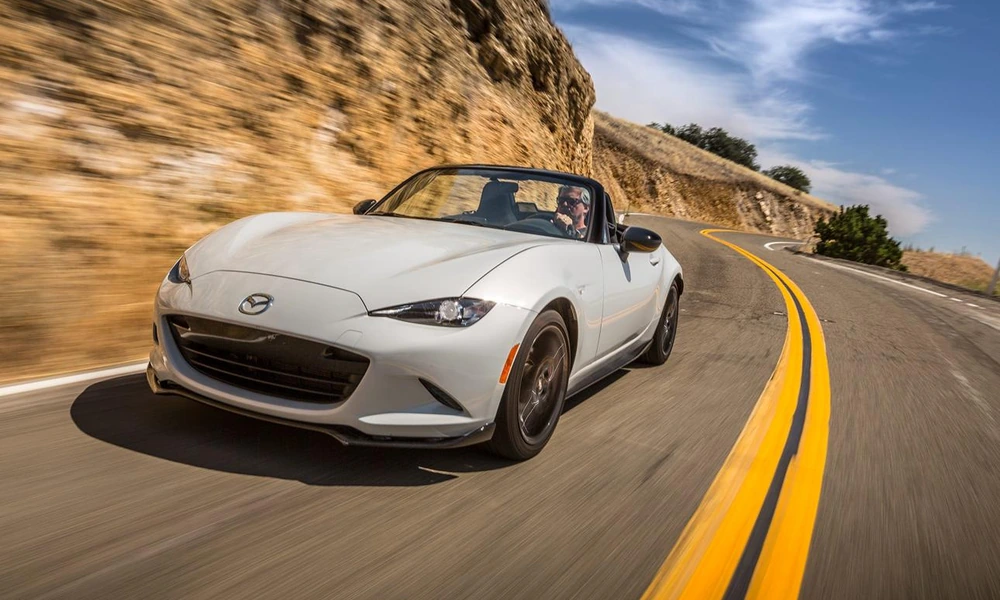
Soft-top convertibles use a flexible fabric roof that folds away when opened.
Their relatively lightweight construction can benefit handling and packaging, although insulation and noise levels vary by model.
Examples include the Mazda MX-5 Miata, Porsche 911 Cabriolet, and Mini Cooper Convertible.
Best for: Drivers who want a traditional convertible experience, distinctive styling, and a roof that can fold away compactly.
2. Hardtop Convertibles
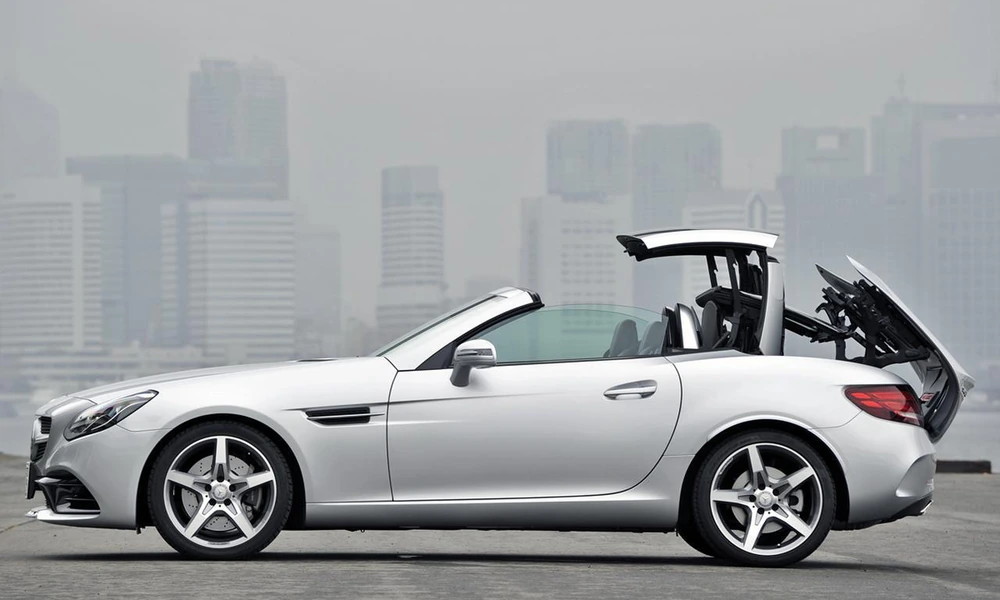
Hardtop convertibles use rigid roof panels, often with a powered mechanism that retracts the roof into the body.
A hardtop can provide a more coupe-like appearance and feel when closed, although roof mechanisms may add weight and complexity.
Examples of retractable-hardtop designs include certain Mercedes-Benz SLK and SLC models, as well as earlier versions of the Mazda MX-5 RF.
Best for: Buyers who want the feel of a fixed-roof car while retaining the option of open-air driving.
3. Convertible Sports Cars
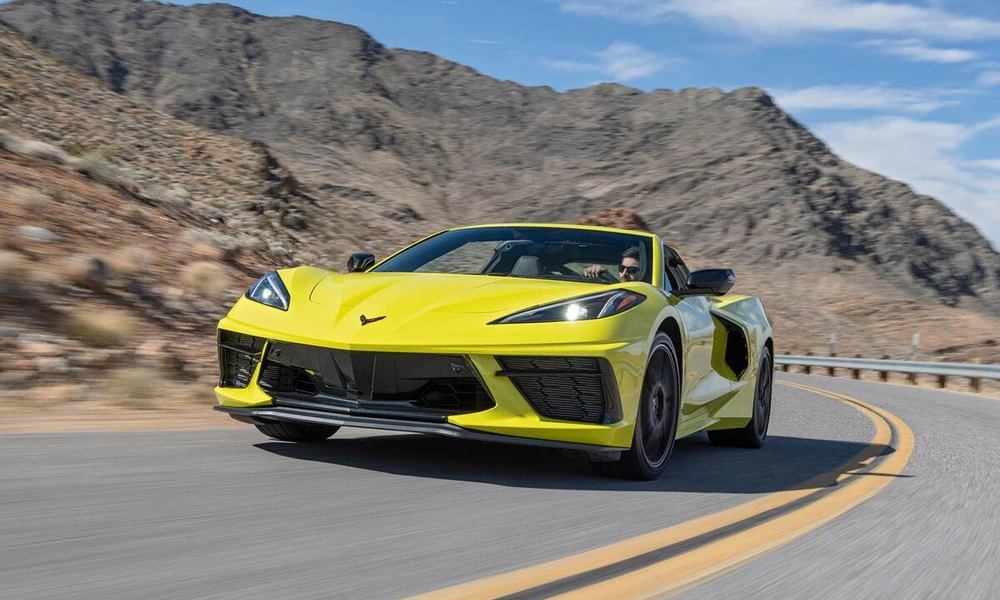
Convertible sports cars combine an open roof with a chassis and powertrain designed around driving enjoyment.
They often emphasize steering response, acceleration, and handling rather than maximum passenger or cargo capacity.
Examples include the Chevrolet Corvette Convertible, Porsche 911 Cabriolet, and BMW Z4.
Best for: Enthusiasts who want performance alongside open-air driving.
4. Luxury Convertible Cars
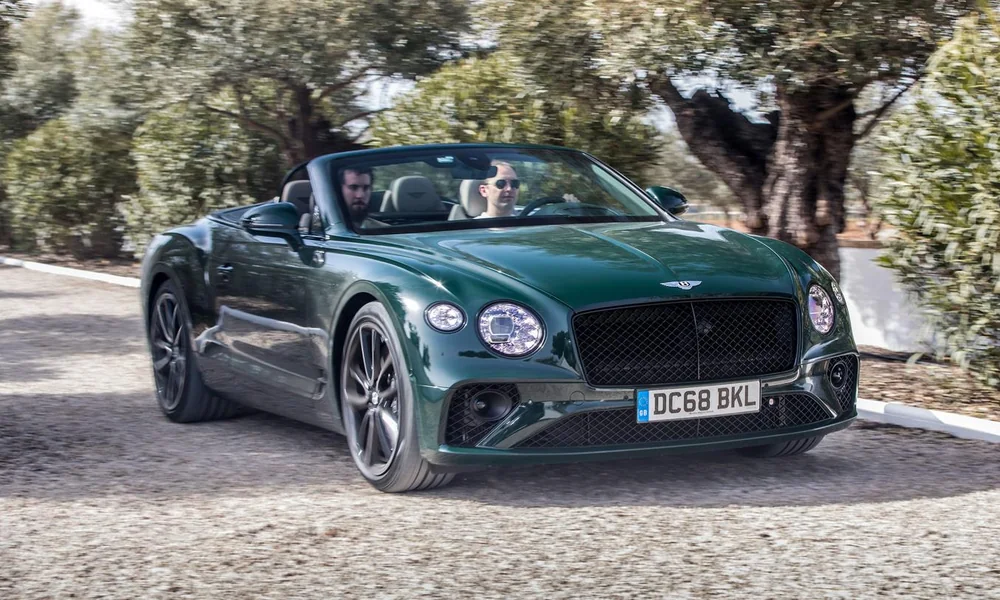
Luxury convertibles focus on comfort, refined interiors, premium materials, and sophisticated technology.
Many offer powerful engines, advanced suspension systems, heated seats, and features designed to make open-air driving more comfortable in cooler weather.
Examples include the Bentley Continental GTC, Mercedes-Benz CLE Cabriolet, and Aston Martin DB12 Volante.
Best for: Buyers who prioritize comfort, design, and an upscale driving experience.
5. Four-Seat Convertibles
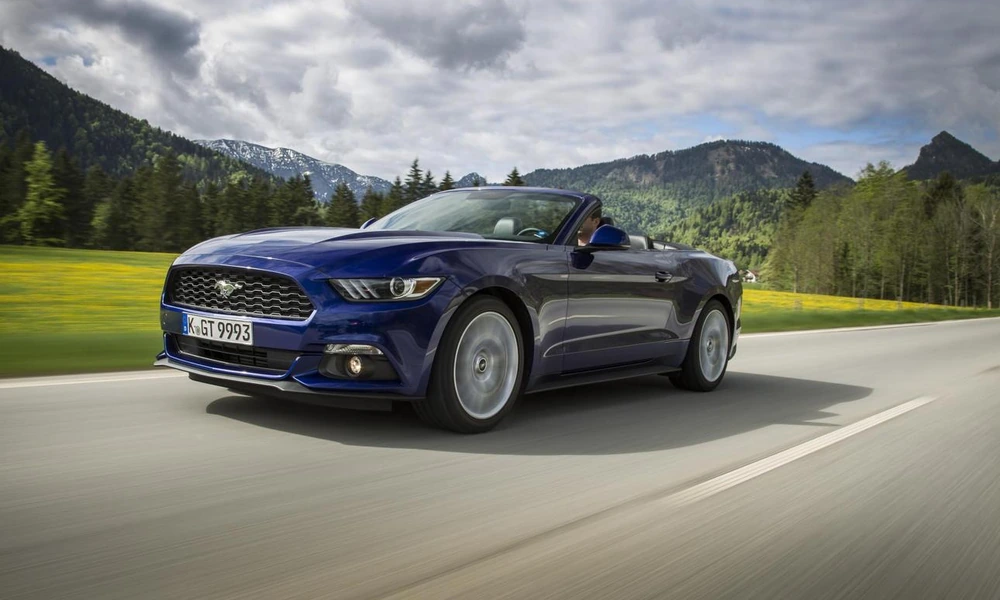
Four-seat convertibles provide space for additional passengers, although rear-seat room can be limited in some models.
They can be more versatile than two-seat roadsters, particularly for couples or small families who occasionally need additional seating.
Examples include the Ford Mustang Convertible, BMW 4 Series Convertible, and Mini Cooper Convertible.
Best for: Drivers who want open-air motoring with more passenger flexibility.
6. Compact Roadsters
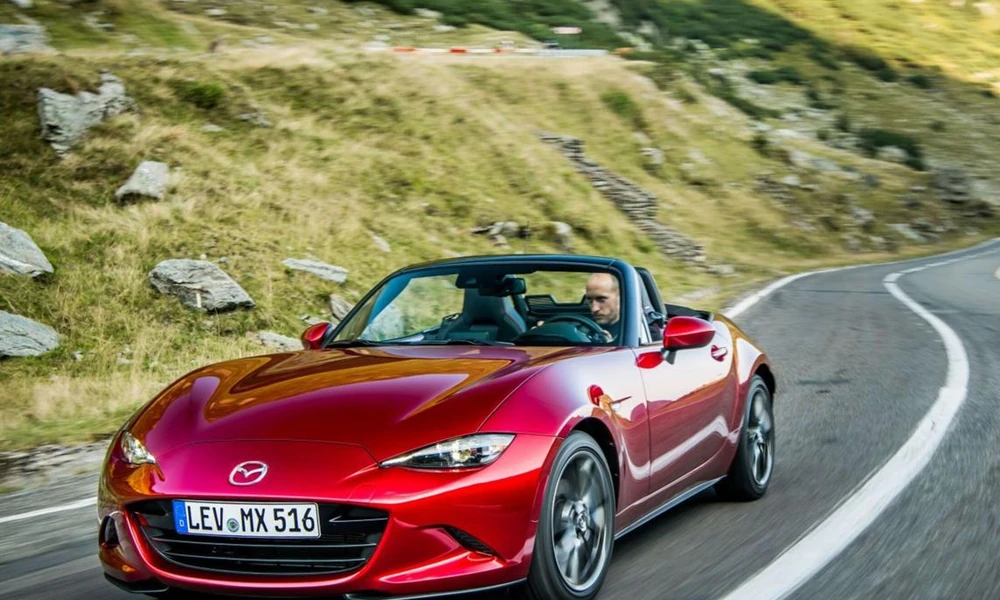
Roadsters are typically lightweight, two-seat sports cars. Many feature simple designs that emphasize driver engagement.
Their compact dimensions can make them enjoyable on narrow roads, while their limited storage and passenger capacity make them less suitable for some everyday needs.
The Mazda MX-5 Miata is one of the best-known modern examples.
Best for: Drivers who value agility and an engaging driving experience over space.
Best Convertible Cars to Consider
The following models represent different approaches to convertible design. Availability, prices, and specifications vary by market and model year.
Mazda MX-5 Miata
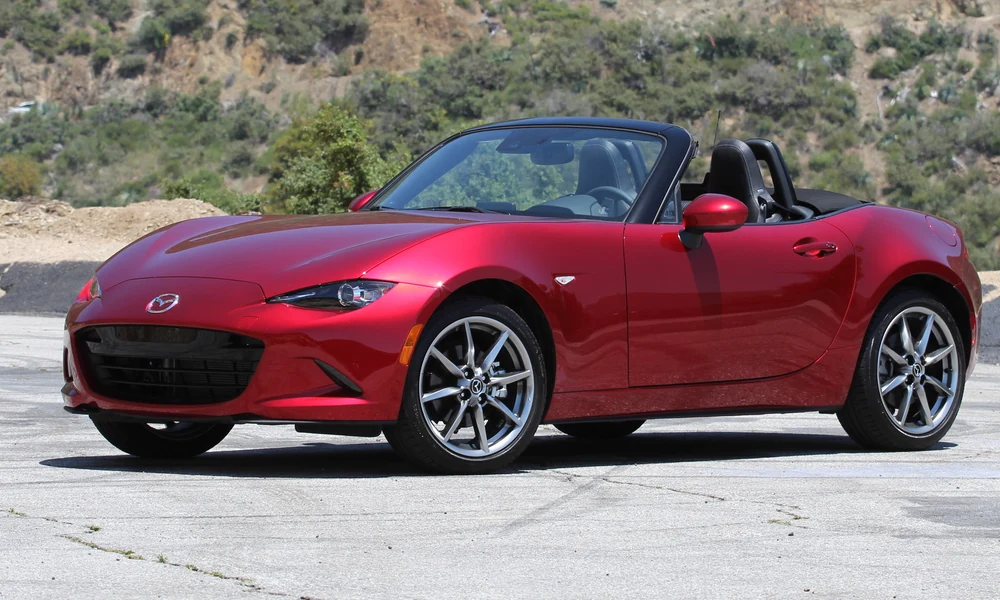
The Mazda MX-5 Miata is a compact roadster known for its lightweight construction, responsive handling, and relatively simple driving experience.
Its small size makes it appealing to enthusiasts who enjoy winding roads rather than focusing exclusively on horsepower.
The trade-offs include limited luggage space, two-seat capacity, and less practicality than a conventional sedan.
Best for: Drivers seeking an engaging, relatively accessible sports-car experience.
BMW Z4
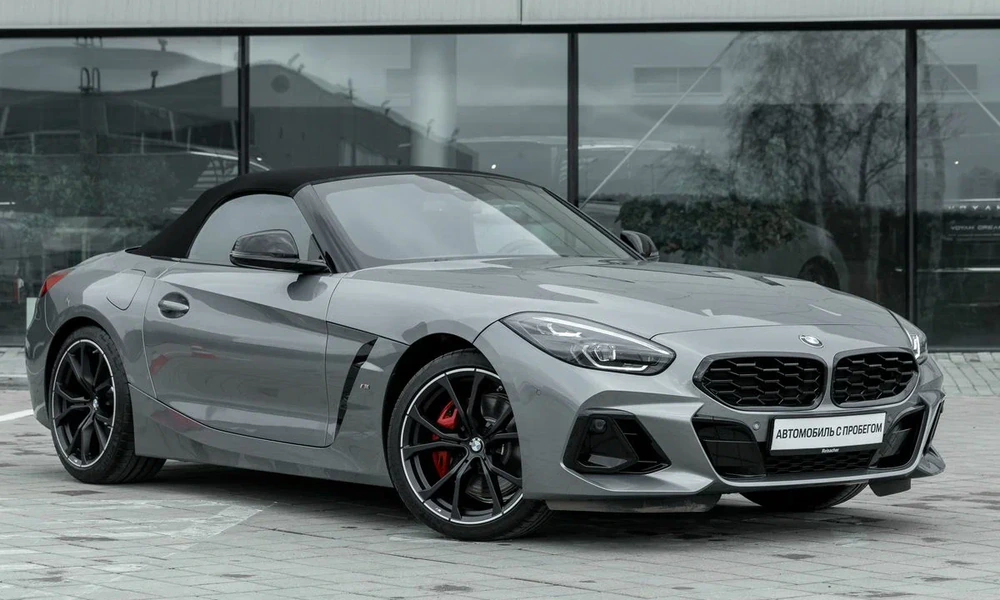
The BMW Z4 is a two-seat roadster that combines sporty styling with a more premium interior and available performance-oriented powertrains.
It is designed for drivers who want a comfortable open-top car with strong acceleration and refined road manners.
Best for: Buyers who want a premium two-seat convertible for weekend drives and everyday use.
Ford Mustang Convertible
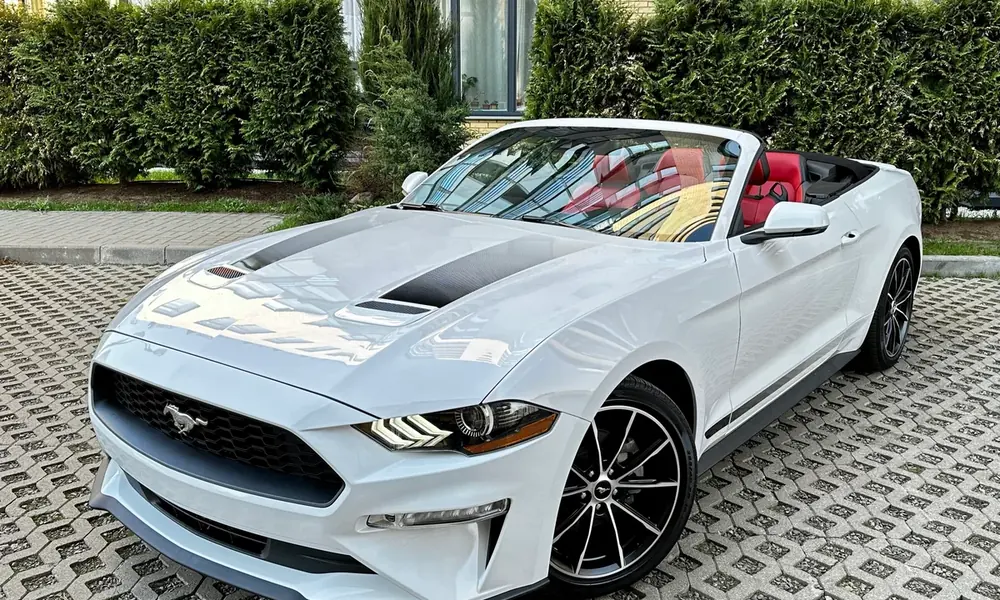
The Ford Mustang Convertible combines classic muscle-car styling with the ability to lower the roof.
Depending on the version, it can offer a powerful engine, a distinctive exhaust note, and a more dramatic driving character than many compact roadsters.
Its larger dimensions and available rear seats can make it more versatile, although the rear seating area may be restrictive for adults.
Best for: Drivers who want bold styling and strong performance with open-air flexibility.
Porsche 911 Cabriolet
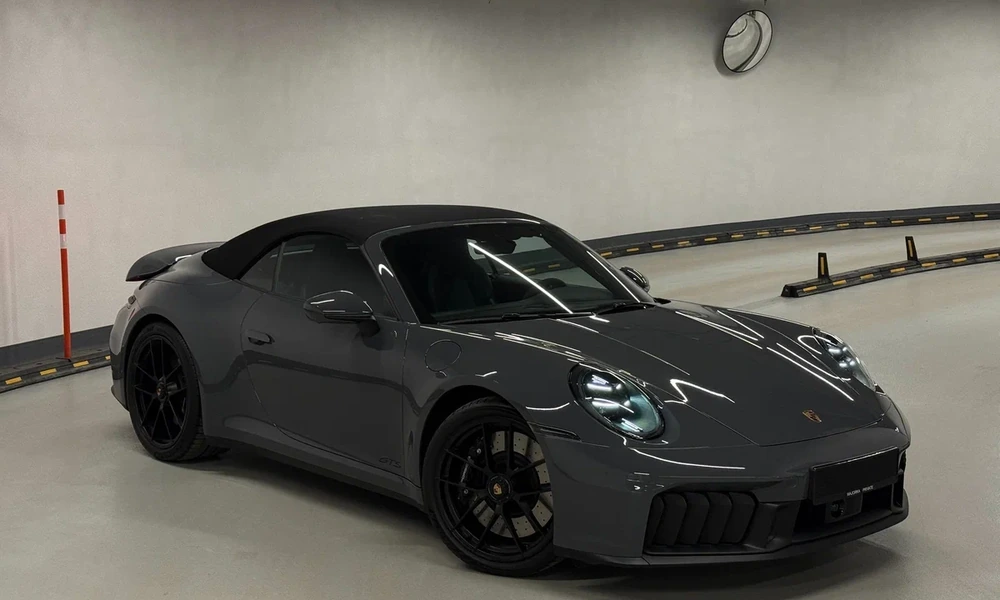
The Porsche 911 Cabriolet combines the familiar 911 sports-car layout with a folding roof.
It aims to preserve much of the model’s performance and handling character while allowing drivers to enjoy open-air motoring.
Equipment, engine specifications, and performance depend on the exact version and model year.
Best for: Buyers seeking a high-performance convertible with everyday usability.
Chevrolet Corvette Convertible
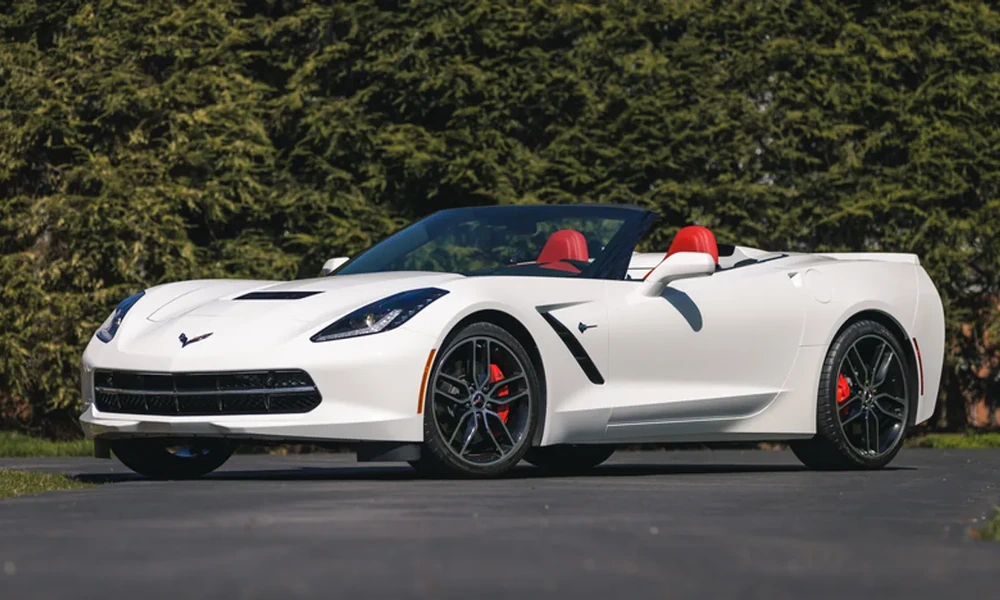
The Chevrolet Corvette Convertible combines a performance-focused design with a retractable hardtop on applicable versions.
Its mid-engine layout in modern generations contributes to its distinctive proportions and handling characteristics.
The Corvette is designed for drivers who want supercar-inspired performance without necessarily choosing an exotic European brand.
Best for: Enthusiasts seeking substantial performance and striking styling.
Mini Cooper Convertible
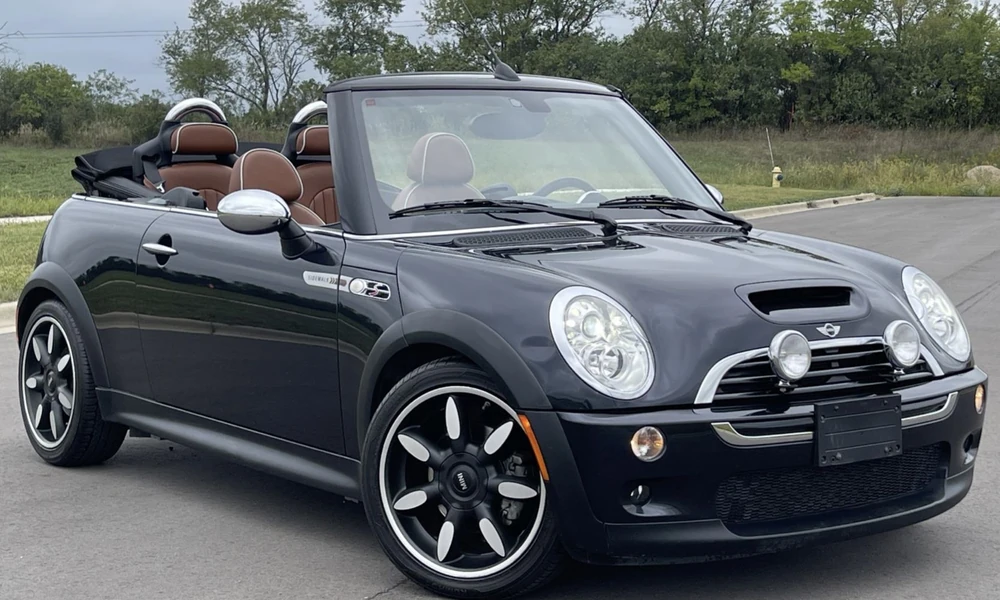
The Mini Cooper Convertible combines compact dimensions with the brand’s distinctive styling and an open-top design.
Its smaller footprint can be convenient for city driving, while the cabin and roof layout provide a different experience from a conventional hatchback.
Best for: Drivers who want a compact convertible with a distinctive appearance.
Mercedes-Benz CLE Cabriolet
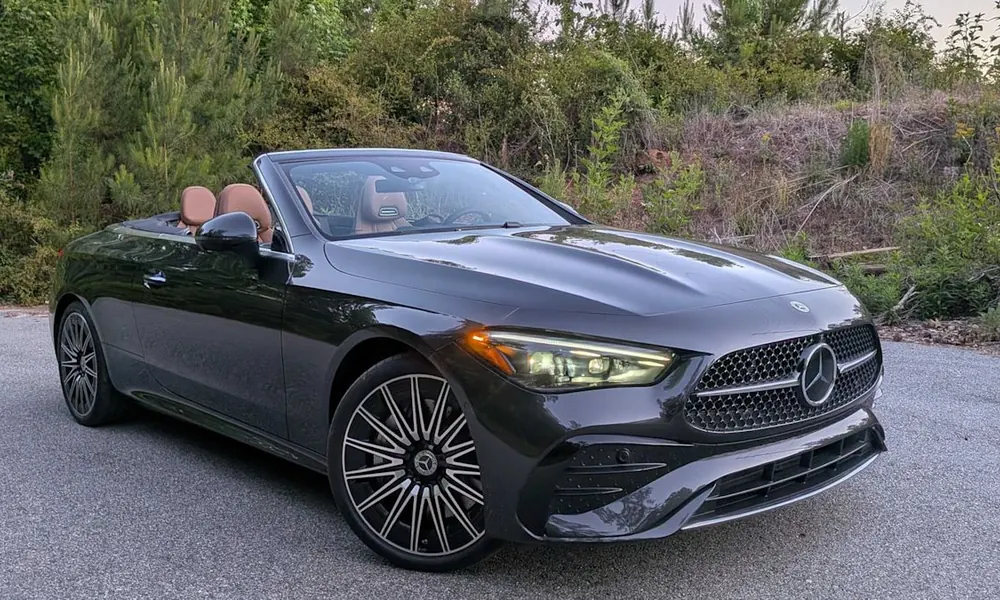
The Mercedes-Benz CLE Cabriolet focuses on comfort, design, and premium features.
It offers an open-top experience in a more refined package than many lightweight roadsters. Depending on the configuration, equipment can include comfort-oriented seating, advanced infotainment, and driver-assistance systems.
Best for: Buyers who want a stylish convertible suited to relaxed driving and longer journeys.
Bentley Continental GTC
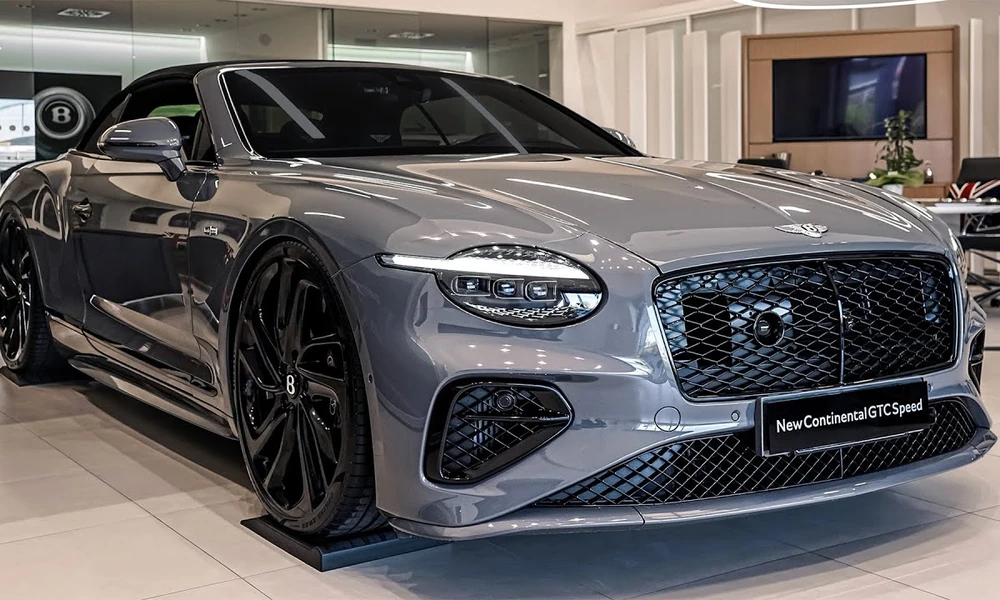
The Bentley Continental GTC is a luxury grand touring convertible designed around high levels of comfort, premium materials, and powerful performance.
Its larger body and upscale interior make it different from compact sports convertibles, with greater emphasis on long-distance refinement.
Best for: Buyers seeking an ultra-luxury convertible and a highly refined driving experience.
Convertible Cars Compared
| Model | General category | Main appeal |
| Mazda MX-5 Miata | Compact roadster | Lightweight handling |
| BMW Z4 | Premium roadster | Performance and comfort |
| Ford Mustang Convertible | Performance convertible | Muscle-car character |
| Porsche 911 Cabriolet | Sports-car convertible | Performance and versatility |
| Chevrolet Corvette Convertible | High-performance convertible | Mid-engine sports-car design |
| Mini Cooper Convertible | Compact convertible | City-friendly dimensions |
| Mercedes-Benz CLE Cabriolet | Luxury convertible | Comfort and premium features |
| Bentley Continental GTC | Ultra-luxury grand tourer | Refinement and exclusivity |
This is a category comparison, not a definitive ranking. The best choice depends on budget, local availability, maintenance requirements, and personal preferences.
Are Convertible Cars Practical for Everyday Driving?
A convertible can work as a daily driver, but practicality varies considerably by model.
Compact convertibles may be easy to maneuver in the city, while larger luxury models can provide comfortable seating and useful technology for regular journeys.
Before choosing one, consider the following factors.
Weather and Climate
A properly maintained convertible roof can protect occupants from rain and wind, but the quality of insulation varies. In very hot climates, cabin cooling and roof material condition are particularly important.
Luggage Space
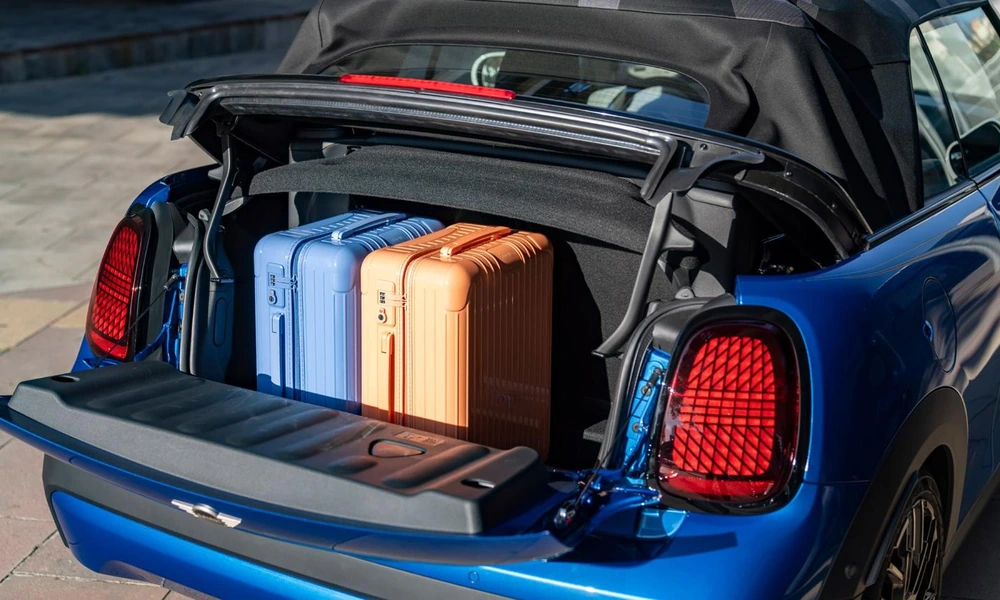
Some convertibles have smaller trunks because the roof mechanism occupies part of the available storage area.
If you regularly carry luggage, shopping, or equipment, inspect the actual trunk dimensions with the roof both raised and lowered.
Rear-Seat Space
Two-seat roadsters cannot carry additional passengers. Four-seat convertibles offer more flexibility, but their rear seats may be small.
Cabin Noise
Soft-top convertibles can admit more road and wind noise than comparable fixed-roof cars. Modern designs have improved insulation, but differences remain.
Security
A fabric roof may be easier to damage than a metal body panel. Parking in secure areas and keeping valuables out of sight can help reduce risks.
Soft-Top vs. Hardtop Convertibles: Which Is Better?
Neither roof type is universally superior.
Soft tops are often lighter and can have simpler packaging. Depending on the model, they may also provide more trunk space because they fold into a smaller area.
Hardtops can provide a more coupe-like appearance and may offer a different sense of insulation when closed. However, retractable hardtop systems can be heavier and mechanically more complex.
When comparing vehicles, consider roof operation, weather sealing, maintenance requirements, interior noise, luggage space, and repair costs. A well-maintained roof of either type can provide years of enjoyable use.
How Much Do Convertible Cars Cost?
Convertible prices vary widely, from relatively affordable used roadsters to high-performance models and ultra-luxury grand tourers.
The purchase price depends on the brand, model year, engine, trim, mileage, condition, and local market.
Ownership costs can include:
- Insurance: Performance and luxury models may be more expensive to insure.
- Roof maintenance: Seals, fabric, motors, sensors, and folding mechanisms can require repairs.
- Tires and brakes: Performance-oriented convertibles may use expensive components.
- Fuel or electricity: Consumption depends on the powertrain and driving style.
- Routine servicing: Luxury vehicles may require specialized parts and labor.
- Depreciation: Resale values vary by model, condition, mileage, and demand.
For used convertibles, budget for possible roof repairs as well as ordinary mechanical maintenance.
What to Check Before Buying a Used Convertible
A used convertible should be inspected for both ordinary vehicle problems and roof-specific issues.
Inspect the Roof
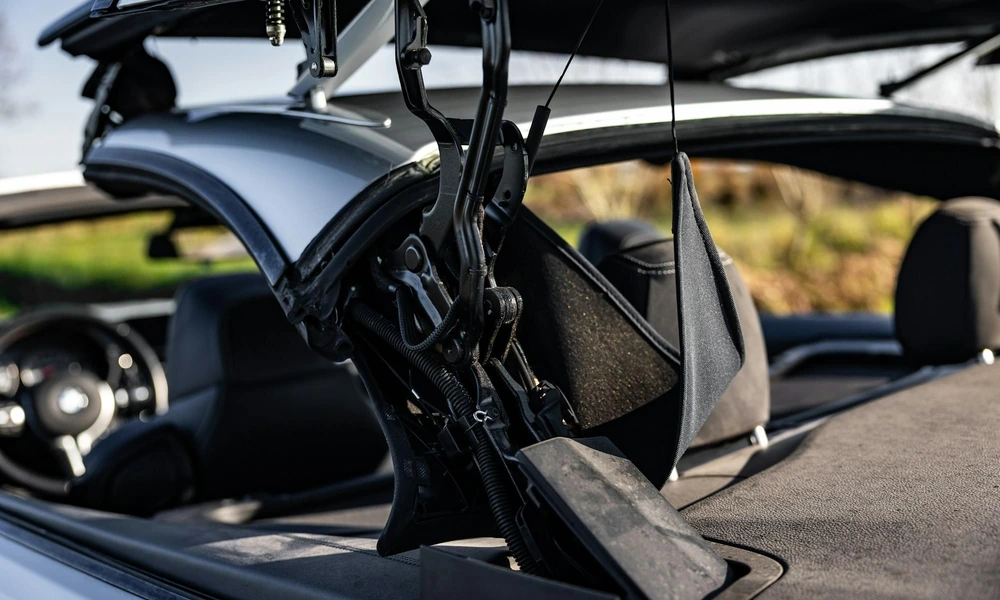
Open and close the roof several times if the vehicle’s condition and operating instructions allow it. Watch for hesitation, unusual noises, warning lights, or incomplete movement.
For fabric roofs, check for tears, worn seams, fading, and water stains. For hardtops, inspect the panels, joints, and mechanism.
Check for Water Leaks
Look at the carpets, footwells, trunk, and interior trim for moisture or mold-like odors.
Blocked drainage channels and damaged seals can allow water to enter the cabin.
Review Mechanical Condition
Inspect the engine, transmission, brakes, suspension, tires, cooling system, and electronics. Obtain a professional inspection if you are not qualified to evaluate these systems yourself.
Verify Service History
Ask for maintenance records and details of previous roof repairs, accident damage, and replacement components.
Test Drive Carefully
Check steering, braking, suspension noises, cabin rattles, and general comfort. If safe and permitted, compare the cabin experience with the roof raised and lowered.
Are Convertible Cars Safe?
Modern convertibles are designed to meet applicable vehicle safety requirements, but protection varies by model and design.
Because the roof does not form the same fixed structure as a conventional closed car, manufacturers may use reinforced body structures, rollover protection systems, and other safety features.
Before purchasing, check the specific vehicle’s safety equipment, crash-test information where available, recall status, and condition.
Never assume that all convertibles offer identical rollover protection or crash performance. The model year and exact configuration matter.
Frequently Asked Questions
What is a convertible car?
A convertible is a car with a roof that can be folded, retracted, removed, or opened to allow open-air driving.
What is the difference between a convertible and a cabriolet?
The terms generally describe the same broad type of vehicle. “Cabriolet” is commonly used in European automotive terminology, while “convertible” is widely used in other markets.
What is the best convertible car?
The best choice depends on your needs. The Mazda MX-5 Miata suits drivers who prioritize lightweight handling, the Ford Mustang Convertible offers muscle-car character, and the Bentley Continental GTC focuses on luxury and comfort.
Are convertible cars expensive to maintain?
They can be more expensive to maintain than comparable fixed-roof cars if roof mechanisms, seals, or specialized components need repairs. Actual costs depend on the model, age, condition, and service availability.
Are soft-top convertibles safe in the rain?
A properly maintained soft top should protect the cabin from ordinary rain. Damaged fabric, worn seals, or blocked drainage channels can cause leaks, so regular inspection is important.
Can convertible cars be used in winter?
Many convertibles can be driven in cold weather if they are properly maintained and equipped with suitable tires. Cabin heating, roof insulation, and traction depend on the vehicle and local conditions.
Do convertible cars have less trunk space?
Some do. The folding roof mechanism can occupy space that would otherwise be available for luggage. The effect varies by model and roof design.
Are convertible cars suitable for daily driving?
Yes, some convertibles can serve as daily drivers. Consider passenger capacity, luggage space, weather, fuel costs, roof condition, and the availability of servicing before deciding.
Final Verdict
Convertible cars offer a distinctive combination of open-air driving, expressive styling, and everyday motoring. The category includes compact roadsters, performance convertibles, four-seat models, and luxury grand tourers, each designed for different priorities.
A lightweight roadster may be ideal for an enthusiast, while a larger convertible can provide a more comfortable experience on longer journeys. The right choice depends on your budget, passenger needs, climate, and willingness to maintain a specialized roof system.
Before buying, inspect the roof and seals carefully, verify the vehicle’s service history, and calculate the full cost of ownership. With the right model and proper maintenance, a convertible can be an enjoyable alternative to a conventional fixed-roof car.
Disclaimer: This article is provided for general informational and educational purposes only and does not promote or endorse any product, service, brand, or individual. Details may change, and no guarantee is made regarding completeness or accuracy.