For classic-car enthusiasts, finding the right vehicle is about more than transportation. It can mean tracking down a long-desired muscle car, restoring a vintage convertible, collecting an iconic American model, or discovering a vehicle that brings back memories of another era.
Gateway Classic Cars is a specialist dealership business focused on classic, collectible, and enthusiast vehicles. Its inventory includes a variety of makes, models, and production years, giving buyers a place to explore vehicles that may be difficult to find through conventional new-car dealerships.
However, buying a classic car requires a different approach from buying an ordinary used vehicle. Mechanical condition, originality, restoration quality, documentation, and the availability of replacement parts can matter as much as mileage and appearance.
Gateway Classic Cars can be a useful starting point for researching and shopping for collector vehicles, but buyers should independently verify a car’s condition, paperwork, total purchase cost, and seller terms before committing.
What Is Gateway Classic Cars?
Gateway Classic Cars is a US-based business specializing in classic and collector vehicles. Its listings include vintage cars, classic trucks, muscle cars, sports cars, convertibles, and other enthusiast vehicles.
Unlike a conventional dealership focused mainly on new models and recent used cars, a classic-car retailer typically handles vehicles with a broader range of ages, mechanical designs, histories, and restoration conditions.
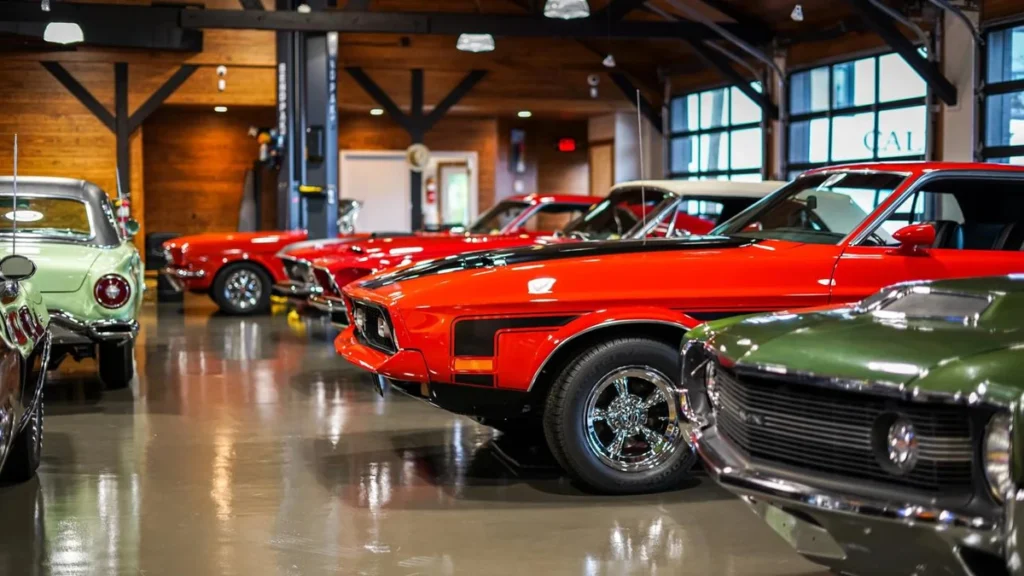
A classic-car showroom may contain everything from relatively original vehicles to extensively restored or modified examples. Two cars of the same model and year can differ significantly in condition and value.
Gateway Classic Cars provides online inventory browsing, vehicle inquiries, and services connected with buying and selling collector vehicles. Its official website also provides information about purchasing, consignment, shipping, financing, and insurance.
What Types of Cars Can You Find at Gateway Classic Cars?
Inventory changes as vehicles are sold and new consignments arrive. The exact selection therefore depends on the current listings.
1. Classic American Cars
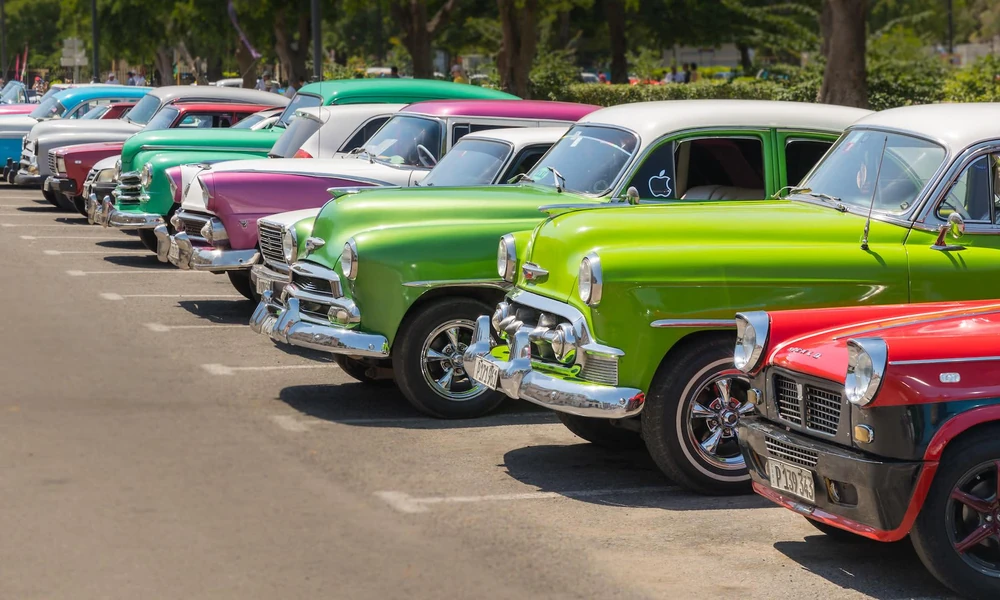
Classic American cars are an important part of the collector market. They include traditional sedans, coupes, convertibles, and larger personal-luxury cars from earlier decades.
Buyers may encounter models from manufacturers such as Chevrolet, Ford, Pontiac, Buick, and Cadillac.
When evaluating one of these vehicles, check the bodywork, chassis, engine, transmission, interior, and documentation. A polished exterior does not necessarily indicate that the mechanical components are in equally good condition.
2. Muscle Cars
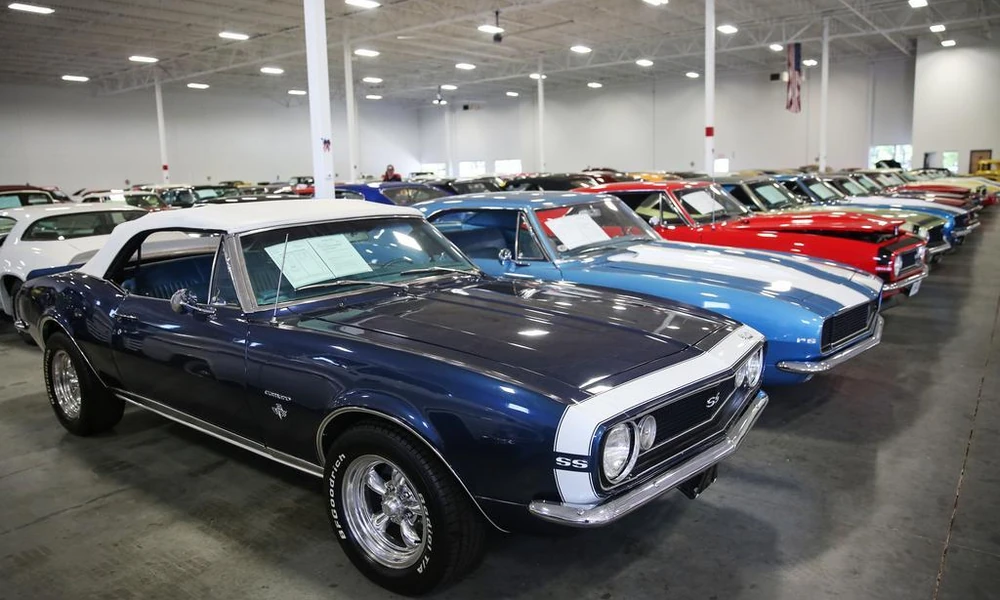
Muscle cars attract enthusiasts who appreciate powerful engines, bold styling, and the history of American performance vehicles.
Examples from the wider collector market include classic Ford Mustangs, Chevrolet Camaros, Pontiac GTOs, and Dodge performance models.
Condition and originality can have a major effect on value. An original vehicle with documented history may be evaluated differently from a modified example, even when both look impressive.
3. Classic Sports Cars

Classic sports cars appeal to drivers who prefer distinctive handling, compact designs, open-top driving, or the heritage of a particular manufacturer.
Depending on the available inventory, buyers may encounter American and international sports cars from different eras.
Older sports cars can require specialized maintenance, especially when they have unusual engines, limited production runs, or parts that are difficult to source.
4. Vintage Trucks and SUVs
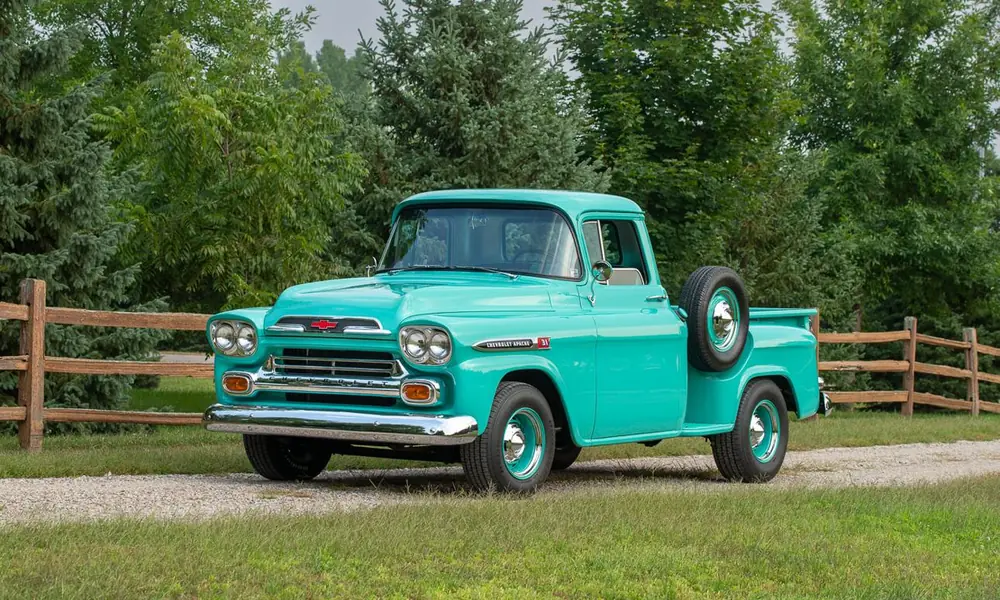
Classic trucks and older utility vehicles have their own collector following. Some buyers want an original work truck, while others prefer a restored vehicle with updated mechanical components.
Inspect the frame, suspension, steering, drivetrain, and underbody carefully. Rust can be particularly important in older trucks, and cosmetic restoration may conceal more extensive deterioration.
5. Convertibles and Specialty Vehicles
Classic convertibles offer open-air driving and distinctive styling. Specialty inventory may also include unusual production models, custom builds, hot rods, and other vehicles aimed at enthusiasts.
For convertibles, examine the roof material, frame, seals, drainage channels, and signs of water intrusion. For modified vehicles, ask for a detailed list of changes and supporting documentation.
How to Browse Gateway Classic Cars Inventory
The most useful way to search a classic-car inventory is to establish your requirements before becoming attached to a particular vehicle.
Gateway Classic Cars’ online inventory provides ways to explore available vehicles and narrow the selection using criteria such as price, year, transmission, and color.
A practical search process looks like this:
- Choose a vehicle category. Decide whether you want a muscle car, convertible, classic truck, sports car, or another type.
- Set a realistic budget. Include taxes, fees, shipping, inspection, insurance, and immediate repairs.
- Compare model years. A model’s specifications, features, and market value can vary considerably across its production history.
- Review the listing carefully. Examine available photographs, the description, mileage, modifications, and stated condition.
- Ask specific questions. Request information about rust, restoration work, mechanical issues, title status, and service history.
- Arrange an independent inspection. Whenever practical, use a mechanic familiar with the vehicle’s make and era.
A listing should be treated as the beginning of your research, not a substitute for a professional inspection.
How Does Buying a Car From Gateway Classic Cars Work?
The purchasing process can vary depending on the vehicle, seller arrangement, location, and current company terms.
A typical approach involves several stages.
Step 1: Identify the Vehicle
Start by selecting a car that fits your intended use, budget, and preferred level of originality.
A vehicle intended for occasional weekend drives may need different preparation from one you plan to drive regularly or restore from the ground up.
Step 2: Contact the Seller or Dealership
Ask for details that are not fully explained in the listing. Useful questions include:
- Is the car currently available?
- Does it have a clear, transferable title?
- Is the mileage documented or simply displayed on the odometer?
- Are restoration receipts or maintenance records available?
- Has the vehicle been modified, repainted, or involved in a major accident?
- Are there known mechanical issues?
- What additional fees or conditions apply to the sale?
Request clarification in writing where possible.
Step 3: Inspect the Vehicle
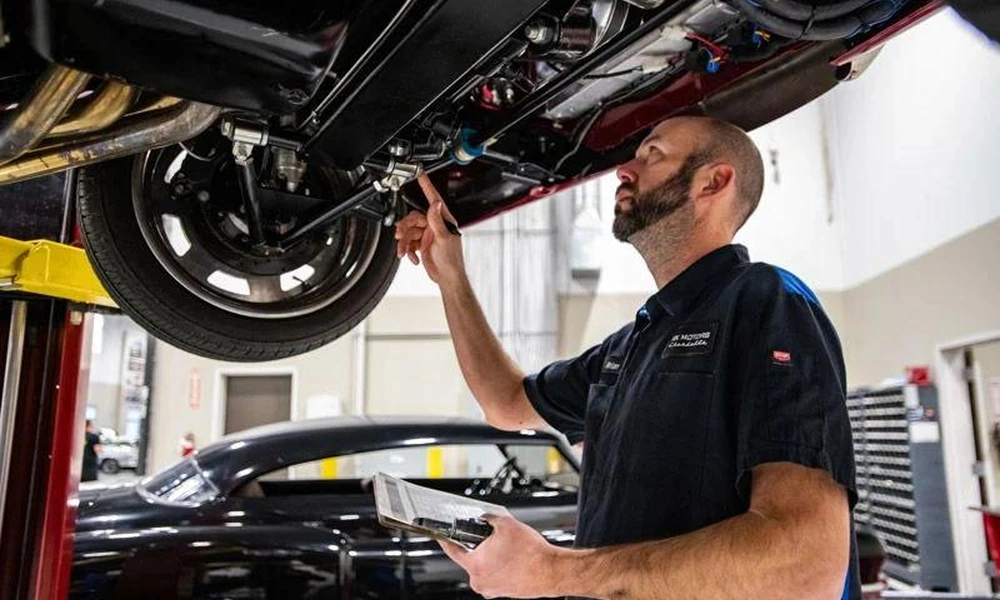
Arrange an inspection before making a final decision. Classic cars may have age-related issues that are not immediately visible in photographs.
A qualified inspector can evaluate the engine, transmission, brakes, suspension, electrical system, frame, and bodywork. For rare or valuable vehicles, specialist marque knowledge can be especially useful.
Step 4: Review the Contract and Total Cost
Read the purchase documents carefully. Confirm the selling price, any buyer fees, taxes, title-transfer requirements, shipping arrangements, and warranty or as-is provisions.
Do not assume that a vehicle includes a warranty or that the advertised price represents the complete amount payable.
Step 5: Arrange Payment and Transportation
Once the paperwork and payment arrangements are clear, coordinate vehicle collection or shipping.
An older vehicle may need enclosed transportation or special handling, particularly if it is valuable, non-running, or unsuitable for ordinary road use.
Confirm who is responsible for transport costs, insurance during transit, and any delivery-related documentation before the vehicle leaves the seller’s premises.
Does Gateway Classic Cars Sell Vehicles As-Is?
The terms of a vehicle sale depend on the applicable contract and current seller policies. Classic-car transactions may include as-is provisions, which can limit the seller’s responsibility for problems discovered after the sale.
Buyers should never assume that a car has a warranty simply because it is displayed by a specialist dealership.
Before signing, determine whether any written warranty or return policy applies, what it covers, and whether exclusions or deadlines exist.
If the contract says the vehicle is sold as-is, treat the inspection as especially important. Ask a qualified professional to assess the vehicle and make sure you understand the legal effect of the paperwork in the relevant jurisdiction.
Can You Sell or Consign a Car Through Gateway Classic Cars?
Gateway Classic Cars also offers consignment-related services, according to its company information.
In a consignment arrangement, an owner generally authorizes a business to market and facilitate the sale of a vehicle under agreed terms. This can help owners reach buyers interested in classic and collectible cars without handling every part of the selling process themselves.
However, consignment is not the same as receiving an immediate cash offer.
Before entering an agreement, ask about:
- Commission and other fees.
- The agreed asking price and authority to accept offers.
- The duration and termination conditions of the agreement.
- Insurance and responsibility while the vehicle is in the business’s care.
- Storage, transportation, and preparation costs.
- Payment timing after a completed sale.
- Responsibility for title documents and disclosures.
Get the terms in writing and compare them with other selling options before deciding.
What Affects the Value of a Classic Car?
A classic car’s price depends on more than its age or brand.
Originality
Original components, factory specifications, and documented history can influence collector interest. However, the value of originality depends on the specific model and buyer market.
Condition
Rust, mechanical wear, accident damage, incomplete restoration, and neglected maintenance can reduce value or increase future costs.
Restoration Quality
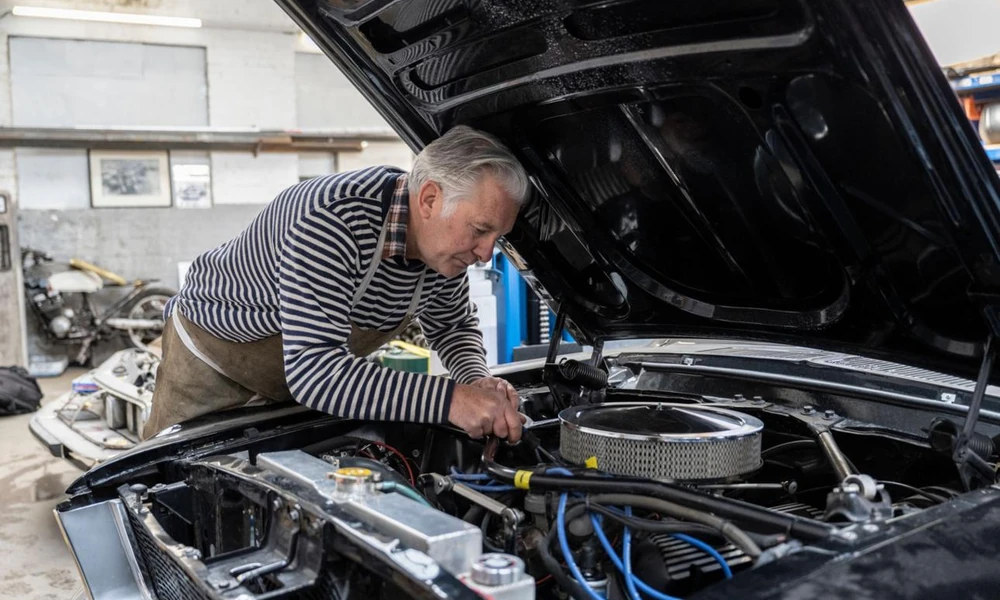
A professional restoration can improve a vehicle’s condition, but the quality of the work matters. Ask for photographs, invoices, and records showing what was repaired or replaced.
Rarity and Demand
Limited-production models and historically significant versions may attract particular interest. Rarity alone does not guarantee a high resale value; demand and condition remain important.
Documentation
Service records, original paperwork, ownership history, and supporting evidence for claimed specifications can help buyers evaluate a vehicle more confidently.
Is Gateway Classic Cars Worth Considering?
Gateway Classic Cars may be worth exploring if you are searching for a classic vehicle and want to browse a specialist inventory rather than rely exclusively on general used-car listings.
Its range of vehicle types can help enthusiasts compare different models, styles, and price points in one place.
Still, the quality and suitability of any purchase depend on the individual car and the transaction terms. A specialist dealership listing does not automatically guarantee originality, mechanical condition, fair market value, or future appreciation.
Compare similar vehicles, obtain an independent inspection, verify documentation, and calculate the complete cost before making a decision.
Frequently Asked Questions
What is Gateway Classic Cars?
Gateway Classic Cars is a US-based business specializing in classic, collector, and enthusiast vehicles. It provides online inventory browsing and services related to buying and selling these cars.
What types of cars does Gateway Classic Cars sell?
Its inventory can include classic cars, muscle cars, sports cars, convertibles, vintage trucks, and specialty vehicles. Available models change as cars are sold and new vehicles enter the inventory.
Can I browse Gateway Classic Cars inventory online?
Yes. Its official website provides an online inventory where shoppers can explore available vehicles and use search filters to narrow their options.
Can I sell my classic car through Gateway Classic Cars?
The company offers consignment-related services. Owners should review the current agreement, commission, storage terms, insurance arrangements, and payment conditions before proceeding.
Are cars from Gateway Classic Cars sold with a warranty?
Warranty coverage depends on the individual transaction and written terms. Buyers should confirm whether a warranty applies and understand any as-is provisions before signing.
Should I inspect a classic car before buying it?
Yes. An independent inspection can help identify mechanical problems, rust, accident damage, questionable modifications, and restoration issues that may not be obvious in photographs.
Does Gateway Classic Cars offer shipping?
The company provides information about shipping arrangements. Confirm the current options, costs, insurance responsibilities, and delivery terms for your specific vehicle and destination.
Can international buyers purchase a classic car?
International purchases may be possible depending on the vehicle, seller arrangements, and applicable laws. Buyers must investigate export documentation, import restrictions, taxes, duties, shipping, and registration requirements in their destination country.
Final Verdict
Gateway Classic Cars is a specialist option for people exploring classic and collectible vehicles, from traditional American cars and muscle cars to sports cars, vintage trucks, and specialty models.
Its online inventory can help buyers discover vehicles and compare different possibilities, while its purchasing and consignment services provide additional routes for completing a transaction.
The most important step is to evaluate each vehicle independently. Review the documentation, arrange a qualified inspection, understand the contract, and calculate all fees and transportation costs before paying.
A classic car should be purchased with both enthusiasm and careful research. The right vehicle is not simply the one that looks best in a listing; it is the one whose condition, history, price, and ownership requirements match your expectations.
Disclaimer: This article is provided for general informational and educational purposes only and does not promote or endorse any product, service, brand, or individual. Details may change, and no guarantee is made regarding completeness or accuracy.