Classic cars have a special appeal that goes beyond transportation. Their distinctive styling, mechanical character, and connection to automotive history make them attractive to enthusiasts, collectors, and drivers who want something different from a modern vehicle.
From powerful American muscle cars to elegant European sports cars and Japanese performance legends, the classic car market offers a wide range of choices. Some buyers want a restored vehicle they can enjoy immediately, while others prefer an original car with a documented history or a restoration project they can complete themselves.
However, buying a classic car requires careful research. A vehicle that looks beautiful in photographs may have hidden rust, mechanical problems, incomplete paperwork, or expensive restoration needs.
Understanding the market, inspecting the vehicle properly, and calculating the total cost of ownership can help you find a classic car that matches your interests and budget.
What Is a Classic Car?
A classic car is generally an older vehicle valued for its design, historical importance, rarity, engineering, or cultural significance. The exact definition varies by country, collector organization, and insurance provider.
Some classic cars are desirable because they represent an important period in automotive history. Others attract attention because of their performance, limited production numbers, distinctive styling, or connection to motorsports.
Common categories include:
- American muscle cars from the 1960s and 1970s.
- European sports cars and luxury coupes.
- British roadsters and vintage convertibles.
- Japanese performance cars from the 1980s and 1990s.
- Classic American sedans and pickup trucks.
- Vintage vehicles with significant motorsport or cultural histories.
Not every old car is automatically a valuable classic. Condition, originality, demand, documentation, and the significance of the specific model all influence its appeal.
Popular Types of Classic Cars for Sale
Classic Muscle Cars
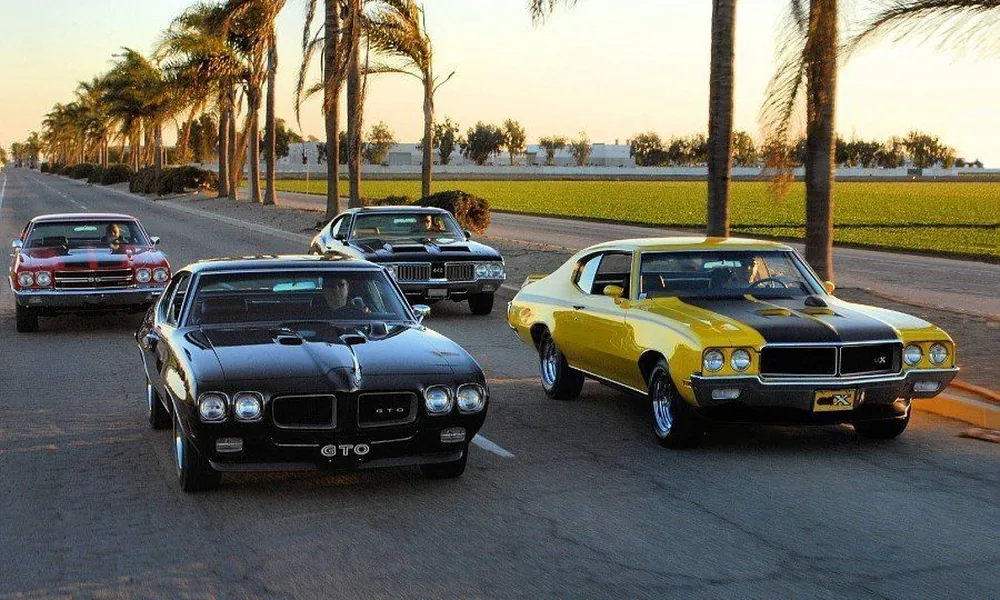
American muscle cars remain popular among enthusiasts who appreciate powerful engines, aggressive styling, and traditional performance.
The Ford Mustang, Chevrolet Camaro, Dodge Charger, Chevrolet Chevelle, and Pontiac GTO are well-known examples.
These vehicles often feature bold bodywork, powerful V8 engines, and a strong connection to American automotive culture. Certain versions are particularly desirable because of their factory performance specifications, limited production, or motorsport history.
Before purchasing a muscle car, verify its original engine and transmission specifications. Some vehicles have been modified, rebuilt, or converted over the years, and those changes can affect authenticity and value.
Classic European Sports Cars
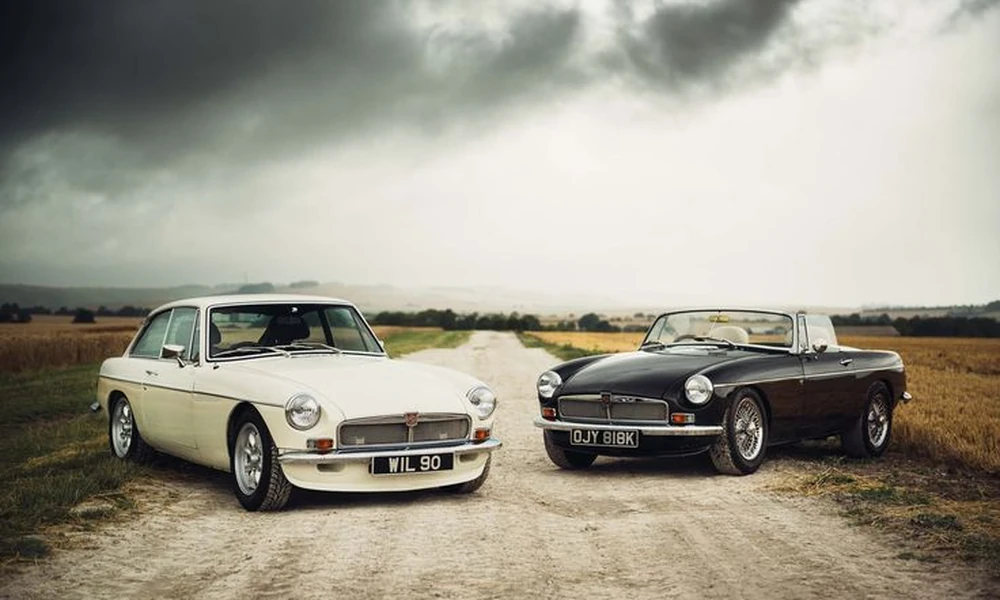
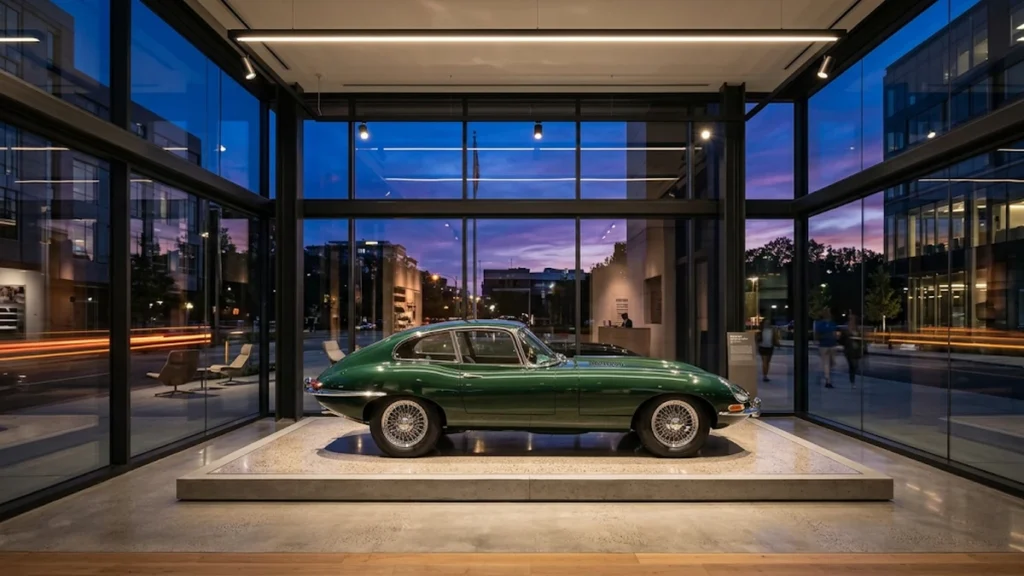
European sports cars are known for their distinctive designs, engineering, and driving characteristics.
The Porsche 911, Jaguar E-Type, Mercedes-Benz SL, and classic BMW coupes are examples that attract collectors and driving enthusiasts.
Some models offer engaging handling and everyday usability, while others are prized primarily for their rarity and historical importance.
Maintenance costs can vary considerably. Older performance vehicles may require specialist knowledge, expensive components, and careful maintenance. Research common mechanical problems before choosing a particular model.
Japanese Classic Cars
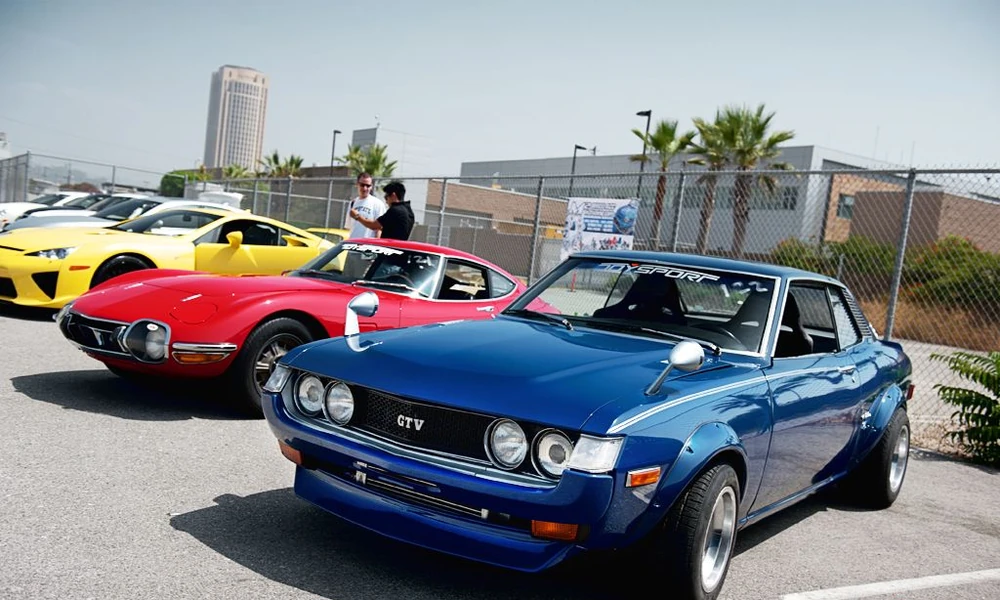
Japanese classics have become an important part of enthusiast culture. Their appeal ranges from accessible sports cars to rare, high-performance vehicles with strong motorsport connections.
Popular examples include the Toyota Supra, Nissan Skyline GT-R, Mazda RX-7, Honda NSX, and Mazda MX-5 Miata.
Many enthusiasts appreciate these cars for their engineering, distinctive styling, and performance potential. However, heavily modified examples deserve additional scrutiny.
Check whether modifications were professionally installed, whether original components are included, and whether the vehicle has a reliable maintenance history.
Classic British Roadsters
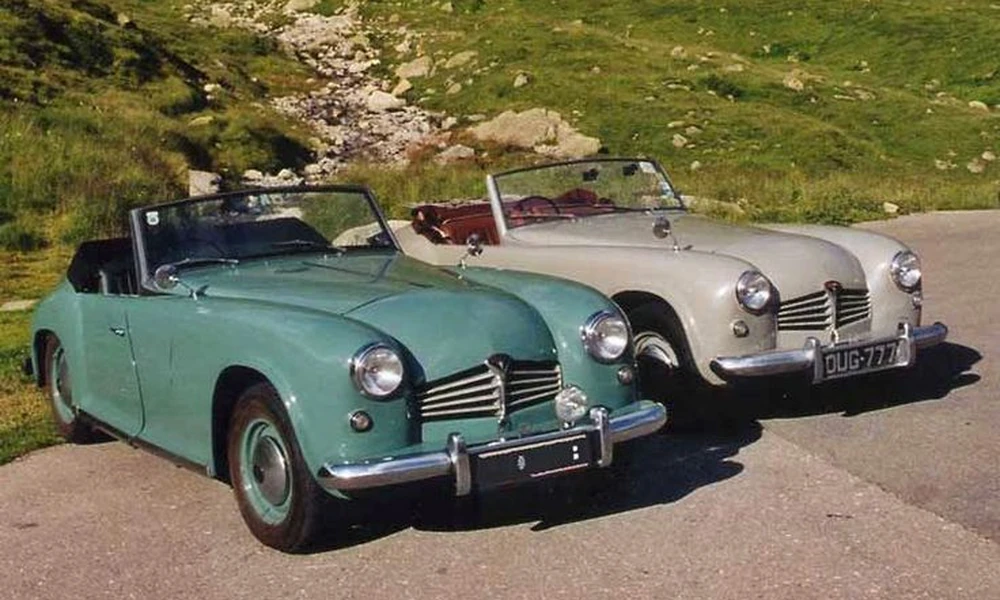
British roadsters offer a distinctive driving experience, particularly for people who enjoy open-top motoring.
The MG MGB, Triumph Spitfire, and Austin-Healey models are examples of traditional British sports cars.
Some are relatively accessible entry points into classic ownership, but condition varies widely. Rust can be a serious concern, especially around structural areas and body panels.
A specialist inspection can help determine whether a vehicle needs minor maintenance or extensive restoration.
Vintage Luxury Cars
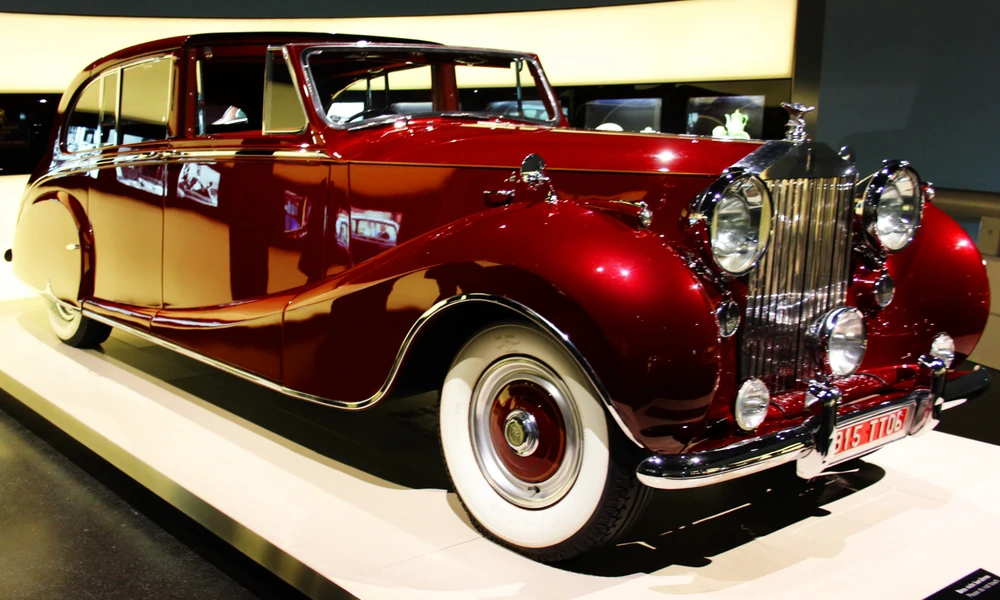
Vintage luxury vehicles combine distinctive styling, craftsmanship, and a sense of occasion.
Older Mercedes-Benz sedans, Rolls-Royce models, Bentley vehicles, and classic American luxury cars appeal to buyers who prioritize comfort and design.
However, an inexpensive purchase price does not necessarily mean affordable ownership. Complex electrical systems, specialized suspension components, interior restoration, and scarce replacement parts can create significant expenses.
A well-maintained vehicle with clear documentation is often a more sensible choice than a cheaper example with unresolved mechanical problems.
Where to Find Classic Cars for Sale
Classic cars are available through specialist dealerships, online marketplaces, auctions, private sellers, and enthusiast communities.
Online searches make it easy to compare models and prices across different regions. However, listings should be treated as starting points rather than proof of a vehicle’s condition.
Specialist dealerships can be useful when you want access to several cars or need guidance about a particular model. Look for sellers who provide detailed information, disclose known defects, and allow independent inspections.
Auctions can offer access to rare or unusual vehicles, but buyers should understand the fees, payment deadlines, inspection arrangements, and sale conditions before bidding.
Local classic car clubs and enthusiast communities can also help buyers discover privately owned vehicles. Members may have valuable knowledge about maintenance, restoration specialists, and model-specific problems.
Regardless of where you find a car, verify the seller’s identity, inspect the ownership documents, and avoid sending deposits without confirming that the vehicle and transaction are legitimate.
Restored Cars, Original Cars, or Restoration Projects?
Before buying, decide how you want to use the car and how much work you are willing to undertake.
Restored Classic Cars
A restored car has undergone work intended to improve its condition or return it to a particular specification.
Restoration can include body repairs, repainting, engine rebuilding, electrical work, interior refurbishment, and replacement of worn components.
The quality of the work matters more than the seller’s description. Ask for restoration photographs, invoices, parts records, and details of major repairs.
A fresh paint job can make a car look impressive while hiding poor structural work. Independent inspection is important even when a vehicle appears to be in excellent condition.
Original Classic Cars
An original car retains many of its factory components, finishes, or specifications.
Collectors may value originality, particularly when a vehicle has a documented history and has not undergone major alterations.
However, originality does not guarantee good mechanical condition. Old rubber components, deteriorated wiring, corrosion, worn suspension, and neglected servicing can all require attention.
Look for a car that has been maintained properly rather than assuming an untouched vehicle is automatically the better purchase.
Classic Project Cars
Project cars usually need mechanical repairs, bodywork, restoration, or a combination of these.
They may be attractive to enthusiasts who enjoy rebuilding vehicles and have access to the necessary tools, workspace, and technical expertise.
Before buying a project, create a detailed list of required work. Include the engine, transmission, brakes, suspension, body structure, electrical system, paint, interior, and missing parts.
Obtain realistic repair estimates and allow a contingency for unexpected problems. A low purchase price can become expensive if the car requires extensive structural repairs or rare components.
How Much Do Classic Cars Cost?

Classic car prices vary widely. A common older vehicle in usable condition may cost far less than a rare performance model or a fully restored collector car.
Several factors influence the asking price.
Model and specification: Certain engines, trims, factory options, and production versions are more desirable than others.
Condition: Rust, mechanical wear, accident damage, and previous repairs can substantially affect value.
Originality: Factory-correct components and authentic specifications may matter to collectors.
Restoration quality: Documented, high-quality restoration work can increase buyer confidence.
Rarity: Limited production and genuine historical significance can influence demand, although rarity alone does not guarantee a high price.
Documentation: Service records, ownership history, restoration invoices, and authentication documents help establish a vehicle’s background.
Market demand: Collector preferences change, and prices can rise or fall over time.
Compare similar cars in comparable condition rather than relying on a single advertisement. Also remember that the purchase price is only one part of the total cost.
Budget for inspection fees, transportation, insurance, registration, storage, servicing, and future repairs.
What to Check Before Buying a Classic Car
A careful inspection can help prevent costly mistakes.
Check the Body and Chassis for Rust
Corrosion is one of the most important issues to investigate when buying an older vehicle.
Inspect the wheel arches, floor panels, door bottoms, sills, trunk floor, and suspension mounting points. The exact areas of concern depend on the model.
Fresh paint or undercoating can sometimes conceal previous repairs. If structural corrosion is suspected, have a qualified specialist examine the vehicle before purchase.
Inspect the Engine and Transmission
Ask to see the car starting from cold whenever possible. Listen for unusual noises and check for oil, coolant, or transmission-fluid leaks.
During a safe test drive, observe how the engine responds and whether the transmission, clutch, and cooling system operate properly.
An older engine may behave differently from a modern one, so an experienced mechanic should evaluate its condition in the context of the specific model.
Examine the Brakes and Suspension
Check the braking system, tires, steering, suspension, wheel bearings, and lights.
A classic car should be safe for its intended use. If the brakes are unreliable, the tires are deteriorated, or structural damage is suspected, do not drive it until the problems have been professionally assessed.
Verify the Vehicle Identification Numbers
Compare the vehicle’s identification numbers with its registration and ownership documents.
For collectible cars, the engine number, chassis number, factory specifications, and other identifying details may be important to authentication.
Do not rely solely on badges, engine covers, or seller claims. Consult a marque specialist if you need help confirming whether a vehicle is genuine or has been significantly modified.
Review the Ownership Documents
Confirm that the seller has the legal right to sell the vehicle and that the paperwork matches the car.
Depending on the country, you may need registration documents, ownership records, import papers, customs clearance, or inspection certificates.
Resolve any discrepancies before paying. Documentation problems can make registration, resale, and insurance difficult.
Arrange an Independent Inspection
A specialist inspection is one of the most useful steps in the buying process.
Ask the inspector to assess structural condition, mechanical systems, previous accident repairs, originality, and the quality of any restoration work.
A written report can help you estimate repair costs and decide whether the asking price is reasonable.
Buying Classic Cars in Pakistan
Classic-car buyers in Pakistan should pay particular attention to ownership documents, import history, registration requirements, parts availability, and local maintenance support.
Start by identifying the exact model, manufacturing year, engine specification, and country of origin. Verify the vehicle’s registration status and ownership history with the relevant authorities.
For imported cars, confirm the applicable import and customs documentation, eligibility for registration, and any rules affecting older or modified vehicles. Do not assume that a car advertised for sale can automatically be registered in your name.
Parts availability also matters. Some Japanese models have established supply networks, while rare European or American classics may require imported components.
Before buying, identify a mechanic familiar with the specific make and model. Ask about common problems, the availability of replacement parts, and the likely cost of routine maintenance.
Pakistan’s climate also makes proper storage and preventive maintenance important. Heat, dust, and periods of inactivity can affect paint, interiors, cooling systems, rubber components, and electrical connections.
A pre-purchase inspection and complete documentation check can help you avoid problems after the sale.
Are Classic Cars a Good Investment?
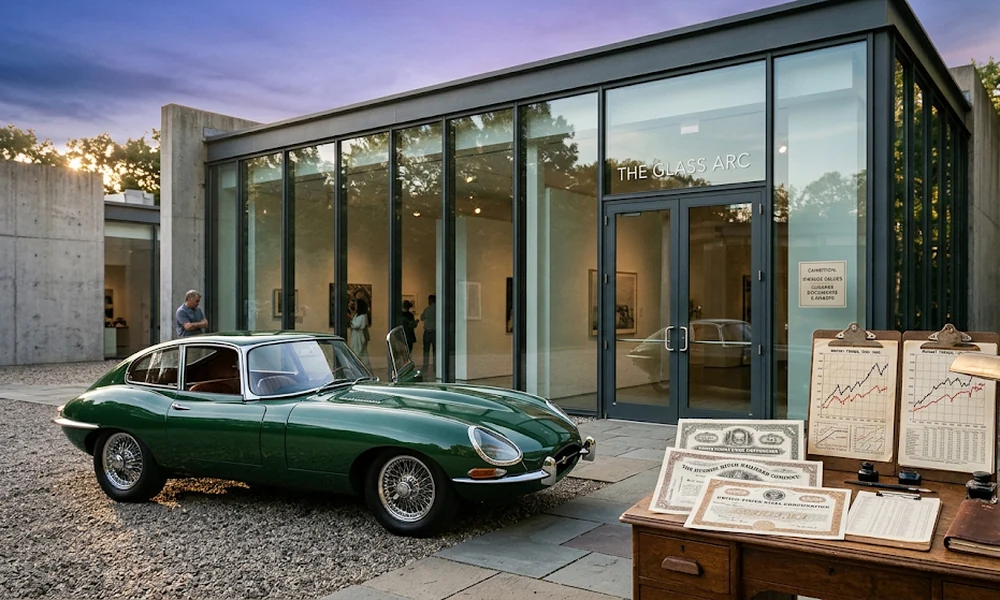
Some classic cars have increased significantly in value, but appreciation is never guaranteed.
Prices depend on demand, condition, originality, rarity, historical importance, economic conditions, and changing collector preferences.
Even when a vehicle’s market value rises, insurance, storage, maintenance, repairs, and restoration costs can reduce the financial benefit.
Anyone buying primarily for investment should research completed sales, verify authenticity, understand the model’s maintenance requirements, and avoid assuming that an advertised asking price reflects its actual market value.
For most enthusiasts, the strongest reason to own a classic car is the enjoyment it provides. Potential appreciation should be treated as an uncertain benefit rather than a guaranteed return.
Frequently Asked Questions
Where can I find classic cars for sale?
You can search specialist car marketplaces, dealerships, auctions, private classifieds, and local enthusiast communities. Always verify the vehicle’s condition and paperwork before purchasing.
What is the best classic car for a beginner?
A relatively common model with good parts availability, straightforward maintenance, and an active owner community can be a sensible starting point. Your ideal choice depends on your budget and mechanical experience.
Is it better to buy a restored classic car?
A restored car may be suitable if you want to start driving and enjoying it without managing a major restoration. However, restoration quality and supporting documentation should be carefully checked.
Are classic cars expensive to maintain?
They can be, particularly when parts are scarce or specialist labor is required. Costs depend on the model, mechanical condition, storage arrangements, and how frequently the car is driven.
Should I buy a classic car that needs restoration?
Only if you understand the work involved and can afford the likely expenses. Obtain repair estimates and inspect the vehicle for structural rust before committing.
Can I import a classic car into Pakistan?
Import and registration requirements depend on current regulations and the specific vehicle. Verify eligibility and documentation with the relevant authorities or a qualified customs professional before purchasing overseas.
Do classic cars increase in value?
Some do, but many do not. Market demand, originality, condition, maintenance costs, and changing collector preferences all influence future value.
Final Verdict
Finding the right classic car for sale starts with understanding what you want from ownership. A muscle car may offer traditional American performance, a European sports car may deliver distinctive handling and design, while a Japanese classic may appeal through its engineering and enthusiast following.
Whatever your preference, prioritize condition, documentation, authenticity, and realistic maintenance costs. Inspect the car carefully, compare similar examples, and seek independent advice before committing to a purchase.
The best classic car is not necessarily the rarest or most expensive. It is the one that fits your budget, suits your interests, and gives you an ownership experience worth enjoying.
Desclaimer: This article is intended for informational purposes only.