The best truck is not necessarily the biggest, most powerful, or most expensive pickup on the road. It is the one that fits your daily routine, handles the work you need it to do, and remains comfortable and affordable to own.
A contractor hauling equipment has different priorities from a family looking for a spacious vehicle or an outdoor enthusiast who needs a dependable truck for camping and towing. That is why choosing the right pickup starts with understanding how you will use it.
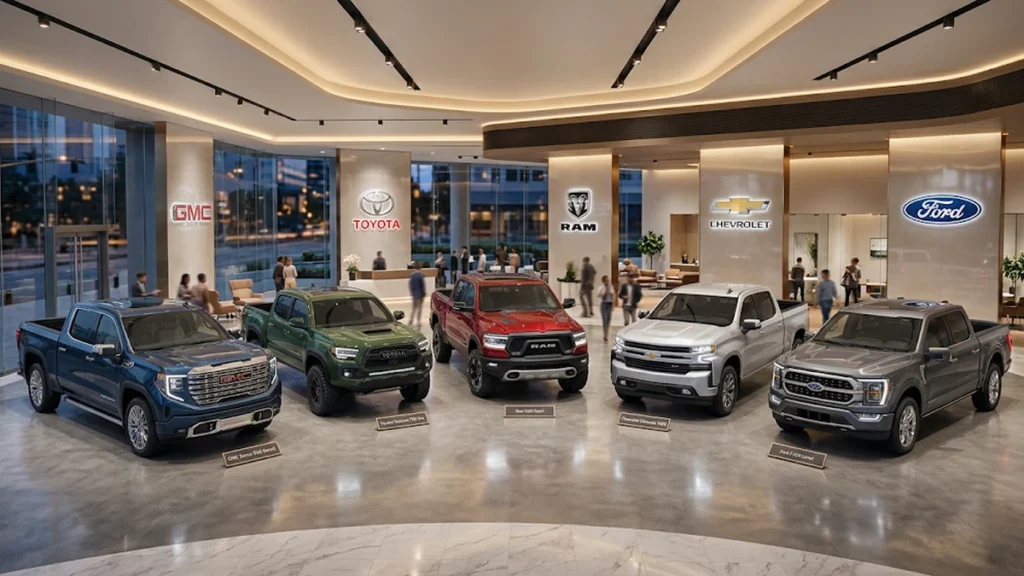
For most buyers, the best truck is a well-equipped pickup that balances capability, reliability, comfort, and ownership costs. Popular options include the Ford F-150 and Chevrolet Silverado 1500 in the full-size category, the Ram 1500 for a comfort-focused driving experience, and the Toyota Tacoma for buyers who prefer a midsize truck.
Here is how to compare the leading choices and decide which truck deserves a place in your driveway.
What Is the Best Truck to Buy?
There is no single pickup that suits every buyer. Different models excel at different jobs, and the right choice depends on your budget, towing needs, passenger space, and driving conditions.
Ford F-150: A Versatile Full-Size Pickup
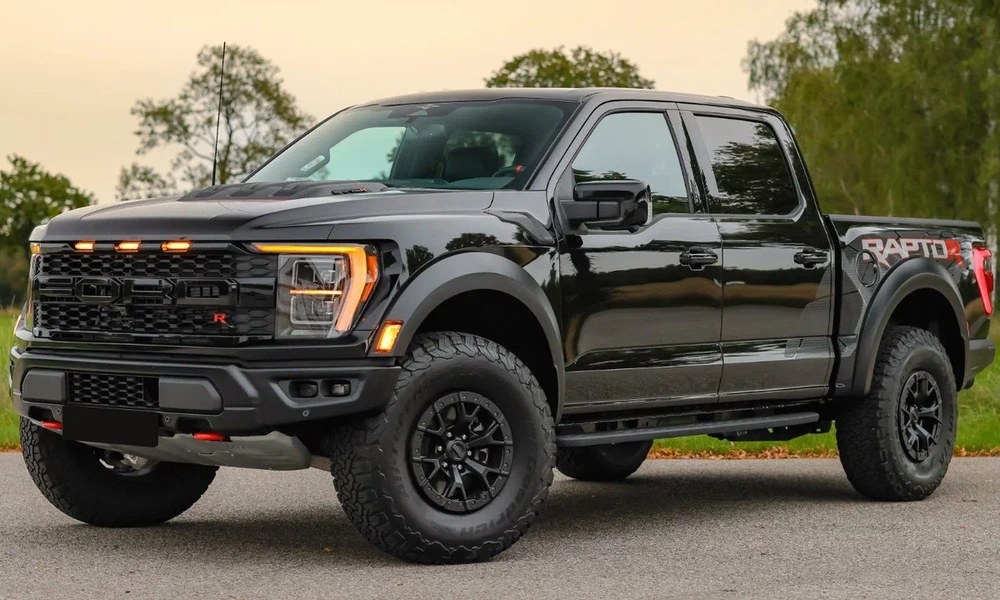
The Ford F-150 is a strong option for buyers who want one vehicle that can handle commuting, hauling, recreational activities, and work duties.
Its appeal comes from a broad range of configurations, cab styles, engines, and equipment packages. Depending on the version, buyers can prioritize everyday comfort, off-road performance, or serious towing capability.
Before choosing one, compare the exact engine, axle configuration, payload rating, and towing equipment. Two F-150s with different specifications can have significantly different capabilities.
Chevrolet Silverado 1500: A Practical Work-and-Family Truck
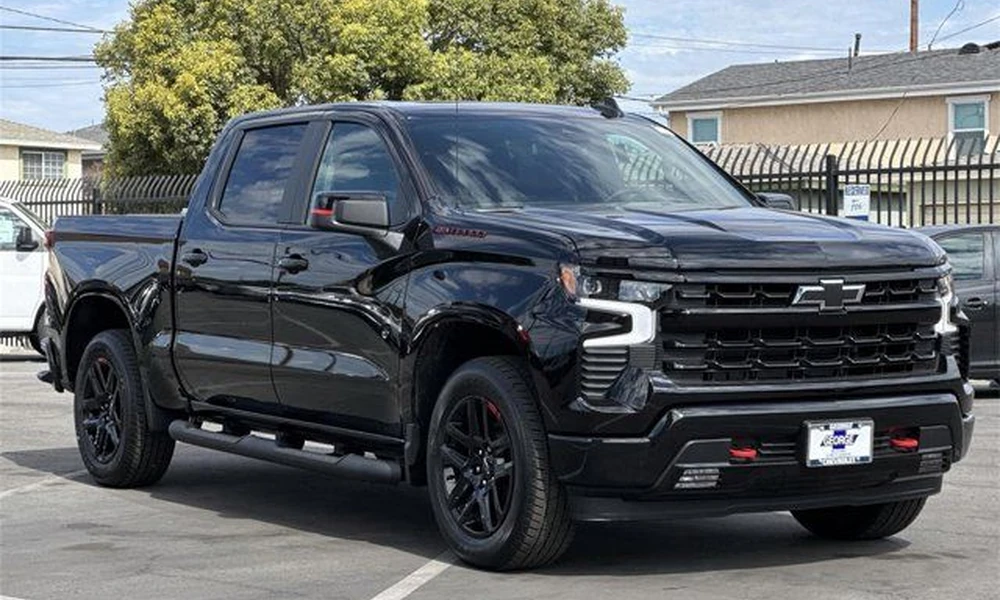
The Chevrolet Silverado 1500 is worth considering if you need a full-size pickup that can serve both professional and personal needs.
It offers different powertrain and trim options, allowing buyers to compare work-oriented configurations with more comfortable versions. Its usefulness depends heavily on selecting the right setup rather than simply choosing the highest trim level.
Pay attention to the cabin layout, bed length, storage, safety features, and the truck’s rated payload if you regularly carry heavy equipment.
Ram 1500: A Strong Choice for Everyday Comfort
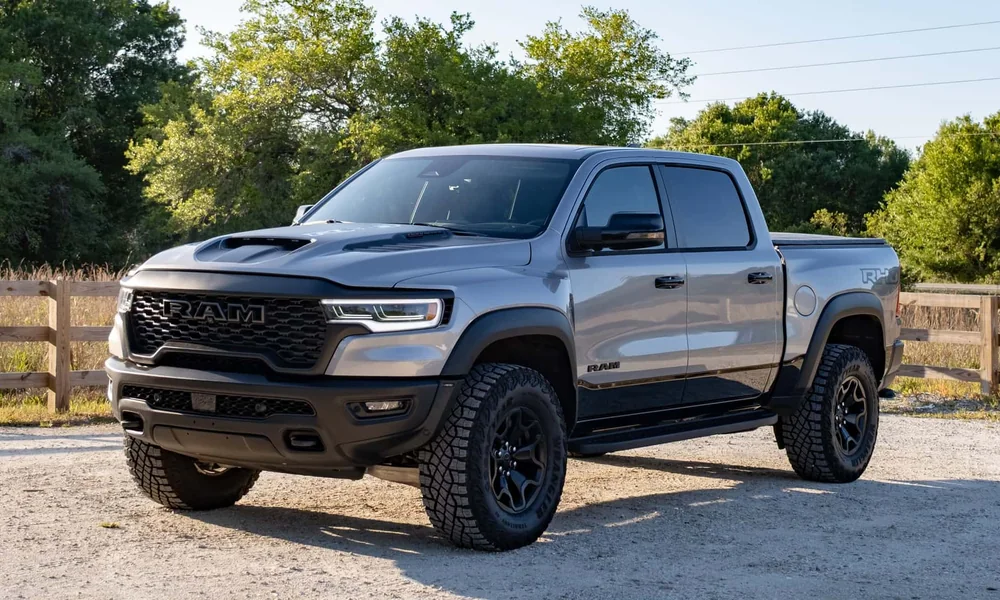
Some pickup buyers want substantial capability without sacrificing a comfortable cabin. The Ram 1500 is often considered by shoppers who place a high value on ride quality, interior design, and long-distance driving comfort.
The right trim can provide a more premium experience than a basic work truck, although additional equipment may increase the purchase price.
If you plan to use your pickup as your main family vehicle, take a test drive on both smooth roads and rough pavement before deciding.
Toyota Tacoma: A Midsize Truck for Everyday Adventures
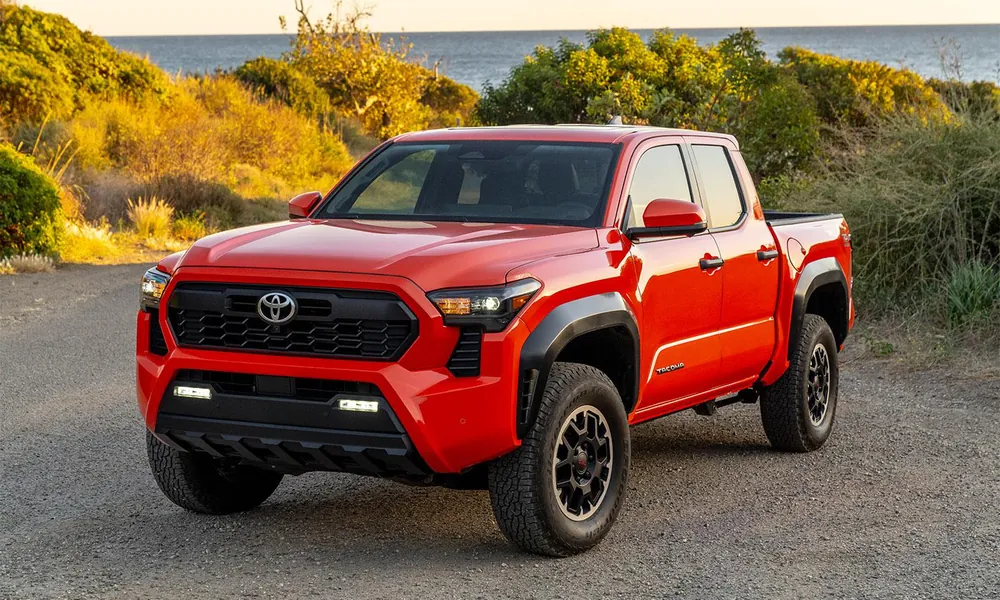
The Toyota Tacoma is a popular midsize pickup option for buyers who do not necessarily need the size of a full-size truck.
Its more compact footprint can make it easier to maneuver and park in some settings. Depending on the configuration, it may also appeal to drivers interested in trails, camping, and outdoor recreation.
Compare rear-seat space, bed capacity, engine options, and payload figures carefully. A midsize truck can be practical, but it will not necessarily replace a full-size pickup for heavy towing or frequent large loads.
GMC Sierra 1500: Capability With an Upscale Feel
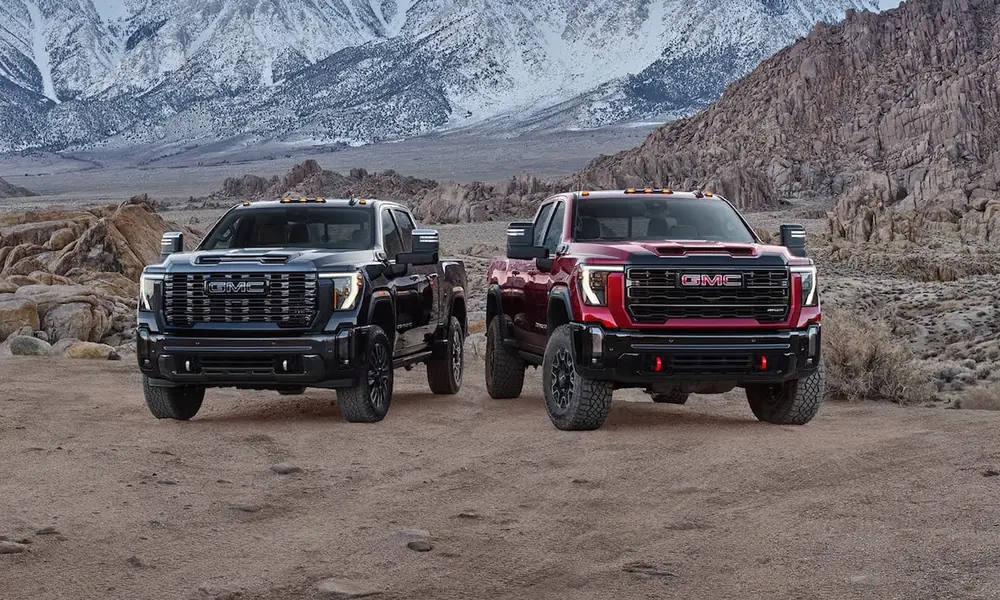
The GMC Sierra 1500 shares some underlying engineering with the Chevrolet Silverado 1500 but offers its own styling, trim combinations, and available features.
It is worth comparing if you want full-size truck capability with a more premium presentation. However, similar mechanical foundations do not mean every version has identical equipment, towing limits, or pricing.
Compare equivalent configurations to see whether the added features justify the difference in cost.
Best Truck by Category
The easiest way to narrow your choices is to begin with the job you need your pickup to perform.
| Your priority | Trucks worth comparing | What to consider |
| All-around versatility | Ford F-150, Chevrolet Silverado 1500 | Configuration choices and everyday usability |
| Daily driving comfort | Ram 1500, GMC Sierra 1500 | Ride quality, cabin features, and price |
| Midsize practicality | Toyota Tacoma | Parking, passenger space, and load requirements |
| Heavy towing | Properly equipped full-size or heavy-duty pickups | Actual tow rating, payload, and trailer weight |
| Off-road driving | Off-road versions of the Tacoma, F-150, and other pickups | Ground clearance, tires, suspension, and recovery equipment |
| Work and commercial use | Work-oriented full-size or heavy-duty trucks | Payload, durability, service access, and running costs |
These are starting points rather than universal rankings. The exact model year and configuration matter more than the name on the tailgate.
What to Look for When Buying the Best Truck
1. Towing and Payload Capacity
Towing capacity describes how much a truck can pull under specified conditions. Payload refers to the weight it can carry, including passengers, cargo, and certain equipment.
These are different limits, and a truck with an impressive maximum towing figure may still have limited payload in a particular configuration.
If you regularly tow a camper, boat, or work trailer, check the specific truck’s ratings and account for the loaded trailer, passengers, cargo, hitch equipment, and tongue weight. Never assume every version of the same model can tow the advertised maximum.
2. Fuel Economy and Running Costs
A pickup’s purchase price is only part of its total cost. Fuel, insurance, tires, maintenance, repairs, registration, and financing can add substantially to ownership expenses.
Consider your actual driving pattern. A truck used mostly for short urban trips may have different running costs from one driven long distances or used for regular towing.
Compare official fuel-economy figures for the exact powertrain, then consider how your load and driving conditions could affect real-world consumption.
3. Reliability and Maintenance
A dependable truck can save money and inconvenience over years of ownership, but reliability varies by model year, engine, configuration, maintenance history, and individual vehicle condition.
When comparing used pickups, review service records, check for recalls, inspect the frame and underbody, and arrange an independent mechanical inspection.
For a new truck, research the specific model year instead of relying only on a brand’s reputation.
4. Cab Size and Passenger Comfort
Regular-cab, extended-cab, and crew-cab trucks serve different needs. If you frequently carry adults or children, rear-seat access and legroom should be part of your decision.
Also consider child-seat installation, rear-door opening space, cabin storage, visibility, and how easy the truck is to park.
A larger cab may be convenient for passengers but can affect the vehicle’s overall dimensions and, depending on the configuration, its available bed length.
5. Bed Length and Cargo Space
Think about what you will actually carry. Tools, building materials, camping equipment, bicycles, and landscaping supplies can all require different amounts of bed space.
A longer bed may be useful for work, while a shorter bed can make the truck easier to park and maneuver. Bed covers, tie-downs, bed liners, and cargo-management accessories may also influence your choice.
Measure your regular loads before buying rather than relying on appearance alone.
6. Safety and Driver Assistance
Modern pickups may offer automatic emergency braking, blind-spot monitoring, adaptive cruise control, lane-departure warnings, and rear cross-traffic alerts. Availability depends on the model year and trim.
Check which features are standard and which cost extra. A reversing camera is useful, but it does not eliminate the need to check surroundings when maneuvering a large vehicle.
If you regularly drive with family, also consider crash-test results applicable to the exact model year and cab configuration.
Is a Full-Size or Midsize Truck Better?
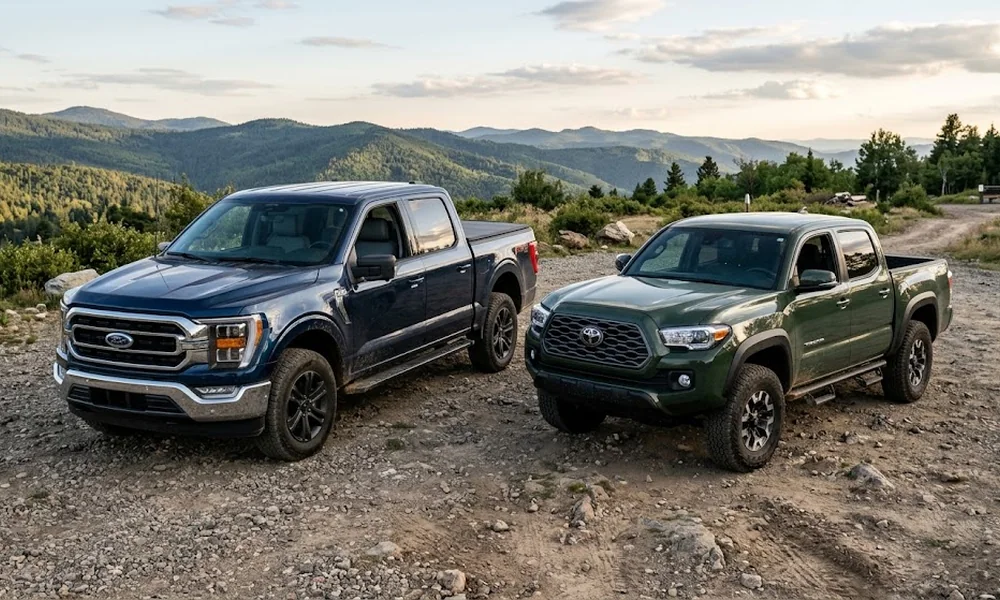
The answer depends on how much space and capability you need.
A full-size truck generally offers more room and may provide higher towing and payload capacity, depending on the configuration. It can be a better fit for frequent hauling, larger trailers, or buyers who want a spacious cabin.
A midsize truck may be easier to maneuver in tighter spaces and can be sufficient for moderate hauling, commuting, and recreational use. It is not automatically cheaper to own, however, so compare actual purchase prices, fuel economy, insurance, and maintenance costs.
If you rarely carry heavy loads, buying more truck than you need may add expense without delivering much practical benefit.
New vs. Used: Which Truck Makes More Sense?
A new truck gives you a fresh maintenance history, a new-vehicle warranty, and the ability to choose your preferred configuration. The trade-off is a higher initial purchase price and the potential for depreciation.
A used truck may offer better value, particularly if you find a well-maintained vehicle with the features you need. But a low price can be misleading if the pickup has hidden damage, neglected maintenance, excessive wear, or expensive mechanical problems.
Before buying a used truck:
- Review maintenance and ownership records.
- Check the vehicle identification number and recall status.
- Inspect for rust, frame damage, leaks, and signs of hard use.
- Test the transmission, brakes, steering, and four-wheel-drive system if equipped.
- Get an independent pre-purchase inspection.
- Compare the total cost of ownership, not just the advertised price.
For a truck that will be used for business, downtime and repair costs deserve particular attention.
Common Mistakes to Avoid When Buying a Truck
Choosing the wrong pickup can become expensive over time. Watch out for these common mistakes:
- Buying based on maximum towing capacity: The rating for one configuration may not apply to another.
- Ignoring payload: Passengers and cargo count toward the truck’s carrying limit.
- Choosing a large truck without testing it: Parking, garage access, and narrow streets can become daily frustrations.
- Focusing only on the monthly payment: Consider interest, insurance, fuel, maintenance, and depreciation.
- Skipping a used-truck inspection: Mechanical problems can outweigh an attractive purchase price.
- Paying for features you will rarely use: Choose equipment that matches your actual driving and work needs.
- Assuming all model years are equally reliable: Research the exact year, engine, and configuration.
Frequently Asked Questions
What is the best truck overall?
The Ford F-150 is a strong all-around option to compare because of its broad range of configurations. The Chevrolet Silverado 1500 and Ram 1500 are also worth considering. The best choice depends on your budget, intended use, and preferred features.
What is the most reliable pickup truck?
Reliability depends on the specific model year, powertrain, maintenance history, and how the truck has been used. Research the exact version and have used vehicles inspected before purchasing.
What is the best truck for towing?
The best towing truck is one whose specific configuration is rated for your fully loaded trailer and cargo requirements. Heavy-duty pickups may be appropriate for demanding towing, but a properly equipped half-ton truck can be sufficient for many lighter trailers.
Is a midsize truck worth buying?
Yes, if you need pickup utility without the size of a full-size model. A midsize truck can work well for daily driving and recreational activities, provided its payload and towing limits meet your needs.
Should I buy a new or used truck?
Buy new if you prioritize a new-vehicle warranty and choosing your exact specifications. Buy used if the price and condition offer better value, and you can verify the truck’s history and mechanical condition.
What should I check before buying a used truck?
Inspect the frame, underbody, engine, transmission, brakes, tires, and four-wheel-drive system where applicable. Review maintenance records and recall information, and arrange an independent inspection before committing to the purchase.
Final Verdict
The best truck is the one that meets your real requirements without stretching your budget or leaving you short on capability.
Start by deciding how much towing and payload capacity you need. Then compare full-size and midsize options, evaluate fuel economy and maintenance costs, and test-drive the trucks that fit your priorities. The Ford F-150, Chevrolet Silverado 1500, Ram 1500, Toyota Tacoma, and GMC Sierra 1500 are useful starting points for different kinds of buyers.
Most importantly, compare the exact model year and configuration. A carefully chosen truck can serve as a work vehicle, family transport, and weekend companion for years, while the wrong specification can make even an expensive pickup frustrating to own.
Disclaimer: This article is for informational purpose only. We are not promoting or advertising any product