When winter brings snow-covered roads, icy intersections, and unplowed driveways, the right SUV can make everyday driving more manageable. But the best SUV for snow is not necessarily the biggest, most powerful, or most expensive one. What matters most is the combination of traction, ground clearance, winter tires, predictable handling, and safety features.
For most drivers who regularly travel on snowy roads, the Subaru Outback and Subaru Forester are strong starting points. Drivers who encounter deeper snow or rough mountain routes should also consider more rugged options, such as the Ford Bronco or Jeep Wrangler.
The right choice depends on where you drive, how much snow you encounter, whether you need extra passenger space, and how much you want to spend.
Best SUVs for Snow at a Glance
| SUV | Best For | Main Strength |
| Subaru Outback | Everyday winter driving | Standard AWD and useful ground clearance |
| Subaru Forester | Families and regular snow | Practical cabin and standard AWD |
| Subaru Crosstrek | Smaller budgets and compact driving | Compact size with available winter capability |
| Ford Bronco | Deep snow and rough routes | High ground clearance and available 4WD |
| Jeep Wrangler | Challenging terrain | Off-road-focused four-wheel-drive capability |
| Mazda CX-50 | Everyday driving with occasional rough roads | Available AWD and a practical crossover layout |
| Ford Expedition | Families needing three rows | Space, available 4WD, and a larger body |
These are a shortlist of vehicles worth considering, not a universal performance ranking. Trim, drivetrain, tire choice, and local model specifications can change how each SUV performs in winter conditions.
The current 2026 iSeeCars snow rankings highlight the Outback and Forester among smaller SUVs, and the Bronco among midsize SUVs, based partly on ground clearance and winter-related features. Drivers who also want to reduce fuel costs can compare the best hybrid SUVs for 2026 before choosing a vehicle for everyday winter driving.
1. Subaru Outback Best Overall for Everyday Snow
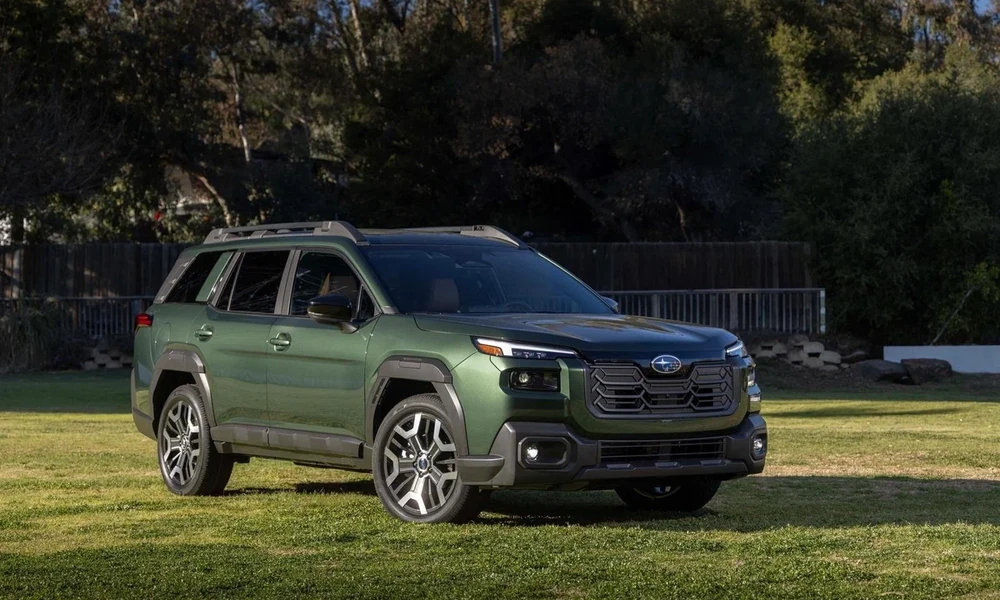
The Subaru Outback is a compelling choice for drivers who face snowy commutes, winter highway trips, and occasional unplowed roads. It combines a wagon-like driving experience with SUV-style ground clearance and standard all-wheel drive.
Its appeal is that it does not need to be an oversized off-roader to be useful in winter. The Outback provides a practical cabin, cargo space for winter gear, and a format that suits daily family life.
Why consider it:
- Standard all-wheel drive.
- Useful ground clearance for a road-oriented vehicle.
- Practical passenger and cargo space.
- A good fit for commuting, road trips, and changing winter weather.
What to consider: The Outback is not a substitute for a dedicated off-road vehicle when snow becomes extremely deep or routes are badly rutted. Winter tires remain important, even with AWD.
Best for: Drivers who want one practical vehicle for daily use and regular winter travel.
2. Subaru Forester Best Family SUV for Snow
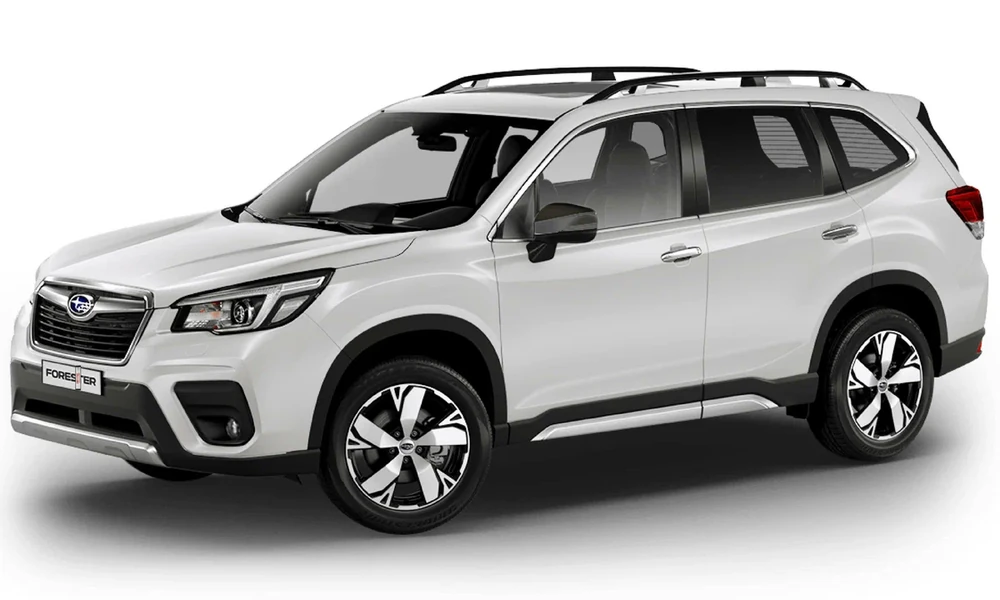
The Subaru Forester deserves a close look if you want a traditional compact SUV with a roomy cabin, an upright seating position, and standard AWD.
Its shape makes it practical for families, and its ground clearance is useful when roads are covered in fresh snow or have not been cleared perfectly. It is also easier to maneuver in many everyday settings than a large, body-on-frame SUV.
Why consider it:
- Standard AWD on the model line.
- Family-friendly passenger space.
- Good visibility from its upright design.
- A useful balance of everyday comfort and winter capability.
What to consider: Not every Forester trim has identical equipment. Check the model year’s ground clearance, tires, and available cold-weather features before choosing a specific version.
Best for: Families and commuters who regularly encounter snow but do not need a dedicated rock-crawling or heavy off-road vehicle.
3. Subaru Crosstrek Best Compact SUV for Snow
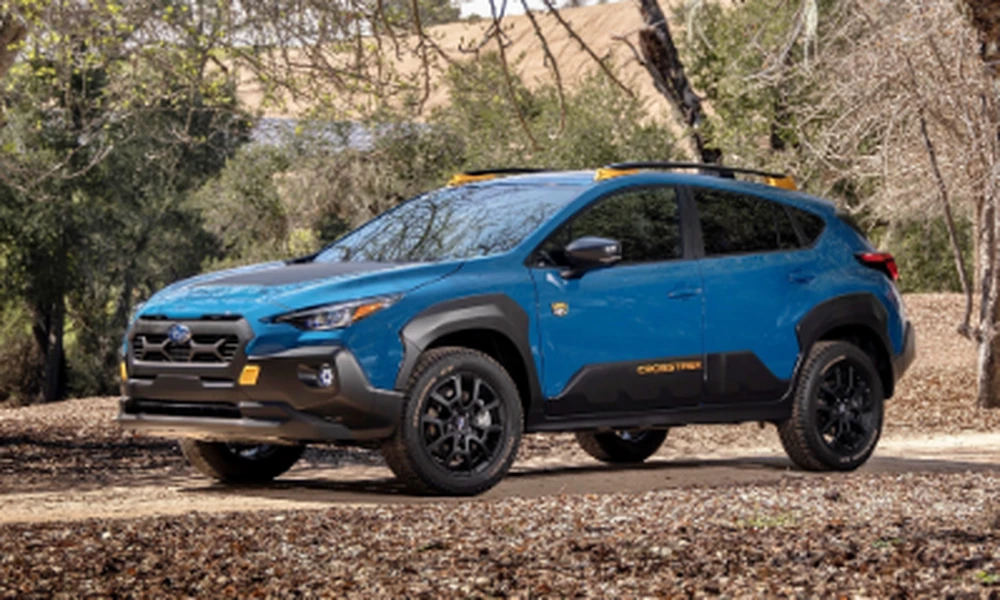
If you prefer a smaller vehicle, the Subaru Crosstrek is worth comparing. Its compact footprint can make it convenient in city traffic, parking lots, and narrow winter streets.
It offers standard AWD and useful ground clearance for its size. Those qualities make it a sensible option for drivers who encounter snowy roads but do not need the space or cost of a larger SUV.
Why consider it:
- Compact dimensions for urban driving.
- Standard AWD.
- Ground clearance suited to a small crossover.
- Everyday practicality without a large vehicle footprint.
What to consider: A compact SUV has limits in deep snow, particularly when snow piles up beyond its clearance. If your regular route includes deep drifts or remote mountain roads, a more capable 4WD vehicle may be a better fit.
Best for: Singles, couples, and smaller households who want a winter-capable daily driver.
4. Ford Bronco Best for Deep Snow and Rough Routes
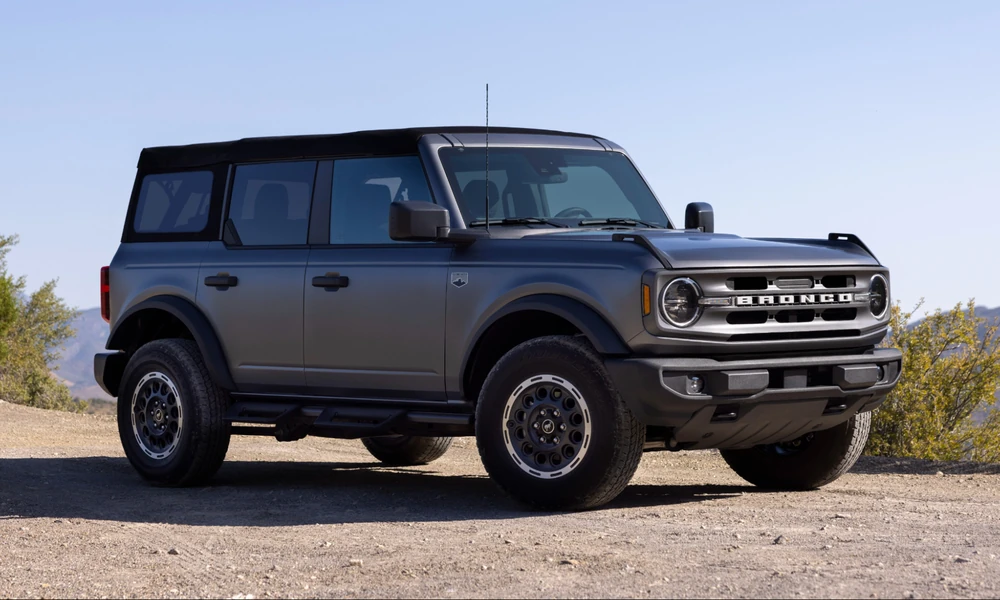
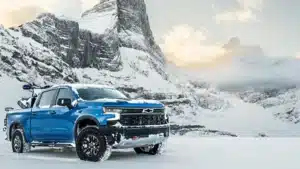
The Ford Bronco is worth considering when winter driving involves more than cleared roads. Its off-road-oriented design, available four-wheel-drive systems, and substantial ground clearance can be useful on challenging terrain.
It is a different proposition from a typical compact crossover. The Bronco makes more sense for drivers who regularly deal with rough access roads, remote properties, or routes where snow and uneven surfaces appear together.
Why consider it:
- Available 4WD systems.
- High ground clearance on applicable configurations.
- Off-road-oriented design.
- Useful capability for mixed snow and rough terrain.
What to consider: Ground clearance and drivetrain depend on configuration. A rugged SUV may also be less efficient or less comfortable than a road-focused crossover for ordinary commuting. Confirm the exact trim’s equipment and tire specifications.
Best for: Drivers who encounter deep snow and rough roads rather than only plowed city streets.
5. Jeep Wrangler Best for Challenging Winter Terrain
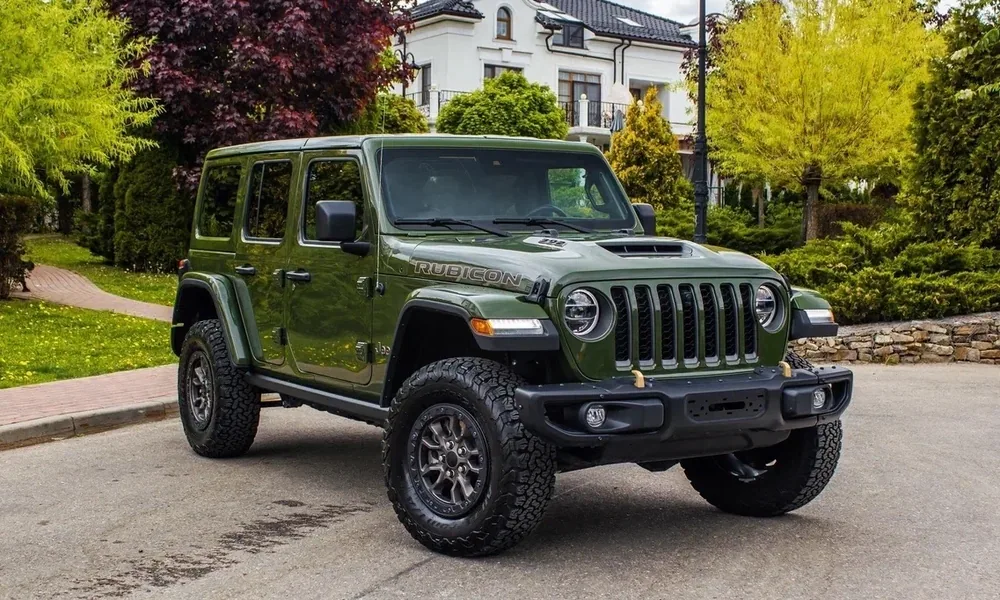
The Jeep Wrangler is another option for people who need genuine off-road capability. Its available four-wheel-drive hardware and trail-focused design make it appealing for remote roads, steep access routes, and terrain that would challenge a conventional crossover.
However, capability on rough terrain should not be confused with automatic superiority on icy pavement. Braking and cornering still depend heavily on tire grip, road conditions, and driver inputs.
Why consider it:
- Available 4WD configurations.
- Off-road-focused engineering.
- Ground clearance suited to certain rough-terrain situations.
- A useful choice for drivers who also need serious off-road capability outside winter.
What to consider: A Wrangler may be more vehicle than an ordinary commuter needs. Road comfort, efficiency, equipment, and tire selection vary by configuration.
Best for: Drivers who regularly travel on difficult, unmaintained routes and want off-road capability beyond snow season.
6. Mazda CX-50 Best for Everyday Driving and Winter Trips
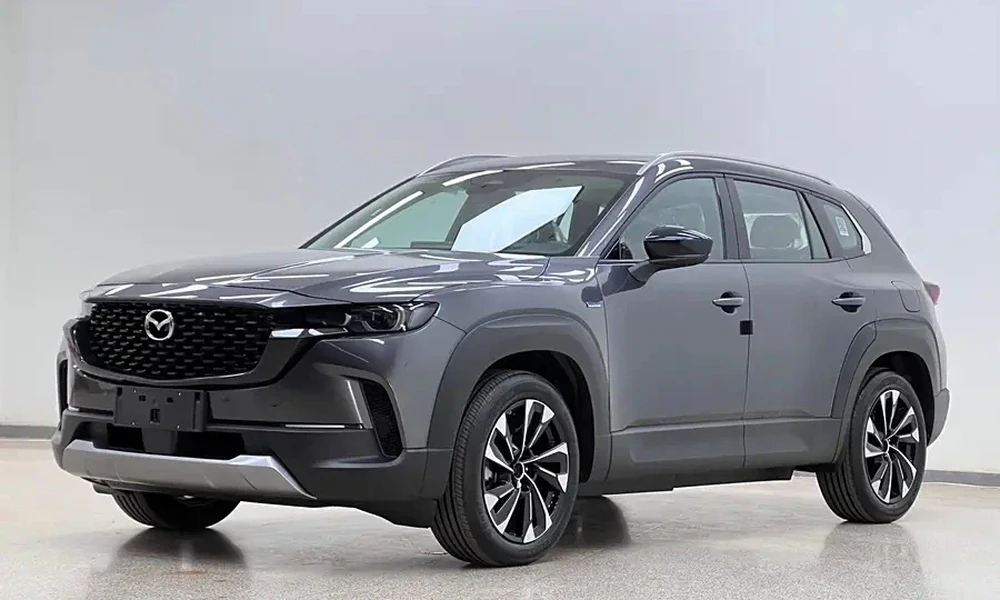
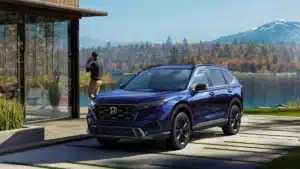
The Mazda CX-50 is worth a look if you want a crossover that can handle ordinary winter driving without moving into a dedicated off-road category.
Available AWD and a practical cabin make it a candidate for commuting, family errands, and winter road trips. Its suitability depends on the exact trim, tires, and the depth of snow on your usual routes.
Why consider it:
- Available AWD.
- Practical crossover proportions.
- A road-oriented layout for everyday driving.
- Useful versatility for commuting and recreational trips.
What to consider: It is not designed to replace a more specialized 4WD SUV for frequent deep snow or rough, unmaintained terrain. Verify the drivetrain on the version you intend to buy.
Best for: Drivers who want an everyday crossover that can be equipped for winter conditions.
7. Ford Expedition Best Large SUV for Snow and Families
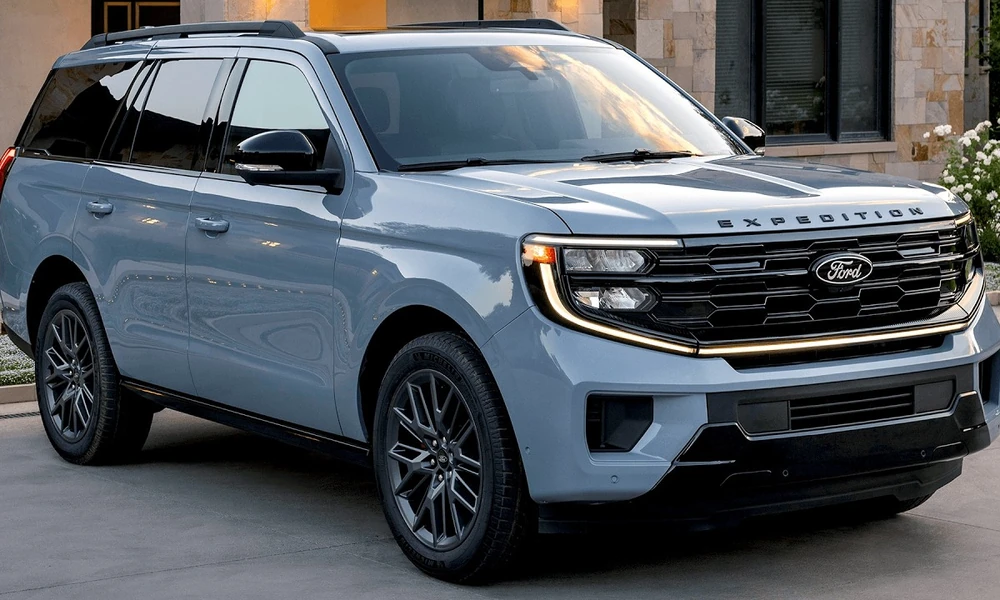
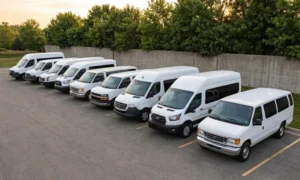
For households that need three rows, generous cargo room, and the ability to carry several passengers, the Ford Expedition belongs on the shortlist. Available four-wheel drive and its larger size can make it suitable for some demanding winter routes.
A large SUV can be useful when you need space for people, luggage, and cold-weather equipment. But size alone does not guarantee better control on slippery roads. If you also need a vehicle for hauling trailers or recreational equipment, comparing passenger and cargo capacity alongside towing requirements can help narrow your options.
Why consider it:
- Spacious cabin for larger households.
- Available 4WD.
- Room for passengers and winter gear.
- A potential fit for family road trips in cold-weather regions.
What to consider: Large SUVs require more space to maneuver and park, and they can be costly to run. Check the exact configuration’s clearance, drivetrain, and tire options.
Best for: Families who need substantial passenger and cargo capacity alongside winter-driving capability.
What Makes an SUV Good in Snow?
Before comparing prices or choosing a brand, focus on the features that directly affect winter driving. Families comparing winter vehicles should also consider family SUV safety, including available collision-avoidance technology and other driver-assistance features.
All-wheel drive or four-wheel drive
AWD and 4WD can help a vehicle get moving by distributing power to more than two wheels. This is particularly useful when accelerating on slippery surfaces.
However, AWD does not automatically improve braking or cornering grip on ice. Those tasks depend heavily on the tires and the road surface.
For ordinary snowy roads, AWD is often a practical choice. For deeper snow, rough tracks, and certain off-road situations, a suitable 4WD system and greater ground clearance may be more appropriate.
Ground clearance
Ground clearance is the space between the road and the lowest relevant part of the vehicle. It matters when snow accumulates high enough to contact the underside of an SUV.
A vehicle with more clearance can have an advantage in deeper snow, but clearance figures alone do not determine the best winter vehicle. Tires, drivetrain, stability systems, and the driver’s ability to judge conditions also matter.
Winter tires
Tires are one of the most important parts of winter safety. Dedicated winter tires are designed to provide better grip in cold conditions than many ordinary all-season tires.
When choosing an SUV, consider the cost and availability of an appropriate winter tire set. Make sure all four tires are compatible and properly maintained.
Safety and driver assistance
Look for features such as electronic stability control, automatic emergency braking, and forward collision warning. Availability and standard equipment vary by model and trim, so check the specific vehicle rather than assuming every version includes the same systems.
Driver assistance can help, but it cannot overcome the limits of traction or make unsafe speeds appropriate for snow and ice.
Visibility and cold-weather comfort
Heated mirrors, heated seats, a heated steering wheel, effective defrosting, and good exterior lighting can make winter driving less tiring. These features do not replace traction or safe driving, but they can improve comfort and visibility when temperatures fall.
AWD vs. 4WD: Which Is Better for Snow?
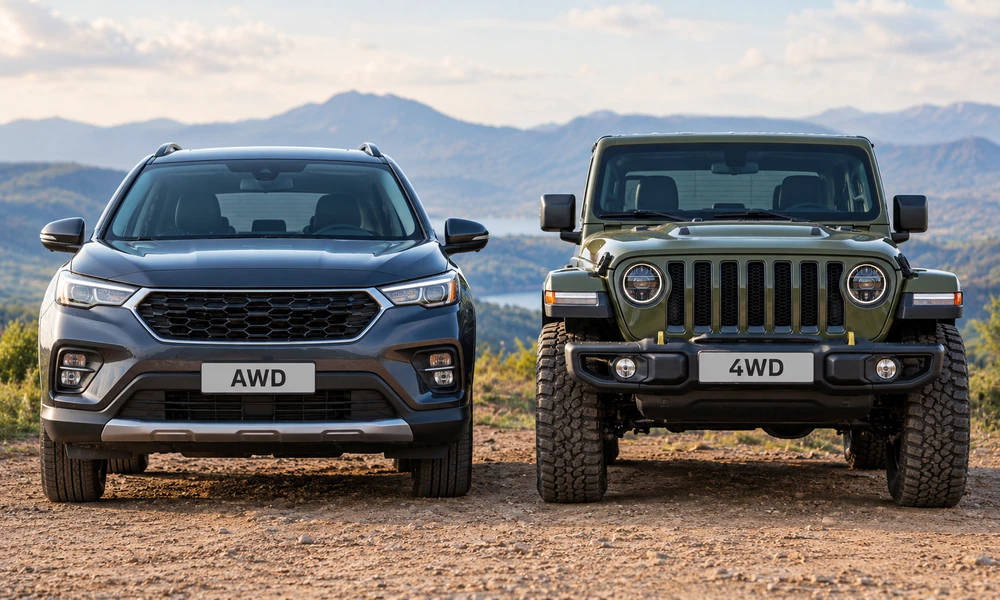
| Feature | AWD | 4WD |
| Typical use | Everyday roads and changing weather | Rough terrain and selected demanding conditions |
| Snowy commutes | Often a strong fit | Can work well, depending on the system |
| Deep snow | Depends on clearance and system design | Can be advantageous with suitable clearance and tires |
| Driver involvement | Often operates automatically | Some systems require the driver to select a mode |
| Best choice | Regular roads, highways, and family driving | Drivers who need additional off-road capability |
These are general tendencies, not rules for every vehicle. Modern systems differ significantly, so evaluate the actual drivetrain rather than relying only on the AWD or 4WD label.
Which SUV Is Best for Different Winter Conditions?
For snowy daily commutes: Start by comparing the Subaru Outback and Subaru Forester. Both offer standard AWD and practical everyday layouts.
For a smaller vehicle: Consider the Subaru Crosstrek if compact dimensions are a priority.
For deep snow and rough access roads: Look at the Ford Bronco or Jeep Wrangler, checking the specific configuration’s ground clearance and 4WD equipment.
For a large family: The Ford Expedition is worth considering if three-row space is essential.
For occasional snow and year-round driving: A road-focused crossover such as the Mazda CX-50 may suit your needs, provided you choose the right drivetrain and tires.
No model should be selected on its name alone. The right configuration and tire setup can matter as much as the badge.
How to Choose the Best SUV for Snow on Your Budget
Before buying, ask yourself three questions.
1. How much snow do you actually drive through?
If your roads are cleared regularly, a practical AWD crossover may be enough. If you frequently encounter deep snow, steep access roads, or unmaintained routes, prioritize clearance and suitable 4WD capability.
2. Will you need the vehicle for family life?
Passenger capacity, cargo space, fuel consumption, and daily comfort matter just as much as winter performance. A large off-road SUV may be unnecessary if your main requirement is a reliable commute.
3. Have you budgeted for tires?
Compare the total cost of ownership, including winter tires, maintenance, fuel, and insurance. A less expensive SUV with appropriate tires can be a more sensible choice than an expensive model on unsuitable tires.
Winter Driving Tips for SUV Owners
Even a capable SUV needs careful driving when roads are slippery.
- Install suitable winter tires when conditions call for them.
- Reduce speed and leave more following distance.
- Accelerate, steer, and brake smoothly.
- Clear snow and ice from windows, mirrors, lights, and the roof.
- Check tire pressure and tread condition regularly.
- Carry an emergency kit with warm clothing, a flashlight, water, and basic recovery supplies.
- Check local road and weather conditions before a long winter trip.
Remember that a vehicle’s ability to accelerate through snow does not mean it can stop quickly on ice. Leave enough room to react, and avoid unnecessary travel during severe conditions.
Frequently Asked Questions
What is the best SUV for snow in 2026?
The Subaru Outback is a strong starting point for everyday winter driving, while the Subaru Forester is worth considering for families who want a compact SUV with standard AWD. The best choice depends on snow depth, tires, clearance, budget, and the roads you travel.
Is AWD or 4WD better for snow?
AWD works well for many snowy commutes and changing road conditions. A suitable 4WD system can be more useful in some deep-snow and off-road situations. Neither system removes the need for appropriate tires or careful driving.
Is a Subaru Forester good in deep snow?
The Forester’s standard AWD and ground clearance make it a useful candidate for snowy roads. Deep, unplowed snow can still exceed its capabilities, so consider the actual depth, tires, and route before relying on it.
Do SUVs need winter tires if they have AWD?
Yes, winter tires can still be important. AWD helps deliver power to the wheels, but tires provide the grip needed for braking and cornering. AWD alone does not guarantee safe stopping on ice.
Is a higher ground clearance always better for snow?
Not always. Higher clearance helps when snow is deep enough to contact the underside of a vehicle. On icy, cleared roads, tire grip and vehicle control remain essential, and clearance alone is not a complete measure of winter capability.
What should I look for in a family SUV for snow?
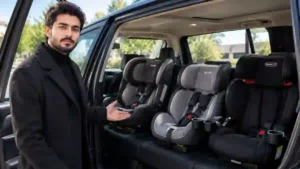
Prioritize a suitable AWD or 4WD system, appropriate tires, useful ground clearance, strong safety equipment, good visibility, and enough passenger and cargo space. Compare the exact model year and trim before buying.
Are large SUVs safer in snow than small SUVs?
Not automatically. A larger vehicle may offer more space and ground clearance, but winter safety depends on tires, traction systems, braking, stability, road conditions, and driving behavior. Choose based on your real winter needs rather than size alone.
Final Verdict
For many drivers, the Subaru Outback is a strong all-around SUV to consider for snow, while the Subaru Forester offers a practical alternative for families and everyday use. The Crosstrek makes sense for shoppers who want a smaller vehicle, and the Ford Bronco or Jeep Wrangler deserve attention when deep snow and rough terrain are part of the routine.
Before deciding, compare the exact trim, drivetrain, ground clearance, safety equipment, and tire options. A well-equipped SUV with appropriate winter tires and a careful driver is a better winter choice than a vehicle selected on its size or marketing claims alone.