
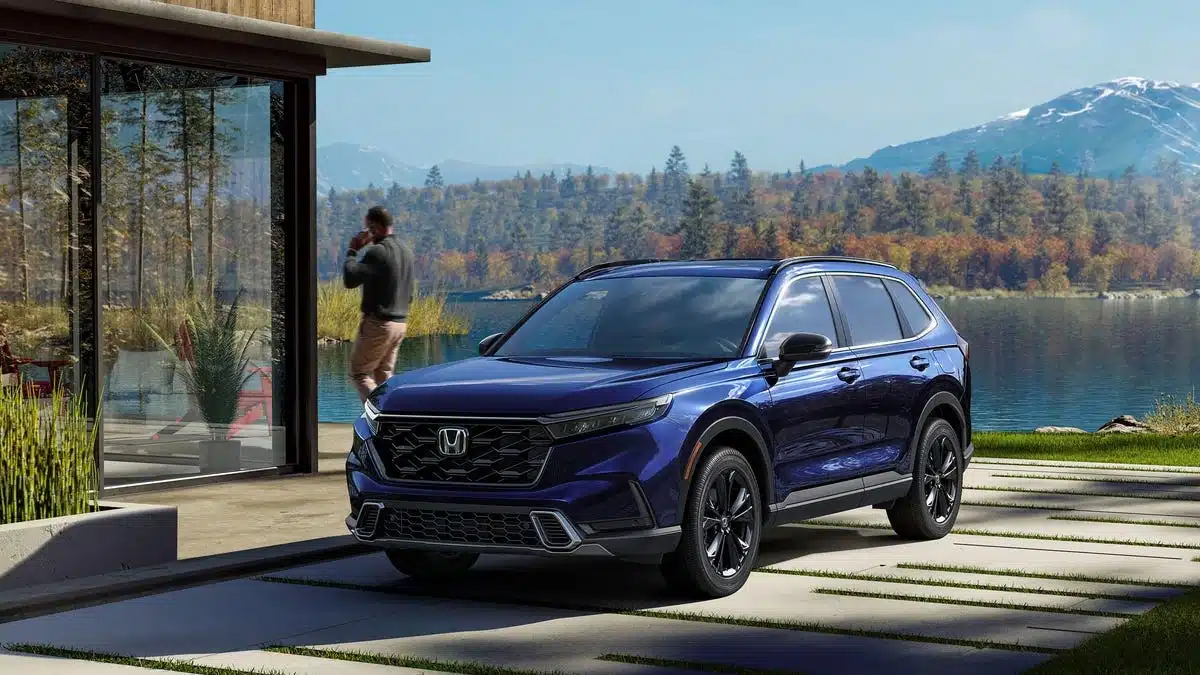
Key Takeaways
Honda CR-V Hybrid delivers superior cabin quietness and smoother ride dynamics.
Toyota RAV4 Hybrid retains a slight edge in total fuel economy.
CR-V Hybrid cargo space leads in total maximum volume behind front seats.
Honda CR-V Hybrid Sport Touring trim offers top-tier luxury features.
Real-world driving experience makes Honda CR-V Hybrid the better daily driver.
Have you ever spent hours comparing compact crossovers and ended up feeling more confused than when you started? If you are looking for a reliable, fuel-efficient daily driver, you have likely landed on the two biggest heavyweights in the market. When choosing a modern crossover SUV, the Honda CR-V Hybrid stands out as an exceptional choice that generally beats the RAV4 for overall comfort, interior quality, and driving dynamics.
While the RAV4 Hybrid remains a legendary contender with slightly better highway fuel economy ratings, the Honda CR-V Hybrid provides a noticeably smoother ride, a quieter cabin, and superior passenger comfort. If daily comfort, easy handling, and premium interior feel are high on your list, the Honda takes the crown. At turboocriuser.com, we love diving deep into real-world car testing to help you make the smartest choice for your driveway.
The Honda CR-V Hybrid is a standout compact crossover offering a 204-horsepower dual-motor powertrain, exceptional passenger space, and impressive fuel efficiency. In comparison to the Toyota RAV4 Hybrid, the CR-V Hybrid delivers a smoother ride and a higher-quality interior, though the RAV4 slightly edges it out in raw highway MPG.
If you’re comparing other options in this segment, explore our guide to the best hybrid SUVs to see how leading models compare in comfort, fuel economy, and everyday practicality. Overall, the CR-V Hybrid is one of the best daily drivers available today.
Behind the Wheel: How Does the Honda CR-V Hybrid Drive?
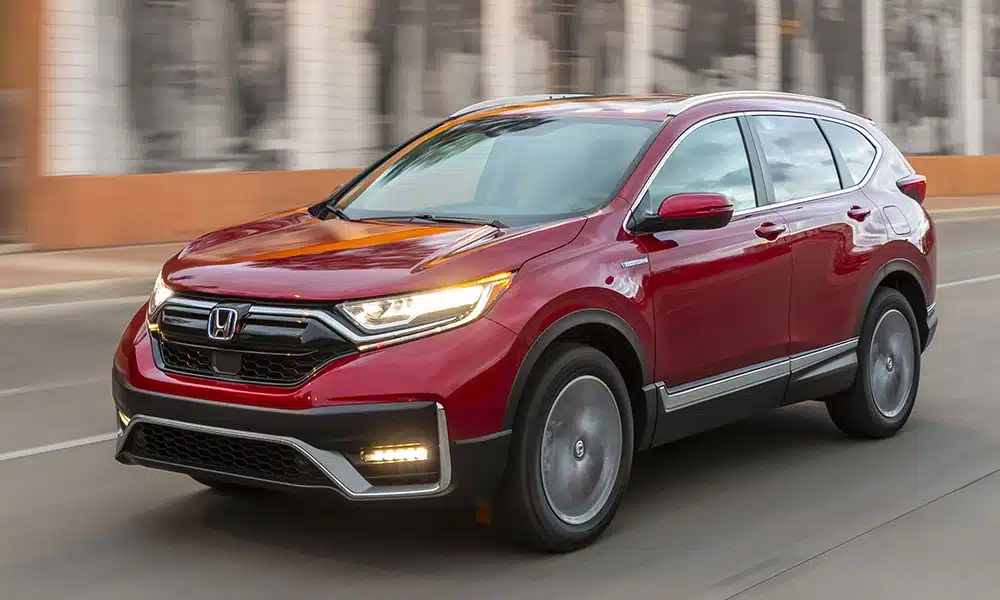
Taking the Honda CR-V Hybrid out on the road feels remarkably effortless. Unlike older hybrids that groaned under hard acceleration, this powertrain feels peppy and responsive. Honda uses a 2.0-liter four-cylinder engine paired with two electric motors, pushing out a combined 204 horsepower that gives you instant torque when pulling away from a stoplight.
Merging onto busy highways feels natural and confident, while steering remains precise and easy to handle. The suspension balances comfort with controlled handling, helping absorb road bumps and highway ripples. Understanding hybrid powertrain technology can also help explain the differences in driving performance between the CR-V Hybrid and RAV4 Hybrid.
The RAV4 Hybrid offers plenty of power, but its engine sounds much louder when you push it hard, whereas Honda spent extra effort adding sound insulation to make the CR-V whisper-quiet. If you spend an hour commuting each way, that peaceful cabin makes a massive difference, letting you arrive at work feeling relaxed rather than worn out by road noise.
Daily Fuel Economy: Understanding CRV Hybrid MPG
Fuel economy is usually the main reason people shop for hybrids, so understanding CRV hybrid MPG is essential for everyday savings. Front-wheel-drive models earn an EPA-estimated rating of around 40 MPG combined, while opting for the CR-V Hybrid AWD system adjusts those numbers slightly.
| Model & Drivetrain | City MPG | Highway MPG | Combined MPG |
| Honda CR-V Hybrid FWD | 43 | 36 | 40 |
| Honda CR-V Hybrid AWD | 40 | 34 | 37 |
| Toyota RAV4 Hybrid AWD | 41 | 38 | 39 |
In practical city driving, the Honda CR-V Hybrid can deliver strong fuel economy because regenerative braking helps recharge its battery. Highway driving relies more on the gasoline engine, which can reduce overall efficiency.
When comparing CR-V Hybrid vs. RAV4 Hybrid fuel efficiency, Toyota has a slight advantage on the highway. However, both offer good efficiency, and understanding how fuel-efficient engines balance power and economy can help buyers make informed decisions.
Pricing and Trim Value: CRV Hybrid Price Breakdown
Budget is always a top priority when shopping for a family vehicle, and evaluating CRV hybrid price options helps you decide which trim level fits your budget best. Honda offers the hybrid powertrain across several attractive trims, with entry-level hybrid options starting around $34,000 and top-tier choices reaching closer to $41,000.
| Trim Level | Drivetrain Availability | Estimated Base Price |
| Sport Hybrid | FWD / AWD | ~$34,350 |
| Sport-L Hybrid | FWD / AWD | ~$37,350 |
| Sport Touring Hybrid | Standard AWD | ~$40,800 |
When comparing CRV hybrid vs RAV4 hybrid pricing, both brands sit in a similar price bracket, though Toyota offers a slightly lower starting price for base hybrid models. However, Honda equips its mid-tier and upper trims with generous standard features like heated front seats, a sunroof, and modern safety gear right out of the gate.
If you plan to finance, the overall value proposition remains strong across all hybrid trims. At turboocriuser.com, we frequently recommend looking closely at standard features rather than just focusing exclusively on starting MSRP numbers.
Luxury and Features: The CRV Hybrid Sport Touring Experience
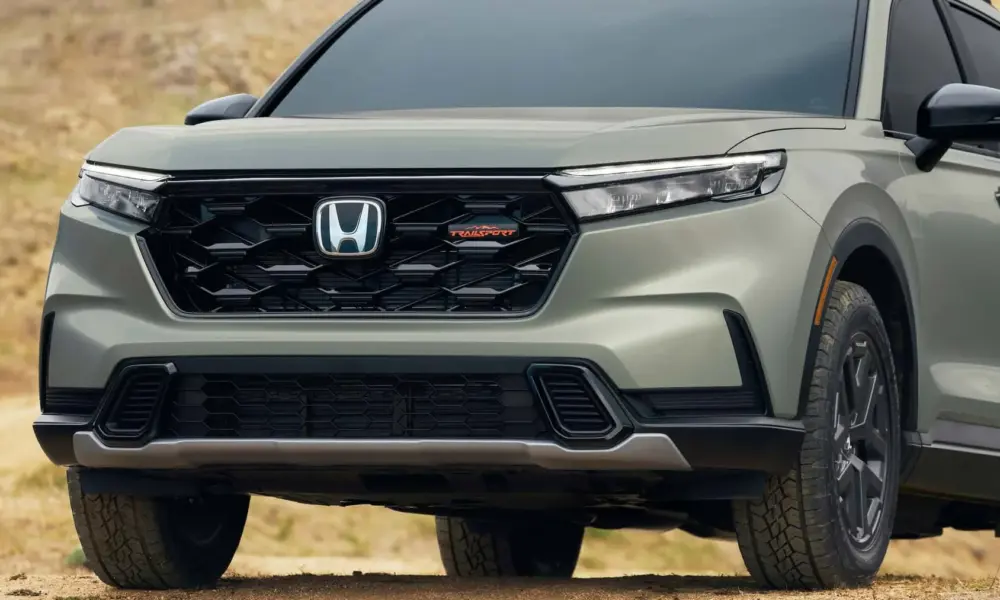
If you want the absolute ultimate compact SUV experience, look closely at the CRV hybrid sport touring model. This top-of-the-line trim brings near-luxury vehicle refinements without requiring a luxury badge price tag, coming standard with the intelligent CRV hybrid AWD system for superior bad-weather traction.
Inside, you will find leather-trimmed seats with handsome contrast stitching and a premium Bose 12-speaker audio system that turns your daily commute into an immersive sound studio. The CR-V Hybrid Sport Touring trim also adds a hands-free power tailgate, a heated steering wheel, and a touchscreen infotainment system featuring wireless Apple CarPlay and Android Auto integration.
Navigation is built right in, and smartphone charging pads eliminate cord clutter. Compared to high-end RAV4 trims like the Limited, the Honda cabin design feels cleaner and more modern, featuring an attractive honeycomb mesh grille hiding the air vents and knobs that turn with a satisfying click. It easily feels like a vehicle costing thousands more.
Utility and Room: CRV Hybrid Cargo Space & Cabin Room
Space is an area where the Honda CR-V Hybrid truly shines against almost every rival in the segment. Family road trips require plenty of room for luggage, strollers, and sports gear, and the overall CR-V Hybrid cargo space measures an impressive 36.3 cubic feet behind the second row. Folding those rear seats down expands total storage to a massive 71.8 cubic feet.
| SUV Model | Rear Cargo Volume (Seats Up) | Max Cargo Volume (Seats Folded) |
| Honda CR-V Hybrid | 36.3 cu. ft. | 71.8 cu. ft. |
| Toyota RAV4 Hybrid | 37.5 cu. ft. | 69.8 cu. ft. |
While Toyota offers slightly more room with the seats up, Honda takes the total cargo crown when the seats are folded flat. More importantly, the opening of the Honda trunk is wide, low, and flat, meaning loading heavy gear or large boxes requires minimal heavy lifting. Passenger space in the second row is also best-in-class, offering exceptional legroom for tall adults so kids in child seats will not kick the back of the front seats on long trips.
All-Weather Confidence: CRV Hybrid AWD Performance
Driving in winter snow, heavy rain, or loose gravel requires extra traction, and choosing a model equipped with CRV hybrid AWD provides incredible peace of mind. Honda uses a mechanical All-Wheel Drive system that physically connects the engine to the rear wheels via a driveshaft, transferring power instantly when the front wheels lose grip to maintain forward momentum.
In contrast, the CRV hybrid vs RAV4 hybrid AWD setups use slightly different mechanics, as Toyota utilizes a separate electric motor mounted on the rear axle. While Toyota’s setup saves a bit of weight, Honda’s mechanical system offers a traditional, highly consistent driving feel in slippery snow.
Whether navigating rain-soaked highways or icy neighborhood roads, the system operates seamlessly in the background. You never have to guess when extra traction is active because it handles everything automatically while you focus safely on the road ahead.
Ownership Considerations: Common CRV Hybrid Problems
No vehicle is completely perfect, so prospective buyers often ask about potential CRV hybrid problems before signing paperwork. Overall reliability for the current generation remains exceptionally strong, but owner forums and safety databases highlight a few minor drawbacks to keep in mind.
Like many modern hybrids, Honda omits a traditional spare tire to save weight and space for the battery pack, providing a tire repair kit instead. In low winter temperatures, the gasoline engine runs longer to heat the cabin, causing a temporary decrease in CRV hybrid mpg. Climbing steep mountain grades at high speeds can also cause the engine to rev loudly as it works hard to generate electricity for the battery pack, while low-speed pedestrian alert systems generate an exterior humming noise required by safety laws that some drivers find unusual at first.
None of these minor CRV hybrid problems represent major mechanical reliability flaws. Engine components and hybrid battery packs generally prove very durable over long-term ownership, meaning routine oil changes and standard maintenance will keep these vehicles running smoothly for years.
Head-to-Head Summary: CRV Hybrid vs RAV4 Hybrid
Choosing between these two legendary hybrid SUVs ultimately comes down to your personal driving priorities and daily lifestyle needs. The Honda CR-V Hybrid is the clear winner if you prioritize superior interior comfort, high-end cabin materials, extremely quiet highway cruising, best-in-class rear passenger legroom, and smooth steering dynamics.
On the other hand, the Toyota RAV4 Hybrid remains an excellent alternative if you prioritize slightly higher highway fuel efficiency ratings and a slightly lower entry-level base price. For most suburban drivers and commuting families, the daily comfort advantages of the Honda CR-V Hybrid make it the superior overall choice. Our team at turboocriuser.com consistently ranks it near the top of the compact crossover class.
Final Verdict
When you weigh all factors, including comfort, interior refinement, fuel economy, and practicality, the Honda CR-V Hybrid stands out as a strong compact hybrid crossover. While the Toyota RAV4 Hybrid offers slightly better highway MPG, the Honda delivers a smoother ride and a more refined interior.
Whether commuting in a CR-V Hybrid Sport Touring or carrying family cargo on a weekend road trip, Honda balances comfort and practicality. Buyers exploring other electrified options can also check out Honda electric vehicles to learn more about the brand’s lineup.
Frequently Asked Questions
What is the real-world fuel economy of the Honda CR-V Hybrid?
The front-wheel-drive model gets around 40 MPG combined, while the CRV hybrid AWD version delivers roughly 37 MPG in real-world driving conditions. Extreme winter cold or aggressive highway driving can lower those figures slightly.
Is the Honda CR-V Hybrid better than the Toyota RAV4 Hybrid?
Yes, in most cases the Honda CR-V Hybrid provides a better overall package. It features a quieter cabin, smoother suspension tuning, higher-quality interior materials, and superior passenger legroom compared to the RAV4.
What is the starting price for a Honda CR-V Hybrid?
The starting CRV hybrid price sits around $34,350 for base Sport trims, while top-tier CRV hybrid sport touring models reach roughly $40,800 depending on optional accessories and local delivery fees.
Does the Honda CR-V Hybrid have common reliability issues?
There are very few major mechanical CRV hybrid problems reported. The most common owner complaints involve the lack of a spare tire, low-speed alert noises, and temporary fuel economy drops during cold winter months.
How spacious is the cargo area in the Honda CR-V Hybrid?
The total CRV hybrid cargo space offers 36.3 cubic feet behind rear seats and expands up to 71.8 cubic feet with rear seats folded down, making it exceptionally roomier than most class competitors.