
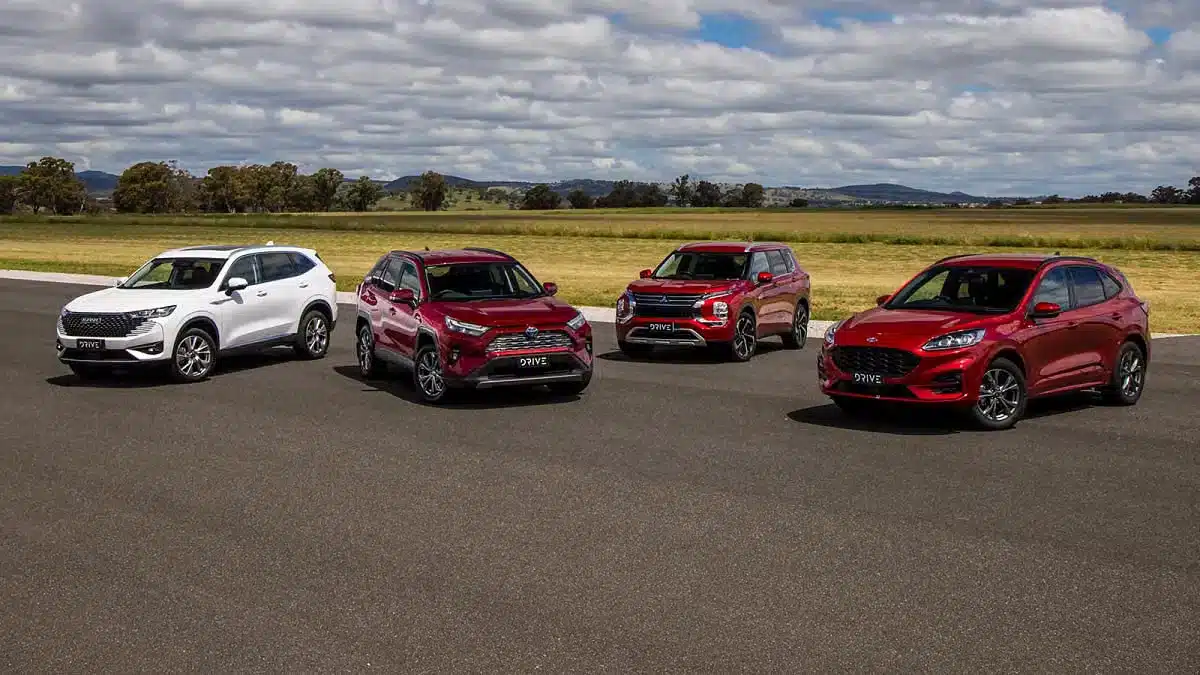
Key Takeaways
Major fuel savings without losing interior space
Toyota RAV4 Hybrid leads overall value and long-term reliability
Hyundai Tucson Hybrid delivers top-tier interior technology
Honda CR-V Hybrid offers smooth and quiet daily driving comfort
Plug-in hybrids give pure electric commutes for short trips
Are you tired of watching your hard-earned cash disappear every single time you pull up to the gas pump? You are definitely not alone in feeling that way. Finding the best hybrid SUV has become a top goal for smart drivers heading into 2026.
If you want fantastic fuel savings without giving up cargo room or road trip freedom, you are looking at the exact right segment. Today’s market is packed with reliable models that drive smoother, look sharper, and save money every single week.
At turboocruiser.com, we break down real driver data to help you pick the perfect vehicle for your family and budget. Let’s look closely at the leading choices hitting the market today.
AI Overview
Looking for the best hybrid SUV in 2026? Modern choices offer unmatched fuel economy, practical cargo layouts, and smart safety tech. Models like the Toyota RAV4 Hybrid, Honda CR-V Hybrid, and Hyundai Tucson Hybrid set the benchmark for low running costs and passenger comfort. Finding the best hybrid SUV to buy comes down to matching your personal budget, cargo needs, and weekly commute style.
What Makes a Hybrid SUV the Smart Choice Today?
Picking a new ride is a big deal, so why are so many people choosing hybrid crossovers right now? The main secret is balance. You get the higher seating position and flexible cargo area of a traditional crossover, but with fuel efficiency that rivals small compact sedans. Picking the best fuel efficient hybrid SUV gives you a massive break on monthly fuel bills. Are you worried about range anxiety or public charging wait times? Standard hybrid models do not need plugs at all, giving you total freedom on long drives.
Top Hybrid SUVs for 2026: The Standout Lineup
Let’s look at the top contenders that deserve your attention before you buy. Each option shines in a specific area depending on what you care about most. Toyota RAV4 Hybrid Starting Price: Around $33,350 Fuel Economy: Up to 42 MPG combined Best Feature: Unmatched resale value and long-term reliability Honda CR-V Hybrid Starting Price: Around $37,080 Fuel Economy: Up to 40 MPG combined Best Feature: Ultra-smooth ride and cabin refinement Hyundai Tucson Hybrid Starting Price: Around $32,450 Fuel Economy: Up to 38 MPG combined Best Feature: Premium tech and standard all-wheel drive Kia Sportage Hybrid Starting Price: Around $31,735 Fuel Economy: Up to 43 MPG combined Best Feature: Best-in-class cargo capacity
Toyota RAV4 Hybrid: The Long-Term Value Leader
There is a big reason why the RAV4 Hybrid remains a constant favorite year after year. It is dependable, simple to use, and holds value better than almost anything else on four wheels. Whenever readers ask us at turboocruiser.com about the best hybrid SUV to buy for long-term ownership, this vehicle pops up first. It delivers instant standard all-wheel drive, easy interior controls, and dependable fuel mileage week in and week out.

The acceleration feels punchy during highway merges, and the cabin handles muddy gear or busy dog trips with ease. The durable interior materials resist daily wear, making it a favorite for families with active kids. Under the hood, Toyota uses a refined naturally aspirated four-cylinder engine paired with electric motors. This system has been tuned over decades, giving you confidence that it will easily pass the 100,000-mile mark without major issues.
Honda CR-V Hybrid: Smooth Daily Commuting
If you want a whisper-quiet cabin and smooth steering, the CR-V Hybrid belongs at the top of your list. It easily stands out among the best hybrid SUVs 2026 brings to showrooms. Honda nailed the suspension balance here. It glides over rough city pavement while keeping body roll low through twisting turns.
Rear passenger space is massive, making it a dream choice for family road trips or carpooling friends. The wide door openings make installing child seats completely hassle-free. The hybrid system in the CR-V utilizes a two-motor setup that provides seamless acceleration. You barely notice when the vehicle transitions from battery power to gas propulsion, which keeps your commute peaceful and relaxing.
Hyundai Tucson Hybrid: Packed With High-End Tech
Hyundai continues to offer luxury-level interior design at regular family prices. The Tucson Hybrid looks sharp outside and feels super upscale inside. It ranks high among top hybrid SUVs for tech lovers. You get clear digital displays, smart driver assist tools, and a lively turbocharged setup that feels responsive when you touch the gas pedal.
It delivers exceptional feature value for every dollar spent. The dashboard layout is clean and intuitive, giving you easy access to navigation and media settings without unnecessary clutter.
The turbocharged engine paired with an electric motor gives the Tucson an extra kick during acceleration. It feels more sports-oriented than many competitors, offering an engaging drive without penalizing your wallet at the fuel pump.
Kia Sportage Hybrid: Maximum Cargo and Efficiency
The Kia Sportage Hybrid is a sibling to the Tucson, but it carves out its own path with bold exterior styling and maximum interior space. It delivers incredible fuel economy, topping the charts in its class. Inside, you are greeted by a massive curved display panel that houses both the instrument cluster and central infotainment system.
If you carry large strollers, athletic bags, or heavy shopping haul bags, the Sportage provides one of the lowest liftover heights and largest rear cargo areas in the compact crossover segment.
How to Choose the Best Hybrid SUV to Buy for Your Life
How do you narrow down your choice? It helps to align your purchase with how you actually spend your time on the road. Heavy City Commuters Look at options like the Kia Sportage Hybrid or Kia Niro. They shine in low-speed city driving where electric motors do most of the heavy lifting. Stop-and-go traffic is actually where hybrids gain their highest efficiency advantages.
Frequent Road Trippers The Honda CR-V Hybrid offers quiet highway manners and supportive seats that reduce long-distance driver fatigue. Excellent sound insulation keeps wind and tire noise out of the cabin even at highway speeds.
Outdoor and Snow Drivers Standard AWD vehicles like the RAV4 Hybrid or Tucson Hybrid give extra traction on slippery winter roads. They automatically route power to the wheels with the most grip within milliseconds.
Cargo Capacity vs Passenger Comfort
Do you haul bulky sports gear, double strollers, or camping gear regularly? If pure cargo volume is your priority, the Kia Sportage Hybrid leads the compact pack with massive rear trunk room. Fold down the second-row seats, and you get a flat cargo bed capable of swallowing bicycles or flat-pack furniture.
If back-seat passenger legroom matters more, the CR-V Hybrid takes the crown. The rear seats offer generous knee room and multi-stage recline settings that allow passengers to nap comfortably during extended road trips.
Understanding Standard Hybrids vs Plug-In Hybrids
What is the real difference between a traditional hybrid and a plug-in hybrid? The logic is actually super simple once you see how they operate.
Standard Hybrid (HEV)
A regular hybrid charges its own battery system using regenerative braking energy and the gas engine. You just fill up at normal gas stations and drive off. You never plug it into a wall outlet. The system automatically decides when to run on electric power, gas power, or a combination of both. It requires zero changes to your existing driving or fueling habits.
Plug-In Hybrid (PHEV)
A plug-in hybrid has a larger battery pack that you charge from an outlet or home charger. It provides roughly 25 to 40 miles of pure electric driving range before using gas. If your daily commute is short and you can charge at home overnight, a PHEV lets you skip buying gas for weeks at a time. Once the battery empties, it functions just like a regular hybrid without any loss of driving range.
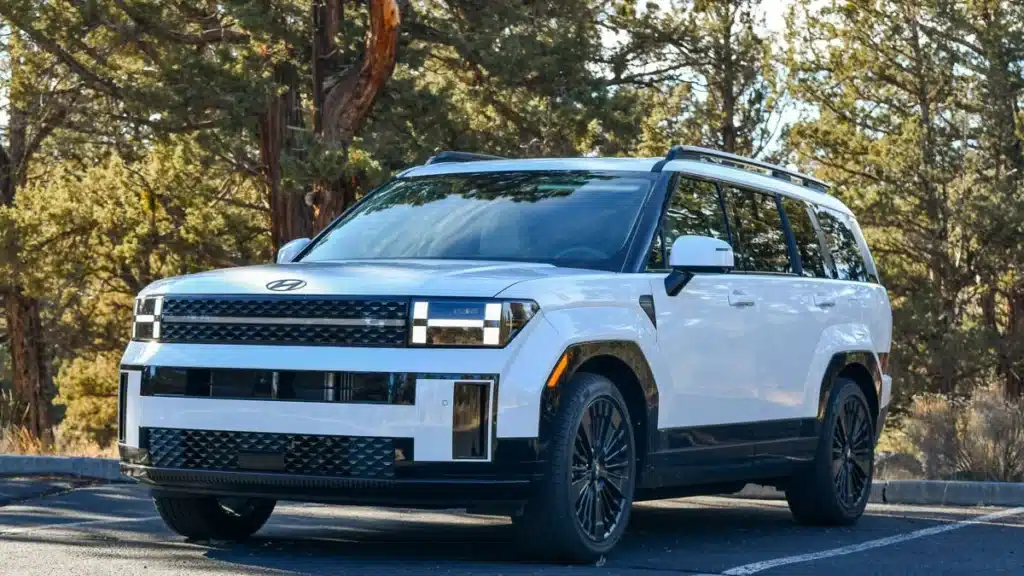
Real-World Cost Analysis: Gas vs Hybrid SUV
Is paying the extra money upfront for a hybrid model actually worth it? Let’s break down the math in simple real-world terms. Standard gasoline crossovers average around 26 to 28 MPG in combined driving conditions. The best fuel efficient hybrid SUV models regularly achieve 38 to 43 MPG under identical driving styles.
If you drive 12,000 miles per year, a traditional gas crossover uses roughly 440 gallons of fuel annually. A hybrid crossover getting 40 MPG uses only 300 gallons over that same distance. At an average fuel price of $3.50 per gallon, that saves you $490 every single year in fuel alone. Over a five-year ownership period, you keep nearly $2,500 in your pocket, fully covering the initial price difference of the hybrid drivetrain.
Smart Advice for Shopping in 2026
Before you make a final decision at the dealership, keep these helpful tips in mind to get the best experience.
Test drive both city streets and fast highway lanes to see how the engine switches modes under heavy acceleration.
Check the factory battery warranty coverage, as top brands offer 8 to 10 years or 100,000 miles of protection.
Compare total vehicle costs including insurance rates, local tax credits, and regular maintenance expenses.
Inspect the infotainment touchscreen responsiveness and smartphone integration like wireless Apple CarPlay and Android Auto.
We at turboocruiser.com always recommend scheduling an extended test drive so you get a true feel for daily life behind the wheel before making your final commitment.
Conclusion
Finding the best hybrid SUV comes down to balancing your personal spending limits, cabin space needs, and daily driving routine. Whether you pick the overall value of Toyota, the smooth comfort of Honda, or the rich tech of Hyundai, you are making a smart long-term investment. Take a few test drives, compare real-world comfort, and enjoy far fewer stops at the gas pump!
FAQs
What is the most reliable hybrid SUV to buy in 2026?
The Toyota RAV4 Hybrid generally holds the top rating for long-term reliability. Its robust drivetrain and durable engine design ensure low upkeep costs over time.
Is buying a hybrid SUV worth the extra purchase price?
Yes, in most cases. Your monthly savings at the gas pump usually cover the higher initial purchase price within two to four years of normal driving.
How long do hybrid SUV batteries last on average?
Hybrid batteries generally last between 100,000 to 150,000 miles, or roughly 8 to 10 years. Factory warranties cover major battery components for peace of mind.
Do hybrid SUVs require more regular maintenance than gas cars?
No, they usually require less brake maintenance. Regenerative braking systems ease wear on brake pads, allowing them to last longer than standard pads.