
Finding the best sports utility vehicle in 2026 depends on what you need from your next vehicle. Some SUVs prioritize fuel economy and everyday comfort, while others offer three rows of seating, premium interiors, serious towing capability, or the rugged hardware needed for off-road adventures.
The Honda CR-V, Toyota RAV4, Subaru Forester, Hyundai Palisade, Kia Telluride, and Mazda CX-5 are among the models worth comparing, depending on your budget and priorities. Buyers who want a luxury experience can also consider the BMW X5, Lexus RX, and Porsche Cayenne, while drivers seeking a more adventurous vehicle may prefer the Ford Bronco.
There is no single SUV that is best for every driver. Passenger space, cargo capacity, fuel economy, reliability, safety features, and ownership costs all influence which model makes the most sense.
Best Sports Utility Vehicles in 2026 at a Glance
| SUV | Best For | Main Advantage |
| Honda CR-V | Everyday driving | Comfort and practicality |
| Toyota RAV4 | All-around versatility | Broad powertrain choices |
| Subaru Forester | Outdoor lifestyles | Standard all-wheel drive |
| Mazda CX-5 | Driving enjoyment | Refined handling |
| Hyundai Tucson Hybrid | Fuel-conscious buyers | Hybrid efficiency |
| Toyota Highlander Hybrid | Family transportation | Three-row practicality and efficiency |
| Kia Telluride | Family road trips | Spacious, comfortable cabin |
| Hyundai Palisade | Larger families | Premium-feeling interior |
| Ford Bronco | Off-road adventures | Purpose-built trail capability |
| Toyota 4Runner | Rugged utility | Body-on-frame construction |
| Lexus RX | Luxury commuting | Comfort and refinement |
| BMW X5 | Premium performance | Strong road manners and powertrain options |
This is a practical shortlist rather than a universal ranking. Availability, specifications, and equipment differ by trim, drivetrain, and market.
1. Honda CR-V Best SUV for Everyday Driving
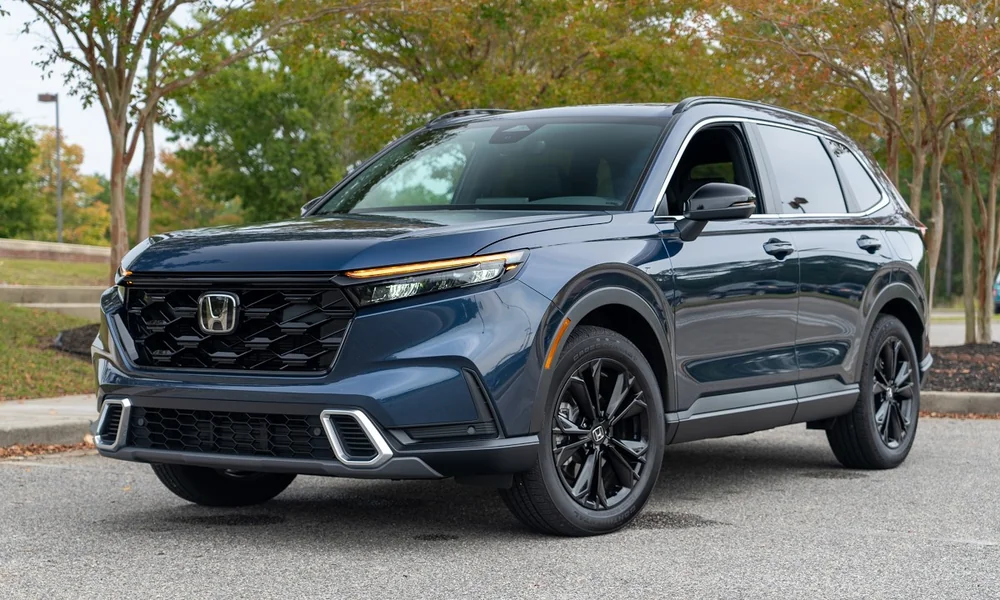
The Honda CR-V remains a compelling choice for drivers who want a practical vehicle without the size and expense of a full-size SUV. Its comfortable cabin, useful cargo area, and easy-to-manage dimensions make it suitable for commuting, errands, and family trips.
The 2026 model is available with conventional gasoline and hybrid powertrains, depending on trim and market. The hybrid is particularly worth considering if most of your driving involves commuting or stop-and-go traffic.
Inside, the CR-V focuses on functionality rather than flashy design. Its seating position, storage spaces, and rear passenger room make it a sensible choice for households that need a vehicle to handle several different jobs.
Why consider the Honda CR-V:
- Comfortable everyday driving.
- Practical passenger and cargo space.
- Available hybrid powertrain.
- Easy-to-manage size for urban and suburban driving.
Potential drawback: Buyers who regularly need a third row or substantial towing capability should consider a larger vehicle.
Best for: Commuters, couples, and families looking for a versatile compact SUV.
2. Toyota RAV4 Best All-Around SUV
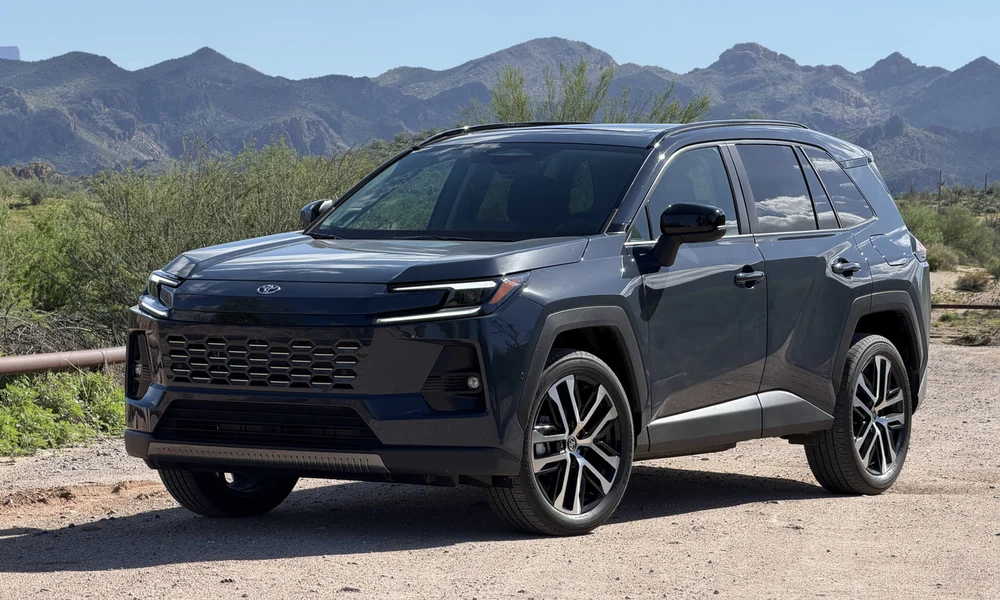
The Toyota RAV4 is one of the most recognizable choices in the compact SUV segment. Its appeal comes from a useful combination of practicality, available electrified powertrains, and a wide range of trims.
For 2026, buyers can consider gasoline, hybrid, and plug-in hybrid versions, with availability depending on the market. The hybrid is especially appealing to people who want better fuel economy without switching to a fully electric vehicle.
The RAV4 also suits drivers who need space for groceries, luggage, sports equipment, and everyday family gear. Certain trims offer a more rugged appearance and equipment aimed at outdoor activities.
Why consider the Toyota RAV4:
- Multiple powertrain choices.
- Practical cargo space.
- Available hybrid and plug-in hybrid models.
- Suitable for commuting and road trips.
Potential drawback: The interior design and ride experience may feel less premium than those of some competitors. Higher trims and plug-in hybrid versions can also cost substantially more than base models.
Best for: Buyers who want a versatile compact SUV with multiple powertrain options.
3. Subaru Forester Best for Outdoor Lifestyles
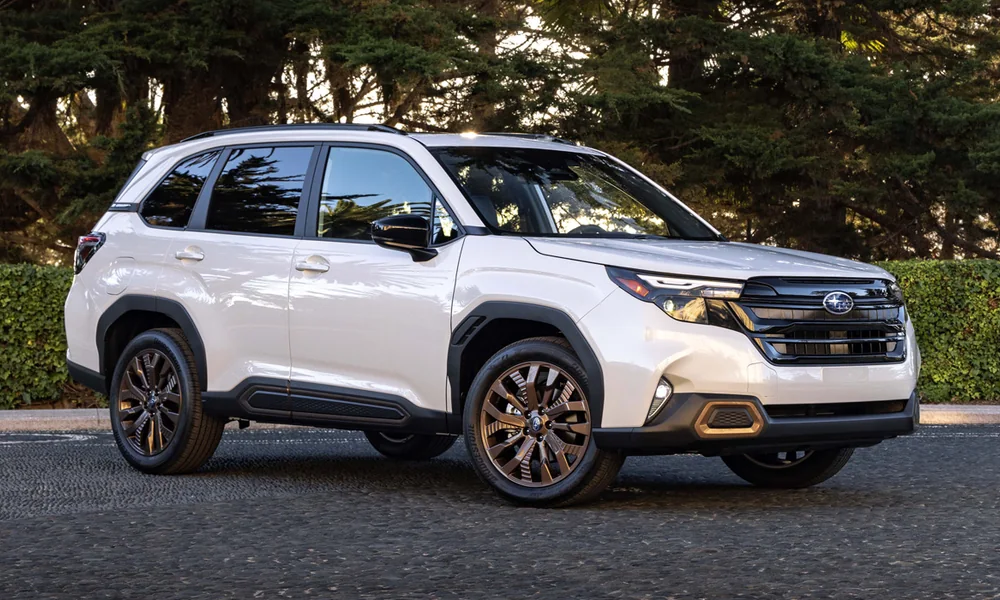
The Subaru Forester is a strong option for drivers who regularly travel to hiking trails, campsites, mountain destinations, and areas with challenging weather.
Its standard all-wheel-drive system gives it an advantage for drivers who value additional traction on slippery roads. The relatively upright cabin design also provides good outward visibility, while the spacious interior makes it practical for outdoor equipment and weekend luggage.
The 2026 lineup includes gasoline and hybrid options. The hybrid version is worth comparing if fuel economy is a priority, although the exact equipment and availability depend on the trim and market.
All-wheel drive is useful, but it does not replace suitable winter tires or careful driving on ice and snow.
Why consider the Subaru Forester:
- Standard all-wheel drive.
- Useful visibility and cabin space.
- Practical for camping and outdoor recreation.
- Available hybrid model for 2026.
Potential drawback: Drivers who prioritize sporty acceleration or a luxury-style interior may prefer another vehicle.
Best for: Outdoor enthusiasts and drivers who frequently encounter rain, snow, or rougher roads.
4. Mazda CX-5 Best for Driving Enjoyment
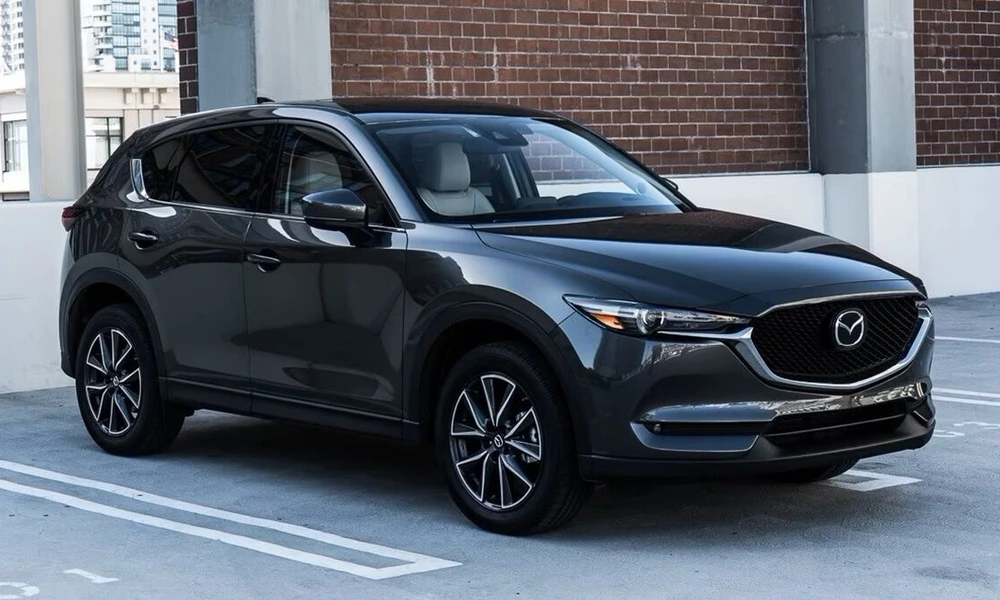
The Mazda CX-5 is a compact SUV for drivers who want everyday practicality without giving up the feeling of driving a well-balanced vehicle.
Its cabin has a more upscale character than many mainstream competitors, while its steering and road manners make it enjoyable on winding roads. It is particularly attractive to buyers who do not need a third row and prefer a compact footprint.
Depending on the version, the CX-5 offers a conventional gasoline engine or a turbocharged option. The turbo model delivers stronger acceleration, but it may cost more to buy and operate.
Why consider the Mazda CX-5:
- Engaging handling.
- A refined cabin design.
- Compact dimensions for daily use.
- Available turbocharged performance.
Potential drawback: Cargo and rear-seat space may not be as generous as in some competing compact SUVs. Drivers who prioritize maximum space should compare the interior carefully.
Best for: Drivers who want an SUV that feels composed and enjoyable behind the wheel.
5. Hyundai Tucson Hybrid Best Hybrid SUV for Efficiency
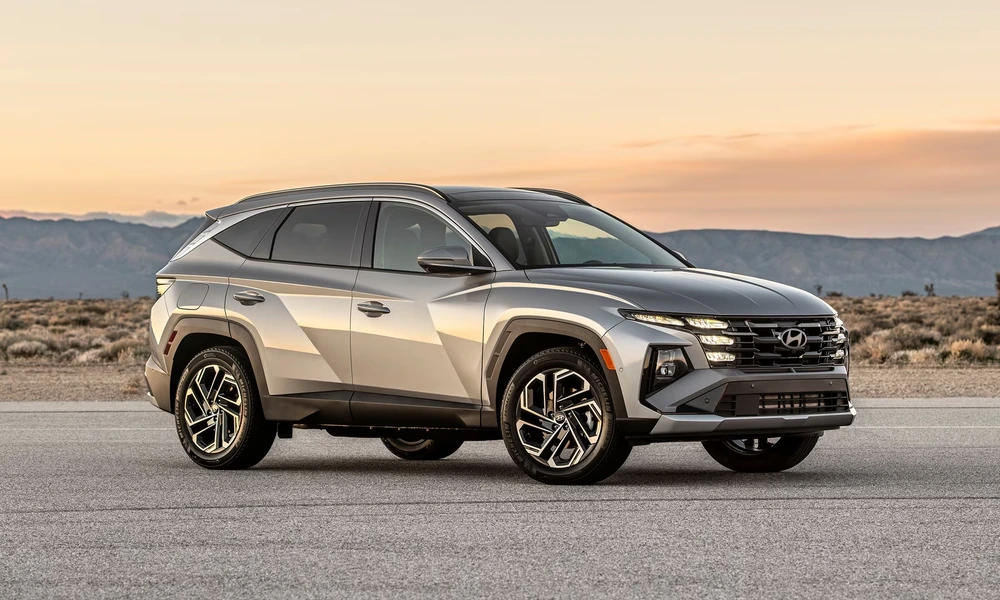
The Hyundai Tucson Hybrid combines the flexibility of an SUV with a gasoline-electric powertrain designed to reduce fuel consumption.
Its modern interior, generous everyday practicality, and available technology features make it attractive to drivers who want a family vehicle with a contemporary design. Hybrid power can be especially useful in traffic, where frequent braking and acceleration may allow the system to recover and reuse energy.
A hybrid does not need to be plugged in, which makes it convenient for drivers who want improved efficiency without installing home charging equipment.
Why consider the Hyundai Tucson Hybrid:
- Gasoline-electric hybrid system.
- Practical passenger and cargo space.
- Modern cabin and infotainment features.
- No external charging required.
Potential drawback: Hybrid models may cost more upfront than conventional versions. Compare the purchase-price difference with your expected annual mileage and fuel savings.
Best for: Commuters and families who want a more fuel-efficient compact SUV.
6. Toyota Highlander Hybrid Best for Family Efficiency
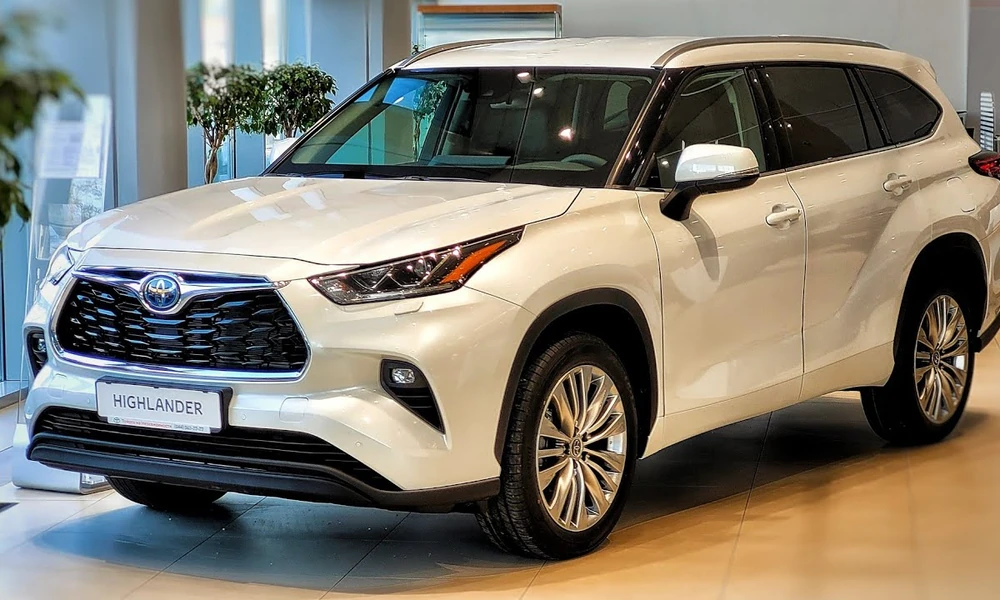
The Toyota Highlander Hybrid offers a useful balance between family space and fuel economy. Its three-row layout provides additional seating flexibility, while the hybrid powertrain can reduce fuel consumption compared with some conventional three-row SUVs.
For families, the Highlander is designed around daily practicality. It can handle school runs, shopping, vacations, and the occasional longer road trip without requiring the footprint of a full-size SUV.
However, third-row comfort and cargo space behind the third row should be evaluated in person. These areas can become limiting when every seat is occupied and the family needs luggage space.
Why consider the Toyota Highlander Hybrid:
- Three-row seating.
- Hybrid powertrain.
- Family-oriented interior layout.
- Suitable for commuting and road trips.
Potential drawback: The third row may be less suitable for adults on longer journeys, and larger families may need more cargo space.
Best for: Families who need extra seats but still value fuel economy.
7. Kia Telluride Best for Family Road Trips
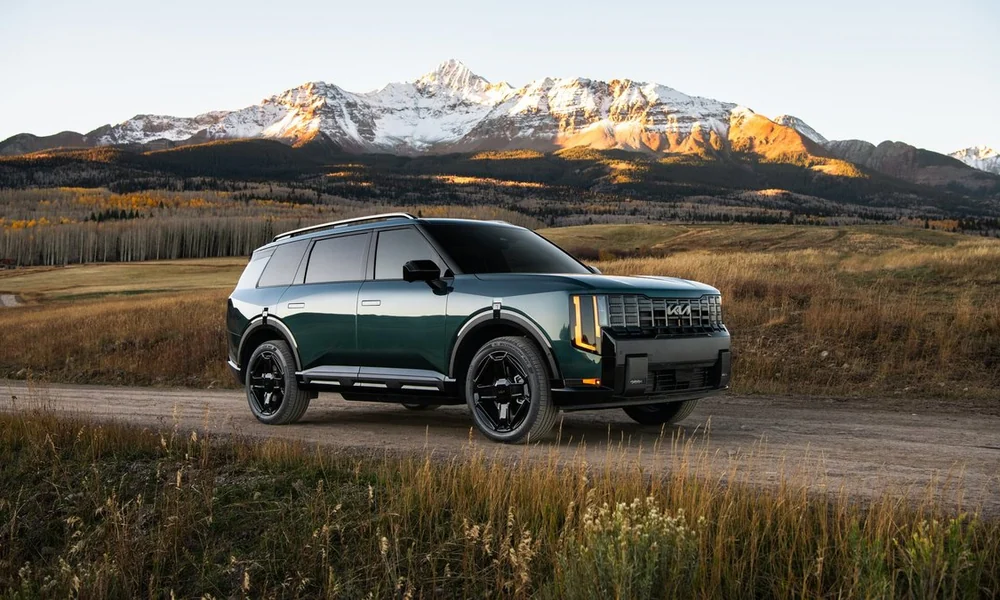
The Kia Telluride has built a strong reputation as a family-focused midsize SUV. Its spacious cabin, comfortable seating, and thoughtful storage make it appealing for households that regularly travel with children, friends, or extended family.
The three-row layout offers flexibility, while higher trims provide additional comfort and convenience features. The Telluride’s relatively upscale interior also makes long trips more pleasant for drivers and passengers.
Because the vehicle is larger than a compact SUV, it is worth considering parking space, fuel expenses, and the amount of city driving you do.
Why consider the Kia Telluride:
- Spacious three-row cabin.
- Comfortable family-oriented design.
- Useful storage and passenger flexibility.
- Higher trims with additional convenience features.
Potential drawback: Fuel consumption and parking demands can be greater than those of smaller SUVs.
Best for: Families who frequently travel together and want a comfortable midsize SUV.
8. Hyundai Palisade Best for a Premium Family Experience
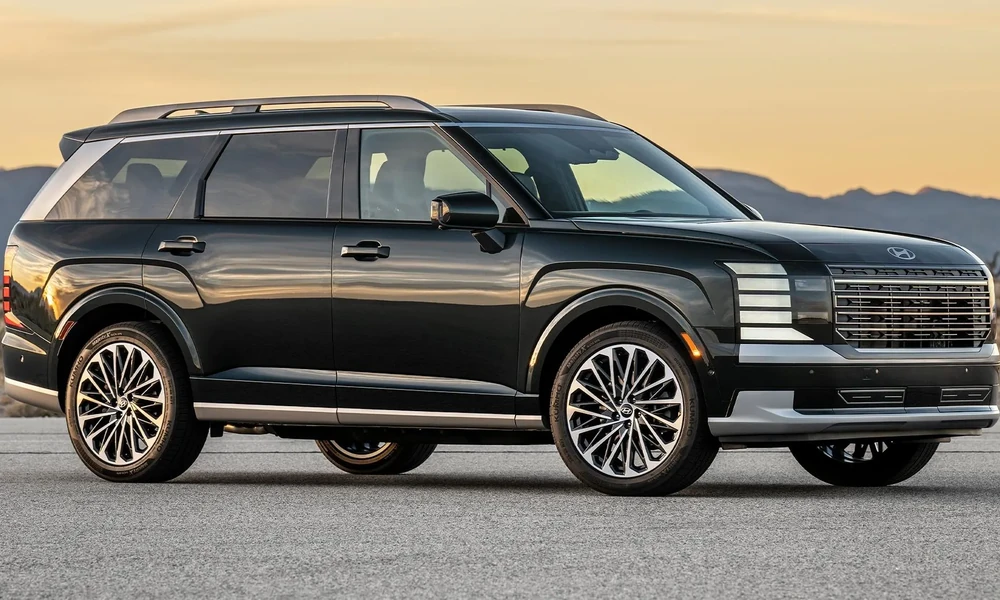
The Hyundai Palisade is designed for buyers who want the space of a three-row SUV with a more upscale cabin experience.
Its broad interior, available comfort features, and family-friendly layout make it a practical choice for households with several passengers. Depending on the trim, equipment may include upgraded seating, convenience technology, and additional driver-assistance features.
The Palisade is especially worth comparing with the Kia Telluride because the two serve similar buyers but differ in styling, equipment, and driving character.
Why consider the Hyundai Palisade:
- Spacious three-row interior.
- Comfortable seating arrangements.
- Premium-feeling higher trims.
- Useful for family vacations and daily transportation.
Potential drawback: Its size may feel cumbersome in tight parking spaces, and fuel and maintenance costs should be considered before purchase.
Best for: Families who want a spacious SUV with an upscale interior.
9. Ford Bronco Best for Off-Road Adventures
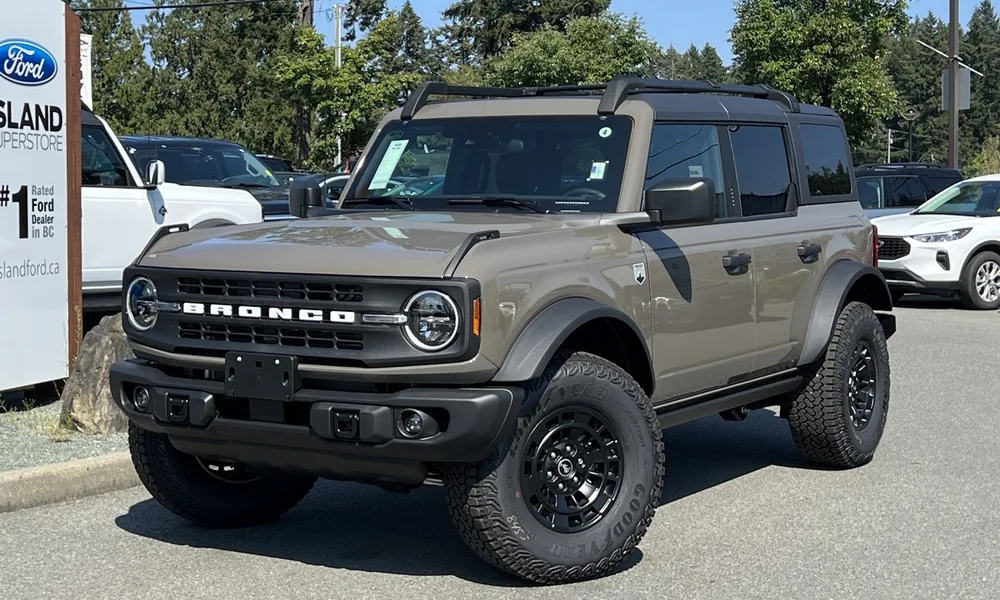
The Ford Bronco is designed for drivers who want more than the ability to handle paved roads and occasional gravel tracks. Its off-road-focused engineering, available four-wheel-drive systems, and specialized trims make it a compelling choice for adventurous drivers.
Depending on the configuration, the Bronco can offer features designed for uneven terrain, including specialized tires, underbody protection, and off-road driving modes.
The Bronco’s rugged character comes with trade-offs. Tire choice, road noise, fuel consumption, and ride comfort can vary considerably between versions.
Why consider the Ford Bronco:
- Off-road-focused design.
- Available four-wheel-drive configurations.
- Specialized equipment on selected trims.
- Distinctive styling and removable-roof options on applicable versions.
Potential drawback: It may be less comfortable or economical than a conventional compact SUV for everyday commuting.
Best for: Drivers who regularly explore trails, camping areas, and challenging terrain.
10. Toyota 4Runner Best for Rugged Utility
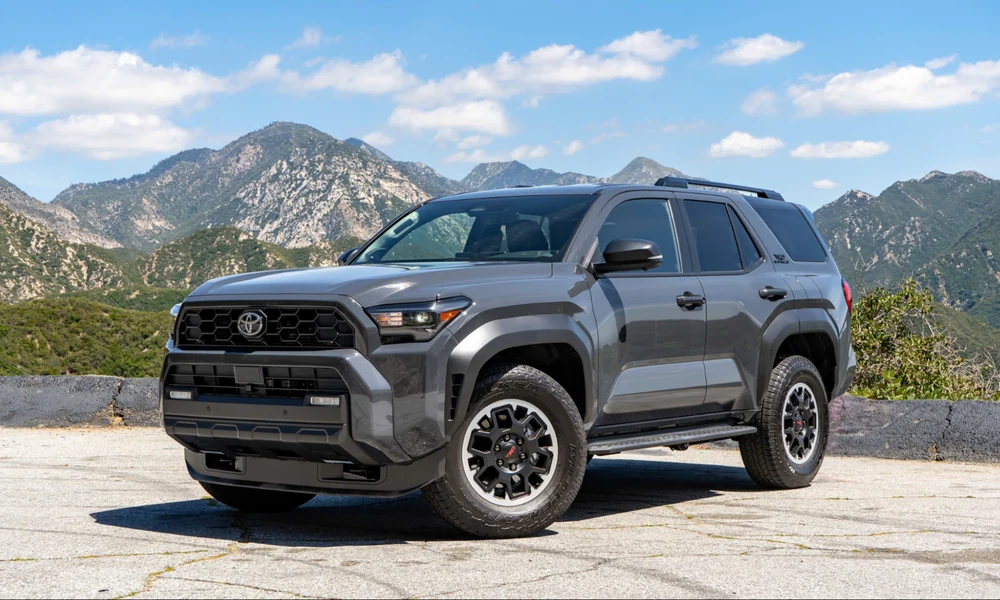
The Toyota 4Runner is aimed at buyers who prioritize rugged construction and off-road capability over car-like handling or maximum fuel efficiency.
Its body-on-frame platform distinguishes it from many compact crossovers. That construction can be useful for demanding driving conditions, although the overall suitability depends on the exact drivetrain, trim, and equipment.
The 2026 model year introduces a new generation with updated powertrain choices and modernized technology. Buyers should compare the specific version carefully, especially if they are considering towing, off-road use, or long-term ownership.
Why consider the Toyota 4Runner:
- Body-on-frame construction.
- Off-road-oriented trims and equipment.
- Utility-focused design.
- A practical choice for drivers who value ruggedness.
Potential drawback: Its size, fuel consumption, and road manners may be less appealing for someone who mainly commutes in traffic.
Best for: Drivers who need a rugged SUV for outdoor use and challenging terrain.
11. Lexus RX Best Luxury SUV for Comfort
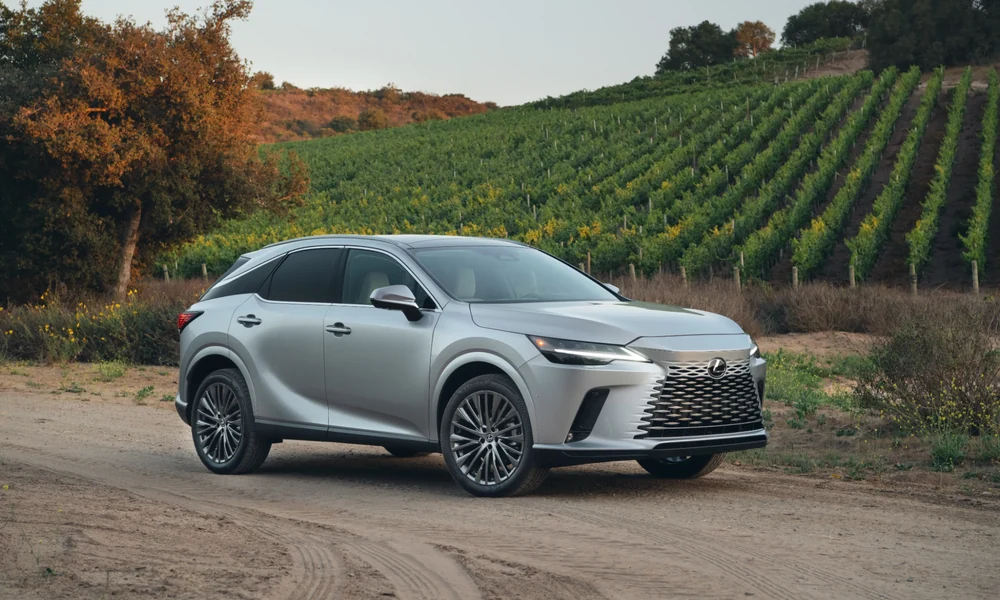
The Lexus RX is a strong option for buyers who want an upscale SUV with a comfortable cabin, refined driving experience, and a premium ownership environment.
Its interior emphasizes quietness, comfortable seating, and modern technology. Depending on the version, buyers can choose from conventional, hybrid, and plug-in hybrid powertrains.
The RX is more suited to comfortable daily driving and long highway journeys than to serious off-road use. Its value depends on the combination of features, powertrain, and ownership costs rather than simply the badge on the hood.
Why consider the Lexus RX:
- Refined cabin and comfortable ride.
- Premium materials and technology.
- Available electrified powertrains.
- Well suited to commuting and longer trips.
Potential drawback: Purchase and repair costs can be higher than those of mainstream SUVs, and the cargo area may not meet every family’s needs.
Best for: Buyers who prioritize comfort, refinement, and a luxury ownership experience.
12. BMW X5 Best Luxury SUV for Performance
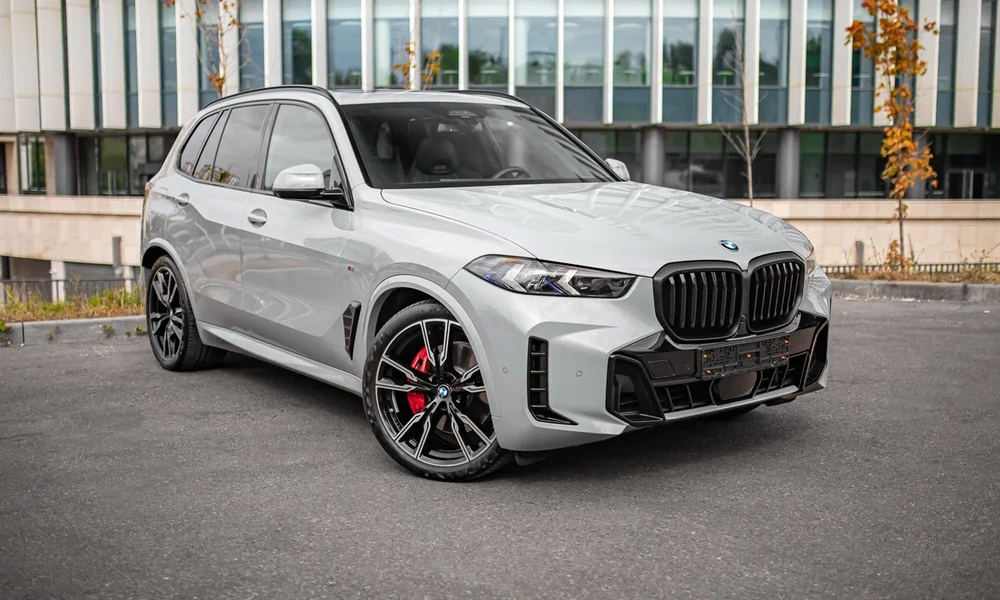
The BMW X5 combines the practicality of an SUV with strong road manners and a more performance-oriented driving experience.
Its cabin provides a premium environment, while the available powertrains deliver different balances of performance and efficiency. Depending on the model and market, buyers may find gasoline, plug-in hybrid, or other electrified configurations.
The X5 is appealing to drivers who want a vehicle that feels composed on highways and engaging on winding roads without sacrificing the raised seating position and cargo flexibility of an SUV.
Why consider the BMW X5:
- Strong performance from available powertrains.
- Refined road manners.
- Premium cabin and technology.
- Practical for daily use and road trips.
Potential drawback: Purchase price, insurance, maintenance, and repair expenses can be significantly higher than those of mainstream SUVs.
Best for: Buyers who want luxury, performance, and everyday versatility in one vehicle.
How to Choose the Best Sports Utility Vehicle in 2026
The best SUV for you depends on how you use it. Before comparing individual trims, decide which features are essential and which are optional.
Consider Your Budget
Look beyond the sticker price. Calculate fuel costs, insurance, routine maintenance, tire replacement, financing, depreciation, and registration fees.
A less expensive SUV may cost more to operate over several years, while a hybrid’s fuel savings may help offset its higher purchase price. The result depends on annual mileage, fuel prices, and how long you plan to keep the vehicle.
Decide How Much Space You Need
Compact SUVs are often easier to park and may cost less to operate. Midsize models can provide more rear-seat room and larger cargo areas, while three-row SUVs are designed for households that regularly carry additional passengers.
If you have children, bring the car seats you use to the dealership. Test the second and third rows, check cargo space with all seats in use, and make sure the layout suits your daily routine.
Compare Fuel Economy and Powertrains
Gasoline SUVs may suit drivers who want a lower initial purchase price or straightforward ownership. Hybrids can reduce fuel consumption without requiring charging, while plug-in hybrids offer electric driving for some trips when regularly charged.
Fully electric SUVs may suit drivers with reliable charging access and suitable daily driving patterns. Consider your commute, local charging infrastructure, and longer-distance travel before choosing a powertrain.
Check Safety and Driver-Assistance Features
Compare the standard and optional safety equipment on the exact trim you are considering. Features such as automatic emergency braking, blind-spot monitoring, rear cross-traffic alert, and adaptive cruise control may be available differently across models.
Review independent crash-test results for the specific model year and configuration where available. A vehicle’s size or price alone does not guarantee superior safety.
Think About Weather and Terrain
All-wheel drive can be useful on wet, snowy, or slippery roads, but it does not replace proper tires or safe driving. For serious off-road use, examine ground clearance, underbody protection, approach and departure angles, and the available four-wheel-drive system.
Choose the equipment you will genuinely use rather than paying for specialized features that do not match your driving habits.
Evaluate Long-Term Ownership
Research maintenance schedules, warranty coverage, local service availability, and the cost of replacement tires and parts. If you plan to keep the SUV for many years, also consider comfort, visibility, ease of entry, and how the vehicle may fit your needs as they change.
Which SUV Is Best for Different Drivers?
The best choice becomes clearer when you start with your main priority.
- Best for everyday family use: Honda CR-V.
- Best all-around compact SUV: Toyota RAV4.
- Best for outdoor lifestyles: Subaru Forester.
- Best for driving enjoyment: Mazda CX-5.
- Best for hybrid commuting: Hyundai Tucson Hybrid.
- Best for a family needing three rows: Kia Telluride or Hyundai Palisade.
- Best for off-road adventures: Ford Bronco.
- Best for rugged utility: Toyota 4Runner.
- Best for luxury comfort: Lexus RX.
- Best for luxury performance: BMW X5.
These recommendations are starting points, not substitutes for comparing the exact trim, price, and equipment available in your area.
Frequently Asked Questions
What is the best sports utility vehicle in 2026?
There is no single best SUV for every buyer. The Honda CR-V and Toyota RAV4 are practical choices for everyday driving, the Kia Telluride and Hyundai Palisade offer three-row family space, and the Ford Bronco suits buyers who prioritize off-road capability.
Which SUV is best for families?
The best family SUV depends on how many passengers you carry. Compact models such as the Honda CR-V work well for many smaller households, while the Kia Telluride, Hyundai Palisade, and Toyota Highlander offer three-row seating.
Which SUV offers the best fuel economy?
Hybrid versions of compact SUVs are worth comparing, particularly the Toyota RAV4 Hybrid, Honda CR-V Hybrid, and Hyundai Tucson Hybrid. Actual efficiency varies by drivetrain, trim, driving conditions, and climate.
Is an SUV with all-wheel drive worth buying?
All-wheel drive can improve traction when accelerating on slippery surfaces, but it does not eliminate the risk of sliding or shorten braking distances in every situation. If you frequently drive in snow, combine an appropriate drivetrain with quality winter tires and careful driving.
Is a hybrid SUV better than a gasoline SUV?
A hybrid may use less fuel, particularly in stop-and-go traffic, but it can cost more upfront. Compare the purchase price, expected fuel savings, warranty, and annual mileage before deciding.
What should I check before buying a used 2026 SUV?
Review the vehicle history, maintenance records, accident history, tire condition, recalls, warranty status, and any outstanding financing. Arrange an independent inspection and confirm that all safety and driver-assistance systems work correctly.
Should I buy a compact or midsize SUV?
A compact SUV is often easier to park and may cost less to run. A midsize SUV may provide more passenger room, cargo capacity, and towing capability. Choose according to your actual needs rather than size alone.
Final Verdict
The best sports utility vehicle in 2026 is the one that fits your everyday life, not necessarily the largest, most expensive, or most powerful model.
For many drivers, the Honda CR-V and Toyota RAV4 offer a practical starting point. The Subaru Forester appeals to outdoor enthusiasts, while the Kia Telluride and Hyundai Palisade make sense for families who need three rows. Buyers seeking a luxury experience can compare the Lexus RX and BMW X5, while the Ford Bronco and Toyota 4Runner are worth considering for more demanding terrain.
Before purchasing, test-drive your preferred models, compare the exact trims, and calculate the total cost of ownership. A careful comparison will help you choose an SUV that remains useful long after the excitement of buying a new vehicle has passed.
Disclaimer: This article is only for informational services. We are not promoting or advertising any product.