
A hybrid car offers an appealing middle ground between a traditional gasoline vehicle and a fully electric car. It uses a combination of an internal combustion engine and an electric motor to move the vehicle, helping reduce fuel consumption without requiring drivers to rely entirely on charging stations.
For someone who spends hours in traffic, commutes every day, or regularly travels between cities, that combination can make a practical difference. The electric motor can assist during acceleration, while the gasoline engine provides additional power and supports longer journeys.
Hybrid cars are especially worth considering if you want better fuel economy without changing your driving routine to accommodate regular charging. However, not every hybrid works the same way. Conventional hybrids, mild hybrids, and plug-in hybrids have different capabilities, costs, and ownership requirements. Here’s how to understand the differences and choose the right one.
What Is a Hybrid Car?
A hybrid car combines two power sources: a gasoline engine and an electric motor. A battery stores electrical energy that helps power the motor, while the vehicle’s control system decides how to use each source efficiently.
In many conventional hybrids, the battery recharges through regenerative braking and energy generated by the engine. Regenerative braking captures some energy that would otherwise be lost as heat when slowing down.
Unlike a fully electric vehicle, a conventional hybrid does not normally need to be plugged into an external charger.
The result is a vehicle that can use less gasoline than a comparable non-hybrid model, particularly in stop-and-go traffic. Actual savings depend on the vehicle, driving conditions, temperature, speed, and maintenance.
Types of Hybrid Cars Explained
Not all hybrid vehicles deliver the same driving experience. Understanding the main categories helps you avoid paying for technology you do not need.
1. Mild Hybrid Cars
A mild hybrid uses a small electric motor or integrated starter-generator to support the gasoline engine. It can help with functions such as starting, acceleration, and energy recovery during braking.
However, a mild hybrid generally cannot drive using electric power alone.
These vehicles may improve efficiency compared with similar conventional cars, but the benefit is usually more limited than that of a full hybrid.
2. Full Hybrid Cars
A full hybrid can use its electric motor at certain speeds and under suitable driving conditions, operate the gasoline engine independently, or combine both power sources.
The battery typically recharges while driving, so external charging is not required.
Full hybrids can be particularly efficient in urban traffic, where frequent slowing and acceleration give the system opportunities to recover energy. Examples include the Toyota Prius and Toyota Camry Hybrid.
3. Plug-In Hybrid Cars
A plug-in hybrid electric vehicle, commonly called a PHEV, has a larger battery that can be charged from an external power source.
It can travel a meaningful distance using electricity alone, depending on the model and battery charge. Once the battery’s usable electric range is depleted, the gasoline engine can continue the journey.
A plug-in hybrid can be attractive if you have access to home or workplace charging and most of your daily trips fall within its electric range. If you rarely charge it, however, you may carry extra battery weight without receiving the full fuel-saving benefit.
Best Hybrid Cars to Consider
The best hybrid car depends on your priorities. Some models focus on fuel efficiency, others offer more passenger space, and hybrid SUVs appeal to buyers who want a higher seating position and flexible cargo capacity.
The following vehicles are useful starting points for researching the hybrid market. Availability, specifications, and powertrain options vary by country and model year.
Toyota Prius: A Fuel-Efficiency-Focused Hybrid
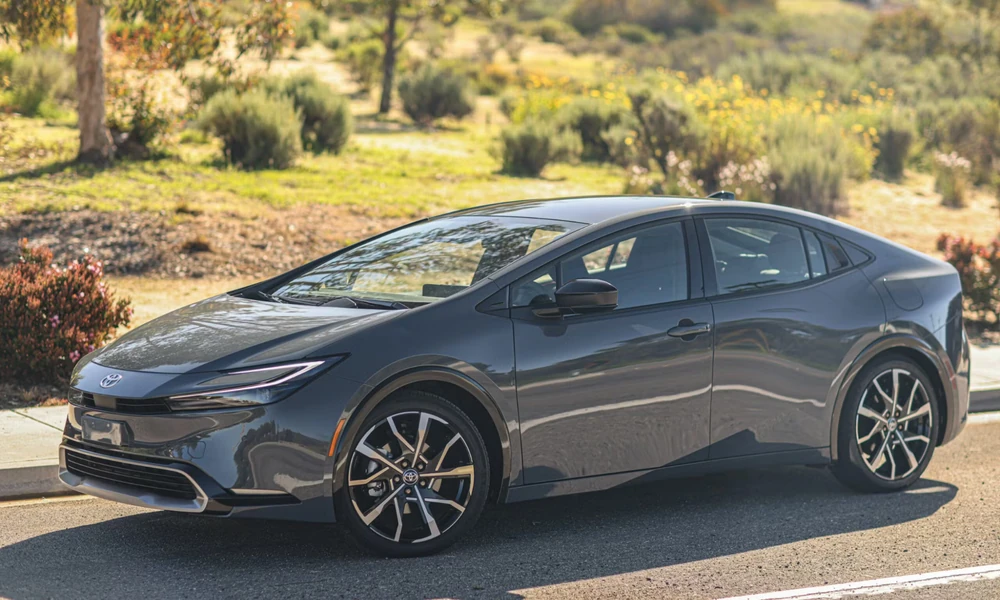
The Toyota Prius helped bring hybrid technology into the mainstream and remains a well-known choice for drivers who prioritize fuel economy.
Its hatchback body offers practical cargo space, while its hybrid powertrain is designed to use gasoline efficiently during everyday driving. The latest generation also has a more distinctive exterior than earlier Prius models.
The Prius is worth considering if your main goal is to reduce fuel consumption without switching to a fully electric vehicle.
Before buying, compare local trim levels, safety equipment, service costs, and real-world fuel economy.
Toyota Camry Hybrid: A Comfortable Family Sedan
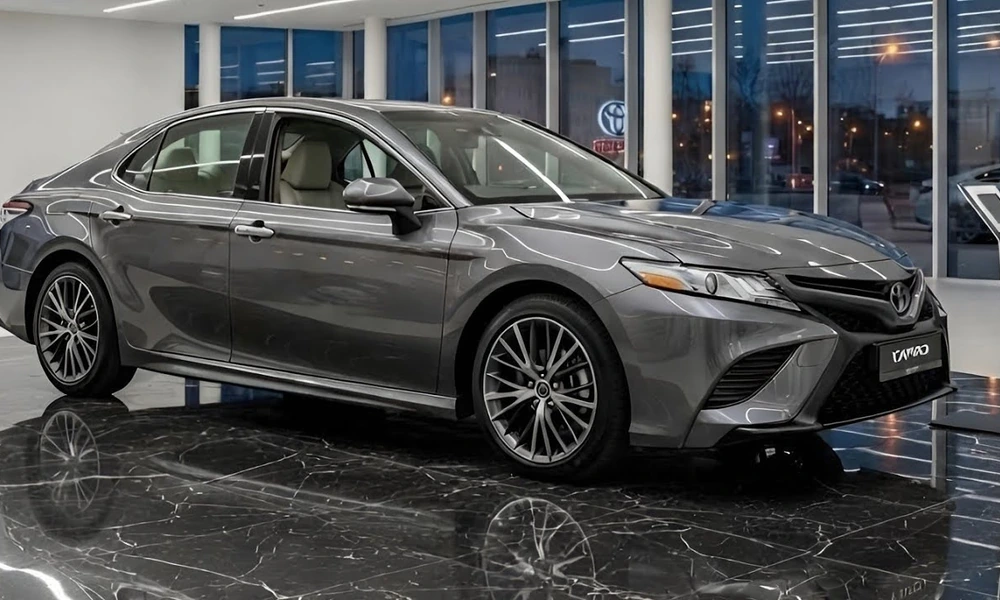
The Toyota Camry Hybrid combines a conventional family-sedan layout with a hybrid powertrain. It is designed for drivers who want a comfortable cabin, useful rear-seat space, and improved fuel economy.
For commuting and longer journeys, the Camry can offer a practical balance of efficiency and everyday usability.
It is especially worth comparing if you want a larger sedan rather than a compact hatchback. Check whether the hybrid version is available in your market and how its price compares with the non-hybrid alternatives.
Honda Accord Hybrid: Space and Smooth Performance
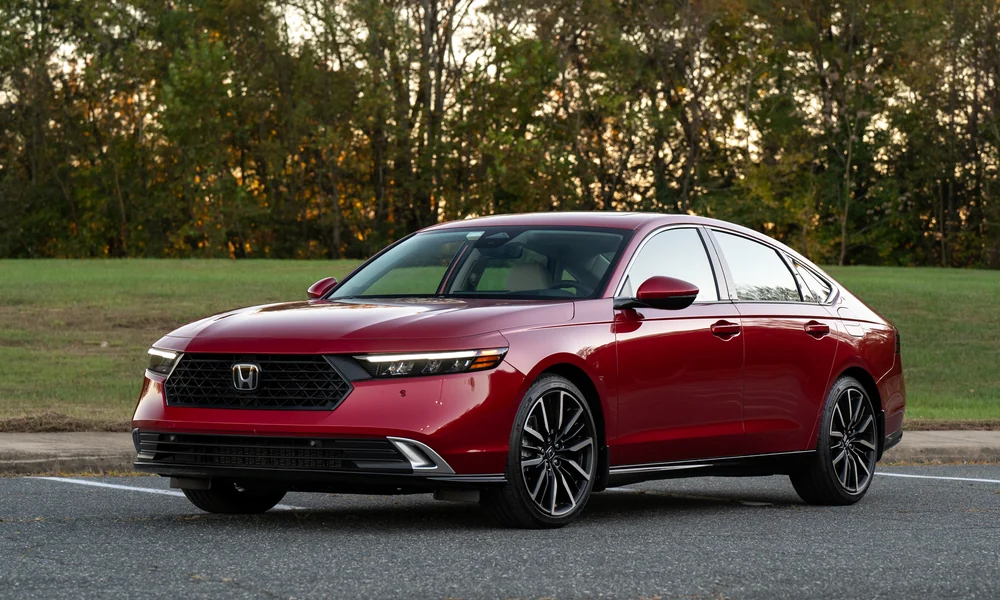
The Honda Accord Hybrid is another option for drivers who want a midsize sedan with a refined driving experience.
Its hybrid system combines electric motors and a gasoline engine to deliver smooth acceleration and competitive efficiency. The spacious cabin also makes it relevant for families and people who regularly carry passengers.
The Accord Hybrid is worth comparing with the Camry Hybrid if comfort, rear-seat space, and highway driving are important to you.
Hyundai Sonata Hybrid: Features and Efficiency
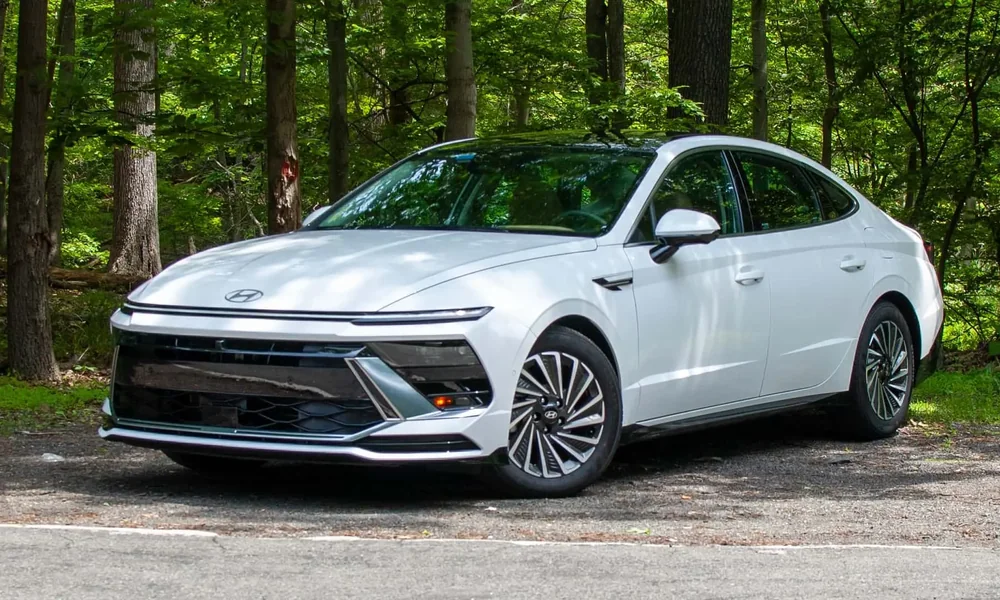
The Hyundai Sonata Hybrid offers a sleek sedan design, a comfortable interior, and a hybrid powertrain intended to reduce fuel consumption.
Depending on the trim and market, it may offer a useful combination of technology, convenience features, and everyday comfort.
It deserves a place on your shortlist if you want a family sedan with a distinctive design. Compare its equipment, warranty, local service support, and price with competing hybrid sedans.
Toyota RAV4 Hybrid: A Practical Hybrid SUV
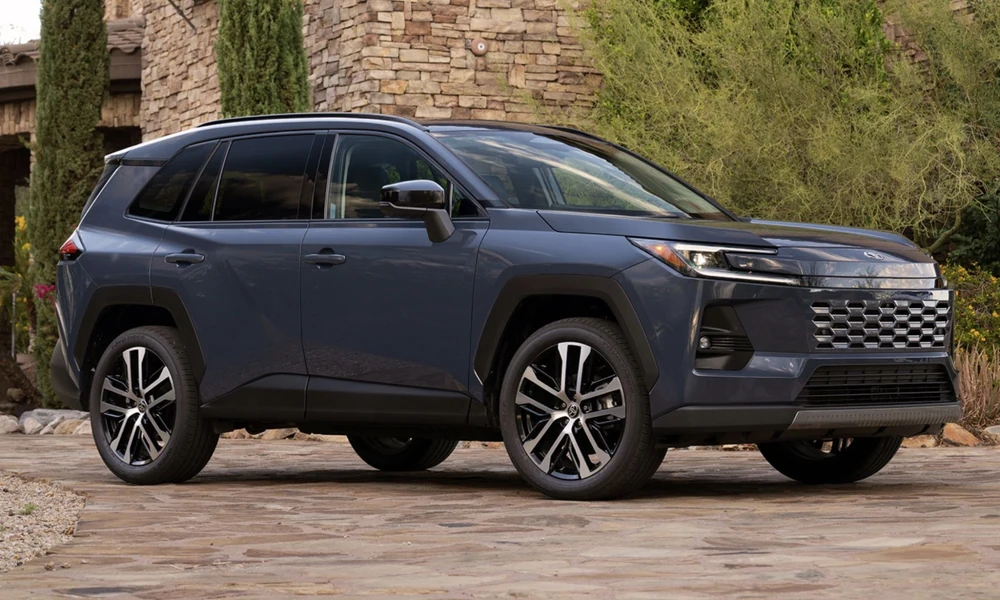
The Toyota RAV4 Hybrid appeals to drivers who prefer SUV seating, flexible cargo space, and the ability to handle everyday family duties.
Its hybrid powertrain can reduce fuel use compared with some conventional gasoline SUVs, although the actual difference depends on the exact versions being compared.
The RAV4 Hybrid is worth considering for commuting, shopping, and road trips. If you need all-wheel drive or regularly travel on rough roads, check the precise configuration rather than assuming every version has the same capability.
Honda CR-V Hybrid: A Family-Friendly SUV
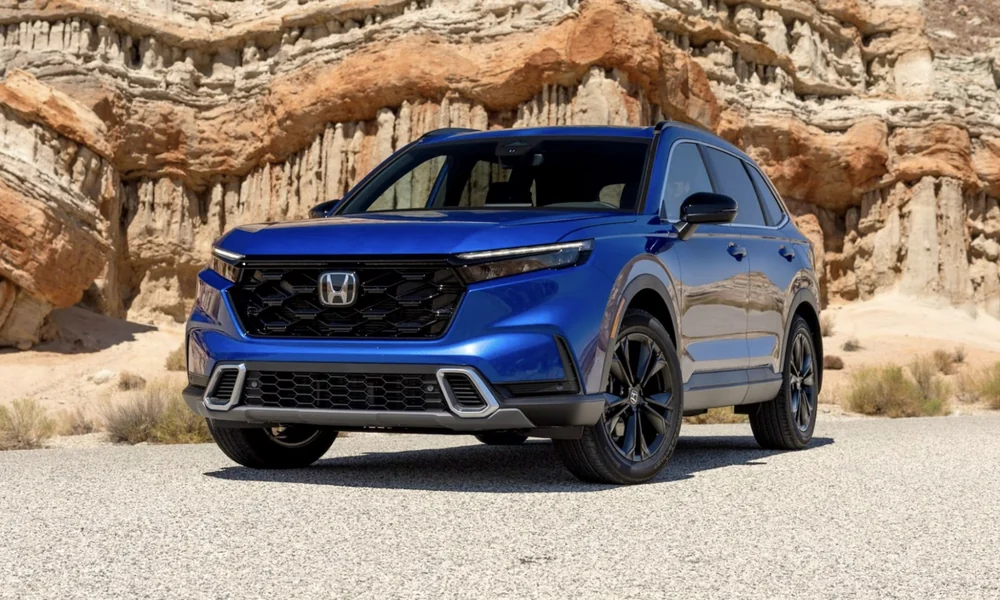
The Honda CR-V Hybrid combines an SUV body with a hybrid system designed to balance efficiency and everyday performance.
Its cabin and cargo area make it relevant for families, while the hybrid powertrain can help reduce fuel consumption during regular driving.
Compare the CR-V Hybrid with the RAV4 Hybrid by looking at rear-seat comfort, luggage space, fuel economy, safety features, and local pricing. A test drive can help reveal which vehicle feels more comfortable in your daily routine.
Hybrid Cars Compared at a Glance
| Model | Vehicle type | Best suited to |
| Toyota Prius | Hatchback | Drivers prioritizing fuel efficiency |
| Toyota Camry Hybrid | Midsize sedan | Families and regular commuters |
| Honda Accord Hybrid | Midsize sedan | Buyers seeking space and refined driving |
| Hyundai Sonata Hybrid | Midsize sedan | Drivers comparing features and efficiency |
| Toyota RAV4 Hybrid | SUV | Families wanting SUV practicality |
| Honda CR-V Hybrid | SUV | Everyday family and cargo use |
This is a practical shortlist, not a universal ranking. The best choice depends on model-year specifications, local prices, reliability evidence, and the type of driving you do.
How Do Hybrid Cars Save Fuel?
Hybrid cars use several systems to reduce the amount of gasoline required for a journey.
Electric Motor Assistance
The electric motor can help the engine accelerate the vehicle. Because the engine does not need to provide all the power in every situation, the system can improve overall efficiency.
Some full hybrids can also move using electric power alone for short periods under suitable conditions.
Regenerative Braking
In a conventional braking system, much of the vehicle’s movement energy becomes heat. Regenerative braking instead converts some of that energy into electricity and stores it in the battery.
This is particularly useful in city traffic, where the vehicle repeatedly slows down and accelerates.
Automatic Engine Management
Hybrid systems can shut off the gasoline engine when it is not needed and restart it when required. They can also manage the engine and electric motor together to keep the vehicle operating efficiently.
The precise behavior depends on the hybrid system. A mild hybrid, full hybrid, and plug-in hybrid do not all work identically.
Advantages of Hybrid Cars
Better Fuel Economy in Many Driving Conditions
A hybrid can use less gasoline than a comparable conventional vehicle, particularly in city traffic. The electric motor and regenerative braking help reduce wasted energy.
The amount you save depends on the model and your driving habits. A hybrid driven mostly at high highway speeds may offer a smaller advantage than one used in stop-and-go traffic.
No Regular Charging Required for Conventional Hybrids
One of the main attractions of a conventional hybrid is that you do not need a charging station at home.
The vehicle manages its battery while driving. This can make a hybrid convenient for people who want improved fuel efficiency but do not have access to reliable charging infrastructure.
Plug-in hybrids are different: charging them regularly is important if you want to make full use of their electric range.
Familiar Refueling Experience
Conventional hybrids use gasoline, so long journeys do not require planning around public charging stations in the same way as fully electric vehicles.
For drivers who regularly travel through areas with limited charging infrastructure, this flexibility can be valuable.
Reduced Fuel Use in City Traffic
Stop-and-go driving can suit full hybrids because they can recover energy during braking and use electric assistance at low speeds.
This does not mean every hybrid is automatically the best choice for city driving, but it is one reason they appeal to urban commuters.
Disadvantages of Hybrid Cars
Hybrid technology also involves trade-offs.
Higher Purchase Price in Some Cases
A hybrid version may cost more than a comparable gasoline model. Whether the extra cost pays off depends on the price difference, annual mileage, fuel prices, and how much fuel the hybrid saves.
Before buying, calculate your expected annual fuel savings instead of assuming the hybrid will always be cheaper overall.
More Complex Powertrain Systems
Hybrid vehicles combine gasoline and electric-drive components. Although modern hybrid systems are designed for regular use, repairs may require technicians with appropriate training and diagnostic equipment.
Check local service availability, warranty terms, and the cost of replacement parts before purchasing.
Battery Age and Replacement Costs
The traction battery is an important part of the hybrid system. Battery performance and longevity vary with design, temperature, use, and age.
A used hybrid should be assessed based on its overall condition, service history, warning lights, and battery-system health. Do not assume a battery is failing simply because a vehicle is older, but do not ignore battery-related warnings either.
Limited Electric-Only Driving in Conventional Hybrids
A conventional hybrid is not a substitute for a fully electric vehicle. Its electric-only operation is usually limited and depends on driving conditions.
If your goal is to complete most daily journeys without using gasoline, a plug-in hybrid or battery-electric vehicle may be a better fit, provided you can charge it conveniently.
Hybrid Cars vs. Electric Cars: Which Is Better?
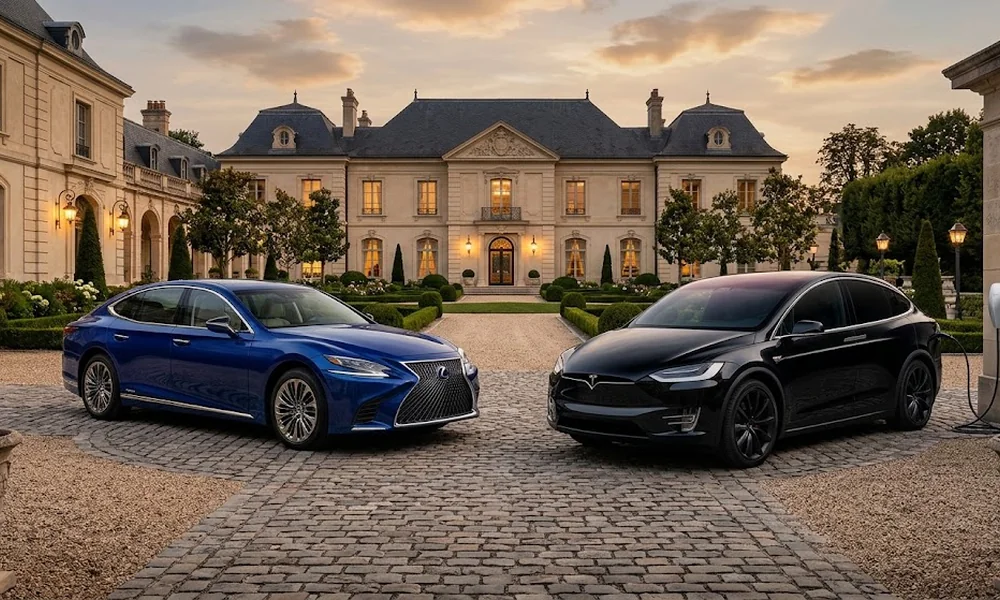
The main difference is how the vehicles obtain and store energy.
A conventional hybrid uses gasoline and a relatively small battery that recharges while driving. A fully electric vehicle runs on electricity stored in a much larger battery and must be charged externally.
| Feature | Conventional hybrid | Plug-in hybrid | Fully electric vehicle |
| Gasoline engine | Yes | Yes | No |
| External charging required | Usually no | Recommended | Yes |
| Electric-only driving | Limited | Greater, depending on model | Normal operating mode |
| Gasoline refueling | Yes | Yes | No |
| Long-distance flexibility | High where fuel is available | High where fuel is available | Depends on range and charging access |
| Main advantage | Efficiency with familiar refueling | Electric commuting with gasoline backup | No tailpipe emissions while driving |
A conventional hybrid may suit someone who wants improved fuel economy without charging. A plug-in hybrid can work well for drivers who can charge regularly but still want a gasoline engine for longer trips. A fully electric vehicle may be the better fit for someone with dependable charging access who wants to eliminate gasoline use during normal driving.
Are Hybrid Cars Worth Buying in 2026?
Hybrid cars can be worth buying in 2026, but the financial case depends on the individual vehicle and your driving pattern.
Start by comparing the hybrid’s purchase price with that of a similar gasoline model. Estimate your annual mileage, likely fuel consumption, local gasoline prices, insurance, servicing, and expected ownership period.
For example, someone who drives long distances every day may save more fuel than someone who drives only occasionally. But a high-mileage driver who spends most of the time on highways may experience different savings from a driver who spends hours in city traffic.
Also consider the local market. Hybrid models, warranties, spare parts, and qualified repair services may be widely available in one country but limited in another.
The strongest buying decision comes from comparing the actual costs and specifications of the vehicles available to you.
What to Check Before Buying a Used Hybrid Car
Used hybrids can offer value, but they deserve the same careful inspection as any other vehicle, with additional attention to the hybrid system.
- Service history: Check whether maintenance was completed according to the manufacturer’s schedule.
- Hybrid-system warning lights: Have any warnings diagnosed rather than relying on a seller’s explanation.
- Battery-system condition: Ask for an appropriate diagnostic assessment when available.
- Cooling systems: Check the relevant engine and battery cooling components.
- Transmission and engine behavior: Test the vehicle under different driving conditions.
- Accident history: Inspect for structural repairs, flood damage, and poorly repaired electrical components.
- Warranty and parts: Confirm whether hybrid components remain covered and whether replacements are available locally.
An independent inspection by a technician experienced with hybrid vehicles is particularly useful when buying an older or imported model.
Frequently Asked Questions About Hybrid Cars
Do hybrid cars need to be charged?
Conventional hybrids generally do not need external charging. Their batteries recharge through regenerative braking and energy managed by the powertrain. Plug-in hybrids can be charged externally and benefit from regular charging.
Are hybrid cars more fuel-efficient than gasoline cars?
Many hybrids use less gasoline than comparable non-hybrid vehicles, particularly in city driving. The difference depends on the vehicle, route, speed, weather, and driving style.
How long does a hybrid battery last?
There is no single lifespan that applies to every hybrid battery. Longevity depends on battery chemistry, design, temperature, usage, and maintenance. Check the manufacturer’s warranty and the condition of the specific vehicle.
Are hybrid cars expensive to maintain?
Maintenance costs vary by model and market. Hybrids still require routine servicing, tires, brakes, and other repairs, but regenerative braking may reduce brake wear in some conditions. Battery or high-voltage-system repairs can be expensive if they fall outside warranty coverage.
Are hybrid cars good for long-distance driving?
Yes, conventional hybrids can be practical for long journeys because they use gasoline and can refuel at ordinary fuel stations. Fuel economy varies with highway speed, terrain, load, and the particular model.
Which hybrid car is best for a family?
The Toyota Camry Hybrid and Honda Accord Hybrid are worth comparing for sedan buyers. Families wanting more cargo space and a higher seating position may prefer the Toyota RAV4 Hybrid or Honda CR-V Hybrid, where available.
Is a plug-in hybrid better than a regular hybrid?
A plug-in hybrid can be better if you can charge regularly and want to complete many trips using electricity. A conventional hybrid may be more convenient if charging is difficult or you simply want improved fuel economy without changing your routine.
Final Verdict
Hybrid cars offer a practical way to reduce gasoline consumption while keeping the convenience of a familiar refueling experience. They can be particularly appealing to commuters, families, and drivers who want better efficiency without depending on public charging infrastructure.
The Toyota Prius is worth considering for fuel-conscious drivers, the Camry Hybrid and Accord Hybrid for comfortable sedan travel, and the RAV4 Hybrid or CR-V Hybrid for SUV practicality. The right model will depend on your budget, local availability, maintenance support, and how you drive.
Before buying, compare the actual purchase price and fuel savings, check the hybrid-system warranty, and test-drive the vehicle on the roads you use most often. A well-chosen hybrid should fit your routine first and deliver fuel savings as an added benefit.