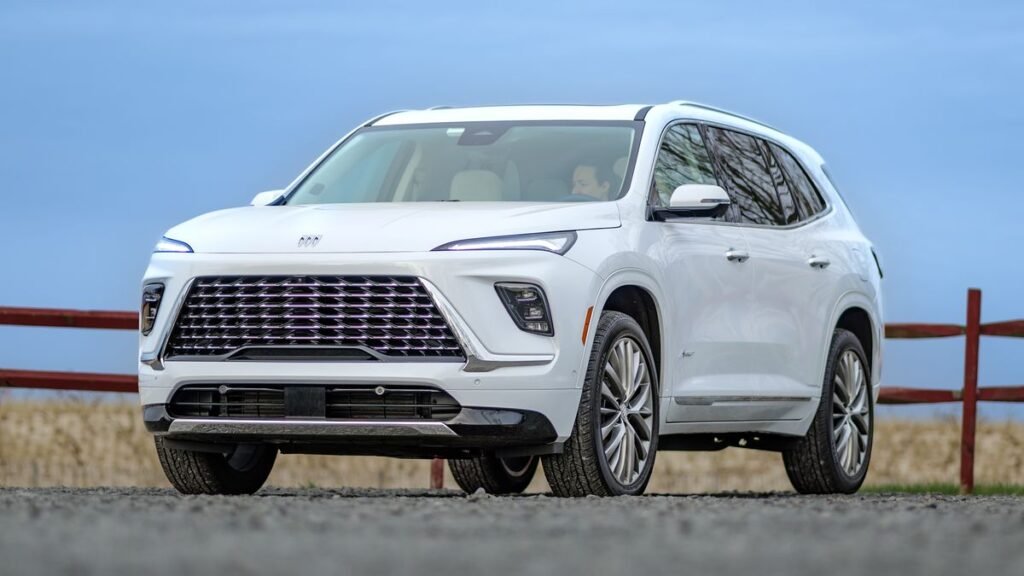
Finding the absolute best 3 row luxury suv 2026 has to offer can feel overwhelming for growing families. Premium auto manufacturers continue to pack their largest vehicles with cutting-edge electronics and ultra-plush cabin materials. Consequently, today’s buyers enjoy an abundance of highly capable, opulent options. Three heavyweights currently dominate the upscale family segment with distinct engineering philosophies.
When you look for the best 7 seat luxury suv, you will likely cross-shop Germany and Japan. The BMW X7, Mercedes-Benz GLS, and Lexus TX represent the pinnacle of this highly competitive market space. However, each brand targets a completely different type of driver. This comprehensive three row suv comparison will break down their performance, utility, and tech features. Therefore, you can easily discover which large family cruiser deserves a permanent spot inside your garage.
Defining the Competitors: German Flagships vs Japanese Practicality
The full-size premium automotive landscape changed dramatically over the last few product cycles. Historically, European brands held a strong monopoly on large, high-end family vehicles. Vehicles like the Mercedes-Benz GLS and BMW X7 set global standards for prestige, speed, and design.
Recently, Asian manufacturers recognized a massive market gap below these hyper-expensive flagships. Lexus famously responded by introducing its spacious TX platform to satisfy value-conscious luxury shoppers. This move immediately altered the traditional buying journey for family oriented consumers.
Understanding these basic identities will help contextualize our detailed analysis. While the two German options focus heavily on performance and prestige, the Japanese contender emphasizes sheer interior volume. Consequently, your final decision depends heavily on whether you prioritize driving dynamics or pure seating comfort. Let us dive into the technical details to uncover the real world trade offs.
Engine Performance and Powertrain Options
Every premium family vehicle requires a robust powertrain to haul heavy loads effortlessly. In this category, the mechanical choices highlight the varying price points of these three machines.
The BMW X7 Lineup
The entry-level X7 xDrive40i relies on an overachieving 3.0-liter turbocharged inline six-cylinder engine. This smooth motor incorporates 48-volt mild-hybrid tech to deliver a healthy 375 horsepower. For enthusiasts craving extreme velocity, the M60i upgrades to a twin-turbo 4.4-liter V8 pushing 523 horsepower. Finally, the exclusive ALPINA XB7 sits at the top with a monstrous 631-horsepower output.
The Mercedes-Benz GLS Family
Mercedes takes a remarkably similar approach with its flagship powertrain strategy. The volume-selling GLS 450 utilizes a 3.0-liter inline-six turbo engine that yields an identical 375 horsepower. Stepping up to the GLS 580 brings a potent 4.0-liter twin-turbo V8 generating 510 horsepower. If you desire absolute drag-strip dominance, the AMG GLS 63 extracts a wild 603 horsepower from its handcrafted V8 engine.
The Lexus TX Strategy
In stark contrast, our detailed lexus tx review data highlights a much more efficient powertrain philosophy. The base TX 350 uses a modest 2.4-liter turbocharged four-cylinder making 275 horsepower. Alternatively, buyers can choose the TX 500h F Sport Performance hybrid, which generates 366 horsepower. The range-topping TX 550h+ features an advanced plug-in hybrid V6 setup delivering a robust 404 horsepower.
Suspension Tuning and Ride Comfort: BMW X7 vs GLS
When analyzing a bmw x7 vs gls matchup, ride comfort takes center stage. Both German contenders utilize advanced air suspension systems to float over road imperfections. However, their chassis engineers targeted noticeably different driving sensations.
The Mercedes-Benz GLS acts as a sensory deprivation chamber on wheels. Its standard air setup irons out rough pavement, potholes, and highway expansion joints with ease. Furthermore, you can option the cutting-edge E-Active Body Control system. This innovative technology scans the upcoming road surface using front cameras. Consequently, the suspension adjusts itself proactively before your tires even touch a bump.
Conversely, the BMW X7 retains the athletic DNA that defines the Bavarian brand. It handles tight corners with a level of poise that feels impossible for its massive size. The steering reacts immediately to inputs, and the body remains flat during quick directional changes. Therefore, if you enjoy driving but still need to carry your family, the X7 is the superior choice. If BMW’s driver-focused engineering appeals to you, our review of the BMW i7 M70 2026 — the most powerful BMW sedan ever built shows how this philosophy extends across the lineup.
The Lexus TX takes a much simpler mechanical approach. It avoids complex, high-maintenance air suspension setups entirely. Instead, it uses traditional steel coil springs and conventional dampers. While it cannot match the pillowy isolation of the Germans, it delivers a deeply comfortable, fuss-free ride.
Interior Space, Third-Row Comfort, and Cargo Volume
A true evaluation of the best 3 row suv 2026 segment requires a strict measuring tape. This is where the price differential becomes highly evident in terms of physical packaging.
The Lexus TX completely dominates its European rivals regarding sheer cabin efficiency. Because it utilizes a clever front-wheel-drive platform architecture, engineers lowered the floor significantly. This design creates an expansive third row that comfortably accommodates full-grown adults for long road trips. Additionally, you still get a massive 20.2 cubic feet of cargo room behind the rearmost seats.
Space Reality: The BMW X7 offers a beautifully appointed third row, but legroom is exceptionally tight. It is best reserved for small children or very short journeys around town. Cargo capacity behind the third row is also a minimal 12.8 cubic feet.
The Mercedes GLS splits the difference gracefully. Its third row provides adequate space for teenagers, and it offers 17.4 cubic feet of rear cargo space. Furthermore, all rear seats in the Mercedes fold down electronically via simple trunk buttons. This convenient feature saves parents from manually wrestling with heavy seat backs. This is confirmed by Lexus’s official TX specifications page, which highlights the platform’s front-wheel-drive-based architecture as a key factor behind its class-leading third-row legroom.
Technology, Infotainment, and Driver Assistance Systems
Modern luxury flagships double as mobile technology showcases. Each manufacturer offers a distinct visual take on the modern digital cockpit dashboard layout.
The BMW X7 features a stunning curved display running the latest iDrive 8.5 software. This setup combines a 12.3-inch gauge cluster with a sharp 14.9-inch central touchscreen. The graphics look highly sophisticated, and the processing speed is completely instantaneous. However, BMW chose to bury simple climate control functions deep inside digital sub-menus. This decision can feel frustrating while driving.
Mercedes-Benz counterattacks with its highly praised MBUX software architecture. The dual-screen layout looks like an elegant, continuous glass highway stretching across the dashboard. It features an advanced voice assistant that understands natural conversation flawlessly. Additionally, the navigation system project clear, augmented-reality arrows onto a live camera feed. For a closer look at how Mercedes’ infotainment stacks up against its German rival, check out our BMW iDrive 9 vs Mercedes MBUX 3.0 comparison.
Lexus prioritizes daily usability over digital showmanship. The TX comes standard with a large 14.0-inch touchscreen that is incredibly easy to read. Thankfully, the Japanese designers kept physical knobs for volume adjustments and temperature controls. This layout eliminates unnecessary driver distraction.
Comprehensive Comparison Specification Table
| Automotive Metric | 2026 BMW X7 xDrive40i | 2026 Mercedes GLS 450 | 2026 Lexus TX 350 |
| Base Price (MSRP) | $87,500 | $90,250 | $58,490 |
| Standard Engine | 3.0L Turbo Inline-6 | 3.0L Turbo Inline-6 | 2.4L Turbo Inline-4 |
| Base Horsepower | 375 hp | 375 hp | 275 hp |
| 0-60 MPH Sprint | 5.6 Seconds | 5.8 Seconds | 7.1 Seconds |
| Adult 3rd Row Comfort | Limited (Kids Only) | Moderate (Teens) | Excellent (Full Adult) |
| Max Cargo Volume | 90.4 Cubic Feet | 84.7 Cubic Feet | 97.0 Cubic Feet |
Pricing, Maintenance, and Real-World Value
The financial breakdown reveals a massive valley between the European flagships and the Japanese competitor. This factor alone will sway many purchasing decisions.
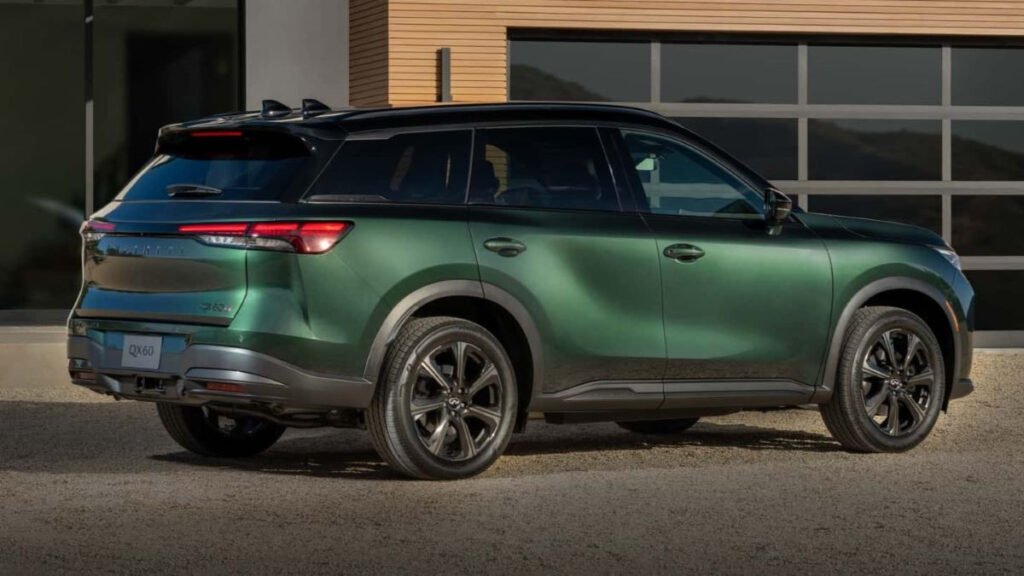
A base Lexus TX starts at a highly reasonable $58,490 MSRP. Even if you opt for the top-tier plug-in hybrid model with luxury packages, the price remains well under the starting cost of its rivals. Furthermore, Lexus boasts a legendary reputation for long-term reliability and low maintenance costs. Therefore, it represents the clear financial value choice in this comparison group. Lexus’s reputation for reliability extends across its SUV lineup, see how it compares in our Genesis G90 2026 review, the Korean flagship coming for the S-Class for another value-focused luxury alternative.
Moving up to the BMW X7 requires a minimum entry fee of $87,500. The Mercedes GLS pushes even higher, starting at $90,250. These premium price tags reflect their elite global status, exquisite cabin materials, and complex engineering. However, buyers must anticipate steeper depreciation curves and higher long-term service rates at the dealership.
Conclusion: Matching the SUV to Your Lifestyle
Selecting the ideal family vehicle requires prioritizing your daily personal needs. The 2026 model year offers three masterpiece vehicles that fulfill vastly different missions.
If you crave an engaging driving experience, sophisticated tech, and unmatched engine refinement, buy the BMW X7. Alternatively, if your family demands a serene, ultra-luxurious sanctuary that prioritizes absolute ride comfort above all else, choose the Mercedes-Benz GLS. Finally, if you value massive interior space, excellent third-row legroom, and long-term financial sensibility, the Lexus TX stands out as the smartest buy. For continuous automotive deep dives and up-to-date industry evaluations, visit turboocruiser.com to stay completely informed.
Frequently Asked Questions
Which SUV has the best fuel economy?
The Lexus TX hybrid models easily claim the fuel economy crown. The plug-in hybrid TX 550h+ can travel on pure electricity for short commutes. The BMW X7 and Mercedes GLS six-cylinder models deliver respectable numbers, but their heavy curb weights limit efficiency.
Can you install three child car seats side-by-side?
The Lexus TX handles multiple child car seats with the greatest ease due to its wide cabin geometry. The Mercedes GLS can also accommodate large seats across its second-row bench. The BMW X7 is narrower, making three-across installations tight depending on the specific seat brand.
Are second-row captain’s chairs worth the upgrade?
Choosing captain’s chairs elevates the cabin to an executive luxury experience. However, this configuration reduces total seating capacity from seven to six passengers. It also creates a permanent gap that limits total flat-floor cargo hauling utility.