Supercars represent the intersection of performance, engineering, and automotive design. Built to deliver exceptional acceleration, responsive handling, and distinctive styling, these high-performance vehicles stand apart from ordinary passenger cars.
Manufacturers such as Ferrari, Lamborghini, McLaren, and Porsche have helped define the modern supercar market. Some models prioritize track performance, while others combine remarkable speed with the comfort and technology needed for everyday road driving.
Although supercars are often associated with high prices and exclusivity, they differ considerably in design, powertrain, practicality, and performance. Choosing the right one depends on driving preferences, budget, intended use, and long-term ownership expectations.
What Is a Supercar?
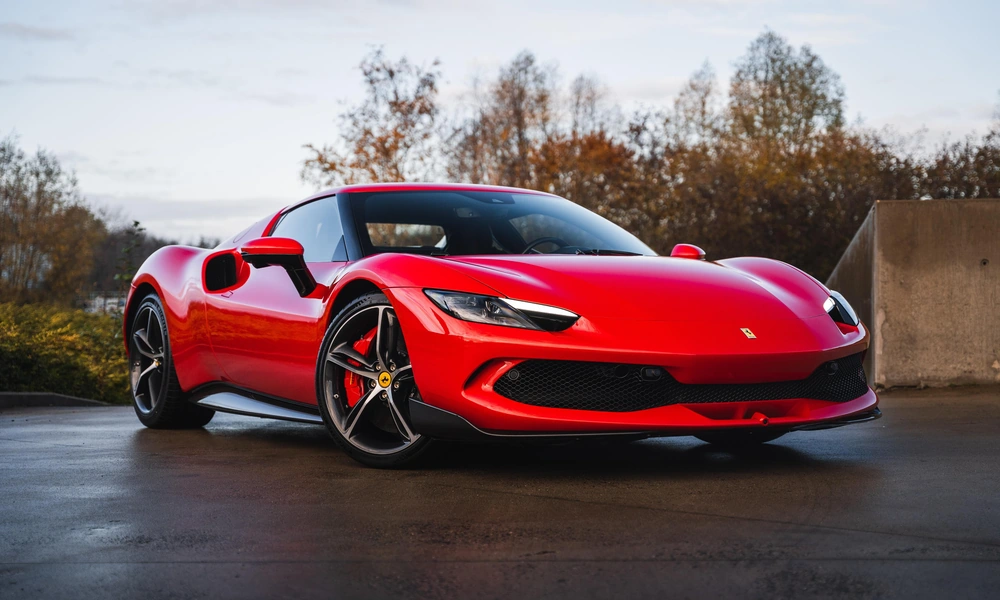
A supercar is a high-performance sports car that combines exceptional engineering with distinctive styling and strong driving capabilities. There is no universally accepted technical definition, but supercars generally offer substantially more performance and exclusivity than conventional passenger vehicles.
Common characteristics include:
- Powerful combustion engines, hybrid systems, or electric powertrains.
- Rapid acceleration and high potential top speeds.
- Advanced suspension, braking, and aerodynamic systems.
- Distinctive exterior styling and premium interior materials.
- Potentially expensive maintenance and insurance.
- Specialized engineering or limited production for certain models.
Not every expensive sports car qualifies as a supercar. Performance, engineering, exclusivity, and the vehicle’s overall character all influence its classification.
The Best-Known Supercar Brands
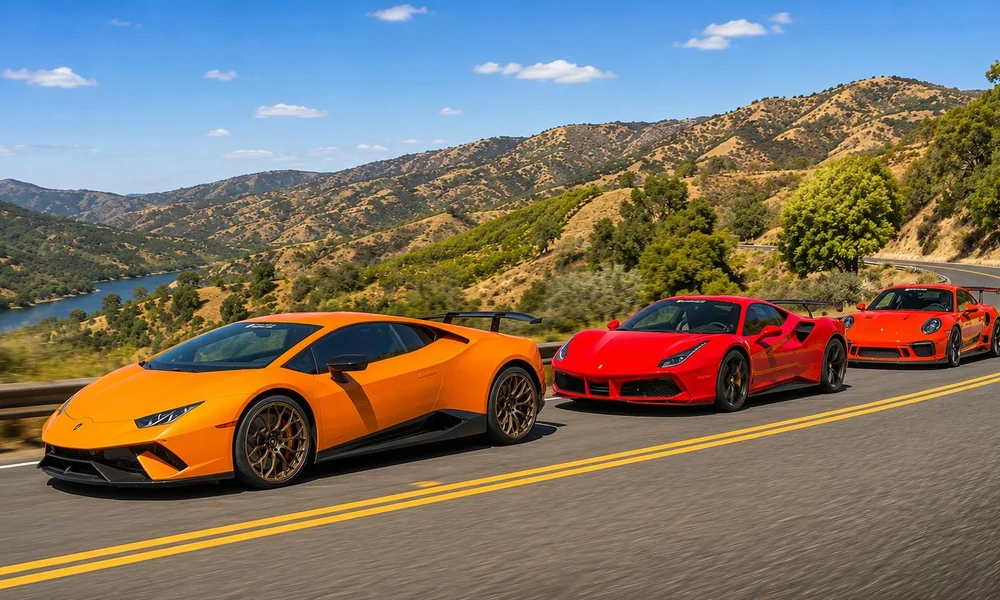
Ferrari
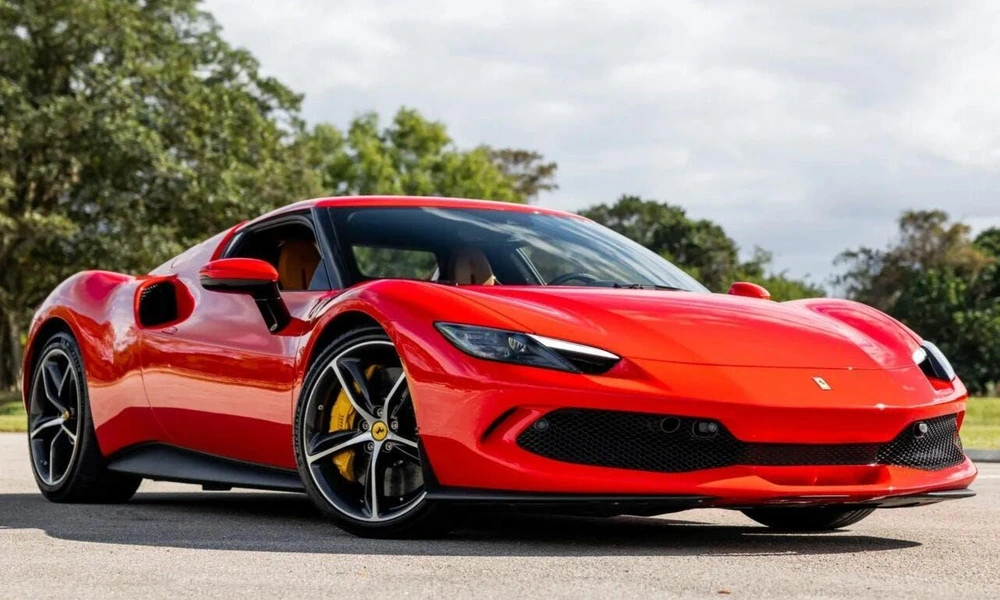
Ferrari is an Italian performance-car manufacturer known for its racing heritage, powerful engines, and distinctive styling. Its road cars combine performance-focused engineering with carefully designed interiors.
Models such as the Ferrari 296 GTB and SF90 Stradale illustrate the brand’s use of hybrid technology alongside traditional performance-car engineering.
Lamborghini
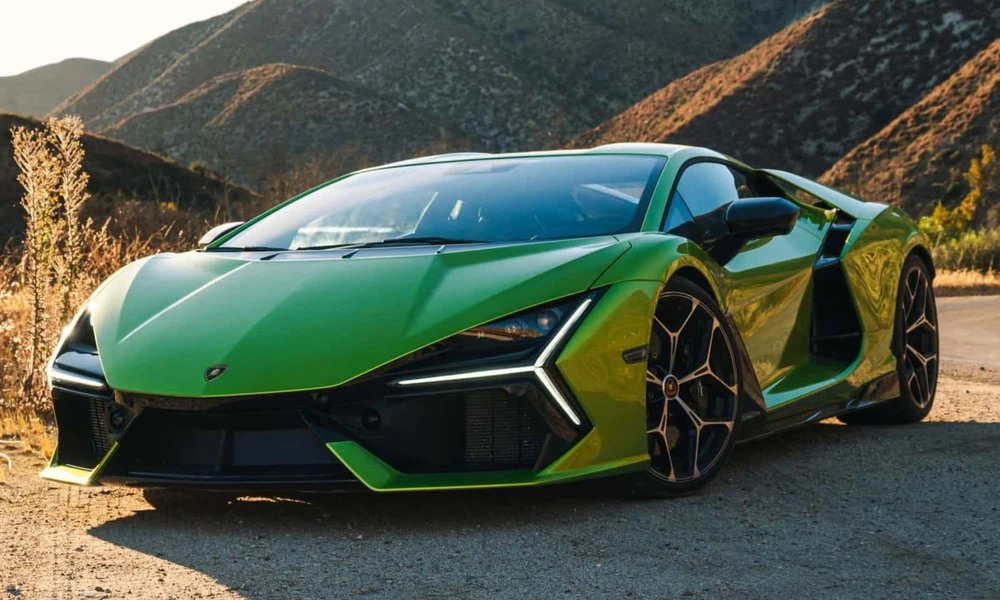
Lamborghini is recognized for dramatic styling, aggressive proportions, and powerful performance. Its cars often feature angular bodywork and distinctive designs.
The Lamborghini Revuelto combines a V12 engine with electric motors, demonstrating how the brand is incorporating electrification into its performance vehicles.
McLaren
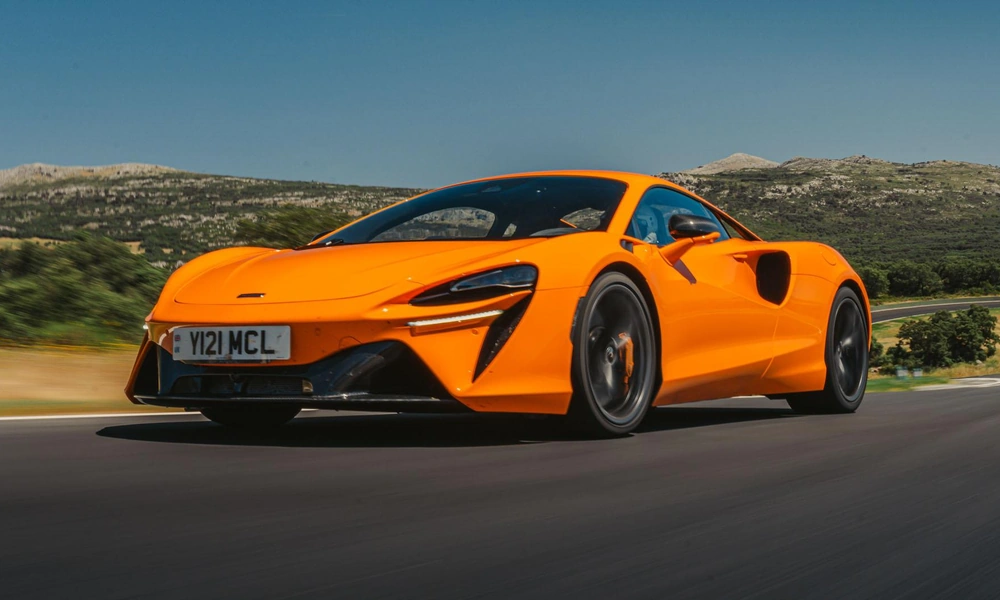
McLaren focuses heavily on lightweight construction, aerodynamic efficiency, and handling. Its motorsport background influences the design of its road cars.
The McLaren Artura uses a hybrid powertrain, while the wider lineup includes vehicles designed around different levels of performance and driver engagement.
Porsche
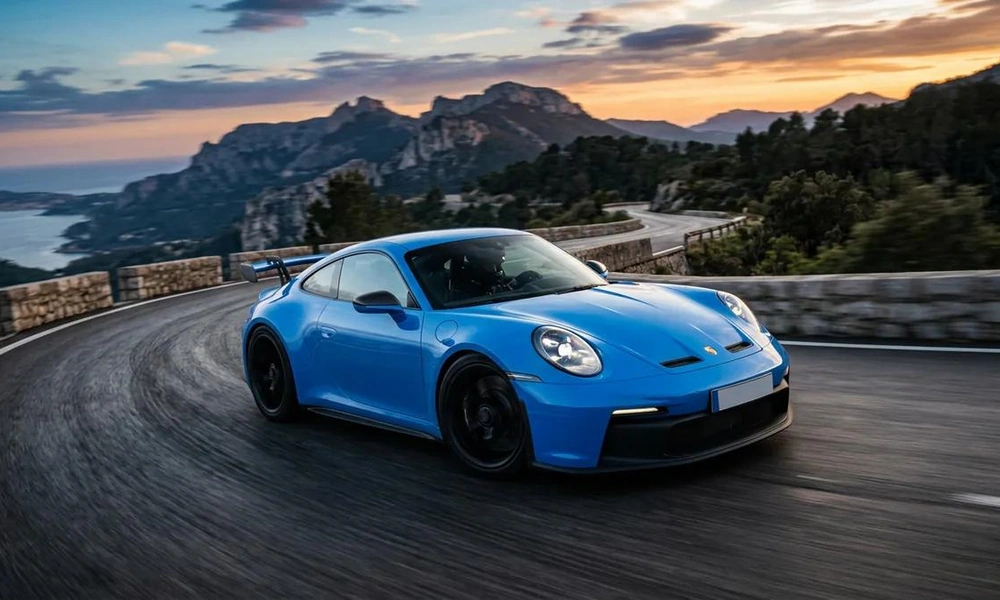
Porsche is known for sports cars that balance performance with road usability. The 911 family includes high-performance versions that compete in the broader supercar category, depending on the model and specification.
The Porsche 911 GT3 RS emphasizes track-oriented handling, while other versions focus more on everyday versatility.
Aston Martin
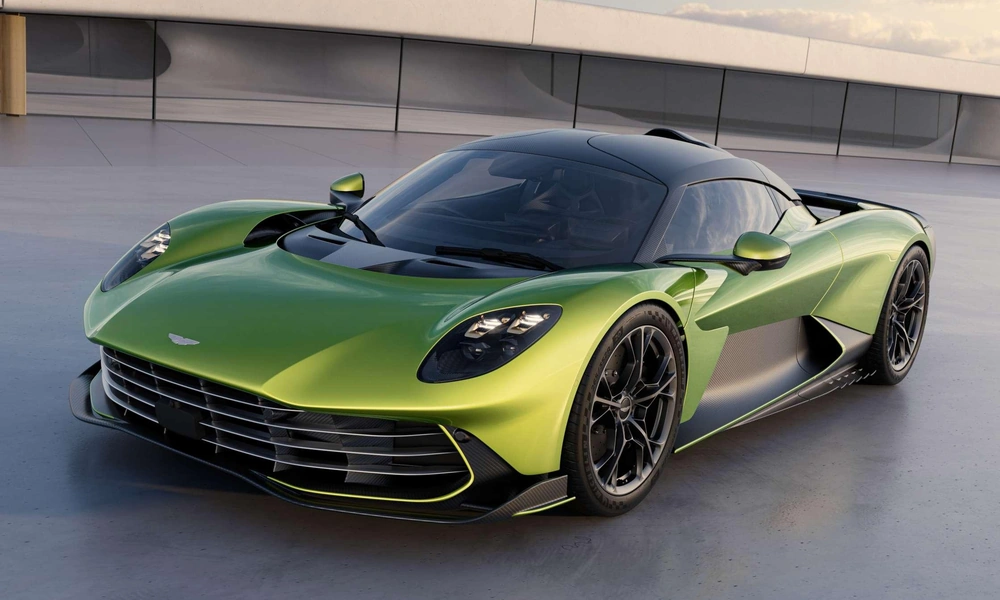
Aston Martin combines performance with a luxury-oriented approach to design and craftsmanship. Its vehicles often emphasize elegant styling, premium materials, and powerful engines.
The Aston Martin Valhalla demonstrates the brand’s move toward advanced hybrid performance technology.
Bugatti
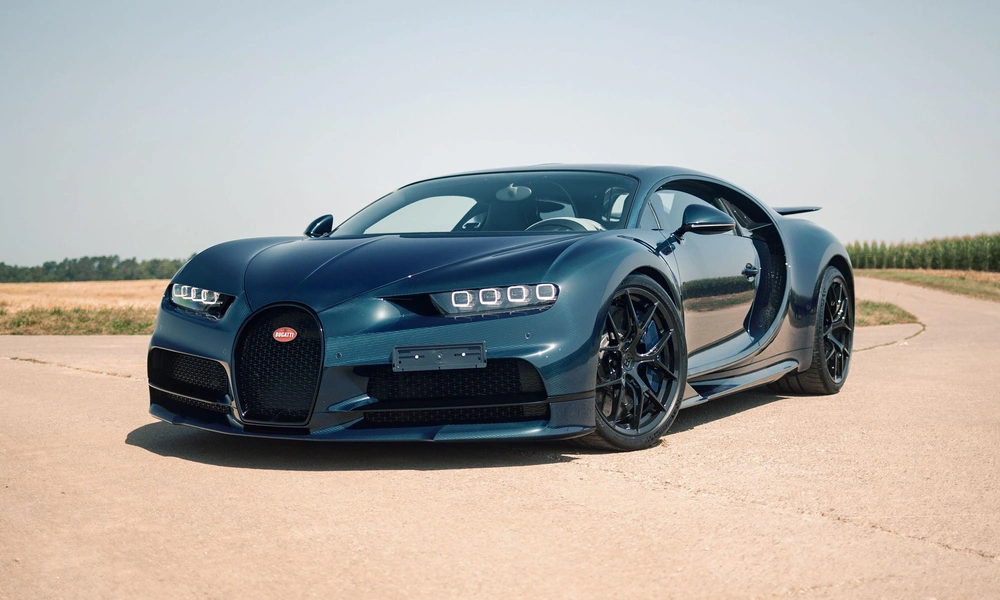
Bugatti occupies the extreme end of the high-performance automotive market. Its vehicles are associated with exceptional engineering, high speeds, and extraordinary prices.
The Bugatti Chiron became one of the most recognizable modern hypercars. Bugatti’s vehicles are generally considered part of the hypercar category, which sits at the most exclusive end of the performance-car market.
Popular Supercars Worth Knowing
1. Ferrari 296 GTB
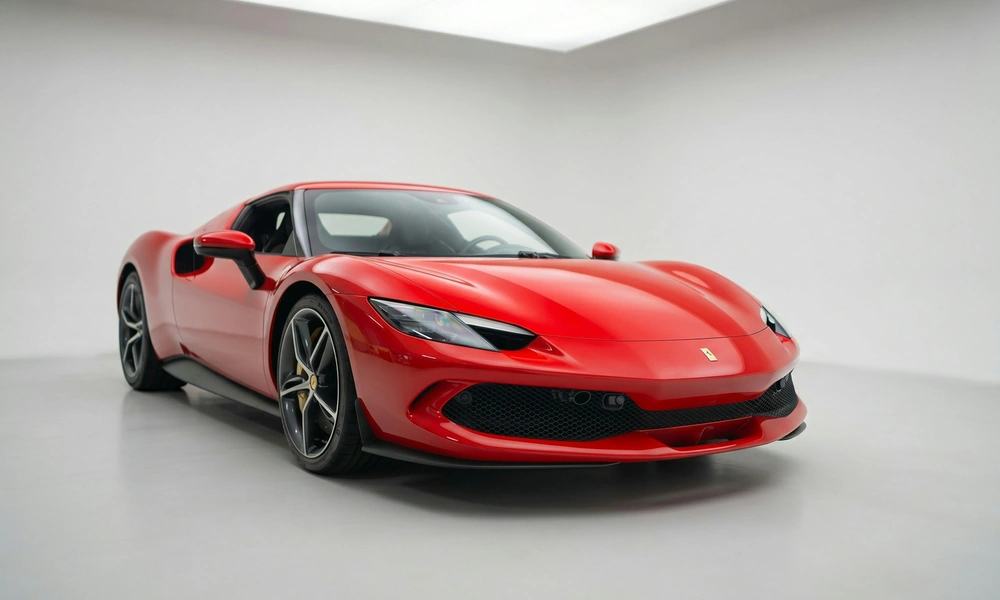
The Ferrari 296 GTB combines a twin-turbocharged V6 engine with an electric motor. Its hybrid powertrain delivers strong performance while demonstrating how electrification is changing modern supercars.
2. Lamborghini Revuelto
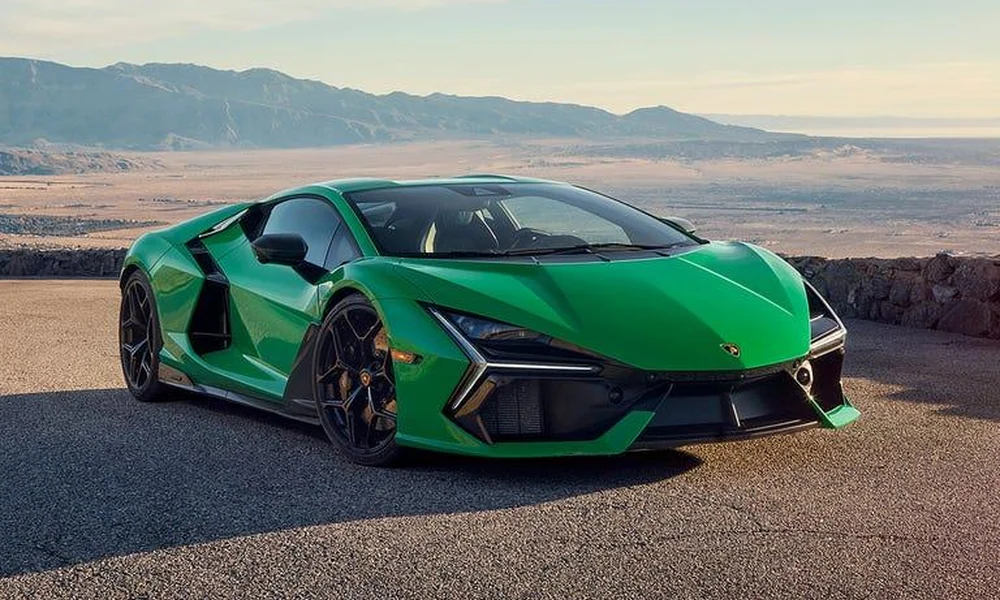
The Revuelto combines a V12 engine with electric motors and an electrified all-wheel-drive system. Its sharp styling and dramatic proportions reflect Lamborghini’s performance-focused identity.
3. McLaren Artura
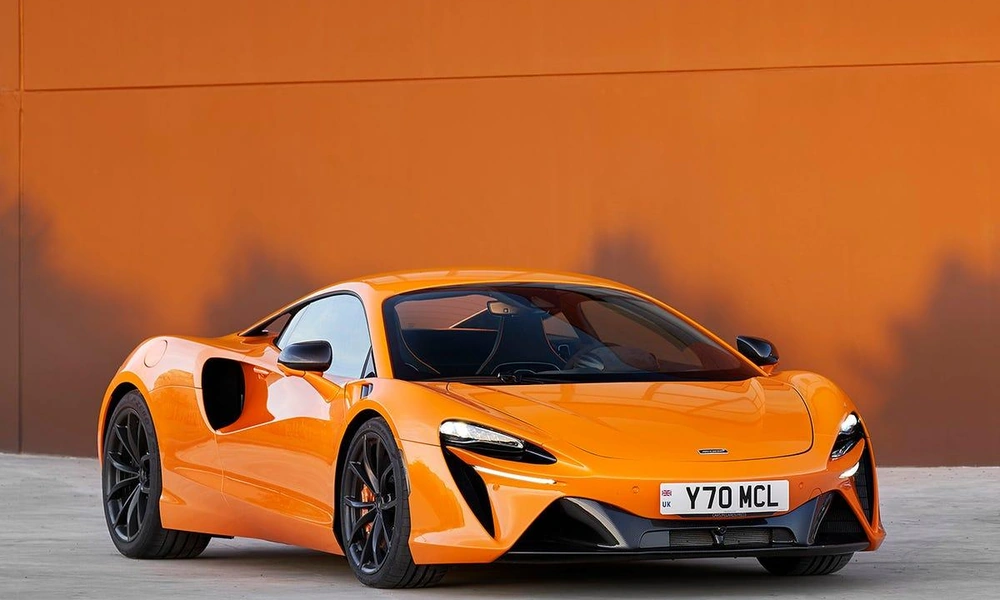
The Artura uses a twin-turbocharged V6 hybrid powertrain and a lightweight architecture. It is designed to balance strong acceleration, responsive handling, and modern powertrain technology.
4. Porsche 911 GT3 RS
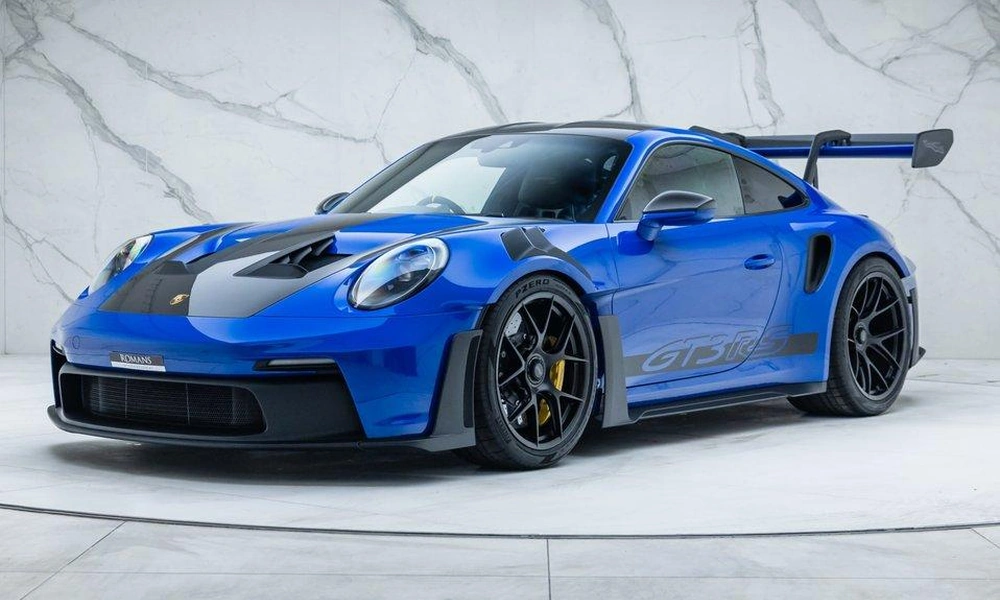
The GT3 RS is engineered for demanding performance driving, with extensive aerodynamic features and a track-focused setup. Its design prioritizes cornering capability and driver involvement.
5. Aston Martin Valhalla
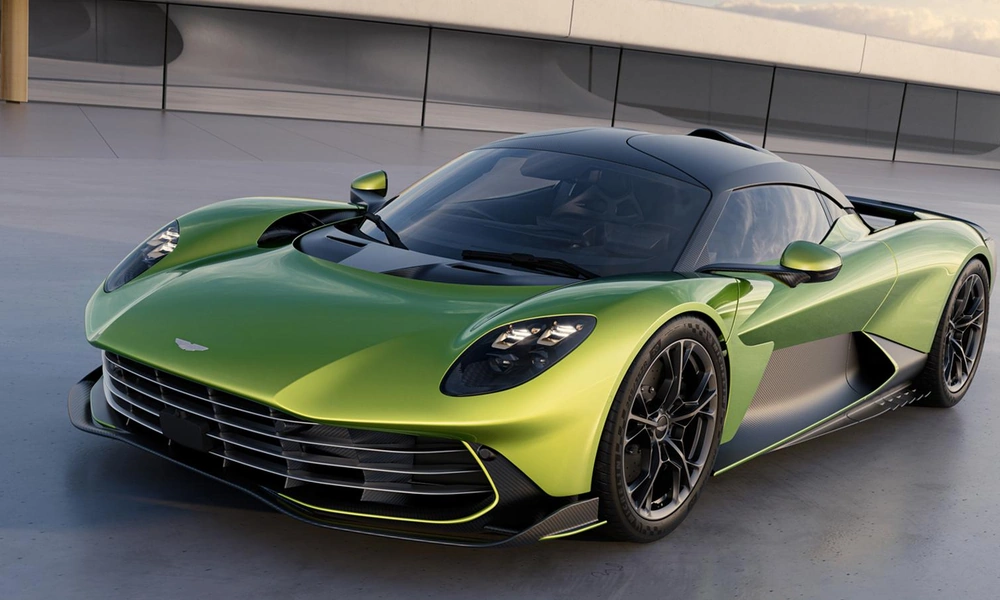
The Valhalla is a hybrid supercar developed around advanced aerodynamics and performance engineering. It combines an electrified powertrain with a design intended for high-speed road and track use.
6. McLaren 750S
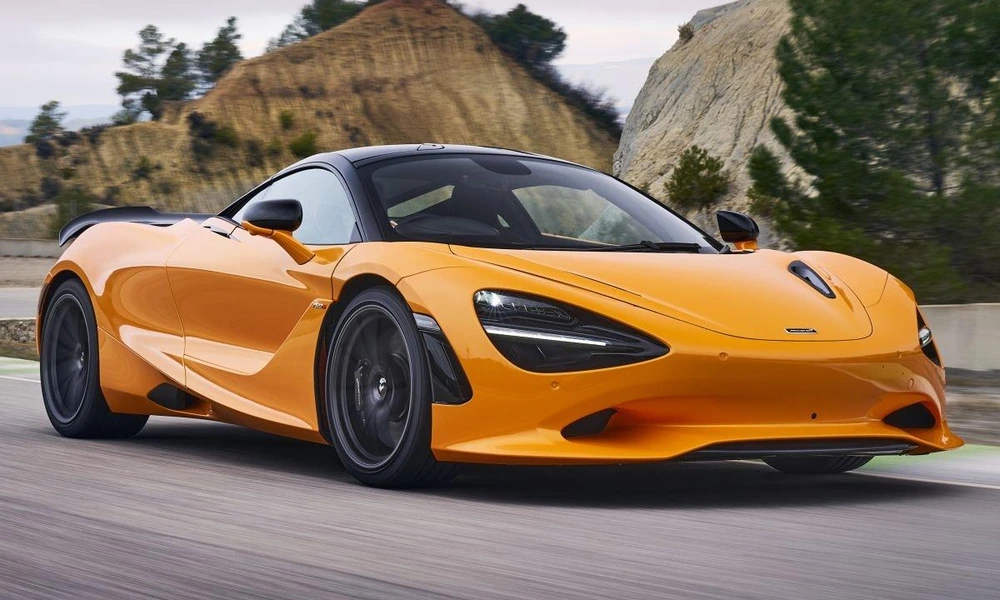
The 750S features a twin-turbocharged V8 engine and a lightweight design. It emphasizes acceleration, responsive handling, and the kind of performance expected from a modern mid-engine supercar.
Specifications, equipment, and availability vary by market and model year. Buyers should consult the exact vehicle’s official specifications before comparing performance figures.
Supercars vs. Sports Cars vs. Hypercars
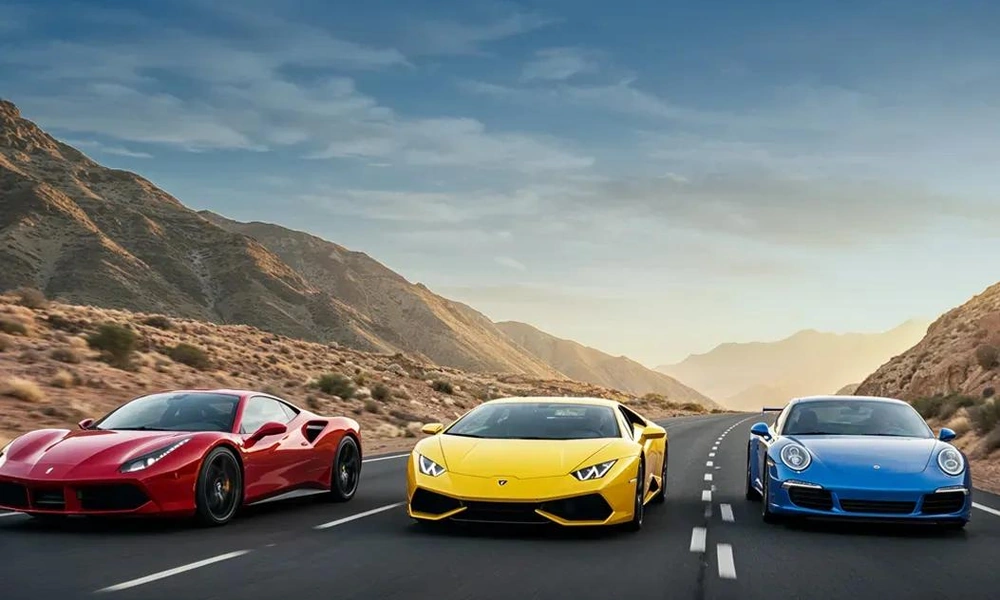
These terms are often used interchangeably, but they generally describe different levels or styles of performance.
| Category | Typical characteristics | Examples |
| Sports cars | Focus on handling, driver engagement, and performance | Mazda MX-5 Miata, Porsche 718 Cayman |
| Supercars | Exceptional performance, specialized engineering, and exotic design | Ferrari 296 GTB, Lamborghini Revuelto |
| Hypercars | Extreme performance, engineering, price, and exclusivity | Bugatti Chiron and selected limited-production models |
The boundaries are not strict. Certain versions of the Porsche 911, Chevrolet Corvette, and other sports-car families may be described as supercars depending on their performance and positioning.
How Fast Are Supercars?
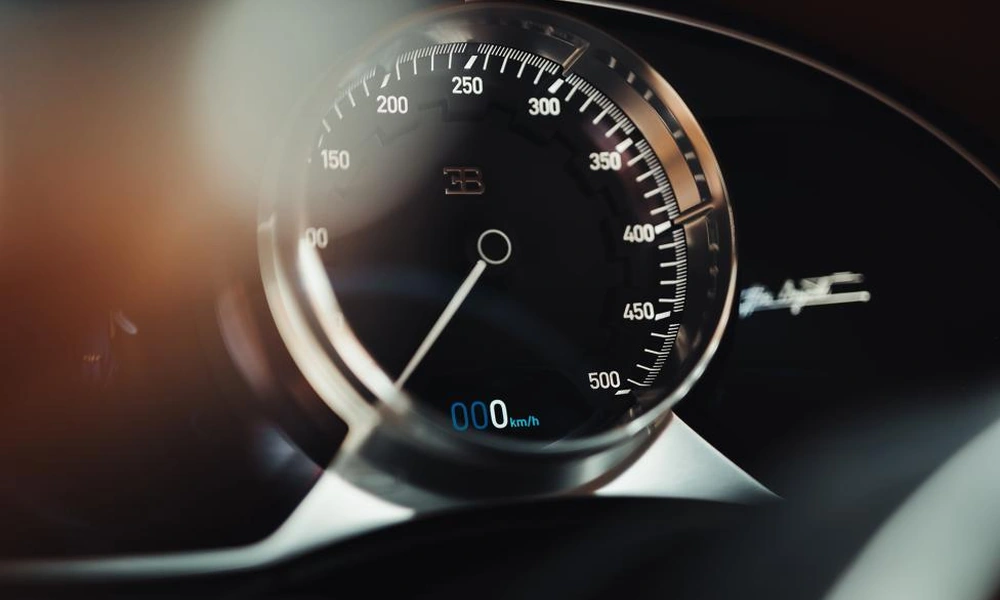
Supercar performance varies significantly by model and powertrain. Many modern examples can accelerate from 0 to 60 mph in around three seconds or less, while some high-performance versions are quicker under suitable conditions.
Top speed also varies. Some supercars are designed to exceed 200 mph, while others prioritize cornering, braking, and track performance over maximum velocity.
Performance figures depend on tire conditions, weather, road surface, battery charge in hybrid models, and testing methods. Manufacturer claims and independent test results may differ.
High-speed performance should only be explored in legal, controlled environments with appropriate safety measures.
How Much Do Supercars Cost?
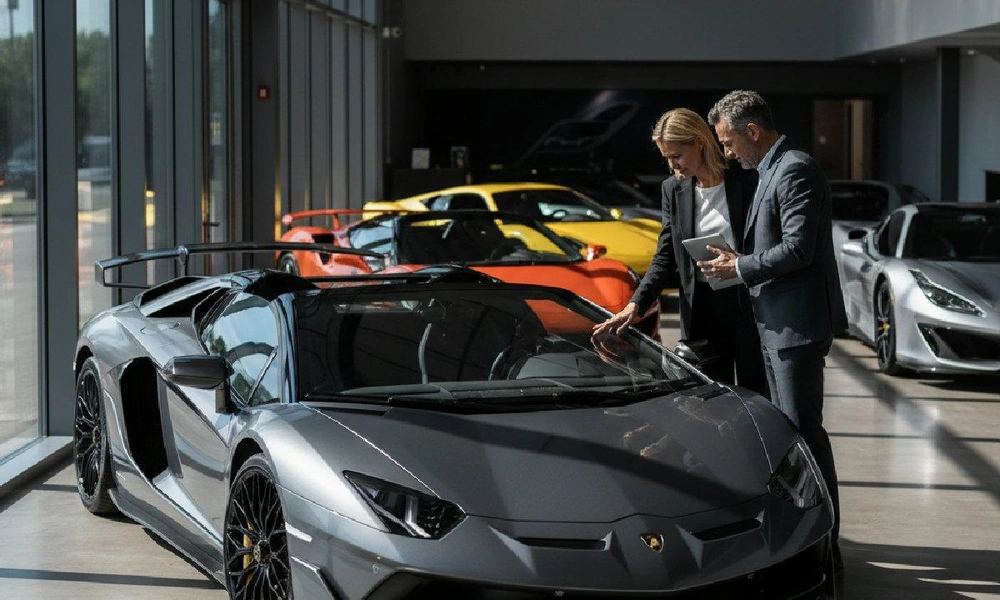
Supercar prices range from hundreds of thousands of dollars to several million dollars for especially rare or exclusive vehicles. Exact prices depend on the model, specification, market, taxes, production numbers, and whether the vehicle is new or used.
The purchase price is only one part of the ownership equation.
Insurance
Insurance premiums can be high because of vehicle value, repair costs, performance capability, and the expense of specialized replacement parts.
Maintenance
Supercars may require specialist servicing, expensive tires, high-performance brakes, and model-specific components. Maintenance schedules and costs vary considerably between manufacturers.
Fuel or Charging
Combustion-engine supercars can consume substantial amounts of fuel during performance driving. Hybrid and electric models have different energy costs and maintenance requirements, but may also require specialized repairs.
Depreciation and Resale
Some limited-production cars may retain value or appreciate under particular market conditions. Others depreciate substantially. Collectible status should never be assumed simply because a vehicle is expensive or rare.
Are Supercars Practical for Everyday Driving?
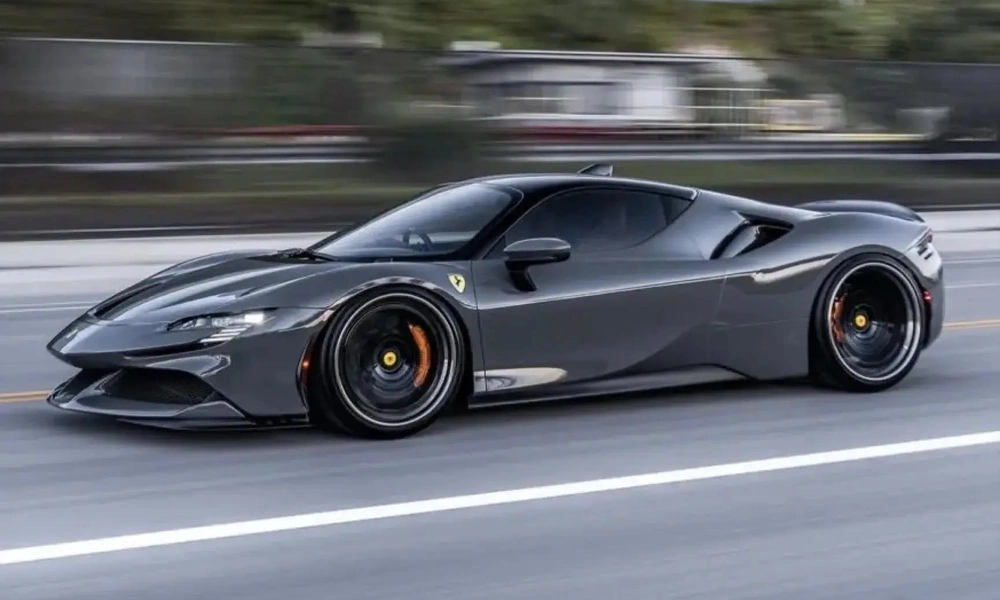
Some supercars can be driven regularly, but practicality depends on ground clearance, visibility, ride comfort, luggage space, weather conditions, and local road quality.
A vehicle with relatively comfortable suspension and good visibility may work better for everyday use than a highly specialized track model.
Before buying, consider whether the car can handle speed bumps, steep driveways, traffic, and the roads you normally use. Also evaluate parking security and access to qualified service facilities.
For many owners, a supercar works best as a recreational vehicle rather than their only means of transportation.
Electric and Hybrid Supercars
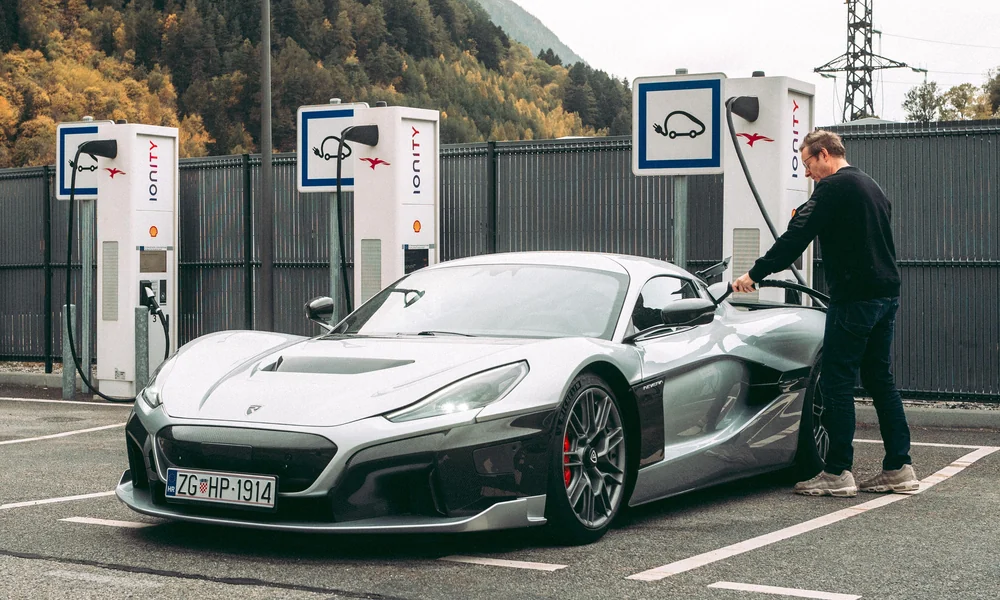
Electrification is changing the supercar market. Hybrid powertrains combine combustion engines with electric motors, while fully electric performance cars use electric motors for propulsion.
Benefits of Hybrid Supercars
Hybrid systems can deliver immediate electric-motor torque, improve response, and support additional performance features. Depending on the design, they may also allow limited electric-only driving.
However, a hybrid supercar’s efficiency depends on how it is driven and whether its battery is charged and used as intended.
Benefits of Electric Performance Cars
Electric powertrains can provide rapid acceleration and precise control over motor output. They also eliminate tailpipe emissions during driving.
Potential limitations include battery weight, charging time, driving range under sustained high-performance use, and access to charging infrastructure.
Neither powertrain is universally better. The right choice depends on the driver’s preferences, driving environment, and ownership priorities.
What to Consider Before Buying a Supercar

Define Your Purpose
Decide whether you want a car for weekend drives, track use, collecting, or regular road travel. Different models excel in different situations.
Research the Exact Model
Compare specifications, maintenance requirements, reliability information, recalls, and service intervals. A particular engine or model year may have different ownership considerations from another.
Arrange a Specialist Inspection
For a used supercar, use a qualified specialist who understands the vehicle’s mechanical systems and maintenance history. Check accident records, previous repairs, tire condition, brakes, and any modifications.
Calculate Total Ownership Costs
Budget for insurance, servicing, storage, tires, taxes, and unexpected repairs. Make sure these costs remain manageable even if the car requires an expensive repair.
Verify the Documentation
Confirm ownership, vehicle identification details, service records, and any outstanding finance. For imported vehicles, check applicable customs, registration, and compliance requirements.
Frequently Asked Questions About Supercars
What is the best supercar?
There is no single best supercar. The Ferrari 296 GTB, Lamborghini Revuelto, McLaren Artura, and Porsche 911 GT3 RS represent different approaches to performance, design, and driving experience.
What is the difference between a supercar and a hypercar?
Supercars combine high performance with specialized design and engineering. Hypercars generally occupy a more exclusive category, with more extreme performance, pricing, technology, or limited production. There is no universally enforced dividing line.
Are supercars faster than all sports cars?
No. Performance depends on the individual model. Some sports cars can outperform certain supercars in specific acceleration tests or on particular tracks, especially when comparing specialized versions.
Are supercars expensive to maintain?
They can be. High-performance tires, brakes, specialized parts, and specialist labor can make maintenance considerably more expensive than on an ordinary passenger car.
Can you drive a supercar every day?
Some models are reasonably suited to regular driving, but low ground clearance, limited luggage space, poor visibility, and high running costs can make others less practical.
Do supercars hold their value?
Some rare or collectible examples retain value well, but many depreciate. Future resale prices depend on demand, condition, mileage, production numbers, and wider economic conditions.
Final Verdict
Supercars represent the intersection of performance, design, engineering, and automotive exclusivity. From Ferrari and Lamborghini to McLaren and Porsche, the category offers vehicles designed for different driving experiences, from road-focused performance to highly specialized track use.
The best choice is not necessarily the fastest or most expensive model. Consider how you intend to drive it, what ownership will cost, and whether the vehicle’s strengths match your priorities before making a purchase.
Disclaimer: This article is provided for general informational and educational purposes only and does not promote or endorse any product, service, brand, or individual. Details may change, and no guarantee is made regarding completeness or accuracy.