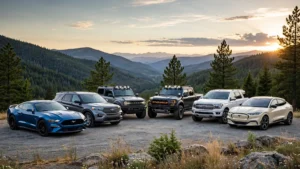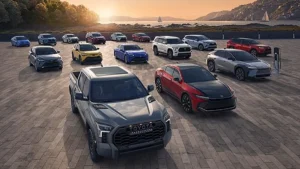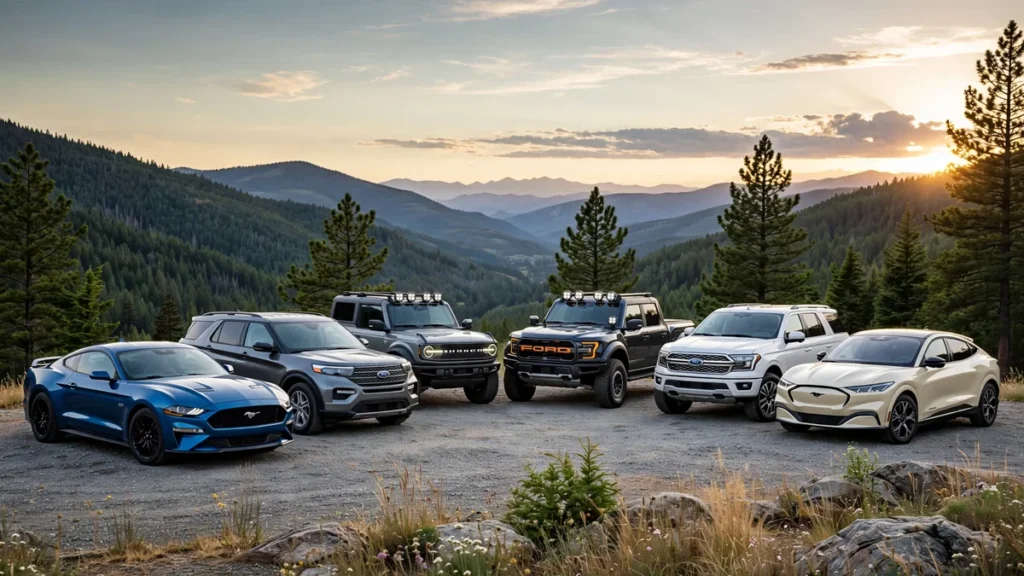
Few automotive names have remained recognizable across so many generations as Ford. From the Mustang’s unmistakable performance-car identity to the F-150’s reputation as a hardworking pickup, Ford has built vehicles for drivers with very different priorities.
Today, the Ford lineup extends beyond traditional passenger cars. Depending on the country, buyers can find SUVs, pickup trucks, commercial vans, performance models, hybrids, and fully electric vehicles.
The best Ford vehicle depends on how you plan to use it. A Mustang suits someone seeking a sporty driving experience, an Explorer offers a family-oriented SUV format, and an F-150 is designed for people who need pickup-truck capability.
Understanding the differences between these vehicles makes it easier to choose a model that fits your lifestyle, budget, and local driving conditions.
A Brief History of Ford
Ford Motor Company was founded by Henry Ford in 1903. The company became especially influential through its approach to large-scale automobile production, helping make motor vehicles accessible to a wider market.
The Model T became one of the defining cars of the early automotive era. Ford’s production methods helped reshape manufacturing, while the company’s later vehicles expanded into family transportation, commercial use, motorsport, and performance driving.
Over time, the Mustang became an automotive icon, the F-Series developed into a major pickup-truck family, and Ford expanded its SUV offerings. More recently, electrification has added models such as the Mustang Mach-E and electric commercial vehicles.
The brand’s history is not just about individual cars. It also reflects the changing needs of drivers, from affordable transportation to specialized work vehicles and modern electric mobility.
Popular Ford Cars and Models
Ford’s model availability varies by market. Some vehicles sold in North America may not be offered in Pakistan or other regions, while international markets can have different names, engines, and equipment.
1. Ford Mustang
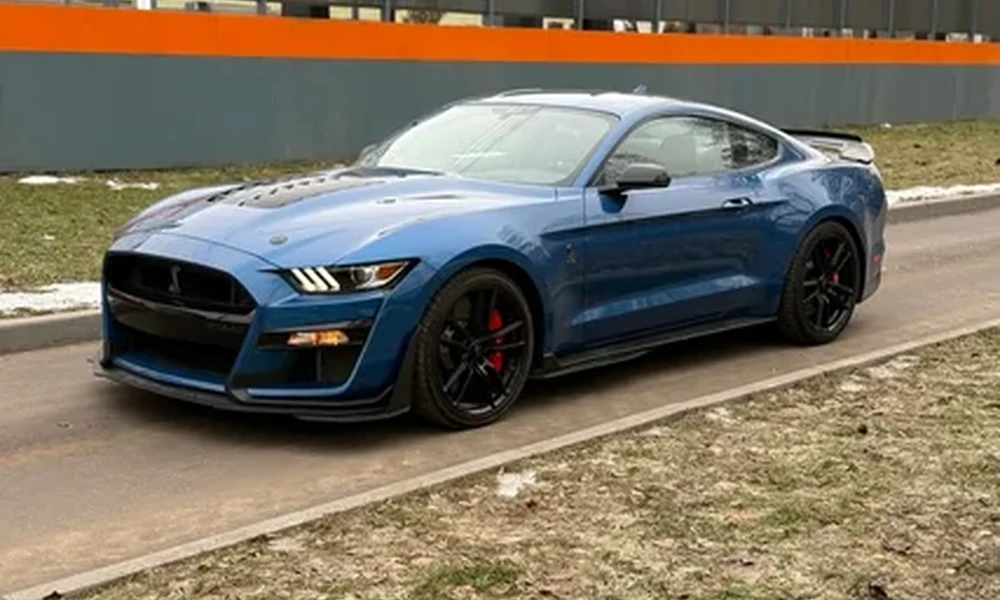
The Ford Mustang is one of the company’s most recognizable vehicles. Its long hood, sporty proportions, and performance-focused character have made it a lasting favorite among enthusiasts.
Depending on the version, the Mustang offers different engines, performance features, and transmission choices. Higher-performance variants emphasize acceleration, handling, and track-oriented capability.
The Mustang is best suited to drivers who value performance and style over maximum passenger space or everyday practicality. Fuel consumption, insurance, tire costs, and local availability are important considerations when buying one.
2. Ford Explorer
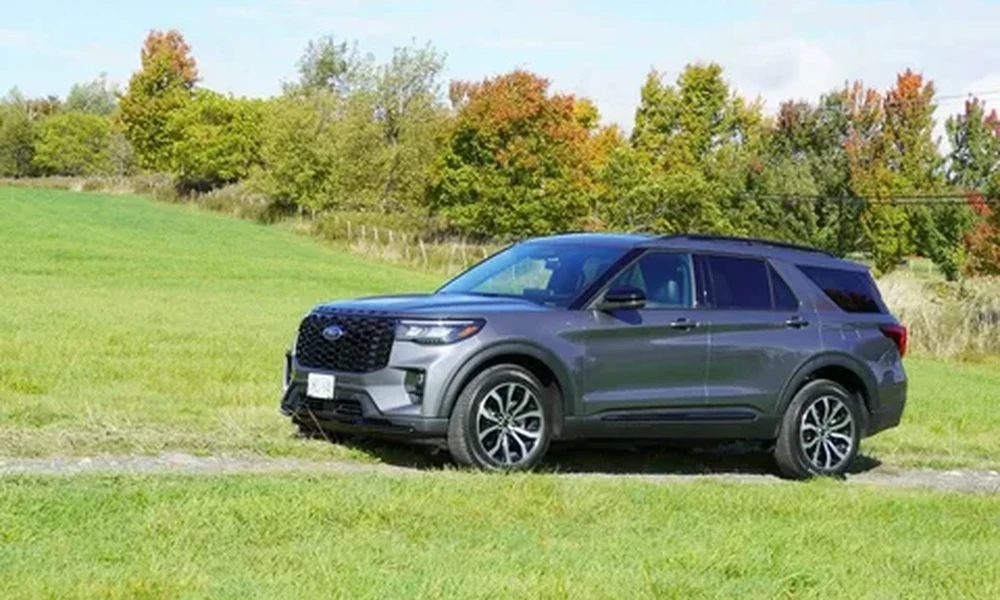
The Ford Explorer is a midsize SUV designed for families and drivers who need more room than a typical sedan provides.
Its appeal includes a higher seating position, flexible passenger and cargo space, and available driver-assistance features. Seating configurations and equipment depend on the model year and trim.
The Explorer may suit families who frequently travel together, but its dimensions and running costs should be considered before choosing it for narrow streets or crowded urban parking.
3. Ford Bronco
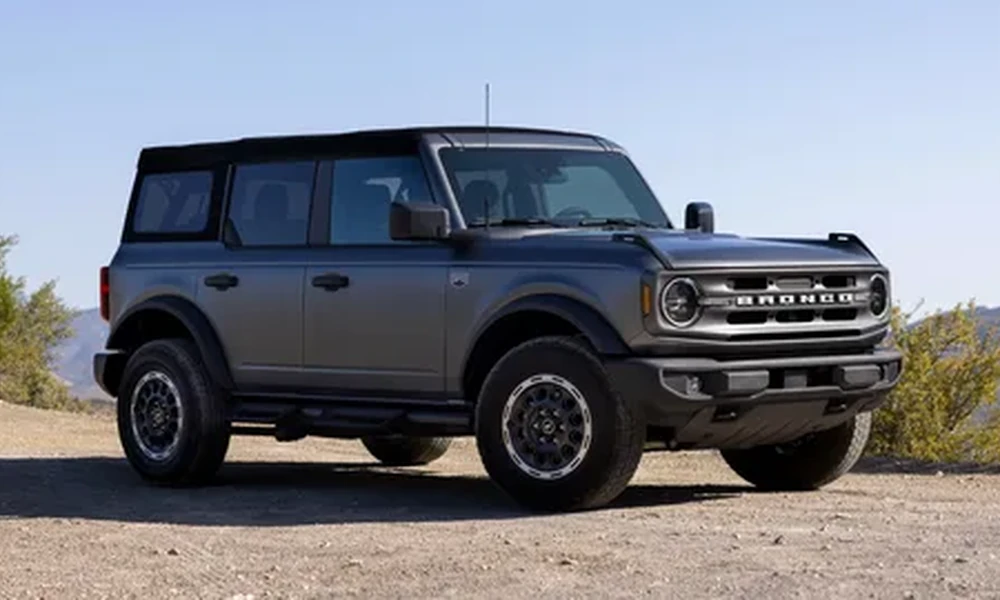
The Ford Bronco is designed around adventure and off-road driving. Its rugged styling, available four-wheel-drive systems, and terrain-focused equipment distinguish it from more road-oriented SUVs.
Different versions offer different levels of off-road capability. Specialized trims may include upgraded suspension, tires, protective components, and additional driving modes.
The Bronco is worth considering for drivers who regularly travel on rough roads or enjoy outdoor activities. However, specialized off-road equipment may be unnecessary for someone whose driving consists mainly of urban commuting.
4. Ford Bronco Sport

The Bronco Sport is a smaller SUV with rugged styling and an emphasis on versatility.
It is intended to offer a more manageable footprint than the larger Bronco while retaining an adventurous appearance. Depending on the configuration, it may provide useful cargo space and features for outdoor trips.
Buyers should compare its interior space, fuel economy, ground clearance, and equipment with other compact SUVs before deciding.
5. Ford Escape
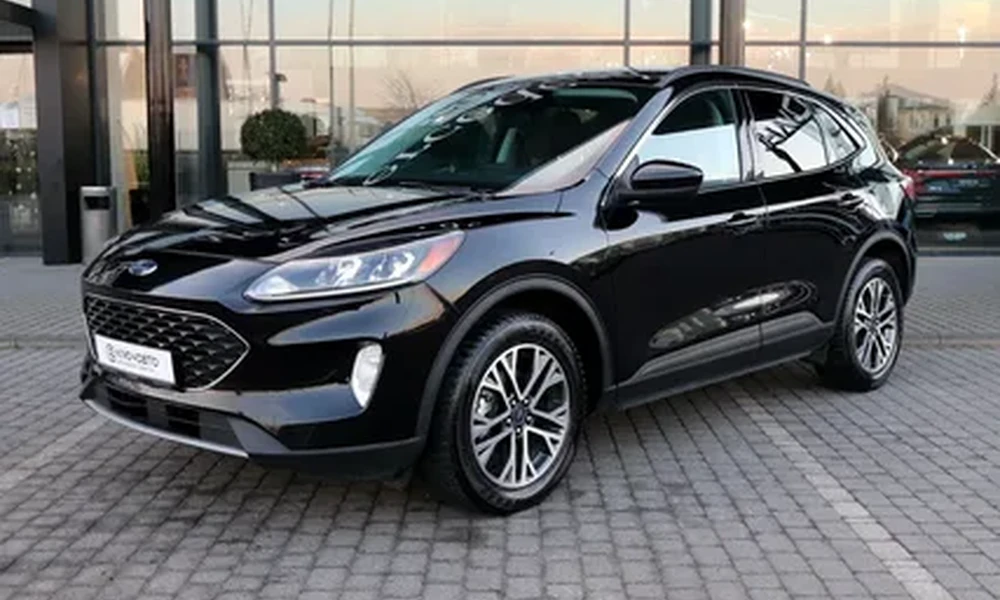
The Ford Escape is a compact SUV offered in selected markets, with conventional and electrified powertrain options depending on the model year and region.
Its compact size can make it practical for everyday commuting, shopping, and family use. Hybrid and plug-in hybrid versions may appeal to drivers looking to reduce fuel consumption without moving to a fully electric vehicle.
Because Ford uses different names and lineups across countries, check whether the Escape or a related regional model is currently sold where you live.
6. Ford F-150
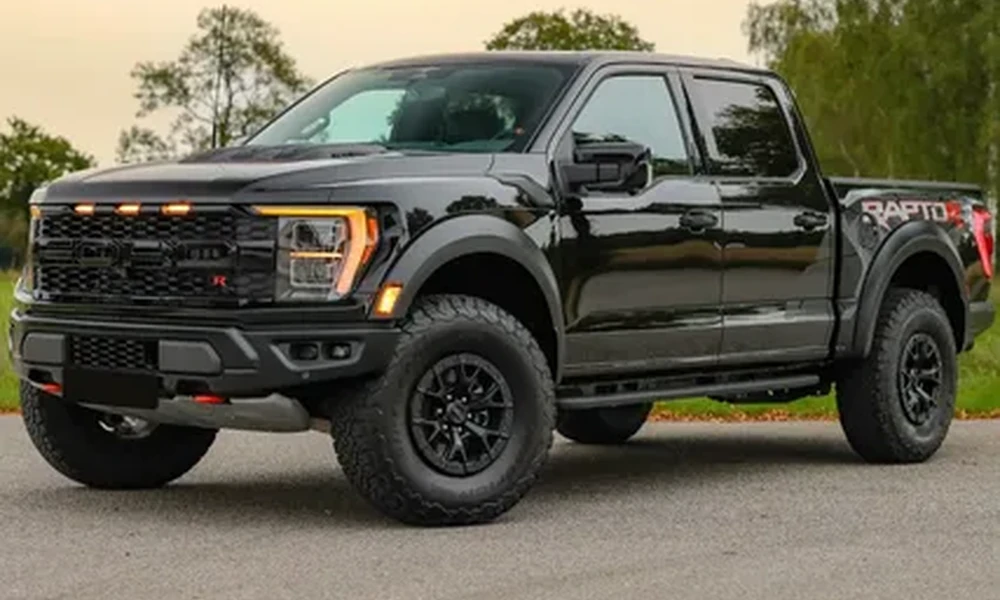
The Ford F-150 is one of the best-known pickup trucks in the world. It is built for a combination of everyday transportation, cargo hauling, towing, and work-related use.
The model family offers different engine options, cabin configurations, bed lengths, and equipment levels. Certain versions emphasize comfort and technology, while others prioritize heavy-duty work or off-road performance.
The F-150 can be an excellent fit for buyers who genuinely need a full-size pickup. For drivers who rarely carry large loads, its size, fuel costs, and parking requirements may be difficult to justify.
7. Ford Ranger
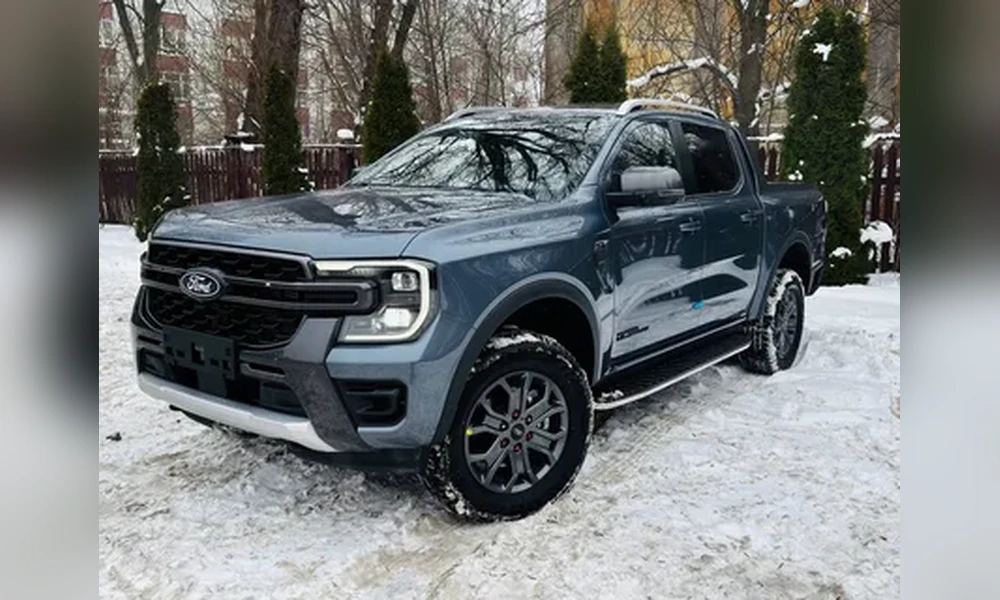
The Ford Ranger is a midsize pickup sold in several international markets. It provides truck-bed utility in a generally smaller format than the F-150.
Depending on the market, buyers may find different diesel or petrol engines, four-wheel-drive configurations, and trim levels. Some versions are designed primarily for work, while others offer more comfort and off-road equipment.
The Ranger can suit businesses, outdoor enthusiasts, and drivers who need a practical pickup without stepping up to a full-size truck.
8. Ford Maverick
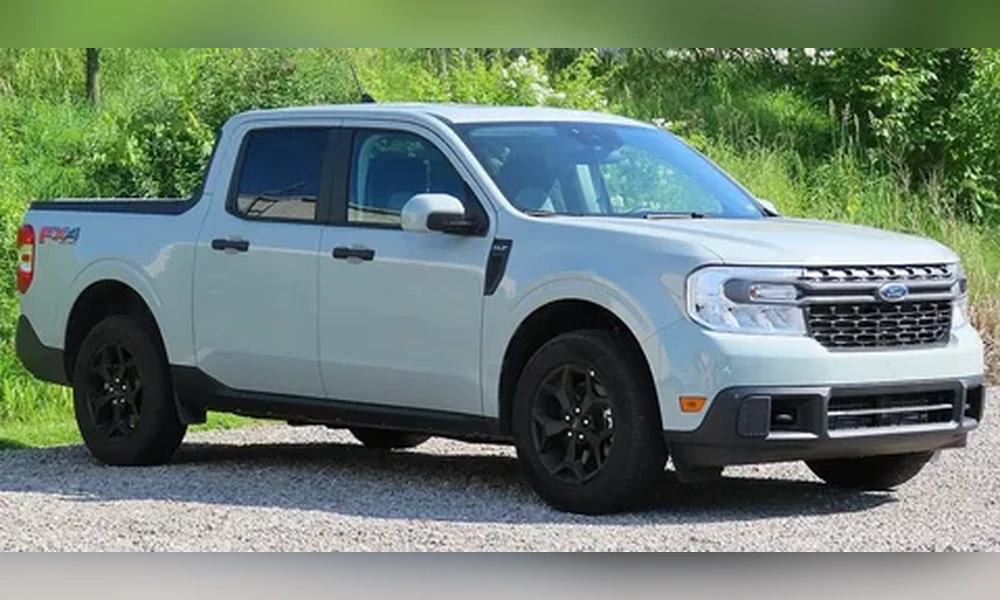
The Ford Maverick is a compact pickup offered in North America. It combines a relatively small footprint with an open cargo bed and everyday usability.
Certain versions have offered hybrid powertrains, making the model an option for buyers who want pickup practicality with a focus on fuel efficiency.
Its availability is market-dependent, so international buyers should not assume that the Maverick can be purchased new through local Ford dealerships.
9. Ford Mustang Mach-E
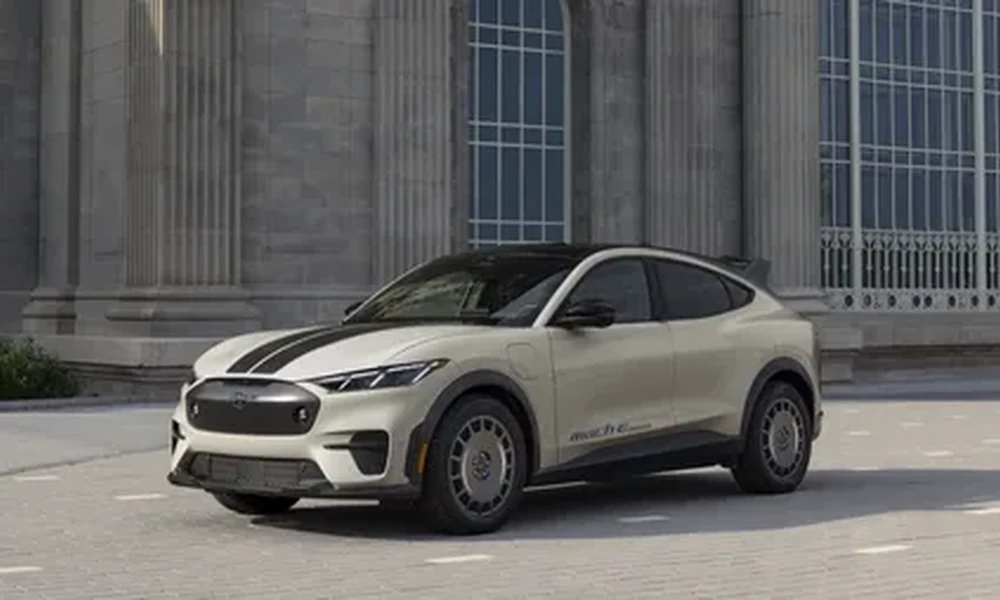
The Mustang Mach-E is a fully electric SUV that carries the Mustang name while serving a different purpose from the traditional sports car.
It offers electric propulsion, a crossover body style, and a technology-focused interior. Battery capacity, driving range, charging performance, and acceleration vary by version and model year.
The Mach-E may suit drivers who want an electric family vehicle with sporty styling. Home charging access, public charging infrastructure, warranty coverage, and local service support should all factor into the buying decision.
10. Ford Expedition
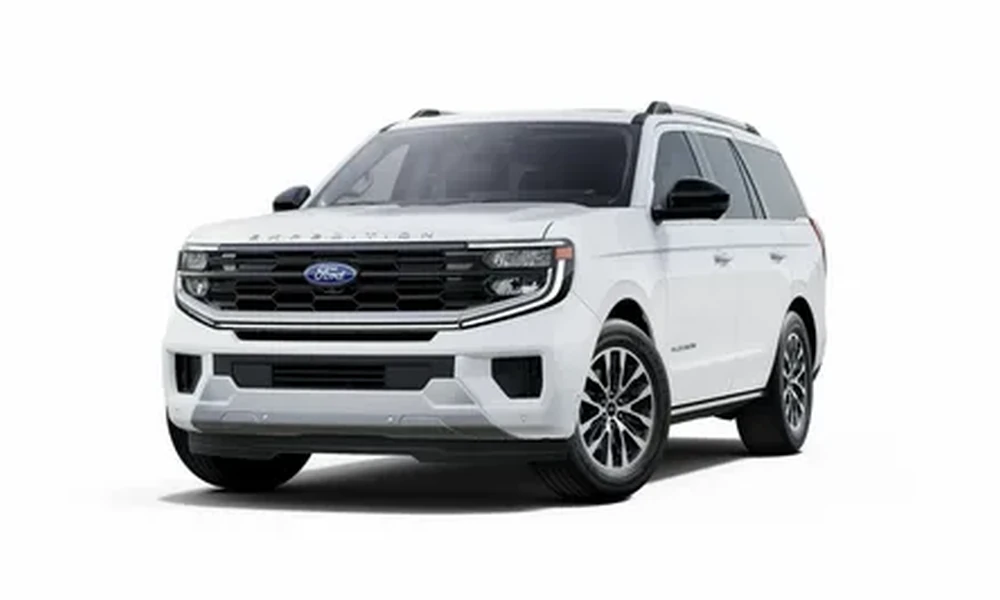
The Ford Expedition is a large SUV aimed at households that need generous passenger space and substantial road-trip capability.
Depending on the version, it can offer three-row seating, a large cargo area, and equipment designed for towing and long-distance driving.
Its size can be useful for larger families, but fuel consumption, purchase price, maintenance, and parking space are important considerations.
Types of Ford Vehicles
Ford’s broader vehicle range can be divided into several categories, each serving a different purpose.
| Vehicle category | Examples | Best suited to |
| Performance cars | Mustang | Enthusiasts and sporty driving |
| Compact SUVs | Escape, Bronco Sport | Urban use and small families |
| Off-road SUVs | Bronco | Outdoor travel and rough terrain |
| Family SUVs | Explorer, Expedition | Families and longer journeys |
| Pickup trucks | F-150, Ranger, Maverick | Work, cargo, towing, and recreation |
| Electric vehicles | Mustang Mach-E | Drivers seeking battery-electric mobility |
| Commercial vehicles | Transit, E-Transit | Business transportation and cargo operations |
This range makes Ford more than a traditional passenger-car manufacturer. It serves private drivers, businesses, tradespeople, and customers who need specialized vehicle capabilities.
Are Ford Cars Reliable?
Ford reliability depends on the specific model, engine, transmission, model year, maintenance history, and how the vehicle has been driven.
One Ford model may have a very different ownership experience from another. It is therefore more useful to investigate the reliability record of a particular vehicle and powertrain than to label the entire brand reliable or unreliable.
Before purchasing a new or used Ford, consider the following:
- Review maintenance records and service intervals.
- Check for recalls and whether required repairs have been completed.
- Have a qualified mechanic inspect a used vehicle.
- Investigate common issues associated with the exact model year and engine.
- Confirm the availability and cost of replacement parts.
- Check warranty coverage and access to authorized service facilities.
For imported vehicles, parts availability can make a significant difference to ownership costs. A model that is easy to maintain in one country may be more complicated to service in another.
Are Ford Cars Expensive to Maintain?
Maintenance costs vary according to the vehicle, location, parts supply, labor rates, and driving conditions.
A mainstream compact SUV will generally have different operating expenses from a high-performance Mustang or a large pickup. Performance tires, specialized components, and larger engines can increase the cost of routine ownership.
Electric models have fewer conventional powertrain maintenance requirements, but they still need tire, brake, suspension, cooling-system, and other inspections as appropriate. Battery and high-voltage repairs may require specialized technicians.
For an accurate comparison, estimate annual fuel or electricity costs, scheduled servicing, insurance, registration, tires, and likely repairs instead of judging a vehicle by its purchase price alone.
Buying a Ford in Pakistan

For buyers in Pakistan, the most important question is often whether a particular Ford model has reliable local support.
Many Ford models familiar from American roads are not part of the ordinary locally sold lineup in Pakistan. Vehicles may instead be available through importers or the used-car market, and availability can change.
Before purchasing an imported Ford, check:
- Import and registration status: Confirm that the vehicle’s documentation is complete and that registration requirements have been met.
- Parts availability: Ask whether routine and major replacement parts can be sourced locally.
- Mechanical support: Find a workshop with experience servicing the specific engine, transmission, and electronics.
- Vehicle history: Inspect accident records where available, service history, mileage, and signs of previous repairs.
- Fuel requirements: Confirm the recommended fuel grade and realistic consumption.
- Resale prospects: Consider how easily the vehicle could be sold later in your local market.
An attractive purchase price does not always translate into low ownership costs. For less common models, access to parts and skilled mechanics can be just as important as the vehicle’s condition.
How to Choose the Right Ford
Start with the purpose of the vehicle rather than its badge or appearance.
For daily commuting, a smaller SUV or sedan-style vehicle may be easier to manage. Families may prefer the space of an Explorer or Expedition. Drivers who need cargo capacity may find a Ranger or F-150 more useful, while enthusiasts may gravitate toward the Mustang.
Next, compare the versions available in your market. Two vehicles with the same model name can differ considerably in engine, safety equipment, fuel economy, drivetrain, and interior features.
Finally, assess the full ownership picture. A sensible choice should fit your budget, regular routes, parking situation, maintenance options, and expected resale needs.
Frequently Asked Questions
What are the most popular Ford cars?
Well-known Ford models include the Mustang, Explorer, Bronco, F-150, Ranger, Escape, and Mustang Mach-E. Popularity and availability differ across countries.
Does Ford still make cars?
Ford continues to produce the Mustang sports car and offers SUVs, trucks, electric vehicles, and commercial vans. Its traditional passenger-car lineup has become more limited in some markets than it was in earlier decades.
What is Ford’s most famous car?
The Mustang is one of Ford’s most recognizable passenger vehicles. The F-Series, particularly the F-150, is another defining name in the company’s lineup.
Does Ford make electric cars?
Yes. The Mustang Mach-E is a fully electric SUV, and Ford also produces electric commercial vehicles such as the E-Transit in selected markets. Availability varies by country.
Are Ford cars good for families?
Some Ford models are well suited to family use. The Explorer and Expedition offer larger SUV formats, while smaller SUVs may suit households that need less space. The best choice depends on seating needs, safety equipment, operating costs, and local support.
Is Ford a good brand for used cars?
A used Ford can be a good purchase when the model has a suitable reliability record, a documented maintenance history, and accessible replacement parts. A professional inspection is particularly valuable when buying an imported vehicle.
Final Verdict
Ford’s lineup covers a broad range of needs, from the performance-focused Mustang to practical SUVs, capable pickups, and electric vehicles. The brand’s appeal lies in this variety rather than in one vehicle that suits every driver.
Before choosing a Ford, compare the exact model year and trim, research its reliability record, and calculate the costs of fuel, maintenance, insurance, and parts. In markets where Ford vehicles are imported, local servicing and resale prospects deserve extra attention.
The right Ford is the one that delivers the capability you need without creating unnecessary costs or ownership complications.
Disclaimer: This article is provided for general informational and educational purposes only and does not promote or endorse any product, service, brand, or individual. Details may change, and no guarantee is made regarding completeness or accuracy.