
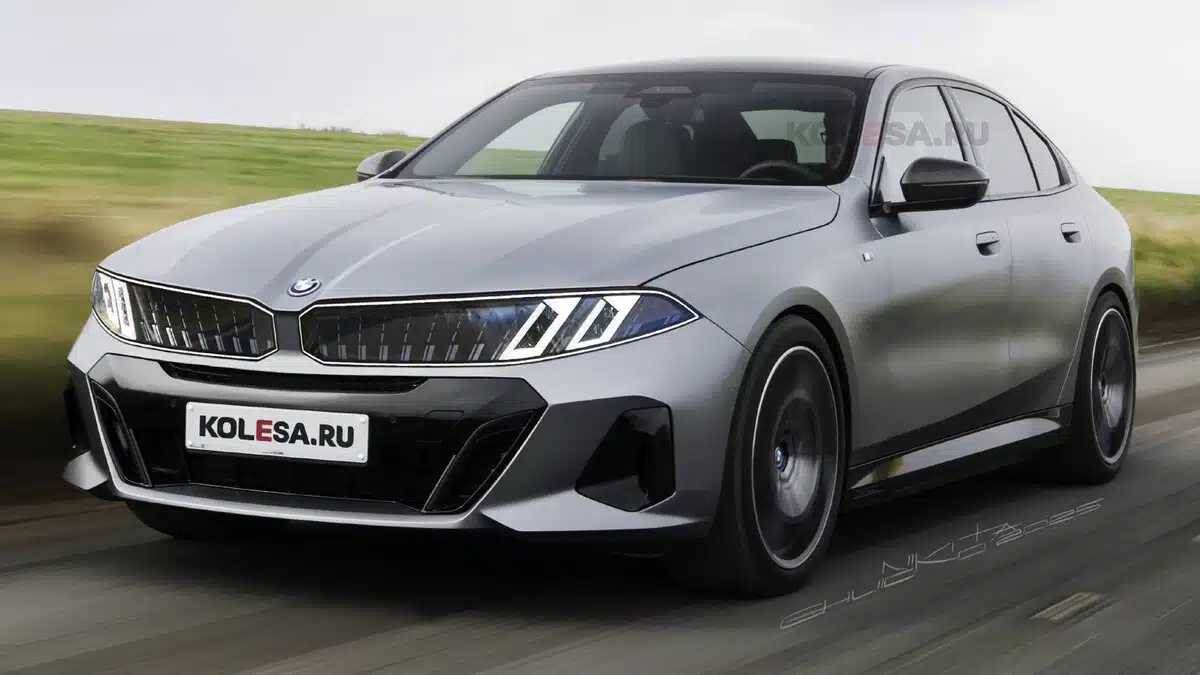
The BMW 5 Series occupies a special place in BMW’s lineup. It is larger and more luxurious than the 3 Series, but it stops short of the flagship presence of the 7 Series. That middle position has made the 5 Series one of BMW’s most recognizable executive cars.
The modern 5 Series also represents how dramatically the luxury sedan has evolved. Alongside gasoline-powered versions, BMW offers electrified options such as the BMW i5, while the M5 takes the formula into high-performance territory.
Here are 10 things that define the BMW 5 Series.
1. The BMW 5 Series Is BMW’s Executive Sedan
The 5 Series sits between the 3 Series and 7 Series. That positioning gives it a different purpose from both. The 3 Series is smaller and more closely associated with the compact sport-sedan segment. The 7 Series is BMW’s flagship luxury sedan, with greater emphasis on rear-seat comfort, technology, and prestige.
The 5 Series occupies the middle ground. It offers substantial cabin space, premium technology, and long-distance comfort while retaining the driving character expected from a BMW.
2. The 5 Series Has Been Part of BMW’s Lineup for Decades
The first-generation 5 Series arrived in the 1970s, establishing a new category for BMW between its smaller sedans and flagship models. Since then, the 5 Series has gone through multiple generations. Its dimensions, technology, and powertrains have changed considerably, but the basic formula has remained remarkably consistent:
executive-car comfort with a driver’s-car personality. That combination helped make the 5 Series one of BMW’s most recognizable nameplates.
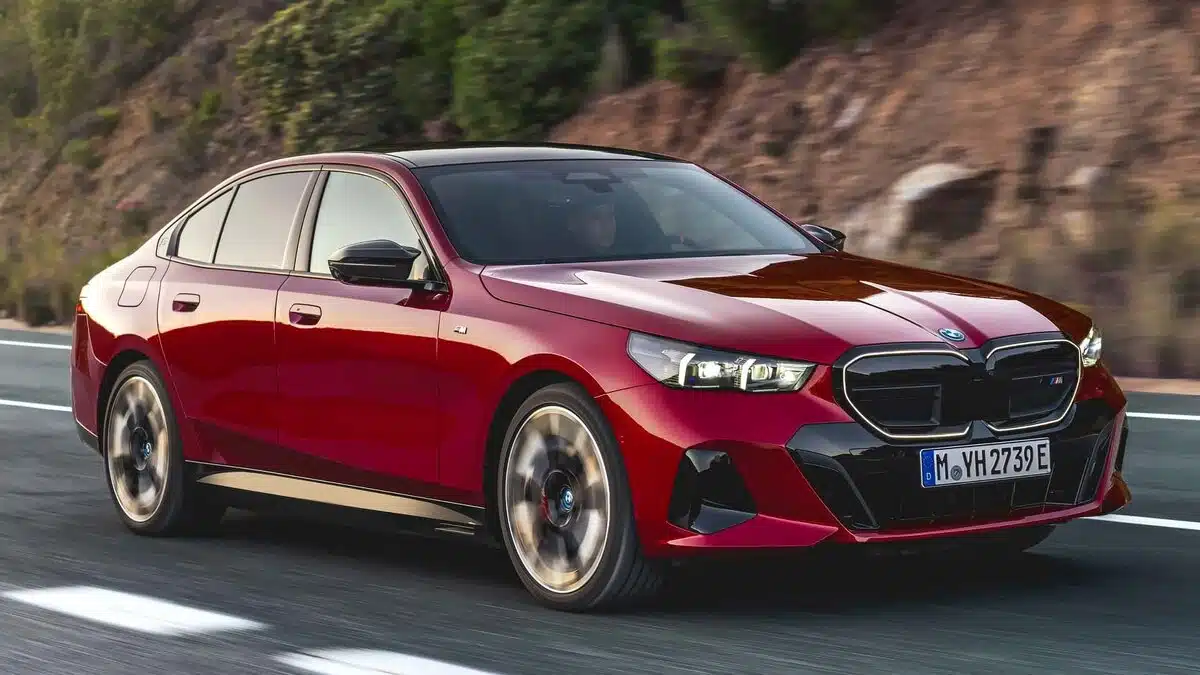
3. The Current 5 Series Has a Strong Focus on Technology
Modern luxury cars are increasingly defined by their technology, and the latest 5 Series reflects that shift. The current generation features BMW’s curved display concept, digital controls, connected services, and advanced driver-assistance technology. Depending on specification, buyers can also find features designed around comfort, personalization, and premium entertainment.
This makes the modern 5 Series substantially different from earlier generations, where the driving experience and mechanical hardware dominated the ownership experience.
4. The BMW 530i Represents the Everyday Side of the 5 Series
The BMW 530i provides a relatively accessible entry point into the current 5 Series range. It uses a turbocharged four-cylinder engine with mild-hybrid technology in the current U.S. specification. The goal isn’t simply maximum performance.
Instead, the 530i is designed to combine strong everyday performance with the space, comfort, and technology expected from an executive sedan. For many buyers, that’s precisely what a 5 Series should do.
5. The 540i Adds a Six-Cylinder Character
The BMW 540i moves the 5 Series toward stronger performance. BMW’s current U.S. 540i xDrive uses a turbocharged 3.0-liter inline-six with mild-hybrid technology.
The inline-six has long been associated with BMW’s performance identity, and its smooth delivery gives the 540i a different personality from the four-cylinder models. It’s still a luxury sedan first, but it provides a stronger connection to BMW’s performance heritage.
6. The BMW i5 Brings Electric Power to the 5 Series Family
One of the biggest changes to the modern 5 Series is the arrival of the BMW i5. Rather than creating a completely unrelated electric sedan, BMW positioned the i5 alongside the conventional 5 Series. That makes the model easier to understand.
The traditional 5 Series provides gasoline-powered options, while the i5 brings fully electric power into the same executive-sedan space. BMW offers different i5 configurations depending on the market, including the i5 eDrive40 and higher-performance i5 M60 xDrive. This approach gives buyers the choice between different powertrain technologies while remaining within the same general vehicle category.
7. The M5 Takes the 5 Series Into Performance Territory
The BMW M5 is where the 5 Series becomes something considerably more aggressive. BMW M transforms the executive sedan with a performance-oriented powertrain, chassis tuning, braking hardware, and other engineering changes. The latest M5 also represents BMW’s move toward electrification, combining a high-output combustion engine with an electric motor.
That means the modern M5 isn’t simply about making a large sedan faster. It demonstrates how BMW is attempting to combine electrification with the performance character traditionally associated with the M5 name.
8. The 5 Series Is Designed for Long-Distance Driving
One of the strongest arguments for a 5 Series is its ability to cover long distances without feeling like a compromise. The larger cabin, comfortable seats, sophisticated suspension, and extensive technology make it well suited to highway travel. At the same time, BMW retains a driving-focused setup that separates the 5 Series from some softer luxury sedans. That balance is a major part of the car’s identity.
9. The 5 Series Is More Than Just a Bigger 3 Series
It can be tempting to think of the 5 Series as simply an enlarged 3 Series. The difference is more significant than that.
The 5 Series has a greater emphasis on:
- Cabin space
- Long-distance comfort
- Luxury equipment
- Technology
- Executive-car presence
The 3 Series remains more compact and agile in its overall positioning. The 5 Series is intended to feel more substantial without abandoning BMW’s driving philosophy.
10. The 5 Series Sits at the Center of BMW’s Luxury Sedan Range
The 5 Series has an unusual role because it can appeal to several different types of buyers. Someone moving up from a 3 Series may want more space. A luxury-car buyer may want something more driver-focused than a traditional flagship sedan. An electric-car buyer can choose the i5. And a performance enthusiast can move into the M5. That flexibility helps explain why the 5 Series remains such an important part of BMW’s global lineup.
BMW 5 Series vs. BMW 3 Series
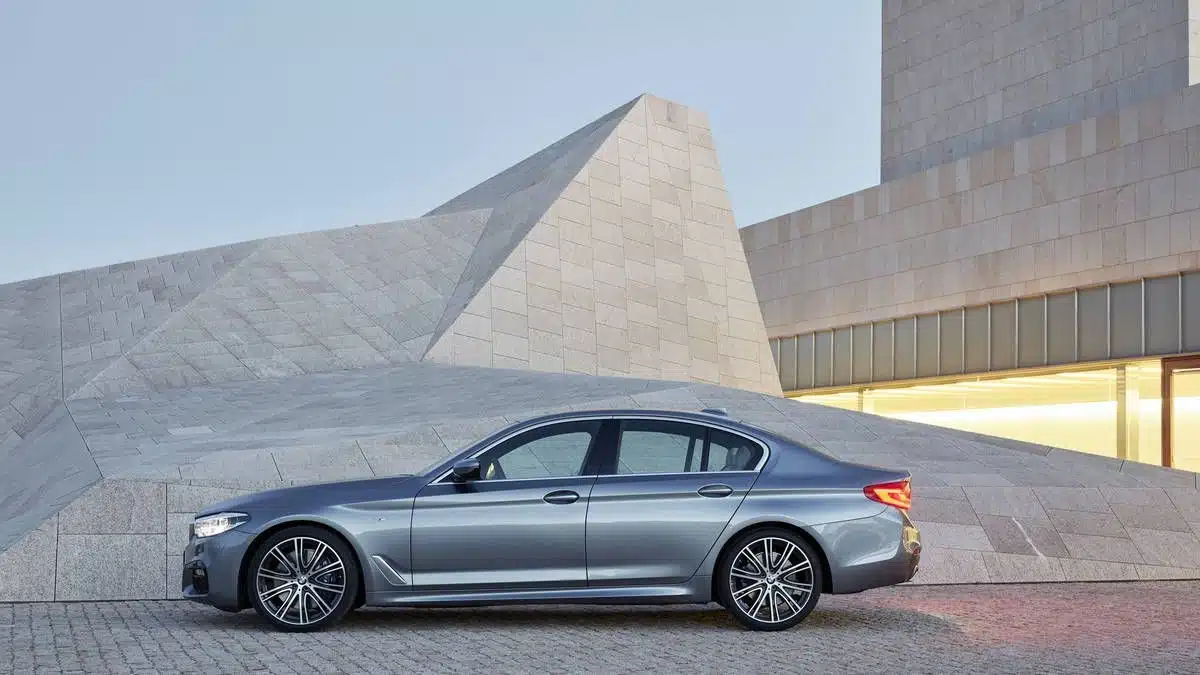
The 3 Series is smaller and more focused on the compact sport-sedan category. The 5 Series provides more space, a larger cabin, and a stronger executive-car character.
If city maneuverability and a smaller footprint are priorities, the 3 Series may make more sense. If long-distance comfort and additional interior space matter more, the 5 Series moves the experience further toward luxury.
BMW 5 Series vs. BMW 7 Series
The 7 Series sits above the 5 Series as BMW’s flagship sedan. It places greater emphasis on rear-seat comfort, advanced luxury equipment, and flagship-level technology. The 5 Series is more restrained in size and positioning while maintaining a stronger balance between luxury and driving involvement.
In simple terms:
5 Series: executive luxury with a driver’s focus.
7 Series: flagship luxury with a stronger emphasis on ultimate comfort and technology.
BMW 5 Series Model Guide
| Model | General character |
| 530i | Everyday luxury 5 Series |
| 530i xDrive | 5 Series with all-wheel drive |
| 540i xDrive | Six-cylinder performance-oriented sedan |
| i5 eDrive40 | Fully electric 5 Series alternative |
| i5 M60 xDrive | High-performance electric 5 Series |
| M5 | BMW M performance flagship of the 5 Series family |
Exact models, specifications and availability vary by market and model year.
Final Thoughts
The BMW 5 Series has always occupied the space where performance and luxury meet. The 530i delivers the everyday side of the formula. The 540i adds BMW’s familiar six-cylinder character. The i5 brings full electrification, while the M5 pushes the nameplate into serious performance territory.
That makes the 5 Series more than a larger BMW sedan. It is the model that connects BMW’s traditional sport-sedan heritage with the modern luxury-car world, and increasingly, with the electric future.
Frequently Asked Questions
Is the BMW 5 Series a luxury car?
Yes. The 5 Series is BMW’s executive luxury sedan and sits above the 3 Series in the traditional sedan lineup.
Is the BMW 5 Series bigger than the 3 Series?
Yes. The 5 Series occupies a larger vehicle segment and provides a more spacious, executive-oriented cabin.
What is the BMW i5?
The i5 is the fully electric member of BMW’s 5 Series family.
What is the BMW M5?
The M5 is BMW M’s high-performance interpretation of the 5 Series.
Is the BMW 540i a six-cylinder?
The current 540i xDrive uses BMW’s turbocharged 3.0-liter inline-six with mild-hybrid technology in the U.S. market.
Is the BMW 5 Series good for long-distance driving?
Its larger cabin, comfort-oriented equipment, and executive-car design make long-distance travel an important part of the 5 Series concept.
What is the difference between the 5 Series and 7 Series?
The 5 Series is positioned as an executive sedan, while the 7 Series is BMW’s flagship luxury sedan with a greater emphasis on ultimate comfort, rear-seat space and technology.