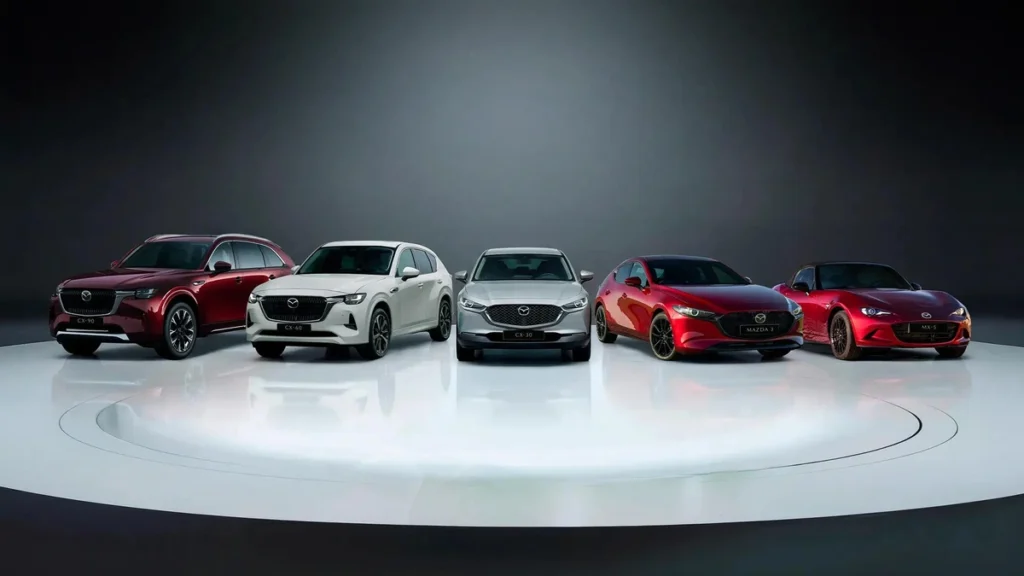
Mazda cars are known for their distinctive styling, engaging driving experience, carefully designed interiors, and range of practical vehicles. The Japanese automaker offers compact cars, family SUVs, and sports cars for drivers with different budgets and preferences.
Whether you want an economical commuter car, a comfortable family SUV, or a lightweight sports car, Mazda has several models worth considering. The best choice depends on your budget, passenger requirements, driving habits, and preferred features.
This guide covers popular Mazda models, reliability, fuel economy, ownership costs, and what to check before buying a new or used vehicle.
What Makes Mazda Cars Popular?
Engaging Driving Experience
Many Mazda vehicles emphasize responsive steering, predictable handling, and a connected feel on the road. This approach appeals to drivers who want everyday transportation that remains enjoyable on highways and winding roads.
Distinctive Exterior Styling
Mazda uses sculpted body panels, flowing lines, and restrained detailing across much of its lineup. Its designs often favor an elegant, refined appearance over aggressive styling.
Comfortable Interiors
Many Mazda models feature supportive seating, carefully arranged controls, and driver-focused dashboards. Higher trims may include leather upholstery, upgraded audio systems, heated seats, and additional convenience features.
Equipment varies by model year and trim, so buyers should compare the specifications of individual vehicles.
Efficient Powertrains
Mazda offers gasoline engines and, in selected models and markets, turbocharged or electrified powertrains. Fuel economy depends on the engine, transmission, drivetrain, vehicle size, and driving conditions.
Popular Mazda Cars and Models
Mazda3
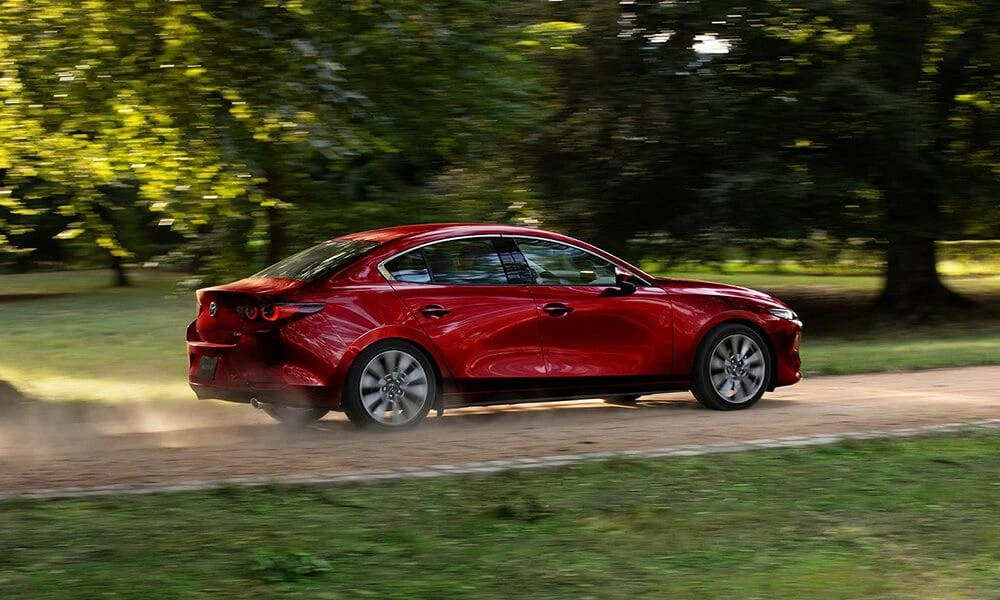
The Mazda3 is a compact car available as a sedan or hatchback in many markets. It suits drivers who want manageable dimensions, attractive styling, and responsive handling.
Depending on the model year and trim, the Mazda3 may offer naturally aspirated or turbocharged engine options. Buyers should compare passenger space, fuel economy, safety equipment, and cargo capacity.
Mazda CX-5
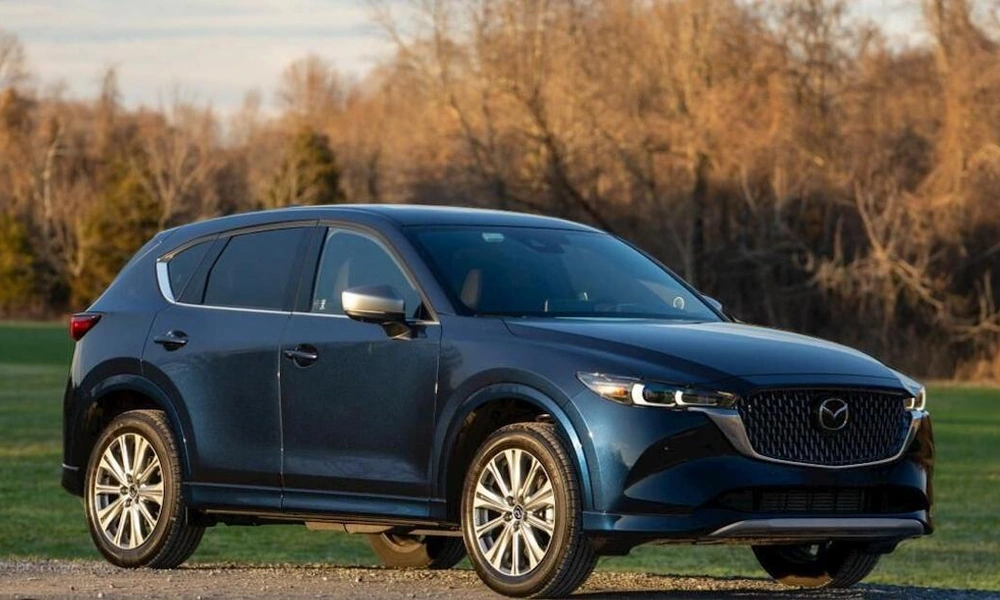
The Mazda CX-5 is a compact SUV designed for daily commuting and family use. It offers a practical cabin, useful cargo space, and available all-wheel drive on applicable versions.
The CX-5 may appeal to buyers who want the flexibility of an SUV without moving to a larger vehicle. Before purchasing, compare rear-seat space, luggage capacity, fuel consumption, and available safety features.
Mazda CX-50
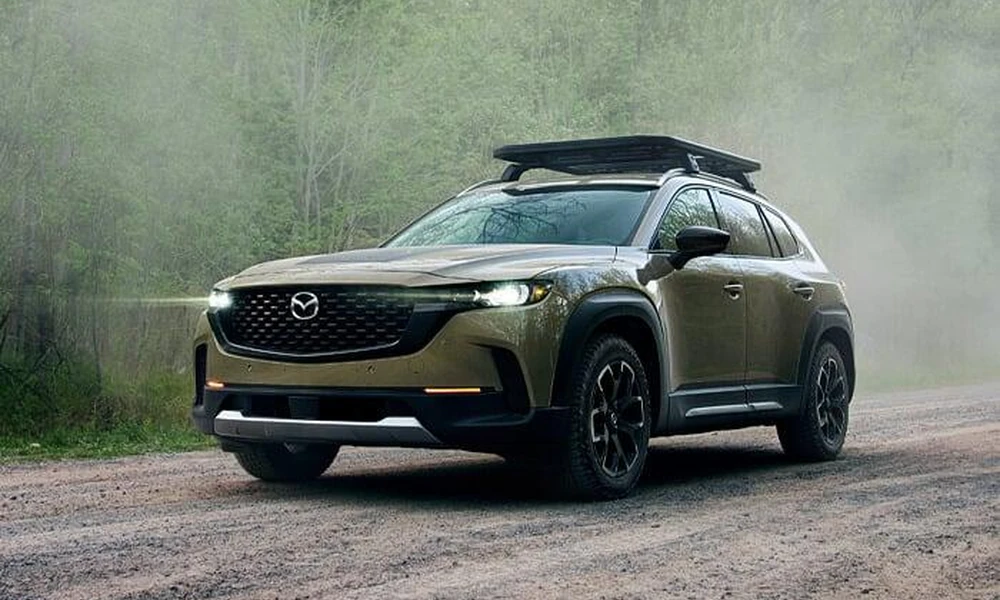
The Mazda CX-50 is a crossover with a rugged design and a practical cargo area. It is intended for drivers who want everyday comfort with a more adventure-oriented appearance.
Available equipment and powertrains vary by market and model year. Compare its dimensions, ride comfort, cargo capacity, and drivetrain options with other compact SUVs.
Mazda CX-90
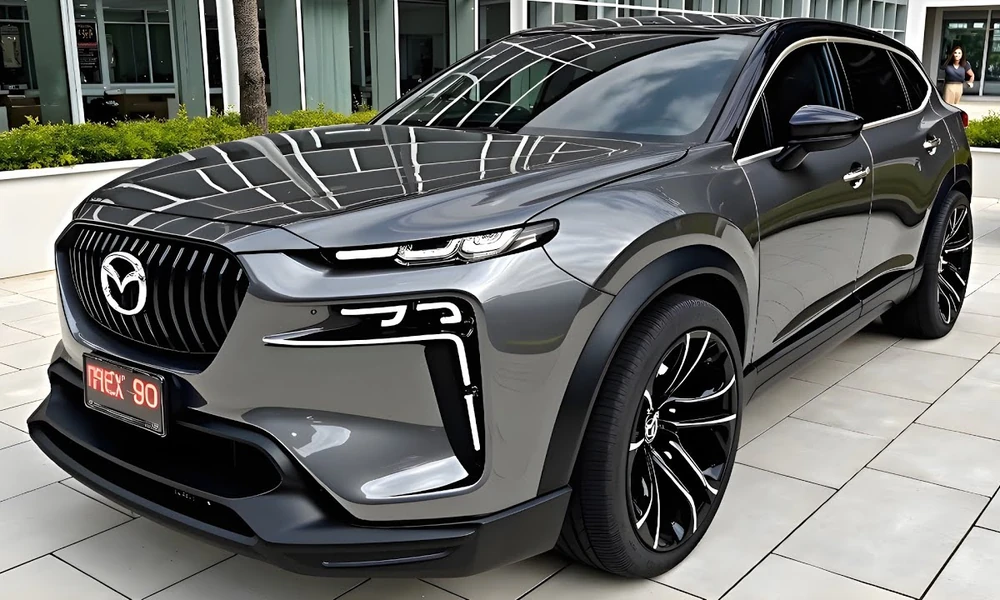
The Mazda CX-90 is a larger SUV with three-row seating. It is designed for families who need additional passenger capacity and a more substantial vehicle.
Some versions offer electrified powertrains, depending on the market and model year. Buyers should test the third row, check luggage space with all seats in use, and compare fuel economy and maintenance costs.
Mazda MX-5 Miata
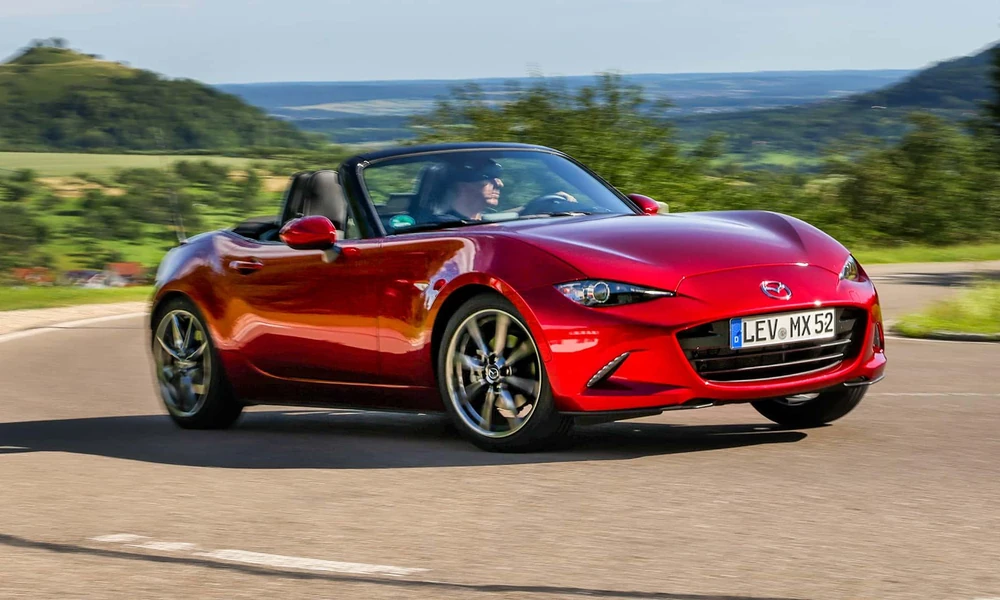
The Mazda MX-5 Miata is a lightweight, two-seat sports car known for nimble handling and its open-top driving experience.
Rather than prioritizing passenger space or cargo capacity, the MX-5 focuses on driver involvement and enjoyable road manners. It may suit enthusiasts looking for a compact sports car, although its limited storage and two-seat layout make it less practical for some households.
Other Mazda Models
Depending on the market, Mazda’s lineup may also include the CX-30, CX-70, Mazda2, and other vehicles.
These models serve different needs, from smaller urban crossovers to larger SUVs. Availability changes by country and model year, so confirm the current lineup in your market.
Are Mazda Cars Reliable?

Mazda has a reputation for producing well-engineered vehicles, but reliability varies by model, model year, maintenance history, and previous use.
A well-maintained Mazda can be a sensible long-term ownership choice. However, no manufacturer is free from mechanical problems, and reliability ratings can differ between generations.
Before buying, review:
- Maintenance and service records.
- Recall history and completed recall repairs.
- Engine and transmission condition.
- Evidence of leaks, corrosion, or accident repairs.
- Reliability information for the specific model year.
- Remaining warranty coverage.
For a used Mazda, arrange an independent mechanical inspection. It can help identify problems that may not be obvious during a short test drive.
Mazda Cars and Fuel Economy
Fuel efficiency varies considerably across Mazda’s lineup.
Compact models such as the Mazda3 generally use less fuel than larger SUVs, although engine and drivetrain choices affect the result. Larger vehicles such as the CX-90 may provide more space and performance but can consume more fuel.
To estimate running costs, consider your annual mileage, local fuel prices, and typical driving conditions.
Heavy traffic, frequent short trips, high highway speeds, and extensive air-conditioning use can all affect actual fuel consumption. Compare official estimates for the exact model and configuration rather than assuming every version performs identically.
Mazda vs. Toyota and Honda
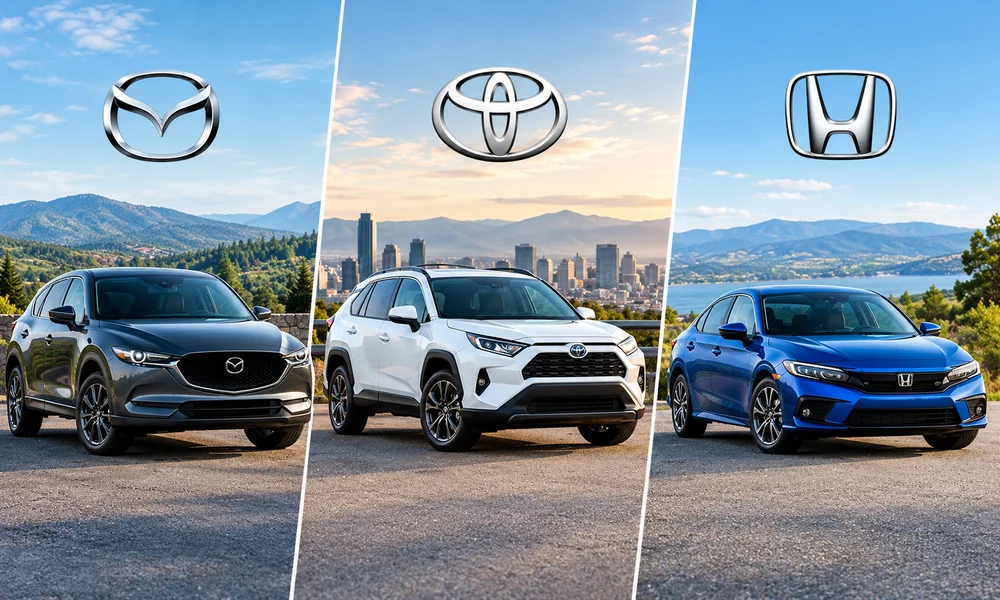
| Feature | Mazda | Toyota | Honda |
| Driving character | Often emphasizes responsive handling | Broad lineup with a strong focus on practicality and efficiency | Balances comfort, practicality, and handling |
| Vehicle range | Compact cars, SUVs, and sports cars | Cars, SUVs, trucks, hybrids, and other categories | Cars, SUVs, minivans, and selected electrified models |
| Interior design | Often restrained and driver-focused | Varies by model and trim | Often emphasizes usability and passenger space |
| Hybrid availability | Depends on model and market | Broad hybrid selection in many markets | Hybrid options available in selected models and markets |
| Best comparison method | Compare the exact model and trim | Compare the exact model and trim | Compare the exact model and trim |
There is no universal winner. Compare vehicles in the same category and price range, focusing on comfort, safety, fuel economy, reliability information, warranty coverage, and total ownership costs.
How Much Do Mazda Cars Cost?
Mazda prices depend on the model, trim, engine, optional equipment, location, and whether the vehicle is new or used.
A compact Mazda3 occupies a different price category from a larger three-row CX-90. Higher trims and turbocharged or electrified configurations may cost more than entry-level versions.
When setting your budget, include:
- Purchase price, taxes, and registration.
- Insurance premiums.
- Fuel and routine maintenance.
- Tires and replacement parts.
- Financing charges.
- Depreciation and potential resale value.
For used vehicles, compare cars with similar mileage, condition, equipment, and service histories. A lower purchase price may not represent good value if the car needs major repairs.
Buying a Used Mazda: What to Check

Used Mazda cars can offer good value when the vehicle has a documented maintenance history and a reasonable asking price.
Review the Service History
Ask for records of routine servicing and major repairs. Check whether recommended maintenance has been completed according to the vehicle’s requirements.
Inspect the Engine and Transmission
Look for unusual noises, fluid leaks, rough shifting, warning lights, or inconsistent acceleration. A qualified mechanic can assess these components more thoroughly.
Check the Body and Undercarriage
Look for evidence of accident repairs, uneven panel gaps, corrosion, and damage underneath the vehicle. The condition can vary significantly depending on climate and previous use.
Test the Technology
Verify that the infotainment screen, cameras, parking sensors, climate controls, windows, and electrical features work correctly.
Confirm the Vehicle History
Check the VIN, ownership documents, mileage records, title status, and relevant recall information. Make sure the paperwork matches the vehicle.
Are Mazda Cars Good for Families?
Several Mazda SUVs can work well for families, depending on passenger numbers and cargo requirements.
The CX-5 may suit smaller households, while the CX-90 offers three-row seating for families who need more passenger capacity. The CX-30 is a smaller option for drivers who prioritize maneuverability.
Before buying, test rear-seat space, child-seat installation, luggage capacity, visibility, and ease of entry. If you frequently carry adults in the third row, try those seats in person rather than relying only on specifications.
Frequently Asked Questions About Mazda Cars
Are Mazda cars good to buy?
Mazda can be a strong choice for buyers who value styling, driving dynamics, and practical interiors. The best option depends on the individual model, price, reliability information, and vehicle condition.
Which Mazda car is best?
The Mazda3 may suit compact-car buyers, the CX-5 may work well for many small families, and the MX-5 Miata is designed for drivers who want a lightweight sports car. Your needs and budget should determine the final choice.
Do Mazda cars last a long time?
A Mazda can provide many years of service when properly maintained, but longevity depends on the model, driving conditions, service history, and repairs. Regular maintenance and timely attention to problems are important.
Are Mazda cars expensive to maintain?
Maintenance costs vary by model, location, parts availability, and repair needs. Compare local service estimates and insurance quotes for the specific vehicle before buying.
Are Mazda SUVs good in winter?
Selected Mazda SUVs offer all-wheel drive, which can help with traction when accelerating on slippery surfaces. Appropriate tires, safe driving, and proper maintenance remain essential in winter conditions.
Does Mazda make hybrid cars?
Mazda offers electrified powertrains in selected vehicles and markets. Availability changes by model year and region, so check the manufacturer’s specifications for the exact vehicle.
Final Verdict
Mazda cars offer a combination of distinctive styling, engaging driving characteristics, and practical vehicle choices. The Mazda3 suits compact-car buyers, the CX-5 and CX-50 serve different crossover preferences, the CX-90 provides additional passenger capacity, and the MX-5 Miata focuses on sports-car enjoyment.
Before choosing a Mazda, compare the specific model year and trim, review reliability information, calculate ownership costs, and arrange a thorough inspection for used vehicles. The best Mazda is the one that meets your needs while fitting your budget.
Disclaimer: This article is provided for general informational and educational purposes only and does not promote or endorse any product, service, brand, or individual. Details may change, and no guarantee is made regarding completeness or accuracy.