
Facebook Marketplace cars listings allow people to discover vehicles offered by private sellers and businesses through Facebook’s online marketplace. Depending on the location, available listings may include used sedans, SUVs, trucks, luxury cars, project vehicles, and older cars sold at different price points.
The platform can help buyers compare local listings and contact sellers directly. However, a listing is not a guarantee that a vehicle exists, is accurately described, or is legally available for sale. Buyers should independently verify the seller, inspect the vehicle, review its ownership documents, and avoid sending money before confirming the transaction is legitimate.
Whether you want an affordable commuter car or plan to sell your current vehicle, a careful approach can make Facebook Marketplace a useful starting point.
How to Find Cars on Facebook Marketplace
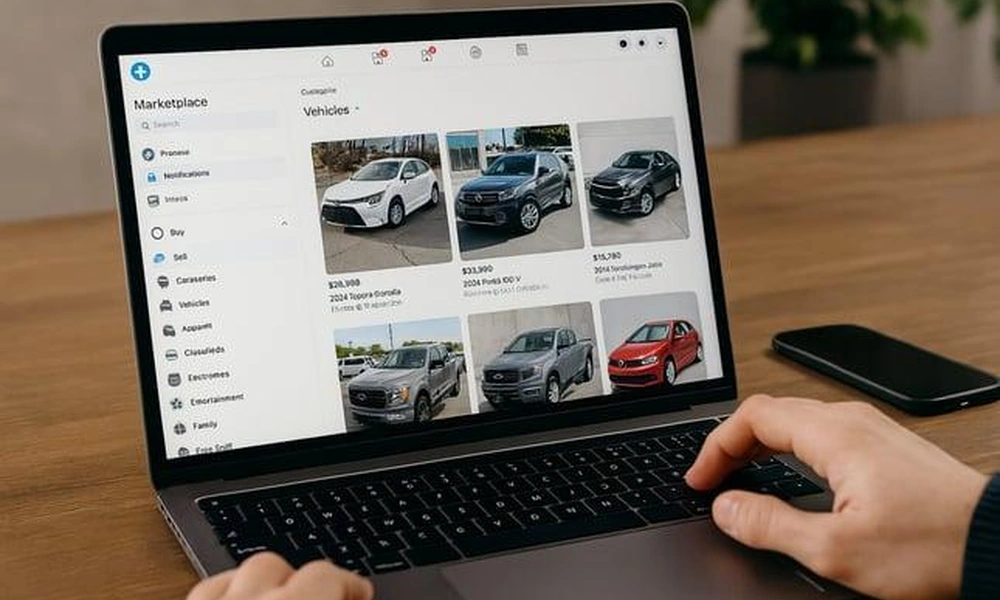
Finding vehicles begins with narrowing the search to your location, budget, and requirements.
Search by Location
Open Facebook Marketplace and look for the vehicle category. Set your preferred location and search radius where those options are available.
A wider search radius may reveal more vehicles, but remember to account for travel costs and the time required to inspect a car in person.
Set a Realistic Budget
Decide how much you can spend before contacting sellers. Include potential expenses beyond the advertised price, such as:
- Taxes and registration fees.
- Insurance.
- Immediate maintenance or repairs.
- Inspection costs.
- Fuel or charging expenses.
- Transportation if the car is not nearby.
A low asking price may be attractive, but it does not necessarily mean the vehicle offers good value.
Compare Similar Listings
Compare vehicles with similar model years, mileage, trim levels, mechanical condition, and ownership history.
Look for listings that provide clear photographs, detailed descriptions, maintenance information, and a reasonable explanation of the asking price.
Be cautious when a vehicle is priced far below comparable cars without a convincing explanation.
What Types of Cars Can You Find?

Facebook Marketplace vehicle listings vary by location and seller.
Affordable Used Cars
Older compact cars and sedans may suit buyers who need basic transportation without spending heavily on a newer vehicle.
Check the condition of the engine, transmission, brakes, tires, suspension, and cooling system. Older vehicles can have low purchase prices but significant maintenance needs.
SUVs and Family Vehicles
SUVs and minivans can offer additional passenger and cargo space.
Check seat belts, child-seat compatibility, air conditioning, safety features, and the condition of components such as the suspension and tires.
Luxury Cars
Used luxury vehicles may appear affordable compared with their original prices. However, maintenance, parts, and insurance can be considerably more expensive than for mainstream models.
Review the service history and obtain an independent inspection before making a commitment.
Trucks and Work Vehicles
Pickup trucks and other work vehicles can be useful for hauling and commercial activities.
Inspect the frame, suspension, tires, towing equipment, and evidence of heavy use. Confirm the vehicle’s rated payload and towing capacity rather than relying only on the seller’s description.
Project Cars
Some sellers offer vehicles that need mechanical repairs or restoration.
These cars may appeal to experienced enthusiasts, but repair costs can exceed expectations. Before buying, identify the major problems and estimate the full cost of making the vehicle roadworthy.
How to Check Whether a Facebook Marketplace Car Is Legitimate
A convincing advertisement does not prove that a listing is genuine. Verify the details before arranging payment.
Examine the Listing
Look for consistent information about the model, year, mileage, condition, and price. Be cautious if the description contains contradictory details or if the seller avoids answering basic questions.
Photographs that appear elsewhere online or do not match the vehicle’s description can be warning signs.
Verify the Seller
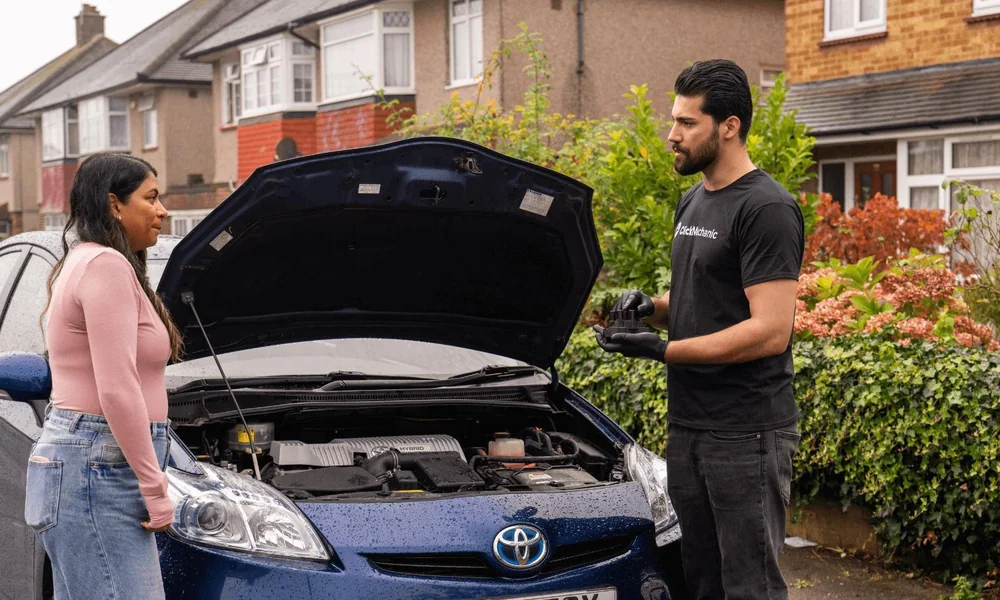
Ask questions about the car’s ownership, maintenance, and reason for selling. Confirm that the person showing the vehicle has the authority to sell it.
A seller who refuses a reasonable in-person inspection or pressures you to make an immediate deposit deserves extra caution.
Ask for the Vehicle Identification Number
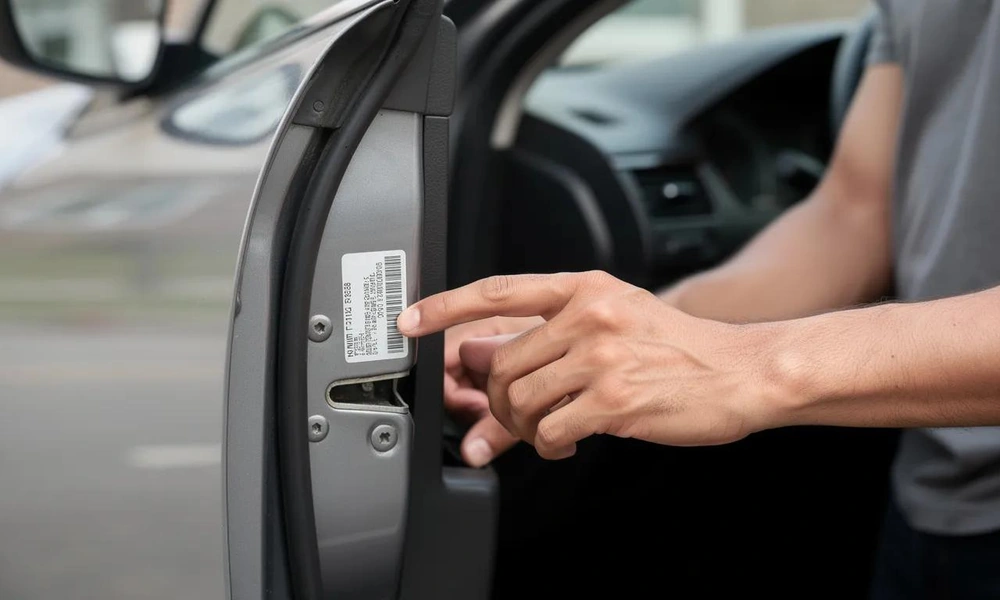
Where applicable, request the vehicle identification number (VIN) and compare it with the number displayed on the vehicle and its paperwork.
Use an appropriate vehicle-history service to check available accident, title, and mileage records. These reports can be incomplete, so they should not replace a physical inspection.
Be Alert to Common Scams
Potential warning signs include:
- Requests for deposits before you see the car.
- Pressure to pay through gift cards, cryptocurrency, or unusual payment services.
- Sellers claiming that a third party will deliver the car after payment.
- Fake escrow services or payment confirmations.
- Requests to purchase vehicle-history reports through an unfamiliar, seller-selected website.
- Refusal to provide ownership documents or allow an independent inspection.
Keep communication and payment arrangements transparent. Do not rely on screenshots as proof that a payment has cleared.
How to Inspect a Car Before Buying
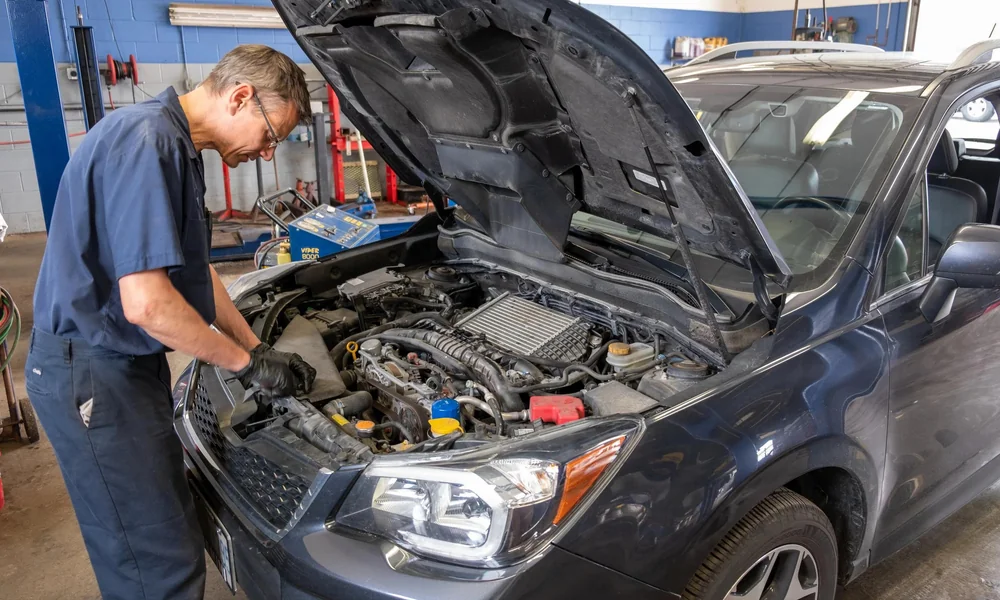
An in-person inspection is one of the most important steps in buying a used vehicle.
Check the Exterior
Look for mismatched paint, uneven body panels, dents, rust, damaged glass, and signs of previous repairs.
Inspect the tires for uneven wear, which may indicate alignment, suspension, or maintenance problems.
Check the Interior
Test the air conditioning, heating, lights, windows, locks, seat adjustments, and infotainment system.
Look for water damage, unusual odors, warning lights, and excessive wear that does not match the advertised mileage.
Inspect the Engine and Mechanical Components
With the engine off and cool, look for obvious leaks, damaged hoses, and signs of poor maintenance.
A qualified mechanic should inspect the engine, transmission, brakes, suspension, cooling system, and other critical components.
Take a Test Drive
If the vehicle is safe and legally permitted to be driven, test it under suitable conditions.
Pay attention to braking, steering, acceleration, transmission behavior, unusual noises, and warning lights. Do not proceed if the seller refuses reasonable testing or the car appears unsafe.
Review the Documents
Confirm that the vehicle identification number matches the paperwork and that the seller has the legal authority to transfer ownership.
Check the title status, outstanding finance or liens where applicable, and local requirements for registration and transfer.
How to Negotiate a Car Price

Negotiation should be based on comparable listings and the vehicle’s actual condition.
Start by researching the typical asking prices for similar cars. During the inspection, document legitimate concerns such as worn tires, overdue maintenance, or mechanical problems.
Ask the seller whether the price is negotiable and make a reasonable offer supported by your research.
Avoid making a decision simply because another buyer may be interested. A vehicle with unclear ownership, unexplained damage, or a suspicious payment arrangement is not worth rushing into.
Before paying, agree on the final price, any included accessories, the payment method, and the arrangements for transferring ownership.
How to Sell a Car on Facebook Marketplace
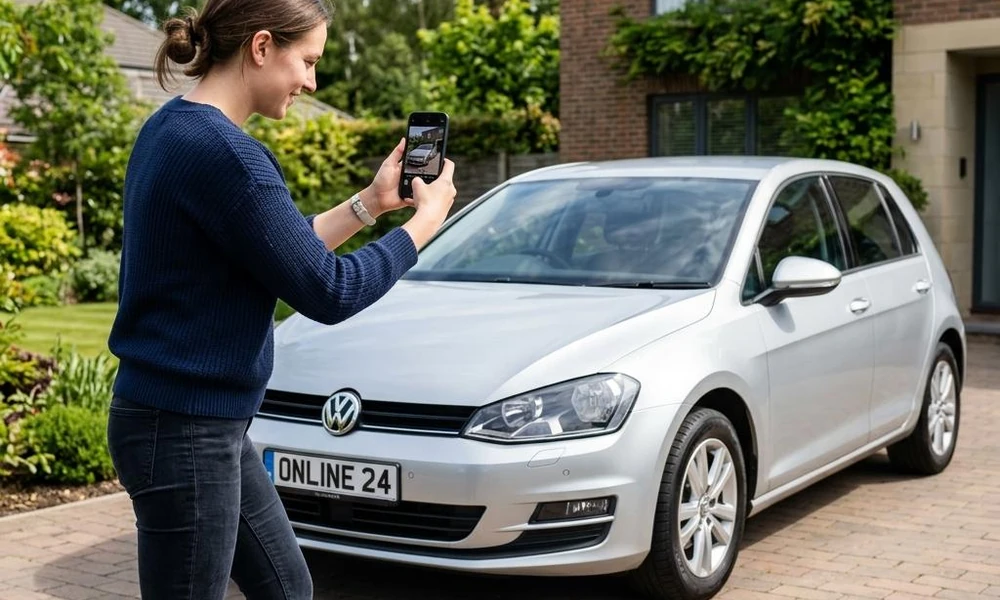
Facebook Marketplace can also help vehicle owners reach potential local buyers.
Create an Accurate Listing
Include the make, model, year, mileage, transmission, engine type, trim, asking price, and general condition.
Describe known mechanical problems honestly. Clear and accurate information helps attract buyers who understand what the vehicle offers.
Add Clear Photographs
Take photographs of the exterior, interior, dashboard, odometer, tires, and relevant features in good lighting.
Include images of significant damage rather than hiding it. Accurate photographs can reduce unnecessary questions and misunderstandings.
Set a Competitive Price
Compare similar listings and account for the vehicle’s mileage, condition, service history, and local demand.
Leave room for reasonable negotiation if that suits your selling strategy, but avoid an unrealistic asking price.
Communicate Carefully
Answer questions clearly and arrange viewings in a safe, public location when practical. Avoid sharing unnecessary personal information or sensitive documents with strangers.
Complete the Sale Properly
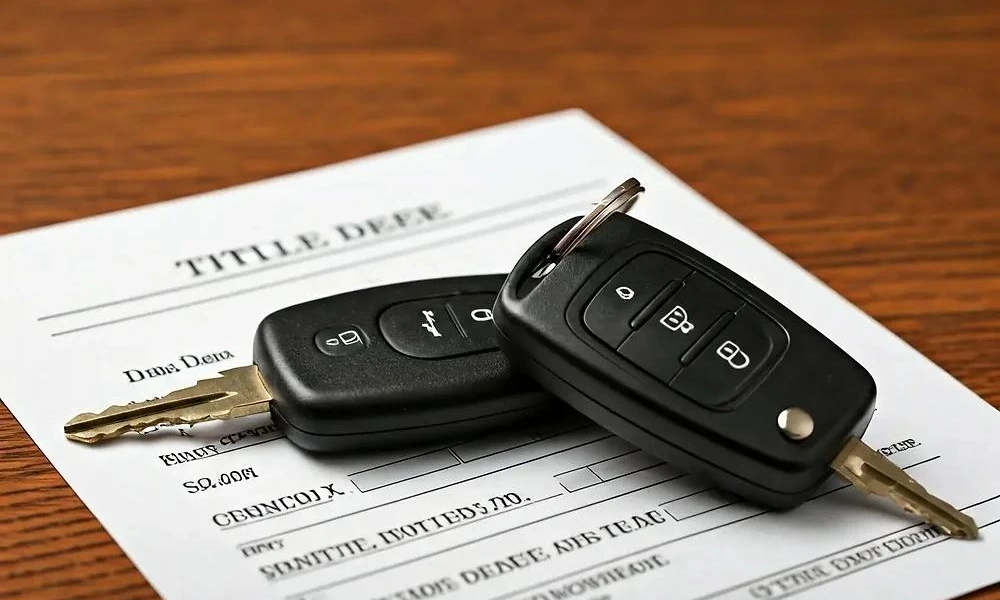
Use a secure, verifiable payment method. Confirm that funds have cleared before handing over the keys or vehicle.
Complete the title transfer, registration paperwork, and any required notifications according to local law. Keep copies of the signed documents and payment records.
Facebook Marketplace Cars vs. Dealerships
| Factor | Facebook Marketplace | Dealership |
| Seller types | Private sellers and businesses | Usually professional vehicle sellers |
| Price comparison | Requires individual research | May offer several vehicles and financing options |
| Vehicle condition | Varies by listing | Varies by dealer and vehicle |
| Financing | Often arranged independently for private sales | May offer financing options |
| Inspection | Buyers should arrange independent checks | Independent checks may still be advisable |
| Buyer protection | Depends on the transaction and applicable law | Depends on the seller, warranty, and applicable law |
Neither option guarantees a problem-free car. The seller, vehicle condition, paperwork, and terms of sale matter more than the platform alone.
Frequently Asked Questions About Facebook Marketplace Cars
Are cars on Facebook Marketplace cheaper?
Some listings may be priced competitively, particularly private-party sales. However, prices vary by vehicle, condition, mileage, location, and seller. Compare similar cars before deciding whether a listing is a good deal.
Is Facebook Marketplace safe for buying a car?
It can be used safely with appropriate precautions, but scams and misleading listings are possible. Verify the seller and ownership documents, inspect the vehicle in person, and avoid paying deposits before confirming the transaction.
Can I buy a car on Facebook Marketplace without seeing it?
Buying without an in-person inspection increases the risk of fraud and unexpected repairs. Whenever possible, inspect the vehicle yourself or arrange an independent inspection before sending payment.
Should I pay a deposit to reserve a car?
Be cautious about deposits, especially when you have not seen the vehicle or verified the seller. If a deposit is genuinely necessary, confirm the seller’s identity, ownership, written terms, and refund conditions first.
How can I check a car’s history?
Request the VIN and use an appropriate vehicle-history service. Compare the report with the vehicle and its paperwork, and remember that not every accident or repair will necessarily appear in the report.
Can I sell my car through Facebook Marketplace?
Vehicle listings may be available through Marketplace depending on your location and Facebook’s current features and policies. Follow the platform’s rules and complete the sale using the legally required ownership-transfer process.
Final Verdict
Facebook Marketplace cars listings can help buyers explore local vehicles and give sellers a way to reach potential customers. The platform offers convenience, but the quality of listings and the reliability of sellers vary.
Compare similar vehicles, verify the seller and paperwork, arrange an independent inspection, and use secure payment methods. Taking time to check the details can help you avoid scams and choose a vehicle that fits your budget and needs.
Disclaimer: This article is provided for general informational and educational purposes only and does not promote or endorse any product, service, brand, or individual. Details may change, and no guarantee is made regarding completeness or accuracy.