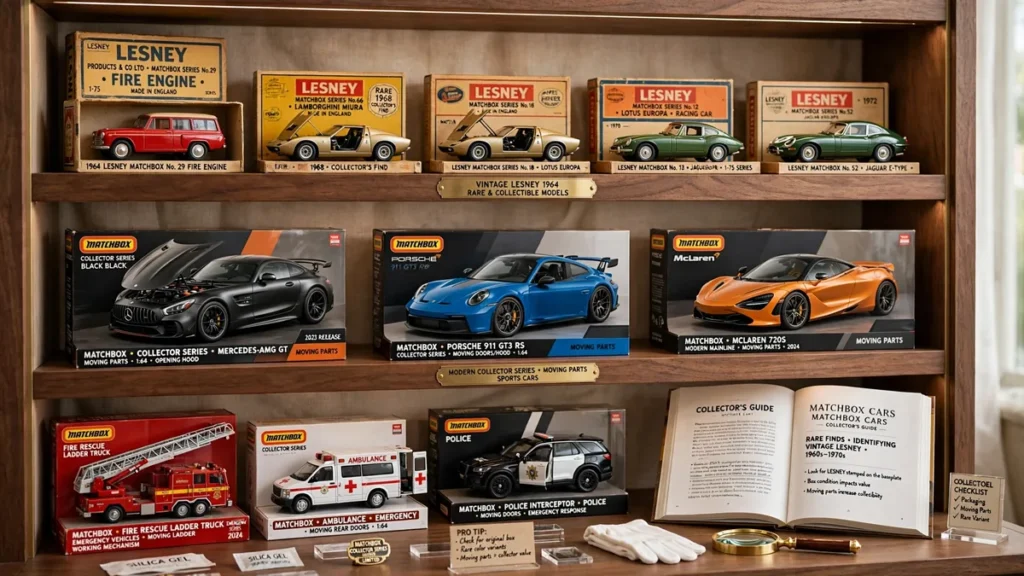
Matchbox cars are miniature vehicles known for their realistic designs, recognizable everyday vehicles, and long history as collectible toys. The brand began in the United Kingdom in the 1950s and became famous for making small cars, trucks, emergency vehicles, and other models that could fit inside a matchbox-sized package.
Today, Matchbox appeals to both children who enjoy imaginative play and adult collectors interested in classic automobiles, unusual castings, and vintage releases. Its lineup includes miniature versions of everyday road vehicles, construction equipment, public service vehicles, and off-road models.
Whether you are starting a collection or searching for a particular vintage model, understanding the brand’s history, different product lines, and factors that influence collectible value can help you make informed choices.
What Are Matchbox Cars?
Matchbox is a miniature vehicle brand originally developed by the British company Lesney Products. The first Matchbox vehicles appeared in the early 1950s, and their compact packaging helped establish the brand’s identity.
The name became associated with small die-cast vehicles that reproduced familiar cars and working vehicles in miniature form.
Over the years, the range has expanded to include:
- Passenger cars and family vehicles.
- Sports cars and classic automobiles.
- Fire engines, police vehicles, and ambulances.
- Construction equipment and heavy machinery.
- Buses, trucks, and delivery vehicles.
- Off-road vehicles and recreational models.
Matchbox cars are generally recognized for their realistic proportions and everyday vehicle themes, although the level of detail varies by release and product line.
The History of Matchbox Cars
The Early Years
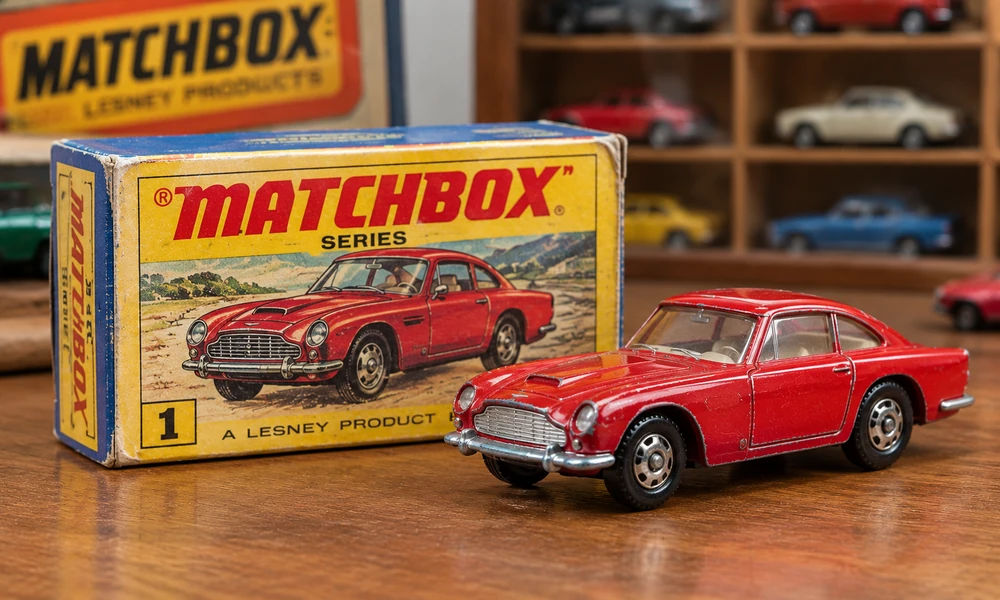
Matchbox originated in 1953 under Lesney Products, a British toy manufacturer founded by Leslie Smith and Rodney Smith.
One of its early successes was a miniature road roller designed by Jack Odell. Its small size made it possible to fit inside a matchbox, inspiring the packaging concept that helped make the toys recognizable.
The early lineup soon expanded to include vehicles that children could collect and play with.
The Original Matchbox Era
During the following decades, Matchbox introduced numerous cars, trucks, buses, and specialized vehicles.
The company became especially well known for its realistic miniature representations of vehicles commonly seen on streets and at work sites.
Older releases are now sought after by collectors interested in vintage packaging, early castings, and changes in manufacturing design.
Matchbox Today
Matchbox is now part of Mattel’s toy portfolio. Its modern lineup includes everyday passenger cars, electric vehicles, utility vehicles, emergency services, and other realistic miniature models.
The brand continues to appeal to collectors who prefer practical vehicle designs alongside children who enjoy building miniature road scenes and imaginative play environments.
Popular Types of Matchbox Cars
Mainline Matchbox Cars
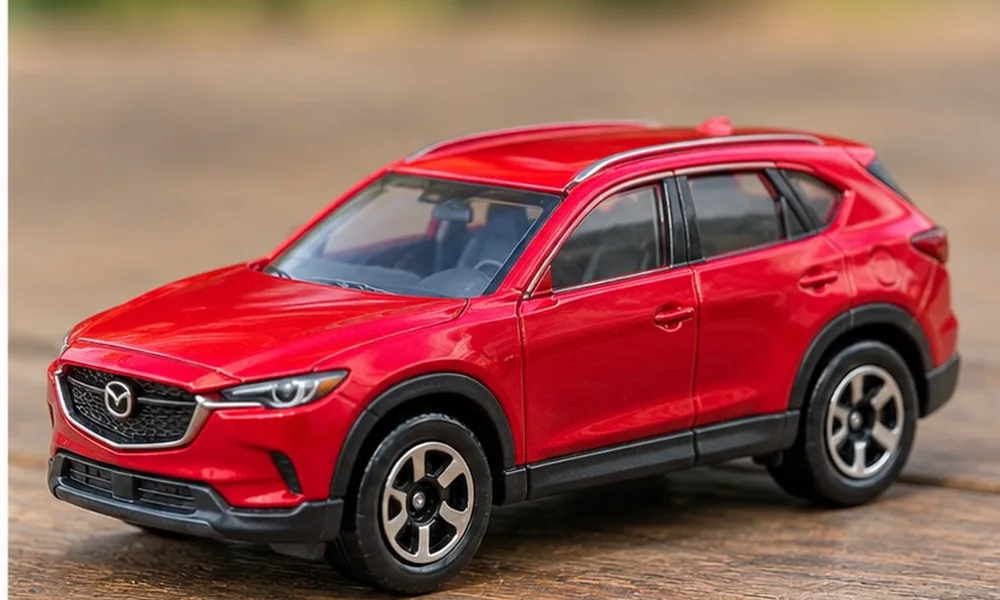
Mainline vehicles are the standard models sold through many toy retailers.
They commonly include passenger cars, SUVs, trucks, emergency vehicles, and utility vehicles. Their accessible prices make them a practical starting point for new collectors.
Mainline collections change over time, giving collectors opportunities to find different vehicles and variations.
Matchbox Moving Parts
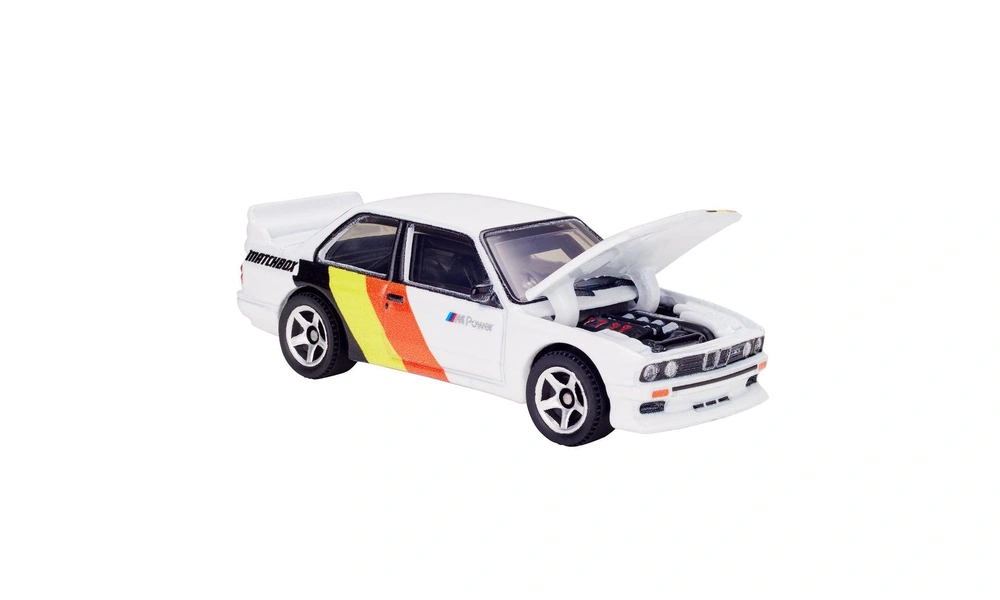
Moving Parts models feature functional elements such as opening doors, hoods, or other components, depending on the vehicle.
These features add an interactive element while allowing collectors to examine more of the miniature vehicle’s design.
Availability and specific features depend on the individual release.
Matchbox Collectors Series
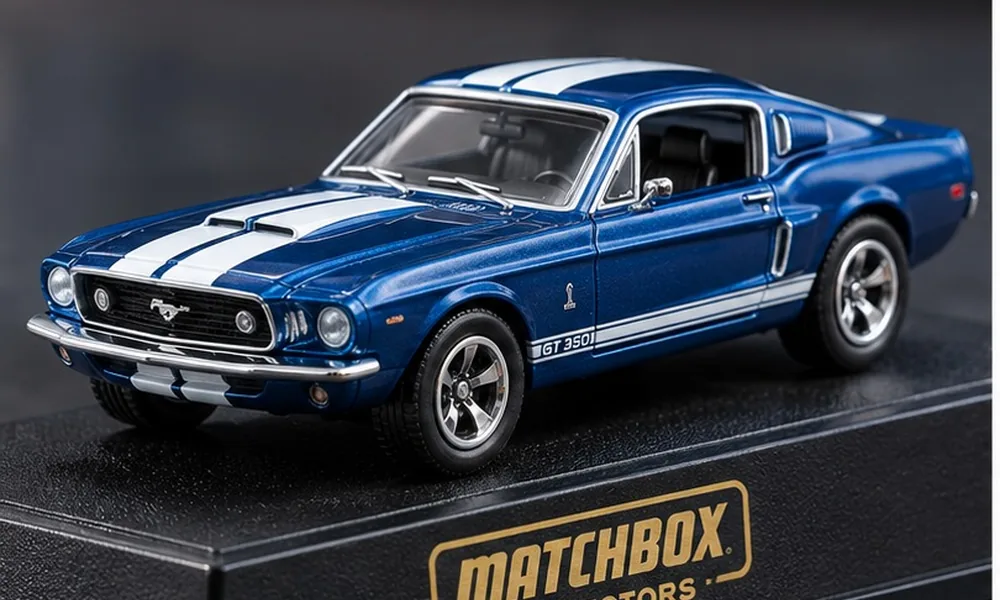
Collector-oriented Matchbox releases often emphasize finer detailing, more elaborate finishes, and presentation suited to display.
Depending on the series, models may feature upgraded materials, detailed interiors, or premium-style packaging.
These releases can appeal to enthusiasts who want miniature vehicles for display rather than everyday play.
Vintage Matchbox Cars
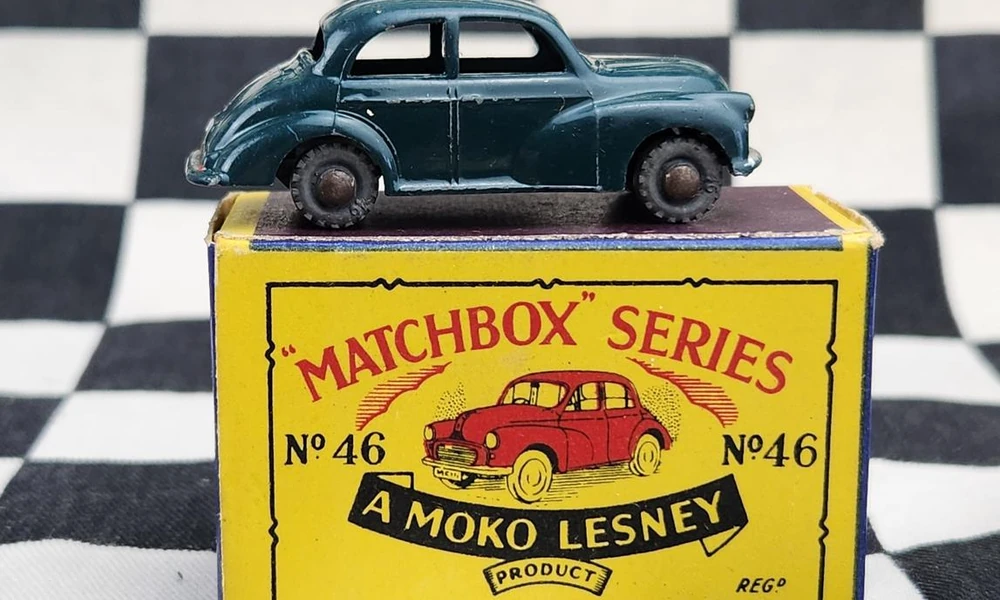
Vintage Matchbox cars include older releases from the brand’s earlier decades.
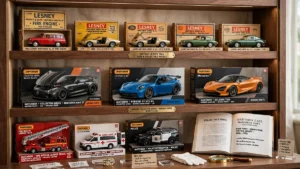
Collectors may seek original Lesney models, early Superfast vehicles, distinctive paint variations, and examples with original packaging.
Condition and authenticity matter considerably. A worn vintage car may be less desirable than a well-preserved example of the same model.
Matchbox Emergency and Utility Vehicles
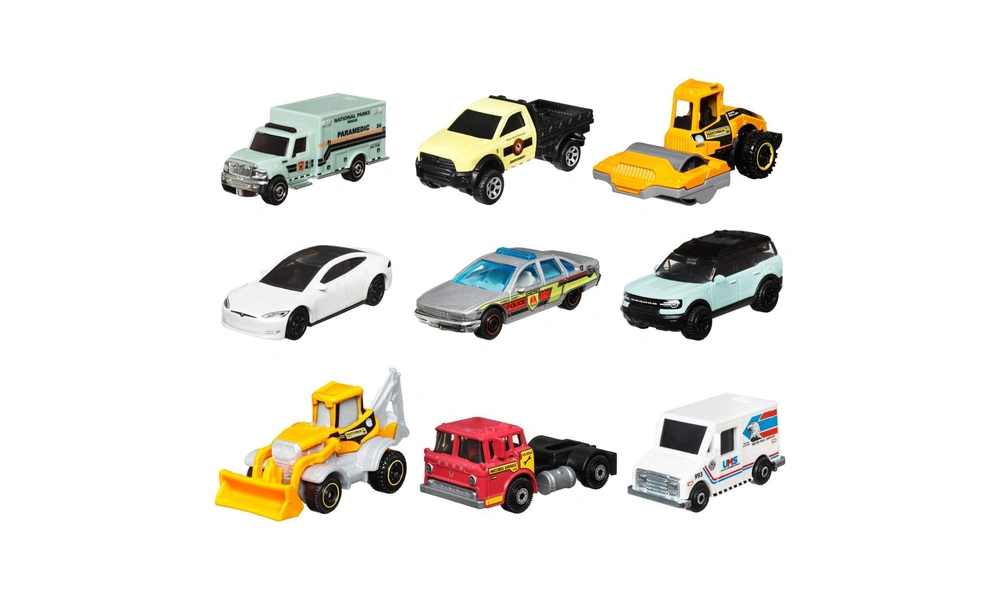
Matchbox has long produced miniature fire engines, ambulances, police cars, construction vehicles, and other working vehicles.
These models can appeal to collectors interested in public services, commercial transportation, and industrial equipment.
Their practical designs also make them popular for miniature city layouts and imaginative play.
What Makes Matchbox Cars Valuable?
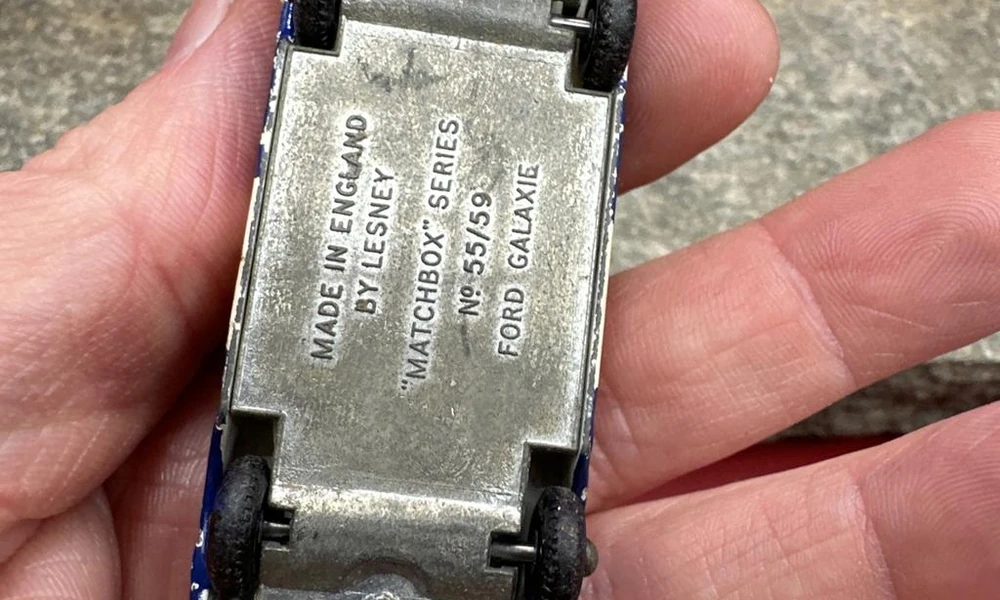
Not every old Matchbox car is valuable, and age alone does not determine its market price.
Several factors influence collector interest.
Rarity: Models produced in limited quantities or with uncommon variations may attract greater demand.
Condition: Paint chips, scratches, bent axles, missing parts, and worn wheels can reduce desirability.
Original packaging: A well-preserved original box can increase the appeal of certain vintage models.
Authenticity: Original production features are important when evaluating collectible variations. Repaints and replacement components should be disclosed.
Collector demand: Popular castings, unusual designs, and historically significant releases may command higher prices.
Provenance: Reliable information about a model’s origin or history can help establish confidence in an unusual collectible.
To estimate value, compare recent completed sales for the same casting, variation, and condition. Asking prices alone do not establish what buyers are actually willing to pay.
How to Start a Matchbox Cars Collection
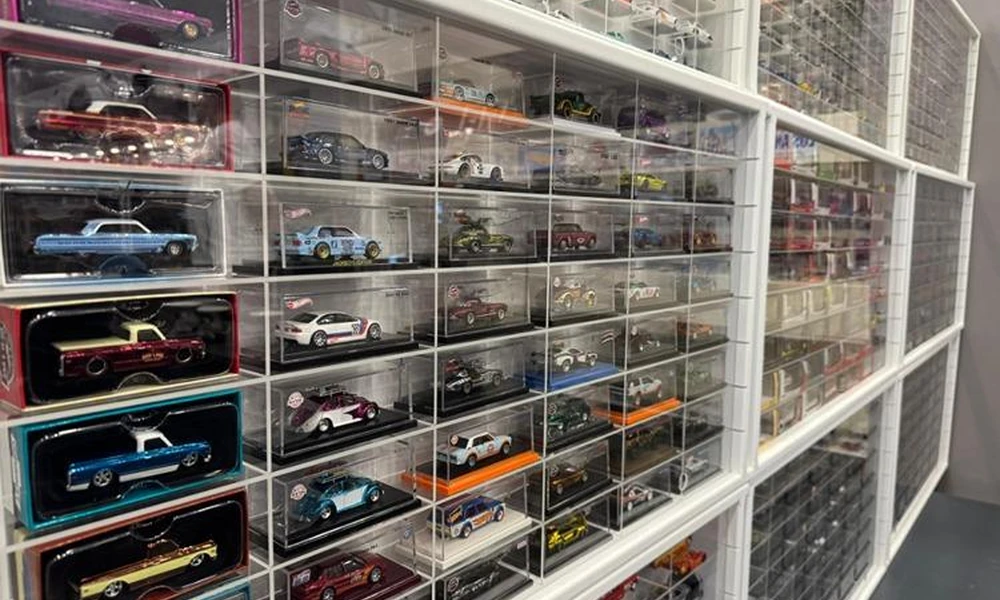
Starting a Matchbox collection does not require a large budget. Choosing a theme can help you organize purchases and avoid buying models you do not particularly want.
Choose Your Favorite Vehicle Types
You might collect:
- Classic cars from earlier decades.
- Modern passenger cars and SUVs.
- Emergency service vehicles.
- Construction equipment and trucks.
- Electric and hybrid vehicle models.
- Vintage Lesney releases.
- Special collector editions.
A collection based on your interests can be more rewarding than trying to purchase every release.
Set a Budget
Decide how much you are comfortable spending on individual models and the collection overall.
Standard releases may be inexpensive, while vintage or premium examples can cost substantially more.
Before paying a premium, verify the exact model, release, condition, and packaging.
Learn to Identify Models
Examine the casting name, base markings, wheels, paint, and packaging. Differences in these details can help distinguish one release from another.
Collector reference guides and established collecting communities can help you understand model variations and production history.
Store Your Collection Properly
Keep valuable models away from excessive sunlight, moisture, and dust.
Use compartmentalized cases for loose vehicles to reduce scratches. If you collect packaged models, avoid bending the cards or damaging the plastic packaging.
Organizing cars by manufacturer, vehicle type, release period, or collection series can also make the collection easier to maintain.
Matchbox Cars vs. Hot Wheels Cars
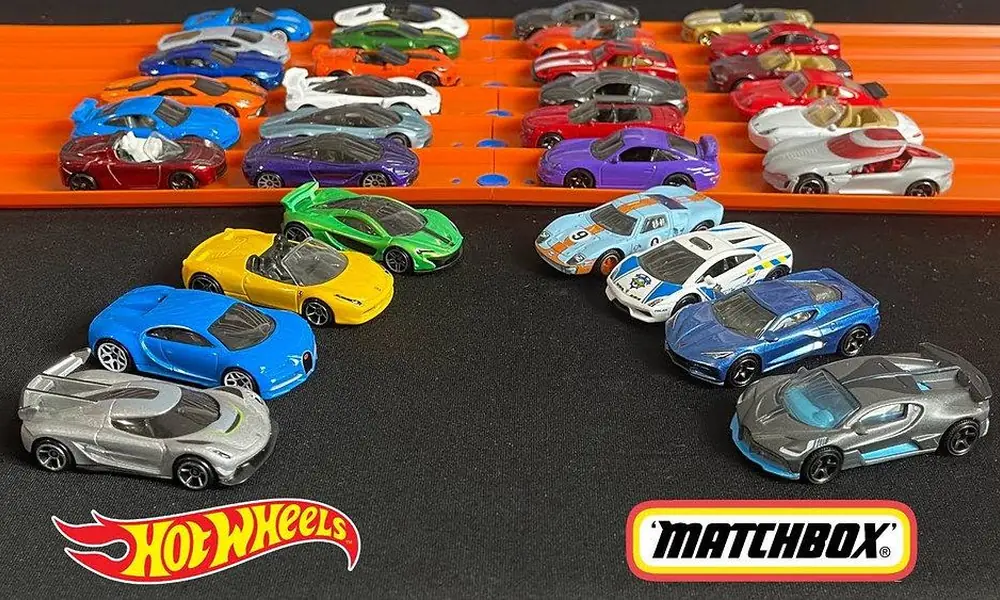
Matchbox and Hot Wheels are both miniature vehicle brands owned by Mattel, but they have different design traditions.
| Feature | Matchbox | Hot Wheels |
| Historical identity | Realistic miniature vehicles and everyday transportation | Racing-inspired designs, performance cars, and track play |
| Common vehicle themes | Passenger cars, emergency vehicles, trucks, and construction equipment | Sports cars, muscle cars, fantasy vehicles, and performance models |
| Design approach | Often emphasizes practical proportions and realistic details | Often emphasizes bold styling and racing-oriented designs |
| Collecting interests | Vintage Lesney models, realistic vehicles, and special releases | Vintage Redline models, special editions, premium releases, and variations |
| Play options | Vehicle play and selected compatible playsets | Vehicle play and a wide range of racing track sets |
Both brands offer vehicles for children and adult collectors. The better choice depends on whether you prefer realistic everyday vehicles, racing-inspired models, or a mixture of both.
Where to Buy Matchbox Cars
Matchbox cars are sold through toy stores, department stores, online retailers, collector events, and secondhand marketplaces.
For standard models, compare availability and multipack prices. For vintage vehicles, examine photographs carefully and ask sellers about repainting, replacement parts, and packaging condition.
When purchasing an expensive collectible, compare recent completed sales and check the seller’s reputation.
If a listing claims that a common model is exceptionally rare, verify the specific casting and variation before paying a premium.
Frequently Asked Questions About Matchbox Cars
When were Matchbox cars first made?
Matchbox cars first appeared in 1953 under the British toy manufacturer Lesney Products.
Are Matchbox cars still being made?
Yes. Matchbox continues to produce miniature vehicles under Mattel, with releases that vary by market and product line.
Are vintage Matchbox cars valuable?
Some vintage models can be valuable, especially when they are rare and well preserved. However, many older vehicles have modest resale values. The exact model, condition, packaging, and collector demand all matter.
What is the difference between Matchbox and Hot Wheels?
Matchbox is traditionally associated with realistic everyday vehicles, while Hot Wheels is widely known for performance-oriented designs, fantasy cars, and racing tracks. Both brands offer a variety of vehicle types.
How can I identify an old Matchbox car?
Check the vehicle’s base markings, casting name, wheels, paint, and original packaging. Reference guides and collector communities can help identify specific releases and variations.
Should I keep Matchbox cars in their original packaging?
Original packaging can help preserve condition and may increase the appeal of certain collectible models. However, loose models can still be worth collecting, especially if you enjoy handling and displaying the vehicles.
Final Verdict
Matchbox cars combine miniature vehicle design, automotive history, and an accessible collecting hobby. Their range of realistic passenger cars, utility vehicles, emergency models, and vintage releases gives collectors many ways to build a personal collection.
Beginners can start with standard models, while experienced enthusiasts may focus on early Lesney vehicles, rare variations, or collector editions. Learn to identify models, protect their condition, and compare actual selling prices before making expensive purchases.
Disclaimer: This article is provided for general informational and educational purposes only and does not promote or endorse any product, service, brand, or individual. Details may change, and no guarantee is made regarding completeness or accuracy.