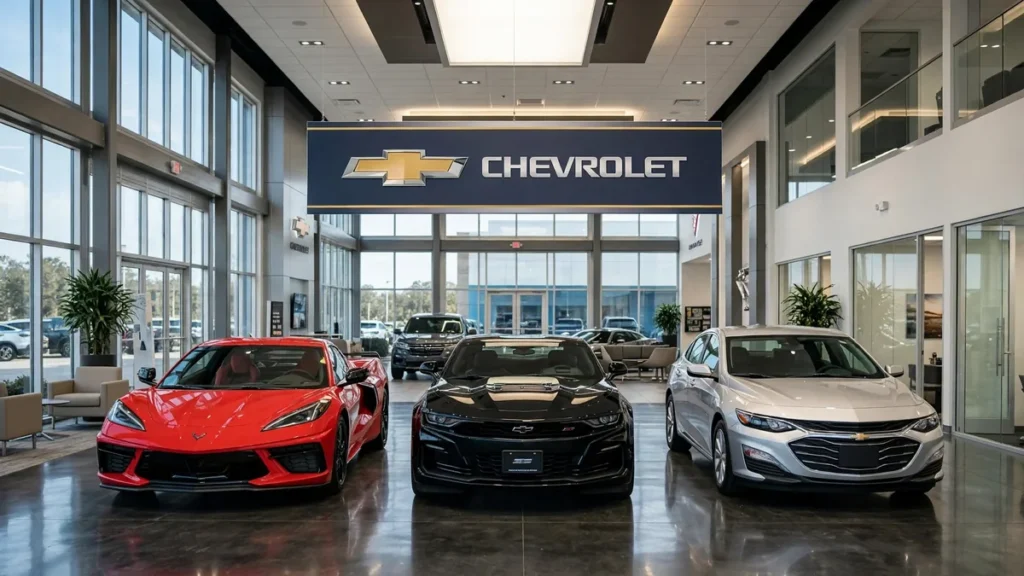
Few American automotive brands have a history as recognizable as Chevrolet. From family sedans and affordable compact cars to powerful sports cars and legendary muscle cars, Chevy has produced vehicles for nearly every kind of driver.
Chevy cars are known for their variety, accessibility, and connection to American automotive culture. The brand has created practical everyday vehicles such as the Malibu and Cruze, alongside performance icons like the Camaro and Corvette.
Today, Chevrolet’s passenger-car lineup is considerably smaller than it once was, with the brand placing greater emphasis on SUVs, trucks, and electric vehicles.
Whether you’re exploring classic Chevrolet models, shopping for a used sedan, or considering a modern sports car, understanding the brand’s history and vehicle categories can help you make a more informed decision.
What Are Chevy Cars?
Chevy cars are passenger vehicles manufactured by Chevrolet, an American automotive brand established in 1911.
Chevrolet is part of General Motors and has produced everything from affordable compact cars to high-performance sports vehicles.
Throughout its history, the company has offered several major vehicle categories:
- Compact cars designed for everyday transportation.
- Midsize sedans with comfortable passenger space.
- Muscle cars focused on powerful engines and performance.
- Sports cars built for handling and acceleration.
- Electric passenger vehicles.
- Classic American cars that remain popular among collectors.
Although many traditional Chevrolet sedans have been discontinued in the United States, used examples remain available.
Popular Chevy Cars and Models
1. Chevrolet Malibu
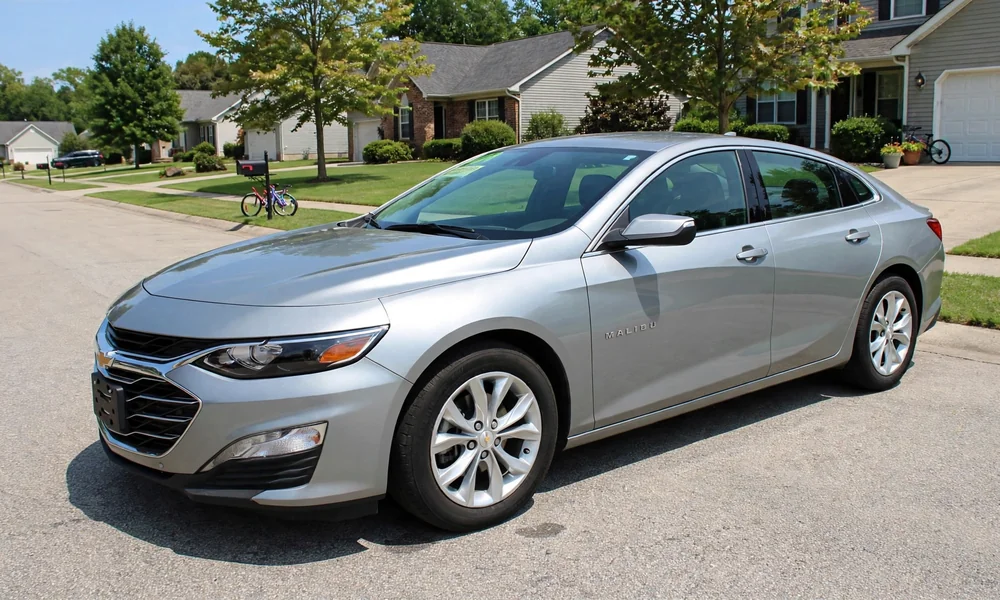
Best for: Comfortable everyday driving
The Chevrolet Malibu was one of the brand’s most recognizable midsize sedans.
It offered practical passenger space, comfortable seating, and a relatively straightforward driving experience.
Later generations featured modern infotainment systems, available driver-assistance technology, and turbocharged engine options.
Production of the final U.S. Malibu generation ended in 2024.
Why drivers consider it:
- Comfortable cabin.
- Practical trunk space.
- Manageable exterior dimensions.
- Suitable for commuting and family transportation.
- Wide availability in the used-car market.
Buyers considering a used Malibu should review the exact model year, engine, transmission, and maintenance history.
2. Chevrolet Camaro
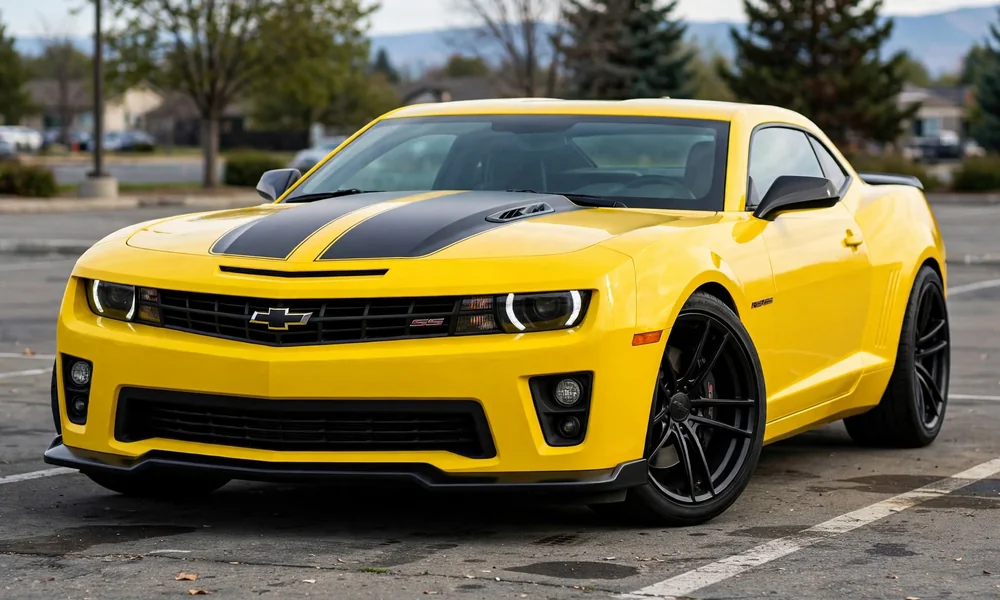
Best for: American muscle-car enthusiasts
The Chevrolet Camaro became one of America’s most recognizable performance cars.
First introduced for the 1967 model year, the Camaro developed a reputation for aggressive styling, powerful engines, and competition with other American muscle cars.
Modern generations offered several engine configurations, including four-cylinder, V6, and V8 options.
High-performance versions such as the SS and ZL1 attracted drivers interested in acceleration and track-oriented performance.
Production of the sixth-generation Camaro concluded after the 2024 model year.
Why drivers consider it:
- Distinctive muscle-car styling.
- Powerful available engines.
- Performance-oriented suspension options.
- Strong enthusiast following.
- Recognizable automotive heritage.
The Camaro is especially appealing to buyers who value driving excitement over maximum passenger or cargo space.
3. Chevrolet Corvette
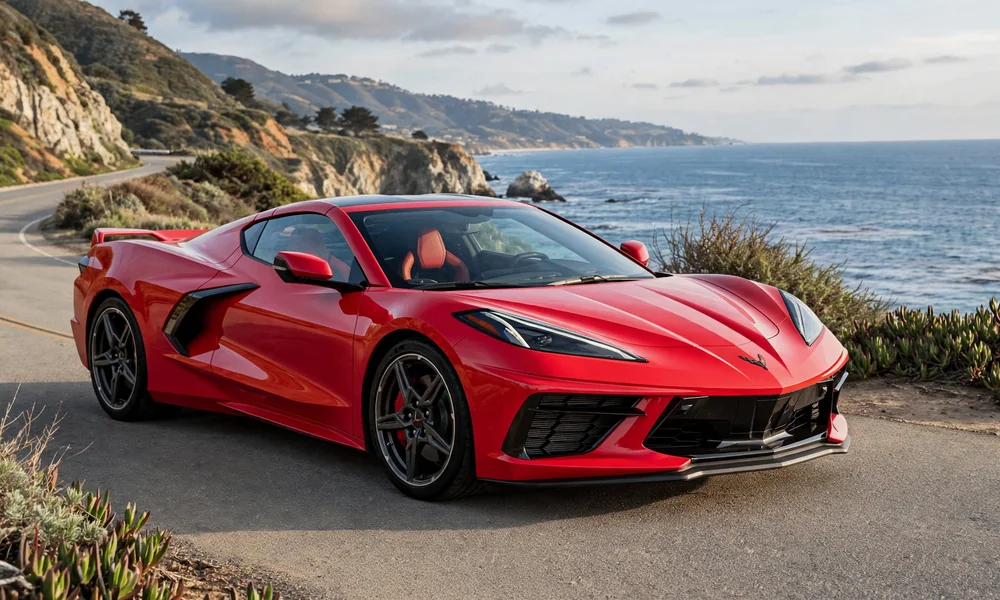
Best for: Sports-car performance
The Chevrolet Corvette is among the most celebrated American sports cars.
Introduced in 1953, it has evolved through multiple generations while maintaining a strong focus on performance.
The eighth-generation Corvette introduced a major engineering change by adopting a mid-engine layout.
This configuration places the engine behind the passenger compartment, helping distribute weight differently from earlier front-engine Corvettes.
Depending on the version, the Corvette offers advanced aerodynamics, powerful engines, and sophisticated performance technology.
Why drivers consider it:
- Distinctive sports-car design.
- High-performance engineering.
- Advanced chassis technology.
- Strong acceleration.
- Long-running automotive heritage.
The Corvette is designed primarily for driving enjoyment rather than family practicality.
4. Chevrolet Cruze
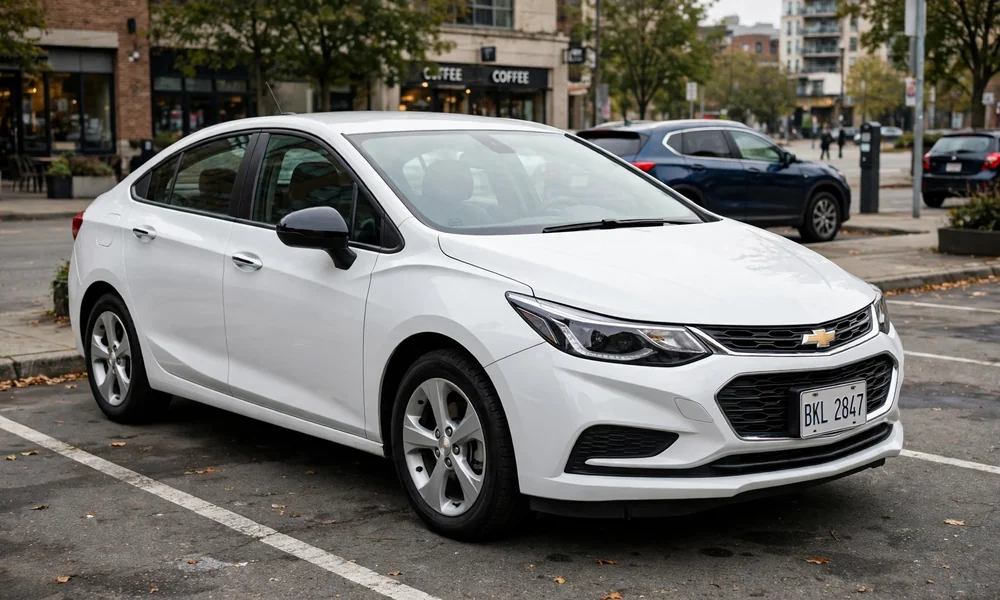
Best for: Affordable used transportation
The Chevrolet Cruze was a compact sedan and hatchback designed for everyday use.
It offered economical engine options, practical interior space, and a more accessible purchase price than many larger vehicles.
U.S. production ended in 2019, but used examples remain available.
Why drivers consider it:
- Compact dimensions.
- Practical passenger space.
- Available hatchback configuration.
- Everyday commuting convenience.
- Potentially affordable used prices.
Some Cruze generations have known cooling-system, engine, and transmission-related concerns. Buyers should research the exact model year and obtain a professional inspection.
5. Chevrolet Spark
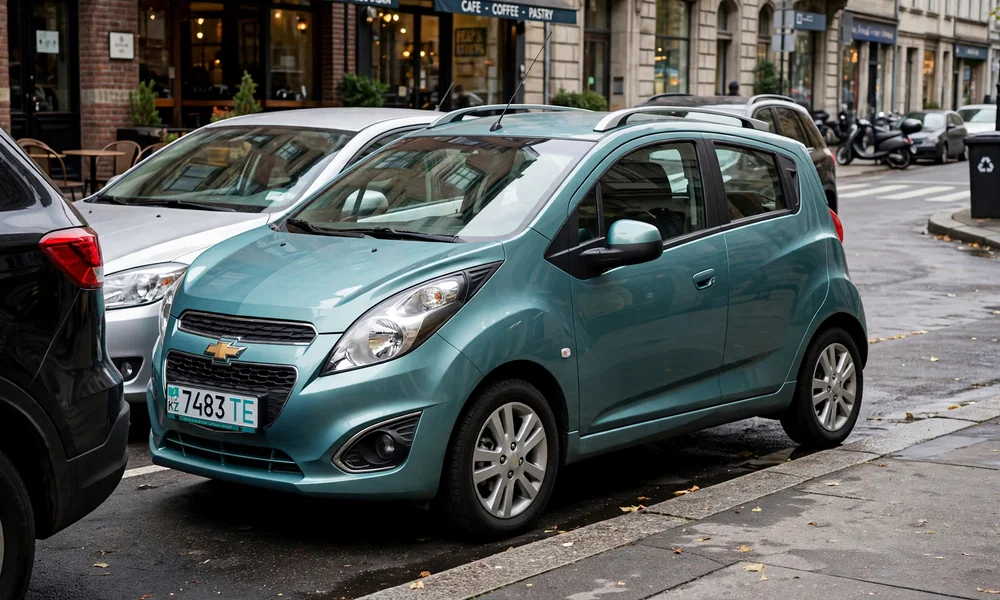
Best for: Urban driving
The Chevrolet Spark was a small hatchback designed for city transportation.
Its compact dimensions made it particularly suitable for crowded streets and limited parking spaces.
Although relatively basic compared with larger vehicles, the Spark offered practical transportation for drivers who prioritized affordability and maneuverability.
The Spark was discontinued in the U.S. after the 2022 model year.
Why drivers consider it:
- Easy parking.
- Compact exterior.
- Practical city transportation.
- Relatively simple cabin.
- Economical operation.
Its small size may be less suitable for buyers who regularly carry several passengers or substantial luggage.
6. Chevrolet Impala
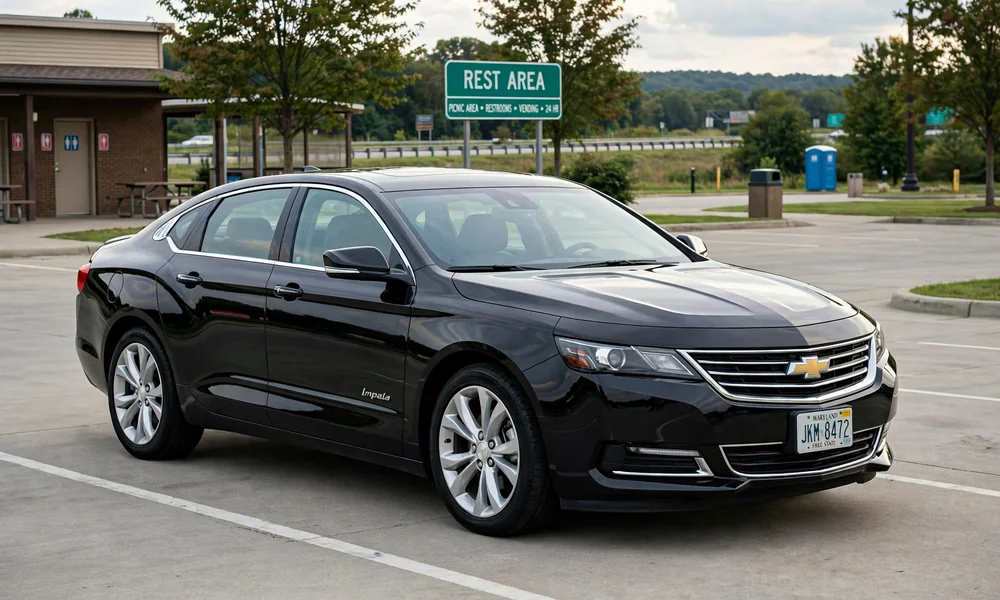
Best for: Spacious sedan comfort
The Chevrolet Impala was a long-running full-size passenger car.
Over its history, the Impala appeared in several forms, from classic American sedans and coupes to modern family-oriented vehicles.
Later generations emphasized interior space, comfort, and highway driving.
The final U.S. Impala ended production in 2020.
Why drivers consider it:
- Spacious passenger cabin.
- Comfortable ride.
- Large trunk.
- Strong connection to Chevrolet history.
- Availability of used models.
Older Impalas may appeal to collectors, while more recent versions are better suited to buyers seeking everyday transportation.
7. Chevrolet Volt
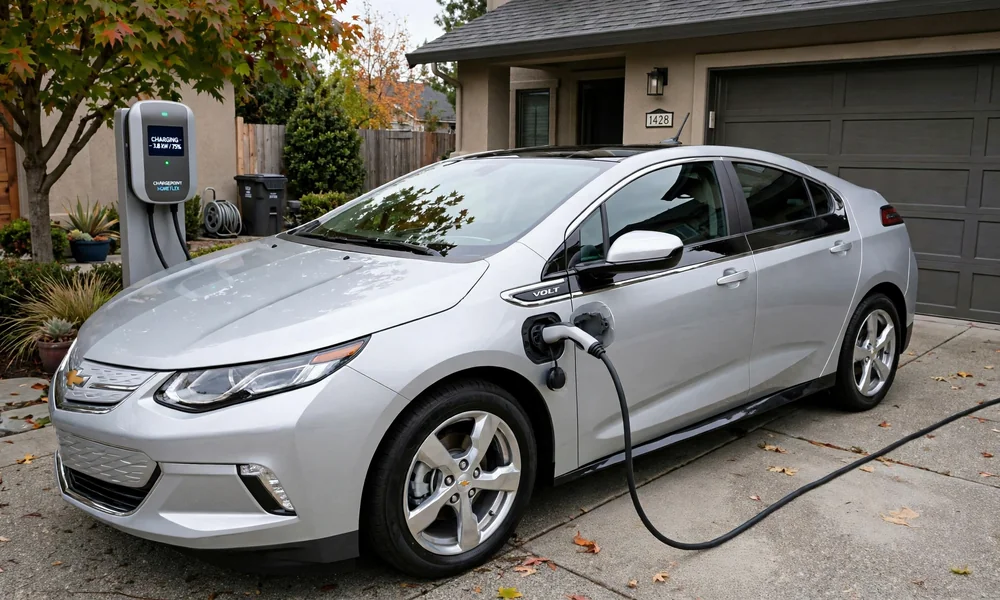
Best for: Drivers interested in plug-in hybrids
The Chevrolet Volt was a plug-in hybrid vehicle designed to combine electric driving with the flexibility of a gasoline engine.
Unlike a conventional hybrid, the Volt could be charged from an external power source.
Its battery allowed electric-only driving for a limited distance before the gasoline-powered system provided additional driving capability.
Production ended in 2019.
Why drivers consider it:
- Plug-in hybrid technology.
- Electric driving capability.
- Reduced gasoline use for some commuting patterns.
- Practical hatchback-style cargo access.
Used buyers should carefully inspect battery health, charging equipment, and hybrid-system components.
8. Chevrolet Bolt EV
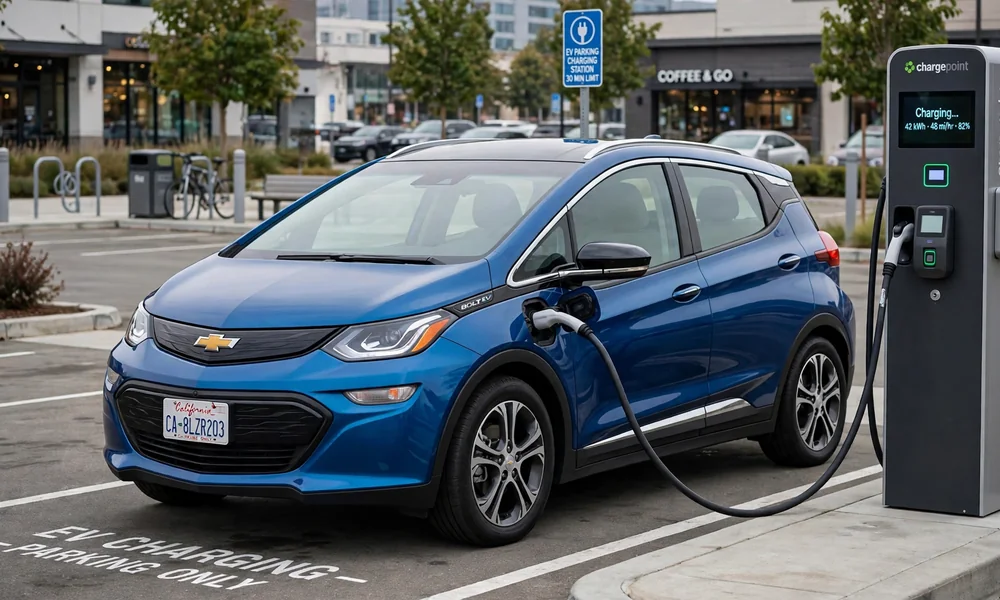
Best for: Affordable electric transportation
The Chevrolet Bolt EV introduced many drivers to practical battery-electric transportation.
It offered compact dimensions, an electric powertrain, and useful everyday driving range.
The original Bolt EV generation ended production in 2023, with Chevrolet subsequently planning a new generation.
Why drivers consider it:
- Fully electric operation.
- Compact exterior dimensions.
- Practical interior packaging.
- Responsive acceleration.
- Potentially economical commuting.
When shopping for a used Bolt EV, confirm battery recall completion, battery condition, charging compatibility, and warranty coverage.
Chevy Cars Comparison
| Chevrolet Model | Vehicle Type | Main Strength | Production Status of Referenced Generation |
| Malibu | Midsize sedan | Comfort and practicality | Ended in 2024 |
| Camaro | Muscle car | Performance and styling | Sixth generation ended in 2024 |
| Corvette | Sports car | High-performance engineering | Continuing nameplate |
| Cruze | Compact car | Everyday transportation | U.S. production ended in 2019 |
| Spark | Subcompact hatchback | Urban convenience | U.S. production ended in 2022 |
| Impala | Full-size sedan | Interior space | Ended in 2020 |
| Volt | Plug-in hybrid | Electric commuting flexibility | Ended in 2019 |
| Bolt EV | Electric hatchback | Practical electric transportation | Original generation ended in 2023 |
Model availability varies by country, and production status may differ outside the United States.
What Makes Chevrolet Cars Popular?
American Automotive Heritage
Chevrolet has played a major role in American automotive history.
Models such as the Bel Air, Impala, Camaro, and Corvette became recognizable symbols of different automotive eras.
The brand’s long history gives it a strong identity among collectors and everyday drivers.
Wide Range of Vehicle Designs
Chevrolet has produced compact cars, sedans, coupes, sports cars, SUVs, and trucks.
This variety has allowed the brand to serve different budgets and driving needs.
Performance Heritage
The Camaro and Corvette helped establish Chevrolet’s reputation for performance.
Over the decades, the company has developed powerful engines, advanced suspension systems, and specialized performance models.
Parts and Service Availability
Many Chevrolet models benefit from established service networks and parts availability in the United States.
However, parts availability varies by vehicle age, model, region, and production history.
Used-Car Selection
Because Chevrolet has sold large numbers of vehicles over many decades, buyers can often find used examples across several price categories.
The quality of individual vehicles varies considerably, making inspections important.
Are Chevy Cars Reliable?
Chevrolet reliability depends heavily on the model, engine, transmission, model year, and maintenance history.
Some vehicles have proven practical for long-term ownership, while others have experienced recurring mechanical concerns.
It is more useful to research the exact vehicle than to assume every Chevrolet model offers the same reliability.
Factors That Affect Reliability
Maintenance history: Regular servicing helps protect engines, transmissions, brakes, and cooling systems.
Driving conditions: Frequent short trips, heavy traffic, extreme temperatures, and demanding driving can affect component wear.
Engine design: Different powertrains have different maintenance requirements and known issues.
Vehicle age: Older cars may require repairs to suspension, cooling, electrical, and rubber components.
Previous ownership: A carefully maintained vehicle can be a better purchase than a newer example with a neglected service history.
Before buying, review available recall information and arrange an independent mechanical inspection.
Chevy Cars vs. Ford Cars

Chevrolet and Ford have competed in the American automotive market for generations.
Both brands have produced affordable passenger cars, performance vehicles, SUVs, and pickup trucks.
| Feature | Chevrolet | Ford |
| Famous sports car | Corvette | Mustang is a performance coupe |
| Muscle-car heritage | Camaro | Mustang |
| Historic family sedans | Malibu and Impala | Fusion and Taurus |
| Electric vehicles | Bolt EV and other EV models | Mustang Mach-E and other EV models |
| Popular SUVs | Equinox, Traverse, Tahoe | Escape, Explorer, Expedition |
| Popular trucks | Silverado | F-Series |
Neither brand is automatically better for every buyer.
A meaningful comparison should focus on specific models, powertrains, safety equipment, maintenance requirements, and total ownership costs.
How Much Do Chevy Cars Cost?
Chevrolet vehicle prices vary significantly depending on the model, age, condition, and market.
A used Spark or Cruze may be relatively affordable, while a modern Corvette can cost substantially more.
When evaluating prices, consider:
- Vehicle purchase price.
- Taxes and registration.
- Insurance premiums.
- Fuel or charging expenses.
- Routine maintenance.
- Tires and brakes.
- Replacement parts.
- Financing charges.
- Depreciation.
Performance vehicles generally require larger operating budgets than ordinary commuter cars.
Older luxury or high-performance models may also have expensive replacement components.
Buying a Used Chevy Car: What to Check
Research the Exact Model Year
A vehicle’s reliability can change significantly between generations.
Research common issues associated with the specific engine, transmission, and model year.
Inspect the Engine
Check for fluid leaks, unusual noises, warning lights, overheating, and inconsistent performance.
Ask whether major repairs have been completed.
Test the Transmission
During a test drive, pay attention to delayed engagement, rough shifting, slipping, and unusual vibrations.
Examine the Vehicle History
Review available records for accidents, mileage, title status, previous ownership, and servicing.
Check for Recalls
Use the vehicle identification number to investigate outstanding safety recalls.
Arrange a Professional Inspection
A qualified mechanic can identify problems that may not be obvious during a short test drive.
This is particularly important when purchasing an older or high-mileage vehicle.
Classic Chevy Cars Worth Remembering
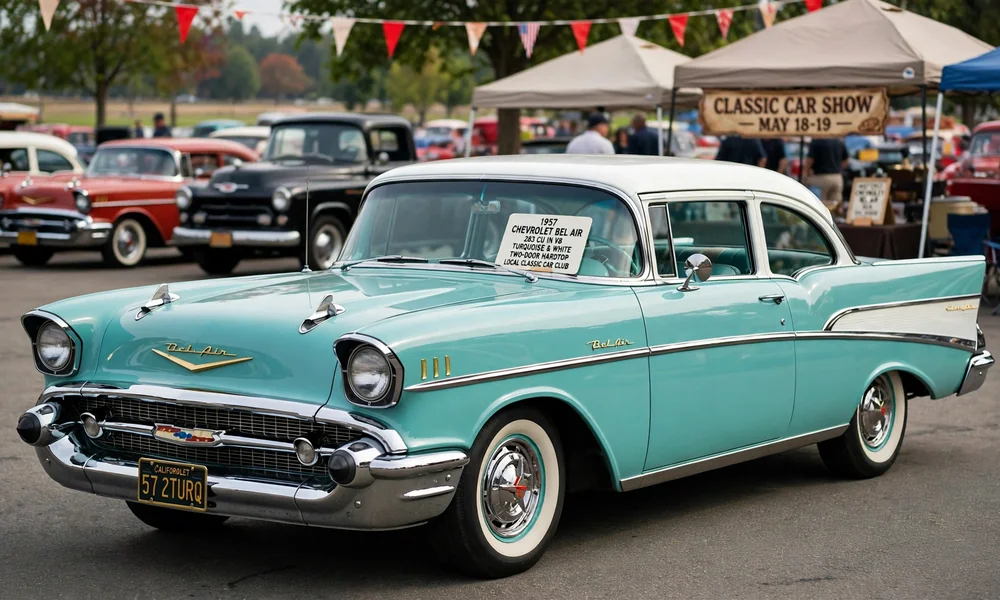
Chevrolet has produced several vehicles that remain important to automotive enthusiasts.
Chevrolet Bel Air
The Chevrolet Bel Air is strongly associated with American automotive design during the 1950s.
Its distinctive styling, chrome details, and historical significance make it popular among classic-car enthusiasts.
Chevrolet Chevelle
The Chevelle became an important part of Chevrolet’s muscle-car history.
Performance versions, particularly those associated with the SS designation, remain recognizable among collectors.
Chevrolet Nova
The Chevrolet Nova was a compact American car produced across several generations.
Some performance-oriented versions developed strong followings.
Chevrolet Monte Carlo
The Monte Carlo combined personal-luxury styling with a long history in American automotive culture.
Different generations emphasized comfort, performance, or distinctive coupe styling.
Frequently Asked Questions About Chevy Cars
What are the most popular Chevy cars?
Historically recognizable Chevrolet passenger cars include the Malibu, Camaro, Corvette, Impala, Cruze, and Spark. Popularity varies by era and market.
Are Chevy cars good?
Many Chevrolet vehicles offer practical features and useful performance. However, reliability and ownership costs depend on the specific model, engine, and maintenance history.
Does Chevy still make sedans?
Chevrolet discontinued several traditional sedans in the United States, including the Malibu, Cruze, and Impala. Passenger-car availability differs in international markets.
Is Chevrolet an American company?
Yes. Chevrolet is an American automotive brand founded in 1911 and operates as part of General Motors.
What is Chevy’s most famous sports car?
The Chevrolet Corvette is one of the brand’s most recognizable sports cars, with a history dating back to 1953.
Are used Chevy cars affordable?
Many older Chevrolet sedans and compact cars can be relatively affordable. Actual prices depend on mileage, condition, location, and market demand.
What is the difference between Chevy and Chevrolet?
Chevy is a widely used shortened name for Chevrolet. Both refer to the same automotive brand.
Is the Chevy Camaro discontinued?
Production of the sixth-generation Chevrolet Camaro ended after the 2024 model year. That does not necessarily rule out future vehicles using the Camaro name.
Final Verdict
Chevy cars have shaped American automotive history through practical family vehicles, affordable compact cars, powerful muscle cars, and high-performance sports cars.
The Chevrolet Malibu and Impala represent the brand’s traditional sedan heritage, while the Camaro and Corvette demonstrate its long-standing connection to performance.
For used-car buyers, models such as the Corolla-sized Cruze, compact Spark, and spacious Malibu offer different approaches to everyday transportation.
The best Chevrolet depends on your driving needs, budget, and expectations. Before purchasing, research the exact model year, review maintenance records, and consider the full cost of ownership.