
Buying a car should be exciting. You imagine the first drive, the comfortable seats, the quiet cabin, and the freedom of having a vehicle that fits your life.
Then the comparisons begin.
One car offers better fuel economy. Another has a more luxurious interior. A third promises impressive performance, while a fourth costs thousands less.
Suddenly, choosing a car feels more complicated than expected.
The secret isn’t finding the most expensive, powerful, or popular vehicle. It’s finding the one that makes sense for how you actually live.
To compare cars effectively, evaluate their total ownership costs, reliability, safety, fuel economy, comfort, performance, and everyday practicality—not just their purchase prices.
A $30,000 vehicle isn’t automatically a better deal than a $35,000 alternative. The more expensive car could offer better standard equipment, lower operating costs, or stronger resale value.
This guide explains how to compare cars side by side, understand the differences between vehicle types, and make a confident buying decision.
Key Takeaways
- Compare the total cost of ownership rather than focusing only on the sticker price.
- Evaluate reliability, maintenance requirements, and warranty coverage.
- Consider fuel economy, insurance premiums, and expected annual mileage.
- Compare safety ratings and driver-assistance features for specific model years.
- Choose a vehicle size and body style that fits your everyday needs.
- Test-drive your shortlisted cars before making a final decision.
Why Should You Compare Cars Before Buying?

The first has a beautiful interior, an impressive touchscreen, and sporty styling.
The second looks simpler but offers better fuel economy, more cargo space, and a lower estimated insurance premium.
Which one should you buy?
That depends on what matters most to you.
If you spend hours commuting every week, efficiency and comfort may be more important than acceleration.
If you regularly travel with children, rear-seat space, safety features, and cargo capacity could become your priorities.
If you enjoy weekend road trips, highway comfort and driving range might influence your decision.
Comparing cars helps you understand these trade-offs before spending your money.
How to Compare Cars Side by Side
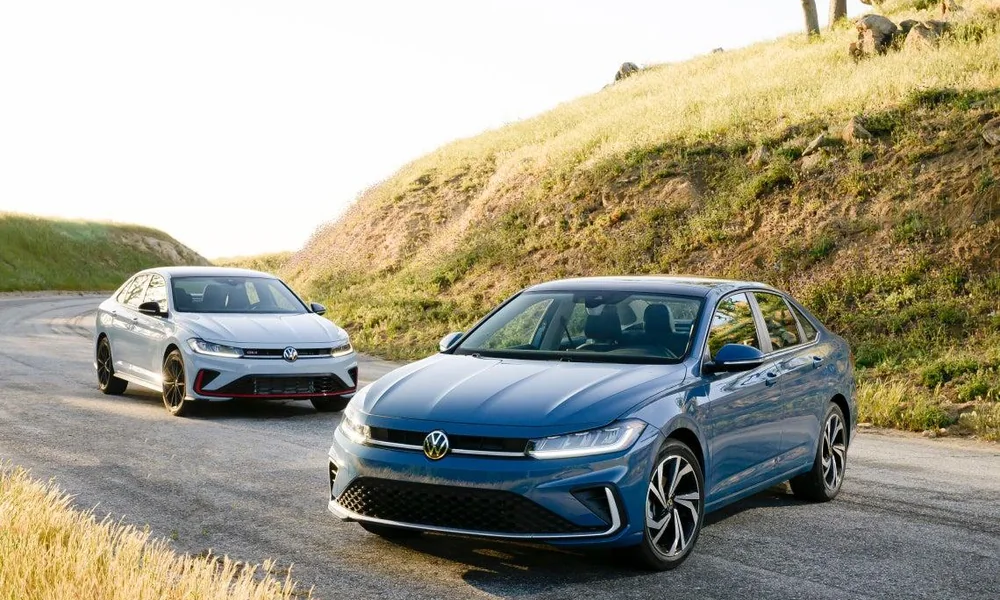
A useful car comparison begins with measurable features.
Instead of comparing vehicles based only on appearance, evaluate how they perform in categories that affect ownership.
| Comparison Factor | What to Evaluate | Why It Matters |
| Purchase price | MSRP, dealer price, taxes, fees | Determines upfront affordability |
| Fuel economy | MPG or electricity consumption | Influences operating expenses |
| Reliability | Model history and maintenance needs | Affects long-term ownership |
| Safety | Crash-test results and safety equipment | Helps assess occupant protection |
| Interior comfort | Seating, visibility, noise, materials | Influences daily driving |
| Cargo space | Trunk or storage capacity | Determines practicality |
| Performance | Acceleration, handling, braking | Affects driving experience |
| Technology | Infotainment and connectivity | Improves convenience |
| Warranty | Coverage limits and exclusions | May reduce certain repair expenses |
| Resale value | Expected depreciation | Influences long-term financial value |
No single category determines which car is best.
The goal is to identify the vehicle that performs well in the areas most important to you.
Compare Cars by Price: What Can Your Budget Buy?
Your budget should be the starting point of every car comparison.
However, the advertised price is only one part of the financial picture.
Cars Under $20,000
In the U.S. market, a budget below $20,000 generally provides more options among used vehicles than new ones.
Depending on availability, buyers may find:
- Used compact sedans.
- Older midsize cars.
- Pre-owned hatchbacks.
- Higher-mileage compact SUVs.
- Certain older hybrid vehicles.
When shopping in this range, vehicle condition and maintenance history are especially important.
Cars Between $20,000 and $30,000
This budget can provide access to a broader selection of new economy vehicles and relatively recent used cars.
Potential options include compact sedans, small crossovers, and selected hybrids.
Popular models worth comparing include the Toyota Corolla, Honda Civic, Hyundai Elantra, and Mazda3.
Prices vary by model year, trim, location, and market conditions.
Cars Between $30,000 and $40,000
This range offers more flexibility.
Depending on the vehicle and configuration, shoppers can explore:
- Well-equipped compact SUVs.
- Midsize sedans.
- Hybrid family vehicles.
- Certain entry-level electric vehicles.
- Used luxury cars.
The Toyota Camry, Honda Accord, Toyota RAV4, and Honda CR-V are examples of vehicles commonly considered in this broader segment.
Cars Above $40,000
Higher budgets introduce additional choices involving premium materials, performance, technology, and vehicle size.
However, higher prices can also mean more expensive insurance, tires, repairs, and depreciation.
A luxury badge doesn’t automatically guarantee a better ownership experience.
Sedan vs. SUV: Which One Is Better?
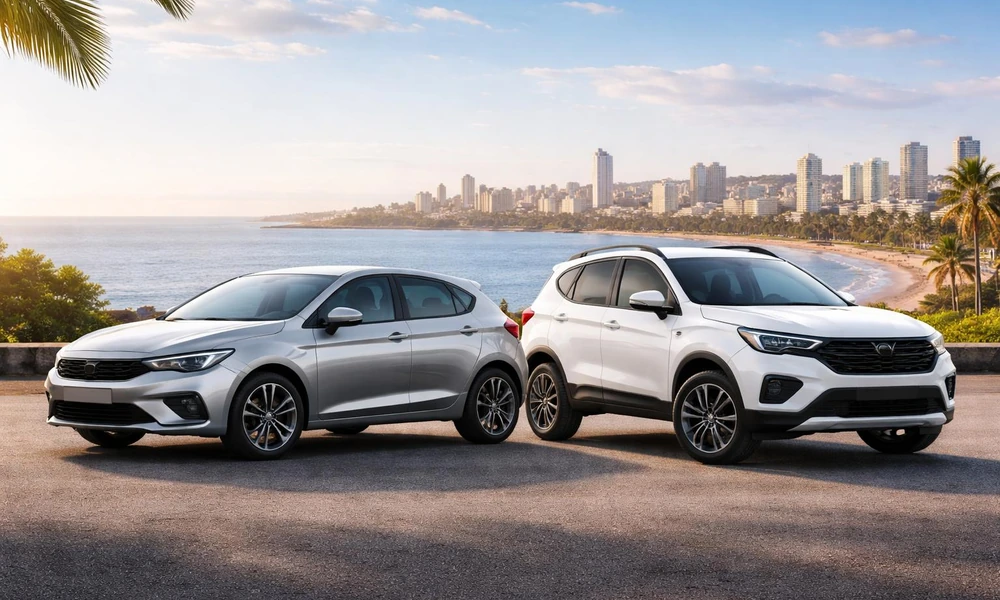
This is one of the most common comparisons among car buyers.
Both body styles have advantages.
Why Choose a Sedan?
Sedans are often appealing because of their balanced driving characteristics and efficiency.
Many offer:
- Comfortable highway driving.
- Good fuel economy.
- Easy parking.
- Lower ride height.
- Competitive purchase prices.
A sedan can be an excellent choice for commuters, couples, and drivers who rarely need substantial cargo space.
Why Choose an SUV?
SUVs and crossovers typically offer higher seating positions and more flexible cargo areas.
They can be useful for families, travelers, and drivers who regularly transport larger items.
Some models also offer all-wheel drive or additional ground clearance.
However, SUVs are not automatically safer or more capable than sedans. Safety and performance depend on the specific vehicle.
Which Should You Buy?
Choose a sedan if efficiency, comfortable commuting, and easy maneuverability are your priorities.
Choose an SUV if cargo flexibility, seating position, and family practicality matter more.
The best decision depends on your lifestyle rather than which body style is currently fashionable.
Compare Gas, Hybrid, and Electric Cars

Powertrain technology has become one of the most important factors in modern car shopping.
Gasoline Cars
Traditional gasoline vehicles remain familiar and convenient for many drivers.
Their advantages can include widespread refueling infrastructure and a broad selection of models.
However, fuel expenses and emissions depend on vehicle efficiency and driving habits.
Hybrid Cars
Conventional hybrids combine a gasoline engine with an electric motor and battery.
They generally recharge their batteries through the engine and regenerative braking rather than requiring external charging.
Hybrids can provide excellent efficiency, particularly in stop-and-go driving.
Examples include hybrid versions of the Toyota Camry, Honda Accord, and Toyota Prius.
Electric Cars
Battery-electric vehicles operate without a gasoline engine.
They can offer quiet acceleration, smooth performance, and lower routine maintenance requirements in some areas.
However, charging access, electricity prices, range, and battery performance should be considered carefully.
Electric vehicles can be especially convenient for drivers who have reliable home charging.
Which Powertrain Makes the Most Sense?
A gasoline vehicle may be practical for someone who wants familiar refueling and a wide range of choices.
A hybrid can suit drivers who want improved fuel efficiency without changing their refueling routine.
An electric vehicle may work well for someone with convenient charging and predictable driving needs.
How Important Is Reliability When Comparing Cars?
Reliability should be a major consideration, especially if you plan to keep your vehicle for several years.
A car with attractive features can quickly become frustrating if it frequently requires repairs.
However, reliability is not determined by brand reputation alone.
Different models, engines, transmissions, and production years can have different ownership histories.
What Should You Research?
Look at:
- Model-specific reliability information.
- Common mechanical problems.
- Maintenance schedules.
- Recall history.
- Repair costs.
- Warranty coverage.
- Long-term owner experiences.
For used vehicles, service history and a professional inspection are particularly important.
A well-maintained car with higher mileage may be a better purchase than a neglected vehicle with fewer miles.
Compare Cars by Fuel Economy
Fuel efficiency directly affects how much you spend on transportation.
Even a modest difference in fuel economy can become meaningful over several years.
Example: 25 MPG vs. 35 MPG
Imagine driving 12,000 miles annually.
At 25 MPG:
12,000 ÷ 25 = 480 gallons per year.
At 35 MPG:
12,000 ÷ 35 = approximately 343 gallons per year.
The more efficient vehicle uses about 137 fewer gallons annually.
At an illustrative gasoline price of $3.50 per gallon, that represents approximately $480 in annual savings.
Over five years, the difference could reach around $2,400, assuming the same mileage, fuel price, and efficiency.
Actual savings will vary.
This is why fuel economy deserves attention when comparing vehicles with similar purchase prices.
How to Compare Car Safety Features

Safety should never be reduced to the number of airbags listed in a brochure.
Modern vehicle safety includes crash protection, crash avoidance technology, and structural design.
Important features to investigate include:
- Automatic emergency braking.
- Forward collision warning.
- Blind-spot monitoring.
- Lane-departure warning.
- Lane-keeping assistance.
- Adaptive cruise control.
- Rear cross-traffic alert.
- Electronic stability control.
Not every feature is standard on every trim.
Also, driver-assistance technology does not replace attentive driving.
Where Should You Check Safety Ratings?
For U.S. vehicles, the National Highway Traffic Safety Administration and Insurance Institute for Highway Safety provide useful crash-test and safety information.
Compare ratings for the relevant model year and vehicle configuration.
Testing methods and rating criteria can change, so results from different years may not always be directly comparable.
Compare Car Interiors: Comfort Matters More Than You Think
A car can look impressive in photographs and still feel uncomfortable during everyday driving.
Interior comfort is particularly important if you spend significant time behind the wheel.
Seating Position
Check whether the driver’s seat provides adequate support and adjustment.
Make sure the steering wheel and pedals feel natural.
Rear Passenger Space
If you regularly carry passengers, inspect rear legroom and headroom.
Bring family members along when possible.
Cabin Noise
Listen for tire, wind, and engine noise during the test drive.
A quieter cabin can make long journeys more pleasant.
Climate Control
Consider how effectively the heating and air-conditioning systems work.
Rear air vents may be useful for families.
Infotainment
A large touchscreen isn’t automatically better.
Clear menus, responsive controls, and convenient physical buttons can make everyday operation easier.
Compare Cars by Maintenance Costs
The purchase price is only the beginning of vehicle ownership.
Routine maintenance and unexpected repairs can affect your budget over time.
Common expenses include:
- Oil changes for applicable powertrains.
- Tires.
- Brake components.
- Filters.
- Fluids.
- Battery replacement.
- Scheduled inspections.
- Unexpected mechanical repairs.
Some luxury and performance vehicles require specialized parts or services.
Meanwhile, certain economy cars may benefit from widely available replacement parts.
For electric vehicles, routine maintenance differs because they lack conventional engine oil and several gasoline-engine components.
However, EVs still require tires, suspension maintenance, cabin filters, and other services.
New Cars vs. Used Cars: Which Is the Better Value?
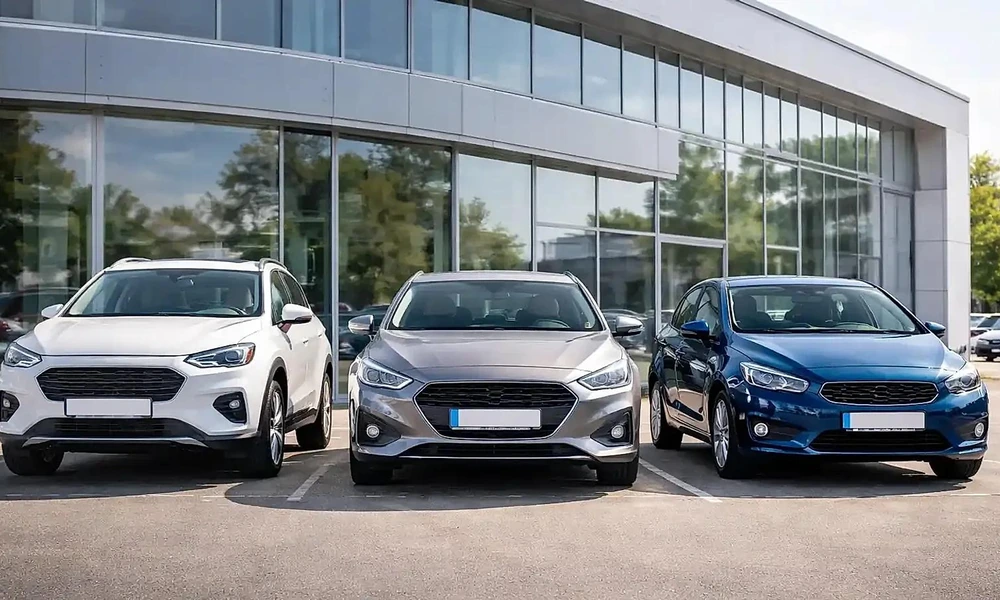
A new car offers the appeal of being its first owner.
A used car can provide greater affordability.
Neither is automatically the better choice.
Advantages of New Cars
New vehicles typically offer:
- Full manufacturer warranty coverage.
- The latest available technology.
- No previous owner.
- A known ownership history.
- More flexibility in selecting trims and features.
However, new cars can experience substantial depreciation.
Advantages of Used Cars
Used vehicles may offer:
- Lower purchase prices.
- Access to higher trims within a fixed budget.
- Reduced initial depreciation compared with buying new.
- A wider selection of discontinued models.
However, condition, maintenance history, accident damage, and remaining warranty coverage require careful evaluation.
What About Certified Pre-Owned Cars?
Certified pre-owned vehicles are used cars that meet a manufacturer’s or dealer’s certification requirements.
Programs vary, but may include inspections and additional warranty coverage.
Review the specific certification terms rather than assuming every program offers identical protection.
How to Compare Car Insurance Costs
Insurance premiums can vary significantly between vehicles.
Factors may include:
- Vehicle model and trim.
- Repair costs.
- Safety equipment.
- Theft risk.
- Driver history.
- Location.
- Coverage limits.
- Deductibles.
A car with a lower purchase price does not necessarily have lower insurance costs.
Before choosing between two models, request comparable insurance quotes using the same driver information and coverage limits.
This helps reveal the actual cost difference.
Why Resale Value Matters When Comparing Cars
Most vehicles lose value over time.
This reduction is called depreciation.
Some vehicles retain a larger percentage of their original value than others.
Factors influencing resale value include brand reputation, model demand, mileage, condition, and market trends.
If you plan to replace your vehicle after three or four years, depreciation can become one of your largest ownership expenses.
If you intend to keep a car for ten years or longer, reliability and maintenance may carry greater weight.
How to Compare Cars for Different Lifestyles
Best Approach for Daily Commuters
Prioritize fuel efficiency, comfortable seating, visibility, and predictable maintenance costs.
Compact sedans and efficient hybrids are worth considering.
Best Approach for Families
Focus on rear-seat space, child-seat compatibility, cargo capacity, crash-test performance, and easy access.
Crossovers, SUVs, and minivans can be practical options.
Best Approach for First-Time Buyers
Look for straightforward controls, manageable dimensions, reasonable insurance costs, and a strong maintenance history.
Affordability and reliability should usually matter more than luxury features.
Best Approach for Road Trips
Evaluate seat comfort, highway noise, luggage space, driving range, and driver-assistance features.
A vehicle that feels comfortable during a short test drive may feel different after several hours.
Best Approach for Luxury Buyers
Compare ride quality, cabin materials, refinement, technology, and ownership costs.
Premium branding is only one part of the experience.
Best Approach for Driving Enthusiasts
Focus on steering response, braking, handling, acceleration, and transmission behavior.
Test-driving is particularly important because specifications cannot fully describe how a car feels.
How to Compare Two Cars Before Making a Final Decision
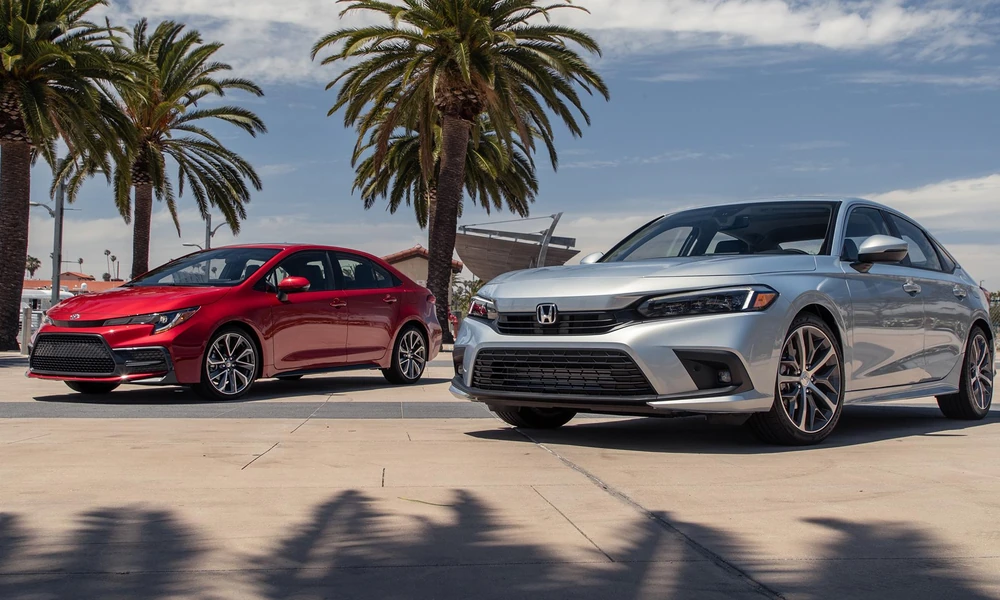
Imagine you’re choosing between a Honda Civic and a Toyota Corolla.
Both are established compact cars with different strengths depending on the model year and trim.
Instead of asking which is universally better, compare the versions you can actually purchase.
Consider the following questions.
Which Has the Better Total Price?
Compare out-the-door prices, including applicable taxes and fees.
Which Offers Better Fuel Economy?
Look at official efficiency figures for the exact powertrains.
Which Interior Feels More Comfortable?
Sit in both vehicles and evaluate visibility, seat support, and cabin layout.
Which Has the Features You Need?
Compare standard equipment rather than assuming features are included across all trims.
Which Costs Less to Insure?
Request insurance quotes for both vehicles.
Which Drives Better for You?
Test-drive each car on similar roads.
Your personal experience can reveal differences that specification sheets cannot.
Common Mistakes People Make When Comparing Cars
Comparing Only Monthly Payments
A low monthly payment can hide a longer loan term or higher total financing cost.
Always evaluate the total amount paid.
Ignoring Insurance
Insurance can meaningfully change affordability.
Get estimates before purchasing.
Choosing Based on Appearance Alone
Styling matters, but it should not outweigh essential needs.
Skipping the Test Drive
Seat comfort, visibility, and driving behavior are difficult to judge from photographs.
Ignoring Trim Differences
Two vehicles with the same model name may have different engines, safety equipment, and features.
Forgetting Long-Term Costs
Fuel, maintenance, insurance, repairs, and depreciation can exceed the difference between two purchase prices.
Car Comparison Checklist Before You Buy
Use this checklist when evaluating your final choices.
- Compare the full purchase price, including taxes and fees.
- Check fuel economy or electricity consumption.
- Research model-year-specific reliability.
- Review safety ratings.
- Compare insurance quotes.
- Evaluate seating comfort and cargo space.
- Review warranty coverage.
- Research maintenance costs.
- Compare expected depreciation.
- Test-drive each shortlisted vehicle.
- Obtain a vehicle history report for used cars.
- Arrange an independent inspection for a used vehicle when appropriate.
A careful comparison can help you avoid buying a vehicle that looks attractive but doesn’t suit your needs.
Frequently Asked Questions About Comparing Cars
What is the best way to compare cars?
Compare vehicles side by side using purchase price, fuel economy, reliability, safety, comfort, features, insurance, and expected ownership costs.
Which car brand is the most reliable?
Reliability varies by model, model year, and powertrain. Research specific vehicles rather than relying exclusively on brand reputation.
Is it better to buy a sedan or SUV?
Sedans often appeal to drivers prioritizing efficiency and maneuverability, while SUVs offer cargo flexibility and higher seating positions.
Should I buy a hybrid or gasoline car?
A hybrid may reduce fuel consumption, especially in city driving. A gasoline car may offer a lower initial price or other advantages depending on the model.
Are electric cars cheaper to maintain?
Electric vehicles generally require fewer engine-related maintenance services, but tire costs, repairs, insurance, and battery-related considerations vary.
How many cars should I compare before buying?
Comparing three to five serious candidates is a practical starting point. Narrow the list to two or three vehicles for detailed research and test drives.
Is buying a used car better than buying new?
Used cars can offer lower purchase prices, while new cars provide full warranty coverage and a known ownership history. The better choice depends on budget and condition.
What matters most when comparing cars?
The most important factors are affordability, reliability, safety, and suitability for your daily needs.
Final Verdict: How to Compare Cars and Make the Right Choice
The best car isn’t necessarily the fastest, most luxurious, or most expensive.
It’s the vehicle that fits comfortably into your budget while meeting your everyday needs.
A compact sedan might be perfect for someone who drives to work every morning. A spacious SUV may make more sense for a growing family. A hybrid could appeal to someone focused on fuel efficiency, while an electric car may suit a driver with convenient home charging.
The smartest buying decision comes from comparing the complete ownership experience.
Start with your budget, identify your priorities, compare the numbers, and then experience the vehicles in person.
Because the right car shouldn’t just look good in your driveway.
It should make your everyday life better.
Disclaimer: This article is provided for general informational and educational purposes only and does not promote or endorse any product, service, brand, or individual. Details may change, and no guarantee is made regarding completeness or accuracy.