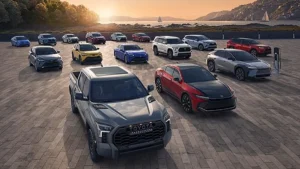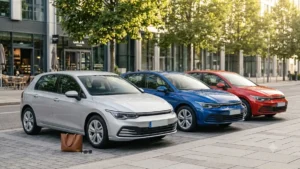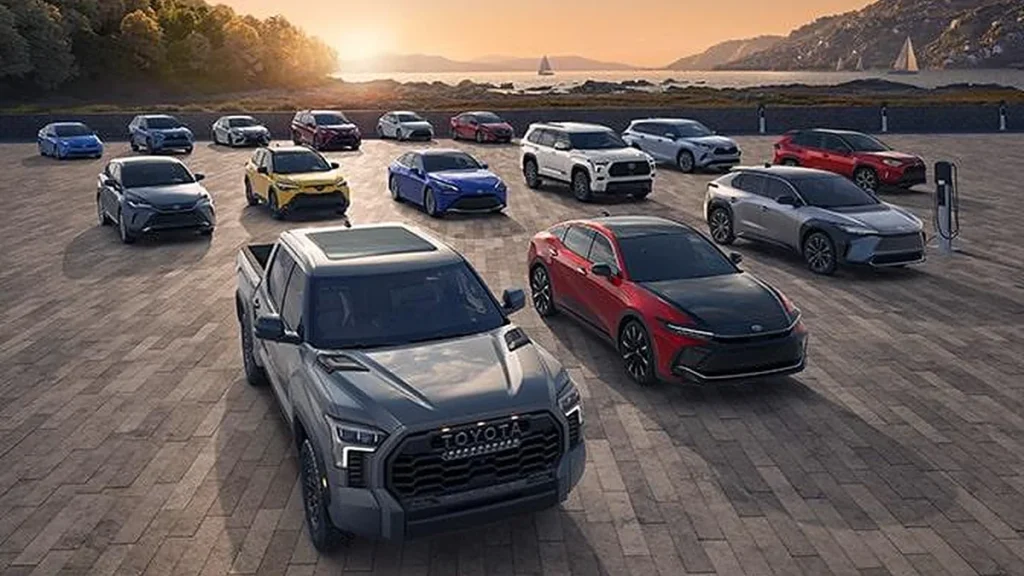
The 2026 car market offers buyers a wide range of choices, from economical daily drivers and family SUVs to luxury vehicles, hybrids, and fully electric cars. Automakers are continuing to develop more advanced driver-assistance systems, connected infotainment features, efficient powertrains, and improved cabin technology.
However, not every 2026 model is completely new. Some vehicles carry over from the previous year with minor updates, while others receive redesigned interiors, revised powertrains, or entirely new generations.
The best 2026 car depends on your budget, driving habits, preferred body style, and access to maintenance or charging facilities. Comparing these factors can help you choose a vehicle that offers long-term value rather than simply buying the newest model.
What Is New About 2026 Cars?
Several automotive developments are shaping the 2026 model year.
More Electric and Hybrid Options
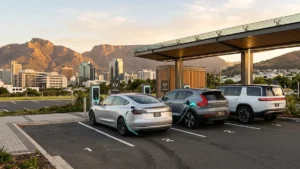
Electric and hybrid vehicles continue to expand across multiple price categories. Buyers can compare conventional hybrids, plug-in hybrids, battery-electric cars, and range-extended electric vehicles.
Each type works differently. Conventional hybrids combine a gasoline engine with an electric motor, while plug-in hybrids can recharge their batteries externally. Battery-electric cars operate using electricity stored in a larger battery.
The best option depends on daily mileage, fuel prices, charging access, and expected ownership costs.
Advanced Driver-Assistance Technology
Many modern cars offer features such as automatic emergency braking, blind-spot monitoring, adaptive cruise control, parking cameras, and lane-keeping assistance.
Availability varies by manufacturer, model, and trim. These systems can help drivers manage certain situations, but they do not make a vehicle fully autonomous or eliminate the need for attention behind the wheel.
More Connected Interiors
Digital instrument displays, larger infotainment screens, smartphone integration, wireless charging, and connected services are increasingly common.
Some vehicles also offer software updates and personalized driver settings. Buyers should check whether these features are included in the purchase price or require subscriptions.
Updated Safety and Comfort Features
Depending on the model, 2026 cars may offer improved lighting, additional airbags, upgraded seat designs, more refined suspension systems, and enhanced cabin insulation.
A new model year does not automatically guarantee a major safety improvement, so reviewing independent crash-test results and equipment specifications remains important.
Popular Types of 2026 Cars
Choosing a category first can help narrow the available options.
1. Compact Cars
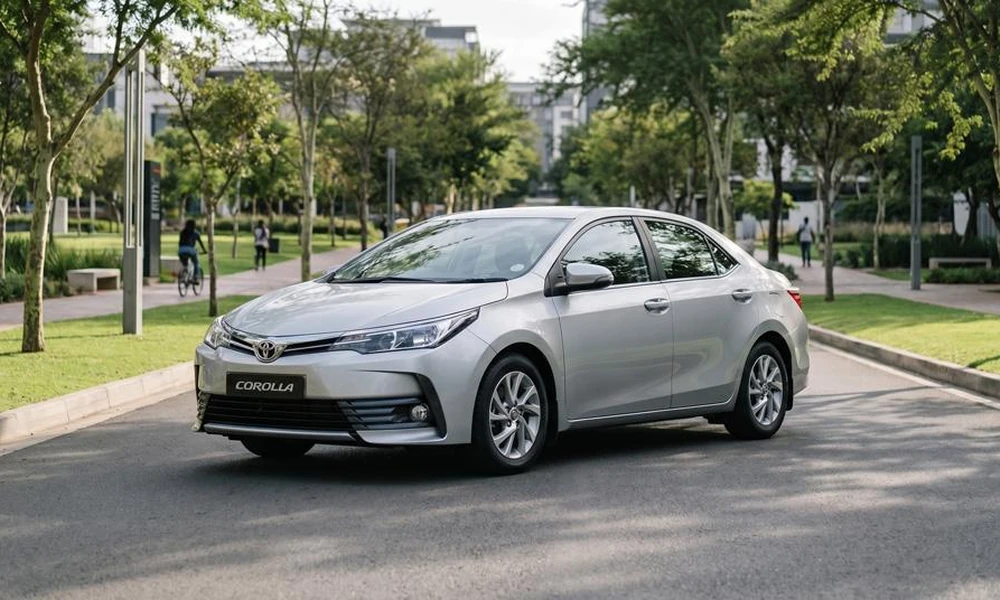
Compact cars are practical for commuting, shopping, and driving through busy urban areas. Their smaller dimensions can make parking easier, and many offer relatively efficient engines.
Models such as the Toyota Corolla, Honda Civic, and Mazda3 illustrate the compact-car category. Current availability, specifications, and model-year changes depend on the market.
Compact cars are worth considering if you prioritize manageable dimensions, everyday comfort, and potentially lower running costs than larger vehicles.
2. SUVs and Crossovers
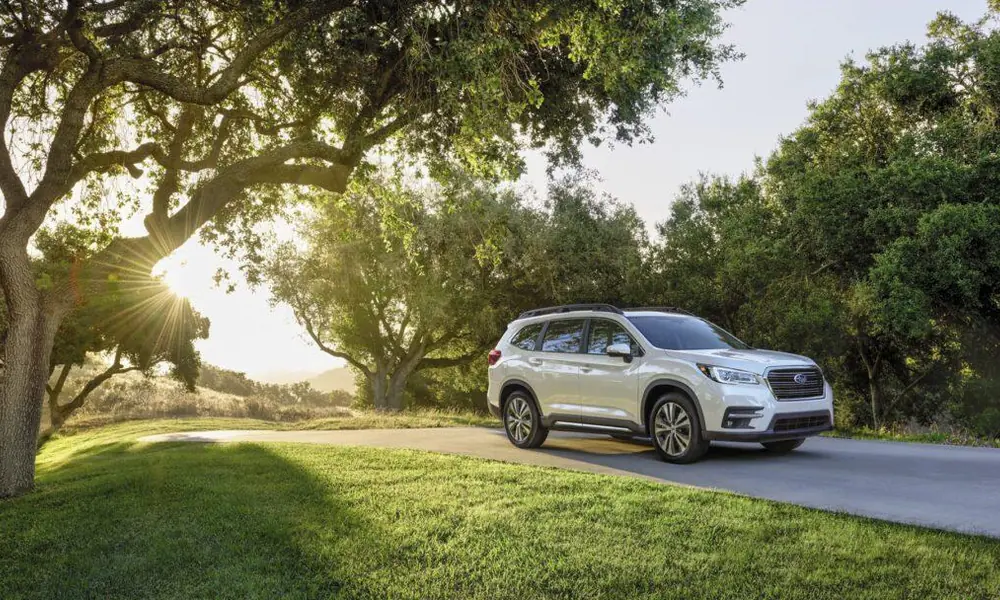
SUVs and crossovers remain popular choices for buyers who want a higher seating position, flexible cargo space, and room for passengers.
The Toyota RAV4, Honda CR-V, Hyundai Tucson, and Kia Sportage are examples of vehicles shoppers may compare, depending on their local 2026 lineups.
Before choosing an SUV, consider fuel economy, parking requirements, cargo capacity, and whether you genuinely need the additional space. A compact car may be more economical for drivers who rarely carry several passengers or large items.
3. Hybrid Cars
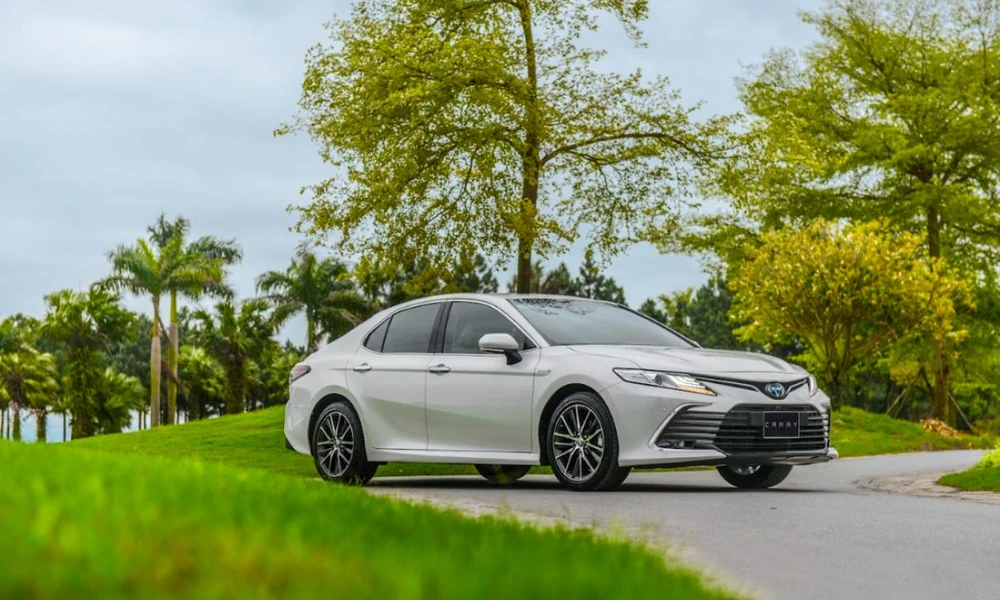
Hybrid cars combine a combustion engine with electric assistance to improve efficiency in suitable driving conditions.
They can be particularly useful for drivers who frequently travel through stop-and-go traffic but do not want to depend entirely on public charging infrastructure.
When comparing 2026 hybrids, look at official fuel-economy figures, battery warranties, maintenance requirements, and the price difference between hybrid and non-hybrid versions.
4. Electric Cars
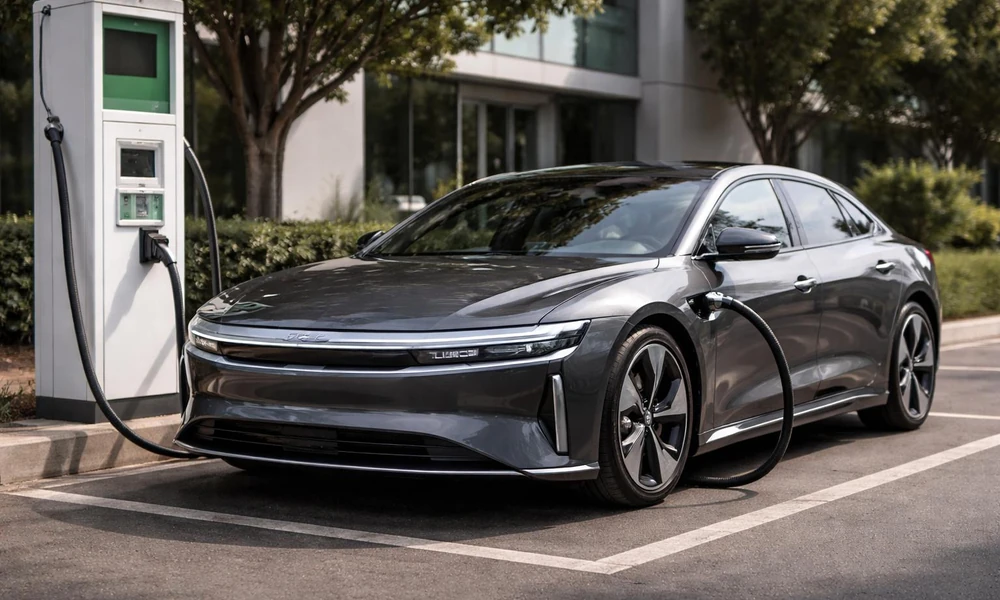
Battery-electric vehicles are powered by electric motors and rechargeable batteries. Depending on the model, they may offer quick acceleration, quiet operation, and lower routine powertrain maintenance requirements than gasoline cars.
Potential options in the wider EV market include the Tesla Model 3, Hyundai Ioniq 5, Kia EV6, and BYD Atto 3, where available.
The most important considerations include usable battery capacity, real-world driving range, charging speed, charging access, and local service support.
5. Luxury Cars
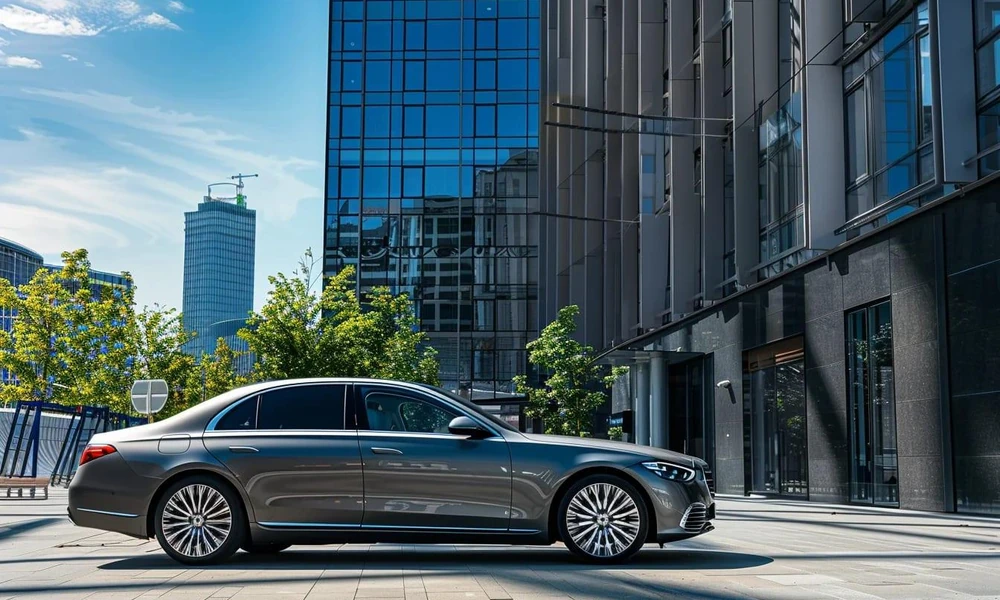
Luxury vehicles focus on comfort, premium materials, technology, refinement, and performance. Depending on the brand and model, buyers may find advanced suspension systems, upgraded audio, extensive customization, and more powerful engines.
Vehicles from Mercedes-Benz, BMW, Audi, Lexus, and Genesis are worth comparing in markets where their 2026 models are offered.
Remember that the total cost of ownership can be considerably higher than the purchase price suggests. Insurance, tires, replacement parts, and servicing deserve careful attention.
6. Sports Cars
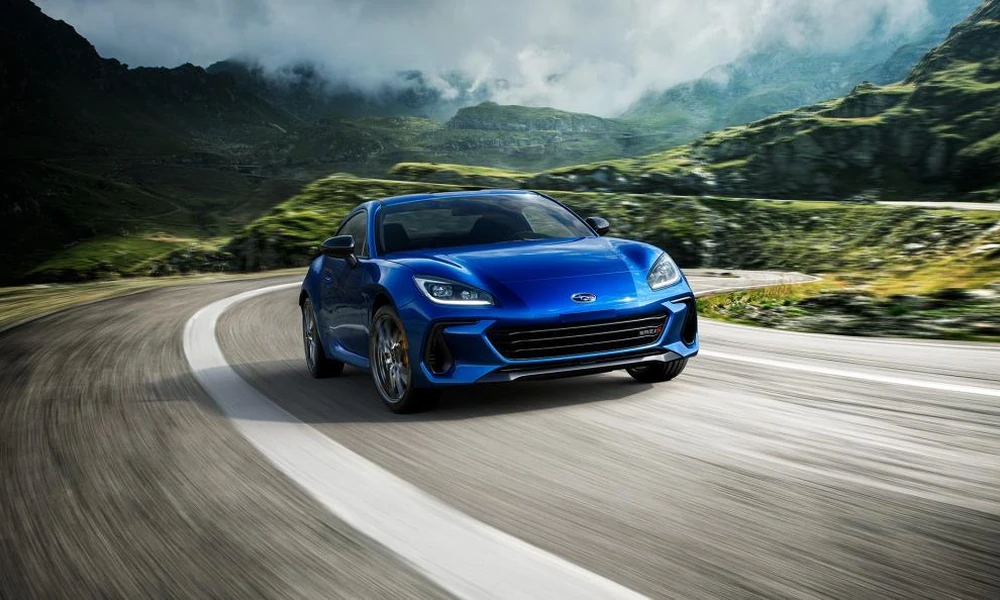
Sports cars prioritize driving enjoyment, acceleration, handling, or distinctive styling. Some offer two seats and limited cargo space, while others combine performance with everyday practicality.
The Chevrolet Corvette, Porsche 911, Mazda MX-5 Miata, and Toyota GR86 represent different approaches to sports-car design.
Before buying, consider ride comfort, insurance costs, fuel consumption, tire expenses, and whether the vehicle suits your daily routine.
2026 Cars Worth Comparing
Rather than assuming one vehicle is best for every buyer, consider these examples by category.
| Vehicle | Category | What to evaluate |
| Toyota Corolla | Compact car | Efficiency, practicality, maintenance |
| Honda Civic | Compact car | Cabin space, driving comfort, equipment |
| Toyota RAV4 | SUV | Cargo capacity, powertrain options, running costs |
| Hyundai Tucson | SUV | Interior technology, comfort, available engines |
| Tesla Model 3 | Electric sedan | Range, charging access, software features |
| Hyundai Ioniq 5 | Electric crossover | Charging capability, interior space, efficiency |
| Lexus ES | Luxury sedan | Ride comfort, refinement, ownership costs |
| Mazda MX-5 Miata | Sports car | Handling, practicality, everyday comfort |
These are comparison starting points, not a guarantee that every model is available as a 2026 vehicle in every country. Confirm the exact model year, trim, specifications, and local availability before purchasing.
How Much Do 2026 Cars Cost?
There is no single price range for 2026 cars because costs differ substantially by country, vehicle category, taxes, and equipment.
An economy hatchback may cost considerably less than a luxury SUV or high-performance sports car. Electric vehicles can also have different upfront costs from comparable gasoline models, while government incentives and import duties may influence final prices.
For an accurate comparison, consider these expenses:
- Manufacturer’s suggested retail price or local advertised price.
- Registration, taxes, and other mandatory charges.
- Insurance premiums.
- Fuel or electricity costs.
- Scheduled servicing and replacement parts.
- Financing costs, if applicable.
- Expected resale value.
In Pakistan, imported vehicles, exchange rates, customs duties, local assembly, and parts availability can significantly affect final prices. Confirm current prices with authorized dealerships or reliable local listings instead of relying on international pricing alone.
Should You Buy a New 2026 Car or a Used Vehicle?
A new 2026 car may offer a manufacturer’s warranty, current technology, and a known maintenance history. It can also provide the opportunity to choose your preferred trim and features.
The main disadvantages are the higher upfront cost and potential depreciation.
A used vehicle may provide better value if it has been maintained properly and has a clear history. However, buyers should check mileage, accident records, mechanical condition, and outstanding recalls.
The right choice depends on your finances, expected ownership period, and the value you place on newer features and warranty coverage.
What to Check Before Buying a 2026 Car
Compare Safety Ratings
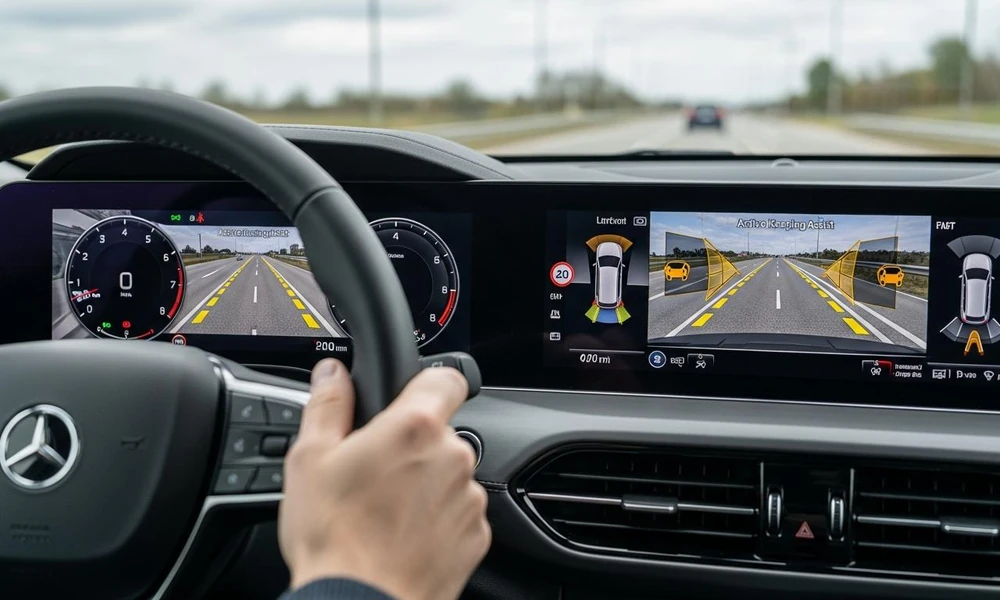
Review independent crash-test results for the exact model and generation. Check the standard safety equipment and determine whether important driver-assistance features are optional.
Evaluate Fuel Economy or Driving Range
For gasoline cars, compare official fuel consumption and consider your typical driving conditions. For electric cars, evaluate usable range, charging speed, and the availability of charging stations along your usual routes.
Test the Cabin and Technology
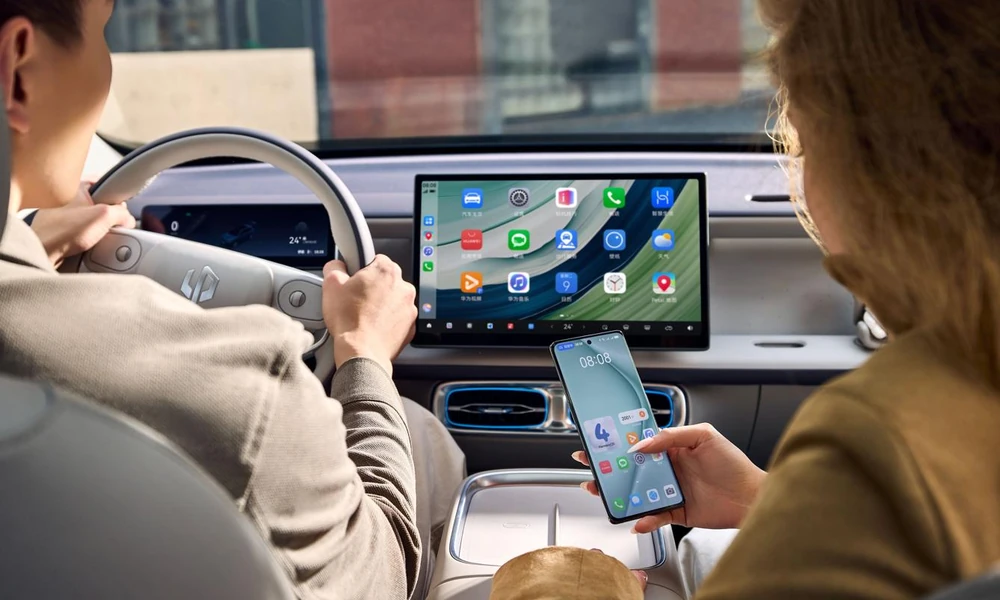
Check seating comfort, visibility, rear-seat room, cargo space, climate control, and infotainment usability. A long list of technology features is less valuable if the vehicle is uncomfortable or difficult to operate.
Research Reliability and Servicing
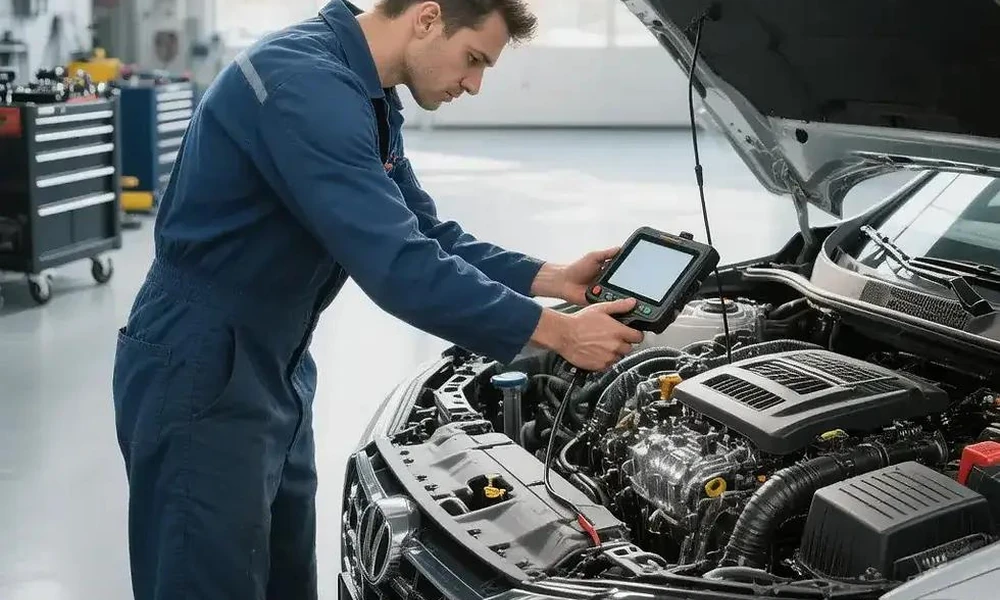
Investigate the model’s known issues, warranty terms, parts availability, and local repair support. This is especially important for newly introduced models with limited long-term reliability data.
Calculate Total Ownership Costs
A car with a higher purchase price may have lower fuel costs, while a less expensive model may require more frequent servicing or costly repairs. Compare expected expenses over the period you plan to own the vehicle.
Frequently Asked Questions About 2026 Cars
What are the best cars of 2026?
There is no universal winner. Compact cars, SUVs, hybrids, electric vehicles, luxury sedans, and sports cars each suit different needs. The best choice depends on your budget, driving habits, safety priorities, and local availability.
Are 2026 cars more fuel-efficient?
Some 2026 models offer improved efficiency through updated engines, hybrid systems, aerodynamic changes, or reduced vehicle weight. However, improvements vary by model, and not every new car is more efficient than its predecessor.
Are electric cars worth buying in 2026?
Electric cars may be worthwhile if you have convenient charging access, a suitable driving range, and competitive electricity costs. Buyers should also consider battery warranties, public charging availability, and the vehicle’s resale prospects.
Will 2026 cars have self-driving technology?
Some models offer advanced driver-assistance features, but these are not equivalent to unrestricted self-driving. Drivers must understand the system’s limitations and follow the manufacturer’s instructions and applicable laws.
Are 2026 cars available in Pakistan?
Yes, new model-year vehicles and recently launched models are available in Pakistan, but the selection differs from other markets. Some vehicles arrive later, while others may be imported, locally assembled, or unavailable. Check current local listings and official dealer announcements.
Is it better to buy a 2026 model or wait for 2027 cars?
Buying now may make sense if the vehicle meets your needs and the price is competitive. Waiting could provide more choices or updated features, but future prices, release dates, and specifications are not guaranteed. Compare current offers with confirmed information about upcoming models.
Final Verdict
The 2026 car market offers choices for almost every type of driver, from practical compact cars and family SUVs to hybrids, electric vehicles, luxury models, and sports cars. The biggest differences are not simply the model year but the vehicle’s design, powertrain, equipment, running costs, and suitability for your daily life.
Before purchasing, compare several vehicles in your budget, confirm local specifications, check safety and reliability information, and calculate the total cost of ownership. A well-matched car is a better investment than choosing a vehicle based on its model year alone.
Disclaimer: This article is provided for general informational and educational purposes only and does not promote or endorse any product, service, brand, or individual. Details may change, and no guarantee is made regarding completeness or accuracy.