
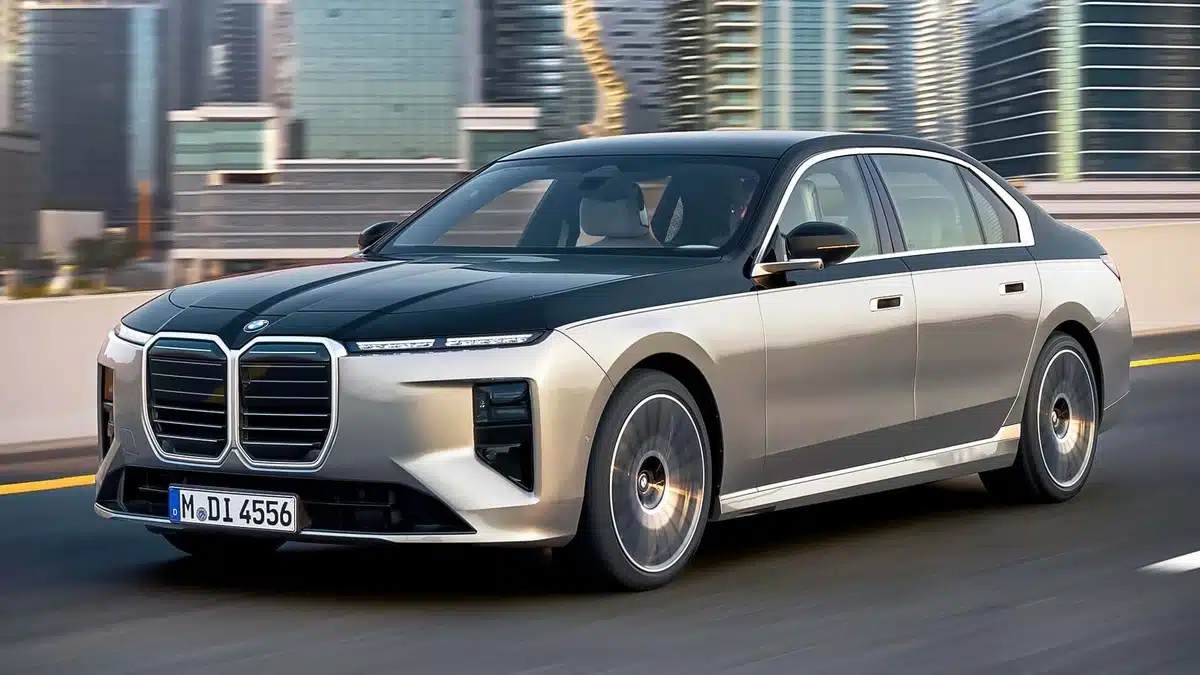
The BMW 7 Series sits at the top of BMW’s traditional sedan lineup. While the 3 Series is built around the sport-sedan idea and the 5 Series combines executive comfort with driving dynamics, the 7 Series is designed to deliver a more complete flagship experience.
It is larger, more luxurious, and more heavily focused on technology and passenger comfort. The current generation also gives buyers multiple powertrain choices, including gasoline, plug-in hybrid, and fully electric versions through the BMW i7. Here are 10 things that define the BMW 7 Series.
1. The BMW 7 Series Is BMW’s Flagship Sedan
The 7 Series represents the highest level of BMW’s conventional sedan lineup. Its purpose isn’t simply to be a bigger 5 Series. BMW uses the 7 Series to showcase its latest interior technology, comfort features, design ideas, and powertrain development. That makes the 7 Series particularly important to the brand because technologies introduced here can eventually spread into other BMW models.
2. The 7 Series Has Been Around Since the 1970s
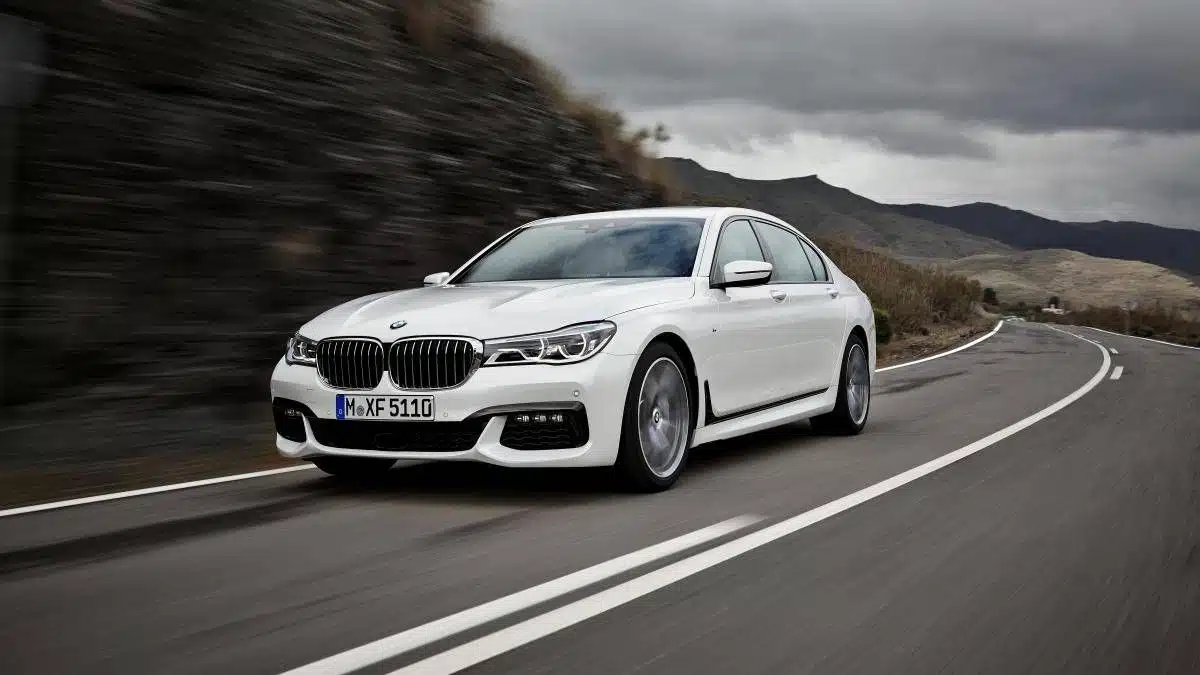
BMW introduced the first-generation 7 Series in 1977. Since then, the model has evolved through several generations, moving from a relatively traditional luxury sedan into one of the most technologically advanced vehicles in BMW’s range. The latest generation continues that progression with a much stronger emphasis on digital technology, electrification, and rear-passenger comfort. Despite those changes, the fundamental purpose remains the same: provide a flagship BMW experience in sedan form.
3. The 7 Series Is Designed Around Luxury
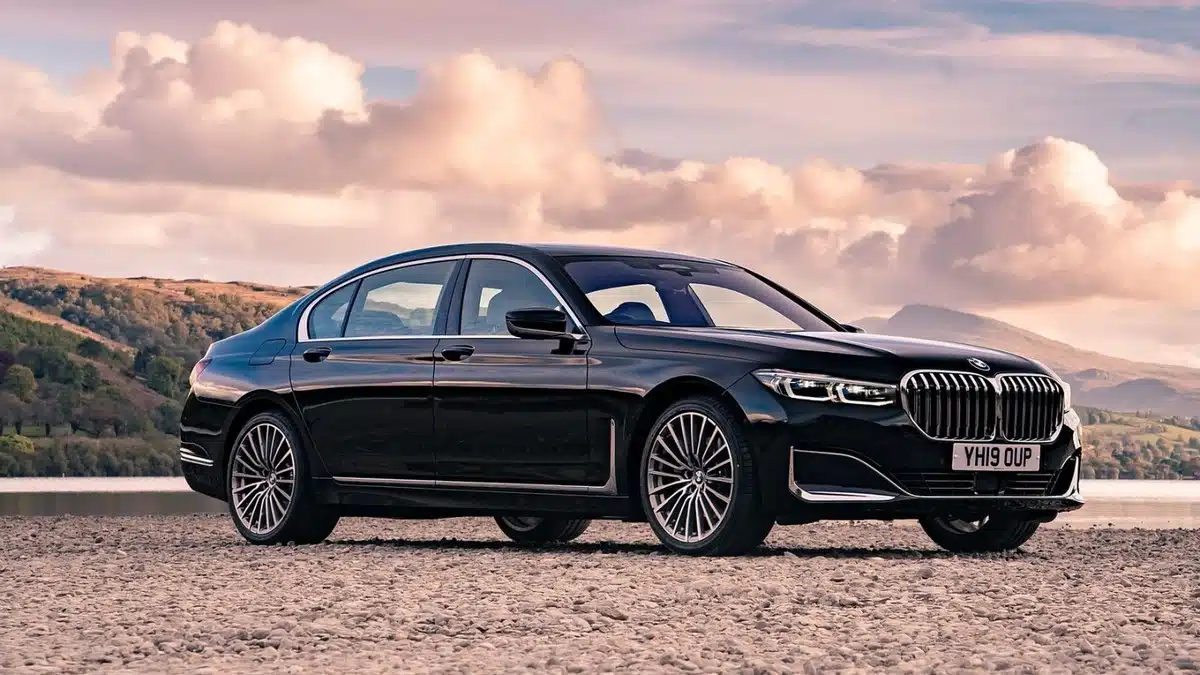
The 7 Series is not primarily about being the smallest, lightest, or most agile BMW. Its priorities are different. Depending on specification, the cabin can include:
- Premium leather and upholstery options
- Executive rear-seat features
- Advanced climate controls
- High-end audio
- Ambient lighting
- Massage functions
- Large digital displays
- Rear entertainment technology
The available equipment varies considerably by market and configuration. That’s important because a base 7 Series and a highly specified example can offer very different cabin experiences.
4. The BMW i7 Brings Full Electric Power to the 7 Series
One of the defining features of the current 7 Series generation is that BMW developed an electric counterpart alongside the combustion-powered versions. That model is the BMW i7. The i7 keeps the flagship sedan concept but replaces the conventional combustion powertrain with a fully electric system.
BMW offers different i7 configurations, including the i7 xDrive60 and higher-performance versions such as the i7 M70 xDrive, depending on the market. This gives buyers a choice between traditional powertrains and full electrification without leaving the 7 Series family.
5. The BMW i7 Is About More Than Electric Performance
The i7 isn’t simply an electric version of a luxury sedan. BMW has used electrification as an opportunity to emphasize quietness, smooth acceleration, and cabin comfort. That matters in a flagship sedan.
Electric powertrains naturally reduce engine noise, while BMW can use the additional flexibility of an electric platform to create a particularly refined driving experience. The i7 also incorporates the same broad technology and luxury philosophy associated with the current 7 Series, including the kind of driving dynamics that remain central to BMW’s wider vehicle lineup.
6. The Theatre Screen Changes the Rear Seat
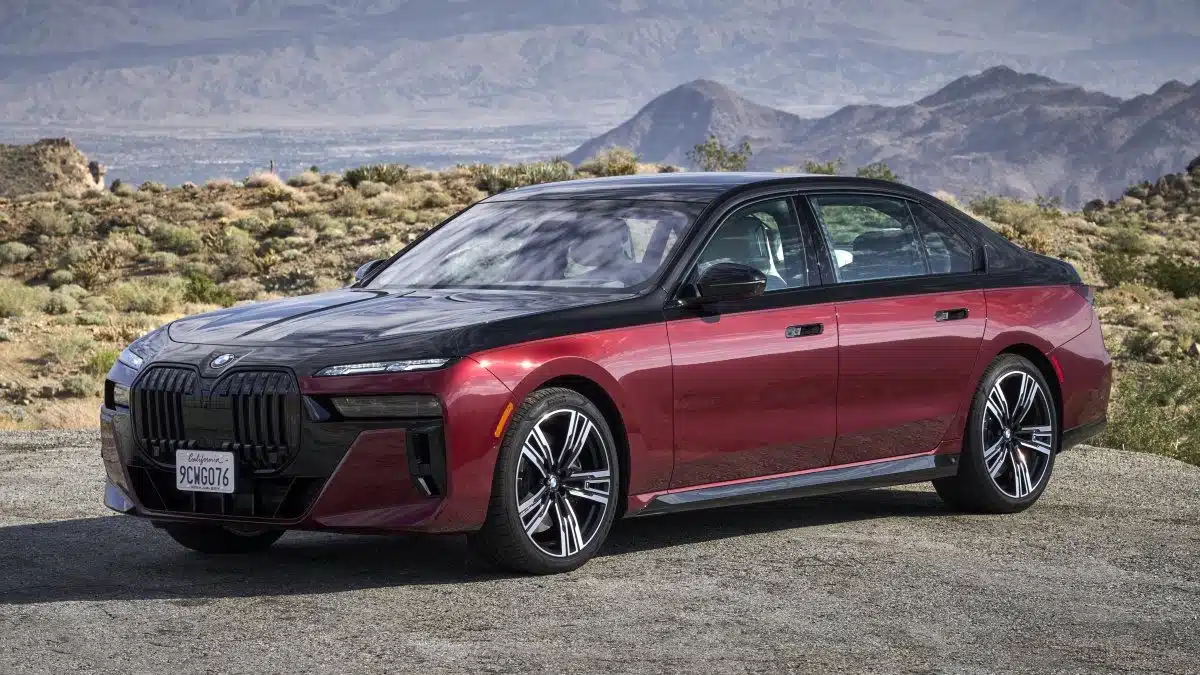
One of the most talked-about features available in the current 7 Series and i7 is BMW’s Theatre Screen. The large rear display drops down from the roof and gives rear passengers access to entertainment content.
It’s an example of how the 7 Series is increasingly designed around the passenger experience rather than simply the driver. For buyers who regularly use the rear seats, features like this can matter more than outright acceleration.
7. The 7 Series Offers Different Powertrain Philosophies
The modern 7 Series isn’t locked into one type of powertrain. Depending on the market, the family can include:
- Gasoline-powered models
- Plug-in hybrid models
- Fully electric i7 models
- High-performance M variants
This allows BMW to use the same flagship sedan concept for different kinds of buyers. Someone who prefers conventional long-distance fueling can choose a combustion model. Someone looking for electric driving can move to the i7. And buyers looking for higher performance can consider BMW’s M-oriented versions.
8. The BMW M760e Brings Plug-In Hybrid Performance
The BMW M760e xDrive demonstrates how BMW is combining luxury, electrification, and performance. Instead of choosing between a conventional combustion engine and a fully electric powertrain, the M760e uses plug-in hybrid technology.
The result is a flagship sedan designed to provide electric driving capability while retaining the long-distance flexibility of a combustion engine. Availability and specifications vary by market, but the M760e illustrates the broader direction of the modern 7 Series.
9. The 7 Series Is Built for Long-Distance Comfort
The flagship sedan has always had an important role as a long-distance luxury car. The latest 7 Series continues that tradition with a strong focus on:
- Ride comfort
- Seat comfort
- Cabin refinement
- Noise isolation
- Rear-seat amenities
- Advanced driver assistance
- Highway cruising
That doesn’t mean the 7 Series has abandoned BMW’s driving heritage. It simply gives comfort a much larger role than it has in smaller BMW models.
10. The 7 Series Is More Than a Status Symbol
Large luxury sedans are often associated with executive transportation, but the 7 Series is also designed to be driven. BMW still gives the driver access to sophisticated chassis systems, multiple driving modes, and powerful powertrains. The result is a car that can work in two very different ways.
It can be a quiet, comfortable rear-seat limousine. Or it can be a large BMW driven enthusiastically from behind the wheel. That dual personality is one of the defining characteristics of the 7 Series.
BMW 7 Series vs. BMW 5 Series
The 5 Series and 7 Series are closely related in concept, but their priorities are different. The 5 Series is an executive sedan that balances luxury with driving involvement. The 7 Series moves further toward flagship luxury.
Compared with the 5 Series, the 7 Series emphasizes:
- Greater cabin space
- More rear-seat technology
- Higher levels of luxury equipment
- More advanced comfort features
- Stronger flagship presence
The 5 Series remains the more compact choice, while the 7 Series is designed for buyers who want BMW’s largest traditional sedan experience.
BMW 7 Series vs. Mercedes-Benz S-Class
The 7 Series competes in the same flagship luxury-sedan category as the Mercedes-Benz S-Class. Both cars place substantial emphasis on:
- Passenger comfort
- Advanced technology
- Rear-seat luxury
- Premium materials
- Powerful engines
- Electrification
The differences are found in design, technology, powertrain options, driving characteristics, and the individual specifications chosen by the buyer. At this level, comparing exact trims and equipment is more useful than comparing badges alone.
BMW 7 Series Model Guide
| Model | General character |
| 740i | Traditional luxury 7 Series |
| 740i xDrive | Luxury sedan with all-wheel drive |
| 750e xDrive | Plug-in hybrid flagship sedan |
| i7 xDrive60 | Fully electric luxury flagship |
| i7 M70 xDrive | High-performance electric flagship |
| M760e xDrive | Performance-oriented plug-in hybrid |
Exact availability, equipment, and specifications vary by market and model year.
Final Thoughts
The BMW 7 Series represents the most luxurious side of BMW’s sedan philosophy. The 5 Series is about executive balance. The 7 Series takes that idea further, adding more space, technology, rear-seat comfort, and flagship-level equipment.
The modern lineup also gives buyers more choice than ever. The 740i represents the traditional luxury sedan. Plug-in hybrid versions bring electrification without abandoning a combustion engine. The i7 takes the flagship completely electric, while M-oriented models add another layer of performance.
The result is a 7 Series that isn’t defined by one engine or one type of buyer. It is defined by BMW’s flagship idea: a luxury sedan designed to make almost every journey feel like an occasion.
Frequently Asked Questions
Is the BMW 7 Series the most luxurious BMW?
It is BMW’s flagship luxury sedan and sits at the top of the brand’s traditional sedan hierarchy.
Is the BMW 7 Series bigger than the 5 Series?
Yes. The 7 Series is positioned above the 5 Series and provides a larger, more spacious flagship-sedan experience.
What is the BMW i7?
The BMW i7 is the fully electric version of BMW’s flagship 7 Series sedan.
Is the BMW i7 a luxury car?
Yes. The i7 combines fully electric propulsion with the flagship luxury features and technology of the current 7 Series family.
What is the BMW M760e?
The M760e xDrive is a high-performance plug-in hybrid version of the 7 Series available in selected markets.
What is the BMW Theatre Screen?
It is a large rear-seat entertainment display available in the current 7 Series and i7, designed to give passengers a cinema-style entertainment experience.
Is the BMW 7 Series good for long-distance driving?
The 7 Series is specifically designed with long-distance luxury and comfort in mind, with an emphasis on ride quality, cabin refinement, and passenger comfort.