
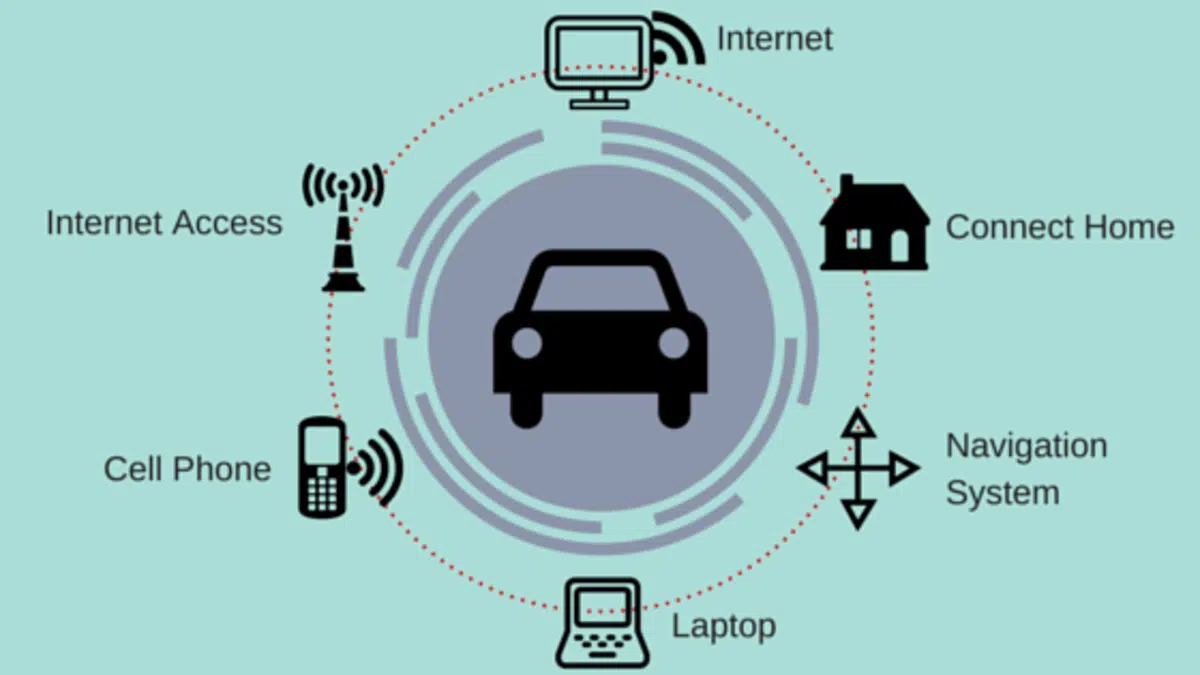
The automotive industry is rapidly evolving, and one of the most significant innovations is connected car technology. Modern vehicles are no longer just transportation machines—they are intelligent systems capable of communicating with networks, devices, and even other vehicles.
Through advanced vehicle connectivity features, drivers can access real-time navigation, remote vehicle monitoring, predictive maintenance alerts, and enhanced safety systems. Powered by technologies like telematics technology and the internet of vehicles, connected cars are transforming how people interact with their vehicles.
In this article, we’ll explore how connected car technology works, the key systems behind it, its benefits, and why it is becoming a crucial part of modern transportation.
What Is Connected Car Technology?
Connected car technology refers to a vehicle’s ability to connect to the internet and communicate with external systems such as smartphones, cloud platforms, road infrastructure, and other vehicles.
This connectivity allows drivers and manufacturers to access valuable data that improves safety, convenience, and efficiency.
Key Components of Connected Cars
Modern connected vehicles rely on several integrated technologies:
Internet of Vehicles (IoV): A network where vehicles communicate with each other and with infrastructure.
Telematics technology: Systems that collect and transmit vehicle data such as speed, location, and diagnostics.
Vehicle connectivity features: Built-in sensors, wireless modules, and onboard computers.
Smart car apps: Mobile applications that allow drivers to control and monitor their vehicles remotely.
Together, these technologies create an intelligent ecosystem that enhances the driving experience.
How Connected Car Technology Works
At the core of connected car technology is the ability to collect and transmit data through wireless networks.
Basic Workflow of a Connected Vehicle
Sensors collect data
Sensors track vehicle speed, fuel levels, engine health, and location.
The telematics control unit (TCU) processes information
The TCU acts as the communication hub inside the vehicle.
Wireless networks transmit data
Cellular networks, Wi-Fi, or satellite systems send data to cloud servers.
Cloud platforms analyze data
AI and analytics tools process the information.
Drivers receive updates through smart car apps
Notifications, diagnostics, and navigation insights appear on smartphones or vehicle displays.
This continuous data exchange makes connected cars more intelligent and responsive.
Key Vehicle Connectivity Features
Modern vehicles now include a wide range of vehicle connectivity features designed to improve convenience and safety.
Popular Connected Car Features
Real-time navigation and traffic updates
Remote vehicle access via smart car apps
Over-the-air (OTA) software updates
Vehicle health monitoring and maintenance alerts
Emergency assistance and accident detection
For example, drivers can use smart car apps to lock doors remotely, start the engine, or track vehicle location.
The Role of Telematics Technology
Telematics technology plays a crucial role in connected vehicles by collecting and transmitting data between the car and external systems.
Common Applications of Telematics
Fleet management for logistics companies
Real-time GPS tracking
Driver behavior monitoring
Vehicle diagnostics and maintenance alerts
Businesses across the United States widely use telematics systems to monitor delivery trucks and company vehicles, improving efficiency and safety.
Internet of Vehicles (IoV): The Connected Transportation Network
The internet of vehicles extends the concept of connected cars by creating a communication network between vehicles, infrastructure, and digital systems.
Types of IoV Communication
| Communication Type | Description | Example |
|---|---|---|
| Vehicle-to-Vehicle (V2V) | Cars communicate with nearby vehicles | Collision avoidance alerts |
| Vehicle-to-Infrastructure (V2I) | Vehicles interact with traffic systems | Smart traffic signals |
| Vehicle-to-Cloud (V2C) | Vehicles connect with cloud platforms | Remote diagnostics |
| Vehicle-to-Pedestrian (V2P) | Alerts drivers about nearby pedestrians | Safety notifications |
These systems help reduce accidents, improve traffic flow, and create smarter transportation networks.
Benefits of Connected Car Technology
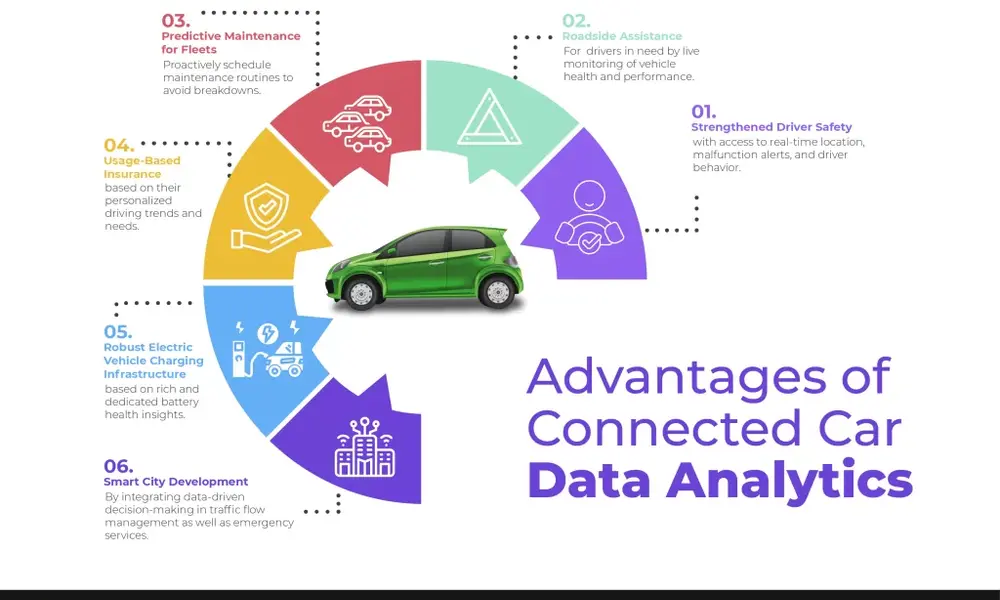
The adoption of connected car technology brings multiple advantages for drivers, manufacturers, and cities.
Major Benefits
Improved safety: Real-time alerts reduce accident risks.
Enhanced convenience: Remote vehicle access through smart car apps.
Better vehicle maintenance: Predictive diagnostics identify issues early.
Smarter navigation: Live traffic data improves route planning.
Efficient fleet management: Businesses track and manage vehicles easily.
These benefits explain why connected vehicles are rapidly becoming the industry standard.
Real-World Examples of Connected Cars
Several automakers already offer advanced connectivity systems in their vehicles.
Examples of Connected Vehicle Services
Remote start and vehicle tracking through mobile apps
Automatic emergency response during accidents
Cloud-based navigation systems
Voice assistants integrated into vehicle dashboards
Many vehicles sold in markets like the United States, Europe, and Asia now include these advanced connectivity features.
Connected Car Technology in Local Markets
While connected vehicles are widely adopted in major automotive markets like the United States, interest is also growing in developing regions.
Cities such as Lahore, Karachi, and Islamabad are gradually integrating smart transportation technologies, including GPS tracking and telematics systems in ride-sharing services and logistics fleets.
Local Opportunities
Ride-sharing companies using telematics technology
Delivery services tracking vehicles through IoT systems
Smart city initiatives improving traffic management
These developments demonstrate how connected car technology can support safer and more efficient transportation in urban environments.
Tips for Using Connected Car Features Safely
While connected cars offer many advantages, drivers should also follow best practices to maintain safety and privacy.
Safety Tips
Keep vehicle software updated regularly
Use strong passwords for smart car apps
Monitor data sharing settings
Avoid using apps while driving
Following these steps helps ensure secure and reliable vehicle connectivity.
The Future of Connected Car Technology
The future of connected car technology will likely include deeper integration with artificial intelligence, smart cities, and autonomous vehicles.
Emerging Trends
AI-powered driving assistants
5G-enabled vehicle connectivity
Fully integrated smart transportation systems
Advanced predictive maintenance using machine learning
These innovations will further transform how people travel and interact with vehicles.
Conclusion
Connected car technology is redefining modern transportation by combining connectivity, automation, and intelligent data systems. Through the internet of vehicles, telematics technology, and advanced vehicle connectivity features, cars are becoming smarter, safer, and more efficient.
From remote vehicle control through smart car apps to real-time traffic updates and predictive maintenance, connected vehicles provide drivers with unprecedented convenience and safety.
Call to Action:
If you are interested in upgrading to a smarter vehicle, explore dealerships and automotive technology services in your area. Connected car solutions are becoming increasingly available in markets worldwide, helping drivers experience the next generation of intelligent transportation.
FAQs
Q1: What is connected car technology?
Connected car technology allows vehicles to connect to the internet and communicate with other devices, systems, and vehicles.
Q2: How does telematics technology work in connected cars?
Telematics technology collects vehicle data such as location, speed, and diagnostics and transmits it to cloud platforms for analysis.
Q3: What are common vehicle connectivity features?
Common features include real-time navigation, remote vehicle control, maintenance alerts, and smartphone integration.
Q4: What is the internet of vehicles?
The internet of vehicles is a network where cars communicate with each other, infrastructure, and cloud systems to improve safety and efficiency.
Q5: Are connected car features available in cities like Lahore or Karachi?
Yes, many modern vehicles and ride-sharing fleets in Lahore and Karachi are adopting connected car technology and telematics systems.