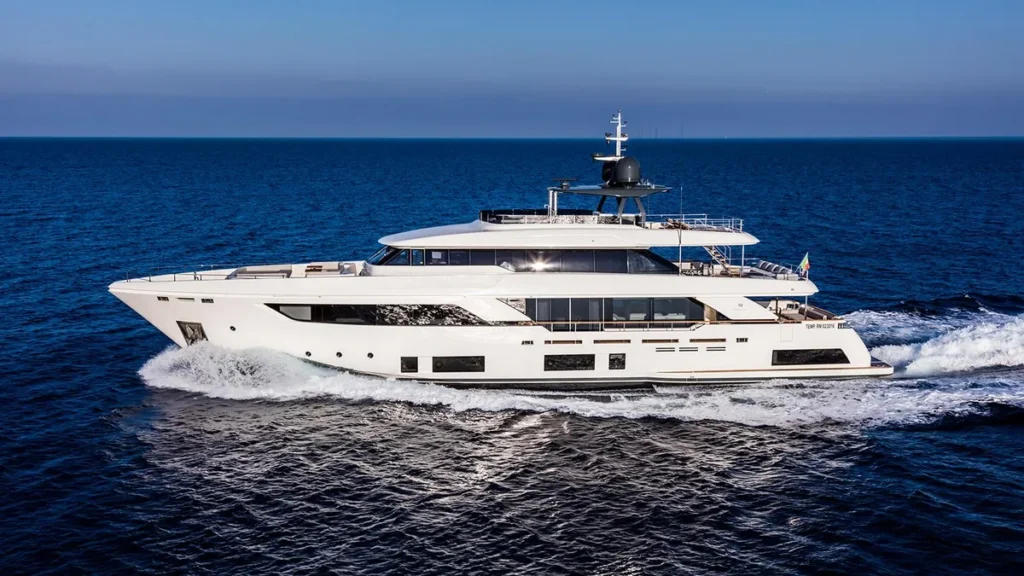
Custom yacht builders create yachts around an owner’s needs, preferences and intended use. They manage or coordinate the main stages of a project, including design, engineering, construction, interior finishing and delivery. Unlike standard production yachts, custom yachts offer far more freedom in layout, materials, equipment and onboard features.
Choosing a builder is one of the most important decisions in the process. Buyers need to weigh the shipyard’s experience, facilities, technical skills, project management and after-sales support. They should also understand the likely costs, the construction schedule and the legal requirements before signing a contract.
This guide explains how custom yacht builders work, what services they offer, how yachts are built and what to check before selecting a shipyard.
What Is a Custom Yacht Builder?

A custom yacht builder is a shipyard or company that constructs yachts to an owner’s specific requirements. It works with designers, naval architects, engineers and specialist contractors to turn an initial idea into a working vessel.
The owner may have a particular size, layout, cruising range, speed or interior style in mind. The builder helps turn these wishes into a practical construction plan. Typical services include:
- Developing designs and construction plans
- Working with naval architects and marine engineers
- Building the hull and superstructure
- Installing engines and onboard systems
- Creating custom interiors and exterior features
- Testing equipment and completing sea trials
- Preparing the yacht for delivery
Some shipyards handle most of these activities themselves, while others work with outside designers and specialist companies.
Custom, Semi-Custom and Production Yachts
Buyers generally choose between three approaches, each with a different level of design freedom.
| Feature | Fully custom | Semi-custom | Production |
|---|---|---|---|
| Design | Developed for the project | Based on an existing design | Established model |
| Layout | Highly flexible | Some changes possible | Mostly fixed |
| Customization | Extensive | Depends on the builder | Limited |
| Design work needed | Most | Moderate | Least |
Fully custom yachts are developed around one owner’s requirements, giving control over dimensions, exterior styling, interior arrangements, materials and equipment. This suits owners whose needs existing models cannot meet, but it requires more design and engineering work before construction begins.
Semi-custom yachts start from an existing design or platform and allow selected changes, such as interior layouts, finishes and equipment. The available changes depend on the shipyard’s design and engineering limits.
Production yachts are built to established designs and methods, with multiple examples of the same model. They suit buyers who want a proven design rather than a project developed from scratch.
What Services Do Custom Yacht Builders Offer?

A builder may provide a complete service or coordinate several specialists throughout the project.
Design
The design stage turns the owner’s ideas into plans that can be reviewed and refined. It covers exterior styling, interior arrangements, guest accommodation, crew spaces, deck layouts and entertainment areas. Designers must also consider how people will move around the yacht and how its spaces will work in daily use.
Naval Architecture and Engineering
Naval architecture deals with the yacht’s form and performance on the water, while marine engineering covers its technical systems and machinery. The work typically includes:
- Hull shape and structural design
- Stability and weight calculations
- Engine and propulsion planning
- Fuel capacity and cruising range
- Electrical and mechanical systems
- Ventilation and air conditioning
- Safety and technical requirements
Good engineering matters because appearance alone cannot tell you whether a yacht will perform safely and efficiently.
Construction and Customization
The construction team turns approved designs into a physical vessel. Depending on the yacht, this involves hull fabrication, structural assembly, superstructure construction, machinery installation and interior work.
Customization lets owners shape the yacht around their preferences. Common options include bespoke furniture and cabinetry, custom finishes and lighting, swimming platforms and deck spaces, entertainment systems, navigation and communication equipment, and stabilization and comfort systems. The design and engineering teams should review every change before it is approved for construction.
Testing and After-Sales Support
Before delivery, the yacht and its systems need inspection and testing. Depending on the agreement, builders may also provide commissioning, crew familiarization, warranty support, and maintenance and repair services.
How the Custom Yacht Building Process Works
Building a custom yacht involves several connected stages. The exact sequence and duration depend on the yacht’s size, complexity and materials.
1. Define the Owner’s Requirements
The project begins with a discussion of how the yacht will be used. Important questions include:
- Will it be used for private cruising or commercial operation?
- How many guests and crew will it carry?
- Which destinations and conditions are planned?
- What speed and range are required?
- Which interior and exterior features matter most?
- What is the budget?
Clear answers help the team develop a suitable project.
2. Concept and Design Development
The design team prepares initial concepts from the owner’s brief, including exterior designs, preliminary dimensions and interior arrangements. The owner reviews them and requests changes before the design moves into detailed development.
3. Naval Architecture and Engineering
Naval architects and engineers develop the technical plans, assessing the hull, stability, weight distribution, propulsion and onboard systems against the intended operating conditions and applicable safety requirements.
4. Shipyard Selection and Contract
Once the requirements are clear, the owner evaluates builders and compares proposals. In practice, many owners begin talking to shipyards earlier and run this step alongside design development. The contract should set out the specification, schedule, payment arrangements, responsibilities, change procedures and delivery conditions. Independent legal and technical advice can help the owner understand it before signing.
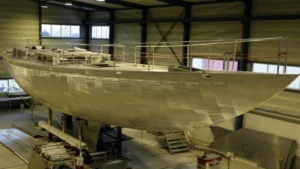
5. Hull and Superstructure Construction

The shipyard begins building to the approved plans, preparing materials, constructing the hull, assembling structural sections and building the superstructure. Inspections during this stage catch problems before later work covers or restricts access to the area.
6. Machinery, Systems and Interior
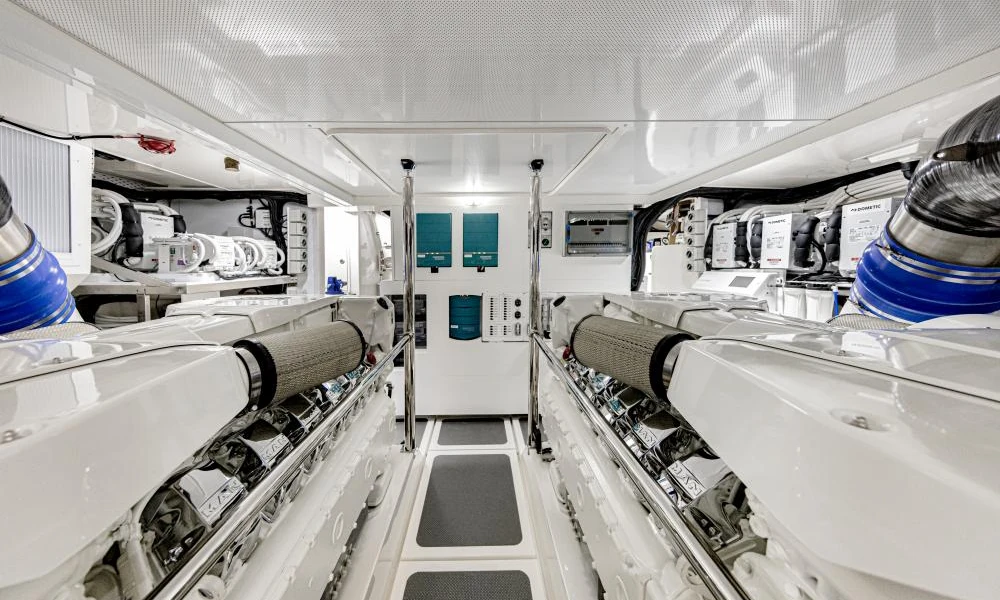
Once the main structure is ready, teams install engines, propulsion equipment, electrical systems, navigation technology, plumbing and ventilation. Interior construction and finishing continue alongside.
7. Quality Checks and Testing
The builder and surveyors check the work against the agreed specification and applicable requirements. Testing covers machinery, electrical systems, navigation equipment, safety equipment and other installed systems, and any defects should be recorded and corrected.
8. Sea Trials and Commissioning
Sea trials test the yacht in the water under agreed conditions, covering speed, handling, propulsion, machinery, navigation and onboard systems. Results should be compared with the technical specification. Commissioning confirms that the equipment has been checked and prepared for operation.
9. Delivery and Handover
Before accepting the yacht, the owner should review the delivery requirements and any outstanding defects. Handover usually includes:
- Operating manuals and technical documents
- Certificates and survey records
- Warranty information
- Spare parts included in the contract
- Equipment lists
- Crew familiarization or training, if agreed
Materials Used in Custom Yacht Construction

Material choice affects a yacht’s weight, strength, construction method, maintenance and performance, and the right choice depends on the design and intended use.
| Material | Main characteristics | Key considerations |
|---|---|---|
| Fiberglass and composites | Can be molded into many shapes | Build quality and repair methods |
| Aluminum | Relatively lightweight | Corrosion protection and welding quality |
| Steel | Strong structural material | Weight and corrosion control |
| Wood | Traditional look and craftsmanship | Maintenance and construction method |
Fiberglass and composites are used in many yacht designs, and their quality depends on the materials, engineering and production process. Aluminum is common in motor yachts where low weight is useful, but it needs careful design, welding and corrosion protection. Steel is widely used in larger yachts for its strength, though weight and corrosion protection need attention. Wood remains relevant in traditional and selected modern builds, depending on construction method, material quality and upkeep.
No single material is best for every yacht. The builder and design team should choose according to the vessel’s specification.
What Affects Custom Yacht Costs?
Custom yacht costs vary widely, and there is no reliable universal price because every project differs in size, materials, equipment and design. Ask each shipyard for a detailed, itemized quotation rather than relying on general figures.
| Cost factor | How it affects the budget |
|---|---|
| Yacht size | Larger vessels need more materials and labor |
| Design complexity | One-off designs require individual design and engineering |
| Construction materials | Material choice affects fabrication and equipment costs |
| Engines and propulsion | Power and propulsion requirements affect equipment costs |
| Interior finishes | Bespoke furniture and premium finishes add to the budget |
| Onboard technology | Navigation, automation and communication systems add cost |
| Project duration | Longer, more complex projects need more project resources |
Costs Beyond Construction
The construction price is not the full cost of ownership. Plan also for:
- Design and professional fees
- Surveys and certification
- Registration and legal expenses
- Insurance
- Delivery and transportation
- Crew and management
- Fuel and routine maintenance
- Repairs, storage and future refits
Understanding these expenses before construction begins helps you set a realistic budget.
How to Choose the Right Custom Yacht Builder

Selecting a shipyard takes more than admiring attractive designs or comparing initial prices. The question is whether the builder can deliver your project to the agreed specification.
Review previous projects. Look for completed yachts similar in size, material and technical complexity to yours. Ask for project details and references. Experience with a particular type of yacht counts for more than a general claim of experience.
Check facilities and capabilities. Review the construction facilities, equipment, workforce and specialist services. Find out which work is done in-house and which is subcontracted.
Evaluate design and engineering support. Ask how the builder manages naval architecture, structural design, propulsion and onboard systems, and who approves technical changes.
Review quality control. Ask about material records, inspection procedures, construction documentation and equipment testing.
Check financial stability and capacity. A shipyard’s workload and financial position affect its ability to finish a project. Discuss the expected start date, available facilities and project management arrangements.
Understand communication and warranty. Ask who will manage communication, how progress will be reported and how design changes will be approved. Review warranty coverage, defect correction and after-sales support in the contract.
| Question | What to look for |
|---|---|
| Has the shipyard built similar yachts? | Relevant completed projects |
| Does it have suitable facilities? | Equipment, workforce and construction space |
| Who handles engineering? | Qualified, clearly assigned professionals |
| How is quality checked? | Inspections and written records |
| How is progress reported? | Regular project updates |
| What does the warranty cover? | Written terms and responsibilities |
| What happens if delays occur? | Clear contractual arrangements |
Contracts, Classification and Safety Requirements
A custom yacht project needs clear contractual and technical arrangements that define what the builder must deliver and which rules apply to the finished vessel.
What a Building Contract Should Include
- Technical specifications and approved drawings
- Construction materials and equipment
- Project schedule and delivery conditions
- Payment milestones
- Responsibilities of both parties
- Procedures for design changes
- Warranty and defect provisions
- Dispute resolution and termination terms
Payment arrangements should be tied to clearly defined milestones. Don’t assume every shipyard uses the same payment schedule.
Classification and Certification
Classification societies review designs, inspect construction and assess vessels against their rules when classification is required or agreed. Flag-state authorities have separate responsibilities for registration and statutory certification, so classification and flag-state certification are related but not the same.
Requirements depend on the yacht’s size, flag, intended use and operating category. For example, the Red Ensign Group Yacht Code Part A applies to specified commercially operated yachts of 24 metres or more in load line length that carry no more than 12 passengers. It is not a universal requirement for all private yachts. Confirm the applicable rules with the flag administration and qualified marine professionals before construction begins.
Custom Yacht Builders vs Yacht Brokers
Builders and brokers play different roles, and knowing the difference helps you approach the right professional.
| Custom yacht builder | Yacht broker |
|---|---|
| Constructs new yachts | Helps buyers and sellers complete yacht transactions |
| Works with design and engineering teams | Helps buyers find suitable vessels |
| Manages or coordinates construction | Markets yachts and negotiates sales |
| Builds to an agreed specification | May assist with new-build negotiations |
| May provide warranty support | Supports purchase and sale arrangements |
Some companies offer both services, so confirm exactly what you are buying.
After Delivery: Owning a Custom Yacht
Delivery is not the end of the journey. The owner must prepare the vessel for operation and plan ongoing expenses.
- Registration and insurance: Complete both before operating the yacht.
- Crew and management: Arrange qualified crew for the yacht’s size, use and applicable requirements.
- Maintenance: Plan engine servicing, hull inspections, equipment checks and interior and exterior care.
- Repairs and refits: Over time, yachts need repairs, interior updates, equipment replacements or technical upgrades.
- Operating costs: Budget for fuel, crew, insurance, maintenance and berthing.
Frequently Asked Questions
Can a builder work with my own yacht designer?
Yes. Some shipyards work with an owner’s chosen designer or naval architect, provided the design suits the builder’s capabilities and meets technical requirements. Agree responsibilities before work begins.
Can I change the layout after construction has started?
Possibly, depending on the construction stage and technical impact. A change can affect materials, cost, safety, engineering and delivery time, so the builder should assess and approve it through a written process.
Who owns the design drawings?
It depends on the design agreement, building contract and intellectual property terms. Clarify who owns the drawings, who may use them and whether you receive copies for future maintenance or modifications.
Can two shipyards work on the same yacht?
Yes. A project may involve separate design offices, construction yards and specialist contractors, but responsibilities, technical coordination, quality checks and final accountability must be clearly defined.
What if the finished yacht doesn’t match the specification?
Compare the delivered yacht with the signed contract, approved drawings and technical specification. Record any differences and handle them under the contract’s inspection, defect correction and dispute procedures.
Should I visit the shipyard during construction?
Regular reviews help you follow progress. Arrange visits with the shipyard and follow its safety procedures. An independent owner’s representative can also provide progress reports and technical oversight.
Can a yacht be designed for a specific cruising area?
Yes. The design team can account for sea conditions, range, fuel capacity, draft and onboard equipment, while meeting applicable safety and regulatory requirements.
Can I use the same builder for repairs and upgrades?
Some shipyards offer maintenance, repair and refit services after delivery, while others refer owners to specialists. Confirm the available support and warranty arrangements before selecting a builder.
Conclusion
Choosing the right custom yacht builder is central to getting a vessel that meets your requirements. The process goes well beyond picking an exterior design: it includes naval architecture, engineering, materials, onboard systems, quality checks, sea trials and delivery.
Before signing, compare shipyard experience, technical capability, facilities, financial stability and warranty terms, and consider the full budget, safety requirements and long-term ownership costs. A clear design brief, a detailed contract and proper project oversight help keep the build organized and avoid preventable problems.