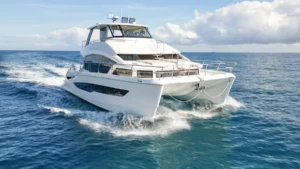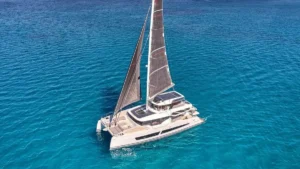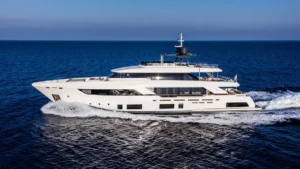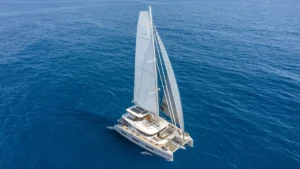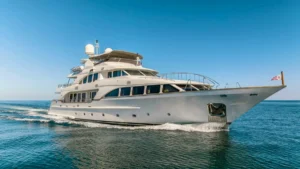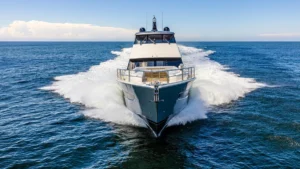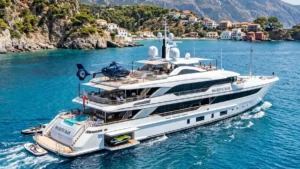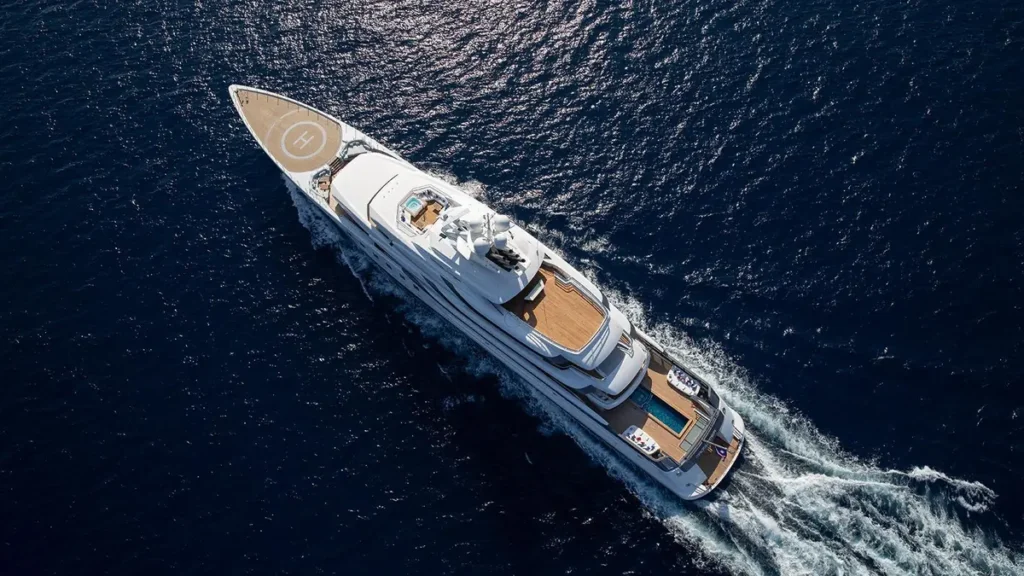
Custom yachts let owners create a vessel around their personal needs, preferred design and travel plans. Unlike standard models, which follow a fixed design, luxury custom yachts are developed to an owner’s requirements, so buyers can influence the size, layout, interior, exterior, equipment and technical systems.
Building one involves planning, design, engineering, shipyard selection, construction and testing, and each decision affects price, construction time, comfort and performance. Owners must also consider maintenance, crew, insurance, fuel and other long-term costs. This guide explains custom yacht design, customization options, the building process, costs and how to choose a builder.
What Are Custom Yachts?
Custom yachts are designed and built around an individual owner’s requirements rather than a standard production model. The design can include a specially developed hull, exterior shape, interior layout, propulsion system and onboard equipment.
The level of customization depends on the project and the shipyard. Some owners want a completely new design, while others use proven engineering and personalize the appearance, interior and equipment. Custom yachts can be designed for private cruising and family holidays, long-distance and ocean cruising, entertaining guests, water sports, or luxury travel with extensive accommodation.
A custom yacht does not mean every component is newly invented. Builders can use established engines, navigation systems and generators while creating a unique overall design. The main advantage is that the yacht is planned around your intended use, instead of you adjusting to an existing model.
Custom vs. Semi-Custom vs. Production Yachts
| Feature | Production yachts | Semi-custom yachts | Custom yachts |
|---|---|---|---|
| Basic design | Standard model | Existing platform | Developed for the project |
| Hull | Predetermined | Generally established | Can be bespoke |
| Interior | Limited options | More choices | Highly customizable |
| Exterior | Standard design | Some changes possible | Project-specific |
| Equipment | Standard and optional | Configurable | Selected for the project |
| Design freedom | Limited | Moderate | Extensive |
Production yachts follow established designs, with a choice of available equipment and finishes. Semi-custom yachts use an existing hull or engineering platform but allow more freedom over the interior, furniture, finishes and selected features. Custom yachts are developed around the owner’s requirements, possibly with a new hull, exterior and interior arrangement.
A fully custom yacht generally needs more design work, engineering and construction time, and it is not automatically best for every buyer. A semi-custom yacht may suit you better when an existing platform already meets most requirements.
What Can You Customize in a Yacht?
Every change must also meet engineering, safety, space and weight requirements.
Hull Design and Dimensions

The hull affects how the vessel moves through water, carries weight and performs. Owners work with naval architects on length and beam, draft, hull shape and stability, cruising speed, fuel capacity and range, and the expected sea and weather conditions. A long-distance cruiser has different range and storage needs from a yacht used for short recreational trips.
Exterior Design
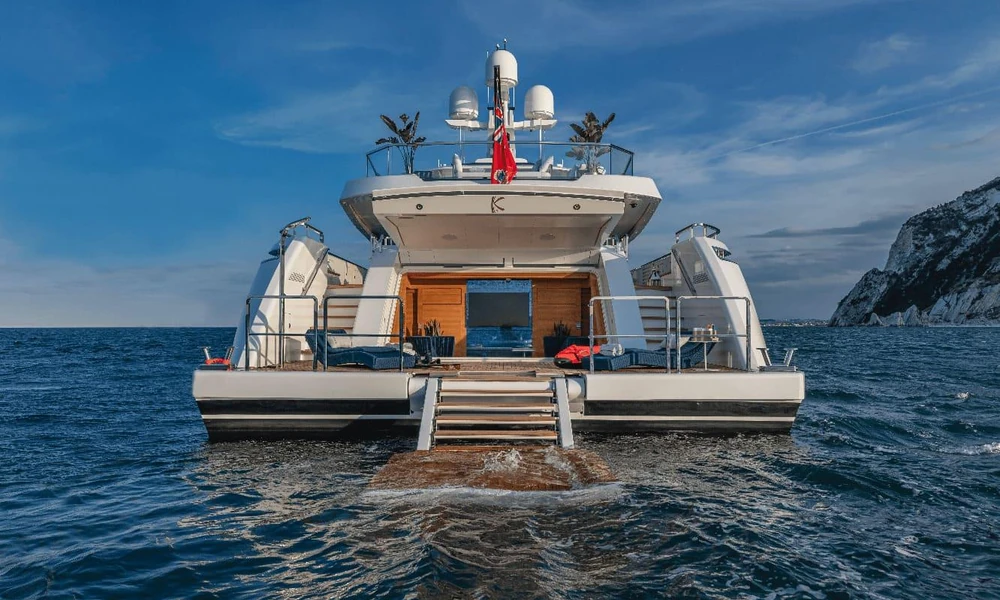
The exterior sets the yacht’s appearance and outdoor spaces. Options include the profile and superstructure, deck layouts, sunbathing areas, outdoor dining, swimming platforms, beach clubs and tender storage. Plan them carefully, since they affect space, weight distribution, safety and daily use.
Interior Design and Layout
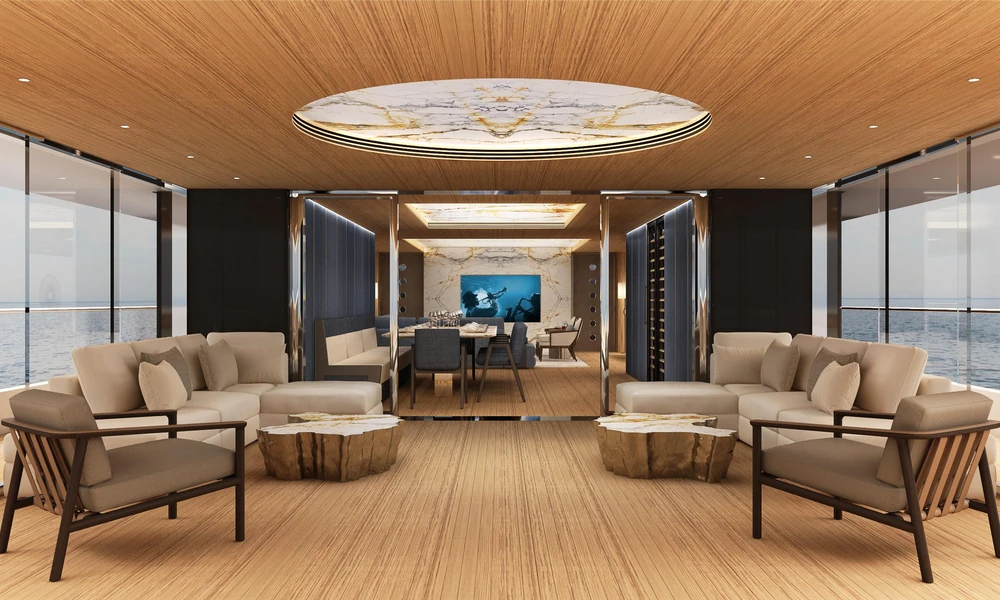
The interior can be developed around your lifestyle and the number of people aboard: owner’s suite, guest cabins, bathrooms, dining and lounge areas, the galley, crew accommodation and storage, along with furniture, flooring, lighting and finishes. A family-holiday yacht needs a different cabin arrangement from one built for entertaining.
Engines and Propulsion
Propulsion affects performance, fuel use and maintenance. The right system depends on size, weight, intended speed and cruising needs, so consider engine type and power, propulsion arrangement, fuel capacity, operating speed, range and servicing. Involve qualified marine engineers, because propulsion must work with the yacht’s overall design.
Navigation and Onboard Technology
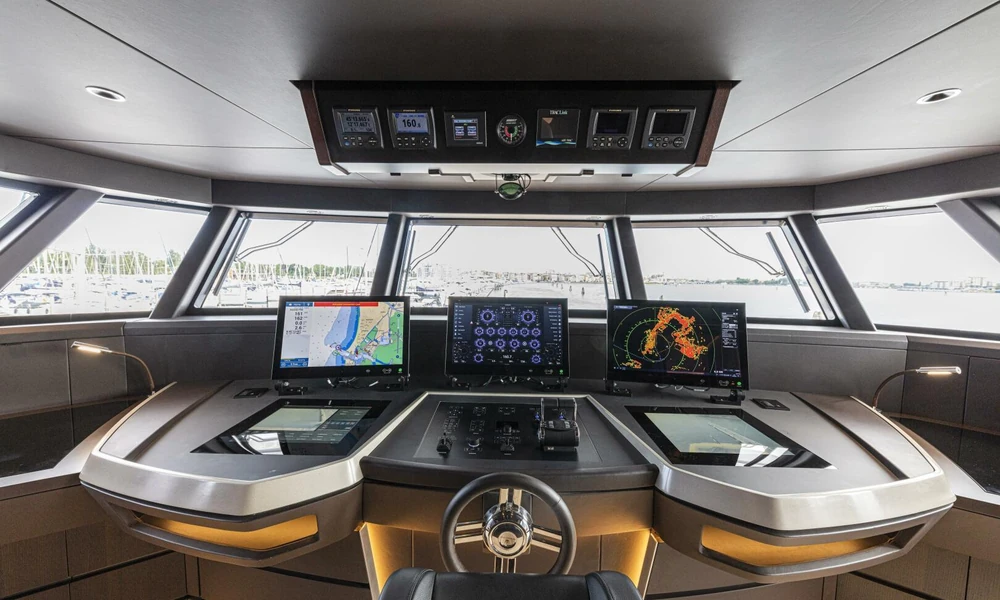
Modern custom yachts can include GPS, radar, electronic charts, autopilot, communication equipment, monitoring and control systems, entertainment and security equipment. Choose equipment that matches the yacht’s operating requirements and applicable marine standards.
Luxury and Recreational Features
Depending on size and design, you may add swimming pools, gyms, wellness areas, water toys, tender garages or helicopter landing facilities. Not every feature suits every yacht, so consider space, weight, safety, engineering and regulations first.
How Are Custom Yachts Designed and Built?
The process involves the owner, designers, naval architects, engineers and shipyard teams.
Step 1: Define Your Requirements
Prepare an owner’s brief explaining what the yacht should provide and how it will be used: intended cruising areas, guests and crew, required cabins and facilities, preferred dimensions, speed and range, budget and design preferences. A clear brief helps the design team before technical plans begin.
Step 2: Choose a Designer and Naval Architect
A yacht designer develops the appearance, interior and general arrangement, while a naval architect handles hull design, stability, structure and performance. Both matter, because an attractive design must also be practical and technically possible.
Step 3: Develop the Concept
The design team prepares exterior drawings, general arrangement plans, interior concepts, preliminary dimensions and initial technical requirements. Some shipyards use 3D models and full-scale interior mock-ups so owners can review the design and spot layout or material issues before the build.
Step 4: Select a Builder
Choosing the shipyard is one of the most important decisions, and it should rest on its ability to deliver the yacht rather than the advertised price. See the builder checklist below.
Step 5: Finalize the Design and Contract
Agree the specifications and contract before construction. The agreement should cover the final design and technical specifications, materials and equipment, construction standards, price, payment milestones, delivery date, change-order procedures, warranty and each party’s responsibilities. Record later changes in writing, since they can affect the budget and schedule.
Step 6: Begin Construction
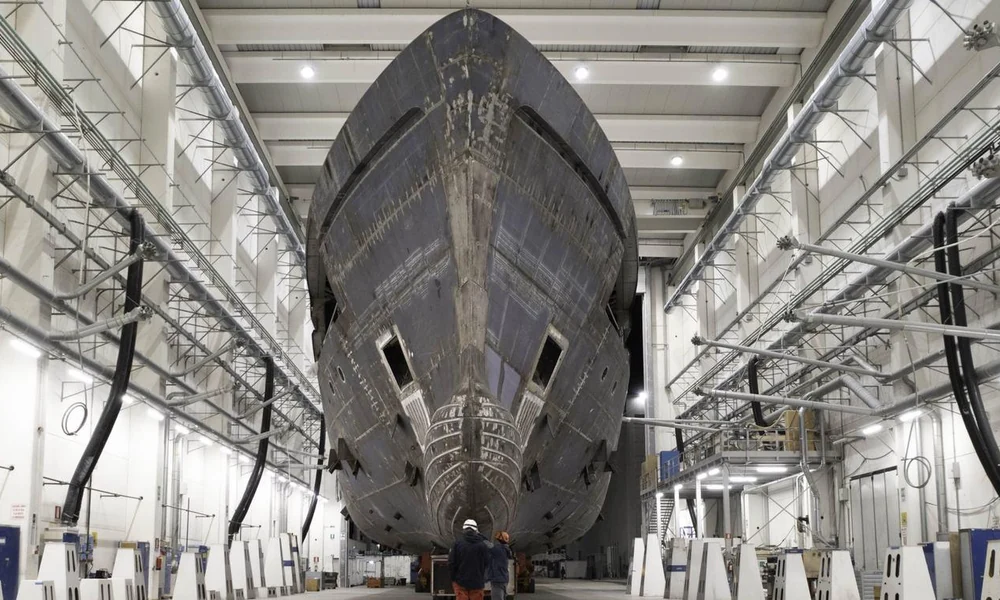
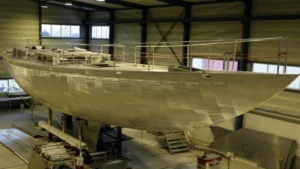
Once designs and approvals are complete, the shipyard builds the hull, structural supports and superstructure and installs major systems. Builders may use steel, aluminum, fiberglass or composites, and engines, electrical systems, generators and plumbing are installed as work progresses.
Step 7: Complete Interior and Exterior Finishing
This includes furniture, flooring, lighting, bathrooms, paintwork, decorative details and onboard equipment. The shipyard checks that the finished work follows the approved specifications.
Step 8: Inspections and Sea Trials

Before delivery, the yacht is tested, including engine and propulsion performance, navigation and communication equipment, electrical systems, safety equipment, steering and maneuverability, and mechanical systems. Sea trials let the builder and technical representatives evaluate the yacht in operating conditions.
Step 9: Delivery and Handover
After testing and acceptance, the yacht is handed over with documentation, equipment instructions, warranties, maintenance information and crew familiarization. Any outstanding defects should be recorded and handled under the contract.
How Much Do Custom Yachts Cost?
Cost depends on size, design, materials, equipment, construction location and shipyard. No single price applies to every custom yacht: a simple design with standard equipment costs very differently from a large vessel with complex engineering, specialized facilities and bespoke interiors.
| Cost factor | How it affects the budget |
|---|---|
| Yacht size | Larger yachts need more materials and labor |
| Design complexity | More complex designs need extra design and engineering |
| Construction materials | Type and availability affect expenses |
| Engines and propulsion | Equipment selection affects purchase and installation |
| Interior finishes | Bespoke furniture and premium materials add cost |
| Technology | Advanced systems add equipment and installation costs |
| Shipyard | Location, facilities and labor costs differ |
Design and engineering costs cover naval architecture, exterior and interior design, engineering calculations and technical drawings, and depend on complexity and the services in the shipyard’s agreement.
Construction and equipment costs cover the hull, structure, machinery, electrical systems, plumbing and interior installation, and special features, upgraded engines or design changes raise the final cost. Also plan for changes, extra equipment and technical adjustments during construction, and use a clear contract and regular cost reviews to avoid surprises.
How Long Does It Take to Build a Custom Yacht?
Construction can take several years, especially for a large vessel with a completely new design. The time depends on the design process, engineering requirements, shipyard schedule, complexity, equipment availability and interior finishing.
The main stages are planning and design, naval architecture and engineering, contract and approvals, hull and structural construction, mechanical and electrical installation, finishing, testing and sea trials, and delivery. Large fully custom superyachts can take several years from contract to delivery, while smaller projects may be shorter. Ask the shipyard for a project-specific schedule rather than relying on a general estimate.
Materials Used in Custom Yacht Construction
Materials affect weight, strength, maintenance and construction methods.
| Material | Main characteristics | Important consideration |
|---|---|---|
| Aluminum | Relatively lightweight, suits performance-focused designs | Needs proper corrosion protection |
| Steel | Strong, common in large yachts | Higher structural weight, corrosion protection |
| Fiberglass and composites | Good strength-to-weight, flexible shapes | Construction quality is important |
| Carbon fiber | High strength-to-weight potential | Specialized, expensive construction |
There is no universally best material. The right choice depends on the vessel’s design, operating requirements, engineering and budget.
Custom Yacht Safety, Regulations and Classification
Consider safety and regulation from the start. The rules depend on size, flag state, passenger capacity and whether the yacht operates privately or commercially.
- Flag state: A yacht is registered under a country’s flag, and the flag administration regulates vessels registered under it. Understand the registration requirements before finalizing construction.
- Classification societies: They develop technical rules and carry out surveys to assess whether a vessel meets classification requirements. The shipyard, owner and technical team should establish which apply.
- Private vs. commercial use: Commercial yachts may need additional safety, certification and operational standards. SOLAS is an important international safety convention, but its requirements do not automatically apply in the same way to every private pleasure yacht, so check the rules for your vessel.
How to Choose the Right Custom Yacht Builder
- Review previous projects: Look at completed yachts, especially those of similar size and technical requirements, and examine them in person and speak with previous clients where possible.
- Check technical capabilities: Confirm the shipyard’s facilities, engineering team, experience, production capacity and quality-control procedures.
- Understand the contract: Review specifications, payment stages, warranties, delivery terms and change procedures.
- Evaluate project management: Ask how the shipyard monitors progress, quality, costs and schedules.
- Check after-sales support: Understand the technical assistance, warranty and maintenance support after delivery.
- Consider independent supervision: An owner’s representative can monitor construction, technical decisions, quality and contract compliance.
What to Consider Before Commissioning a Custom Yacht
- Purpose: Family trips, private cruising, entertaining or long-distance travel.
- Budget: Design, engineering, construction, equipment and delivery expenses.
- Size, guests and crew: Dimensions, cabins and working areas that match your plans.
- Cruising range: Fuel capacity, speed and intended destinations.
- Maintenance: The long-term care the yacht and its systems need.
- Resale: Highly personalized layouts may appeal to fewer future buyers.
Common mistakes include starting without a clear owner’s brief, choosing a builder on price alone, ignoring technical and regulatory requirements, making frequent design changes after construction begins, underestimating crew and maintenance costs, skipping inspections and not reviewing the contract carefully.
How Much Does It Cost to Own and Maintain a Custom Yacht?

The purchase is only the beginning. Total cost depends on size, age, equipment, location, operating hours and usage.
| Ownership expense | What it covers |
|---|---|
| Crew | Salaries, training and related employment costs |
| Fuel | Main engines and generators |
| Berthing | Marina and docking charges |
| Insurance | Coverage based on vessel value and operating risks |
| Maintenance | Regular servicing and inspections |
| Repairs | Unexpected mechanical and structural work |
| Management | Administrative and operational support |
| Refits | Major repairs, upgrades and renovations |
Larger yachts need more crew for navigation, engineering, maintenance, hospitality and daily operations. Fuel depends on engine type, speed, hours and distance, berthing varies with the yacht’s dimensions and the marina, and insurance depends on value, navigation area, usage and coverage. Over time, yachts also need major repairs, equipment replacement and upgrades, so include them in your long-term financial plan.
Are Custom Yachts Worth It?
Custom yachts suit owners with specific requirements that existing models cannot meet. Their main advantage is design freedom over layout, appearance, equipment and technical features.
However, they generally need more planning, design work, investment and time than a production model. A semi-custom yacht may be better when an established platform already provides the layout and performance you need. The right choice depends on your priorities, budget, schedule and willingness to manage a complex building project.
Frequently Asked Questions About Custom Yachts
Can you change the design after construction begins?
Possibly, depending on the stage and the change. Furniture or finishes are easier to change than structure, hull dimensions or major systems. Document approved changes, since they can raise costs and delay delivery.
Can a custom yacht be designed for specific cruising destinations?
Yes. The design can consider cruising areas, sea conditions, draft, fuel capacity, range and facilities, and a naval architect must check it suits those conditions.
Can you use an existing yacht design for a custom build?
Yes. Some projects start from an existing design or platform and personalize selected areas, within the shipyard’s capabilities and the design’s technical limits.
Who owns the yacht design after construction?
That depends on the design agreements and construction contract, which should say who owns the drawings, technical documents and intellectual property, and whether you can reuse them.
Can two custom yachts from the same shipyard perform differently?
Yes. Hull design, dimensions, weight, engines, propulsion and equipment all affect performance, so specifications and characteristics can differ.
Must I use the same shipyard for future repairs?
No. You can use suitable marine service providers, depending on the equipment, warranty terms and availability of qualified support, though some specialized work may suit the builder or an authorized provider.
What if the yacht does not meet its agreed specifications?
Refer to the signed contract, specifications, inspection records and acceptance procedures. Document differences and resolve them under the contract before acceptance, or through the warranty process.
Can a custom yacht be upgraded years after delivery?
Yes, through refits, equipment replacements and interior changes. Have qualified marine professionals check major modifications for safety and compliance.
Is a custom yacht harder to resell than a production yacht?
It can be, because a highly personalized layout may appeal to fewer buyers. Resale also depends on the builder’s reputation, condition, maintenance history, equipment and market demand.
What should an owner receive at delivery?
The handover package should include the documents required by the contract and regulations, such as registration and certification documents, technical information, equipment manuals, warranties, maintenance schedules and inspection records.
Conclusion
Custom yachts let you create a vessel around your preferences, cruising plans and onboard requirements, with influence over the design, interior, exterior, equipment and technical systems.
A successful project needs more than an attractive design. Careful planning, qualified naval architects, a capable shipyard, clear contracts, proper inspections and realistic budgeting all matter. Before commissioning, compare full-custom and semi-custom options, understand the construction process and calculate long-term ownership costs, so the yacht you build is practical to operate and maintain.